Can Riboflavin 5'-Phosphate Help Restore Energy in Long COVID and ME/CFS?
March 6, 2026
Riboflavin 5'-PhosphateVitamin B2Long COVID
Share:
Disclaimer: The information provided here is for educational purposes only and is not intended as medical advice. It should not be used to diagnose, treat, cure, or prevent any medical condition. Instead, use it as a starting point for discussion with your healthcare provider. Always consult with a qualified healthcare provider before starting any new medication, supplement, device, or making changes to your health regimen.
Months or even years after a viral infection, many individuals find themselves fighting a daily battle against profound exhaustion, cognitive dysfunction, and autonomic instability. For patients living with Long COVID, myalgic encephalomyelitis/chronic fatigue syndrome (ME/CFS), and dysautonomia, the simple act of standing up or completing a basic household task can trigger a debilitating crash. This phenomenon, known as post-exertional malaise (PEM), is not merely a psychological hurdle or standard tiredness; it is a profound physiological energy crisis occurring at the cellular level. When the body's microscopic powerhouses—the mitochondria—fail to produce adequate energy, every system in the body suffers, leaving patients searching for validating answers and scientifically grounded management strategies.
In the quest to restore cellular bioenergetics, nutritional interventions have taken center stage in complex chronic illness care. One of the most critical, yet frequently overlooked, foundational nutrients is Riboflavin, commonly known as Vitamin B2. Specifically, its active coenzyme form, Riboflavin 5'-Phosphate (R5P), plays a mandatory role in the biological machinery that converts the food we eat into the ATP (adenosine triphosphate) our cells use for fuel. Beyond basic energy production, this essential nutrient dictates the health of our methylation pathways, regulates oxidative stress, and supports the autonomic nervous system. By understanding the deep biochemical mechanisms of Riboflavin 5'-Phosphate, patients and providers can better target the root causes of mitochondrial dysfunction and take meaningful steps toward reclaiming their quality of life.
TL;DR
Riboflavin 5'-Phosphate (Vitamin B2) is essential for cellular energy production and mitochondrial health.
It may help manage fatigue and post-exertional malaise in Long COVID and ME/CFS patients.
Riboflavin supports the methylation cycle, which is crucial for individuals with MTHFR genetic mutations.
Taking riboflavin with meals and splitting doses can maximize its absorption in the body.
What is Riboflavin 5'-Phosphate?
The Foundation of Cellular Bioenergetics
Riboflavin, universally recognized as Vitamin B2, is an essential water-soluble vitamin that serves as the biochemical backbone for human cellular energy production, redox homeostasis, and metabolic regulation. In a healthy body, riboflavin does not function in its raw, native state; rather, it acts as a pro-coenzyme. To become biologically active, it must undergo a tightly regulated, two-step enzymatic conversion process inside the cells. This transformation is critical because the resulting active compounds dictate the structural folding, stability, and catalytic function of approximately 90 specific enzymes, collectively known as "flavoproteins," which are distributed throughout the human body. Without these flavoproteins, the fundamental processes that sustain human life—from breaking down dietary fats to neutralizing toxic metabolic byproducts—would grind to a halt.
The Biosynthesis of FMN and FAD
The intracellular conversion of riboflavin begins with the enzyme riboflavin kinase (flavokinase), which utilizes cellular energy (ATP) to phosphorylate standard riboflavin, yielding the first active derivative: Flavin Mononucleotide (FMN), which is synonymous with Riboflavin 5'-Phosphate. Following this initial step, a second enzyme known as FAD synthetase (FADS) transfers an adenylyl group from another ATP molecule to FMN, generating the secondary and most abundant active form: Flavin Adenine Dinucleotide (FAD). According to comprehensive biochemical reviews, approximately 84% of the body's flavoproteins rely strictly on FAD, while the remaining 16% utilize FMN. These two coenzymes act as essential electron carriers, shuttling electrons back and forth across cellular membranes to facilitate complex biochemical reactions.
The chemical brilliance of riboflavin lies in its unique molecular structure, specifically its isoalloxazine ring, which forms the active redox center of these flavocoenzymes. This ring allows FMN and FAD to accept and donate either one or two electrons at a time, making them incredibly versatile mediators in the body's oxidation-reduction (redox) pathways. This electron-shuttling capability is what makes Riboflavin 5'-Phosphate an absolute requirement for the mitochondrial electron transport chain (ETC). When patients ask what causes Long COVID or ME/CFS symptoms, researchers increasingly point to a breakdown in these exact electron transfer mechanisms, highlighting why maintaining robust levels of FMN and FAD is a critical component of chronic illness management.
The Role of Flavoproteins in Human Biology
Beyond the direct production of ATP, riboflavin-dependent flavoproteins are heavily involved in the metabolism of other crucial vitamins and amino acids. For instance, Riboflavin 5'-Phosphate is a mandatory cofactor for the activation of Vitamin B6 (pyridoxine) into its active form, pyridoxal 5'-phosphate. It is also required for the conversion of the amino acid tryptophan into niacin (Vitamin B3), another vital player in mitochondrial health. Furthermore, FAD is intimately involved in the synthesis of red blood cells, ensuring that adequate oxygen is transported to tissues throughout the body. When riboflavin levels drop, or when the enzymatic conversion to R5P is hindered by genetic mutations, chronic inflammation, or certain medications, the resulting bottleneck cascades through multiple physiological systems, manifesting as severe fatigue, neurological dysfunction, and impaired immune responses.
How Long COVID and ME/CFS Impact Mitochondrial Function
Viral Hijacking and Mitochondrial Toxicity in Long COVID
To understand why Riboflavin 5'-Phosphate is so highly regarded in the chronic illness community, we must first examine how complex conditions like Long COVID and ME/CFS dismantle the body's natural energy infrastructure. Recent research published in 2024 has identified profound mitochondrial dysfunction as a central, unifying mechanism in Long COVID. During an acute SARS-CoV-2 infection, the virus actively hijacks the host's mitochondria to replicate, stripping the organelles of their resources and causing direct structural damage. Studies utilizing advanced electron microscopy have revealed swollen mitochondria with disrupted cristae—the inner membrane folds where the electron transport chain resides—in patients suffering from persistent post-viral symptoms. This structural devastation severely impairs the mitochondria's ability to utilize FMN and FAD, leading to a catastrophic drop in ATP production.
Furthermore, the persistence of viral remnants, such as the spike protein, continues to trigger chronic immune activation and neuroinflammation long after the acute infection has passed. A comprehensive narrative review highlights that this sustained immune response generates massive amounts of mitochondrial reactive oxygen species (mtROS). This oxidative stress damages mitochondrial DNA (mtDNA) and causes it to leak into the bloodstream, where it acts as a potent inflammatory trigger, perpetuating a vicious cycle of systemic inflammation and cellular exhaustion. For patients wondering what are the symptoms of Long COVID, this exact mechanism explains the relentless fatigue, brain fog, and muscle weakness that define the condition.
The Hypometabolic "Dauer" State in ME/CFS
In the realm of myalgic encephalomyelitis/chronic fatigue syndrome (ME/CFS), the energy crisis takes on a slightly different, yet equally devastating, metabolic profile. A landmark metabolomics study published in the Proceedings of the National Academy of Sciences (PNAS) by Dr. Robert Naviaux demonstrated that ME/CFS represents a profound hypometabolic state, remarkably similar to the "dauer" state seen in certain organisms during times of extreme environmental stress. In this state, the body actively downregulates its metabolism to conserve energy and protect itself from perceived cellular threats. The study noted that the availability and mobilization of FAD—the derivative of Riboflavin 5'-Phosphate—are carefully restricted during this protective shutdown, leading to widespread disturbances in fatty acid oxidation and amino acid metabolism.
This hypometabolic shift explains why patients with ME/CFS experience severe post-exertional malaise (PEM) when they attempt to push through their fatigue. Their mitochondria are essentially locked in a defensive posture, unable to ramp up ATP production in response to physical or cognitive demands. When we explore the question, can Long COVID trigger ME/CFS?, the answer lies in this shared metabolic suppression. The initial viral insult of COVID-19 can act as the environmental stressor that flips the metabolic switch, trapping the patient in a chronic, FAD-depleted dauer state that standard rest cannot resolve.
Oxidative Stress and the Glutathione Depletion Cycle
Another critical intersection between chronic illness and riboflavin involves the body's master antioxidant: glutathione. In healthy individuals, glutathione neutralizes the reactive oxygen species produced during normal cellular respiration. However, once glutathione has neutralized a free radical, it becomes oxidized and must be "recycled" back into its active form by an enzyme called glutathione reductase (GTR). Classic targeted studies have explored how lipid peroxidation and oxidative stress cause significant tissue damage when natural antioxidant defenses are overcome. In ME/CFS and Long COVID, the massive burden of oxidative stress rapidly depletes active glutathione. If the body lacks sufficient Riboflavin 5'-Phosphate to power the GTR enzyme, glutathione remains trapped in its oxidized state, leaving the mitochondria defenseless against ongoing free radical damage. This vicious cycle of oxidative stress and glutathione depletion is a hallmark of the neuroinflammation and autonomic dysfunction seen in these complex conditions.
Riboflavin 5'-Phosphate: Supporting Cellular Energy and Methylation
Reigniting the Electron Transport Chain
When patients incorporate Riboflavin 5'-Phosphate into their management protocols, the primary goal is to provide the mitochondria with the exact biochemical tools required to bypass viral-induced bottlenecks and restore ATP production. The mechanism of action begins deep within the inner mitochondrial membrane, specifically at the electron transport chain (ETC). The ETC consists of four major protein complexes that pass electrons down a gradient, ultimately generating the energy needed to synthesize ATP. Complex I (NADH:ubiquinone oxidoreductase), the massive first gateway of the ETC, relies strictly on FMN (Riboflavin 5'-Phosphate) to accept electrons from NADH. Without sufficient FMN, electrons cannot enter the chain, and the entire energy production process stalls at the very first step.
Simultaneously, Complex II (Succinate dehydrogenase) utilizes the secondary riboflavin derivative, FAD, to transfer electrons during the citric acid (TCA) cycle. By ensuring an abundant supply of Riboflavin 5'-Phosphate, supplementation acts as a "chaperone" molecule, physically promoting the structural folding and stability of these vital respiratory complexes. Research demonstrates that high intracellular levels of flavins can actually rescue mutant or damaged flavoproteins, restoring catalytic complex activities even in the presence of severe metabolic stress or mitochondrial disease. For patients battling the profound exhaustion of Long COVID and ME/CFS, this mechanistic restoration of Complex I and Complex II is a critical step toward alleviating cellular fatigue.
The MTHFR Connection and Methylation Support
Beyond the mitochondria, Riboflavin 5'-Phosphate plays a starring role in the body's methylation cycle, a biochemical pathway vital for DNA repair, neurotransmitter production, and cardiovascular health. This connection is heavily mediated by the MTHFR (Methylenetetrahydrofolate reductase) enzyme, which converts folate into its active form (5-MTHF) to help clear toxic homocysteine from the blood. The MTHFR enzyme is an "FAD-dependent flavoprotein," meaning it physically requires the riboflavin derivative FAD to bind to it in order to function. According to the Linus Pauling Institute, individuals who carry the common MTHFR C677T genetic mutation have a structural flaw in their MTHFR enzyme that significantly reduces its ability to hold onto FAD, leading to sluggish methylation and elevated homocysteine levels.
Elevated homocysteine is highly inflammatory, damaging blood vessels and contributing to the autonomic neuropathy and microvascular clotting frequently observed in dysautonomia and Long COVID. Clinical trials have revealed that high-dose riboflavin supplementation is the specific, missing key for individuals with the MTHFR 677TT genotype. By flooding the system with riboflavin, the mutated enzyme is stabilized, its activity is restored, and homocysteine levels drop significantly. Research in the American Heart Association Journals confirms that this targeted riboflavin intervention not only corrects the methylation bottleneck but also significantly lowers blood pressure in this specific genetic subset, offering profound cardiovascular and autonomic protection.
Fatty Acid Oxidation and Amino Acid Metabolism
Another vital mechanism of Riboflavin 5'-Phosphate involves the breakdown of dietary fats into usable energy. Mitochondrial acyl-CoA dehydrogenases—the enzymes responsible for performing the crucial first step in fatty acid $\beta$-oxidation—are entirely dependent on FAD. Furthermore, the Electron Transfer Flavoprotein (ETF) and ETF dehydrogenase (ETFDH) strictly require FAD to pass electrons from fatty acid and amino acid metabolism into the respiratory chain. In the hypometabolic state of ME/CFS, these specific lipid and amino acid pathways are frequently severely impaired, leading to the accumulation of toxic acyl-carnitines in the blood. By providing a highly bioavailable source of riboflavin, patients can support the enzymatic clearance of these metabolic roadblocks, allowing the body to efficiently utilize fats for sustained energy rather than relying solely on rapid, crash-inducing glycolysis.

Symptoms Riboflavin May Help Manage
Neurological and Cognitive Symptoms
Because Riboflavin 5'-Phosphate is deeply involved in neurotransmitter synthesis, myelin sheath maintenance, and neuro-inflammation reduction, it is frequently utilized to target the neurological manifestations of complex chronic illnesses.
Brain Fog and Cognitive Dysfunction: By restoring mitochondrial ATP production in cerebral tissue and supporting the methylation cycle (which is required to produce neurotransmitters like dopamine and serotonin), riboflavin may help lift the cognitive cloud, improve focus, and enhance memory retrieval in Long COVID and ME/CFS patients.
Migraines and Headaches: Migraine pathogenesis is increasingly linked to a decline in mitochondrial energy reserves in cerebral blood vessels. High-dose riboflavin is a clinically proven, standard-of-care prophylactic treatment that increases mitochondrial phosphorylation potential, significantly reducing the frequency and severity of migraine attacks, which are highly comorbid with dysautonomia and MCAS.
Nerve Pain and Neuropathy: Elevated homocysteine levels, driven by MTHFR mutations and riboflavin deficiency, can cause microvascular damage to peripheral nerves. By lowering homocysteine and supporting the synthesis of the myelin sheath, riboflavin helps protect against small fiber neuropathy and the burning, tingling sensations often reported by Long COVID long-haulers.
Systemic and Autonomic Symptoms
The systemic impact of restored cellular bioenergetics extends to the autonomic nervous system and overall physical stamina, making riboflavin a staple in dysautonomia and fatigue management protocols.
Post-Exertional Malaise (PEM) and Severe Fatigue: By acting as the mandatory electron acceptor in Complex I of the electron transport chain, Riboflavin 5'-Phosphate directly addresses the root cause of cellular exhaustion. It provides the biochemical scaffolding needed to convert food into ATP, helping to raise the patient's baseline energy envelope and potentially reducing the severity of PEM crashes.
POTS and Autonomic Instability: Dysautonomia specialists frequently utilize B-vitamin complexes to support the brain's circumventricular organs (CVOs), which regulate autonomic function. By reducing oxidative stress and lowering neuro-inflammation, riboflavin helps stabilize the autonomic nervous system, potentially easing symptoms like tachycardia, blood pooling, and dizziness upon standing.
Histamine Intolerance and MCAS: While not a direct mast cell stabilizer, riboflavin supports the methylation cycle, which is required for the production of HNMT (histamine N-methyltransferase)—one of the primary enzymes responsible for breaking down intracellular histamine. Supporting this pathway can indirectly assist patients managing mast cell activation syndrome (MCAS) and severe food sensitivities.
Practical Considerations: Forms, Dosing, and Absorption
The Bioavailability Debate: R5P vs. Standard Riboflavin
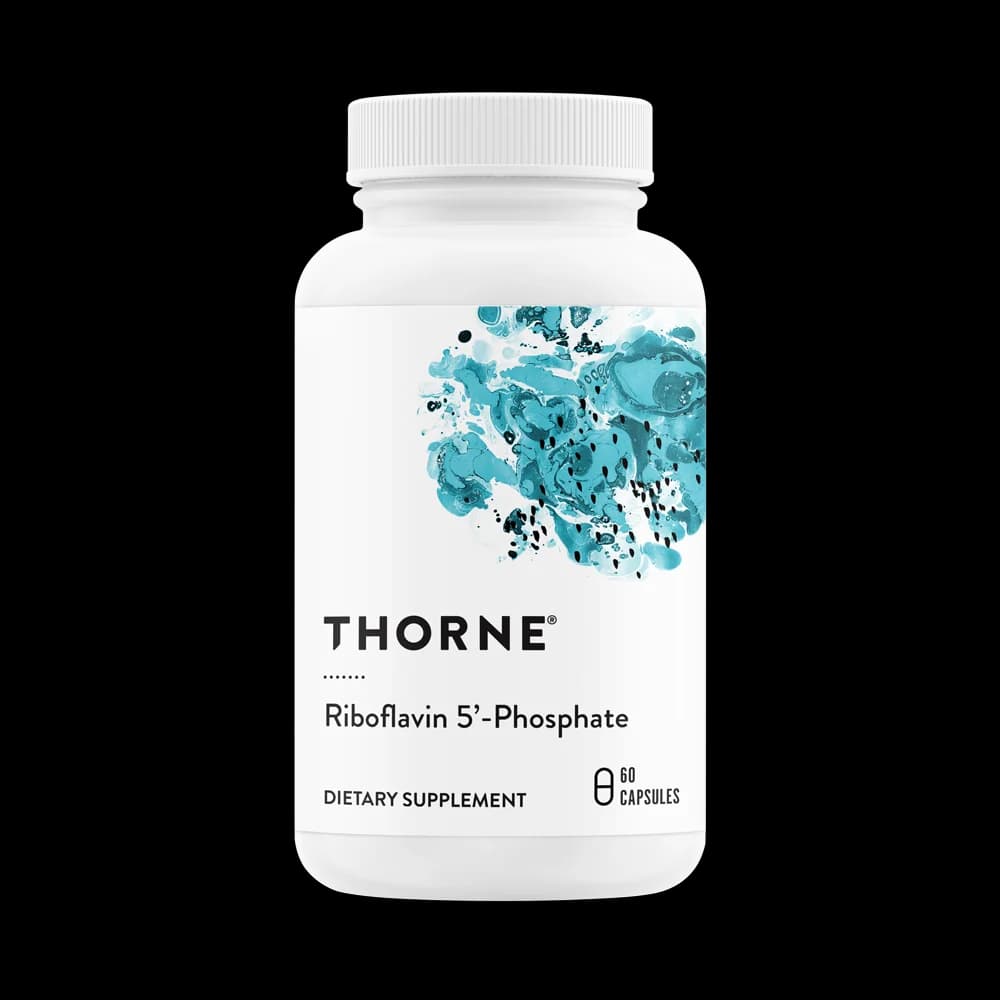
When navigating the supplement aisle, patients are frequently confronted with a choice between standard Riboflavin and its "activated" coenzyme form, Riboflavin 5'-Phosphate (R5P). Many supplement brands, including Thorne, market R5P as a superior, tissue-ready form that "bypasses gut conversion," making it ideal for individuals with compromised digestive systems. However, pharmacokinetic reviews and clinical nutrition data present a fascinating contrast to these marketing claims. The biological reality is that the human gastrointestinal tract cannot absorb R5P intact. When you swallow an R5P capsule, intestinal brush border enzymes (specifically alkaline phosphatase) rapidly and almost completely strip the phosphate group away in the gut lumen, converting the R5P back into free, standard riboflavin before it ever crosses the intestinal wall.
Once converted back to free riboflavin, it is absorbed into the enterocytes via specialized carrier-mediated transport proteins, primarily Riboflavin Transporter 3 (RFVT3). After crossing into the bloodstream and reaching tissues like the liver and heart, the body uses cellular energy to re-phosphorylate the vitamin back into R5P and FAD for metabolic use. Because oral R5P is chemically forced to revert to standard riboflavin in the digestive tract prior to absorption, clinical experts note that its baseline oral bioavailability is virtually identical to that of standard riboflavin. While R5P is an exceptionally high-quality and effective form of the vitamin, patients should understand that their body will still perform the necessary enzymatic conversions, regardless of which oral capsule they choose.
Saturable Transport and Optimal Dosing Strategies
Understanding how the body absorbs riboflavin is crucial for optimizing your dosing strategy. The intestinal transport mechanism for riboflavin is easily saturated, meaning the body can only absorb a limited amount at one time. Research indicates that absorption plateaus at around 27 to 50 mg per single dose. This is why high-quality supplements, such as Thorne's Riboflavin 5'-Phosphate, are deliberately dosed at 36.5 mg per capsule—it perfectly targets this maximum absorption threshold without wasting excess nutrients. Taking massive oral doses (e.g., 400 mg all at once) results in a significant portion of the vitamin being rapidly excreted in the urine, causing the characteristic bright, fluorescent yellow discoloration known as flavinuria.
To maximize absorption, timing and food intake are paramount. Taking riboflavin on an empty stomach yields an absorption rate of only about 15%. However, taking the supplement with a meal containing dietary fats delays gastric emptying, exposing the vitamin to intestinal transporters for a much longer period. This simple adjustment drastically increases the absorption rate to approximately 60%. For patients utilizing high-dose riboflavin therapy (such as the 400 mg protocol for migraines or MTHFR support), it is highly recommended to split the dose throughout the day (e.g., 100 mg taken four times daily with meals) rather than taking it all at once, ensuring steady, maximized absorption across the saturable transport proteins.
Safety Profile, Flavinuria, and Drug Interactions
Riboflavin is widely recognized as exceptionally safe, even at doses significantly higher than the Recommended Dietary Allowance (RDA). Because it is a water-soluble vitamin, the body does not store it in toxic amounts; any excess is efficiently cleared by the kidneys. In fact, the U.S. Food and Nutrition Board has not established a Tolerable Upper Intake Level (UL) for riboflavin because no adverse toxic effects have been observed from long-term, high-dose supplementation. The most common side effect is harmless neon-yellow urine, which is simply a visual confirmation that the vitamin is passing through your system. In very rare cases of extremely high dosages, some patients report mild, transient gastrointestinal discomfort or increased urination.
While safe, riboflavin can interact with several common medications. According to pharmacological databases, riboflavin can decrease the absorption and effectiveness of tetracycline antibiotics; therefore, it should be taken at least two hours before or four hours after these medications. Conversely, anticholinergic drugs (often used for overactive bladder or GI spasms) can actually increase riboflavin absorption by slowing down the digestive tract. Additionally, certain psychiatric medications, such as tricyclic antidepressants (e.g., amitriptyline) and phenothiazines, can inhibit the body's ability to convert riboflavin into its active coenzyme forms, potentially increasing the patient's dietary requirement for Vitamin B2. Patients should always review their current medication list with a healthcare provider before initiating high-dose supplementation.

Follow the Science
Clinical Evidence in ME/CFS and Dysautonomia
The scientific literature provides compelling evidence for the role of antioxidants in managing complex chronic illnesses. A classic review on oxidative stress highlights how lipid peroxidation can overcome natural antioxidant defenses, leading to significant tissue damage. Researchers noted that reactive oxygen species readily attack cell membranes, initiating a destructive chain reaction that is implicated in numerous disease states. This foundational research supports the clinical use of antioxidants like B2 to restore redox balance and combat the profound oxidative stress driving post-exertional malaise.
In the context of dysautonomia and Long COVID, emerging clinical data highlights the importance of targeted nutritional support to repair the autonomic nervous system. Dysautonomia specialists routinely test patients for specific nutritional imbalances, recognizing that deficiencies in the B-vitamin complex can mimic or drastically exacerbate POTS symptoms. By acting as a mandatory cofactor for the MTHFR enzyme, riboflavin triggers an "alternative rescue pathway" in post-viral patients, helping to lower toxic homocysteine levels, promote proper DNA methylation, and protect the brain's circumventricular organs, which are responsible for regulating heart rate and blood pressure upon standing.
Targeted Genomic Interventions and Migraine Prophylaxis
Some of the most profound clinical discoveries regarding riboflavin involve its targeted use in specific genetic populations. A landmark 2020 randomized controlled trial published by Ulster University investigated how riboflavin impacts DNA methylation in adults with the MTHFR 677TT genotype. The study found that supplementing with riboflavin significantly modulated and corrected aberrant global and gene-specific DNA methylation, providing the first RCT evidence that B2 actively repairs epigenetic dysregulation. Furthermore, research in the American Heart Association Journals demonstrated that riboflavin supplementation in this specific genetic subset resulted in highly significant blood pressure reductions (drops of 5 to 13 mmHg systolic), proving its efficacy as a highly personalized cardiovascular intervention.
Additionally, the clinical efficacy of high-dose riboflavin is perhaps most famously documented in migraine prophylaxis. In a prominent open-label study published in the European Journal of Neurology, adult migraine patients received 400 mg of riboflavin daily. The results were striking: the high-dose therapy resulted in a significant reduction in headache frequency (from 4 days to 2 days per month) and a decrease in the use of abortive drugs after 3 and 6 months of treatment. The treatment was exceptionally well-tolerated, solidifying Riboflavin 5'-Phosphate as a safe, evidence-based cornerstone for managing the severe neuro-inflammatory symptoms frequently experienced by patients with complex chronic conditions.
The Path Forward
Integrating Nutritional Support into Complex Care
Living with the unpredictable, debilitating symptoms of Long COVID, ME/CFS, and dysautonomia can feel like an endless uphill battle against your own biology. When your cellular batteries are fundamentally drained, pushing through the fatigue is not only impossible—it is physiologically damaging. Validating the reality of mitochondrial dysfunction is the first step toward meaningful management. Riboflavin 5'-Phosphate offers a scientifically grounded, highly targeted approach to reigniting the electron transport chain, supporting the MTHFR methylation cycle, and restoring the antioxidant defenses necessary to protect your nervous system. While no single supplement is a miracle cure for complex chronic illness, restoring foundational coenzymes like FMN and FAD is a critical piece of the puzzle.
Taking the Next Steps in Your Health Journey
As you explore ways to raise your baseline energy envelope, remember that supplementation must be integrated into a comprehensive management strategy. Pacing, aggressive rest, symptom tracking, and autonomic rehabilitation are just as vital as the nutrients you consume. If you are wondering how can you live with long-term COVID or how to navigate the complexities of how a doctor diagnoses Long COVID, know that there is a path forward built on precision medicine and compassionate care. Always consult with your primary care physician or a dysautonomia specialist before starting any new supplement regimen, especially if you are taking prescription medications or managing severe gastrointestinal issues. By addressing the root causes of cellular exhaustion, you can begin to reclaim your energy and improve your daily quality of life.
Sources
PubMed: Novel biomarkers of mitochondrial dysfunction in Long COVID patients (2024)
PNAS: Metabolic features of chronic fatigue syndrome (Naviaux Study)
PubMed: Vitamin B status in patients with chronic fatigue syndrome
Oregon State University, Linus Pauling Institute: Riboflavin
European Journal of Neurology: High-dose riboflavin treatment is efficacious in migraine prophylaxis