Can Rhapontic Rhubarb (ERR) Support Hormone Balance in Long COVID and Dysautonomia?
March 6, 2026
RhubestrynRhapontic RhubarbLong COVID
Share:
Disclaimer: The information provided here is for educational purposes only and is not intended as medical advice. It should not be used to diagnose, treat, cure, or prevent any medical condition. Instead, use it as a starting point for discussion with your healthcare provider. Always consult with a qualified healthcare provider before starting any new medication, supplement, device, or making changes to your health regimen.
Months or even years after a viral infection, many women find themselves battling a bewildering array of symptoms: debilitating brain fog, profound fatigue, racing heart rates, and sudden, intense temperature fluctuations. For women in their late 30s, 40s, and 50s, a frustrating clinical dilemma often emerges: are these the lingering effects of a post-viral syndrome, or are they the early signs of perimenopause? The reality is that the intersection of chronic invisible illnesses and the menopausal transition creates a perfect storm of systemic dysregulation, leaving many patients desperately searching for answers and relief.
When the body is already fighting the complex immune and autonomic disruptions of conditions like Long COVID, myalgic encephalomyelitis/chronic fatigue syndrome (ME/CFS), or dysautonomia, the natural decline of estrogen can act as a powerful exacerbating force. Estrogen is not merely a reproductive hormone; it is a master regulator of the brain, the cardiovascular system, and the immune response. As its levels fluctuate and fall, the foundational stability of these systems is compromised, often dramatically worsening baseline chronic illness symptoms. Finding safe, effective ways to support hormone balance without triggering unwanted side effects is a critical component of comprehensive care. This is where specialized botanical interventions, such as the clinically studied rhapontic rhubarb extract found in Rhubestryn, offer a compelling, science-backed approach to restoring equilibrium.
TL;DR
Rhapontic rhubarb extract (ERR) offers non-hormonal support for menopausal symptoms by selectively targeting ERβ receptors.
Estrogen decline can severely exacerbate symptoms of Long COVID, ME/CFS, and dysautonomia.
ERR may help manage temperature regulation, mood, and sleep without the risks of systemic estrogen.
Clinical studies suggest ERR significantly reduces hot flashes and anxiety, improving overall quality of life.
What is Rhapontic Rhubarb (ERR)?
The Botanical Origins of Siberian Rhubarb
Rhapontic rhubarb, scientifically known as Rheum rhaponticum L., is a specific species of rhubarb native to the mountainous regions of Eastern Europe and Asia. Unlike common culinary rhubarb or traditional medicinal rhubarb (Rheum palmatum), which is often used as a strong laxative due to its high concentration of anthraquinones, rhapontic rhubarb is uniquely devoid of these bowel-stimulating compounds. Instead, its roots are incredibly rich in a specific class of polyphenolic compounds known as hydroxystilbenes. The most biologically active of these are rhaponticin and desoxyrhaponticin. These naturally occurring stilbene glycosides share a striking structural similarity to resveratrol, a well-known antioxidant, but they possess highly specialized pharmacological properties that make them uniquely suited for women's health. For decades, a highly standardized extract of this root, known clinically as ERr 731, has been utilized extensively in European medicine as a potent, non-hormonal therapy for navigating the menopausal transition.
The Tale of Two Estrogen Receptors
To understand how rhapontic rhubarb functions at a molecular level, it is essential to first understand the complex architecture of the human body's estrogen receptor system. Estrogen exerts its powerful effects by binding to specific cellular receptors, primarily Estrogen Receptor Alpha (ERα) and Estrogen Receptor Beta (ERβ). These two receptors have vastly different, and sometimes opposing, roles within the body. ERα is predominantly located in the reproductive tissues, including the breast, uterus, and ovaries. When estrogen binds to ERα, it acts as a proliferative signal, stimulating tissue growth and cellular division. While this is a normal part of the reproductive cycle, excessive or unopposed ERα activation is associated with an increased risk of endometrial hyperplasia and certain estrogen-driven cancers.
The Selective Mechanism of Action
In stark contrast, ERβ is found extensively throughout the central nervous system, the cardiovascular system, the skeletal system, and the skin. Activation of ERβ does not promote tissue proliferation; rather, it is deeply involved in regulatory functions such as mood stabilization, neuroprotection, temperature control, and the maintenance of vascular endothelial health. Furthermore, ERβ can actually modulate and suppress the proliferative signals generated by ERα. The clinical brilliance of rhapontic rhubarb extract lies in its behavior as a highly selective ERβ agonist. The active metabolites of rhaponticin and desoxyrhaponticin bind powerfully to ERβ, delivering the neuroendocrine and cardiovascular benefits of estrogen, while actively ignoring ERα. This selective binding profile allows the extract to effectively relieve the central nervous system symptoms of menopause without carrying the proliferative risks associated with traditional systemic estrogen therapies.
How Menopause and Estrogen Decline Impact Long COVID and Dysautonomia
The Profound Symptom Overlap
The clinical presentation of the menopausal transition shares a massive, often confusing overlap with the symptoms of complex chronic illnesses. Patients dealing with Long COVID, ME/CFS, and dysautonomia frequently report severe cognitive impairment ("brain fog"), unrefreshing sleep, profound physical fatigue, muscle and joint pain, and autonomic instability such as palpitations and temperature dysregulation. These exact same symptoms are hallmark features of estrogen withdrawal during perimenopause and menopause. This profound overlap makes it incredibly difficult for both patients and clinicians to untangle the root drivers of their suffering. In many cases, women are misdiagnosed, with their hormonal decline being entirely attributed to their chronic illness, or conversely, their post-viral syndrome being dismissed as "just menopause." Understanding What Are the Symptoms of Long COVID? versus hormonal shifts requires a nuanced, comprehensive clinical perspective.
Estrogen's Role in Autonomic Function and Dysautonomia
For patients living with dysautonomia, particularly Postural Orthostatic Tachycardia Syndrome (POTS), the decline of estrogen can be a devastating trigger for symptom exacerbation. Estrogen plays a critical role in maintaining the health and flexibility of the vascular endothelium by stimulating the production of endothelial nitric oxide synthase (eNOS), an enzyme that promotes blood vessel dilation and healthy blood flow. Furthermore, estrogen helps regulate the autonomic nervous system by maintaining a healthy balance between the sympathetic ("fight or flight") and parasympathetic ("rest and digest") branches. As estrogen levels plummet during menopause, this delicate balance is shattered. The loss of vascular flexibility and the sudden shift toward sympathetic dominance can severely worsen orthostatic intolerance, causing exaggerated heart rate spikes, blood pressure pooling, and intense episodes of tachycardia. The sudden vasomotor spasms of a menopausal hot flash can entirely derail the already fragile autonomic stability of a POTS patient.
Immune Dysregulation and the Vulnerability Window
Beyond the autonomic nervous system, estrogen is a potent immunomodulator. In a healthy premenopausal state, estrogen helps maintain a balanced immune response, helping to limit excessive inflammation while ensuring robust defense mechanisms. However, the erratic fluctuations and eventual severe decline of estrogen during perimenopause can trigger a pro-inflammatory state, characterized by elevated levels of circulating cytokines such as Interleukin-6 (IL-6) and Tumor Necrosis Factor-alpha (TNF-α). This hormonal shift creates a distinct "vulnerability window" for women in their 40s and 50s. Recent epidemiological data suggests that women in this perimenopausal age bracket are significantly more susceptible to developing severe post-viral syndromes. In fact, the systemic inflammation driven by estrogen loss can actively fuel the neuroinflammation and immune dysregulation at the heart of Long COVID and ME/CFS. If you are wondering What Causes Long COVID?, it is increasingly clear that the intersection of viral persistence and midlife hormonal decline plays a major, synergistic role in disease pathology.
Rhubestryn: Supporting Hormone Balance and Symptom Relief
Targeted ER-Beta Activation for Neuroendocrine Support
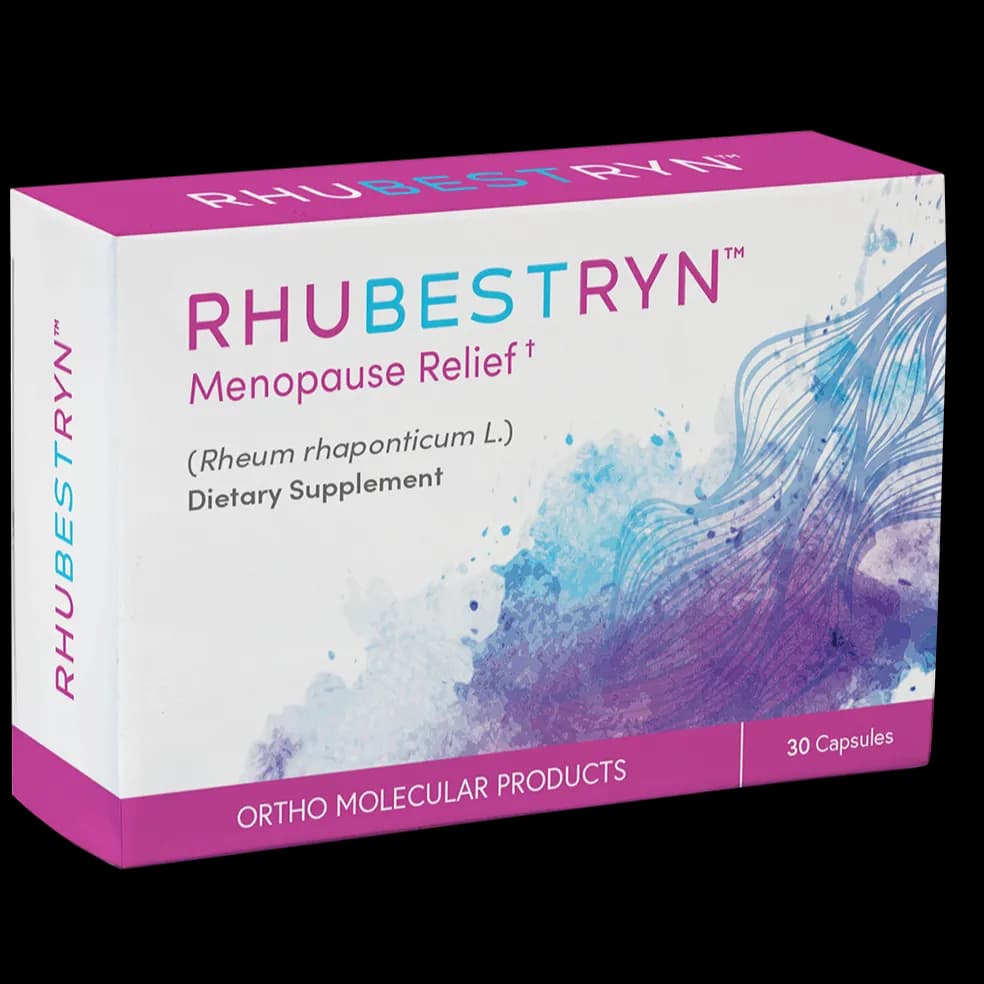
Rhubestryn harnesses the power of a clinically studied rhapontic rhubarb extract (ERR) to provide targeted, natural relief from the systemic disruptions of menopause. At the cellular level, the active compounds in Rhubestryn work by entering the bloodstream and crossing into target tissues where Estrogen Receptor Beta (ERβ) is highly concentrated. Once inside the cell, these stilbene metabolites bind specifically to the ligand-binding domain of the ERβ protein. This binding event triggers a conformational change in the receptor, allowing it to interact with specific DNA sequences known as estrogen response elements (EREs) within the cell's nucleus. By recruiting essential coactivators, the activated ERβ complex alters gene transcription, effectively turning on the cellular machinery responsible for neuroprotection, mood regulation, and cardiovascular stability, all without stimulating the proliferative pathways associated with Estrogen Receptor Alpha (ERα).
Modulating the Hypothalamus for Temperature Control
One of the most debilitating symptoms of the menopausal transition, and one that severely impacts patients with dysautonomia, is the vasomotor hot flash. The mechanism behind hot flashes is deeply rooted in the hypothalamus, the brain's master thermoregulatory center. Within the hypothalamus lies a specific network of neurons known as KNDy neurons (kisspeptin, neurokinin B, and dynorphin). In a healthy state, estrogen acts as a natural brake on these neurons. When estrogen levels drop precipitously during menopause, this braking mechanism is removed, causing the KNDy neurons to hypertrophy and release excessive amounts of neurokinin B. This neurochemical surge tricks the hypothalamus into believing the body is overheating, triggering a massive, inappropriate heat-dissipation response: sudden sweating, intense flushing, and a racing heart. By selectively activating ERβ receptors within the hypothalamus, the active compounds in Rhubestryn help to restore the inhibitory tone on the KNDy neural network, effectively calming the misfiring thermoregulatory circuit and significantly reducing the frequency and severity of hot flashes.
Antioxidant Defense and Inflammatory Balance
In addition to their powerful receptor-modulating capabilities, the hydroxystilbenes in rhapontic rhubarb are potent antioxidants and anti-inflammatory agents. Chronic illnesses like Long COVID and ME/CFS are characterized by severe oxidative stress, a state where highly reactive oxygen species (ROS) overwhelm the body's natural antioxidant defenses, causing widespread cellular damage and mitochondrial dysfunction. The compounds in Rhubestryn help to neutralize these damaging free radicals, protecting delicate cellular membranes and supporting overall mitochondrial integrity. Furthermore, research indicates that these stilbenes can downregulate the activation of Nuclear Factor kappa B (NF-κB), a primary genetic switch that controls the body's inflammatory cascade. By inhibiting NF-κB, Rhubestryn helps to maintain a normal inflammatory balance, reducing the systemic burden of pro-inflammatory cytokines that drive the debilitating fatigue and brain fog so common in both menopause and post-viral syndromes. Learning How Can You Live with Long-Term COVID often involves aggressively targeting these exact pathways of oxidative stress and chronic inflammation.

Symptoms Rhapontic Rhubarb May Help Manage
A Comprehensive Approach to Symptom Relief
Hot Flashes and Night Sweats: By selectively binding to ERβ receptors in the hypothalamus, the extract helps to stabilize the KNDy neural network, supporting normal thermoregulatory control and helping to reduce the sudden, inappropriate heat-dissipation responses that cause severe flushing and nocturnal sweating.
Sleep Disturbances and Insomnia: Night sweats are a primary driver of menopausal insomnia, leading to fragmented, unrefreshing sleep. By reducing vasomotor instability at night, rhapontic rhubarb helps promote deeper, more restorative sleep cycles, which is absolutely critical for patients managing the severe fatigue of ME/CFS or Long COVID.
Mental Fatigue and Brain Fog: Estrogen is vital for maintaining neuroplasticity and cognitive function. By providing ERβ-mediated neuroendocrine support and reducing systemic neuroinflammation, the extract can help clear the cognitive haze, improving focus, memory retrieval, and overall mental stamina.
Mood Swings and Anxiety: The ERβ receptor is heavily expressed in the amygdala and hippocampus, the brain regions responsible for emotional processing. Selective activation of these receptors helps to stabilize neurotransmitter fluctuations, reducing the intense bouts of anxiety, irritability, and depressive moods associated with hormonal decline.
Physical Fatigue and Joint Aches: By exerting potent antioxidant effects and downregulating pro-inflammatory pathways like NF-κB, rhapontic rhubarb helps to lower the systemic inflammatory burden that contributes to generalized muscle pain, joint stiffness, and profound physical exhaustion.
Practical Considerations: Forms, Dosing, and Absorption
The Crucial Role of the Gut Microbiome
Understanding the pharmacokinetics and bioavailability of rhapontic rhubarb is essential for optimizing its clinical efficacy. The primary active ingredients in the extract, rhaponticin and desoxyrhaponticin, exist in nature as glycosides—meaning they are attached to a sugar molecule. In their native, intact form, these glycosides have exceptionally poor direct oral bioavailability, with studies suggesting less than 0.1% is absorbed directly through the intestinal wall. However, this is not a flaw; it is a feature of their biological design. When consumed, these compounds travel to the lower gastrointestinal tract, where they encounter the complex ecosystem of the gut microbiome. Specific bacterial enzymes, known as glycosylases, cleave the sugar molecules away, transforming the inactive glycosides into their highly active, bioavailable aglycone forms: rhapontigenin and desoxyrhapontigenin. These active metabolites are then readily absorbed into the systemic circulation, where they can cross tissue barriers and bind to ERβ receptors. Because this process relies heavily on gut bacteria, maintaining a healthy microbiome is crucial for maximizing the benefits of the supplement.
Optimal Dosing and Clinical Timing
Rhubestryn is meticulously formulated to deliver a precise, clinically studied dose of rhapontic rhubarb extract. Each capsule provides 4 mg of the standardized root extract, which yields exactly 2.2 mg of rhaponticin and 1 mg of desoxy-rhaponticin. This specific 4 mg dosage is not arbitrary; it is the exact concentration utilized in the vast majority of successful European clinical trials over the past two decades. Because the active compounds must be metabolized by the gut microbiome and gradually saturate the body's ERβ receptors, the therapeutic effects are not instantaneous. While some women may notice a reduction in hot flashes within the first week or two, it typically takes 4 to 12 weeks of consistent, daily supplementation to achieve the full spectrum of neuroendocrine and inflammatory benefits. Taking the capsule at the same time each day, ideally with a small amount of healthy fat to support the absorption of the polyphenolic metabolites, can help maintain steady systemic levels.
Safety Profile and Potential Interactions
One of the most significant advantages of rhapontic rhubarb extract is its exceptional safety profile, particularly regarding reproductive tissue. Extensive in vivo and clinical data demonstrate that the extract does not stimulate cellular proliferation in the breast or the endometrial lining of the uterus, making it a highly attractive option for women who cannot or choose not to use traditional systemic hormone replacement therapy. However, it is important to be aware of potential metabolic interactions. Pharmacokinetic studies indicate that rhapontigenin, the active metabolite, can act as an inhibitor of certain cytochrome P450 enzymes in the liver, specifically CYP2C9 and CYP2C19. These enzymes are responsible for metabolizing a variety of common medications, including certain blood thinners, antidiabetic drugs, and antidepressants. If you are taking prescription medications metabolized by these pathways, it is crucial to consult with your healthcare provider or pharmacist before initiating supplementation to ensure safe and effective co-administration.

Follow the Science
Clinical Efficacy for Vasomotor Symptoms
The clinical efficacy of rhapontic rhubarb extract (ERr 731) is supported by a robust foundation of rigorous, peer-reviewed scientific research. One of the most compelling pieces of evidence comes from a randomized, double-blind, placebo-controlled trial published in the journal Alternative Therapies in Health and Medicine. In this 12-week study involving 112 symptomatic perimenopausal women, participants received either a placebo or 4 mg of the ERr 731 extract daily. The results were striking. By the end of the 12 weeks, the women taking the rhapontic rhubarb extract experienced a massive reduction in their Menopause Rating Scale (MRS) total scores, dropping from a severe baseline of 27.0 points down to just 12.4 points. In stark contrast, the placebo group saw only a negligible 3-point reduction. The most profound improvements were observed in the frequency and severity of hot flashes, sleep disturbances, and anxiety, clearly demonstrating the extract's powerful neuroendocrine modulating effects.
In Vitro and In Vivo Receptor Specificity
The precise molecular mechanism behind these clinical results was elegantly demonstrated in a landmark cellular study published in the Journal of Steroid Biochemistry and Molecular Biology. Researchers utilized human endometrial cells that were specially transfected with either ERα or ERβ receptors to observe the direct binding behavior of the extract. The study revealed that the rhapontic rhubarb extract significantly induced ERβ-coupled activity to a level comparable to pure 17β-estradiol. Crucially, the extract exhibited absolutely zero activation of the ERα receptors. This in vitro data has been consistently supported by in vivo animal models. A 2021 study published in Nutrients utilizing an ovariectomized rat model designed to mimic menopausal hot flashes found that oral administration of the extract rapidly reduced tail skin temperatures by an average of 1°C within just two days, an effect directly mapped to ERβ agonist activity in the rat's hypothalamus.
Long-Term Safety and Endometrial Health
For any therapy addressing menopausal symptoms, long-term safety regarding reproductive tissue is a paramount concern. The extensive clinical history of rhapontic rhubarb extract provides significant reassurance in this area. Observational studies and long-term clinical follow-ups lasting up to 108 weeks (over two years) have consistently shown that daily intake of the 4 mg extract results in sustained relief of menopausal symptoms with an excellent safety profile. Regular monitoring via transvaginal ultrasound and mammography throughout these long-term studies revealed no clinically relevant changes in endometrial thickness or breast tissue density. Furthermore, the extract did not induce any negative changes in blood pressure or routine liver enzyme panels, solidifying its status as a safe, non-proliferative, and highly targeted botanical intervention for long-term symptom management.
The Path Forward
Validating the Complex Overlap
Navigating the daily realities of a complex chronic illness like Long COVID, ME/CFS, or dysautonomia is an exhausting, uphill battle. When the profound systemic shifts of perimenopause and menopause are layered on top of these conditions, the resulting symptom burden can feel entirely overwhelming. If you are struggling to determine whether your brain fog, fatigue, and racing heart are driven by a post-viral syndrome or by plummeting estrogen levels, know that your confusion is entirely valid. The physiological overlap is massive, and the medical community is only just beginning to fully understand how these complex neuroendocrine and immune systems interact and collide during midlife. You are not imagining the severity of your symptoms, and you do not have to simply push through the discomfort without support.
Integrating Rhubestryn into Your Protocol
While there is no single miracle cure for the intricate web of symptoms caused by chronic illness and hormonal decline, targeted, science-backed interventions can make a profound difference in your daily quality of life. By harnessing the highly selective, ERβ-modulating power of rhapontic rhubarb extract, Rhubestryn offers a sophisticated tool for restoring neuroendocrine balance, calming the autonomic nervous system, and reducing systemic inflammation. It is designed to be one foundational piece of a comprehensive, individualized management strategy that includes careful symptom tracking, autonomic pacing, and ongoing medical collaboration.
Next Steps
As with any new supplement, particularly one that interacts with hormonal pathways and liver enzymes, it is essential to discuss Rhubestryn with your healthcare provider to ensure it aligns safely with your current medications and overall treatment plan. If you are ready to explore a non-hormonal, clinically validated approach to managing the complex intersection of menopausal symptoms and chronic illness, Explore Rhubestryn Blister Packs today.