Can Resveratrol and Quercetin Help Manage Fatigue and Brain Fog in Long COVID?
March 6, 2026
ResveratrolQuercetinLong COVID
Share:
Disclaimer: The information provided here is for educational purposes only and is not intended as medical advice. It should not be used to diagnose, treat, cure, or prevent any medical condition. Instead, use it as a starting point for discussion with your healthcare provider. Always consult with a qualified healthcare provider before starting any new medication, supplement, device, or making changes to your health regimen.
Months or even years after a mild SARS-CoV-2 infection, millions of people find themselves trapped in a bewildering maze of debilitating symptoms. If you are living with Long COVID, myalgic encephalomyelitis/chronic fatigue syndrome (ME/CFS), or dysautonomia, you know the profound frustration of waking up exhausted, struggling through brain fog, and experiencing unpredictable symptom flares. The medical community is increasingly recognizing that these are not just lingering post-viral symptoms, but complex, systemic conditions driven by persistent inflammation, mitochondrial dysfunction, and immune dysregulation. You are not alone in this experience, and the biological mechanisms driving your symptoms are real, measurable, and the subject of intense ongoing research.
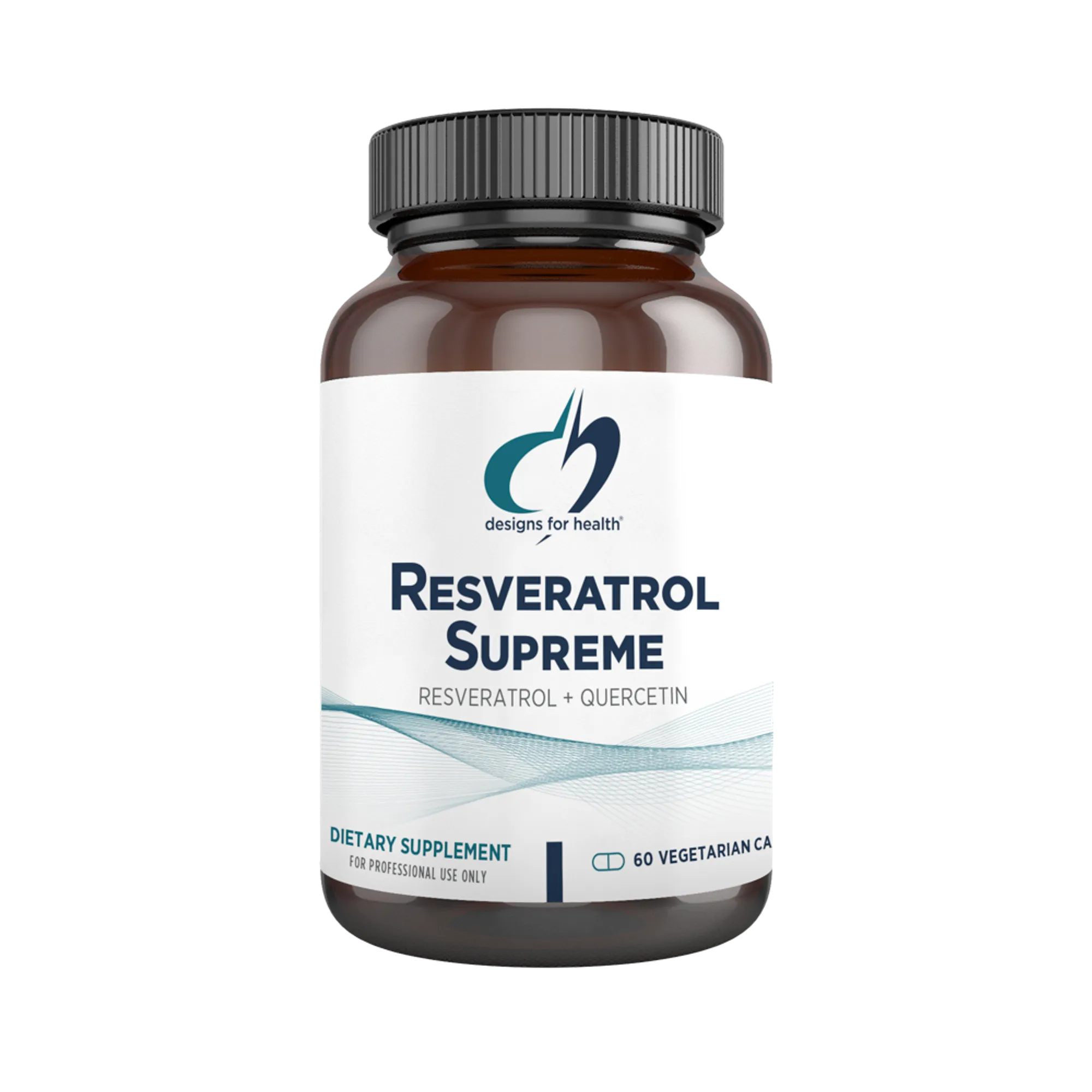
As researchers dive deeper into the pathophysiology of post-viral illnesses, two natural compounds have repeatedly emerged at the forefront of clinical interest: resveratrol and quercetin. Found in the skins of red grapes, berries, and onions, these potent plant polyphenols do much more than act as simple antioxidants. They function as powerful signaling molecules that interact directly with our cellular machinery, modulating inflammatory pathways, supporting mitochondrial energy production, and stabilizing hyper-reactive immune cells. In this comprehensive guide, we will explore the intricate science behind Resveratrol Supreme, a targeted formulation combining trans-resveratrol and quercetin, and examine how these ingredients may support cellular recovery and symptom management in complex chronic conditions.
TL;DR
Resveratrol and quercetin are plant polyphenols that may support cellular recovery in complex chronic conditions.
They work synergistically to support mitochondrial function, stabilize mast cells, and modulate inflammation.
Combining these compounds enhances bioavailability, offering a targeted approach for managing post-viral symptoms.
What are Resveratrol and Quercetin?
Resveratrol (3,5,4′-trihydroxystilbene) is a naturally occurring polyphenolic compound produced by certain plants in response to stress, injury, or fungal infection. In human biology, it has garnered massive scientific interest for its ability to activate cellular survival pathways. At the molecular level, resveratrol is best known as a potent activator of SIRT1 (Sirtuin 1), an NAD+-dependent deacetylase enzyme. SIRT1 acts as a cellular guardian, removing acetyl groups from specific proteins to alter their function, thereby promoting DNA repair, reducing inflammation, and enhancing cellular stress resistance. By activating SIRT1, resveratrol essentially mimics the well-documented life-extending and metabolic benefits of caloric restriction, signaling the body to prioritize cellular repair and maintenance over rapid growth.
Beyond SIRT1, resveratrol is a profound stimulator of AMPK (AMP-activated protein kinase), often referred to as the body's metabolic master switch. When cellular energy levels (ATP) drop, AMPK is activated to stimulate energy-producing processes like glucose uptake and fatty acid oxidation. Research published in Cell Metabolism demonstrates that resveratrol jump-starts a positive feedback loop between AMPK and SIRT1. Resveratrol inhibits specific enzymes called phosphodiesterases (PDEs), leading to a cascade that phosphorylates and activates AMPK. Activated AMPK then increases cellular NAD+ levels, which provides the necessary fuel for further SIRT1 activation. This intricate biochemical dance is fundamental to maintaining cellular energy homeostasis, a process that is critical for healthy aging and vitality.
Furthermore, resveratrol mitigates oxidative stress by activating downstream targets of the SIRT1/AMPK pathway, notably the FOXO3 transcription factors and the Nrf2 pathway. Instead of simply acting as a direct scavenger of free radicals, resveratrol upregulates the body's endogenous antioxidant defense systems. It prompts the nucleus to increase the transcription of powerful detoxifying enzymes like Superoxide Dismutase (SOD) and Catalase. By enhancing the body's innate ability to neutralize reactive oxygen species (ROS), resveratrol provides a highly sophisticated mechanism for protecting tissues from the chronic oxidative damage that drives systemic inflammation and cellular aging.
Quercetin is a highly active bioflavonoid found abundantly in apples, onions, capers, and berries. In a healthy body, quercetin plays a multifaceted role in modulating the immune response and protecting against environmental stressors. Its most notable physiological function is its capacity to act as a natural mast cell stabilizer. Mast cells are specialized white blood cells stationed at the boundaries of our body—such as the skin, respiratory tract, and gut lining—where they act as first responders to pathogens and allergens. When triggered, mast cells degranulate, releasing a flood of inflammatory mediators, including histamine, tryptase, and various cytokines, to orchestrate an immune defense. Quercetin physically reinforces the cellular membrane of these mast cells, raising the threshold required for them to degranulate and thereby preventing the excessive release of these inflammatory chemicals.
In addition to its role in mast cell stabilization, quercetin is a recognized zinc ionophore. Zinc is a crucial mineral for immune function and viral defense, but it struggles to cross the lipid bilayer of cell membranes on its own. Quercetin acts as a transport vehicle, binding to zinc ions and shuttling them into the intracellular space. Once inside the cell, zinc can effectively inhibit the replication of certain RNA viruses by interfering with viral polymerase enzymes. This ionophore activity makes quercetin a highly valuable compound for supporting the body's natural antiviral defenses and maintaining a robust, balanced immune system.
Quercetin also exerts profound anti-inflammatory effects by inhibiting the production of enzymes like cyclooxygenase (COX) and lipoxygenase (LOX), which are responsible for synthesizing pro-inflammatory prostaglandins and leukotrienes. By modulating these enzymatic pathways, quercetin helps maintain a healthy inflammatory response throughout the body. Furthermore, research demonstrates that phytochemical-rich nutritional interventions may enhance recovery from post-viral symptoms by modulating inflammatory and oxidative pathways, which are important factors for tissue damage. This multifaceted approach to immune modulation and cellular cleanup makes quercetin a cornerstone of functional wellness.
While resveratrol and quercetin are powerful in isolation, their true potential is unlocked when they are combined. The formulation of Resveratrol Supreme leverages a critical pharmacokinetic synergy between these two polyphenols. One of the primary challenges with oral resveratrol supplementation is its rapid metabolism; enzymes in the liver and intestines quickly convert resveratrol into conjugated forms, limiting the amount of free trans-resveratrol that reaches systemic circulation. Quercetin acts as a potent inhibitor of these specific metabolizing enzymes (such as sulfotransferases and certain cytochrome P450 enzymes). By slowing down the breakdown of resveratrol, quercetin significantly enhances its bioavailability, allowing the trans-resveratrol to remain active in the bloodstream for a longer duration.
Beyond bioavailability, the combination of these two compounds provides a comprehensive, multi-target approach to cellular health. While resveratrol primarily focuses on upregulating mitochondrial function and activating longevity pathways via SIRT1 and AMPK, quercetin provides a robust defense against immune hyper-reactivity and mast cell degranulation. Together, they address both the energy production deficits and the inflammatory burdens that characterize cellular aging and chronic stress. This synergistic relationship is why functional medicine practitioners frequently recommend combining these specific polyphenols to achieve optimal therapeutic outcomes for overall well-being and vitality.
How Chronic Illness Impacts Cellular Health
To understand why supplements like Resveratrol Supreme are so relevant to post-viral illnesses, we must examine the pathophysiology of conditions like Long COVID and ME/CFS. One of the leading theories behind what causes Long COVID is the concept of viral persistence. Research suggests that fragments of the SARS-CoV-2 virus, or even replication-competent viral reservoirs, may hide in tissues such as the gut lining, the nervous system, or the endothelium long after the acute infection has passed. This persistent viral presence keeps the immune system locked in a state of chronic, low-grade activation, constantly deploying inflammatory cytokines in a futile attempt to clear an elusive threat. This relentless immune response drains the body's resources and drives systemic inflammation.
A critical consequence of this viral persistence and chronic inflammation is the acceleration of cellular senescence. When healthy cells are subjected to severe stress—such as a viral infection or extreme oxidative damage—they can enter a state of senescence. These are often referred to as "zombie cells" because they refuse to die (apoptosis) but also cease to function normally. Instead, they secrete a highly toxic cocktail of inflammatory mediators known as the Senescence-Associated Secretory Phenotype (SASP). In Long COVID and ME/CFS, the accumulation of these senescent cells perpetuates a vicious cycle of neuroinflammation, tissue damage, and immune exhaustion, contributing heavily to the persistent brain fog and deep muscular aching experienced by patients.
The presence of SASP creates an incredibly hostile environment for surrounding healthy cells, accelerating tissue aging and disrupting normal physiological processes. The body's natural mechanisms for clearing these senescent cells—primarily through the action of natural killer (NK) cells and macrophages—often become impaired or overwhelmed in complex chronic illnesses. As a result, the inflammatory burden continues to mount, making it increasingly difficult for the body to return to a state of homeostasis. Addressing this burden of senescent cells is a critical frontier in post-viral recovery research.
Another hallmark of Long COVID, ME/CFS, and related dysautonomias is profound mitochondrial dysfunction. Mitochondria are the powerhouses of our cells, responsible for generating adenosine triphosphate (ATP), the energy currency required for every biological process. In a healthy state, the electron transport chain within the mitochondria efficiently passes electrons to create ATP. However, chronic viral infections and the resulting oxidative stress can severely damage the delicate mitochondrial membranes and the enzymes of the electron transport chain. This damage leads to a catastrophic drop in ATP production and an increase in the leakage of reactive oxygen species (ROS), further compounding cellular damage.
This mitochondrial energy crisis is the physiological root of post-exertional malaise (PEM), a defining symptom where even minor physical or cognitive exertion triggers a disproportionate and debilitating crash in energy. When the mitochondria cannot meet the energy demands of the brain and muscles, the body is forced to rely on inefficient, anaerobic energy pathways, leading to a rapid buildup of lactic acid and profound cellular exhaustion. The SIRT1 and AMPK pathways, which normally regulate mitochondrial biogenesis and repair, often become suppressed in this highly inflammatory, high-stress environment, leaving the cells unable to generate new, healthy mitochondria to replace the damaged ones.
Furthermore, the inability to efficiently clear out damaged mitochondria—a process known as mitophagy—exacerbates the problem. Damaged mitochondria that are not recycled continue to consume resources while producing massive amounts of oxidative stress, acting like a malfunctioning engine that spews toxic exhaust into the cell. Breaking this cycle requires targeted interventions that can reactivate the AMPK and SIRT1 pathways, stimulate mitophagy, and protect the mitochondrial membranes from further oxidative degradation.
The intersection of Long COVID and Mast Cell Activation Syndrome (MCAS) is one of the most significant clinical discoveries in post-viral research. Clinical trials are currently investigating the health benefits of quercetin-based supplements for Long COVID, reflecting the growing recognition that post-viral symptom profiles often mirror Mast Cell Activation Syndrome (MCAS). The initial SARS-CoV-2 infection appears to leave the mast cells in a state of hyper-reactivity. Instead of responding only to genuine threats, these dysregulated mast cells begin degranulating inappropriately in response to everyday stimuli—such as specific foods, temperature changes, stress, or minor physical exertion.
When mast cells degranulate continuously, they flood the bloodstream and local tissues with histamine, tryptase, and inflammatory cytokines. This systemic histamine overload drives a vast array of unpredictable symptoms. In the brain, mast cell activation disrupts the blood-brain barrier and triggers neuroinflammation, leading to severe brain fog and cognitive impairment. In the cardiovascular system, it can cause vasodilation and tachycardia, exacerbating conditions like Postural Orthostatic Tachycardia Syndrome (POTS). In the gut, it leads to severe food intolerances, bloating, and gastrointestinal distress.
For many patients, this mast cell hyper-reactivity creates a terrifying reality where Long COVID symptoms come and go seemingly without reason. Traditional antihistamines (like H1 and H2 blockers) can help manage the symptoms by preventing histamine from binding to receptors, but they do not stop the mast cells from degranulating in the first place. To truly address the root of the hyper-reactivity, interventions must focus on stabilizing the mast cell membrane itself, preventing the release of the inflammatory cascade before it begins.
Resveratrol & Quercetin: Supporting Recovery
Supplementing with trans-resveratrol provides a direct mechanism for addressing the mitochondrial dysfunction seen in ME/CFS and Long COVID. By acting as a potent activator of the SIRT1 and AMPK pathways, resveratrol helps to override the metabolic suppression caused by chronic inflammation. When resveratrol activates AMPK, it signals the cell that energy is low, prompting the activation of PGC-1α (Peroxisome proliferator-activated receptor-gamma coactivator 1-alpha). PGC-1α is the master regulator of mitochondrial biogenesis. Its activation instructs the cell to build new, healthy mitochondria, effectively increasing the overall energy-generating capacity of the tissues.
In addition to building new mitochondria, resveratrol plays a crucial role in mitophagy, the cellular process of identifying and dismantling damaged, dysfunctional mitochondria. Research in failing heart models has shown that resveratrol therapy upregulates SIRT1, which in turn improves cellular energy homeostasis and clears out oxidative damage. By clearing out the "leaky" mitochondria that produce excess reactive oxygen species and replacing them with efficient new ones, resveratrol helps to restore the integrity of the electron transport chain. For patients experiencing debilitating fatigue and post-exertional malaise, supporting this mitochondrial turnover is essential for slowly rebuilding a sustainable baseline of cellular energy.
Furthermore, resveratrol's activation of the Nrf2 pathway provides a robust defense against the ongoing oxidative stress that damages these newly formed mitochondria. By increasing the expression of endogenous antioxidants like Heme Oxygenase-1 (HO-1) and Superoxide Dismutase, resveratrol creates a protective cellular environment. This ensures that as the mitochondria begin to produce ATP more efficiently, they are shielded from the inflammatory crossfire that characterizes post-viral immune dysregulation.
Quercetin's role in the Resveratrol Supreme formulation is uniquely suited to address the hyper-reactive immune state of Long COVID and MCAS. As a potent, natural mast cell stabilizer, quercetin works upstream of the histamine cascade. It physically interacts with the lipid bilayer of the mast cell membrane, altering its fluidity and stabilizing the intracellular calcium channels that trigger degranulation. By preventing the influx of calcium ions, quercetin effectively locks the inflammatory mediators inside the mast cell, drastically reducing the amount of systemic histamine and cytokines released into the body.
This stabilization is critical for patients who experience severe neuroinflammation, tachycardia, and gastrointestinal distress triggered by food or environmental sensitivities. Clinical observations in Long COVID clinics frequently utilize high-dose quercetin protocols alongside traditional antihistamines to provide comprehensive blockade of the mast cell axis. While antihistamines block the receptors, quercetin stops the flood at the source. This dual approach is often necessary to calm the autonomic nervous system and reduce the severity of dysautonomia symptoms like POTS, which are frequently exacerbated by histamine-induced vasodilation.
Additionally, quercetin's function as a zinc ionophore provides ongoing support against potential viral persistence. By facilitating the transport of zinc into the cells, quercetin ensures that the intracellular environment remains hostile to viral replication. This mechanism, combined with its ability to inhibit pro-inflammatory enzymes like COX and LOX, makes quercetin an indispensable tool for modulating the overactive immune response and promoting a return to immune homeostasis.
One of the most exciting therapeutic angles for the combination of resveratrol and quercetin is their potent senolytic activity. Senolytics are compounds that selectively induce apoptosis (programmed cell death) in senescent "zombie" cells without harming healthy cells. Studies evaluating the combination of these polyphenols have demonstrated their ability to target the anti-apoptotic pathways that keep senescent cells alive. By clearing out these dysfunctional cells, the combination drastically reduces the burden of the Senescence-Associated Secretory Phenotype (SASP) and the resulting systemic inflammation.
This reduction in SASP is particularly relevant for addressing the severe brain fog and cognitive impairment associated with post-viral illnesses. The inflammatory cytokines secreted by senescent cells easily cross the blood-brain barrier, activating the brain's resident immune cells (microglia). When microglia become chronically activated, they cause neuroinflammation, disrupting neurotransmitter balance and synaptic function. By acting as senolytics, resveratrol and quercetin help to lower this systemic inflammatory burden, allowing the microglia to return to a resting state and supporting the restoration of cognitive clarity.
Furthermore, resveratrol has been shown to support the function of ACE-2 receptors, which are heavily concentrated in the vascular endothelium and are the primary entry points for the SARS-CoV-2 virus. By supporting endothelial health and reducing vascular inflammation, resveratrol helps to repair the microvascular damage that often leads to poor blood flow and oxygen delivery in Long COVID patients. This comprehensive approach—targeting mitochondria, mast cells, senescent cells, and the endothelium—highlights the profound synergistic potential of Resveratrol Supreme.

Symptoms Resveratrol Supreme May Help Manage
The synergistic mechanisms of trans-resveratrol and quercetin target the underlying pathophysiology of complex chronic conditions, which may help manage a variety of debilitating symptoms. Here is how this combination addresses specific challenges:
Profound Fatigue and PEM: By activating the SIRT1 and AMPK pathways, resveratrol stimulates mitochondrial biogenesis and mitophagy. This helps restore cellular ATP production, potentially raising the energy baseline and reducing the severity of post-exertional malaise (crashes) after minor exertion.
Brain Fog and Cognitive Impairment: The senolytic properties of both resveratrol and quercetin help clear out inflammatory "zombie" cells, reducing the systemic SASP burden. This lowers neuroinflammation and calms activated microglia in the brain, which may improve focus, memory, and mental clarity.
Histamine Intolerance and Food Sensitivities: Quercetin acts as a potent mast cell stabilizer, reinforcing the cell membrane and preventing the inappropriate degranulation of histamine. This can significantly reduce gastrointestinal distress, bloating, and sudden allergic-type reactions to previously tolerated foods.
Beyond fatigue and cognitive issues, the systemic inflammation and immune dysregulation in Long COVID and ME/CFS often manifest as autonomic and vascular dysfunction. Resveratrol Supreme may offer support for these complex symptom clusters:
Tachycardia and POTS Exacerbations: Excess histamine causes vasodilation (widening of the blood vessels), which forces the heart to beat faster to maintain blood pressure, exacerbating POTS symptoms. By stabilizing mast cells and reducing histamine release, quercetin helps maintain vascular tone and may reduce episodes of rapid heart rate.
Muscle and Joint Aching: The accumulation of reactive oxygen species (ROS) and lactic acid due to mitochondrial dysfunction causes deep tissue pain. Resveratrol's ability to upregulate endogenous antioxidants (like SOD and Catalase) helps neutralize this oxidative stress, potentially alleviating chronic muscular aching.
Unpredictable Symptom Flares: The combination of resveratrol and quercetin helps modulate the overall immune response, inhibiting pro-inflammatory enzymes like COX and LOX. This broad anti-inflammatory action may help smooth out the unpredictable, cyclical nature of post-viral symptom flares, providing a more stable baseline for recovery.
Practical Considerations: Forms, Dosing, and Absorption
When considering resveratrol supplementation, the specific form and purity are of paramount importance. Standard resveratrol extracts are often derived from the Japanese knotweed plant, which can sometimes contain unwanted contaminants like emodin, a compound known to cause gastrointestinal upset. Resveratrol Supreme utilizes Veri-te™ trans-resveratrol, a patented, highly purified (>98%) form produced through an innovative yeast fermentation process. This ensures a consistent, contaminant-free product that is gentle on the digestive system. More importantly, it provides resveratrol exclusively in the "trans" configuration, which is the biologically active isomer recognized by human cellular receptors.
A historical challenge with resveratrol is its "bioavailability paradox." While it is highly absorbed by the intestines, it undergoes rapid metabolism in the liver, converting into conjugate forms (glucuronides and sulfates). However, pharmacokinetic data from meta-analyses helps researchers systematically assess the oral bioavailability of resveratrol to better understand its absorption profile in clinical settings. Furthermore, landmark clinical trials, such as the RESHAW study, have proven that standard Veri-te at doses of 150 mg per day generates highly significant, measurable improvements in cerebrovascular blood flow and cognitive performance, confirming that the conjugated metabolites are biologically active and capable of reaching peripheral tissues.
To maximize the absorption of resveratrol, it is generally recommended to take the supplement with a meal that contains healthy fats. Because resveratrol is a lipophilic (fat-soluble) compound, pairing it with foods like avocado, olive oil, or a handful of nuts can significantly enhance its transport across the intestinal lining. Additionally, the inclusion of quercetin in the Resveratrol Supreme formula acts as a natural bioavailability enhancer, inhibiting the liver enzymes responsible for metabolizing resveratrol and keeping the active compound circulating in the bloodstream for a longer period.
Like resveratrol, standard quercetin has notoriously poor absorption in the human digestive tract. When taken in isolation, a large percentage of quercetin is excreted before it can exert its systemic effects. However, the synergistic pairing with resveratrol helps to optimize the pharmacokinetic profile of both compounds. In clinical settings, functional medicine practitioners often recommend dividing the daily dose of quercetin to maintain stable blood levels, as its half-life is relatively short. Taking Resveratrol Supreme consistently, perhaps splitting the dose if directed by a practitioner (e.g., one capsule in the morning and one in the evening), can help maintain a steady state of mast cell stabilization throughout the day.
For patients actively managing Mast Cell Activation Syndrome (MCAS) or severe histamine intolerance, timing can be a critical factor. Many clinicians suggest taking quercetin-containing supplements approximately 20 to 30 minutes before meals. This allows the quercetin to begin stabilizing the mast cells in the gastrointestinal tract before they are exposed to potential dietary histamine triggers. This proactive approach can be particularly helpful in reducing post-prandial (after-meal) bloating, brain fog, and tachycardia.
It is also worth noting that quercetin works synergistically with other common immune-supporting supplements. For example, pairing quercetin with Vitamin C can enhance its mast-cell-stabilizing effects and help degrade existing systemic histamine. If you are taking a comprehensive protocol for Long COVID or ME/CFS, discussing the timing and pairing of these supplements with your healthcare provider can help you maximize their therapeutic potential.
While Resveratrol Supreme is formulated with highly purified, natural ingredients, it is essential to consider potential interactions, especially for patients with complex chronic illnesses who may be on multiple medications. Both resveratrol and quercetin interact with the cytochrome P450 (CYP) enzyme system in the liver, which is responsible for metabolizing a wide variety of pharmaceutical drugs. By inhibiting certain CYP enzymes, these polyphenols can potentially increase the blood levels of medications metabolized by these pathways, such as certain statins, calcium channel blockers, and immunosuppressants.
Furthermore, both resveratrol and quercetin possess mild anti-platelet and anticoagulant properties. They can inhibit platelet aggregation, which is beneficial for cardiovascular health but requires caution if you are taking prescription blood thinners (like Warfarin, Plavix, or Eliquis) or high doses of NSAIDs (like aspirin or ibuprofen). Combining these supplements with anticoagulant medications may increase the risk of bruising or bleeding. It is crucial to consult with your prescribing physician before adding Resveratrol Supreme to your regimen if you are on any blood-thinning therapies.
Finally, a small subset of patients with severe MCAS may also have a concurrent salicylate intolerance. Because quercetin is a plant-derived flavonoid, it may interact with salicylate pathways in highly sensitive individuals. If you have a known salicylate allergy or experience an unexpected flare in symptoms (such as hives or increased gastrointestinal distress) when starting a polyphenol supplement, discontinue use and consult your healthcare provider. As with any targeted intervention, starting with a low dose and carefully tracking your symptoms is the safest approach to integrating new supplements into your care plan.

Follow the Science
The scientific community is actively investigating the therapeutic potential of resveratrol and quercetin for post-viral illnesses. One of the most direct investigations is the Respicure® Study (NCT05601180), an interventional, multicenter clinical trial evaluating a concentrated combination of resveratrol and quercetin for the management of respiratory conditions, including Asthma, COPD, and Long COVID. This highlights the clinical interest in this specific polyphenol combination for post-viral recovery.
Further supporting the clinical interest in these compounds, additional trial records highlight ongoing research into the Respicure® (resveratrol and quercetin) phytotherapy product as an add-on treatment for respiratory conditions and Long COVID, providing a foundation for the use of targeted polyphenols in managing post-viral symptoms.
Interestingly, the biological potency of these compounds is so well-recognized that major pharmaceutical trials for Long COVID actively exclude patients who take them. For example, the massive Phase III LC-REVITALIZE platform study, which evaluates repurposed synthetic drugs for Long COVID across multiple countries, explicitly lists the intake of resveratrol and quercetin in its exclusion criteria. Researchers prohibit their use because these natural compounds actively alter inflammatory pathways and mitochondrial function, which could confound the results of the synthetic drugs being tested. This exclusion underscores the profound, measurable impact these supplements have on cellular biology.
The clinical application of quercetin has expanded rapidly alongside the growing understanding of Mast Cell Activation Syndrome (MCAS) in Long COVID. Ongoing clinical research investigating quercetin and curcumin supplements for Long COVID builds on the understanding that post-viral symptoms often involve hyper-reactive mast cells releasing cascades of inflammatory mediators. This research provides the mechanistic rationale for utilizing mast cell stabilizers as a primary treatment modality for post-viral neuroinflammation and dysautonomia.
Building on this foundation, clinical observation studies published in journals like Clinical and Translational Allergy have noted that treatments targeting the mast cell and histamine axis—specifically combining traditional H1/H2 antihistamines with natural flavonoids like quercetin and luteolin—significantly improve fatigue, brain fog, and tachycardia in Long COVID patients. Quercetin's ability to physically reinforce the mast cell membrane and prevent degranulation offers a targeted, upstream intervention that complements traditional pharmaceutical approaches.
Furthermore, a 2022 pilot study evaluating highly bioavailable quercetin phytosome over three months confirmed its potent senolytic and anti-inflammatory properties. The study demonstrated that sustained quercetin supplementation not only mitigated systemic inflammation but also helped prevent the severe inflammatory cascades that lead to prolonged post-viral symptoms. As research continues to unravel the complexities of how a doctor diagnoses Long COVID, the integration of evidence-based polyphenols like resveratrol and quercetin is becoming a cornerstone of comprehensive functional medicine protocols.
The Path Forward
Living with a complex chronic condition like Long COVID, ME/CFS, or dysautonomia is an exhausting, full-time job. The unpredictable nature of the symptoms, the profound fatigue, and the cognitive challenges can leave you feeling disconnected from your own body. It is entirely valid to feel frustrated by the lack of simple answers in modern medicine. However, as the science surrounding viral persistence, mitochondrial dysfunction, and mast cell activation continues to evolve, so do the targeted strategies for managing these conditions. You are not fighting an invisible enemy; you are dealing with measurable, physiological disruptions at the cellular level, and there are evidence-based tools available to help support your recovery.
Supplements like Resveratrol Supreme are not magic cures, but they are powerful biological tools. By providing your cells with the specific molecules they need to activate longevity pathways, clear out senescent cells, and stabilize hyper-reactive mast cells, you are actively changing the internal environment of your body. However, true management of post-viral illness requires a comprehensive, multi-layered approach. Supplements must be paired with aggressive pacing to avoid post-exertional malaise, nervous system regulation techniques to calm the autonomic nervous system, and careful symptom tracking to identify your unique triggers. Learning how you can live with long-term COVID involves assembling a personalized toolkit that addresses your specific physiological needs.
As you navigate your path forward, remember that cellular healing takes time. Rebuilding healthy mitochondria, clearing out systemic inflammation, and calming a dysregulated immune system is a gradual process that requires consistency and patience. Be gentle with yourself on the days when symptoms flare, and celebrate the small victories when you experience moments of clarity and improved energy. Your experience is real, your symptoms are valid, and the scientific community is working tirelessly to bring more targeted therapies to the forefront of clinical care.
If you are ready to explore how targeted polyphenols can support your cellular health, immune function, and energy production, consider discussing Resveratrol Supreme with your healthcare provider. Always consult with a medical professional before starting any new supplement, especially if you are taking prescription medications or managing complex chronic conditions, to ensure it is a safe and appropriate addition to your personalized care plan.
Sources
Nutritional Outlook. Evolva announces interim results of resveratrol study.
Post-Viral Nutrition. Best Supplements for MCAS in ME/CFS and Long COVID.
Resveratrol reverses heart failure pathologies via SIRT1/AMPK. Genetics and Molecular Research.
Quercetin as a senolytic and anti-inflammatory agent. NutraIngredients.