Can Resveratrol Support Vascular Health and Brain Fog in Long COVID and ME/CFS?
March 5, 2026
ResveratrolLong COVIDME/CFS
Share:
Disclaimer: The information provided here is for educational purposes only and is not intended as medical advice. It should not be used to diagnose, treat, cure, or prevent any medical condition. Instead, use it as a starting point for discussion with your healthcare provider. Always consult with a qualified healthcare provider before starting any new medication, supplement, device, or making changes to your health regimen.
Living with complex chronic conditions like Long COVID, myalgic encephalomyelitis/chronic fatigue syndrome (ME/CFS), and dysautonomia often feels like navigating a labyrinth without a map. Patients frequently experience a bewildering array of symptoms—from crushing post-exertional malaise (PEM) and relentless brain fog to erratic heart rates and widespread joint pain. These invisible illnesses are deeply rooted in physiological dysfunction, particularly involving widespread inflammation, mitochondrial impairment, and damage to the delicate lining of our blood vessels. Finding targeted, science-backed interventions to address these root causes is a critical step in reclaiming your quality of life and moving toward stabilization.
One compound that has garnered significant attention in both functional medicine and post-viral research is resveratrol. Widely recognized for its presence in red wine and certain berries, this potent polyphenol is far more than just a popular antioxidant. At the cellular level, resveratrol acts as a master regulator of metabolic and vascular health, directly influencing the genetic pathways that control inflammation, cellular energy production, and blood vessel repair. In this comprehensive guide, we will explore the intricate mechanisms of resveratrol, how it specifically targets the pathophysiology of Long COVID and ME/CFS, and what the latest clinical research reveals about its potential to support your healing journey.
TL;DR
Resveratrol is a potent polyphenol that may help manage inflammation and support cellular energy.
It supports vascular health by promoting nitric oxide production and healthy blood flow.
Resveratrol may aid in clearing damaged mitochondria, potentially improving post-exertional malaise (PEM).
Always consult your doctor before starting resveratrol, as it can interact with medications like blood thinners.
What is Resveratrol?
A Potent Polyphenol from Nature
Resveratrol (chemically known as 3,5,4'-trihydroxy-trans-stilbene) is a naturally occurring polyphenolic compound that belongs to a class of molecules called stilbenoids. In nature, it functions as a phytoalexin—a protective antimicrobial and antioxidant substance synthesized by plants in response to severe environmental stressors such as ultraviolet radiation, fungal infections, or physical injury. While it is famously associated with the health benefits of red wine and the skin of red grapes, one of the richest and most bioavailable botanical sources is Polygonum cuspidatum, commonly known as Japanese knotweed. This resilient herb has been utilized for centuries in traditional medicine systems to address inflammatory and cardiovascular ailments, long before modern science could identify the specific molecular compounds responsible for its clinical efficacy.
In human biology, trans-resveratrol is highly regarded for its pleiotropic effects, meaning it has the remarkable ability to interact with multiple molecular targets and physiological pathways simultaneously. Rather than acting as a simple, direct-scavenging antioxidant that merely neutralizes free radicals one-to-one, resveratrol functions as a profound epigenetic modulator. It penetrates the cell membrane and directly influences the expression of genes that govern cellular aging, metabolic efficiency, and immune system homeostasis. This multi-targeted approach is precisely why researchers are intensely investigating its application in complex, multi-systemic conditions like Long COVID and ME/CFS, where single-target pharmaceutical therapies often fall short of providing comprehensive symptom relief.
The SIRT1 and AMPK Activation Loop
The profound protective effects of resveratrol are largely governed by its ability to activate an interconnected molecular triad: SIRT1, AMPK, and NF-κB. Sirtuin 1 (SIRT1) is an NAD+-dependent deacetylase, a crucial enzyme that removes acetyl groups from various target proteins, fundamentally altering their activity and lifespan. Resveratrol is recognized as one of the most potent natural allosteric activators of SIRT1. By binding directly to SIRT1, resveratrol enhances the enzyme's binding affinity for both its protein substrates and its essential co-factor, NAD+. This activation shifts the cellular environment toward a profile of increased mitochondrial biogenesis, enhanced DNA repair, and robust defense against oxidative stress, which is vital for patients battling chronic fatigue.
Operating in tandem with SIRT1 is AMP-activated protein kinase (AMPK), often described as the master energy sensor of the cell. When cellular energy levels drop—a common feature in the mitochondrial dysfunction seen in ME/CFS—AMPK is activated to restore ATP balance by stimulating energy-producing pathways and halting energy-consuming ones. Resveratrol activates AMPK primarily through an upstream kinase known as Liver kinase B1 (LKB1). What makes this mechanism so powerful is the synergistic, mutually reinforcing loop between SIRT1 and AMPK. Resveratrol-activated SIRT1 deacetylates and activates LKB1, which in turn phosphorylates and activates AMPK; conversely, AMPK activation increases cellular NAD+ levels, providing the necessary fuel to further drive SIRT1 activity.
NF-κB Inhibition and Cellular Defense
The third critical component of resveratrol's mechanism of action is its profound ability to inhibit Nuclear factor kappa B (NF-κB), the primary transcription factor responsible for the expression of pro-inflammatory cytokines, chemokines, and adhesion molecules. In chronic inflammatory states, NF-κB is inappropriately and continuously activated, driving a relentless cycle of tissue damage and immune dysregulation. Resveratrol heavily suppresses the NF-κB signaling pathway through multiple sophisticated mechanisms mediated by both SIRT1 and AMPK. By interrupting this inflammatory master switch, resveratrol helps to cool the systemic fires that drive many debilitating chronic illness symptoms, providing a foundational layer of cellular defense.
Specifically, resveratrol suppresses the activity of IκB kinase (IKK), an enzyme that normally degrades the inhibitory protein IκB-α. By preventing this degradation, resveratrol effectively traps NF-κB in the cellular cytoplasm, physically blocking its translocation into the nucleus where it would otherwise trigger inflammatory gene transcription. Furthermore, SIRT1 directly interacts with the RelA/p65 subunit of the NF-κB complex. By deacetylating this specific subunit, SIRT1 strips NF-κB of its transcriptional activity even if it manages to reach the nucleus. This dual-layered blockade makes resveratrol an exceptionally potent modulator of the chronic, runaway inflammation often observed in complex post-viral syndromes.
How Chronic Illness Impacts the Vascular and Immune Systems
Endothelial Dysfunction and Microclots
The endothelium is the delicate, single-cell layer that lines the entire cardiovascular system, acting as a crucial barrier and regulator of blood flow, coagulation, and immune cell trafficking. In conditions like Long COVID and ME/CFS, this vital lining sustains profound damage due to chronic viral persistence, systemic inflammation, and the direct toxic effects of viral proteins such as the SARS-CoV-2 spike protein. When the spike protein binds to ACE2 receptors on endothelial cells, it triggers a cascade of oxidative stress and downregulates the protective ACE2 enzyme, leading to a toxic accumulation of Angiotensin II. This accumulation activates NADPH oxidase (NOX) enzymes, which churn out massive amounts of destructive superoxide radicals that physically damage the endothelial glycocalyx—the protective gel-like coating of the blood vessels. For a deeper understanding of these viral mechanisms, you can explore our detailed guide on What Causes Long COVID?.
As the endothelium becomes damaged and senescent, it loses its ability to produce adequate amounts of nitric oxide (NO), a critical signaling molecule responsible for keeping blood vessels relaxed and dilated. This loss of NO creates a vicious cycle of severe vasoconstriction, localized tissue hypoxia, and a highly pro-thrombotic state where platelets become hyperactive and prone to clumping. Recent proteomic profiling of Long COVID patients has identified significantly elevated levels of vascular endothelial growth factor A (VEGFA) and Endothelin-1, both of which serve as stark biomarkers of this ongoing vascular and endothelial dysfunction. Consequently, this damaged, inflamed endothelium provides the perfect environment for the formation of persistent microclots, which physically block the microscopic capillaries and prevent oxygen from reaching the muscles and brain, directly driving symptoms like debilitating fatigue and cognitive impairment.
Neuroinflammation and the Cytokine Storm
Beyond the blood vessels, chronic illness profoundly impacts the central nervous system through a process known as neuroinflammation. When systemic inflammation runs rampant, the blood-brain barrier—a highly selective semipermeable border that separates the circulating blood from the brain—becomes compromised and "leaky." This permeability allows inflammatory cytokines, immune cells, and even viral fragments to infiltrate the brain tissue. Once inside, these inflammatory mediators chronically activate microglia and mast cells, the brain's resident immune defenders. Instead of protecting the brain, these hyperactive cells release a continuous stream of neurotoxic chemicals, creating a localized "cytokine storm" that disrupts neural signaling and damages delicate neuronal networks.
This relentless neuroinflammatory state is a primary driver of the severe cognitive dysfunction, memory loss, and sensory overload frequently reported by patients. The overlap in neuroinflammatory pathology between different post-viral conditions is striking; in fact, researchers are increasingly recognizing that the neurological damage initiated by acute infections can catalyze long-term autonomic nervous system failure. To learn more about how these conditions intersect, you can read our article on Can Long COVID Trigger ME/CFS? Unraveling the Connection. Breaking this cycle of neuroinflammation is incredibly challenging, requiring interventions that can successfully cross the blood-brain barrier and quiet the hyperactive microglial response.
Mitochondrial Impairment and Energy Deficits
At the core of conditions like ME/CFS and Long COVID lies profound mitochondrial impairment. Mitochondria are the powerhouses of our cells, responsible for generating adenosine triphosphate (ATP), the energy currency required for every biological process. Chronic viral infections and the resulting oxidative stress cause severe damage to the fragile mitochondrial membranes and mitochondrial DNA. This damage disrupts the electron transport chain, causing the mitochondria to leak reactive oxygen species (ROS) rather than producing usable ATP. As a result, patients experience a severe cellular energy crisis, where even minor physical or cognitive exertion depletes their limited energy reserves, triggering the hallmark symptom of post-exertional malaise (PEM).
This energy deficit is not merely a feeling of being "tired"; it is a physiological inability of the cells to meet the metabolic demands of the body. When the mitochondria fail, the body is forced to rely on inefficient, anaerobic energy production pathways, which rapidly generate lactic acid and cause severe muscle pain and heaviness. Furthermore, the damaged mitochondria themselves become a source of inflammation, releasing their internal contents into the cell and triggering further immune activation. Restoring mitochondrial health and clearing out these damaged organelles through a process called mitophagy is absolutely essential for long-term recovery and symptom stabilization.
Resveratrol: Supporting Cardiovascular and Cognitive Health
Restoring Endothelial Nitric Oxide (eNOS)
One of the most profound therapeutic benefits of resveratrol is its ability to directly rehabilitate damaged endothelial cells and restore the production of life-sustaining nitric oxide. Resveratrol achieves this through a highly specific molecular mechanism: it utilizes the AMPK pathway to phosphorylate endothelial nitric oxide synthase (eNOS) at a crucial activation site known as serine 1177. Simultaneously, resveratrol-activated SIRT1 physically binds to and deacetylates eNOS, further amplifying the enzyme's efficiency and stability. This dual-action stimulation results in a massive, sustained boost in nitric oxide production, which powerfully promotes vasodilation, lowers blood pressure, and helps restore healthy blood flow to oxygen-starved tissues in the brain and muscles.
Furthermore, resveratrol prevents a dangerous phenomenon known as "eNOS uncoupling," which occurs when the enzyme is damaged by oxidative stress and begins producing destructive superoxide radicals instead of healthy nitric oxide. Resveratrol prevents this uncoupling by upregulating GTP cyclohydrolase 1 (GCH1), an enzyme that ensures a steady supply of the essential co-factor tetrahydrobiopterin (BH4). By restoring eNOS function, resveratrol directly combats the microvascular hypoxia that drives so many debilitating dysautonomia and ME/CFS symptoms.
Promoting Healthy Platelet Function
In addition to restoring nitric oxide, resveratrol plays a critical role in promoting healthy platelet function and may help manage the hypercoagulability often seen in Long COVID. It achieves this by modulating arachidonic acid metabolism, a complex biochemical cascade that regulates inflammation and blood clotting. Resveratrol directly inhibits the activity of cyclooxygenase-1 (COX-1) and cyclooxygenase-2 (COX-2) enzymes, which are responsible for converting arachidonic acid into pro-inflammatory prostaglandins and thromboxanes. By suppressing the production of thromboxane A2—a potent inducer of platelet aggregation and vasoconstriction—resveratrol exerts a natural, mild anti-thrombotic effect.
This regulation of platelet function is particularly relevant for patients dealing with the persistent microclots associated with post-viral syndromes. While resveratrol is not a replacement for prescription anticoagulants, its ability to maintain healthy arachidonic acid metabolism helps to calm the hyperactive coagulation cascade at a foundational level. By keeping platelets from inappropriately clumping together and adhering to the damaged endothelial walls, resveratrol helps to maintain smooth, unobstructed blood flow through the microscopic capillary networks, ensuring that oxygen and vital nutrients can properly reach the peripheral tissues and the central nervous system.
Mitochondrial Biogenesis and Mitophagy
Resveratrol is a powerful catalyst for mitochondrial healing. Through the activation of the SIRT1 and AMPK pathways, resveratrol stimulates a master transcriptional coactivator known as PGC-1α (Peroxisome proliferator-activated receptor-gamma coactivator 1-alpha). PGC-1α is the primary regulator of mitochondrial biogenesis—the process by which cells grow new, healthy mitochondria. By upregulating PGC-1α, resveratrol helps the body replace the damaged, dysfunctional mitochondria that drive the severe energy deficits seen in ME/CFS. This mechanism of AMPK activation is remarkably similar to the pathways targeted by certain prescription medications; you can learn more about this in our blog on Metformin: Long COVID Risk Reduction and Diabetes Management.
Equally important is resveratrol's ability to stimulate mitophagy, the cellular "housekeeping" process that identifies and degrades old, damaged mitochondria. In chronic illness, defective mitochondria often evade this clearance process, lingering in the cell where they leak reactive oxygen species and trigger chronic inflammation. Resveratrol-induced SIRT1 activation enhances the autophagic machinery required to clear out these toxic organelles. By simultaneously clearing the old and building the new, resveratrol helps to restore the cellular ATP production capacity, which is a critical step in reducing the severity and frequency of post-exertional malaise (PEM) crashes.
Mast Cell Stabilization and Neuroprotection
For patients dealing with Mast Cell Activation Syndrome (MCAS) and neuroinflammation, resveratrol offers significant protective benefits. Resveratrol acts as a potent mast cell stabilizer, inhibiting the degranulation process that releases histamine, tryptase, and other inflammatory mediators into the bloodstream. It achieves this by suppressing the intracellular calcium signaling and NF-κB activation required for mast cells to dump their toxic contents. This stabilization helps to reduce the systemic allergic-type reactions, skin flushing, and gastrointestinal distress that frequently accompany dysautonomia and Long COVID.
Furthermore, resveratrol's ability to cross the blood-brain barrier—albeit in small, potent amounts—allows it to exert direct neuroprotective effects. Once in the brain, it suppresses the activation of microglia and reduces the localized production of neurotoxic cytokines. Recent research highlights the importance of addressing these neuroinflammatory pathways to combat the severe cognitive dysfunction associated with post-viral syndromes. By shielding delicate neurons from oxidative stress and calming the brain's immune response, resveratrol supports cognitive clarity, memory retention, and overall neurological resilience in the face of chronic illness.
Symptoms Resveratrol May Help Manage
Cardiovascular and Autonomic Symptoms
Tachycardia and Palpitations: By restoring endothelial nitric oxide and promoting vasodilation, resveratrol helps to reduce the vascular resistance that forces the heart to beat rapidly, providing support for dysautonomia and POTS management.
Blood Pooling and Poor Circulation: The enhancement of eNOS activity and subsequent vasodilation improves overall blood flow, helping to counteract the peripheral vasoconstriction and acrocyanosis (blue/purple extremities) often seen in autonomic dysfunction.
Exercise Intolerance: By stimulating mitochondrial biogenesis via the PGC-1α pathway, resveratrol helps increase cellular ATP production, potentially raising the threshold at which physical exertion triggers metabolic failure.
Cognitive and Systemic Symptoms
Brain Fog and Cognitive Dysfunction: Resveratrol's ability to cross the blood-brain barrier and inhibit microglial activation helps to quiet the neuroinflammatory "cytokine storm," supporting clearer thinking and improved memory retrieval.
Joint and Muscle Pain: By profoundly inhibiting the NF-κB inflammatory pathway and suppressing pro-inflammatory prostaglandins, resveratrol acts as a systemic anti-inflammatory, helping to alleviate widespread musculoskeletal pain.
Post-Exertional Malaise (PEM): Through the synergistic activation of the SIRT1/AMPK energy-sensing loop, resveratrol helps the cells better manage energy demands and clear out damaged, ROS-leaking mitochondria via mitophagy, supporting a more stable energy envelope.
Practical Considerations: Forms, Dosing, and Absorption
The Resveratrol Paradox: Absorption vs. Bioavailability
When considering resveratrol supplementation, it is crucial to understand a pharmacological phenomenon known as the "resveratrol paradox." While trans-resveratrol is highly absorbed by the human gastrointestinal tract—with approximately 70% to 75% passing successfully through the intestinal walls—its actual systemic bioavailability is notoriously low, often calculated at less than 1%. This massive discrepancy occurs because resveratrol undergoes rapid and extensive "first-pass metabolism" in both the intestines and the liver. Before the free compound can reach your systemic circulation and target tissues, it is quickly converted by enzymes into varying conjugates, specifically resveratrol glucuronides and resveratrol sulfates.
Because these conjugation reactions happen so rapidly, only trace amounts of free, un-metabolized trans-resveratrol actually survive to circulate in the blood. This rapid clearance means that standard, unformulated resveratrol capsules may struggle to maintain the sustained therapeutic blood levels required to consistently activate the SIRT1 and AMPK pathways in peripheral tissues and the brain.
Optimal Forms and Bioenhancers
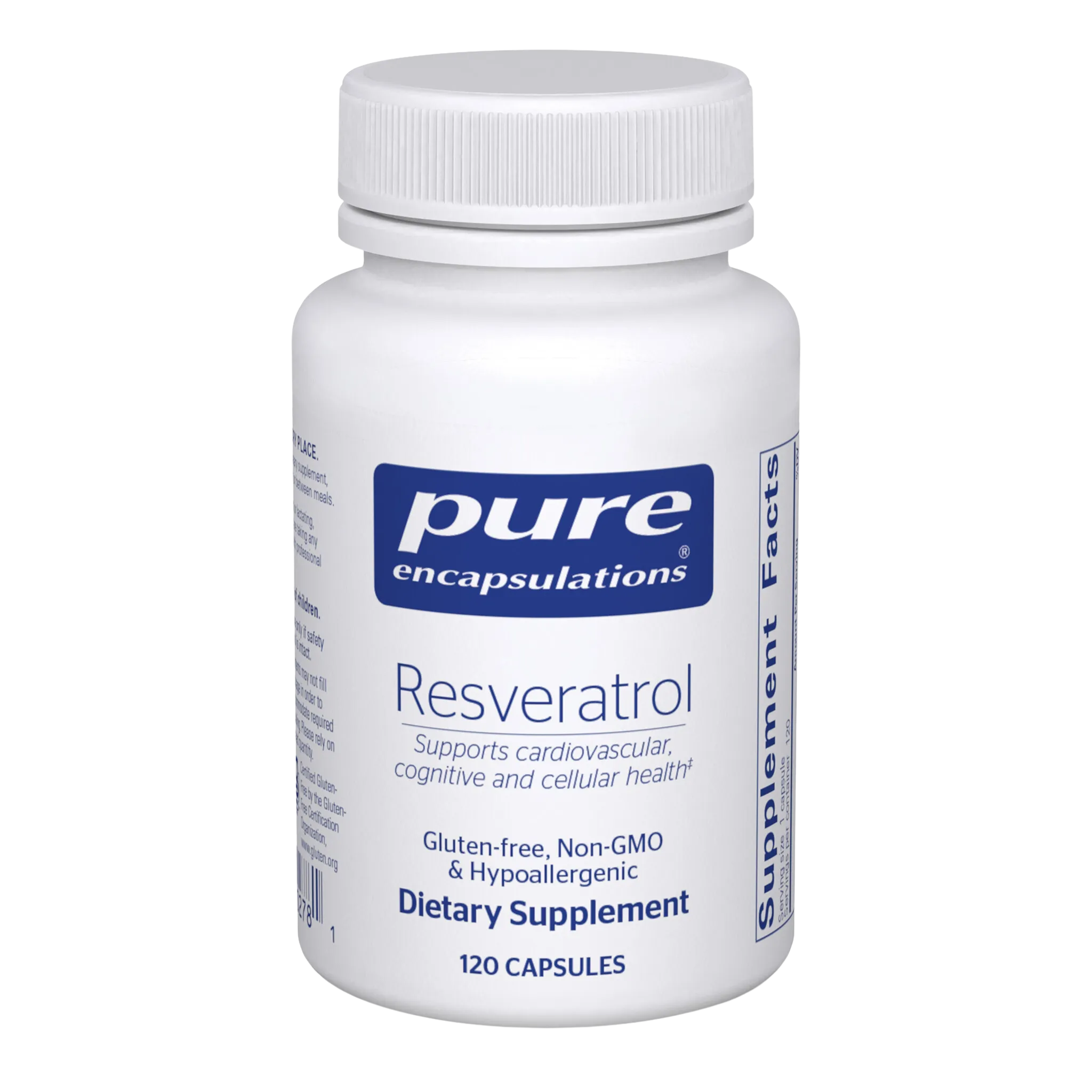
To overcome these bioavailability challenges, the specific form and formulation of the supplement matter immensely. Pure Encapsulations utilizes trans-resveratrol derived from Polygonum cuspidatum (Japanese knotweed), which provides a highly concentrated and naturally occurring source of the active trans-isomer. To maximize the absorption and delay the rapid metabolism of standard capsules, clinical practitioners often recommend taking resveratrol alongside a meal containing healthy fats, as its lipophilic (fat-soluble) nature enhances its uptake through the intestinal lymphatic system, partially bypassing immediate liver metabolism.
Additionally, many patients utilize "bioenhancers" to improve systemic exposure. Co-administering resveratrol with compounds like quercetin or piperine can significantly enhance its bioavailability. Quercetin, for instance, acts as a competitive inhibitor of the sulfotransferase enzymes in the liver and intestines. By temporarily inhibiting these enzymes, quercetin reduces the rapid conversion of resveratrol into sulfate metabolites, allowing more of the free, active trans-resveratrol to enter the bloodstream and reach the central nervous system. For patients with severe malabsorption issues, exploring micronized or liposomal formulations may also provide superior cellular delivery.
Safety, CYP450 Enzymes, and Blood Thinners
While resveratrol is generally well-tolerated and safe for most individuals, high-dose supplementation carries significant risks of drug interactions, primarily due to its potent modulation of the Cytochrome P450 (CYP450) enzyme system. Clinical and in vitro studies indicate that resveratrol acts as a strong inhibitor of several crucial CYP450 isoenzymes, most notably CYP3A4, CYP2C9, and CYP2D6. Because CYP3A4 is responsible for metabolizing approximately 50% of all prescription medications—including certain statins, blood pressure drugs, and immunosuppressants—taking high doses of resveratrol can reduce the clearance of these drugs, elevating their concentration in the blood and increasing the risk of toxicity.
The most critical safety warning concerns the interaction between resveratrol and blood-thinning medications. Resveratrol naturally inhibits platelet aggregation and suppresses thromboxane A2. When combined with prescription antiplatelet drugs (like Aspirin or Clopidogrel) or Direct Oral Anticoagulants (DOACs), it can create an additive effect that significantly increases the risk of bleeding. Furthermore, resveratrol severely inhibits CYP2C9, the primary enzyme responsible for breaking down Warfarin. Therefore, patients on anticoagulants or those scheduling surgery must strictly consult their healthcare provider before initiating resveratrol therapy.
Follow the Science
Clinical Trials in ME/CFS and Gulf War Illness
The scientific community is increasingly recognizing the therapeutic potential of resveratrol for neuroinflammatory and post-viral conditions. A notable area of research involves Gulf War Illness (GWI), a chronic multi-symptom illness that shares profound clinical and biological overlaps with ME/CFS, particularly regarding severe neuroinflammation, cognitive dysfunction, and chronic pain. In a recent pilot trial conducted by Dr. Jarred Younger at the University of Alabama at Birmingham, researchers tested the efficacy of botanical anti-inflammatories, including resveratrol, in men with GWI. The trial found that daily dosages of resveratrol (ranging from 200 mg to 600 mg) significantly reduced overall symptom severity and whole-body inflammatory pain compared to both baseline measurements and the placebo group.
These promising human trials are supported by robust preclinical data. In animal models of chronic fatigue syndrome, researchers have demonstrated that resveratrol supplementation can yield dramatic physiological improvements. A study published in the Biological and Pharmaceutical Bulletin showed that mice treated with resveratrol for four weeks experienced a greater than 20% increase in daily running activity, indicating a significant restoration of physical stamina and mitochondrial function. Furthermore, the research indicated that resveratrol successfully reversed hippocampal atrophy, inhibited neuronal cell death (apoptosis), and actively promoted neurogenesis in the brain, providing a clear mechanistic basis for its use in combating severe brain fog and cognitive decline.
Long COVID and Post-Viral Research
In the realm of Long COVID (Post-Acute Sequelae of SARS-CoV-2 infection), resveratrol is being actively investigated for its ability to bind to ACE-2 receptors, inhibit viral replication pathways, and quell the lingering "cytokine storm." One of the most compelling pieces of clinical evidence comes from the UK Phyto-V Study, a 2022 randomized, double-blind, placebo-controlled trial evaluating 147 Long COVID patients. Patients in the treatment group were given a phytochemical-rich nutritional capsule containing a blend of resveratrol, curcumin, chamomile, and ellagic acid. The results were striking: the treatment group demonstrated a 44% greater improvement in overall recovery and fatigue severity compared to those receiving the placebo, highlighting the power of synergistic polyphenol therapy.
The biological effects of resveratrol are considered so potent that it is frequently utilized as a first-line supplement in specialized Long COVID and dysautonomia clinics. Interestingly, because of its profound immunomodulatory and epigenetic effects, resveratrol is often listed as an active exclusion criterion in major Long COVID pharmaceutical trials; researchers prohibit patients from taking it because its powerful systemic effects could skew the efficacy data of the repurposed drugs being tested. For more insights into managing the daily realities of these post-viral syndromes, you can explore our comprehensive guide on How Can You Live with Long-Term COVID.
Endothelial and Biomarker Studies
The vascular benefits of resveratrol are heavily supported by targeted endothelial research. Studies investigating the "metabolic memory" of blood vessels—where transient spikes in inflammation or glucose cause long-lasting vascular damage—have shown that resveratrol can successfully break this cycle. Research on human retinal vascular endothelial cells (HRVECs) demonstrated that resveratrol markedly enhanced cell viability and reversed inflammatory damage by strictly relying on the SIRT1/AMPK/NF-κB axis. When researchers chemically blocked SIRT1 or AMPK, the protective effects of resveratrol were entirely canceled out, proving that its efficacy is tied directly to these specific genetic pathways.
Furthermore, studies exploring TNF-α-induced endothelial dysfunction have shown that even at physiologically achievable, low dietary concentrations, resveratrol significantly suppresses the adhesion of inflammatory monocytes to the blood vessel walls. By physically blocking the nuclear translocation of the NF-κB p65 subunit, resveratrol prevents the expression of vascular adhesion molecules (like VCAM-1), effectively halting the progression of vascular inflammation and supporting the resolution of the microvascular damage that plagues Long COVID and ME/CFS patients.
The Path Forward
Integrating Resveratrol into Your Protocol
Living with the unpredictable and debilitating symptoms of Long COVID, ME/CFS, and dysautonomia requires immense resilience. It is entirely valid to feel overwhelmed by the sheer complexity of your symptoms and the lack of straightforward medical answers. While no single supplement is a miracle cure for these deeply entrenched systemic conditions, targeting the foundational mechanisms of disease—such as mitochondrial failure, endothelial dysfunction, and runaway neuroinflammation—is a crucial strategy for regaining stability. Resveratrol offers a scientifically grounded, multi-targeted approach to supporting these vital cellular pathways, helping to rebuild your body's resilience from the inside out.
However, it is important to remember that resveratrol is most effective when utilized as one component of a comprehensive, individualized management protocol. True healing requires a multifaceted approach that includes aggressive radical resting, meticulous symptom tracking, dietary modifications to support mast cell stability, and pacing to honor your energy envelope. Navigating this complex landscape is best done with the guidance of a knowledgeable medical team who understands the nuances of post-viral illness. If you are currently seeking medical support, our guide on How Does a Doctor Diagnose Long COVID? can provide valuable insights into the clinical evaluation process.
A Comprehensive Approach to Healing
While the path to recovery is often non-linear and fraught with setbacks, understanding the biology behind your symptoms can empower you to make informed decisions about your care. By supporting your cardiovascular health, promoting healthy platelet function, and defending your cells against oxidative stress, resveratrol serves as a powerful ally in your healing toolkit. Always remember to consult with your healthcare provider or pharmacist before introducing new supplements, especially if you are taking prescription medications or blood thinners, to ensure they are safe and appropriate for your unique clinical picture.