Can Resveratrol Support Endothelial Health and Energy in Long COVID and ME/CFS?
March 5, 2026
ResveratrolLong COVIDME/CFS
Share:
Disclaimer: The information provided here is for educational purposes only and is not intended as medical advice. It should not be used to diagnose, treat, cure, or prevent any medical condition. Instead, use it as a starting point for discussion with your healthcare provider. Always consult with a qualified healthcare provider before starting any new medication, supplement, device, or making changes to your health regimen.
Months or even years after recovering from an initial SARS-CoV-2 infection, many people find themselves trapped in a bewildering cycle of debilitating symptoms. The profound fatigue, the cognitive fog that makes simple tasks feel insurmountable, and the racing heart rate upon standing are not just lingering inconveniences; they are the hallmarks of complex chronic conditions like Long COVID, myalgic encephalomyelitis/chronic fatigue syndrome (ME/CFS), and dysautonomia. For patients navigating this invisible illness landscape, the search for answers can be incredibly frustrating. When standard blood tests return "normal" results, it is easy to feel dismissed by the medical establishment. However, emerging scientific research is finally catching up to the patient experience, revealing that these symptoms are rooted in very real, measurable physiological disruptions—specifically, severe damage to the vascular system and cellular energy production.
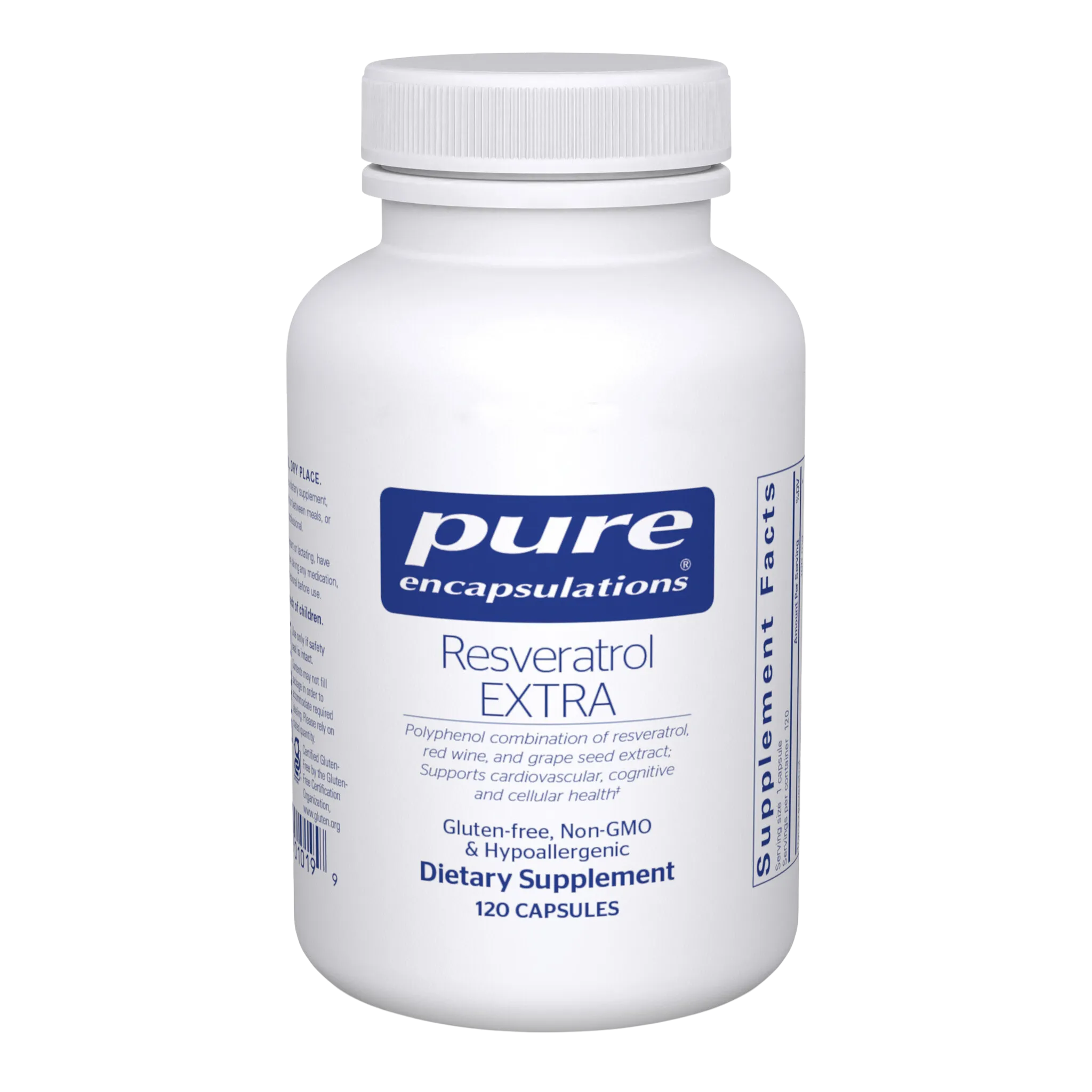
As researchers dive deeper into what causes Long COVID, a consensus is building around the role of endothelial dysfunction, persistent vascular inflammation, and mitochondrial burnout. In the quest to heal these foundational systems, targeted nutritional interventions are gaining significant attention. Resveratrol EXTRA by Pure Encapsulations is a specialized formula that combines trans-resveratrol with potent polyphenols from red wine and grape seed extracts. Designed to support cardiovascular health, healthy platelet function, and metabolic efficiency, this synergistic blend offers a multi-targeted approach to cellular repair. In this comprehensive guide, we will explore the intricate biological mechanisms of resveratrol, how it interacts with the damaged pathways seen in chronic illness, and whether it might be a valuable tool in your symptom management toolkit.
TL;DR
Resveratrol EXTRA combines trans-resveratrol and grape seed extract to support vascular and mitochondrial health.
Research suggests it may help manage Long COVID and ME/CFS symptoms like fatigue and brain fog.
It promotes healthy blood flow and cellular energy by activating key repair pathways like SIRT1.
Take with healthy fats to maximize absorption and consult your doctor before starting.
What is Resveratrol EXTRA?
The Power of Trans-Resveratrol
To understand how Resveratrol EXTRA functions within the body, we must first examine its primary active ingredient: trans-resveratrol. Resveratrol is a naturally occurring polyphenolic compound, classified specifically as a phytoalexin. In nature, phytoalexins are antimicrobial and antioxidant substances synthesized by plants in response to environmental stress, injury, or fungal infection. Essentially, resveratrol acts as the plant's innate immune system and cellular defense mechanism. While it is famously found in the skins of red grapes and in red wine, the highly concentrated trans-resveratrol used in clinical-grade supplements is typically sourced from the root extract of Japanese knotweed (Polygonum cuspidatum), which provides a robust and bioavailable form of the compound.
At the molecular level, trans-resveratrol is renowned for its ability to interact with and modulate several critical longevity and metabolic pathways. It is perhaps best known as a potent activator of the SIRT1 (Sirtuin 1) enzyme, a protein that plays a master regulatory role in cellular health, DNA repair, and aging. By activating SIRT1, resveratrol helps to shift the cell into a protective, energy-conserving state. Furthermore, resveratrol is a powerful antioxidant that can cross cell membranes to neutralize reactive oxygen species (ROS)—unstable molecules that cause oxidative stress and damage to cellular structures. This dual action of direct free-radical scavenging and the upregulation of intrinsic cellular defense pathways makes trans-resveratrol a cornerstone nutrient for promoting cardiovascular and metabolic health.
The Synergy of Grape Seed and Red Wine Polyphenols
While trans-resveratrol is highly effective on its own, Resveratrol EXTRA enhances its therapeutic potential by incorporating 50 mg of red wine grape concentrate and 50 mg of grape seed extract. These additions are incredibly rich in a specific class of polyphenols known as oligomeric proanthocyanidin complexes (OPCs). OPCs are among the most powerful antioxidants found in nature, possessing a unique biochemical structure that allows them to neutralize a wide variety of free radicals in both water-soluble and fat-soluble environments within the body. This broad-spectrum antioxidant capacity is crucial for protecting the delicate lipid membranes that surround our cells and our mitochondria.
The inclusion of grape seed extract is particularly significant for cardiovascular support. Clinical studies have demonstrated that the polyphenols in grape seed extract possess remarkable vasorelaxant properties, meaning they help blood vessels dilate and maintain healthy blood pressure. Furthermore, research suggests these polyphenols may help reduce the oxidation of low-density lipoproteins (ox-LDL), a primary driver of vascular inflammation and plaque formation. By combining trans-resveratrol with these complementary polyphenols, the formula creates a synergistic effect, amplifying the overall antioxidant protection and cellular health benefits beyond what any single ingredient could achieve alone.
A Multi-Targeted Approach to Cellular Health
The ultimate goal of this combined formulation is to provide comprehensive support for the cardiovascular and metabolic systems. In a healthy body, these systems work in perfect harmony: the heart pumps oxygen-rich blood, the blood vessels smoothly expand and contract to deliver that blood to the tissues, and the cells efficiently convert the delivered oxygen and nutrients into usable energy. However, this delicate balance requires constant maintenance and protection from daily metabolic stressors.
Resveratrol EXTRA aids in this maintenance by supporting healthy arachidonic acid metabolism. Arachidonic acid is a polyunsaturated fatty acid present in the phospholipids of cell membranes. When metabolized, it can produce inflammatory mediators (like prostaglandins) or resolving molecules, depending on the body's needs. By helping to modulate this pathway, resveratrol promotes a balanced inflammatory response, which is essential for maintaining healthy platelet function and supporting healthy blood flow. Additionally, by supporting healthy glucose metabolism and insulin sensitivity, this complex aids in overall metabolic function, ensuring that cells have the steady supply of energy they need to thrive and repair.
How Long COVID and ME/CFS Impact the Vascular System
Endothelial Dysfunction and the Microclot Phenomenon
To understand why supplements like resveratrol are gaining traction in the chronic illness community, we must first examine how conditions like Long COVID and ME/CFS physically alter the body. One of the most significant breakthroughs in recent medical research is the discovery that Long COVID is fundamentally a vascular disease driven by profound endothelial dysfunction. The endothelium is the delicate, single-cell-thick inner lining of our blood vessels. It is not just a passive tube; it is a highly active endocrine organ responsible for regulating blood pressure, controlling blood clotting, and managing inflammation. During an acute SARS-CoV-2 infection, the virus directly binds to ACE2 receptors, which are densely concentrated on these endothelial cells, causing severe damage and stripping the blood vessels of their protective properties.
This endothelial damage creates a highly inflammatory and pro-thrombotic (clot-promoting) environment. Groundbreaking research led by Scientist Resia Pretorius has revealed that many Long COVID patients suffer from the persistent formation of abnormal "microclots" (amyloid fibrinaloids). These microscopic clots are structurally entangled with inflammatory proteins and are highly resistant to the body's natural breakdown processes. As these microclots circulate, they act like sludge in the microscopic capillaries, blocking the delivery of oxygen and vital nutrients to tissues throughout the body—a state known as hypoperfusion. This widespread lack of blood flow is a primary driver of the debilitating brain fog, muscle pain, and severe fatigue that patients experience daily.
Mitochondrial Burnout and Energy Failure
When tissues are starved of oxygen due to vascular hypoperfusion, the downstream effects on cellular energy production are catastrophic. The mitochondria, the powerhouses of our cells, rely entirely on a steady supply of oxygen to produce adenosine triphosphate (ATP) via the electron transport chain. When oxygen is restricted, the mitochondria cannot produce enough ATP to meet the body's demands. This energy failure is a hallmark of both Long COVID and ME/CFS. In fact, research into ME/CFS has shown specific deficits in the mitochondrial enzymes required for energy production, leading to a state where the cells are essentially running on empty.
To make matters worse, struggling mitochondria produce excessive amounts of reactive oxygen species (ROS) as a byproduct of their inefficient energy generation. This creates a vicious cycle of chronic oxidative stress. The excess ROS further damages the mitochondrial DNA and the delicate lipid membranes surrounding them, leading to even less energy production and more inflammation. This cellular energy crisis is what causes post-exertional malaise (PEM)—the severe symptom exacerbation or "crash" that occurs after even minor physical or cognitive exertion. When patients ask how long does Long COVID last, the answer often depends on how quickly this cycle of mitochondrial burnout and oxidative stress can be halted and reversed.
Autonomic Dysregulation and POTS
The vascular inflammation and oxidative stress seen in Long COVID do not just affect energy levels; they also wreak havoc on the autonomic nervous system. The autonomic nervous system controls automatic bodily functions, including heart rate and blood vessel constriction. When the endothelium is damaged, it loses its ability to produce adequate amounts of nitric oxide, the molecule responsible for telling blood vessels to relax. This loss of vascular tone, combined with neuroinflammation, frequently triggers dysautonomia, most notably Postural Orthostatic Tachycardia Syndrome (POTS).
In POTS, the blood vessels in the lower extremities fail to constrict properly when a person stands up, causing blood to pool in the legs. To compensate for the lack of blood returning to the brain, the brain triggers a massive release of adrenaline, causing the heart rate to skyrocket. This sympathetic overactivation leaves patients feeling constantly "wired but tired," experiencing palpitations, dizziness, and severe exercise intolerance. The interconnected nature of these conditions—where vascular damage drives mitochondrial failure, which in turn drives autonomic dysfunction—highlights the need for therapeutic interventions that can address multiple systemic failures simultaneously.
Resveratrol EXTRA: Supporting Endothelial and Mitochondrial Function
Activating the SIRT1 and AMPK Pathways
The therapeutic potential of Resveratrol EXTRA for complex chronic illnesses lies in its ability to directly intervene in the vicious cycles of vascular inflammation and energy failure. At the cellular level, trans-resveratrol acts as a master switch for endothelial repair by forcefully activating two critical metabolic pathways: SIRT1 and AMPK (AMP-activated protein kinase). These two molecules work together in a powerful positive feedback loop to restore the health of the blood vessel lining. When resveratrol activates AMPK, it signals the cell that energy is low, prompting a shift toward energy conservation and repair. AMPK then supercharges SIRT1, which goes to work deacetylating and repairing damaged proteins within the cell.
The most crucial downstream effect of this SIRT1/AMPK activation is the upregulation of Endothelial Nitric Oxide Synthase (eNOS). This is the specific enzyme responsible for producing nitric oxide (NO) in the blood vessels. By directly stimulating eNOS, resveratrol helps the damaged endothelium produce more nitric oxide, which signals the smooth muscle cells around the blood vessels to relax and widen (vasodilation). Clinical studies have shown that micronized resveratrol is well tolerated and achieves high plasma levels, which may support its systemic availability for cellular repair and counteracting hypoperfusion.
Combating Thromboinflammation and Platelet Aggregation
Beyond restoring blood flow, resveratrol actively works to dismantle the pro-thrombotic environment that allows microclots to form and persist. Resveratrol is a potent modulator of the arachidonic acid pathway, specifically acting to inhibit cyclooxygenase-1 (COX-1). COX-1 is a key enzyme involved in producing inflammatory prostaglandins and thromboxanes, which are the chemical signals that trigger platelets to become sticky and clump together. By inhibiting this enzyme, resveratrol exerts a natural, gentle anti-platelet effect, helping to maintain healthy blood viscosity and potentially reducing the abnormal aggregation of platelets seen in Long COVID.
Furthermore, resveratrol strongly downregulates the NF-κB (Nuclear Factor kappa B) signaling pathway. NF-κB is essentially the master control switch for inflammation in the body; when it is turned on, it triggers the release of a flood of pro-inflammatory cytokines (like IL-6 and TNF-alpha). By suppressing NF-κB, resveratrol cools off the systemic "thromboinflammation" that continuously damages the blood vessels. This profound anti-inflammatory action is why many functional medicine practitioners consider resveratrol a foundational component when addressing the vascular complications of living with long-term COVID.
Triggering Mitochondrial Biogenesis
To address the profound fatigue and post-exertional malaise (PEM) characteristic of ME/CFS and Long COVID, cellular energy production must be restored. Resveratrol accomplishes this through a process called mitochondrial biogenesis—the creation of brand new, healthy mitochondria. When resveratrol activates the SIRT1 pathway, it subsequently stimulates PGC-1α (Peroxisome proliferator-activated receptor-gamma coactivator 1-alpha). PGC-1α is the master regulator of mitochondrial biogenesis. By upregulating this pathway, resveratrol literally tells the cells to build more power plants, increasing the overall energy capacity of the tissues and helping to reverse the mitochondrial burnout caused by chronic illness.
Simultaneously, resveratrol activates the Nrf2 pathway, which controls the body's innate antioxidant defense system. Activation of Nrf2 increases the production of powerful endogenous antioxidants, such as Superoxide Dismutase (SOD) and glutathione. These intrinsic antioxidants neutralize the massive amounts of reactive oxygen species (ROS) generated by struggling mitochondria, protecting the newly formed mitochondria from oxidative damage. This dual action—building new energy centers while shielding them from inflammatory damage—provides a mechanistic rationale for how resveratrol may help alleviate the crushing fatigue of ME/CFS.
Grape Seed Extract for Autonomic Support
The addition of grape seed extract in Resveratrol EXTRA provides highly targeted support for patients dealing with dysautonomia and POTS. The proanthocyanidins (OPCs) in grape seed extract have been shown to specifically improve autonomic nervous system function during states of stress. A recent double-blind clinical study demonstrated that acute supplementation with 300 mg of grape seed extract significantly accelerated Heart Rate Recovery (PHRR) following sympathetic overactivation. By calming the excessive sympathetic nervous system outflow, grape seed polyphenols can help mitigate the severe adrenaline surges and rapid heart rates that POTS patients experience upon standing.
Additionally, the polyphenols from both the grape seed and red wine concentrates provide crucial neuroprotective benefits. They are capable of crossing the blood-brain barrier to some extent, where they help neutralize neuroinflammation and oxidative stress within the central nervous system. By protecting the delicate neuronal pathways that control autonomic function, these synergistic polyphenols help restore proper communication between the brain and the cardiovascular system, offering a comprehensive approach to managing the complex symptoms of dysautonomia.

Symptoms Resveratrol EXTRA May Help Manage
Targeting the Root of Chronic Symptoms
While Resveratrol EXTRA is not a cure for Long COVID, ME/CFS, or dysautonomia, its ability to target foundational mechanisms like endothelial dysfunction, mitochondrial energy production, and systemic inflammation makes it a valuable tool for symptom management. Based on its biochemical properties and clinical research, this supplement may help manage the following symptoms:
Profound Fatigue and Low Energy: By activating the PGC-1α pathway to trigger mitochondrial biogenesis, resveratrol helps increase the number of healthy mitochondria in the cells, directly boosting ATP energy production and combating cellular exhaustion.
Post-Exertional Malaise (PEM): Resveratrol upregulates the Nrf2 antioxidant pathway, increasing intrinsic enzymes like Superoxide Dismutase (SOD). This helps neutralize the massive oxidative stress and reactive oxygen species (ROS) that flood the body after exertion, potentially reducing the severity of crashes.
Brain Fog and Cognitive Dysfunction: By stimulating eNOS and increasing nitric oxide production, resveratrol improves vasodilation and blood flow to the brain. This helps reverse the cerebral hypoperfusion (lack of oxygen) caused by microclots, supporting clearer thinking and better memory.
Tachycardia and POTS Symptoms: The proanthocyanidins in grape seed extract have been clinically shown to improve Heart Rate Recovery times and calm sympathetic nervous system overactivation, helping to reduce the rapid heart rate and adrenaline surges associated with dysautonomia.
Muscle Pain and Aches: By inhibiting the COX-1 enzyme and the NF-κB inflammatory pathway, resveratrol reduces the production of pro-inflammatory cytokines and prostaglandins, helping to alleviate the systemic thromboinflammation that causes deep muscle and joint pain.
Exercise Intolerance: By improving endothelial function and restoring healthy blood vessel dilation, resveratrol ensures that oxygen and nutrients can be efficiently delivered to muscle tissues during physical activity, helping to improve overall stamina and tolerance.
Practical Considerations: Bioavailability, Dosing, and Absorption
The Resveratrol Paradox: Absorption vs. Bioavailability
When considering resveratrol supplementation, it is critical to understand the pharmacokinetics of the compound—specifically, the "resveratrol paradox." Clinical studies using radioactively labeled trans-resveratrol have shown that oral absorption is actually quite high; approximately 70% to 75% of an ingested dose is rapidly absorbed through the gastrointestinal tract. However, despite this high absorption rate, the absolute systemic bioavailability of free, unmetabolized trans-resveratrol is incredibly low, often estimated at less than 1%. This paradox occurs because resveratrol undergoes extensive and rapid "first-pass" metabolism in the intestines and the liver.
During this first-pass metabolism, enzymes rapidly attach sulfate and glucuronide groups to the resveratrol molecule (a process known as phase II conjugation). As a result, the vast majority of resveratrol circulating in the bloodstream exists as conjugated metabolites, such as resveratrol-3-O-glucuronide, rather than the free parent compound. While this sounds discouraging, emerging research suggests that these conjugated metabolites may still exert significant biological activity, or that tissue-specific enzymes can deconjugate them back into free resveratrol precisely where they are needed at the cellular level.
Half-Life and Enterohepatic Recirculation
Because it is heavily metabolized, the half-life of trans-resveratrol is complex. Following oral ingestion, maximum plasma concentrations ($C_{max}$) are rapidly reached within 0.8 to 1.5 hours. The initial half-life of the free drug is incredibly short—just 8 to 14 minutes—due to rapid clearance and cellular uptake. However, the apparent terminal half-life is much longer, ranging from 1 to 5 hours following repeated dosing. This extended half-life is largely attributed to enterohepatic recirculation, a process where stored resveratrol is released from liver tissues back into the gut and bloodstream, providing a sustained, low-level release of the compound over time.
The heavily conjugated metabolites have an even longer half-life, remaining in the system for upwards of 9 hours. This pharmacokinetic profile suggests that while a single dose may not result in massive spikes of free resveratrol in the blood, consistent daily dosing allows the body to build up a steady reservoir of active metabolites that can continuously interact with the SIRT1 and AMPK pathways to support endothelial health over the long term.
Optimizing Absorption and Dosing
To maximize the benefits of Resveratrol EXTRA, proper administration is key. Because trans-resveratrol is a lipophilic (fat-soluble) molecule, its absorption can be significantly enhanced when taken alongside dietary fats. Taking the capsule with a meal that contains healthy fats—such as avocados, olive oil, nuts, or fatty fish—can help improve its solubility in the digestive tract and increase the amount that reaches systemic circulation. The suggested use is one capsule daily, which provides 100 mg of trans-resveratrol alongside 100 mg of combined grape seed and red wine polyphenols. This dosage is well within the range used in clinical studies demonstrating cardiovascular and metabolic benefits.
It is also important to note that resveratrol interacts heavily with the gut microbiome. Healthy gut bacteria play a crucial role in breaking down polyphenols into highly active, bioavailable metabolites. Therefore, supporting your gut health with a diverse, fiber-rich diet can actually enhance the efficacy of your resveratrol supplement. As always, because resveratrol can gently inhibit platelet aggregation (similar to a mild aspirin effect) and interacts with certain liver enzymes (like the cytochrome P450 system), it is essential to consult with your healthcare provider before starting, especially if you are taking prescription blood thinners, blood pressure medications, or if you are navigating complex conditions like diabetes and Long COVID.

Follow the Science
Clinical Trials on Endothelial Function
The scientific community has extensively investigated the cardioprotective and endothelial-repairing properties of resveratrol. One of the most reliable clinical measures of endothelial health is Flow-Mediated Dilation (FMD), an ultrasound technique that measures how well an artery dilates in response to blood flow. A comprehensive review of clinical studies concluded that resveratrol exhibits pleiotropic activities and may improve therapeutic outcomes in patients with cardiovascular diseases, metabolic syndrome, and hypertension. Furthermore, the polyphenol has been reported to be safe at doses up to 5 g/day, confirming its potential role as a supportive intervention for vascular and metabolic health.
Furthermore, studies involving patients with severe cardiovascular disease have shown profound benefits. A double-blind trial involving post-infarction (heart attack) patients found that daily resveratrol supplementation over 3 months significantly improved FMD, lowered harmful LDL cholesterol, and inhibited dangerous platelet aggregation. These findings are highly relevant for Long COVID patients, as they demonstrate resveratrol's ability to reverse the exact type of vascular stiffness and pro-thrombotic environment that drives microclot formation and systemic hypoperfusion.
Grape Seed Extract and Cardiovascular Health
The polyphenols found in grape seed extract (GSE) have their own robust body of clinical evidence. Research conducted at the University of California, Davis, investigated the effects of GSE on pre-hypertensive adults. In a randomized, double-blind, placebo-controlled study, participants given 300 mg of GSE daily for 8 weeks experienced a clinically significant reduction in both systolic and diastolic blood pressure. The researchers concluded that GSE polyphenols effectively activate endothelial nitric oxide synthase (eNOS), relaxing the blood vessel walls and providing a strong non-pharmaceutical basis for managing vascular tension.
For dysautonomia and POTS patients, the evidence is equally compelling. A recent double-blind, cross-over study published in MDPI investigated the effects of acute GSE supplementation on Heart Rate Recovery (PHRR) during sympathetic overactivation. The study found that GSE significantly accelerated heart rate recovery kinetics, improving recovery times by roughly 12 seconds compared to the placebo group. This direct clinical evidence suggests that GSE effectively reduces excessive sympathetic nervous system outflow, making it a highly targeted intervention for the hyperadrenergic states commonly seen in POTS.
Emerging Research in Neuroimmune Conditions
While massive, multi-center Phase III clinical trials of resveratrol exclusively for ME/CFS are still in development, data from closely related multi-symptom neuroimmune conditions provide compelling evidence for its efficacy. Gulf War Illness (GWI) shares a nearly identical clinical presentation with ME/CFS, characterized by severe fatigue, neuroinflammation, and oxidative stress. A 2021 placebo-controlled crossover clinical trial tested several botanical compounds on GWI patients. Resveratrol emerged as one of the most effective treatments; patients taking a higher dose of resveratrol experienced a statistically significant 30.3% decrease in overall symptom severity, performing vastly better than the placebo.
Recognizing this incredible potential, the medical community is actively moving forward with Long COVID-specific trials. For example, clinical trial NCT05601180 is currently underway to assess the effectiveness of resveratrol in supporting patients with Long COVID, explicitly focusing on its ability to target the mitochondrial and vascular dysfunction that leaves patients bedbound. As we continue to unravel if Long COVID can trigger ME/CFS, compounds like resveratrol that address the root physiological damage will remain at the forefront of integrative recovery protocols.
The Path Forward
Integrating Targeted Support
Navigating the complexities of Long COVID, ME/CFS, and dysautonomia is an exhausting journey, often marked by trial and error. It is completely valid to feel overwhelmed by the sheer number of symptoms and the lack of straightforward medical answers. However, the emerging science surrounding endothelial dysfunction, microclots, and mitochondrial energy failure is finally providing a clear map of what is going wrong in the body—and more importantly, how we can begin to fix it. Understanding these mechanisms is the first empowering step toward reclaiming your health.
While no single supplement is a magic cure, Resveratrol EXTRA offers a scientifically grounded, multi-targeted approach to supporting the very systems that are under attack in chronic illness. By combining the SIRT1-activating power of trans-resveratrol with the potent, vasorelaxant polyphenols of grape seed and red wine extracts, this formula is designed to help repair the vascular endothelium, boost mitochondrial energy production, and calm systemic inflammation. When used as part of a comprehensive management strategy that includes aggressive pacing, symptom tracking, and nervous system regulation, targeted nutritional support can be a vital catalyst for healing.
Disclaimer: The information provided in this blog is for educational purposes only and is not intended as medical advice. Supplements can interact with medications and may not be suitable for everyone. Always consult with your healthcare provider before starting any new supplement regimen, especially if you have complex chronic conditions or are taking prescription medications.