Can ResveraCel Support Cellular Energy and Clear Brain Fog in Long COVID and ME/CFS?
March 6, 2026
ResveraCelNicotinamide RibosideLong COVID
Share:
Disclaimer: The information provided here is for educational purposes only and is not intended as medical advice. It should not be used to diagnose, treat, cure, or prevent any medical condition. Instead, use it as a starting point for discussion with your healthcare provider. Always consult with a qualified healthcare provider before starting any new medication, supplement, device, or making changes to your health regimen.
Months or even years after recovering from an initial viral infection, many individuals find themselves trapped in a relentless cycle of profound exhaustion, cognitive dysfunction, and unpredictable immune responses. For those living with Long COVID, myalgic encephalomyelitis/chronic fatigue syndrome (ME/CFS), dysautonomia, and mast cell activation syndrome (MCAS), the daily reality is often defined by a shrinking "energy envelope" and the constant threat of post-exertional malaise (PEM). This debilitating fatigue is not simply a matter of being tired; it is a profound, cellular-level energy crisis. When standard medical tests return "normal" results, patients are frequently left searching for validating, science-backed strategies to address the root causes of their invisible illnesses.
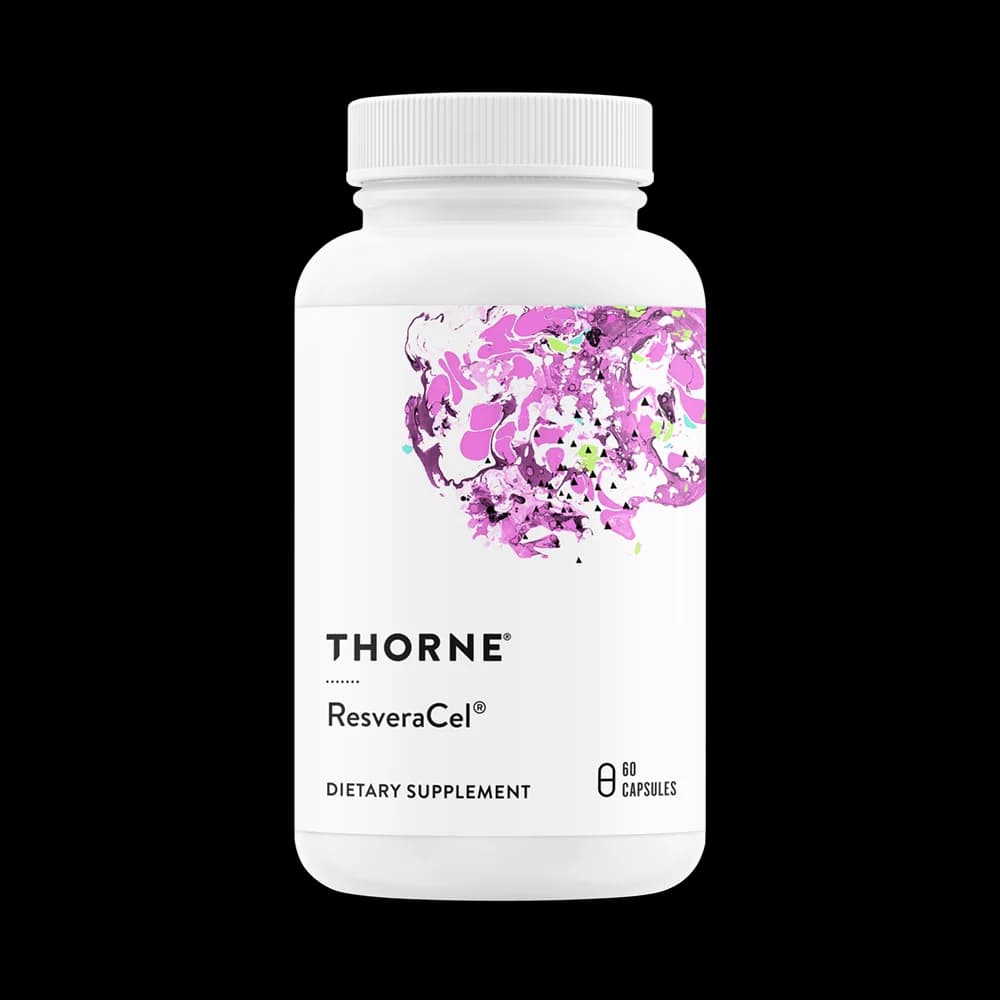
Emerging clinical research has increasingly pointed to mitochondrial dysfunction, the depletion of crucial cellular coenzymes, and accelerated cellular aging as central drivers of these complex chronic conditions. As the medical community deepens its understanding of post-viral pathophysiology, targeted nutritional interventions that support cellular repair and energy production have come to the forefront. Thorne’s ResveraCel is a meticulously formulated supplement designed to address these exact mechanisms. By combining nicotinamide riboside (NR) with a supporting cast of sirtuin activators and methylation donors, ResveraCel offers a comprehensive approach to reigniting mitochondrial function, clearing chronic inflammation, and supporting the body’s natural cellular metabolism as you navigate the path to recovery.
TL;DR
ResveraCel combines NR, Resveratrol, Quercetin, and Betaine to support cellular energy and repair.
Nicotinamide Riboside (NR) helps replenish NAD+ levels, which may improve mitochondrial function and reduce fatigue.
Quercetin acts as a natural mast cell stabilizer, potentially helping manage hyper-reactive immune responses.
Supplements work best alongside pacing, rest, and a comprehensive care plan for chronic conditions.
What is ResveraCel?
The Synergy of Cellular Aging and Metabolism
To understand how ResveraCel functions, it is essential to look beyond surface-level symptoms and examine the microscopic world of cellular metabolism. ResveraCel is not a single, isolated compound; rather, it is a synergistic blend of four highly researched ingredients: Nicotinamide Riboside Hydrogen Malate (NR), Trans-Resveratrol, Quercetin Phytosome, and Betaine Anhydrous. In a healthy body, these compounds work in concert to maintain cellular homeostasis, a state of dynamic equilibrium where cells efficiently produce energy, repair damaged DNA, and neutralize oxidative stress. When the body is subjected to the prolonged physiological stress of a chronic illness, these natural maintenance systems become overwhelmed, leading to accelerated cellular aging and metabolic gridlock.
The ingredients in ResveraCel are specifically selected to target distinct but interconnected biochemical pathways. While one ingredient provides the raw materials necessary for energy production, the others act as cellular switches, turning on the genetic machinery required for repair and detoxification. This multi-targeted approach is crucial for individuals with complex chronic conditions, as their pathophysiology rarely stems from a single broken pathway, but rather from a cascading failure of multiple cellular systems.
Nicotinamide Riboside (NR) and the NAD+ Pathway
At the core of cellular energy production is a vital coenzyme called nicotinamide adenine dinucleotide, or NAD+. Found in every living cell, NAD+ acts as a molecular shuttle bus, transporting high-energy electrons within the mitochondria—the powerhouses of the cell. During the process of oxidative phosphorylation, NAD+ delivers these electrons to the mitochondrial electron transport chain, driving the production of adenosine triphosphate (ATP), the primary energy currency of the body. Without adequate NAD+, the mitochondrial engines stall, and cellular energy production grinds to a halt.
Unfortunately, the body's natural levels of NAD+ begin to decline significantly with age, and this depletion is severely accelerated by chronic inflammation and viral infections. Nicotinamide Riboside (NR), the flagship ingredient in ResveraCel, serves as a highly efficient, direct precursor to NAD+. When ingested, NR utilizes the cellular "salvage pathway," rapidly crossing cell membranes and converting into NAD+ to replenish depleted stores. By restoring the NAD+ pool, NR provides the essential fuel required to keep the mitochondrial electron transport chain running smoothly, ensuring that cells have the ATP they need to function, repair, and thrive.
Sirtuin Activation via Resveratrol and Quercetin
While NAD+ provides the fuel, the body also requires intelligent management systems to direct that energy toward cellular repair. This is where sirtuins come into play. Sirtuins are a family of seven protein enzymes that act as master regulators of cellular health, longevity, and metabolic efficiency. They function as cellular switches, turning on genes that protect against oxidative stress and turning off genes that promote chronic inflammation. Crucially, sirtuins are entirely NAD+-dependent; they cannot perform their protective functions if the cellular NAD+ pool is depleted.
Trans-Resveratrol and Quercetin are potent, naturally occurring polyphenols known as sirtuin-activating compounds (STACs). Resveratrol, famously found in the skin of red grapes, acts as a caloric restriction mimetic. It directly binds to and activates the SIRT1 enzyme, tricking the body into initiating the same profound cellular repair processes that occur during fasting. Quercetin, a flavonoid found in apples and onions, works synergistically with Resveratrol to amplify this sirtuin activation. Together, they instruct the cells to repair damaged DNA, improve mitochondrial efficiency, and initiate the clearance of dysfunctional, aging cells—a process vital for combating oxidative stress in Long COVID and ME/CFS.
Betaine and the Methylation Cycle
The final component of ResveraCel is Betaine, chemically known as Trimethylglycine (TMG). Betaine plays a critical role in the body's methylation cycle, a fundamental biochemical process that occurs billions of times every second. Methylation involves the transfer of a methyl group (one carbon atom attached to three hydrogen atoms) from one molecule to another. This process is absolutely essential for synthesizing DNA, producing neurotransmitters, regulating gene expression, and detoxifying cellular waste.
Betaine serves as a potent methyl donor, specifically utilizing the enzyme betaine-homocysteine methyltransferase (BHMT) to remethylate homocysteine—a potentially toxic amino acid—back into the beneficial amino acid methionine. By providing these essential methyl groups, Betaine ensures that the methylation cycle continues to run efficiently, maintaining the delicate balance of cellular chemistry. Furthermore, Betaine acts as an organic osmolyte, protecting cells from environmental and metabolic stress by maintaining intracellular fluid balance and stabilizing protein structures during periods of physiological strain.
How Long COVID and ME/CFS Impact Cellular Metabolism
Viral Hijacking and NAD+ Depletion
To comprehend why supplements like ResveraCel are relevant for post-viral syndromes, we must examine how conditions like Long COVID and ME/CFS fundamentally alter cellular metabolism. During an acute viral infection, such as SARS-CoV-2, the virus hijacks the host's cellular machinery to replicate. This triggers a massive, systemic immune response. To fight the pathogen, the immune system heavily upregulates the kynurenine pathway and activates PARP (poly ADP-ribose polymerase) enzymes, which are responsible for repairing viral-induced DNA damage.
The critical issue is that both the kynurenine pathway and PARP enzymes are massive consumers of NAD+. As the immune system wages war against the virus, it rapidly drains the body's NAD+ reserves. In patients who develop Long COVID or ME/CFS, this immune activation often fails to turn off, leading to a state of chronic, low-grade inflammation. The continuous overactivation of these pathways creates a severe, persistent depletion of NAD+, leaving the mitochondria without the necessary coenzymes to produce energy, and leaving the sirtuin proteins without the fuel they need to initiate cellular repair.
Mitochondrial Dysfunction and the Energy Crisis
The depletion of NAD+ is a primary catalyst for the profound mitochondrial dysfunction observed in complex chronic illnesses. When the mitochondrial electron transport chain lacks NAD+, it cannot efficiently transfer electrons to create ATP. To survive, the cells are forced to abandon efficient oxidative phosphorylation and rely on a primitive, inefficient backup system called anaerobic glycolysis. This metabolic shift is disastrous for the body's energy economy.
Anaerobic glycolysis produces only a fraction of the ATP generated by healthy mitochondria, and it creates toxic byproducts, including lactic acid and excessive reactive oxygen species (ROS). This mitochondrial reactive oxygen species (mtROS) production damages the mitochondrial membranes and further impairs energy output. For the patient, this microscopic energy crisis manifests macroscopically as severe, debilitating fatigue and post-exertional malaise (PEM). Even minor physical or cognitive exertion rapidly depletes the meager ATP reserves, plunging the patient into a prolonged "crash" as their cells struggle to clear the lactic acid and oxidative damage.
Mast Cell Activation and Systemic Inflammation
The metabolic chaos of Long COVID and ME/CFS is deeply intertwined with immune dysregulation, particularly involving mast cells. Mast cells are the body's first responders, stationed at the boundaries of the respiratory tract, GI tract, and blood vessels. In a healthy state, they release chemical mediators to protect against pathogens. However, the chronic oxidative stress and viral persistence seen in post-viral syndromes can leave these cells in a hyper-reactive state, a condition known as mast cell activation syndrome (MCAS).
In MCAS, mast cells inappropriately degranulate in response to harmless triggers like minor exertion, temperature changes, or specific foods. They release a flood of over 200 chemical mediators, including histamine, pro-inflammatory cytokines, and leukotrienes. This constant chemical bombardment drives systemic inflammation, damages the endothelial lining of blood vessels, and crosses the blood-brain barrier to cause severe neuroinflammation. This neuroinflammatory cascade is a primary driver of the cognitive dysfunction and brain fog often seen in Long COVID.
The Accumulation of Senescent "Zombie" Cells
The relentless cycle of NAD+ depletion, mitochondrial oxidative stress, and mast cell inflammation accelerates a process known as cellular senescence. When cells sustain severe DNA damage but evade programmed cell death (apoptosis), they enter a state of arrested development. These senescent cells, often referred to as "zombie cells," no longer perform their designated functions, yet they refuse to die and be cleared from the body.
Instead of remaining dormant, senescent cells actively secrete a toxic cocktail of pro-inflammatory cytokines, chemokines, and tissue-degrading enzymes, collectively known as the senescence-associated secretory phenotype (SASP). The accumulation of these zombie cells perpetuates chronic tissue inflammation, hinders the regeneration of healthy cells, and significantly accelerates biological aging. In the context of Long COVID and ME/CFS, the inability of the exhausted immune system to clear these senescent cells contributes to the prolonged, unrelenting nature of the symptoms.
ResveraCel: Supporting Mitochondrial Function and Healthy Aging
Restoring the NAD+ Pool for ATP Production
Supplementing with the Nicotinamide Riboside (NR) in ResveraCel directly targets the catastrophic NAD+ deficit that underpins post-viral fatigue. Unlike other forms of vitamin B3, which require complex, energy-intensive enzymatic conversions, NR utilizes the highly efficient salvage pathway. It rapidly crosses the cellular membrane and is quickly converted into NAD+, effectively bypassing the metabolic bottlenecks created by chronic illness.
By rapidly restoring the intracellular NAD+ pool, NR reignites the stalled mitochondrial engines. With adequate NAD+ available to shuttle electrons through the electron transport chain, cells can transition away from toxic, inefficient anaerobic glycolysis and return to healthy oxidative phosphorylation. This restoration of efficient ATP production is critical for raising the patient's energy envelope, reducing the rapid accumulation of lactic acid during minor exertion, and breaking the relentless cycle of post-exertional malaise. Recent clinical trials on NAD+ precursors have demonstrated their ability to safely elevate whole-blood NAD+ levels, offering a biological lifeline to exhausted cells.
Triggering Mitochondrial Biogenesis with SIRT1
While restoring NAD+ provides the necessary fuel, the Trans-Resveratrol in ResveraCel provides the blueprint for cellular rebuilding. Resveratrol acts as a potent sirtuin-activating compound (STAC), specifically targeting and activating the SIRT1 enzyme. Because SIRT1 is NAD+-dependent, the combination of Resveratrol and NR in a single formula creates a powerful, synergistic effect: NR supplies the fuel, and Resveratrol turns the ignition key.
Once activated, SIRT1 initiates a profound downstream signaling cascade. It deacetylates and activates PGC-1α, a master transcriptional coactivator that stimulates mitochondrial biogenesis—the creation of brand new, highly efficient mitochondria. This process is functionally equivalent to replacing an old, failing engine with a state-of-the-art motor. By signaling the body to clear out damaged, ROS-leaking mitochondria and replace them with healthy ones, Resveratrol fundamentally raises the cellular energy ceiling and supports healthy endothelial function, which is crucial for patients battling dysautonomia and vascular stiffness.
Stabilizing Mast Cells and Quelling Neuroinflammation
The Quercetin Phytosome in ResveraCel plays a critical role in managing the hyper-reactive immune responses seen in MCAS and Long COVID. Quercetin acts as a natural, potent mast cell stabilizer. At the molecular level, it physically stabilizes the mast cell membrane by blocking the sudden intracellular influx of calcium ions—the exact trigger required for a mast cell to burst and degranulate. By blocking this calcium influx, Quercetin helps stop the release of pre-formed histamine and halts the delayed synthesis of pro-inflammatory leukotrienes and prostaglandins.
Furthermore, Quercetin is a powerful inhibitor of the NLRP3 inflammasome, a multi-protein intracellular complex that drives severe systemic inflammation. By downregulating this inflammasome, Quercetin helps to quell the chronic neuroinflammation that manifests as debilitating brain fog and cognitive fatigue. Additionally, Quercetin possesses strong senolytic properties; it actively assists the immune system in identifying and clearing out the toxic, pro-inflammatory "zombie cells" that perpetuate chronic tissue damage, thereby promoting true cellular rejuvenation.
Optimizing Methylation and Osmoregulation
The inclusion of Betaine (TMG) in ResveraCel provides essential support for the body's biochemical infrastructure. As a potent methyl donor, Betaine utilizes the BHMT pathway to efficiently remethylate homocysteine into methionine. This action is vital for maintaining a healthy SAM:SAH ratio, ensuring that the body has the necessary methyl groups to synthesize DNA, produce crucial neurotransmitters, and execute phase II liver detoxification pathways. This methylation support is particularly beneficial for patients whose detoxification pathways have been overwhelmed by chronic viral stress.
Beyond methylation, Betaine serves as a highly effective organic osmolyte. It is actively shuttled in and out of cells to maintain precise fluid balance and intracellular hydration. During periods of physiological stress—such as the thermal and oxidative stress experienced during a PEM crash—Betaine acts as a molecular chaperone. It stabilizes protein conformations, protects against premature cellular apoptosis, and attenuates the expression of heat shock proteins, thereby protecting vulnerable muscle, gut, and organ cells from structural collapse.
Symptoms ResveraCel May Help Manage
Core Metabolic and Neurological Symptoms
Debilitating Fatigue and PEM: By providing the direct precursor to NAD+ (Nicotinamide Riboside) and stimulating the creation of new mitochondria (Resveratrol), the supplement supports efficient cellular ATP production. This helps transition cells away from toxic anaerobic glycolysis, potentially raising the threshold for post-exertional malaise and reducing the severity of energetic crashes.
Brain Fog and Cognitive Dysfunction: The synergistic action of Quercetin inhibiting the NLRP3 inflammasome and Resveratrol activating neuroprotective SIRT1 pathways helps to clear the chronic neuroinflammation that disrupts neural signaling, thereby supporting improved cognitive clarity and focus.
Unpredictable Allergic Responses: Quercetin acts as a potent, natural mast cell stabilizer. By blocking the intracellular calcium influx required for degranulation, it helps manage the sudden release of histamine and cytokines, which may alleviate the sudden food, chemical, and temperature sensitivities characteristic of MCAS.
Cardiovascular and Immune Symptoms
Orthostatic Intolerance and Tachycardia: Resveratrol's activation of SIRT1 upregulates endothelial nitric oxide synthase (eNOS), increasing the production of nitric oxide. This promotes healthy blood vessel dilation and vascular tone, which is crucial for managing the blood pooling and rapid heart rates associated with dysautonomia and POTS.
Chronic Muscle and Joint Pain: By acting as a senolytic to clear pro-inflammatory "zombie cells" and providing Betaine to attenuate cellular heat shock responses, the ingredients help dampen the systemic inflammatory signaling pathways that drive chronic, diffuse body pain.
Exercise Intolerance: Betaine functions as a powerful cellular osmolyte, protecting muscle and organ cells from the oxidative and osmotic stress induced by physical exertion. This stabilization helps maintain cellular integrity during activity, supporting better exercise tolerance and faster recovery times.
Practical Considerations: Forms, Dosing, and Absorption
Understanding the Ingredients' Bioavailability
When evaluating complex supplements, the bioavailability of the ingredients—how much of the compound actually reaches the bloodstream and enters the cells—is just as important as the dosage. Standard quercetin, for example, has notoriously poor intestinal absorption; it is rapidly degraded in the gut and liver before it can exert its systemic effects. To overcome this, Thorne’s ResveraCel utilizes Quercetin Phytosome. This advanced formulation binds quercetin extract from Sophora japonica flowers to a phospholipid complex derived from sunflower. This lipid casing mimics the body's own cell membranes, allowing the quercetin to easily cross the gut lining, resulting in significantly higher and more sustained therapeutic blood levels.
Similarly, the formula utilizes Nicotinamide Riboside Hydrogen Malate, a highly stable and bioavailable form of NR. Unlike traditional NAD+ intravenous therapies, which can be difficult to access and tolerate, oral NR has been clinically proven to efficiently elevate whole-blood NAD+ levels. The inclusion of Betaine Anhydrous (TMG) ensures that the methyl groups are readily available for the BHMT enzyme pathway, bypassing the common genetic bottlenecks (like MTHFR mutations) that often impair folate-dependent methylation.
Optimal Dosing and Timing Strategies
The suggested use for ResveraCel is taking 2 capsules daily, or as recommended by your health-care practitioner. Because NAD+ metabolism and sirtuin activation are intimately tied to the body's natural circadian rhythms, many functional medicine practitioners recommend taking NAD+ precursors in the morning or early afternoon. Taking them late in the evening may excessively stimulate cellular energy pathways and potentially interfere with sleep onset, particularly in patients who already struggle with the sleep disturbances common in Long COVID.
Consistency is paramount when utilizing therapies aimed at cellular repair. While some patients may notice subtle shifts in their energy envelopes or cognitive clarity within a few weeks, the processes of mitochondrial biogenesis, the clearance of senescent cells, and the stabilization of hyper-reactive mast cells are gradual. True cellular remodeling typically requires sustained, daily supplementation over the course of several months to achieve meaningful, lasting changes in baseline health.
Potential Interactions and Contraindications
While the ingredients in ResveraCel are generally well-tolerated, it is crucial to consider potential interactions, especially for patients managing complex chronic illnesses with multiple medications. Quercetin is known to interact with CYP450 liver enzymes; by modulating these enzymes, it can alter the metabolism and clearance rates of certain prescription medications, including some antihistamines and blood thinners. Additionally, while Resveratrol supports healthy blood flow, it can have mild anticoagulant (blood-thinning) properties.
Clinical data also indicates that high doses of Betaine can modestly increase total and LDL cholesterol levels in some individuals, so patients monitoring their lipid panels should be aware of this effect. As explicitly stated in the product warnings, ResveraCel is contraindicated for individuals with a history of hypersensitivity to any of its ingredients, and pregnant women must consult their health-care practitioner before use. Always discuss new supplements with your medical team to ensure they safely integrate with your current management protocol.
Follow the Science
Recent Clinical Trials on NAD+ Precursors
The scientific community has rapidly accelerated its investigation into NAD+ restoration for post-viral syndromes. A landmark randomized, double-blind, placebo-controlled trial conducted by researchers from Massachusetts General Brigham and Rutgers University evaluated the efficacy of high-dose Nicotinamide Riboside (NR) specifically for Long COVID. The study demonstrated that daily NR supplementation safely and significantly elevated whole-blood NAD+ levels (up to a 3.1-fold increase). While small sample sizes limited some between-group cognitive metrics, patients taking NR reported highly encouraging within-group improvements in fatigue, sleep quality, and depressive symptoms compared to their pre-treatment baselines.
Further supporting the role of NAD+ in chronic fatigue, a 2024 pilot study conducted by AgelessRx and the University of Pittsburgh tested a dual-therapy approach combining low-dose naltrexone (LDN) with NAD+ administration. The 12-week trial enrolled 36 patients experiencing persistent post-COVID fatigue. The results were striking: participants experienced a statistically significant increase in their overall quality of life, with mean SF-36 health survey scores jumping from 36.5 to 52.1. These findings underscore the profound therapeutic potential of targeting the NAD+ pathway to resolve post-viral energy deficits.
Evidence for Flavonoids in Mast Cell Stabilization
The clinical literature heavily supports the use of flavonoids like Quercetin for managing the hyper-inflammatory overlap between Long COVID and MCAS. A pivotal 2021 study published in the International Journal of Infectious Diseases evaluated the hyper-inflammatory sequelae of SARS-CoV-2, noting that the clinical presentation heavily mirrored MCAS, demonstrating that mast cell activation symptoms are prevalent in Long COVID. While this study focused on symptom prevalence, separate in vitro models have suggested that Quercetin may help block the intracellular calcium influx required for mast cell degranulation, potentially acting as a natural mast cell stabilizer.
Resveratrol and Betaine in Metabolic Health
The mechanisms of Resveratrol and Betaine are equally well-documented. Research published in the American Journal of Physiology demonstrated that Resveratrol significantly increases mitochondrial mass and upregulates eNOS via the SIRT1 pathway, successfully restoring endothelial function and mitochondrial biogenesis in human vascular cells. Meanwhile, a comprehensive meta-analysis of five randomized controlled trials confirmed Betaine's efficacy as a methyl donor, showing that daily supplementation reliably and significantly lowers fasting plasma homocysteine levels, thereby supporting cardiovascular health and efficient cellular methylation pathways.
The Path Forward
A Comprehensive Approach to Recovery
Navigating the daily realities of Long COVID, ME/CFS, dysautonomia, and MCAS is an arduous and deeply frustrating journey. The profound cellular exhaustion, the unpredictable immune flares, and the cognitive fog can make it feel as though your body is no longer your own. It is vital to recognize that these symptoms are not in your head; they are the result of measurable, physiological disruptions in your cellular metabolism, mitochondrial function, and immune regulation. Understanding the science behind these disruptions is the first step toward reclaiming your health.
While targeting cellular aging and NAD+ depletion offers a scientifically grounded path forward, it is important to remember that no single supplement is a quick fix. Products like ResveraCel are most effective when they are integrated into a comprehensive, holistic management strategy. This means combining targeted nutritional support with aggressive resting, meticulous symptom tracking, pacing to protect your energy envelope, and working closely with a medical team that understands how a doctor diagnoses Long COVID.
Integrating Supplements into Your Routine
As you consider adding ResveraCel to your regimen, approach the process with patience and curiosity. Keep a detailed symptom journal to track subtle changes in your energy levels, cognitive clarity, and exercise tolerance over several months. Cellular repair, mitochondrial biogenesis, and the clearance of senescent cells are profound biological processes that require time to manifest as macroscopic improvements in your daily life. By consistently supporting your body's foundational biochemistry, you are providing your cells with the tools they need to heal, adapt, and eventually thrive again.
Sources
Altered mitochondrial metabolism in the insulin resistant heart
AgelessRx LDN & NAD+ Patch Trial for Post-COVID Fatigue (Brain, Behavior, & Immunity - Health)
Resveratrol improves health and survival of mice on a high-calorie diet (Nature)
Betaine Supplementation May Improve Heat Tolerance: Potential Mechanisms in Humans (MDPI Nutrients)
Altered endothelial dysfunction-related miRs in plasma from ME/CFS patients (Scientific Reports)