Can RestorFlora Help Repair the Gut Microbiome in Long COVID and ME/CFS?
March 6, 2026
RestorFloraLong COVIDMicrobiome Labs
Share:
Disclaimer: The information provided here is for educational purposes only and is not intended as medical advice. It should not be used to diagnose, treat, cure, or prevent any medical condition. Instead, use it as a starting point for discussion with your healthcare provider. Always consult with a qualified healthcare provider before starting any new medication, supplement, device, or making changes to your health regimen.
Months or even years after a mild viral infection, many individuals find themselves battling a bewildering array of symptoms that seem to have no clear origin. Debilitating fatigue, sudden food intolerances, unpredictable heart rates, and relentless brain fog become a daily reality for those living with complex chronic conditions like Long COVID, myalgic encephalomyelitis/chronic fatigue syndrome (ME/CFS), and mast cell activation syndrome (MCAS). While these symptoms manifest systemically, modern medical research is increasingly pointing to a singular, foundational origin point: the gastrointestinal tract. The health of your gut microbiome dictates the health of your immune system, your autonomic nervous system, and your body's inflammatory response. When that delicate microbial ecosystem is decimated by viral infections or heavy courses of antibiotics, the resulting dysbiosis can trap patients in a vicious cycle of chronic illness.
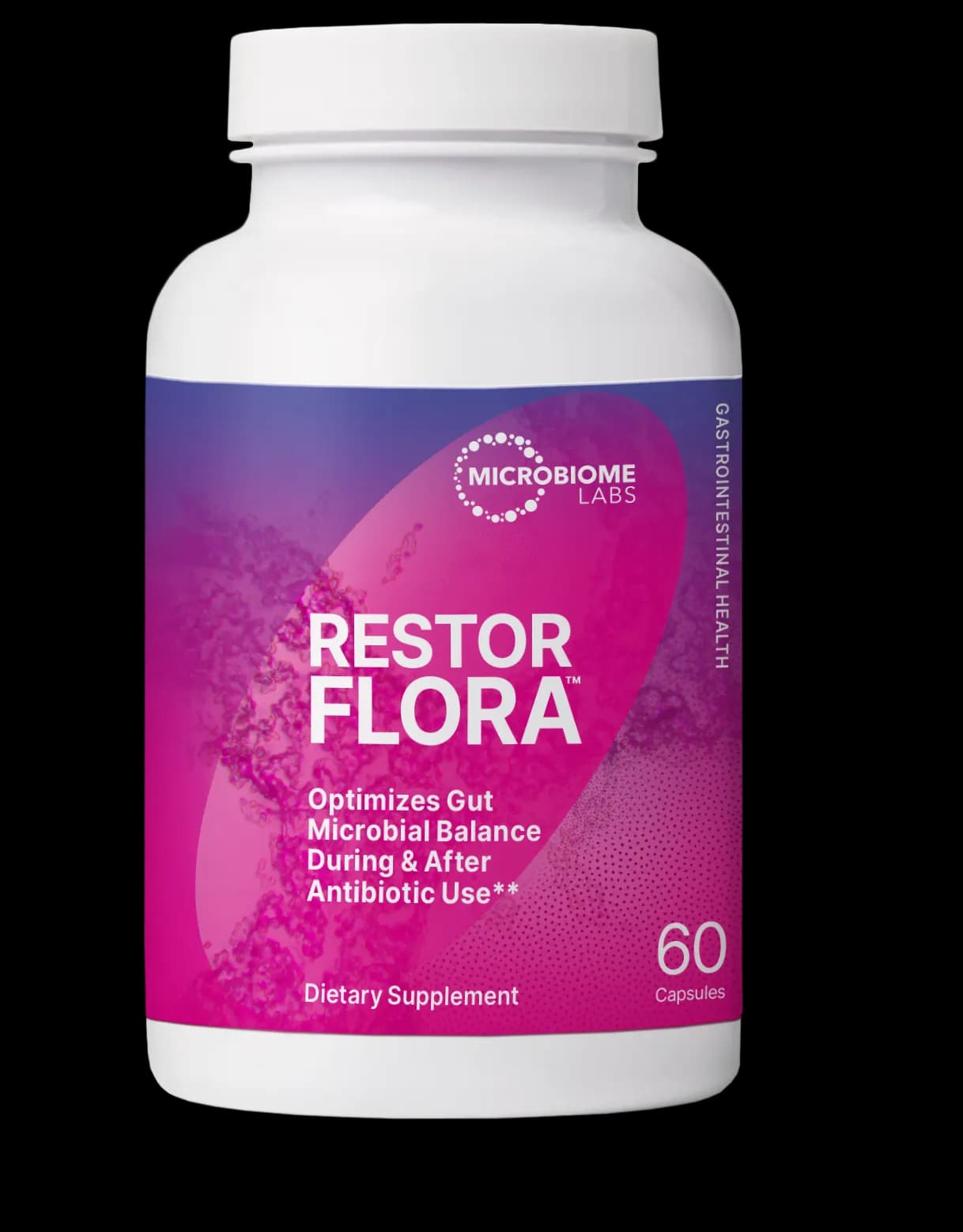
For patients navigating these invisible illnesses, standard over-the-counter probiotics often fall short. Fragile lactic-acid bacteria are frequently destroyed by stomach acid before they ever reach the lower intestines, offering little relief for severe gut dysfunction. This is where targeted, resilient formulations like RestorFlora by Microbiome Labs come into play. Designed as a clinical-grade gut recovery blend, RestorFlora utilizes a highly specialized combination of spore-forming Bacillus bacteria and the therapeutic yeast Saccharomyces boulardii. By surviving the harsh gastric environment, these specific strains actively work to repair the intestinal barrier, competitive exclude pathogenic bacteria, and modulate the hyperactive immune responses driving post-viral syndromes. In this comprehensive guide, we will explore the intricate molecular mechanisms behind RestorFlora, how chronic illness disrupts the gut, and why restoring microbial diversity is a critical step toward reclaiming your health.
What is RestorFlora?
To understand how RestorFlora functions, we must first look at the natural architecture of a healthy human microbiome. The gastrointestinal tract is home to trillions of microorganisms that perform essential biochemical tasks, from synthesizing vitamins and neurotransmitters to training the immune system. In a healthy state, beneficial commensal bacteria maintain a robust mucosal barrier that prevents toxins from entering the bloodstream. However, when this ecosystem is exposed to broad-spectrum antibiotics, environmental toxins, or acute viral infections, the beneficial populations are rapidly depleted. This allows opportunistic, pro-inflammatory pathogens to overgrow, a state known as dysbiosis. RestorFlora is specifically engineered to combat this severe dysbiosis not by simply adding delicate bacteria to a hostile environment, but by introducing highly resilient, active modulators that can survive and orchestrate a gut recovery.
Unlike traditional probiotics—which primarily consist of Lactobacillus and Bifidobacterium strains that require refrigeration and often perish in stomach acid—RestorFlora utilizes two distinct classes of microorganisms: a therapeutic yeast and soil-based spore-forming bacteria. These organisms possess a natural, armor-like outer shell that allows them to pass through the highly acidic environment of the stomach completely intact. Once they reach the alkaline environment of the small and large intestines, they germinate into their active vegetative states. In this active form, they function as "microbial gardeners," actively pruning away pathogenic overgrowths, breaking down stubborn bacterial biofilms, and creating a hospitable environment for your own native, beneficial flora to return and thrive.
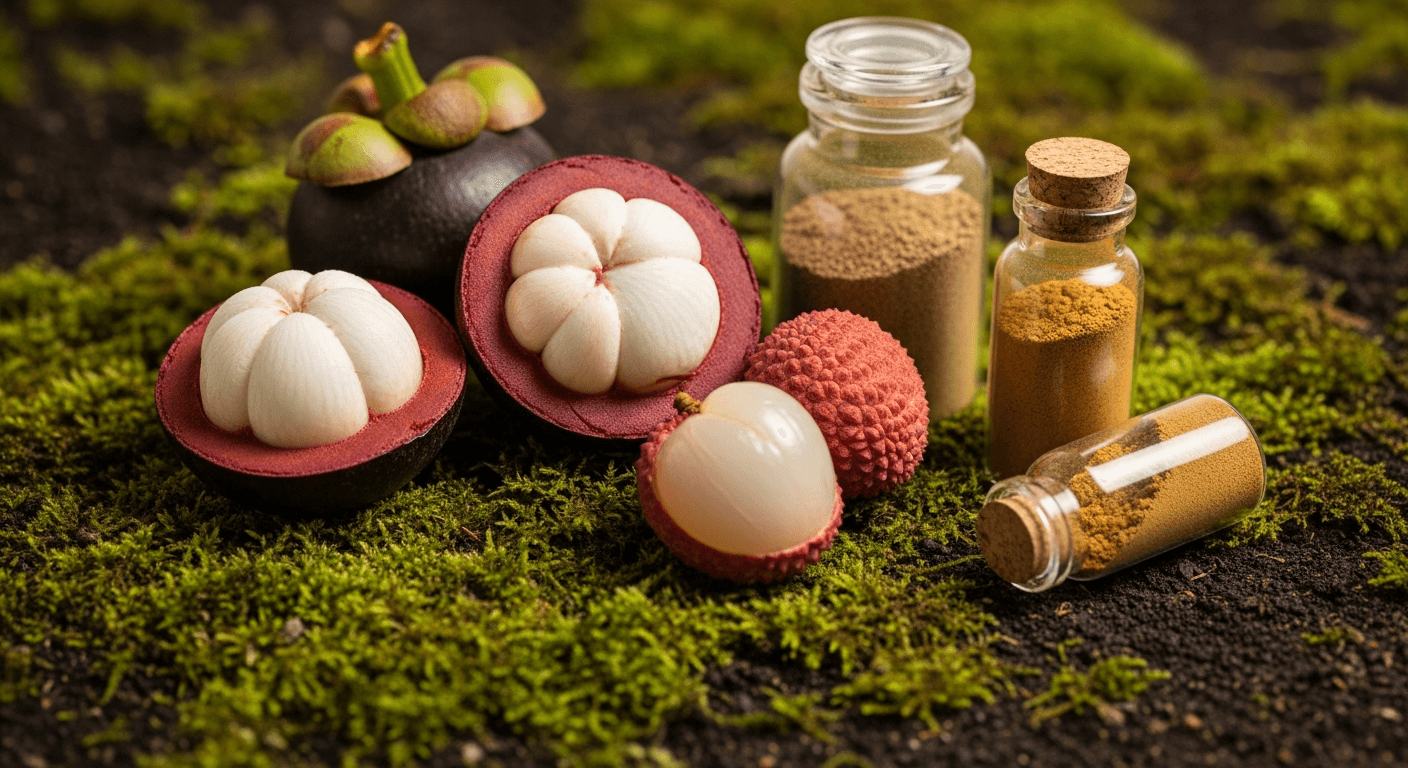
The cornerstone of the RestorFlora formula is Saccharomyces cerevisiae var boulardii (commonly known as S. boulardii), provided at a robust dose of 250 mg. S. boulardii is a non-pathogenic, transient probiotic yeast that was first isolated from lychee and mangosteen fruit in the 1920s. Because it is a yeast and not a bacterium, it possesses a unique and highly valuable clinical trait: it is naturally resistant to all antibacterial antibiotics. This makes it an indispensable tool for patients who require heavy or prolonged antibiotic therapies, as it can be taken concurrently to prevent the complete decimation of the gut flora. S. boulardii does not permanently colonize the human gut; instead, it acts as a transient visitor, completely washing out of the system within three to five days after supplementation ceases. However, during its temporary transit, it exerts profound therapeutic effects.
At the molecular level, S. boulardii performs several critical luminal and trophic actions. It secretes specific proteins and proteases that bind to and enzymatically degrade harmful bacterial toxins. For example, it produces a serine protease that specifically cleaves the toxins produced by Clostridium difficile, preventing them from binding to intestinal receptors and causing severe inflammation and diarrhea. Furthermore, scanning electron microscopy has revealed that S. boulardii directly binds to the cell walls of pathogens like Escherichia coli and Salmonella, physically trapping them. Because the yeast is transient, it simply carries these trapped pathogens out of the body during normal bowel movements. Additionally, S. boulardii secretes polyamines that promote the rapid maturation and turnover of enterocytes (the absorptive cells lining the intestines), accelerating the healing of damaged gut tissue.
Complementing the yeast are three specific strains of spore-forming bacteria: Bacillus clausii (SC-109) at 100 mg, Bacillus subtilis HU58 at 10 mg, and Bacillus coagulans (SC208) at 10 mg. These soil-based organisms (SBOs) are renowned for their biphasic life cycle. When subjected to environmental stress—such as extreme heat, UV radiation, or the hydrochloric acid of the human stomach—they encase themselves in a highly durable endospore. This biological armor ensures 100% survivability through the gastric tract. Upon sensing the nutrient-rich, pH-neutral environment of the lower intestines, the spores shed their protective coating and become metabolically active.
Once active, these Bacillus strains engage in competitive exclusion, a process where they aggressively compete with pathogenic bacteria for nutrients and physical attachment sites on the intestinal wall. Bacillus subtilis HU58, in particular, is a powerhouse of antimicrobial activity. It secretes over a dozen different natural antibiotics and antimicrobial peptides, including a potent compound called fengycin. Fengycin specifically targets and disrupts the cellular membranes of pathogenic Staphylococcus and Streptococcus species, neutralizing them without harming beneficial lactic-acid bacteria. Meanwhile, Bacillus coagulans is unique among spores because it is a prolific producer of L-lactic acid, which gently lowers the pH of the colon to a level that favors the growth of beneficial Akkermansia and Bifidobacteria while inhibiting the growth of harmful putrefactive bacteria. Together, this 8 billion CFU blend provides a comprehensive, multi-targeted approach to microbiome rehabilitation.
How Long COVID and ME/CFS Impact the Gut Microbiome
To comprehend why gut-targeted therapies are so vital for chronic illness, we must examine how conditions like Long COVID fundamentally alter the gastrointestinal landscape. The SARS-CoV-2 virus does not exclusively target the respiratory system; it has a profound affinity for the gastrointestinal tract. This is because the epithelial cells lining the intestines express exceptionally high concentrations of the ACE2 (Angiotensin-Converting Enzyme 2) receptor, which serves as the primary entry point for the virus. When the virus binds to these receptors in the gut, it triggers a massive localized inflammatory response. This viral invasion disrupts the normal function of the intestinal cells, altering the secretion of essential antimicrobial peptides and drastically shifting the pH of the gut environment. For many patients, this initial infection sets the stage for the gastrointestinal symptoms seen with Long COVID, which can persist for years.
This localized viral assault leads to a rapid and severe state of dysbiosis. Clinical studies analyzing the gut microbiomes of Long COVID patients consistently reveal a distinct "bacterial signature" characterized by a catastrophic loss of microbial diversity. Specifically, there is a marked depletion of beneficial, anti-inflammatory bacteria such as Faecalibacterium prausnitzii and Bifidobacterium species. These specific microbes are responsible for fermenting dietary fibers into Short-Chain Fatty Acids (SCFAs), particularly butyrate. Butyrate is the primary energy source for colonocytes (colon cells) and is absolutely critical for maintaining the structural integrity of the intestinal lining. When these beneficial bacteria are wiped out by the virus, butyrate production plummets, and the structural foundation of the gut begins to crumble.
The depletion of butyrate-producing bacteria directly leads to a condition clinically known as increased intestinal permeability, or "leaky gut." The intestinal lining is only one cell thick, and these cells are held together by complex protein structures called tight junctions (composed of proteins like zonulin and occludin). Without sufficient butyrate and in the presence of viral-induced inflammation, these tight junctions degrade and pull apart. The gut barrier, which is supposed to act as a highly selective filter, becomes porous. This allows undigested food particles, fungal antigens, and bacterial endotoxins—specifically lipopolysaccharides (LPS) from the cell walls of pathogenic bacteria—to leak out of the intestines and directly into the systemic bloodstream.
Once LPS enters the bloodstream, it triggers a systemic immune alarm. The immune system recognizes these endotoxins as a massive bacterial infection, prompting macrophages and other immune cells to release a flood of pro-inflammatory cytokines, including Interleukin-6 (IL-6) and Tumor Necrosis Factor-alpha (TNF-alpha). This state of chronic, low-grade endotoxemia drives the systemic inflammation that characterizes many post-viral syndromes. It is a vicious cycle: the viral infection causes dysbiosis, the dysbiosis causes leaky gut, the leaky gut causes systemic inflammation, and the systemic inflammation further damages the gut lining. Understanding what causes Long COVID requires acknowledging this relentless feedback loop between the gut and the immune system.
The consequences of a compromised gut barrier extend far beyond the abdomen, heavily impacting the central and autonomic nervous systems via the gut-brain axis. The gastrointestinal tract and the brain are in constant bidirectional communication, primarily through the vagus nerve. When the gut is inflamed and leaking endotoxins, inflammatory cytokines travel through the bloodstream and can cross the blood-brain barrier, leading to neuroinflammation. This neuroinflammation is a primary driver of the debilitating cognitive impairment, or "brain fog," that so many patients experience. Furthermore, the gut microbiome is responsible for synthesizing a significant portion of the body's neurotransmitters, including serotonin and dopamine. When dysbiosis disrupts this production, it can lead to severe mood disturbances, anxiety, and sleep disorders.
In conditions like dysautonomia and Postural Orthostatic Tachycardia Syndrome (POTS), which are frequently triggered by viral illnesses, the gut-brain connection is particularly relevant. Chronic systemic inflammation from endotoxemia can impair the function of the autonomic nervous system, which controls involuntary bodily functions like heart rate, blood pressure, and digestion. This autonomic neuropathy can lead to erratic heart rates upon standing, severe blood pooling, and profound gastrointestinal motility issues like gastroparesis (delayed gastric emptying). The question of can Long COVID trigger ME/CFS is increasingly being answered by looking at this exact mechanism: the chronic immune exhaustion and autonomic failure driven by persistent gut dysbiosis and neuroinflammation.
RestorFlora: Supporting Gut Repair and Immune Function
RestorFlora is specifically formulated to intervene in the destructive cycles of dysbiosis and leaky gut. The inclusion of Saccharomyces boulardii provides a powerful mechanism for repairing the compromised intestinal barrier. At a cellular level, S. boulardii actively preserves tight junction integrity by inhibiting the phosphorylation of the myosin light chain. In a state of inflammation, the phosphorylation of this protein complex normally causes the tight junctions to contract and pull apart, increasing permeability. By blocking this specific biochemical pathway, S. boulardii helps to "zip" the tight junctions back together, effectively halting the leakage of endotoxins into the bloodstream. This action directly addresses the root cause of the systemic endotoxemia seen in complex chronic illnesses.
Furthermore, S. boulardii acts as a profound immunomodulator within the gut mucosa. It stimulates the localized production of Secretory Immunoglobulin A (sIgA), the body's primary antibody defense in the mucosal lining. sIgA acts as a first line of defense, binding to viruses, bacteria, and toxins in the gut lumen and preventing them from interacting with the intestinal epithelial cells. By boosting sIgA levels, S. boulardii enhances the gut's natural immune surveillance, providing crucial support for patients whose immune systems have been exhausted by prolonged battles with post-viral syndromes or chronic infections.
The Bacillus spores in RestorFlora work synergistically with the yeast to actively reshape the microbial landscape. When Bacillus subtilis HU58 and Bacillus clausii germinate in the intestines, they engage in highly effective competitive exclusion. They rapidly consume the specific nutrients that pathogenic bacteria rely on to survive, effectively starving out the overgrowths of harmful microbes like Escherichia coli, Clostridium difficile, and Candida species. This physical crowding out is essential for patients who have developed severe dysbiosis following multiple rounds of antibiotics or acute viral infections.
Beyond simple competition, these spores deploy sophisticated biochemical weapons. Bacillus subtilis HU58 secretes a powerful antimicrobial peptide called fengycin. Recent clinical research has demonstrated that fengycin specifically targets and disrupts the cellular membranes of Staphylococcus aureus. This is particularly relevant for the ME/CFS community, as emerging hypotheses suggest that unchecked Staphylococcus colonization in the gut and mucosa may be a significant driver of the chronic immune activation and post-exertional malaise (PEM) characteristic of the disease. By actively dismantling these pathogenic populations and breaking down their protective biofilms, the Bacillus strains in RestorFlora clear the way for a healthier, more balanced microbiome to take root.
Perhaps the most crucial benefit of RestorFlora for patients with Long COVID, ME/CFS, and MCAS is its ability to modulate hyperactive inflammatory pathways. Chronic illness is often characterized by an immune system that is stuck in an "on" position, constantly churning out inflammatory cytokines. The strains in RestorFlora intervene directly at the genetic transcription level. Both S. boulardii and the Bacillus spores have been shown to inhibit the activation of the NF-$\kappa$B (Nuclear Factor kappa-light-chain-enhancer of activated B cells) and MAPK (Mitogen-Activated Protein Kinase) signaling pathways within the intestinal epithelial cells.
NF-$\kappa$B is a master regulator of inflammation; when activated, it commands the cell to produce massive amounts of pro-inflammatory cytokines like IL-6, IL-8, and TNF-alpha. By suppressing the activation of NF-$\kappa$B, RestorFlora effectively turns down the volume on the gut's inflammatory response. This localized reduction in inflammation has profound systemic effects. As the gut calms down and the barrier is sealed, fewer inflammatory signals are sent into the bloodstream, leading to a reduction in systemic neuroinflammation, a stabilization of mast cells, and an overall decrease in the symptom burden for patients navigating the complexities of how to live with long-term COVID.
Symptoms RestorFlora May Help Manage
Because the gut microbiome influences nearly every system in the body, the targeted repair provided by RestorFlora can help manage a wide, interconnected array of symptoms. By sealing the intestinal barrier, reducing endotoxemia, and modulating immune responses, patients may experience relief in both localized digestive issues and systemic neurological symptoms.
Antibiotic-Associated Diarrhea (AAD): Saccharomyces boulardii is clinically proven to prevent and manage diarrhea caused by heavy antibiotic use by degrading bacterial toxins (like those from C. diff) and protecting the mucosal lining from antibiotic-induced damage.
Post-Viral Fatigue and Brain Fog: By sealing the "leaky gut" and stopping the flow of lipopolysaccharides (LPS) into the bloodstream, RestorFlora reduces the systemic neuroinflammation that drives debilitating cognitive impairment and profound physical exhaustion in Long COVID and ME/CFS.
Food Sensitivities and MCAS Triggers: A compromised gut barrier allows undigested food proteins to enter the blood, triggering mast cell degranulation and allergic responses. Repairing tight junctions helps reduce these inappropriate immune reactions and stabilizes histamine release.
Abdominal Pain and Motility Issues: The Bacillus spores promote the growth of beneficial, SCFA-producing bacteria. Increased butyrate production provides energy to colon cells, helping to regulate gut motility, reduce cramping, and alleviate both post-infectious constipation and diarrhea.
Autonomic Dysfunction (Dysautonomia/POTS): By lowering systemic levels of inflammatory cytokines (like IL-6 and TNF-alpha), RestorFlora helps reduce the inflammatory burden on the vagus nerve and the autonomic nervous system, potentially aiding in the stabilization of erratic heart rates and blood pressure fluctuations.
Practical Considerations: Forms, Dosing, and Absorption
When selecting a probiotic, bioavailability and survivability are paramount. The vast majority of standard, over-the-counter probiotics contain fragile lactic-acid bacteria (like Lactobacillus) that are highly susceptible to heat, light, and gastric acid. Studies indicate that up to 99% of these standard strains can be destroyed in the stomach before they ever reach the intestines, rendering them largely ineffective for severe dysbiosis. RestorFlora bypasses this issue entirely through its unique formulation. The Bacillus strains are in endospore form, meaning they are encased in a highly durable, naturally occurring protein shell. This allows them to survive the harsh, acidic environment of the stomach with 100% viability.
Similarly, Saccharomyces boulardii is a robust yeast that easily survives gastric transit. Because of their inherent stability, neither the spores nor the yeast in RestorFlora require refrigeration. This makes the supplement highly practical for patients dealing with the daily cognitive and physical fatigue of chronic illness, as it can be easily stored on a nightstand or carried during travel without losing its potency. Furthermore, because S. boulardii is a yeast, its cellular structure is fundamentally different from bacteria. This means it is completely unaffected by antibacterial medications, making RestorFlora an ideal companion supplement for patients who are currently undergoing antibiotic treatments for co-infections like Lyme disease or SIBO (Small Intestinal Bacterial Overgrowth).
For optimal absorption and efficacy, the suggested use for RestorFlora is one capsule per day, taken with a meal. Taking the supplement with food is highly recommended, as the presence of food in the stomach triggers the release of digestive enzymes and bile salts. These physiological signals actually help prompt the Bacillus spores to transition out of their dormant state and germinate into their active, vegetative forms once they reach the small intestine. The amino acids and carbohydrates from the meal also provide an immediate food source for the newly active bacteria and yeast, allowing them to rapidly begin their work of competitive exclusion and SCFA production.
When taking RestorFlora concurrently with antibiotics, timing is flexible but strategic. While S. boulardii is immune to antibacterial drugs, the Bacillus spores are bacteria and could potentially be affected once they germinate. Therefore, it is generally best practice to take RestorFlora at least two hours away from your antibiotic dose. This ensures that the spores have time to transit through the stomach and establish themselves in the gut without immediate exposure to peak concentrations of the antibiotic medication. For patients navigating what drugs are used for COVID long haulers, integrating a resilient probiotic like RestorFlora can help mitigate the gastrointestinal side effects of complex pharmaceutical regimens.
While RestorFlora is generally well-tolerated, patients with severe dysbiosis may experience a temporary exacerbation of symptoms when first starting the supplement. This is known as a Herxheimer reaction, or "die-off." As the potent Bacillus strains and S. boulardii begin to aggressively crowd out and destroy pathogenic bacteria and yeast (like Candida), these dying pathogens release a sudden surge of endotoxins into the gut. This can cause temporary bloating, gas, mild cramping, or a brief increase in fatigue. This reaction is a sign that the microbiome is actively shifting and typically resolves within a few days to a week. To minimize die-off, sensitive patients may choose to start with half a capsule (by opening it and mixing it with water or applesauce) every other day, slowly titrating up to the full dose.
It is important to note safety considerations. Because Saccharomyces boulardii is a live yeast, it should be used with extreme caution or avoided entirely by individuals who are severely immunocompromised (such as those undergoing active chemotherapy, organ transplant recipients, or those with central venous catheters), as there is a rare but documented risk of fungemia (yeast entering the bloodstream) in these highly vulnerable populations. As always, patients with complex chronic conditions should consult their primary healthcare provider or a functional medicine specialist before introducing any new supplement into their protocol.
Follow the Science
The scientific community is increasingly validating the use of targeted microbiome interventions for post-viral syndromes. A compelling randomized, double-blind, placebo-controlled trial published in MDPI investigated the efficacy of spore-based probiotics in treating Long COVID fatigue. The study involved 200 patients suffering from severe post-COVID physical and mental exhaustion. The treatment group received a 14-day regimen of systemic enzymes alongside a spore probiotic complex containing Bacillus coagulans, Bacillus subtilis, and Bacillus clausii—the exact bacterial strains found in RestorFlora.
The results of this trial were striking. Using the validated Chalder Fatigue Scale, researchers observed a staggering 91% resolution of physical and mental fatigue in the treatment group, compared to only 15% in the placebo group. The researchers concluded that the spore probiotics successfully modulated the gut-brain axis, reduced systemic inflammation, and restored the intestinal barrier, directly alleviating the neuro-immune exhaustion that drives post-viral fatigue. This data provides robust clinical backing for the use of Bacillus spores in managing the debilitating energy deficits seen in Long COVID and ME/CFS.
The therapeutic efficacy of Saccharomyces boulardii is supported by decades of rigorous clinical research, particularly regarding its ability to protect the gut during antibiotic administration. A comprehensive meta-analysis reviewed 21 randomized controlled trials involving patients taking broad-spectrum antibiotics. The analysis demonstrated that co-administration of S. boulardii significantly reduced the risk of antibiotic-associated diarrhea (AAD) from 20.9% in the control groups to just 8.8% in the treatment groups.
Furthermore, S. boulardii has shown remarkable success in preventing recurrent Clostridium difficile infections, a dangerous complication of severe dysbiosis. Clinical data shows that S. boulardii actively secretes proteases that neutralize C. diff Toxins A and B, while simultaneously boosting local sIgA immune responses. By directly neutralizing the pathogenic toxins and preserving the mucosal barrier, S. boulardii acts as a critical stabilizing force for patients whose microbiomes are under severe pharmaceutical or infectious stress.
The ability of spore-forming probiotics to reverse intestinal permeability has also been documented in controlled university settings. A landmark 30-day double-blind, placebo-controlled study investigated the effects of a multi-strain Bacillus spore blend (including B. subtilis HU58 and B. coagulans) on patients with confirmed "leaky gut." Researchers measured post-prandial dietary endotoxemia—the amount of bacterial lipopolysaccharides (LPS) that leaked into the bloodstream after a high-fat meal.
After just 30 days of supplementation, the patients taking the Bacillus spores experienced a remarkable 60% reduction in circulating endotoxins compared to the placebo group. Alongside this reduction in leaky gut markers, the treatment group saw significant drops in systemic pro-inflammatory cytokines, specifically Interleukin-6 (IL-6) and TNF-alpha, as well as a 24% reduction in triglycerides. This clinical evidence clearly illustrates that the specific strains in RestorFlora do not merely survive digestion; they actively repair the structural integrity of the intestinal lining and halt the systemic inflammation driving chronic disease.
The Path Forward
Living with a complex chronic condition like Long COVID, ME/CFS, or dysautonomia is an exhausting, often overwhelming journey. When your body is trapped in a cycle of systemic inflammation and immune dysfunction, it can feel as though your own biology has turned against you. It is entirely validating to feel frustrated by the lack of simple answers in modern medicine. However, understanding the profound connection between your gut microbiome and your systemic symptoms offers a tangible, actionable path forward. By recognizing that conditions like brain fog, profound fatigue, and erratic heart rates are deeply intertwined with intestinal permeability and dysbiosis, you can begin to target the root cause of the inflammation rather than just chasing symptoms.
RestorFlora represents a clinical-grade tool designed specifically for this foundational repair. By utilizing the resilient, active mechanisms of Saccharomyces boulardii and Bacillus endospores, this formulation goes beyond standard probiotics to actively dismantle pathogenic overgrowths, seal the leaky gut barrier, and modulate the hyperactive immune responses driving your illness. It is not a miracle cure, but rather a powerful biological intervention that helps restore the internal ecosystem necessary for true healing.
Recovering from post-viral syndromes requires a comprehensive, multi-faceted approach. While RestorFlora provides critical support for your gastrointestinal and immune systems, it should be integrated into a broader management strategy. This includes strict symptom tracking, aggressive pacing to avoid post-exertional malaise (PEM), and adopting an anti-inflammatory diet that provides the necessary fibers to support your recovering microbiome. Working closely with a functional medicine practitioner or a specialist who understands the complexities of dysautonomia and MCAS is essential for tailoring these interventions to your unique biological needs.
As you take steps to rebuild your health, remember that healing the gut is a gradual process. The damage caused by viral infections and heavy medications did not occur overnight, and the restoration of a diverse, resilient microbiome will take time and consistency. Be patient with your body as it utilizes the therapeutic tools provided by RestorFlora to calm inflammation and repair the mucosal barrier.
If you are ready to support your gut recovery and address the dysbiosis underlying your chronic symptoms, discuss RestorFlora with your healthcare provider to ensure it aligns with your current treatment plan.
Sources
Microbiome and Long COVID-19: Current Evidence and Insights (PMC - NIH)
Gut Microbiome Dysbiosis Increases the Risk of Long COVID (CUHK / Gut Journal)
The Complexities of Gastrointestinal Symptoms in Long COVID (Rush University)
Role of Gut Microbiota in Long COVID: Impact on Immune Function (PMC)
Post-COVID Gut Dysbiosis and Its Role in Persistent Skin Disorders (Preprints, 2025)