Can ResCu-SR Support Cognitive and Cardiovascular Health in Long COVID?
March 5, 2026
ResCu-SRLong COVIDME/CFS
Share:
Disclaimer: The information provided here is for educational purposes only and is not intended as medical advice. It should not be used to diagnose, treat, cure, or prevent any medical condition. Instead, use it as a starting point for discussion with your healthcare provider. Always consult with a qualified healthcare provider before starting any new medication, supplement, device, or making changes to your health regimen.
Months after recovering from an initial viral infection, many individuals find themselves fighting a new, unpredictable battle. Instead of returning to their baseline health, they are confronted with debilitating fatigue, profound brain fog, racing heart rates, and a body that feels fundamentally altered. For those living with Long COVID, myalgic encephalomyelitis/chronic fatigue syndrome (ME/CFS), or dysautonomia, the search for answers can be deeply frustrating. The medical community is increasingly recognizing that these complex chronic conditions are rooted in persistent physiological disruptions, including severe neuroinflammation, widespread endothelial dysfunction, and profound mitochondrial exhaustion. As researchers unravel the molecular mechanisms driving these illnesses, targeted nutritional interventions are emerging as vital tools for supporting cellular recovery and restoring metabolic balance.
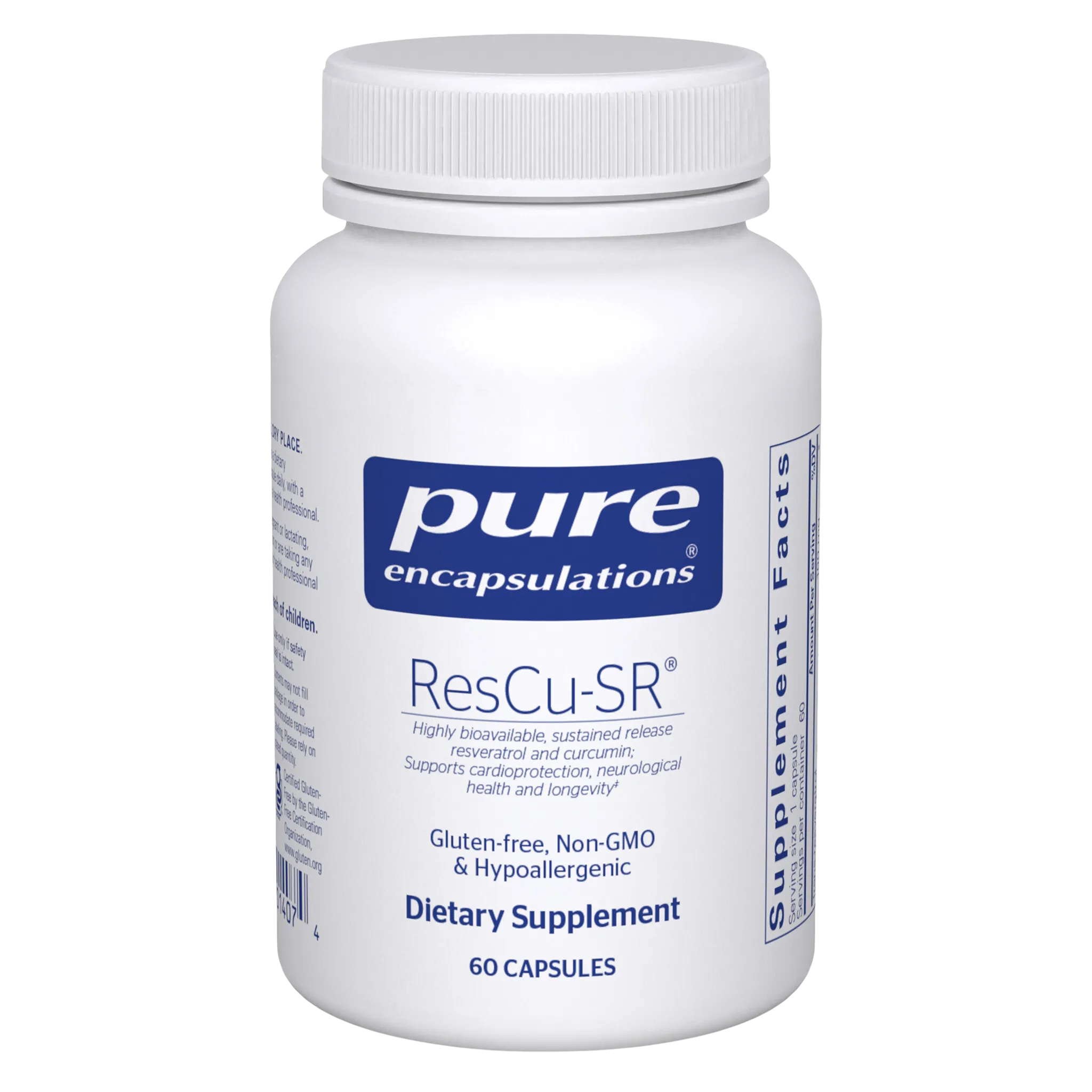
One such intervention gaining significant clinical attention is the strategic combination of specific plant-derived polyphenols. ResCu-SR®, a specialized formulation by Pure Encapsulations, brings together two of the most extensively researched natural compounds in modern medicine: resveratrol and curcumin. While both of these powerful antioxidants have been studied independently for their neuroprotective and cardioprotective properties, emerging research reveals that when administered together, they operate synergistically to modulate the exact inflammatory and oxidative pathways disrupted in post-viral syndromes. However, the therapeutic potential of these polyphenols has historically been limited by their notoriously poor absorption. By utilizing patented MicroActive® sustained-release technology, ResCu-SR overcomes this barrier, delivering a highly bioavailable, continuous supply of these critical molecules to the cells that need them most.
What is ResCu-SR?
The Power of Polyphenols
To understand the clinical utility of ResCu-SR, we must first examine the fundamental nature of its active ingredients. Both resveratrol and curcumin belong to a broad category of phytochemicals known as polyphenols. In the natural world, polyphenols are synthesized by plants as a primary defense mechanism against environmental stressors, such as ultraviolet radiation, pathogenic infections, and physical damage. When consumed by humans, these complex molecules interact with our own cellular machinery, acting as potent signaling agents that modulate gene expression, regulate inflammatory cascades, and bolster the body's intrinsic antioxidant defense systems.
In the context of complex chronic illness, polyphenols are particularly valuable because they are pleiotropic—meaning they have the ability to influence multiple physiological pathways simultaneously. Rather than acting like a conventional pharmaceutical that targets a single receptor or enzyme, polyphenols act as broad-spectrum biological response modifiers. They can cross cellular membranes, interact with nuclear transcription factors, and directly influence the function of organelles like mitochondria. This multi-target approach is essential when addressing conditions like Long COVID and ME/CFS, which are inherently multi-systemic and involve the simultaneous dysfunction of the immune, nervous, and cardiovascular systems.
However, the clinical application of polyphenols has long been hindered by a significant pharmacokinetic hurdle: bioavailability. In their natural, unformulated states, compounds like resveratrol and curcumin are highly lipophilic (fat-soluble) and exhibit poor water solubility. When ingested, they are rapidly metabolized by the liver and intestines through processes like glucuronidation and sulfation, leading to rapid excretion before they can reach therapeutic concentrations in the bloodstream. Overcoming this biological barrier is the defining feature of the ResCu-SR formulation, which utilizes advanced delivery systems to ensure these powerful molecules actually reach their intended cellular targets.
Resveratrol: The Longevity Molecule
Resveratrol is a specific type of polyphenol known as a stilbenoid, naturally found in the skins of red grapes, blueberries, peanuts, and Japanese knotweed. In the scientific community, resveratrol first gained immense popularity during the investigation of the "French Paradox"—the observation that certain populations maintained robust cardiovascular health despite diets high in saturated fats, potentially due to the resveratrol content in red wine. Since then, rigorous molecular research has identified resveratrol as one of the most potent natural activators of a critical class of proteins known as sirtuins, specifically SIRT1 (Sirtuin 1).
Sirtuins are highly conserved enzymes that act as master regulators of cellular health, aging, and metabolic efficiency. They function as NAD+-dependent deacetylases, meaning they remove acetyl groups from other proteins, thereby altering their function and activity. When resveratrol activates SIRT1, it triggers a cascade of downstream effects that mimic the physiological benefits of caloric restriction and rigorous exercise. This includes the activation of AMPK (AMP-activated protein kinase), an enzyme that serves as the cell's primary energy sensor. When cellular energy (ATP) levels drop, AMPK is activated to stimulate energy-producing pathways and halt energy-consuming processes, a mechanism that is profoundly relevant for individuals suffering from severe fatigue and metabolic stalling.
Furthermore, resveratrol's interaction with the SIRT1 and AMPK pathways directly stimulates mitochondrial biogenesis—the creation of new, healthy mitochondria within the cell. By activating the transcriptional coactivator PGC-1α (Peroxisome proliferator-activated receptor-gamma coactivator 1-alpha), resveratrol helps replace damaged, inefficient mitochondria with fresh organelles capable of generating robust amounts of cellular energy. This process is crucial for tissues with high metabolic demands, such as the brain and the heart, making resveratrol a foundational molecule for supporting neurological and cardiovascular resilience in the face of chronic physiological stress.
Curcumin: The Golden Antioxidant
Curcumin is the principal curcuminoid found in turmeric (Curcuma longa), a rhizome that has been utilized in traditional Ayurvedic and Chinese medicine for millennia. Structurally, curcumin is a diarylheptanoid, characterized by its vibrant yellow pigment and its extraordinary ability to modulate the human immune response. While resveratrol is celebrated for its role in energy metabolism and longevity, curcumin is primarily recognized as a master regulator of inflammation and oxidative stress. Its therapeutic mechanisms are vast, but its most profound impact lies in its ability to inhibit the NF-κB (Nuclear Factor kappa-light-chain-enhancer of activated B cells) signaling pathway.
NF-κB is a protein complex that controls the transcription of DNA, cytokine production, and cell survival. In a healthy state, NF-κB remains inactive in the cell's cytoplasm. However, in response to viral infections, cellular damage, or chronic stress, NF-κB is activated, translocates to the nucleus, and triggers the massive production of pro-inflammatory cytokines, including Interleukin-6 (IL-6), Interleukin-1 beta (IL-1β), and Tumor Necrosis Factor-alpha (TNF-α). Curcumin effectively blocks the phosphorylation and degradation of the inhibitory proteins that keep NF-κB in check, thereby halting the inflammatory cascade at its genetic source. This makes it an invaluable tool for quelling the systemic "cytokine storms" often observed in post-viral syndromes.
In addition to its anti-inflammatory prowess, curcumin is a potent activator of the Nrf2 (Nuclear factor erythroid 2-related factor 2) pathway. Nrf2 is a transcription factor that regulates the expression of antioxidant proteins that protect against oxidative damage triggered by injury and inflammation. By stimulating Nrf2, curcumin prompts the cell to produce its own endogenous antioxidant enzymes, such as superoxide dismutase (SOD), catalase, and glutathione peroxidase. This dual action—suppressing pro-inflammatory signals while simultaneously boosting the cell's internal antioxidant defenses—positions curcumin as a critical compound for protecting delicate neural and vascular tissues from the ravages of chronic illness.
How Long COVID and ME/CFS Impact Cellular Health
The Vicious Cycle of Neuroinflammation
To appreciate how the synergistic blend in ResCu-SR supports recovery, we must first understand the profound physiological disruptions that characterize conditions like Long COVID and ME/CFS. One of the most debilitating aspects of these illnesses is the presence of severe, unremitting neuroinflammation. Research indicates that viral infections, including SARS-CoV-2, can trigger a prolonged activation of the brain's resident immune cells, known as microglia. When these cells detect viral antigens, persistent spike proteins, or systemic inflammatory signals, they shift from a resting, protective state into a highly aggressive, pro-inflammatory phenotype.
Once activated, microglia release a continuous stream of neurotoxic cytokines and reactive oxygen species (ROS) directly into the central nervous system. This chronic inflammatory state disrupts the delicate balance of neurotransmitters, impairs synaptic plasticity, and damages the myelin sheath that insulates nerve fibers. Clinically, this neuroinflammatory cascade manifests as the profound cognitive dysfunction commonly referred to as "brain fog," characterized by memory lapses, poor concentration, word-finding difficulties, and a generalized slowing of cognitive processing. If you want to understand more about the origins of these symptoms, you can read our detailed exploration of What Causes Long COVID?.
The situation is further complicated by the breakdown of the blood-brain barrier (BBB). Chronic systemic inflammation weakens the tight junctions between the endothelial cells that line the brain's capillaries, allowing circulating immune cells, autoantibodies, and inflammatory mediators to infiltrate the brain tissue. This creates a self-perpetuating cycle: systemic inflammation breaches the BBB, triggering microglial activation, which in turn generates more localized inflammation that further damages the barrier. Breaking this vicious cycle requires interventions capable of crossing the BBB to exert direct anti-inflammatory and neuroprotective effects within the central nervous system itself.
Endothelial Dysfunction and Vascular Damage
Beyond the nervous system, Long COVID and related chronic illnesses are increasingly recognized as diseases of the vascular endothelium—the single layer of cells that lines the entire cardiovascular system. The endothelium is not merely a passive barrier; it is a highly active endocrine organ responsible for regulating blood pressure, preventing abnormal clotting, and controlling the passage of immune cells into tissues. Recent transcriptomic profiling of endothelial cells in post-COVID patients has revealed persistent dysfunction and inflammation lasting months after the initial infection.
This endothelial damage is driven by a combination of direct viral injury, persistent immune dysregulation, and the presence of autoantibodies. When the endothelium is compromised, it loses its ability to produce adequate amounts of nitric oxide (NO), a crucial signaling molecule that instructs blood vessels to relax and dilate. The loss of NO bioavailability leads to widespread vasoconstriction, reducing blood flow and oxygen delivery to vital organs and skeletal muscles. This vascular impairment is a primary driver of the severe fatigue, muscle pain, and exercise intolerance experienced by patients, as their tissues are essentially starved of oxygen during physical exertion.
Furthermore, a damaged endothelium becomes highly pro-thrombotic, meaning it promotes the formation of blood clots. Proteomic profiling of Long COVID patients has identified highly elevated levels of Vascular Endothelial Growth Factor A (VEGFA), indicating an ongoing, desperate attempt by the body to repair damaged blood vessels. This persistent vascular injury contributes to the formation of microscopic blood clots (microthrombi) that can lodge in the capillaries, further obstructing blood flow and exacerbating tissue hypoxia. Addressing this widespread endothelial dysfunction is paramount for restoring cardiovascular stability and alleviating the autonomic symptoms, such as tachycardia and blood pressure fluctuations, seen in dysautonomia and POTS.
Mitochondrial Exhaustion and Oxidative Stress
At the very core of cellular dysfunction in ME/CFS and Long COVID lies the profound impairment of the mitochondria, the organelles responsible for generating adenosine triphosphate (ATP), the primary energy currency of the cell. The chronic immune activation and systemic inflammation characteristic of these conditions place an enormous metabolic burden on the body. To fuel the relentless immune response, cells rapidly consume their stores of NAD+ (Nicotinamide adenine dinucleotide), a crucial coenzyme required for mitochondrial ATP production. As NAD+ levels plummet, the mitochondrial electron transport chain begins to falter, leading to a catastrophic drop in cellular energy output.
When the mitochondria struggle to produce ATP efficiently, they begin to leak electrons, which react with surrounding oxygen to form highly destructive reactive oxygen species (ROS). This massive surge in oxidative stress damages mitochondrial DNA, degrades cellular membranes, and further impairs the function of the very enzymes needed for energy production. This creates a devastating metabolic trap: the cells lack the energy required to repair the oxidative damage, and the ongoing oxidative damage further suppresses energy production. This profound metabolic stalling is deeply connected to the overlapping metabolic issues seen in these patient populations, as discussed in our article on Diabetes and Long COVID: A Pandemic Within a Pandemic.
Clinically, this mitochondrial exhaustion is the primary driver of post-exertional malaise (PEM), the hallmark symptom of ME/CFS and a common feature of Long COVID. When a patient with compromised mitochondria attempts even mild physical or cognitive exertion, their cells cannot meet the increased energy demand through normal aerobic metabolism. Instead, they are forced to rely on inefficient anaerobic pathways, rapidly generating lactic acid and further depleting cellular reserves. This metabolic crash can leave patients bedbound for days or weeks, underscoring the critical need for therapeutic strategies that can restore mitochondrial integrity, boost ATP production, and neutralize the overwhelming burden of oxidative stress.
ResCu-SR: Supporting Cellular Recovery and Defense
Synergistic Antioxidant Defense and Nrf2 Activation
The combination of resveratrol and curcumin in ResCu-SR represents a highly sophisticated, multi-target approach to dismantling the complex pathophysiology of chronic post-viral illness. While each compound is powerful in its own right, emerging research demonstrates that their concurrent administration produces a profound synergistic effect, particularly in combating oxidative stress and neuroinflammation. This synergy is most evident in their combined ability to hyper-activate the Nrf2/ARE (Antioxidant Response Element) signaling pathway, the body's primary defense mechanism against cellular damage.
When Nrf2 is activated by the presence of these polyphenols, it translocates into the cell nucleus and binds to the ARE, initiating the transcription of a vast array of cytoprotective genes. This results in a massive upregulation of endogenous antioxidant enzymes, including superoxide dismutase (SOD), catalase (CAT), and heme oxygenase-1 (HO-1). By boosting the cell's internal antioxidant capacity, the resveratrol-curcumin combination effectively neutralizes the rampant reactive oxygen species (ROS) generated by dysfunctional mitochondria and chronic immune activation. This profound ROS scavenging ability protects delicate cellular structures, preventing the lipid peroxidation that destroys cell membranes and the oxidative DNA damage that triggers cellular apoptosis (programmed cell death).
The synergistic neuroprotective effects of this combination have been dramatically illustrated in preclinical models of brain toxicity. In a study investigating aluminum chloride-induced neuroinflammation in rats, the combination of resveratrol and curcumin significantly induced Apurinic/apyrimidinic endonuclease 1 (APE1), a crucial neuro-protective DNA repair protein. Furthermore, the study found that while either compound alone only partially suppressed the loss of the neuro-protective microRNA Let-7c, the combined treatment completely restored this vital regulatory molecule to normal levels, highlighting the unique convergent mechanisms of these two polyphenols in preserving neurological integrity.
Quelling the Cytokine Storm via NF-κB Inhibition
In addition to bolstering antioxidant defenses, the ResCu-SR formulation directly targets the genetic roots of chronic inflammation by potently inhibiting the NF-κB signaling pathway. As previously discussed, the overactivation of NF-κB by persistent viral antigens or systemic stress is the primary driver of the "cytokine storm" that perpetuates symptoms in Long COVID and ME/CFS. Curcumin is a master inhibitor of this pathway, preventing the phosphorylation of the IκB kinase (IKK) complex. This effectively traps NF-κB in the cytoplasm, preventing it from entering the nucleus and turning on the genes responsible for producing pro-inflammatory cytokines.
Resveratrol complements this action by activating SIRT1, which physically interacts with the p65 subunit of NF-κB, deacetylating it and further suppressing its transcriptional activity. Together, this dual-action blockade drastically reduces the systemic levels of key inflammatory mediators, including Interleukin-6 (IL-6), Interleukin-1 beta (IL-1β), and Tumor Necrosis Factor-alpha (TNF-α). Research evaluating the combined use of these compounds has shown they effectively inhibit spike protein-mediated cytokine storms, suppressing pro-inflammatory cascades while simultaneously promoting the release of anti-inflammatory cytokines like IL-10.
This profound anti-inflammatory synergy is particularly relevant for mitigating the neuroinflammation that drives cognitive dysfunction. Because both resveratrol and curcumin (especially in their enhanced MicroActive forms) can cross the blood-brain barrier, they are able to exert these NF-κB inhibitory effects directly within the central nervous system. By calming the aggressive, pro-inflammatory phenotype of the brain's microglial cells, this combination helps restore a healthy neurochemical environment, facilitating the repair of damaged neural networks and the gradual lifting of debilitating brain fog.
Restoring Mitochondrial Biogenesis and Energy
Addressing the profound energy deficits seen in post-exertional malaise requires interventions that can fundamentally repair and regenerate the cellular powerhouses. The resveratrol component of ResCu-SR is uniquely equipped for this task through its potent activation of the SIRT1 and AMPK pathways. When resveratrol stimulates SIRT1, it triggers the deacetylation and activation of PGC-1α, the master regulator of mitochondrial biogenesis. This signaling cascade instructs the cell to begin synthesizing new, highly efficient mitochondria to replace those that have been damaged by oxidative stress and viral injury.
The addition of curcumin enhances this process by protecting these newly formed mitochondria from immediate oxidative destruction. Curcumin's activation of the Nrf2 pathway ensures that the cellular environment is flooded with antioxidant enzymes, creating a safe harbor for the new mitochondria to begin generating ATP. Furthermore, both compounds have been shown to support the integrity of the mitochondrial electron transport chain, improving the efficiency of oxidative phosphorylation and reducing the leakage of damaging electrons. This combined effect helps restore the cellular NAD+/NADH ratio, a critical factor in maintaining metabolic flexibility and energy production.
Clinically, this restoration of mitochondrial function is essential for raising the threshold at which post-exertional malaise (PEM) is triggered. By increasing the total volume and efficiency of the mitochondrial network, the cells are better equipped to meet the energy demands of physical and cognitive exertion without immediately resorting to inefficient, lactic acid-producing anaerobic pathways. This metabolic support is a crucial component of managing the profound fatigue that characterizes these conditions, a topic we explore further in our discussion on Can Long COVID Trigger ME/CFS? Unraveling the Connection.
Protecting Endothelial and Cardiovascular Function
Finally, the synergistic action of resveratrol and curcumin provides profound protection for the damaged vascular endothelium. Resveratrol is a well-documented upregulator of endothelial nitric oxide synthase (eNOS), the enzyme responsible for producing nitric oxide (NO) in the blood vessels. By increasing NO production, resveratrol promotes vasodilation, improving blood flow, reducing vascular resistance, and enhancing oxygen delivery to oxygen-starved tissues. This mechanism is vital for counteracting the widespread vasoconstriction and microvascular ischemia that drive the muscle pain and fatigue in Long COVID and ME/CFS.
Curcumin acts in tandem by protecting the delicate endothelial lining from the oxidative damage that degrades NO bioavailability. Furthermore, curcumin's potent anti-inflammatory effects help reduce the expression of adhesion molecules on the surface of endothelial cells, preventing circulating immune cells from binding to and further damaging the blood vessel walls. This combined vasoprotective strategy is essential for addressing the persistent cardiovascular dysfunction, including increased risks of dysrhythmias and microvascular thrombosis, observed in post-acute viral syndromes.
By restoring endothelial integrity and promoting healthy blood flow, the ResCu-SR formulation supports the stabilization of the autonomic nervous system. Improved vascular tone and reduced systemic inflammation can help mitigate the exaggerated heart rate responses and blood pressure fluctuations characteristic of dysautonomia and POTS (Postural Orthostatic Tachycardia Syndrome). This comprehensive cardiovascular support, combined with its metabolic and neuroprotective benefits, makes the resveratrol-curcumin synergy a powerful tool for addressing the multi-systemic nature of complex chronic illness.
Symptoms ResCu-SR May Help Manage
Cognitive and Neurological Symptoms
The synergistic neuroprotective and anti-inflammatory properties of ResCu-SR make it particularly well-suited for addressing the central nervous system manifestations of chronic illness. By crossing the blood-brain barrier and modulating microglial activity, this formulation targets the root causes of neurological dysfunction.
Brain Fog and Cognitive Impairment: By inhibiting the NF-κB pathway and reducing neurotoxic cytokines (like IL-6 and TNF-α) in the brain, the curcumin and resveratrol combination helps calm the microglial activation that disrupts neural signaling, supporting clearer thinking and improved concentration.
Memory Lapses and Word-Finding Difficulties: Resveratrol's ability to activate SIRT1 and promote neurogenesis (the growth of new neurons) in the hippocampus helps repair the neural networks responsible for memory consolidation and retrieval, mitigating the cognitive slowing seen in post-viral syndromes.
Neuroinflammation and Sensory Overload: The profound antioxidant capacity of both polyphenols neutralizes the reactive oxygen species that damage the myelin sheath and sensitize the nervous system, helping to reduce the neurological hypersensitivity and sensory overload often experienced by ME/CFS and Long COVID patients.
Fatigue and Post-Exertional Malaise
At the core of ME/CFS and Long COVID is a profound crisis of cellular energy. ResCu-SR addresses this by directly supporting mitochondrial health, biogenesis, and metabolic efficiency, helping to rebuild the body's energy reserves from the cellular level up.
Profound, Unremitting Fatigue: By activating the AMPK and PGC-1α pathways, resveratrol stimulates the creation of new, highly efficient mitochondria, increasing the total cellular capacity for ATP (energy) production and combating the deep, systemic exhaustion that characterizes these conditions.
Post-Exertional Malaise (PEM): The combination of enhanced mitochondrial output and potent ROS scavenging helps raise the threshold for PEM. Cells are better equipped to handle the metabolic stress of exertion without immediately collapsing into inefficient anaerobic metabolism and generating toxic levels of oxidative stress.
Muscle Pain and Heaviness: By upregulating endothelial nitric oxide synthase (eNOS), resveratrol improves vasodilation and microvascular blood flow, ensuring that skeletal muscles receive adequate oxygen and nutrients during activity, which helps reduce the heavy, aching sensation associated with cellular hypoxia.
Cardiovascular and Autonomic Symptoms
The vascular endothelium is a primary target of post-viral damage, leading to widespread cardiovascular and autonomic dysregulation. The vasoprotective and anti-inflammatory actions of ResCu-SR support the healing of the cardiovascular system.
Tachycardia and POTS Symptoms: By restoring endothelial integrity and improving nitric oxide bioavailability, this formulation helps regulate vascular tone and blood pressure, providing crucial support for the autonomic nervous system in managing the exaggerated heart rate responses seen in dysautonomia.
Microvascular Clotting and Poor Circulation: Curcumin's ability to reduce endothelial inflammation and lower the expression of adhesion molecules helps prevent the formation of microthrombi (microscopic blood clots) in the capillaries, improving overall systemic circulation and tissue perfusion.
Chest Tightness and Endothelial Dysfunction: The powerful antioxidant synergy of resveratrol and curcumin protects the delicate endothelial lining from ongoing oxidative damage, supporting the resolution of the vascular inflammation that often presents as unexplained chest tightness or cardiovascular discomfort.
Practical Considerations: Forms, Dosing, and Absorption
The Challenge of Polyphenol Bioavailability
While the in vitro (test tube) and preclinical data surrounding resveratrol and curcumin are undeniably impressive, translating these results into human clinical success has historically been fraught with difficulty. The primary obstacle is the notoriously poor oral bioavailability of these polyphenols. In their natural, unformulated states, both resveratrol and curcumin are highly hydrophobic (water-repelling) molecules. When ingested as standard powders, they struggle to dissolve in the watery environment of the gastrointestinal tract, severely limiting their ability to be absorbed through the intestinal wall and into the bloodstream.
Even the fraction of the dose that does manage to cross the intestinal barrier faces an immediate and aggressive detoxification process known as first-pass metabolism. As the blood from the digestive tract passes through the liver, enzymes rapidly conjugate the polyphenols through processes like glucuronidation and sulfation. This rapid metabolism transforms the active molecules into water-soluble metabolites that are swiftly excreted by the kidneys. Consequently, when standard resveratrol or curcumin supplements are taken, the amount of free, active compound that actually reaches the systemic circulation and target tissues is often less than 2% of the original dose, and it typically clears the bloodstream within just a few hours.
This rapid clearance creates a significant clinical dilemma. To achieve the sustained cellular signaling required to alter gene expression, reduce neuroinflammation, and stimulate mitochondrial biogenesis, the target tissues must be exposed to therapeutic concentrations of these polyphenols for prolonged periods. Attempting to overcome poor bioavailability by simply taking massive doses of standard powders is largely ineffective and frequently leads to significant gastrointestinal distress, including nausea and diarrhea, without meaningfully increasing systemic blood levels.
How MicroActive® Technology Changes the Game
To bridge the gap between profound biological potential and actual clinical efficacy, the ResCu-SR formulation utilizes a patented delivery system known as MicroActive® technology. This advanced pharmaceutical engineering process fundamentally alters the pharmacokinetics of both resveratrol and curcumin, ensuring they are efficiently absorbed and remain active in the bloodstream for extended periods. The MicroActive process relies on two primary mechanisms to achieve this: micronization and polymer matrix encapsulation.
First, the active polyphenol particles are micronized, meaning they are physically reduced to a microscopic size of less than 10 microns. This massive reduction in particle size dramatically increases the total surface area of the compound, allowing it to dissolve much more readily in the digestive fluids and pass more easily through the cellular membranes of the intestinal wall. Following micronization, these tiny particles are encapsulated within a proprietary matrix of specialized polymers and cyclodextrins. This matrix features a hydrophilic (water-loving) exterior that allows it to move smoothly through the digestive tract, while its hydrophobic interior protects the delicate polyphenols from premature degradation.
The clinical results of this technology are striking. Human pilot studies demonstrate that MicroActive Resveratrol yields a 250% greater bioavailability (measured by the Area Under the Curve, or AUC) compared to an equivalent dose of standard 98% pure resveratrol. Even more impressively, a 12-hour crossover study revealed that MicroActive Curcumin delivers nearly 10 times (9.7x) the absorption of standard 95% curcumin preparations. Crucially, the polymer matrix provides a true 12-hour sustained release, slowly and continuously shuttling the active molecules into the bloodstream. This ensures that both the resveratrol and curcumin circulate together for upwards of 9 to 12 hours, allowing their powerful synergistic mechanisms to unfold at the cellular level.
Dosing, Timing, and Safety Considerations
The ResCu-SR formulation provides a highly optimized, synergistic dose of these two powerful compounds. Each capsule contains 333 mg of the MicroActive® resveratrol sustained-release complex (standardized to deliver 100 mg of pure trans-resveratrol) and 200 mg of the MicroActive® turmeric sustained-release complex (standardized to deliver 50 mg of curcuminoids). Because of the profound enhancement in absorption and the 12-hour sustained-release profile, these seemingly lower milligram amounts deliver significantly higher and more stable blood plasma concentrations than massive doses of unformulated powders. The standard suggested use is one capsule daily, ideally taken with a meal containing some healthy fats to further support the absorption of the lipophilic complexes.
While generally considered very safe and exceptionally well-tolerated (even in high-dose tolerability studies), there are important clinical considerations when introducing potent polyphenols. Both resveratrol and curcumin can interact with certain liver detoxification pathways, specifically the cytochrome P450 enzymes, which may alter the metabolism of various prescription medications. Additionally, because both compounds possess mild natural blood-thinning and anti-platelet properties (which is beneficial for addressing microclots), they should be used with caution and under medical supervision by individuals taking prescription anticoagulants or antiplatelet drugs.
Finally, it is crucial for patients with complex chronic illnesses like ME/CFS and Long COVID to approach any new intervention with a "low and slow" methodology. Because these compounds forcefully stimulate cellular detoxification pathways, upregulate antioxidant enzymes, and modulate immune function, they can occasionally trigger temporary exacerbations of symptoms as the body adjusts to the new metabolic equilibrium. Working closely with a healthcare provider who understands the nuances of post-viral syndromes is essential for monitoring progress and integrating these powerful polyphenols safely into a broader management strategy.
Follow the Science
Clinical Evidence in Post-Viral Fatigue and ME/CFS
The clinical investigation into the use of polyphenols for post-viral syndromes and chronic fatigue has yielded highly promising results, particularly as researchers seek alternatives to traditional pharmaceuticals. Direct clinical evidence for the use of highly bioavailable curcumin in ME/CFS comes from trials conducted at the Stichting CardioZorg in the Netherlands. In a 2018 open-label study involving 43 ME/CFS patients, researchers administered 500 mg of a highly bioavailable curcumin complex twice daily for 8 weeks. The findings demonstrated a significant decrease in specific ME/CFS-related symptom scores on the CDC symptom inventory, validating curcumin's ability to modulate the systemic inflammation driving the disease.
Resveratrol has similarly demonstrated profound efficacy in closely related conditions characterized by neuroinflammation and profound fatigue. A pseudo-randomized, placebo-controlled crossover trial conducted by the Neuroinflammation, Pain and Fatigue Laboratory at the University of Alabama at Birmingham investigated resveratrol in veterans with Gulf War Illness—a multi-system condition with tremendous pathophysiological overlap with ME/CFS. The study found that resveratrol, administered at doses ranging from 200 mg to 600 mg per day, significantly reduced overall symptom severity and pain compared to a placebo. These clinical findings are supported by murine models of chronic fatigue, where resveratrol therapy successfully reversed fatigue-induced hippocampal atrophy, promoted neurogenesis, and increased daily physical activity by over 20%.
These trials underscore the critical importance of utilizing highly bioavailable formulations. The success of the Dutch ME/CFS trials relied on curcumin complexed with absorption enhancers, while the Gulf War Illness trials utilized pure trans-resveratrol. The MicroActive technology utilized in ResCu-SR builds upon these clinical foundations by providing an even more advanced, sustained-release delivery mechanism, ensuring that the therapeutic blood levels required to replicate these clinical successes are reliably achieved and maintained throughout the day.
Neuroinflammation and Cognitive Recovery Trials
The specific application of these polyphenols in the context of COVID-19 and its neurological sequelae has been a major focus of recent research. A clinical study monitoring adults recovering from COVID-19 investigated the impact of exactly 4 weeks of curcumin supplementation on systemic inflammatory markers. The researchers found that the curcumin group exhibited significantly lower post-trial concentrations of key pro-inflammatory cytokines, specifically IL-6 (p = 0.046) and MCP-1 (p = 0.027), compared to the control group. This rapid reduction in inflammatory mediators highlights curcumin's high restorative value for mitigating the cytokine storms that drive post-viral neuroinflammation.
Furthermore, extensive in vitro research has demonstrated the direct antiviral and neuroprotective capabilities of these compounds against SARS-CoV-2. Studies have shown that pure curcumin can neutralize SARS-CoV-2 in Vero E6 cells with a half-maximal effective concentration (EC50) of 21.2 µM, while resveratrol exhibits inhibitory activity with an EC50 of 10.66 μM. Beyond direct viral neutralization, researchers evaluating the combined use of curcumin and resveratrol have noted their profound ability to inhibit the viral main protease (3CLpro / Mpro) and block spike protein-mediated cell entry, providing a multi-tiered defense against persistent viral reservoirs and the resulting glial activation in the brain.
The synergistic potential of combining these two compounds for cognitive protection is perhaps best illustrated by preclinical models of severe neurotoxicity. As previously noted, when rats were subjected to aluminum chloride-induced neuroinflammation, the administration of either resveratrol or curcumin alone provided only partial protection. However, the combined treatment drastically attenuated inflammatory markers (COX-2, IL-1β, TNF-α), decreased amyloidogenic mediators, and completely restored the expression of the neuro-protective microRNA Let-7c. This data strongly supports the clinical rationale for the synergistic ResCu-SR formulation in addressing the complex, multi-pathway nature of Long COVID brain fog.
Cardiovascular and Endothelial Research
The vascular complications of Long COVID are increasingly recognized as a primary driver of ongoing symptoms. Recent transcriptomic profiling of endothelial colony-forming cells from post-COVID patients at 3 and 6 months post-infection revealed persistent downregulation of genes controlling nitric oxide production (like NOS3) and vascular stability, alongside the upregulation of inflammatory and oxidative markers (like VEGFA and SOD2). This sustained impairment of angiogenic capacity and unresolved endothelial injury perfectly aligns with the therapeutic targets of resveratrol and curcumin.
A post-acute interventional study in Long COVID patients demonstrated that combining L-Arginine (a precursor to nitric oxide) with Vitamin C significantly improved perceived exertion and endothelial recovery, suggesting a strong therapeutic potential for antioxidant and vasoprotective strategies. Resveratrol acts directly on this exact pathway by upregulating endothelial nitric oxide synthase (eNOS), the enzyme that converts L-arginine into nitric oxide. By combining this potent eNOS stimulation with the profound ROS-scavenging and NF-κB-inhibiting properties of curcumin, ResCu-SR provides a comprehensive, multi-mechanistic approach to repairing the damaged vascular endothelium, restoring healthy blood flow, and mitigating the microvascular thrombosis associated with post-viral dysautonomia.
As the scientific understanding of Long COVID and ME/CFS continues to evolve, the importance of addressing these core physiological disruptions—neuroinflammation, mitochondrial exhaustion, and endothelial dysfunction—becomes increasingly clear. The extensive clinical and preclinical data supporting the synergistic use of highly bioavailable resveratrol and curcumin positions ResCu-SR as a scientifically grounded, multi-target intervention for supporting cellular recovery in these complex patient populations. For more information on managing the long-term realities of these conditions, explore our guide on How Can You Live with Long-Term COVID.
The Path Forward
A Comprehensive Approach to Healing
Living with a complex chronic illness like Long COVID, ME/CFS, or dysautonomia is an arduous journey, often marked by profound frustration and a desperate search for validating, effective treatments. It is essential to recognize that the debilitating symptoms you experience—the crushing fatigue, the impenetrable brain fog, the erratic heart rate—are not in your head; they are the result of measurable, physiological disruptions at the deepest cellular levels. The persistent neuroinflammation, mitochondrial exhaustion, and endothelial damage driving these conditions require sophisticated, multi-target interventions to facilitate true healing.
While the synergistic combination of sustained-release resveratrol and curcumin found in ResCu-SR offers a powerful, scientifically backed tool for addressing these core dysfunctions, it is not a standalone cure. True recovery requires a comprehensive, holistic approach to disease management. Supplements must be integrated alongside meticulous symptom tracking, aggressive rest and pacing strategies to avoid post-exertional malaise, and ongoing medical care from providers who deeply understand the nuances of post-viral syndromes. By combining targeted nutritional support with foundational lifestyle modifications, you can begin to rebuild your cellular resilience and reclaim your quality of life.
Taking the Next Steps
If you are struggling with the cognitive, cardiovascular, and metabolic consequences of chronic illness, supporting your body's innate antioxidant defenses and mitochondrial function is a critical step forward. The advanced MicroActive® technology in ResCu-SR ensures that your cells receive a sustained, highly bioavailable supply of the polyphenols they need to combat inflammation and restore energy production.
As always, please consult with your primary healthcare provider or a specialist before introducing any new supplement into your regimen, especially if you are currently taking prescription medications, blood thinners, or managing multiple complex health conditions. Together with your medical team, you can determine if the synergistic power of resveratrol and curcumin is the right addition to your personalized recovery protocol.