Can RegeneVasc Support Endothelial Health in Long COVID and ME/CFS?
March 6, 2026
RegeneVascEndothelial GlycocalyxLong COVID
Share:
Disclaimer: The information provided here is for educational purposes only and is not intended as medical advice. It should not be used to diagnose, treat, cure, or prevent any medical condition. Instead, use it as a starting point for discussion with your healthcare provider. Always consult with a qualified healthcare provider before starting any new medication, supplement, device, or making changes to your health regimen.
For individuals living with complex, chronic conditions like Long COVID, myalgic encephalomyelitis/chronic fatigue syndrome (ME/CFS), and dysautonomia, the daily reality often feels like a battle against an invisible enemy. You might experience a pounding, racing heart simply from standing up, a profound, heavy fatigue that settles into your bones after minor exertion, or a dense brain fog that makes forming a coherent sentence feel like wading through wet concrete. These symptoms are debilitating, unpredictable, and profoundly life-altering. Yet, standard blood tests and routine cardiac evaluations often come back completely normal, leaving many patients feeling dismissed, frustrated, and searching for answers. The medical community is increasingly realizing that the root cause of these widespread, multisystem symptoms may not lie in the major organs themselves, but rather in the microscopic, intricate network of blood vessels that supply them.
Enter the endothelial glycocalyx (eGCX)—a delicate, gel-like protective barrier that lines the inside of every blood vessel in your body. Emerging research suggests that the degradation of this microscopic armor is a central driver of the vascular dysfunction seen in post-viral syndromes. When this barrier is damaged, it sets off a cascade of inflammation, poor blood flow, and micro-clotting that starves tissues of oxygen and energy. RegeneVasc by Ortho Molecular is a specialized supplement formulated to preserve, protect, and regenerate this critical vascular barrier. By providing the foundational building blocks that make up the eGCX—including glycosaminoglycans, hyaluronan, fucoidan, and marine polyphenols—RegeneVasc aims to support healthy vascular function from the inside out. In this comprehensive guide, we will explore the fascinating science of the endothelial glycocalyx, how chronic illness impacts it, and how targeted nutritional support may help you manage your symptoms and improve your quality of life.
What is RegeneVasc?
The Endothelial Glycocalyx: Your Vascular Armor
To understand how RegeneVasc works, we must first understand the remarkable biology of the endothelial glycocalyx (eGCX). For decades, scientists viewed blood vessels simply as inert biological pipes that transported blood from the heart to the rest of the body. The inner lining of these vessels, a single layer of cells known as the endothelium, was thought to be a smooth, non-stick surface. However, advanced electron microscopy has revealed that the endothelium is actually coated in a dense, microscopic, hair-like forest of complex sugars and proteins. This gel-like meshwork, which translates from Greek as the "sweet husk" of the cell, covers the luminal (inner) surface of the body’s roughly 60,000 miles of blood vessels. It acts as the vascular system's first line of defense, serving as a highly active, dynamic organelle that regulates almost every aspect of vascular health.
At the molecular level, the healthy endothelial glycocalyx is composed of three primary structures: proteoglycans, glycosaminoglycans (GAGs), and glycoproteins. Proteoglycans, such as syndecans and glypicans, act as the sturdy core proteins that anchor the entire structure to the endothelial cell membrane. Attached to these core proteins are long, highly negatively charged chains of glycosaminoglycans, primarily heparan sulfate and chondroitin sulfate. Weaving through this entire structure is a massive, non-sulfated polymer called hyaluronic acid, which binds massive amounts of water to give the glycocalyx its thick, gel-like volume. This intricate, negatively charged web creates a physical and electrostatic barrier that repels red blood cells, prevents sticky white blood cells (leukocytes) from attaching to the vessel wall, and stops circulating fats and cholesterol from penetrating the delicate endothelial tissue.
Beyond acting as a physical shield, the eGCX is a highly sophisticated sensory organ. It is responsible for a process known as mechanotransduction. As blood flows through your veins and arteries, the physical force of the fluid—known as shear stress—pulls and tugs on the hair-like structures of the glycocalyx. The glycocalyx acts like a microscopic antenna, sensing this physical force and transmitting a biochemical signal deep into the endothelial cell. This signal triggers the activation of an enzyme called endothelial nitric oxide synthase (eNOS), which produces nitric oxide (NO). Nitric oxide is a crucial signaling molecule that tells the smooth muscles surrounding the blood vessel to relax and dilate, ensuring that adequate blood and oxygen can reach your brain, muscles, and organs. Without a healthy glycocalyx, this sensory mechanism fails, leading to constricted blood vessels and poor circulation.
The Foundational Building Blocks of RegeneVasc
The endothelial glycocalyx is not a static structure; it is in a constant, dynamic state of turnover. The enzymes in your blood are continuously trimming away damaged portions of the glycocalyx, while the endothelial cells are simultaneously synthesizing new proteins and sugars to rebuild it. In a healthy body, this cycle of shedding and regeneration is perfectly balanced. However, to maintain this rapid rebuilding process, the body requires a constant supply of specific molecular substrates. RegeneVasc is specifically formulated to provide these exact foundational building blocks, ensuring that the endothelial cells have the raw materials necessary to synthesize and maintain this delicate vascular barrier.
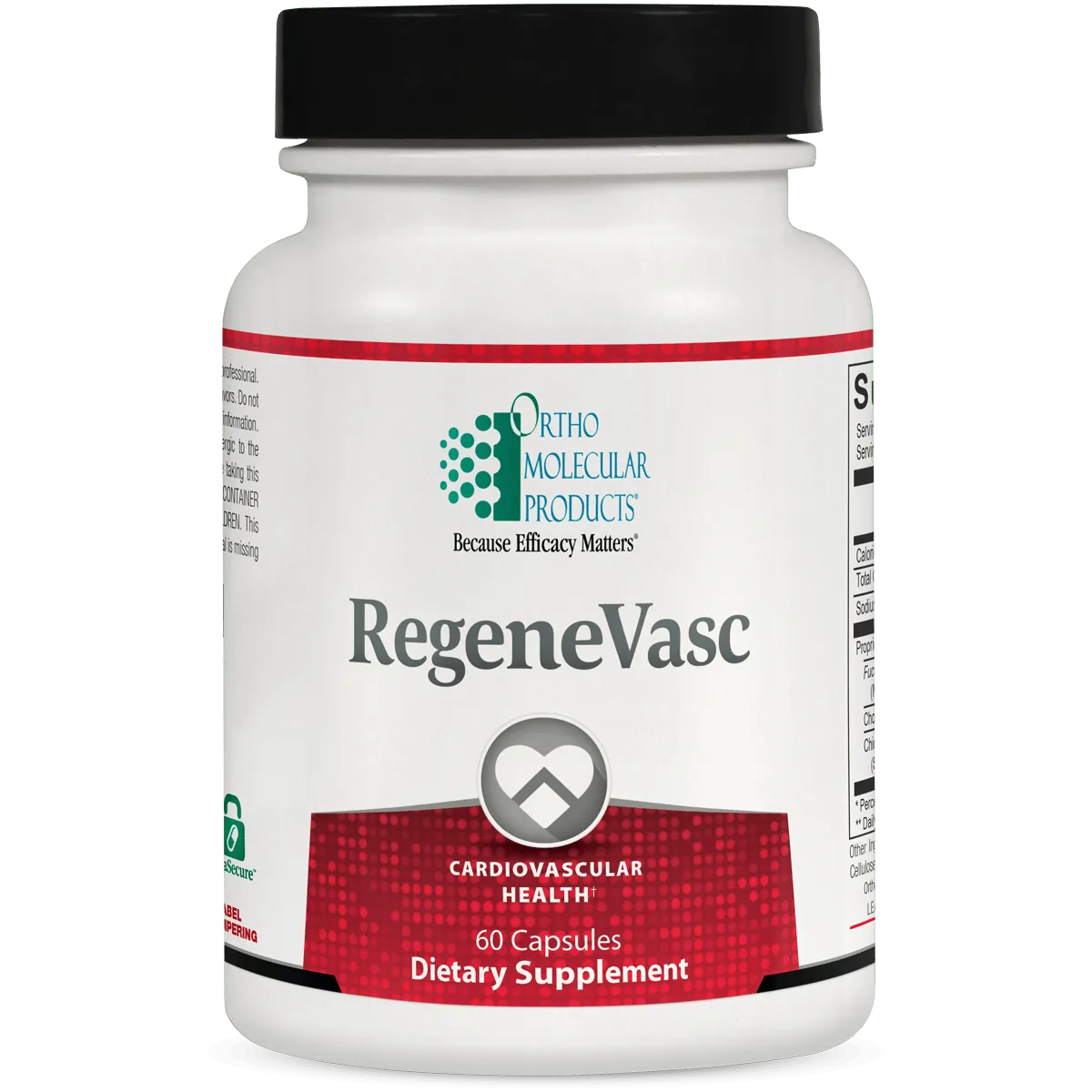
The RegeneVasc formula features a 1.38 gram proprietary blend of highly specialized, clinically researched ingredients. The first major component is an extract from Fucus vesiculosus, a type of brown seaweed, provided as Maritech® Synergy. This whole-plant extract is incredibly rich in fucoidan, a sulfated polysaccharide that structurally mimics the heparan sulfate found naturally in the human glycocalyx, as well as marine polyphenols, which offer potent antioxidant protection. By providing these marine-derived compounds, the supplement delivers structural analogs that the body can utilize to reinforce the vascular wall.
The second major component of the RegeneVasc blend focuses on the structural volume and hydration of the glycocalyx. It includes Chondroitin Sulfate Sodium, a crucial glycosaminoglycan that makes up a significant portion of the eGCX's negatively charged barrier. Finally, the formula incorporates MOBILEE®, a patented chicken comb extract standardized to contain 40 mg of high-molecular-weight Hyaluronic Acid. Because hyaluronic acid is responsible for binding water and creating the thick, gel-like consistency of the glycocalyx, providing a highly bioavailable source of this massive polymer is essential for restoring the physical thickness and protective capacity of the vascular lining. Together, these ingredients offer a comprehensive, multi-targeted approach to vascular regeneration.
How Long COVID and ME/CFS Impact the Endothelial Glycocalyx
Viral-Induced Shedding and Vascular Leak
To understand why a supplement like RegeneVasc is so relevant for chronic, complex illnesses, we must examine how viral infections and systemic inflammation devastate the vascular system. When an individual is infected with a pathogen like SARS-CoV-2, the virus does not simply attack the lungs; it is fundamentally a vascular disease. The SARS-CoV-2 spike protein utilizes the ACE-2 receptor to gain entry into human cells, but research has shown that it also binds directly to heparan sulfate, the primary glycosaminoglycan in the endothelial glycocalyx. This binding process, combined with the intense immune response triggered by the virus, creates a massive storm of oxidative stress and inflammatory cytokines, such as Interleukin-6 (IL-6) and Tumor Necrosis Factor-alpha (TNF-α).
This severe inflammatory environment activates a group of destructive enzymes in the bloodstream, most notably heparanase, hyaluronidase, and matrix metalloproteinases (MMPs). These enzymes act like microscopic molecular scissors, aggressively cleaving and "shedding" the protective glycocalyx away from the blood vessel walls. In acute infections, this shedding is a temporary immune mechanism designed to allow white blood cells to exit the bloodstream and fight the virus in the surrounding tissues. However, in patients who develop Long COVID, this process never turns off. The persistent presence of viral antigens, lingering spike proteins, or autoantibodies keeps the immune system locked in a state of hyper-activation, preventing the glycocalyx from ever fully healing. If you are wondering What Causes Long COVID?, this chronic, unresolved endothelial damage is now considered a primary root cause.
When the glycocalyx is stripped away, it leaves the underlying endothelial cells completely bare and vulnerable. This results in a condition known as "vascular leak" or hyper-permeability. Without the thick, gel-like barrier to act as a molecular sieve, fluids, proteins, and inflammatory molecules leak out of the blood vessels and into the surrounding tissues, causing systemic swelling and inflammation. Furthermore, the structural core proteins of the glycocalyx, particularly Syndecan-1 (SDC-1), are shed into the bloodstream. Clinical studies have demonstrated that SDC-1 levels remain significantly elevated in Long COVID patients for months or even years after their initial infection, serving as a direct, measurable biomarker of ongoing vascular destruction.
The Vicious Cycle of Hypoperfusion and Microclots
The degradation of the endothelial glycocalyx triggers a catastrophic domino effect that perfectly explains the hallmark symptoms of ME/CFS and dysautonomia. As we established earlier, the glycocalyx is essential for sensing blood flow and triggering the release of nitric oxide (NO) for vasodilation. When the glycocalyx is destroyed, the blood vessels lose their ability to dilate. Simultaneously, the damaged, senescent endothelial cells begin to overproduce endothelin-1, a potent vasoconstrictor. This severe vasomotor imbalance leads to widespread tissue hypoperfusion—meaning that the blood vessels are clamped shut, severely restricting the flow of oxygen and nutrient-rich blood to the brain, muscles, and organs.
This hypoperfusion is the physiological mechanism behind post-exertional malaise (PEM), the defining feature of ME/CFS. When a patient with ME/CFS attempts to exert themselves, their muscles demand more oxygen. In a healthy person, the glycocalyx senses this increased blood flow and dilates the vessels to meet the demand. In a patient with a degraded glycocalyx, the vessels remain stubbornly constricted, forcing the cells to switch to anaerobic metabolism, generating lactic acid, and causing a profound, debilitating "crash." This is why pushing through the fatigue is physically damaging, and it highlights why researchers are increasingly asking, Can Long COVID Trigger ME/CFS? Unraveling the Connection, as both conditions share this exact endothelial pathology.
Furthermore, the loss of the glycocalyx barrier exposes the sticky adhesion molecules on the surface of the endothelial cells. This bare surface acts like a magnet for circulating platelets and clotting factors. The platelets bind to the damaged vessel walls and become hyper-activated, leading to the formation of persistent, microscopic blood clots, or microthrombosis, throughout the capillary networks. These microclots further block the tiny vessels, exacerbating the oxygen starvation in the tissues. In conditions like Postural Orthostatic Tachycardia Syndrome (POTS) and dysautonomia, this vascular incompetence is compounded by an overactive sympathetic nervous system. The constant surge of adrenaline and stress hormones directly strips the glycocalyx, making it impossible for the blood vessels in the legs to constrict properly upon standing, leading to blood pooling, dizziness, and a racing heart.
RegeneVasc: Supporting Vascular Repair and Endothelial Function
Fucoidan as a Heparan Sulfate Mimetic
RegeneVasc is designed to intervene directly in this cycle of vascular degradation by providing targeted, scientifically backed compounds that support the rebuilding of the endothelial glycocalyx. The star ingredient in the RegeneVasc formula is fucoidan, derived from the whole-plant extract of Fucus vesiculosus (brown seaweed). Fucoidan is a complex, highly sulfated polysaccharide that has garnered immense attention in cardiovascular research due to its remarkable structural similarity to heparan sulfate, the most abundant glycosaminoglycan in the human glycocalyx. Because of this structural mimicry, fucoidan acts as a powerful therapeutic agent at the cellular level.
When the endothelium is under attack from chronic inflammation, the enzyme heparanase aggressively destroys the natural heparan sulfate chains. Preclinical research indicates that fucoidan acts as a competitive inhibitor of heparanase. By binding to the destructive enzyme, fucoidan prevents it from cleaving the body's natural glycocalyx, effectively halting the shedding process. Furthermore, fucoidan actively integrates into the damaged vascular lining. By substituting for the lost heparan sulfate, it helps restore the negative electrostatic charge of the endothelial barrier, which is critical for repelling sticky platelets and preventing the formation of microclots.
Beyond its structural role, fucoidan has a profound impact on endothelial signaling. Studies have demonstrated that low-molecular-weight fucoidan dose-dependently induces endothelium-dependent vasodilation. It achieves this by promoting the phosphorylation of endothelial nitric oxide synthase (eNOS) at a specific amino acid site (Ser1177). This biochemical activation ensures that the endothelial cells can resume the synthesis of protective nitric oxide, helping to reverse the severe vasoconstriction and tissue hypoperfusion that drives the debilitating fatigue and brain fog seen in Long COVID and ME/CFS.
Hyaluronic Acid and Mechanotransduction
The second critical mechanism of action in RegeneVasc involves the restoration of the glycocalyx's physical volume and sensory capabilities through Hyaluronic Acid (HA). The formula utilizes MOBILEE®, a specialized chicken comb extract standardized to contain high-molecular-weight hyaluronic acid. Unlike other glycosaminoglycans that are firmly anchored to core proteins, HA is a massive, free-floating polymer that weaves through the glycocalyx meshwork and binds directly to a specific receptor on the endothelial cell surface known as CD44. This unique attachment makes HA the primary biomechanical sensor for the entire vascular system.
When blood flows through the vessels, it is the massive hyaluronic acid polymers that catch the physical shear stress, acting like sails in the wind. This mechanical force is transmitted through the CD44 receptor into the cell, triggering the vital nitric oxide signaling cascade. Landmark vascular studies have shown that when hyaluronic acid is degraded by enzymes (hyaluronidases) during systemic inflammation, flow-induced nitric oxide production plummets by nearly 80%. By providing a highly bioavailable source of high-molecular-weight HA, RegeneVasc supplies the exact molecular substrate needed to rebuild these microscopic "sails," restoring the blood vessels' ability to sense blood flow and dilate appropriately upon exertion.
Furthermore, the size of the hyaluronic acid molecule dictates its function in vascular permeability. During chronic illness, the body's natural HA is broken down into low-molecular-weight fragments, which actually promote inflammation and vascular leakage. Conversely, high-molecular-weight HA—like that provided in targeted supplementation—actively maintains and enhances the endothelial barrier. It promotes the formation of tight intercellular junctions, acting as a molecular sieve that prevents fluid and inflammatory cytokines from leaking out of the capillaries and into the surrounding tissues, thereby reducing systemic edema and tissue swelling.
Marine Polyphenols for Antioxidant Defense
Rebuilding the glycocalyx is only half the battle; the newly formed barrier must also be protected from ongoing oxidative stress. This is where the marine polyphenols in RegeneVasc play a crucial role. Derived alongside fucoidan from the Fucus vesiculosus extract, marine polyphenols—specifically a unique class known as phlorotannins—offer extraordinary cardioprotective properties. Unlike terrestrial plant polyphenols (such as those found in green tea or berries), phlorotannins are formed through the complex polymerization of phloroglucinol units. This highly hydroxylated, complex molecular structure drastically enhances their ability to scavenge free radicals and neutralize oxidative stress.
In the context of chronic vascular disease, oxidative stress is highly destructive. Reactive oxygen species (ROS) directly damage the delicate sugars of the glycocalyx and trigger a highly inflammatory form of programmed cell death in the endothelium known as pyroptosis. Recent in vitro and in vivo studies have revealed that marine phlorotannins suppress the TLR4/NF-κB inflammatory pathway and inhibit the formation of the NLRP3 inflammasome, physically preserving the cells that line the blood vessels. By neutralizing the oxidative fire, these marine polyphenols create a stable, protected environment that allows the fucoidan, chondroitin, and hyaluronic acid to successfully rebuild the glycocalyx without being immediately destroyed again. This dual action of regeneration and protection is especially vital for patients managing metabolic comorbidities, a topic explored further in our article on Diabetes and Long COVID: A Pandemic Within a Pandemic.

Symptoms RegeneVasc May Help Manage
Targeting Systemic Vascular Dysfunction
Because the endothelial glycocalyx lines every single blood vessel in the body, its degradation can cause a remarkably diverse array of symptoms. By providing the building blocks necessary to restore this critical barrier, RegeneVasc may help manage several of the most debilitating symptoms associated with complex chronic illnesses. Here is how supporting the eGCX translates to clinical symptom management:
Brain Fog and Cognitive Impairment: The blood-brain barrier is heavily reliant on a healthy endothelial glycocalyx to prevent neurotoxins and inflammatory cytokines from entering the brain. By supporting high-molecular-weight hyaluronic acid and tight junction integrity, RegeneVasc may help reduce neuroinflammation, potentially alleviating memory issues, confusion, and cognitive fatigue.
Post-Exertional Malaise (PEM) and Severe Fatigue: PEM is driven by the inability of blood vessels to dilate and deliver oxygen to muscles during exertion (tissue hypoperfusion). By providing fucoidan to support eNOS activation and nitric oxide production, RegeneVasc helps restore healthy vasodilation, potentially improving cellular energy delivery and reducing the severity of post-exertional crashes.
Orthostatic Intolerance and Tachycardia (POTS): In dysautonomia, degraded vascular barriers fail to constrict properly against gravity, leading to blood pooling in the legs and a reflexively racing heart. Rebuilding the glycocalyx restores the structural integrity and vasomotor tone of the veins, potentially improving orthostatic tolerance and reducing dizzy spells upon standing.
Chest Pain, Palpitations, and Shortness of Breath: These symptoms are often the result of microvascular angina—poor blood flow and microthrombosis in the tiny capillaries surrounding the heart and lungs. By acting as a heparan sulfate mimetic, fucoidan helps restore the anti-thrombotic, non-stick surface of the endothelium, potentially reducing micro-clotting and improving oxygen exchange in the pulmonary and cardiac microvasculature.
Systemic Inflammation and Edema: A "leaky" vascular barrier allows fluids and inflammatory proteins to escape into the tissues, causing swelling, joint pain, and systemic aching. The chondroitin sulfate and hyaluronic acid in RegeneVasc work to physically plug these leaks, restoring selective permeability and keeping inflammatory molecules contained within the bloodstream where they can be cleared.
The Importance of Symptom Tracking
It is important to remember that rebuilding a microscopic structure across 60,000 miles of blood vessels is a gradual process. The symptoms of endothelial dysfunction fluctuate daily based on stress, exertion, and environmental triggers. To accurately gauge whether a vascular support supplement like RegeneVasc is working for you, meticulous symptom tracking is essential. By keeping a daily log of your heart rate upon standing, the severity of your brain fog, and the frequency of your PEM crashes, you and your healthcare provider can objectively measure improvements over time. For practical strategies on managing this daily reality, explore our guide on How Can You Live with Long-Term COVID.
Practical Considerations: Forms, Dosing, and Absorption
Understanding the Proprietary Blend
When incorporating a highly specialized supplement like RegeneVasc into your management protocol, understanding the formulation and optimal dosing strategies is crucial for maximizing its potential benefits. RegeneVasc is built around a 1.38-gram proprietary blend that delivers the precise molecular substrates required for glycocalyx synthesis. This blend includes the Maritech® Synergy Fucus vesiculosus extract, Chondroitin Sulfate Sodium, and the MOBILEE® Chicken Comb Extract. The use of these specific, trademarked extracts is significant because the biological activity of these compounds—particularly fucoidan and hyaluronic acid—is highly dependent on their molecular weight and purity.
For example, the MOBILEE® extract is standardized to contain 40 mg of high-molecular-weight hyaluronic acid. As discussed in the mechanisms section, low-molecular-weight HA fragments can actually be pro-inflammatory and disrupt the vascular barrier. By utilizing a standardized, high-molecular-weight matrix that also naturally contains collagen and other glycosaminoglycans, the supplement ensures that the body receives the exact structural form of HA required to promote tight endothelial junctions and healthy mechanotransduction. Similarly, the Maritech® Synergy extract ensures a concentrated, unadulterated delivery of marine polyphenols and fucoidan, avoiding the degradation that often occurs in lower-quality seaweed processing.
Optimal Timing and Absorption Strategies
The suggested use for RegeneVasc is 2 capsules per day, or as recommended by your health care professional. Because the ingredients are primarily complex polysaccharides and glycosaminoglycans, they are generally well-tolerated by the gastrointestinal tract. However, to optimize absorption and minimize any potential stomach upset, it is often recommended to take the capsules with a glass of water, either alongside a meal or shortly before eating. The presence of food can help stimulate the digestive enzymes and bile necessary to properly break down and assimilate the complex marine extracts and chondroitin sulfate.
When setting expectations for RegeneVasc, patience is paramount. The endothelial glycocalyx is a microscopic structure that has often been subjected to months or years of chronic viral and inflammatory degradation. Rebuilding this barrier requires a consistent, daily supply of substrates over an extended period. While some patients may notice subtle improvements in energy or orthostatic tolerance within a few weeks, clinical trials evaluating glycocalyx restoration generally measure outcomes over a 3-to-4-month period. It is also vital to discuss this supplement with your medical team, particularly if you are taking prescription blood thinners or anti-platelet medications. Because fucoidan acts as a heparan sulfate mimetic and has mild natural anti-thrombotic properties, it could potentially interact with anticoagulant therapies. Always consult your provider, and if you are currently navigating the diagnostic process, read our resource on How Does a Doctor Diagnose Long COVID? to better understand the clinical evaluation of vascular symptoms.

Follow the Science
Clinical Evidence for Glycocalyx Restoration
The concept of restoring the endothelial glycocalyx with targeted nutritional substrates is not merely theoretical; it is supported by a growing body of robust clinical evidence. Historically, measuring the health of the glycocalyx in living humans was nearly impossible due to its microscopic size and delicate nature. However, the development of sublingual video microscopy and advanced software (such as GlycoCheck) has revolutionized vascular research. This technology allows researchers to look directly at the capillaries under the tongue and measure the Perfused Boundary Region (PBR). A high PBR indicates a thin, degraded glycocalyx, while a low PBR indicates a thick, healthy, and protective barrier.
Recent clinical trials have utilized this technology to directly assess the efficacy of glycocalyx-targeted supplements. In a highly relevant randomized, placebo-controlled clinical trial (NCT05185934), researchers evaluated 57 convalescent patients who had recently recovered from a mild-to-moderate COVID-19 infection. The treatment group received a dietary supplement containing fucoidan and glycosaminoglycans for four consecutive months. The results were striking: the fucoidan-supplemented group demonstrated a significantly greater reduction in their PBR (-6.8% vs. -1.3%), indicating a thicker, healthier endothelial glycocalyx compared to the placebo group. Furthermore, the treatment group showed massive improvements in arterial stiffness (Pulse Wave Velocity) and coronary circulation. Most remarkably, 0% of the patients in the treatment group reported long-COVID symptoms at the end of the trial, compared to 21.4% in the placebo group.
Microvascular Health and Chronic Illness
Beyond Long COVID, the scientific literature is rapidly solidifying the link between glycocalyx degradation and other complex chronic illnesses. A landmark prospective study, the "All Eyes on PCS" trial, utilized retinal scans as a proxy for cerebral microvascular health in 102 post-COVID patients. The researchers found that the patients who specifically met the diagnostic criteria for ME/CFS exhibited the most severe microvascular remodeling and endothelial dysfunction, directly validating the physiological basis of their neurological and cognitive symptoms. This is a crucial finding for patients who have historically been told their symptoms are purely psychological, a struggle we discuss in our article, Is Long COVID Considered a Disability?.
Similarly, research into dysautonomia has provided concrete data linking autonomic dysfunction to vascular degradation. A recent study published in the journal Amyloid evaluated patients with severe dysautonomia and found that the severity of their autonomic symptoms was independently associated with increased levels of Syndecan-1, the primary biomarker of glycocalyx shedding. The mediation analysis in this study proved that autonomic dysregulation directly damages the eGCX, which then causes downstream organ inflammation and tissue hypoperfusion. Together, these studies paint a clear, scientifically validated picture: the destruction of the endothelial glycocalyx is a central pathology in these conditions, and therapies that target its restoration—such as the fucoidan, HA, and GAGs found in RegeneVasc—represent a highly promising, root-cause approach to treatment.
The Path Forward
A Comprehensive Approach to Vascular Health
Living with Long COVID, ME/CFS, or dysautonomia is an exhausting, daily challenge that requires immense resilience. If you have been struggling with debilitating fatigue, brain fog, and unpredictable heart rates, it is vital to know that your symptoms are real, they are physiological, and they are increasingly understood by the scientific community. The discovery of widespread endothelial glycocalyx degradation provides a unifying explanation for the multisystem chaos you are experiencing. By recognizing your blood vessels as an active, living organ system that requires specific nutritional support to heal, you can begin to take targeted steps toward vascular recovery.
While RegeneVasc offers a powerful, scientifically backed blend of fucoidan, hyaluronic acid, and marine polyphenols designed to rebuild this critical vascular armor, it is important to view supplementation as one piece of a much larger puzzle. Rebuilding the endothelial glycocalyx is a marathon, not a sprint. It requires a comprehensive management strategy that includes aggressive pacing to prevent post-exertional malaise, stabilizing blood sugar to reduce metabolic sheer stress, utilizing compression garments for orthostatic intolerance, and working closely with a medical team that understands the complexities of post-viral vascular disease.
Partnering with Your Care Team
Before starting any new supplement regimen, especially one that influences vascular function and endothelial health, it is imperative to consult with your primary care provider or a specialist familiar with your unique medical history. They can help you navigate potential interactions with existing medications, such as blood thinners, and ensure that RegeneVasc fits safely into your broader treatment protocol. With patience, meticulous symptom tracking, and the right structural support, restoring your vascular health is a tangible goal.
Sources
The Endothelial Glycocalyx: A Possible Therapeutic Target in Cardiovascular Disorders
Role of hyaluronic acid glycosaminoglycans in shear-induced endothelium-derived nitric oxide release
Hyaluronic Acid Binding Protein 2 Is a Novel Regulator of Vascular Integrity
Vascular barrier protective effects of phlorotannins on HMGB1-mediated proinflammatory responses
Clinical Trial NCT05185934: Glycocalyx Dietary Supplement in Post-COVID-19 Patients