Can Red Yeast Rice and CoQ10 Support Cardiovascular Health in Long COVID and Dysautonomia?
March 6, 2026
Red Yeast RiceCoQ10Long COVID
Share:
Disclaimer: The information provided here is for educational purposes only and is not intended as medical advice. It should not be used to diagnose, treat, cure, or prevent any medical condition. Instead, use it as a starting point for discussion with your healthcare provider. Always consult with a qualified healthcare provider before starting any new medication, supplement, device, or making changes to your health regimen.
Managing complex chronic illnesses like Long COVID, myalgic encephalomyelitis/chronic fatigue syndrome (ME/CFS), and dysautonomia often feels like navigating a labyrinth of competing symptoms. On one hand, you are battling profound, debilitating fatigue and autonomic nervous system dysfunction that makes simply standing up a monumental task. On the other hand, routine blood work might reveal elevated cholesterol levels, presenting a new cardiovascular risk that requires immediate attention. For many patients, this creates a frustrating paradox: the standard pharmaceutical treatments for high cholesterol, such as prescription statins, are notorious for depleting cellular energy and exacerbating the exact muscle fatigue and weakness that chronic illness patients are already fighting so hard to overcome.
This is where the strategic combination of Red Yeast Rice and Coenzyme Q10 (CoQ10) emerges as a vital therapeutic tool. Red yeast rice has been utilized for centuries as a natural method to maintain healthy lipid levels, offering a highly bioavailable alternative to synthetic medications. However, because it operates on the exact same biological pathways as prescription statins, it inherently suppresses the body's natural production of CoQ10, a crucial molecule required for mitochondrial energy generation. By pairing these two powerful compounds together, patients can actively manage their cardiovascular health and lipid profiles without sacrificing the delicate mitochondrial function that is so desperately needed for recovery. In this comprehensive guide, we will explore the intricate biochemistry of how these ingredients work, their relevance to post-viral syndromes, and the clinical science supporting their use.
What is Red Yeast Rice + CoQ10?
The Origins and Biochemistry of Red Yeast Rice
Red yeast rice is a traditional culinary and medicinal preparation that has been utilized in Asian cultures for centuries to promote blood circulation and digestive health. It is created through a meticulous fermentation process where white rice is inoculated with a specific species of mold known as Monascus purpureus. As the yeast ferments the rice grains, it produces a rich, red pigment and a complex array of bioactive secondary metabolites called monacolins. The most pharmacologically significant of these naturally occurring compounds is monacolin K. From a strict biochemical perspective, monacolin K is structurally and functionally identical to lovastatin, a widely prescribed pharmaceutical drug used globally to treat hyperlipidemia. Because of this identical molecular structure, red yeast rice exerts powerful physiological effects on the body's lipid metabolism, making it far more than a simple nutritional supplement. It is, in essence, a naturally occurring statin that must be understood and respected for its potent biochemical capabilities.
When consumed, the monacolin K in red yeast rice enters the bloodstream and travels directly to the liver, the primary site of cholesterol synthesis. Here, it acts as a highly selective, competitive inhibitor of a crucial enzyme, effectively halting the assembly line of cholesterol production. Beyond monacolin K, the natural matrix of red yeast rice also contains trace amounts of other beneficial compounds, including phytosterols (like beta-sitosterol and campesterol), isoflavones, and unsaturated fatty acids. Research suggests that these additional components work synergistically with the monacolins to support overall cardiovascular health, providing a multi-targeted approach to lipid management that isolated synthetic drugs often lack.
Coenzyme Q10 and the Cellular Powerhouse
While red yeast rice addresses circulating lipids, Coenzyme Q10 (CoQ10) operates at the very core of cellular vitality. CoQ10, also known scientifically as ubiquinone, is a fat-soluble, vitamin-like compound found in virtually every cell of the human body. It is synthesized endogenously and is found in the highest concentrations within organs that demand massive amounts of continuous energy, such as the heart, liver, kidneys, and skeletal muscles. Inside the cell, CoQ10 resides primarily within the inner membrane of the mitochondria, the microscopic organelles responsible for generating the vast majority of cellular energy. Here, CoQ10 acts as an essential, non-protein electron carrier within the electron transport chain, a complex series of protein complexes that drive cellular respiration.
During the process of oxidative phosphorylation, CoQ10 rapidly shuttles electrons between Complex I, Complex II, and Complex III. This continuous flow of electrons creates a proton gradient across the mitochondrial membrane, which ultimately drives the synthesis of adenosine triphosphate (ATP), the universal energy currency of the human body. Without adequate levels of CoQ10, this mitochondrial assembly line grinds to a halt, leading to profound cellular energy deficits and systemic fatigue. Furthermore, CoQ10 serves as one of the body's most potent lipid-soluble antioxidants. In its reduced form (ubiquinol), it actively neutralizes highly reactive free radicals, protecting delicate cellular membranes, mitochondrial DNA, and circulating low-density lipoproteins (LDL) from devastating oxidative damage.
The Shared Mevalonate Pathway
To truly understand why red yeast rice and CoQ10 are formulated together in a single supplement, one must examine the intricate biochemistry of the liver, specifically a metabolic cascade known as the mevalonate pathway. This complex biological pathway is responsible for synthesizing cholesterol, which the body desperately needs for steroid hormone production, vitamin D synthesis, and maintaining cellular membrane integrity. The critical, rate-limiting step of this entire pathway is controlled by an enzyme called 3-hydroxy-3-methylglutaryl coenzyme A (HMG-CoA) reductase. Monacolin K from red yeast rice binds directly to this enzyme, effectively blocking the production of a molecule called mevalonate, which drastically lowers downstream cholesterol levels.
However, mevalonate is not just a precursor to cholesterol; it is a fundamental biological building block that branches off to create several other vital molecules, known as isoprenoids. One of the most important downstream products of the mevalonate pathway is farnesyl pyrophosphate, which is the direct chemical precursor required to synthesize CoQ10. Therefore, by inhibiting HMG-CoA reductase to lower cholesterol, red yeast rice inherently and unavoidably suppresses the body's natural production of CoQ10. This biochemical bottleneck is the primary reason why statin-like compounds can cause severe muscle fatigue, weakness, and myalgia. Replenishing this depleted CoQ10 is not just an optional bonus; it is considered a clinical necessity to protect mitochondrial function when utilizing red yeast rice for lipid management.
How Long COVID, ME/CFS, and Dysautonomia Impact Cardiovascular and Mitochondrial Health
Endothelial Dysfunction and Vascular Tone
In complex chronic conditions like Long COVID, ME/CFS, and dysautonomia, the cardiovascular system is often under immense, sustained stress. A primary driver of this systemic dysfunction is damage to the endothelium, the delicate, single-cell layer that lines the entire interior surface of blood vessels. The endothelium is not merely a passive barrier; it is a highly active endocrine organ responsible for regulating blood pressure, controlling vascular inflammation, and preventing abnormal blood clotting. In post-viral syndromes, persistent immune activation and viral persistence can trigger severe endothelial inflammation, known as endothelialitis. This damage impairs the endothelium's ability to produce nitric oxide, a crucial molecule required for blood vessels to dilate and relax properly.
When the endothelium is damaged, it sets the stage for a cascade of vascular complications. Groundbreaking research by scientists like Resia Pretorius has demonstrated that Long COVID and ME/CFS patients frequently harbor fibrinaloid microclots in their bloodstream. These persistent microclots lodge in the tiny capillaries of the circulatory system, physically blocking the delivery of oxygen and vital nutrients to tissues and the brain. This state of chronic hypoperfusion (low blood flow) directly contributes to the severe brain fog, cognitive impairment, and debilitating physical fatigue that define these illnesses. Furthermore, this vascular instability is a core mechanism behind Postural Orthostatic Tachycardia Syndrome (POTS), as the damaged blood vessels struggle to constrict efficiently when a patient stands up, forcing the heart to race uncontrollably to maintain blood pressure.
Mitochondrial Dysfunction and Energy Deficits
Alongside vascular damage, profound mitochondrial dysfunction is a hallmark characteristic of Long COVID and ME/CFS. The chronic systemic inflammation, oxidative stress, and hypoxia caused by microvascular clotting create a highly toxic environment for the mitochondria. Recent studies have identified significant structural abnormalities in the mitochondria of Long COVID patients, including swollen organelles with disrupted cristae (the inner folds where energy production occurs) and an imbalance in mitochondrial fusion and fission processes. This structural damage severely impairs the electron transport chain, drastically reducing the cellular output of ATP.
When cells cannot produce enough ATP to meet basic metabolic demands, the body is forced into a state of severe energy conservation. This cellular energy crisis is the biological root of post-exertional malaise (PEM), the defining symptom of ME/CFS where even minor physical or cognitive exertion triggers a disproportionate and debilitating crash in symptoms. In this depleted state, the body's demand for endogenous antioxidants and electron carriers like CoQ10 skyrockets, but the damaged mitochondria are unable to utilize or synthesize these compounds efficiently, creating a vicious cycle of oxidative damage and energy failure that is incredibly difficult to break without targeted intervention.
The Danger of Unchecked Hyperlipidemia in Chronic Illness
For patients battling these complex conditions, the sudden development of hyperlipidemia (high cholesterol) presents a dangerous compounding factor. When LDL cholesterol levels become elevated in the presence of chronic systemic inflammation—a common scenario in Long COVID and ME/CFS—the LDL particles are highly susceptible to oxidation. Oxidized LDL is highly toxic to the vascular system; it aggressively infiltrates the already damaged endothelial lining, triggering a massive immune response that recruits macrophages and accelerates the formation of atherosclerotic plaques.
This process not only increases the long-term risk of major cardiovascular events like heart attacks and strokes, but it also immediately worsens the day-to-day symptoms of dysautonomia. The buildup of oxidized lipids further stiffens the arterial walls, reducing vascular compliance and making it even harder for the autonomic nervous system to regulate blood pressure and heart rate. Therefore, safely managing lipid levels without further damaging mitochondrial energy production becomes a critical balancing act in the comprehensive treatment of post-viral and autonomic disorders.
Red Yeast Rice + CoQ10: Supporting Cardiovascular and Cellular Function
Inhibiting HMG-CoA Reductase for Lipid Management
The primary mechanism by which Red Yeast Rice supports cardiovascular health is through the potent, targeted inhibition of cholesterol synthesis. When monacolin K binds to the HMG-CoA reductase enzyme in the liver, it physically blocks the active site, preventing the conversion of HMG-CoA into mevalonate. This blockade causes a rapid and significant drop in the intracellular concentration of cholesterol within the liver cells (hepatocytes). In response to this perceived cholesterol shortage, the liver activates a specialized family of proteins known as sterol regulatory element-binding proteins (SREBPs).
Once activated, SREBPs travel to the nucleus of the cell and upregulate the genetic expression of LDL receptors on the surface of the liver. These newly formed receptors act like molecular vacuums, binding to circulating low-density lipoprotein (LDL) particles in the bloodstream and pulling them inside the liver to be broken down and excreted via bile. This elegant biological feedback loop is incredibly effective at clearing excess atherogenic lipids from the circulation. By maintaining blood cholesterol levels already within the normal range, red yeast rice helps prevent the accumulation of plaque in the arteries, thereby preserving the structural integrity and flexibility of the cardiovascular system.
Pleiotropic Effects on the Endothelium
Beyond their primary lipid-lowering capabilities, statin-like compounds such as monacolin K possess a range of secondary benefits known in the medical literature as "pleiotropic effects." These effects are particularly relevant for patients dealing with the vascular complications of Long COVID and dysautonomia. Clinical evidence suggests that inhibiting the mevalonate pathway also reduces the production of certain isoprenoids that normally promote vascular inflammation and oxidative stress. By suppressing these inflammatory pathways, red yeast rice can help stabilize the delicate endothelial lining of the blood vessels.
Furthermore, these pleiotropic mechanisms have been shown to enhance the expression and activity of endothelial nitric oxide synthase (eNOS), the enzyme responsible for producing nitric oxide. Increased nitric oxide bioavailability promotes healthy vasodilation, improves blood flow through the microcirculation, and exhibits mild antithrombotic (anti-clotting) properties by reducing platelet aggregation. For a patient suffering from hypoperfusion and microvascular dysfunction, supporting endothelial health in this manner can theoretically improve oxygen delivery to oxygen-starved tissues, potentially alleviating some of the vascular-driven fatigue and cognitive dysfunction associated with autonomic disorders.
Replenishing the Antioxidant Shield with CoQ10
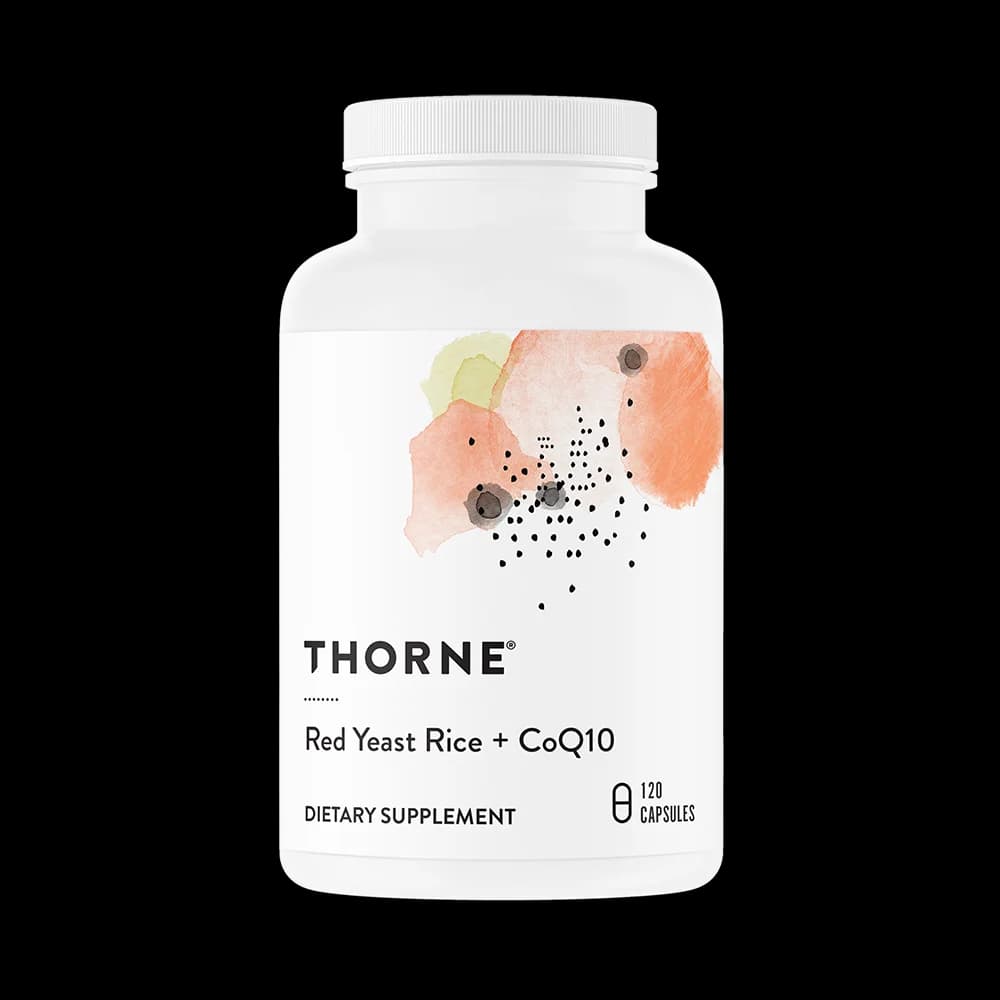
While the lipid-lowering and endothelial benefits of red yeast rice are profound, they come at the steep cost of CoQ10 depletion. This is where the inclusion of 15 mg of Coenzyme Q10 in the Thorne formula becomes a critical mechanistic safeguard. By supplying exogenous CoQ10 directly to the body, this formulation actively bypasses the mevalonate pathway blockade, ensuring that the mitochondria have a steady supply of this vital electron carrier despite the inhibition of HMG-CoA reductase. This direct cellular support helps maintain the integrity of the electron transport chain, allowing the mitochondria to continue producing ATP efficiently and preventing the onset of statin-associated energy crashes.
In addition to supporting ATP generation, the supplemental CoQ10 acts as a frontline defender against oxidative stress within the cardiovascular system. Because CoQ10 is highly lipophilic, it incorporates itself directly into circulating LDL particles and cellular membranes. Here, it serves as the first line of antioxidant defense, intercepting free radicals and preventing the lipid peroxidation that turns normal cholesterol into dangerous, plaque-forming oxidized LDL. By pairing the cholesterol-lowering power of red yeast rice with the mitochondrial and antioxidant protection of CoQ10, this combination offers a balanced, dual-action approach to cardiovascular health that respects the complex energy needs of the chronically ill patient.

Symptoms Red Yeast Rice + CoQ10 May Help Manage
Targeted Cardiovascular and Systemic Relief
When utilized as part of a comprehensive, medically supervised management plan, the combination of Red Yeast Rice and CoQ10 targets several specific physiological mechanisms that can alleviate a range of cardiovascular and systemic symptoms. Here is a detailed breakdown of the symptoms and clinical markers this supplement combination may help manage:
Elevated LDL Cholesterol Levels: By providing a consistent dose of naturally occurring monacolins, red yeast rice competitively inhibits the HMG-CoA reductase enzyme, significantly reducing hepatic cholesterol synthesis and lowering circulating levels of low-density lipoproteins (LDL) to maintain a healthy lipid profile.
Statin-Associated Muscle Symptoms (SAMS): For individuals who experience myalgia (muscle pain), cramping, or severe weakness when taking prescription statins, the inclusion of CoQ10 helps replenish the mitochondrial electron carriers depleted by mevalonate pathway inhibition, thereby supporting muscle energy metabolism and reducing discomfort.
Endothelial Inflammation and Vascular Stiffness: The pleiotropic, anti-inflammatory effects of monacolin K help stabilize the endothelial lining and improve nitric oxide bioavailability, which can support healthy blood vessel dilation, reduce arterial stiffness, and improve overall microvascular circulation.
Cellular Energy Deficits and Fatigue: By ensuring a steady supply of CoQ10 to the mitochondria, this combination supports the electron transport chain and ATP production, helping to mitigate the profound cellular energy crashes and systemic fatigue commonly seen in post-viral syndromes and mitochondrial dysfunction.
Oxidative Stress and Lipid Peroxidation: CoQ10 acts as a potent, fat-soluble antioxidant that incorporates into cellular membranes and circulating lipoproteins, actively neutralizing free radicals and preventing the dangerous oxidation of LDL particles that drives atherosclerotic plaque formation.
Practical Considerations: Forms, Dosing, and Absorption
The Bioavailability of Monacolins vs. Synthetic Statins
One of the most fascinating clinical aspects of red yeast rice is its remarkable bioavailability compared to isolated pharmaceutical drugs. Clinical trials have consistently demonstrated an intriguing anomaly: a relatively low dose of monacolin K derived naturally from red yeast rice (typically ranging from 3 to 10 mg per day) can achieve the exact same cholesterol-lowering efficacy as a much higher dose (20 to 40 mg per day) of purified, prescription lovastatin. This significant discrepancy in required dosage is largely attributed to the complex natural matrix of the fermented rice.
Pharmacokinetic studies have revealed that when monacolin K is consumed within its natural yeast matrix, it exhibits a much higher dissolution rate and reduced crystallinity compared to synthetic lovastatin tablets. This enhanced solubility allows the monacolins to be absorbed much more efficiently across the intestinal lining. Furthermore, the other active phytosterols and compounds present in the red yeast rice may help inhibit the pre-systemic clearance (the initial breakdown of the drug in the gut and liver), leading to higher systemic exposure and greater therapeutic efficacy at a fraction of the standard pharmaceutical dose.
Maximizing CoQ10 Absorption
The absorption of Coenzyme Q10 is notoriously complex due to its large molecular size and highly lipophilic (fat-soluble) nature. For years, a fierce debate has raged in the supplement industry regarding which form of CoQ10 is superior: ubiquinone (the oxidized form) or ubiquinol (the reduced, antioxidant form). However, a landmark 2019 double-blind crossover study by Lopez-Lluch et al. fundamentally shifted this paradigm, proving that the formulation and delivery system of the supplement matter far more than the specific redox form. The study demonstrated that well-formulated ubiquinone utilizing advanced lipid carriers actually achieved significantly better bioavailability than patented ubiquinol products.
Regardless of the form, maximizing CoQ10 absorption requires specific timing and dietary strategies. Because CoQ10 cannot passively diffuse through the watery environment of the intestines, it must be incorporated into structures called mixed micelles, which are formed by bile salts. Therefore, it is absolutely critical to take CoQ10 (and red yeast rice) alongside a meal that contains healthy dietary fats, such as olive oil, avocados, or nuts, to stimulate bile release. Additionally, because CoQ10 absorption pathways are easily saturated, taking massive doses at once is inefficient; it is often better to split larger doses throughout the day. It is also important to note that CoQ10 levels build up slowly in deep tissues, often taking 2 to 4 weeks of consistent supplementation to reach peak therapeutic concentrations.
Safety, Citrinin, and Crucial Interactions
While red yeast rice is highly effective, it comes with severe quality-control caveats that patients must be aware of. During the fermentation process of Monascus purpureus, a toxic agricultural byproduct called citrinin can be formed. Citrinin is a dangerous mycotoxin that has been shown to be highly nephrotoxic (kidney-damaging) and hepatotoxic. For patients with Long COVID or ME/CFS who also suffer from Mast Cell Activation Syndrome (MCAS), exposure to mycotoxins can trigger severe systemic inflammatory flares. This is why it is imperative to only use pharmaceutical-grade supplements like Thorne's Red Yeast Rice + CoQ10, which undergoes rigorous third-party testing to ensure it contains less than 1/20th of the industry standard for citrinin, guaranteeing unparalleled purity and safety.
Furthermore, because red yeast rice functions identically to a prescription statin, it carries the exact same risk of drug interactions. Patients must strictly avoid consuming grapefruit or grapefruit juice while taking this supplement. Grapefruit contains compounds that inhibit the cytochrome P450 3A4 (CYP3A4) enzyme in the liver and intestines, which is responsible for metabolizing monacolin K. Inhibiting this enzyme can cause dangerously high levels of monacolins to accumulate in the bloodstream, drastically increasing the risk of severe muscle toxicity and liver damage. Always consult with a healthcare provider to review your current medications for potential CYP3A4 interactions before starting red yeast rice.

Follow the Science
Clinical Trials on Lipid Reduction
The clinical efficacy of red yeast rice for managing dyslipidemia is supported by a robust body of peer-reviewed scientific literature. A landmark 2009 randomized controlled trial by Becker et al., published in the Annals of Internal Medicine, specifically evaluated the use of red yeast rice in patients who were completely intolerant to prescription statins due to severe muscle pain. The researchers found that patients taking red yeast rice twice daily experienced a remarkable average reduction in LDL cholesterol of 43 mg/dL over a 12-week period. Crucially, this significant lipid-lowering effect was achieved without increasing creatine phosphokinase (CPK) levels—a key biomarker of muscle breakdown—and without triggering the debilitating myalgia that had previously forced these patients to abandon pharmaceutical statins.
Subsequent meta-analyses have consistently reinforced these findings. Reviews encompassing thousands of participants across multiple randomized, placebo-controlled trials have concluded that standardized red yeast rice preparations reliably reduce overall LDL cholesterol by an average of 39.4 mg/dL and significantly lower circulating triglycerides. The European Food Safety Authority (EFSA) has also formally acknowledged the scientific validity of these claims, noting that daily consumption of monacolin K from red yeast rice actively contributes to the maintenance of normal blood LDL cholesterol concentrations, provided it is used within safe dosage parameters.
The Q-SYMBIO Trial and Cardiovascular Outcomes
The cardiovascular benefits of CoQ10 supplementation are equally well-documented, most notably by the groundbreaking Q-SYMBIO trial. This massive, multi-center, randomized, double-blind study evaluated the long-term effects of CoQ10 supplementation (300 mg daily) in patients with moderate-to-severe heart failure, the vast majority of whom were concurrently taking statin medications. The results were paradigm-shifting: patients receiving CoQ10 experienced a dramatic reduction in all-cause mortality (10% compared to 18% in the placebo group) and a significantly lower incidence of major adverse cardiovascular events. This trial firmly established CoQ10 not just as a supportive antioxidant, but as a powerful therapeutic agent capable of altering the trajectory of severe cardiovascular disease by restoring vital mitochondrial energy production to failing cardiac tissue.
Addressing Statin-Associated Muscle Symptoms
The scientific rationale for combining red yeast rice directly with CoQ10 is heavily supported by clinical investigations into statin-associated muscle symptoms (SAMS). While red yeast rice is generally better tolerated than synthetic statins, its mechanism of action inherently depletes endogenous CoQ10. Multiple randomized studies and meta-analyses have demonstrated that supplementing with CoQ10 significantly decreases the severity of muscle pain, cramping, and asthenia (abnormal physical weakness) in patients undergoing mevalonate-pathway inhibition therapy. By proactively supplying the mitochondria with the exact electron carriers that the monacolins deplete, this combination therapy effectively neutralizes the primary biochemical cause of statin intolerance, allowing patients to safely maintain their lipid-lowering regimens without sacrificing their physical mobility or cellular energy.
The Path Forward
Balancing Lipid Management and Energy Production
Living with a complex chronic illness like Long COVID or ME/CFS requires a constant, delicate balancing act. When new health challenges arise—such as elevated cholesterol—it can feel incredibly discouraging to realize that standard medical treatments might actively worsen your baseline fatigue and dysautonomia. It is entirely valid to feel frustrated by a medical system that often treats symptoms in isolation rather than viewing the body as an interconnected, highly sensitive system. The strategic use of Red Yeast Rice paired with CoQ10 represents a more nuanced, functional approach to cardiovascular care. It acknowledges the necessity of managing dangerous lipid levels while fiercely protecting the fragile mitochondrial energy production that is so vital to your daily functioning and overall recovery.
Integrating Supplementation into Your Care Plan
While this synergistic combination is a powerful tool for maintaining cardiovascular health, it is only one piece of a comprehensive, holistic management strategy. True healing requires a multifaceted approach that includes aggressive symptom tracking, strict energy pacing to avoid post-exertional crashes, dietary modifications to support endothelial health, and ongoing collaboration with a dysautonomia-literate medical team. Because red yeast rice acts as a potent pharmacological agent, it is absolutely essential to consult your healthcare provider before adding it to your regimen, especially to monitor liver enzymes and prevent dangerous drug interactions. By taking a thoughtful, science-backed approach to your cardiovascular health, you can protect your heart and your energy levels simultaneously. Explore Red Yeast Rice + CoQ10 to learn more about supporting your cellular and cardiovascular vitality.