Can Reacted Selenium Support Cellular Recovery in Long COVID and ME/CFS?
March 6, 2026
SeleniumLong COVIDME/CFS
Share:
Disclaimer: The information provided here is for educational purposes only and is not intended as medical advice. It should not be used to diagnose, treat, cure, or prevent any medical condition. Instead, use it as a starting point for discussion with your healthcare provider. Always consult with a qualified healthcare provider before starting any new medication, supplement, device, or making changes to your health regimen.
Living with complex chronic conditions like Long COVID, myalgic encephalomyelitis/chronic fatigue syndrome (ME/CFS), dysautonomia, and mast cell activation syndrome (MCAS) often feels like navigating a labyrinth without a map. You might be dealing with debilitating brain fog, unpredictable heart rate spikes upon standing, or severe post-exertional malaise (PEM) that leaves you bedbound after minor activities. These invisible, systemic symptoms are profoundly frustrating, especially when standard blood panels come back "normal" and medical answers are scarce. However, emerging research is shedding light on the deep cellular dysfunctions driving these conditions, particularly the role of severe oxidative stress and mitochondrial impairment.
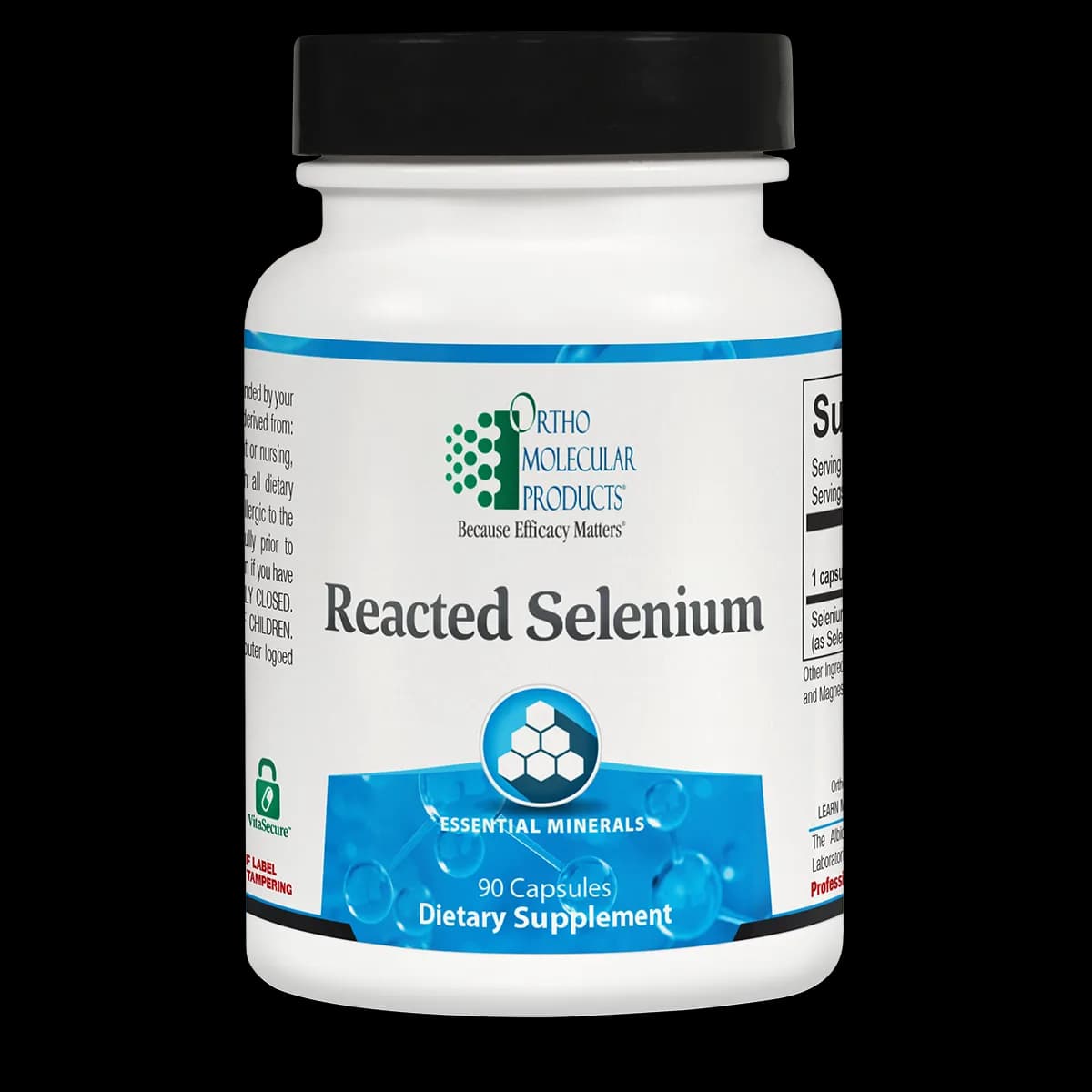
One critical piece of this complex biological puzzle is a trace mineral that often goes overlooked: selenium. While it is required only in microscopic amounts, selenium is an absolute powerhouse when it comes to regulating systemic inflammation, neutralizing free radicals, and stabilizing hyper-reactive immune cells. In this comprehensive guide, we will explore the intricate biochemistry of Reacted Selenium, specifically focusing on the highly bioavailable selenium glycinate form. We will dive deep into how this vital nutrient supports cellular recovery, helps manage the complex symptoms of post-viral syndromes, and why choosing the right chemical form is essential for optimal absorption and gastrointestinal comfort.
What is Reacted Selenium?
To understand how Reacted Selenium functions in the body, we must first look at its unique role at the molecular level. Unlike other essential minerals like magnesium or zinc, which typically act as external cofactors that temporarily bind to enzymes to help them function, selenium is actually genetically encoded directly into the structure of specific proteins. It is incorporated as the 21st amino acid, known as selenocysteine. The human genome encodes 25 distinct selenoproteins, and these specialized molecules are absolutely vital for human survival and cellular homeostasis. Without adequate selenium, the body simply cannot manufacture these protective proteins, leaving cells highly vulnerable to damage and dysfunction.
The majority of these 25 selenoproteins function as oxidoreductase enzymes, meaning they are responsible for regulating the delicate balance of oxidation and reduction (redox) within our cells. When our cells produce energy, they naturally generate reactive oxygen species (ROS) as a byproduct. In a healthy body, selenoproteins continuously neutralize these ROS before they can cause harm. One of the most critical selenoproteins is Selenoprotein P (SELENOP), which serves as the primary transporter of selenium through the bloodstream and also possesses its own intrinsic antioxidant properties. By ensuring a steady supply of selenium to tissues like the brain, heart, and immune system, SELENOP plays a foundational role in maintaining systemic health and preventing chronic inflammation.
The most well-studied and arguably the most important mechanism of selenium's antioxidant capability is carried out by a family of enzymes known as Glutathione Peroxidases (GPx). There are eight known GPx enzymes in mammals, with several of them being true selenoproteins that rely entirely on a steady supply of selenium to function. These enzymes act as the body's primary defense against peroxide damage, neutralizing harmful compounds like hydrogen peroxide and lipid hydroperoxides by converting them into harmless water or corresponding alcohols. This process is essential for protecting cellular DNA, proteins, and delicate mitochondrial membranes from being destroyed by oxidative stress.
The biochemical mechanism through which GPx operates is known as a catalytic "ping-pong" cycle. First, a toxic peroxide molecule oxidizes the selenol group on the GPx enzyme, effectively neutralizing the threat. Next, a molecule of reduced glutathione (the body's master intracellular antioxidant) reacts with the oxidized enzyme to begin the restoration process. Finally, a second glutathione molecule completes the reduction, restoring the GPx enzyme to its active state so it can immediately neutralize another peroxide molecule. This continuous, rapid-fire cycle is heavily dependent on optimal selenium levels; if selenium is depleted, the entire GPx cycle grinds to a halt, allowing oxidative damage to accumulate rapidly within the cell.
Within the Glutathione Peroxidase family, one specific enzyme stands out for its unique and life-saving capabilities: GPX4. While other GPx enzymes primarily clear water-soluble peroxides in the cellular fluid, GPX4 is uniquely capable of reducing complex lipid hydroperoxides directly within the fatty membranes of our cells. Our cellular membranes, particularly the membranes surrounding our energy-producing mitochondria, are made of highly vulnerable polyunsaturated fatty acids. When these lipids become oxidized by free radicals, it triggers a catastrophic chain reaction known as lipid peroxidation, which can literally tear the cell membrane apart.
Because of its unique ability to repair these oxidized lipids, GPX4 is now recognized by scientists as the master regulator of a process called ferroptosis. Ferroptosis is a recently discovered form of programmed cell death that is driven by iron-dependent lipid peroxidation. It is heavily implicated in neurodegeneration, chronic inflammation, and severe tissue damage. By providing the essential building block for GPX4, selenium acts as the ultimate safeguard against ferroptosis. It ensures that our cellular membranes remain intact and functional, even when the body is under severe physiological stress from viral infections or environmental toxins.
How Chronic Illness Impacts the Selenium System
When exploring What Causes Long COVID?, researchers consistently point to the profound physiological toll that acute viral infections take on the body's micronutrient reserves. During the initial phase of a SARS-CoV-2 infection, the immune system launches a massive inflammatory response to eradicate the virus, generating an enormous amount of reactive oxygen species (ROS) in the process. To prevent these ROS from destroying healthy tissue, the body rapidly consumes its stores of antioxidants, including glutathione and selenium. This massive consumption can lead to a severe, localized depletion of selenium, crippling the body's ability to manufacture protective selenoproteins just when they are needed most.
This post-viral depletion creates a vicious cycle that is central to the pathophysiology of Long COVID and ME/CFS. Without adequate selenium to fuel the Glutathione Peroxidase (GPx) cycle, oxidative stress runs rampant, damaging the mitochondria and impairing their ability to produce adenosine triphosphate (ATP), the energy currency of the cell. This mitochondrial dysfunction is a primary driver of the debilitating fatigue and post-exertional malaise (PEM) that patients experience. Furthermore, a fascinating 2023 study published in Redox Biology discovered that up to 15.6% of ME/CFS patients possess autoantibodies against Selenoprotein P (SELENOP), the primary selenium transporter. This suggests that even if these patients consume enough selenium in their diet, their immune system may be actively blocking its transport, leading to a functional, cellular-level deficiency that perpetuates chronic fatigue.
Mast cell activation syndrome (MCAS) is a complex immunological condition frequently seen alongside Long COVID and dysautonomia. Mast cells are the body's "first responder" immune cells, packed with granules containing histamine, prostaglandins, and other inflammatory mediators. In MCAS, these cells become hypersensitive and spontaneously degranulate, flooding the body with inflammation and causing symptoms ranging from hives and flushing to severe brain fog and digestive distress. The stability of these mast cells is heavily dependent on their internal redox balance, meaning they are exquisitely sensitive to oxidative stress.
When the body's antioxidant defenses are compromised due to selenium depletion, intracellular reactive oxygen species accumulate rapidly within the mast cells. This oxidative burden acts as a direct trigger, signaling the mast cells to degranulate even in the absence of a true allergen. The resulting flood of histamine and prostaglandins further drives systemic inflammation, creating a self-perpetuating loop of immune reactivity. By understanding this mechanism, we can see how a deficiency in a single trace mineral like selenium can have profound downstream effects, destabilizing the entire immune system and exacerbating the unpredictable, multi-system symptoms characteristic of MCAS.
Dysautonomia, including Postural Orthostatic Tachycardia Syndrome (POTS), involves the dysfunction of the autonomic nervous system, which controls automatic bodily processes like heart rate, blood pressure, and digestion. While sodium, potassium, and fluid volume are the most commonly discussed factors in POTS management, trace minerals like selenium play a critical underlying role in cardiovascular and autonomic health. The autonomic nervous system is highly vulnerable to neuroinflammation and oxidative damage, both of which are kept in check by selenium-dependent enzymes. When selenium levels drop, the delicate nerves that regulate vascular constriction and heart rate can become inflamed and dysfunctional.
Furthermore, selenium deficiency has been heavily linked to cardiovascular vulnerability. Epidemiological studies show that low serum selenium levels are strongly associated with an increased risk of cardiomyopathy and cardiovascular distress. In the context of Long COVID, where post-viral vascular damage and microclotting are prevalent, the heart and blood vessels are already under immense strain. A lack of adequate selenium deprives the cardiovascular system of its primary defense against lipid peroxidation, potentially worsening the endothelial dysfunction and erratic heart rates seen in dysautonomia patients. Maintaining optimal selenium status is therefore a crucial, though often overlooked, component of supporting autonomic stability.
Reacted Selenium: Supporting Cellular Recovery
For patients wondering Can Long COVID Trigger ME/CFS? Unraveling the Connection, the answer often lies in the mitochondria. Supplementing with Reacted Selenium offers a targeted approach to rehabilitating these cellular powerhouses. By providing the essential building blocks for the Glutathione Peroxidase (GPx) enzymes, selenium supplementation directly enhances the cell's ability to clear out the toxic peroxides that damage mitochondrial membranes. This reduction in oxidative stress allows the mitochondria to repair themselves and resume efficient ATP production. As the mitochondria heal, the profound, leaden fatigue that characterizes ME/CFS and Long COVID can begin to lift, allowing patients to slowly expand their energy envelope.
Crucially, selenium does not work in isolation when it comes to energy production; it has a profound synergistic relationship with Coenzyme Q10 (CoQ10). CoQ10 is a vital component of the mitochondrial electron transport chain, but to exert its antioxidant effects, it must be reduced into its active form, ubiquinol. This reduction process relies heavily on selenium-dependent enzymes. If a patient is deficient in selenium, taking high doses of CoQ10 may yield limited results, as the body cannot efficiently convert and utilize it. By supplementing with a highly bioavailable form like selenium glycinate, patients can "unlock" the full potential of their cellular energy pathways, supporting a more robust and sustained recovery from post-viral fatigue.
In the realm of functional medicine, selenium is increasingly recognized as a potent, natural mast cell stabilizer. A pivotal 2013 study published in Biological Trace Element Research demonstrated this mechanism beautifully. Researchers found that when mast cells were pre-treated with selenium, there was a significant decrease in the release of Prostaglandin D2 and beta-hexosaminidase upon allergen exposure. By boosting intracellular antioxidant capacity, selenium effectively "calms" the hyper-reactive mast cells, raising their threshold for degranulation. This means that environmental triggers, stress, or certain foods are less likely to provoke a massive inflammatory response.
For patients managing MCAS, this stabilization is profoundly impactful. Traditional antihistamines only block histamine receptors; they do not stop the mast cell from releasing histamine or other inflammatory chemicals in the first place. Selenium addresses the root cause of the reactivity by modulating the intracellular redox environment. By reducing the spontaneous dumping of inflammatory mediators, Reacted Selenium can help mitigate the widespread systemic inflammation, flushing, gastrointestinal distress, and neurological symptoms that make MCAS so difficult to live with. It acts as a foundational support, helping to quiet the immune system's constant alarm state.
The thyroid gland contains more selenium per gram of tissue than any other organ in the human body. This is because selenium is absolutely essential for the production and conversion of thyroid hormones. Specifically, selenium-dependent enzymes called deiodinases are responsible for converting the inactive thyroid hormone (T4) into its active form (T3), which regulates metabolism, body temperature, and energy levels throughout the body. In chronic illnesses like Long COVID and dysautonomia, thyroid function is often disrupted, leading to symptoms that mimic or exacerbate the underlying condition, such as severe fatigue, cold intolerance, and cognitive sluggishness.
By supplementing with Reacted Selenium, patients provide their bodies with the necessary catalyst to optimize this T4 to T3 conversion. Furthermore, selenium has been extensively studied for its ability to lower thyroid antibodies in autoimmune conditions like Hashimoto's thyroiditis, which frequently overlaps with POTS. By reducing autoimmune inflammation in the thyroid gland and ensuring adequate active thyroid hormone levels, selenium helps stabilize the metabolic fluctuations that can trigger adrenaline surges and tachycardia. This metabolic stabilization provides a more solid foundation for the autonomic nervous system, helping to smooth out the erratic heart rates and blood pressure swings associated with dysautonomia.

Symptoms Reacted Selenium May Help Manage
Brain fog is one of the most pervasive and disruptive symptoms of complex chronic illness. Reacted Selenium may help manage this symptom through several mechanisms:
Reduces Neuroinflammation: By boosting GPx activity in the brain, selenium helps neutralize the reactive oxygen species that drive neuroinflammation, a primary cause of cognitive sluggishness and memory issues.
Protects Neuronal Membranes: The GPX4 enzyme, fueled by selenium, prevents lipid peroxidation in the brain's fatty tissues, protecting delicate neuronal structures from damage.
Supports Neurotransmitter Balance: By stabilizing mast cells, selenium reduces the amount of histamine crossing the blood-brain barrier, which can otherwise cause severe neurological agitation and brain fog.
The crushing fatigue and post-exertional crashes experienced by ME/CFS and Long COVID patients are deeply tied to cellular energy failure. Selenium supports energy recovery by:
Enhancing Mitochondrial Repair: Selenium-dependent antioxidants protect the mitochondria from the oxidative damage generated during cellular respiration, allowing them to produce ATP more efficiently.
Synergizing with CoQ10: Selenium is required to convert CoQ10 into its active, antioxidant form (ubiquinol), maximizing the efficacy of cellular energy protocols.
Optimizing Thyroid Function: By facilitating the conversion of inactive T4 to active T3 thyroid hormone, selenium helps regulate systemic metabolism and combat endocrine-driven fatigue.
For those dealing with MCAS or generalized immune hyper-reactivity, the constant state of inflammation can be exhausting. Reacted Selenium aids in managing these symptoms by:
Stabilizing Mast Cells: Selenium lowers intracellular oxidative stress, raising the threshold for mast cell degranulation and preventing the spontaneous release of inflammatory mediators.
Reducing Prostaglandin Release: Clinical studies show selenium significantly decreases the release of Prostaglandin D2, a chemical responsible for deep tissue pain, flushing, and vasodilation.
Modulating Immune Response: Selenium helps shift macrophages toward an anti-inflammatory phenotype, reducing the overall burden of circulating pro-inflammatory cytokines like IL-1β.
Practical Considerations: Forms, Dosing, and Absorption
When selecting a selenium supplement, the chemical form is just as important as the dosage. Many lower-tier supplements use sodium selenite, an inorganic rock-salt form of selenium. While inexpensive to produce, sodium selenite has a notoriously low absorption rate, typically ranging from 40% to 50%. It relies on passive diffusion in the gut, meaning its absorption is easily blocked by stomach acidity, dietary factors like vitamin C, or competing minerals. Furthermore, human studies show that taking sodium selenite results in a rapid spike in blood levels followed by a massive increase in urinary excretion, meaning the body struggles to retain and utilize it effectively.
In contrast, Reacted Selenium utilizes selenium glycinate, an amino acid chelate. In this patented process, the elemental selenium is chemically bonded to the amino acid glycine. This creates a highly stable, pH-resistant molecule that survives the harsh environment of the stomach intact. Because it is bound to an amino acid, the body absorbs it through active dipeptide transport pathways in the intestines, completely bypassing the competition with other minerals. This results in exceptionally high bioavailability and cellular retention. Additionally, because the selenium is "hidden" within the glycine molecule, it is incredibly gentle on the stomach, preventing the gastrointestinal distress and nausea often associated with inorganic mineral salts.
While selenium is essential for health, it possesses a very narrow therapeutic window, meaning the line between an optimal dose and a toxic dose is relatively thin. The standard recommended dose for supporting chronic illness recovery, as seen in most clinical trials, is 200 micrograms (mcg) per day. Reacted Selenium provides exactly this evidence-based dose in a single capsule. It is crucial not to exceed this dosage without direct medical supervision, as excessive selenium accumulation (selenosis) can paradoxically act as a pro-oxidant, causing hair loss, nail brittleness, gastrointestinal issues, and even cardiac arrhythmias.
Because of this narrow window, functional medicine practitioners often recommend cycling selenium supplements or periodically testing blood serum levels to ensure they remain in the optimal range. For example, a patient might take Reacted Selenium daily for two to three months to replenish depleted stores and boost antioxidant enzyme activity, and then reduce the frequency to a few times a week for maintenance. It is also important to consider your dietary intake; if you regularly consume high-selenium foods like Brazil nuts (which can contain up to 90 mcg per nut), you may need to adjust your supplementation accordingly to avoid accidental overexposure.
To maximize the benefits of Reacted Selenium, it is helpful to understand how it interacts with other nutrients in your protocol. As mentioned earlier, selenium and Coenzyme Q10 are deeply synergistic; taking them together can significantly enhance mitochondrial repair and energy production. Additionally, selenium works closely with Vitamin E and Vitamin C to recycle antioxidants and maintain cellular redox balance. If you are exploring Learning to Eat Nutritionally with Changes to Your Sense of Smell and Taste, incorporating bioavailable proteins and healthy fats can further support the absorption and utilization of these fat-soluble antioxidants alongside your selenium supplement.
When taking selenium glycinate, timing is generally flexible because the chelated form is not heavily impacted by the presence of food or other minerals. However, many patients find it beneficial to take it with a meal to further ensure gastrointestinal comfort and to align it with their other daily supplements. If you are taking high doses of zinc or copper, the glycinate form of selenium is particularly advantageous, as it will not compete with these metals for absorption in the gut, ensuring that you receive the full therapeutic benefit of your entire mineral protocol.

Follow the Science
The scientific community is increasingly recognizing the therapeutic potential of selenium in managing post-viral syndromes and chronic fatigue. One of the most compelling pieces of evidence comes from the CoSeME Study (NCT05128292), an exploratory clinical trial conducted by the Hospital Universitari Vall d'Hebron Research Institute in Spain. This trial investigated the combined effect of 400 mg of CoQ10 and 200 µg of selenium daily for 8 weeks in patients diagnosed with ME/CFS. The results were highly encouraging: patients reported a statistically significant improvement in overall fatigue severity (p = 0.021) and global quality of life (p = 0.002). Furthermore, biomarker analysis revealed a significant increase in total antioxidant capacity and a profound reduction in circulating lipoperoxides (p < 0.0001), confirming that the supplementation successfully mitigated systemic oxidative stress.
In the context of Long COVID, researchers are actively investigating selenium's ability to prevent and manage persistent symptoms. Clinical trials, such as the randomized trial coordinated by the Germans Trias i Pujol University Hospital (NCT04751669), have utilized dietary supplementation protocols containing selenium to reduce the incidence of Long COVID at 6 months post-infection. The working hypothesis across these studies is that supranutritional doses of selenium are required to mitigate the initial cytokine storm and accelerate the regeneration of mitochondrial function, thereby directly addressing the severe fatigue and brain fog that plague COVID long-haulers.
The specific efficacy of selenium glycinate at the 200 mcg dosage is strongly supported by a pivotal 2011 double-blind, placebo-controlled trial published in Nutrition Research. Researchers at Ohio State University administered 200 mcg of selenium glycinate daily for 6 weeks to healthy middle-aged men. Prior to the study, it was widely assumed that this demographic already consumed enough dietary selenium to maximize their antioxidant enzymes. However, the trial demonstrated that selenium glycinate supplementation significantly raised both plasma and erythrocyte Glutathione Peroxidase (GPx) activity.
Furthermore, the active group in this study saw a significant decrease in serum prostate-specific antigen (PSA) levels, a primary biomarker used to evaluate prostate health and cancer risk, while the placebo group experienced no such changes. The researchers concluded that selenium glycinate possesses "especially high bioactivity," contradicting older beliefs about selenium saturation and proving that this specific chelated form can actively improve functional antioxidant status and positively impact glandular health markers.
Research into selenium's role as an immune modulator continues to expand, particularly regarding mast cell stability and autoimmune conditions. The aforementioned in vitro study on mast cell mediator release clearly demonstrated that selenium pre-treatment significantly decreases the release of inflammatory markers like Prostaglandin D2 and beta-hexosaminidase. This provides a solid mechanistic basis for its use in functional MCAS protocols. Additionally, a 2024 randomized trial evaluating selenium glycinate in Graves-Basedow Disease orbitopathy found that 200 μg/day of selenium glycinate had a positive, statistically significant effect on ocular involvement and autoimmune inflammation, further validating its potent anti-inflammatory properties even in patients who had sufficient baseline selenium levels.
The Path Forward
Living with conditions like Long COVID, ME/CFS, dysautonomia, and MCAS is an incredibly complex and often isolating journey. When you are constantly asking How Long Does Long COVID Last? and struggling to find medical professionals who understand the depth of your symptoms, it is easy to feel overwhelmed. Please know that your symptoms are real, they are rooted in profound physiological and cellular dysfunctions, and you are not alone in this fight. While there is no single "magic pill" that will instantly cure these complex post-viral syndromes, understanding the biochemistry of your body is a powerful first step toward reclaiming your health and improving your quality of life.
The science surrounding mitochondrial dysfunction, oxidative stress, and immune hyper-reactivity provides incredibly validating answers for why you feel the way you do. By targeting these root-cause mechanisms with precision nutrients, you can begin to slowly rebuild your cellular resilience. It is a process that requires patience, pacing, and profound self-compassion, but every small step toward cellular balance is a victory worth celebrating.
Reacted Selenium represents a highly targeted, scientifically backed tool for supporting your body's innate healing pathways. By providing the essential building blocks for your master antioxidant enzymes, stabilizing hyper-reactive mast cells, and supporting vital thyroid conversion, this highly bioavailable selenium glycinate formulation addresses multiple facets of chronic illness simultaneously. As with any new supplement, it is crucial to approach it as one piece of a broader, comprehensive management strategy that includes adequate rest, nervous system regulation, and symptom tracking.
Always consult with your healthcare provider before introducing a new supplement into your regimen, especially to ensure it aligns with your specific lab results, current medications, and overall health goals. If you and your medical team determine that targeted antioxidant and immune support is the right next step for your recovery journey, consider exploring the benefits of this specialized formulation.