Can Reacted Magnesium & Potassium Support Heart Health in Long COVID and POTS?
March 6, 2026
Reacted Magnesium & PotassiumLong COVIDDysautonomia
Share:
Disclaimer: The information provided here is for educational purposes only and is not intended as medical advice. It should not be used to diagnose, treat, cure, or prevent any medical condition. Instead, use it as a starting point for discussion with your healthcare provider. Always consult with a qualified healthcare provider before starting any new medication, supplement, device, or making changes to your health regimen.
Imagine standing up from your bed, only to feel your heart instantly begin to race, pounding against your ribs as if you've just sprinted a marathon. Your vision blurs, a wave of dizziness washes over you, and a profound, heavy fatigue settles into your muscles. For individuals living with complex chronic conditions like Long COVID, myalgic encephalomyelitis/chronic fatigue syndrome (ME/CFS), and postural orthostatic tachycardia syndrome (POTS), this terrifying cardiovascular dysregulation is not a rare occurrence; it is a daily, exhausting reality. The autonomic nervous system, which is supposed to quietly manage your heart rate and blood pressure in the background, is suddenly misfiring, leaving you feeling entirely out of control of your own body.
When searching for answers to these debilitating autonomic and cardiovascular symptoms, patients are often told to simply "drink more water and eat more salt." While sodium is indeed a critical piece of the puzzle for expanding blood volume, it is only one part of a delicate, highly interdependent triad of electrolytes. Magnesium and potassium are the unsung heroes of cardiovascular stability, nerve conduction, and cellular energy production. Without adequate intracellular levels of these two essential minerals, the body cannot regulate its electrical rhythms, calm its nervous system, or produce the energy required to heal. In this comprehensive guide, we will explore the profound science behind Reacted Magnesium & Potassium, detailing how these specific chelated minerals work at the molecular level to support patients navigating the complex landscape of post-viral illness and dysautonomia.
What is Reacted Magnesium & Potassium?
The Essential Roles of Magnesium and Potassium
Magnesium is the fourth most abundant mineral in the human body and serves as a mandatory cofactor for over 300 distinct enzymatic reactions. At the molecular level, magnesium is fundamentally responsible for the synthesis of DNA and RNA, the structural development of bone, and the regulation of muscle and nerve function. However, its most critical role lies in cellular energy production; adenosine triphosphate (ATP), the primary energy currency of the cell, must bind to a magnesium ion to become biologically active. Without adequate intracellular magnesium, the body simply cannot generate the energy required to sustain basic physiological processes, leading to profound systemic fatigue. Furthermore, magnesium acts as a natural calcium channel blocker, regulating the influx of calcium into cells to prevent excessive muscular contractions and nerve excitability, a mechanism highlighted in research published in MDPI.
Potassium, on the other hand, is the primary intracellular cation—a positively charged ion that resides predominantly inside the cells. While sodium is responsible for maintaining the volume of fluid outside the cells (in the blood plasma), potassium is tasked with maintaining fluid balance and osmotic pressure within the cellular environment. This delicate balance between intracellular potassium and extracellular sodium is what generates the electrical gradients necessary for nerve impulse transmission and muscle contraction. In the cardiovascular system, potassium is the "electrical technician" that governs myocardial repolarization, the critical resetting phase of the heart muscle after each beat. A deficiency in potassium, known as hypokalemia, can severely disrupt this electrical signaling, leading to dangerous arrhythmias, palpitations, and profound muscle weakness.
The Sodium-Potassium Pump and Cellular Voltage
To truly understand the importance of these minerals, we must look at a microscopic engine found in the membrane of nearly every cell in the human body: the sodium-potassium pump (Na+/K+-ATPase). This vital enzyme complex works tirelessly to maintain the electrochemical gradient across the cell membrane by actively pumping three sodium ions out of the cell and bringing two potassium ions in. This continuous exchange creates a resting membrane potential, a slight negative charge inside the cell that acts like a loaded spring, ready to fire electrical signals the moment a nerve or muscle needs to activate. The proper functioning of this pump is absolutely essential for everything from a steady heartbeat to the cognitive firing of neurons in the brain.
However, this microscopic pump is incredibly energy-intensive, consuming up to a third of the body's total ATP production at rest. Because ATP must be bound to magnesium to be utilized, the sodium-potassium pump is entirely dependent on adequate magnesium levels to function. If magnesium is depleted, the pump stalls. When the pump fails, sodium begins to accumulate dangerously inside the cell, while potassium leaks out and is subsequently excreted by the kidneys. This creates a vicious cycle where a magnesium deficiency directly causes an intracellular potassium deficiency, a phenomenon well-documented in clinical literature. This is why supplementing with potassium alone is often ineffective; without magnesium to power the pump, the body cannot hold onto the potassium it receives.
Why Chelated Forms Matter
When patients attempt to correct mineral deficiencies, they often turn to inexpensive, over-the-counter supplements like magnesium oxide or potassium chloride. Unfortunately, these inorganic salts are notoriously difficult for the human digestive system to absorb. Magnesium oxide, for instance, relies on passive ion diffusion and has a documented fractional absorption rate of as low as 4%. The remaining unabsorbed magnesium travels down into the lower intestines, where it acts as an osmotic laxative, pulling water into the bowel and causing severe gastrointestinal distress, cramping, and diarrhea. For patients already dealing with the gastrointestinal symptoms of dysautonomia or Long COVID, these side effects are entirely counterproductive and can exacerbate dehydration.
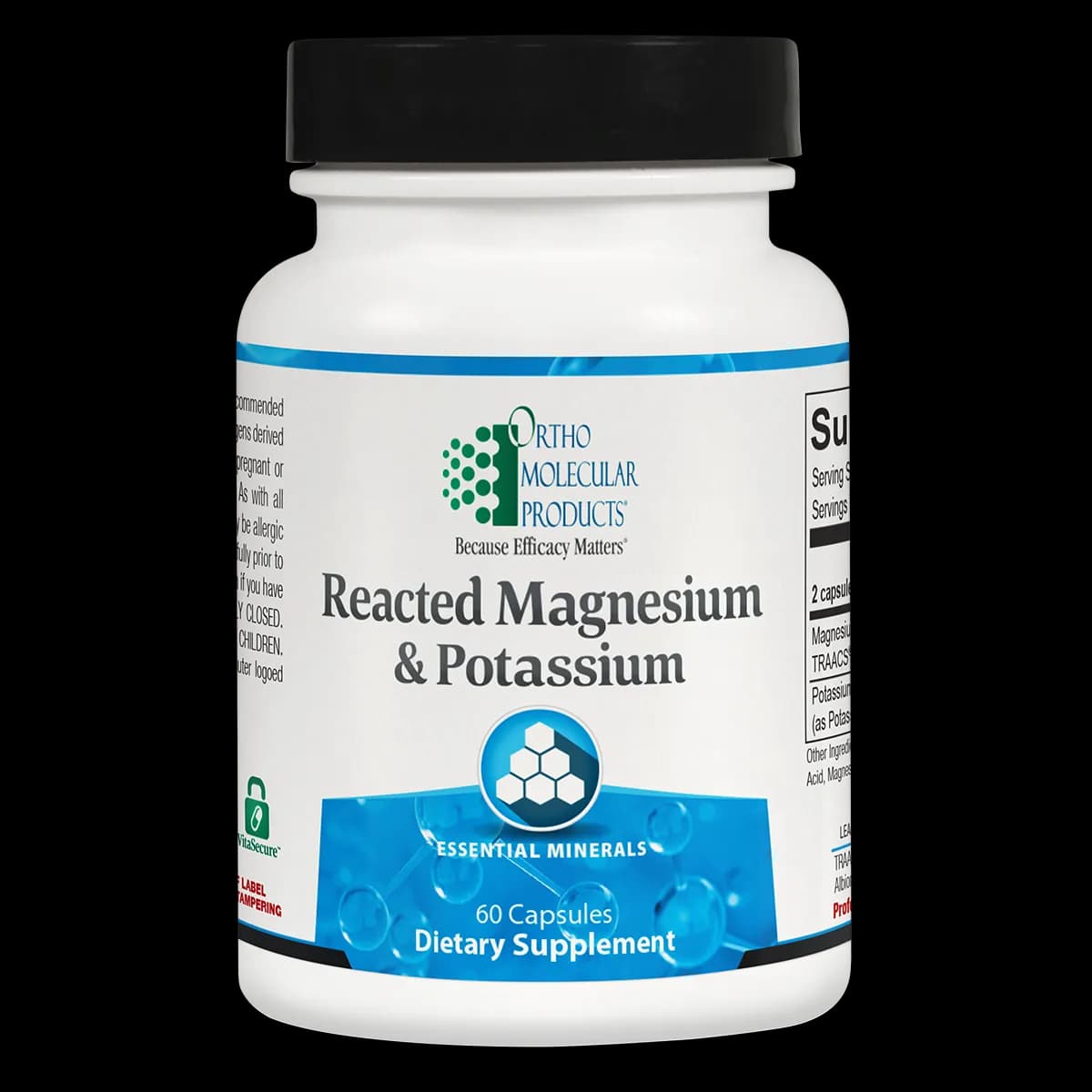
This is where the science of amino acid chelation becomes transformative. Reacted Magnesium & Potassium utilizes Albion® chelated forms, specifically magnesium glycinate, dimagnesium malate, and potassium glycinate complex. Chelation is a biochemical process where the elemental mineral is tightly bound (chelated) to an organic molecule, such as an amino acid like glycine or malic acid. This unique structure mimics a dipeptide, allowing the mineral to bypass the standard, highly competitive ion channels in the gut and instead be absorbed through specialized amino acid transport pathways. Because the mineral is "pinched" between amino acids, it is protected from binding to dietary inhibitors like phytates and oxalates. The result is a highly bioavailable compound that is absorbed efficiently into the bloodstream, leaving virtually no unabsorbed mineral in the gut to cause gastrointestinal upset.
How Chronic Illness Impacts Mineral Balance
The Autonomic Nervous System in Overdrive
Patients with dysautonomia, particularly POTS, exist in a chronic hyperadrenergic state, meaning their sympathetic nervous system (the "fight or flight" response) is constantly activated. When a POTS patient stands up, blood pools in their lower extremities due to poor vascular tone, leading to a state of hypovolemia (low effective blood volume). To compensate for the lack of blood reaching the brain, the body dumps massive amounts of adrenaline and norepinephrine into the bloodstream, triggering severe tachycardia and palpitations. This constant surge of stress hormones rapidly depletes intracellular magnesium stores, as magnesium is heavily utilized by the body to metabolize catecholamines and calm the nervous system. As magnesium levels plummet, the nervous system becomes even more excitable, creating a vicious cycle of autonomic dysfunction and mineral wasting.
Furthermore, the management of POTS often involves high-sodium diets and medications like fludrocortisone, a synthetic mineralocorticoid. While fludrocortisone is highly effective at signaling the kidneys to retain sodium and expand blood volume, it has a significant biochemical trade-off: it forces the kidneys to aggressively excrete potassium and magnesium in the urine. This iatrogenic (medication-induced) mineral wasting can lead to severe hypokalemia and hypomagnesemia if not carefully managed. Without targeted supplementation, patients may find that their POTS symptoms paradoxically worsen, as the cellular dehydration and electrical instability caused by low potassium and magnesium override the benefits of the expanded blood volume.
Mitochondrial Exhaustion in ME/CFS and Long COVID
In conditions like ME/CFS and Long COVID, the core pathophysiology revolves around profound mitochondrial dysfunction and a stress-induced hypermetabolic state. The mitochondria, the powerhouses of the cells, become damaged by viral persistence, chronic inflammation, and oxidative stress. As the mitochondria struggle to produce adequate ATP, they burn through cellular reserves of magnesium at an unsustainable rate. Because ATP must be bound to magnesium to function, this depletion further cripples the body's ability to generate energy, directly driving the debilitating fatigue and post-exertional malaise (PEM) that define these illnesses. You can learn more about unraveling the connection between Long COVID and ME/CFS to understand how these profound energy deficits overlap across conditions.
Additionally, chronic viral infections trigger a sustained immune response that generates high levels of reactive oxygen species (ROS), leading to systemic oxidative stress. Magnesium is a critical component of the body's antioxidant defense systems, particularly in the synthesis of glutathione, the master antioxidant. As the body desperately tries to neutralize the oxidative damage caused by Long COVID, it exhausts its magnesium supplies. This depletion leaves the cells vulnerable to further inflammatory damage, perpetuating the cycle of mitochondrial failure and systemic exhaustion. Understanding what causes Long COVID at a cellular level highlights why restoring these foundational minerals is so critical for long-term recovery and symptom management.
Endothelial Dysfunction and Microclotting
Emerging research into the neuroimmune pathophysiology of Long COVID has highlighted the profound role of endothelial dysfunction—the inflammation and impairment of the inner lining of the blood vessels. The SARS-CoV-2 virus is known to directly attack endothelial cells, leading to widespread vascular inflammation, impaired nitric oxide production, and the formation of persistent microclots. Magnesium plays a vital role in maintaining endothelial health by regulating intracellular calcium levels. When magnesium is deficient, calcium floods into the endothelial and smooth muscle cells, causing severe vasoconstriction, arterial spasms, and a reduction in vital blood flow to the brain and organs, as explored in a comprehensive 2024 review in ScienceDirect.
This vascular constriction exacerbates the symptoms of dysautonomia and contributes to the cognitive impairment, or "brain fog," frequently reported by patients. Furthermore, low magnesium levels have been associated with elevated levels of Transforming Growth Factor-beta (TGF-β), an inflammatory cytokine heavily implicated in the fibrotic changes and chronic inflammation seen in post-viral syndromes. By failing to maintain adequate magnesium and potassium balances, the vascular system remains in a state of chronic constriction and hyper-coagulability, making it incredibly difficult for the body to clear microclots and restore normal tissue perfusion to oxygen-starved muscles and nerves.
Reacted Magnesium & Potassium: Supporting Cardiovascular and Cellular Function
Restoring the ATP-Magnesium Complex for Energy
To combat the crushing fatigue of ME/CFS and Long COVID, cellular energy production must be restored at the mitochondrial level. Supplementing with highly bioavailable magnesium directly supports the formation of the Mg-ATP complex, the biologically active form of cellular energy. Without this complex, the enzymes responsible for glycolysis and the Krebs cycle cannot function. Reacted Magnesium & Potassium specifically utilizes DiMagnesium Malate, a form of magnesium bound to malic acid. Malic acid is a naturally occurring compound that plays a direct, vital role as an intermediate in the Krebs cycle (citric acid cycle). By providing both magnesium and malic acid simultaneously, this supplement delivers a dual-action approach to reviving exhausted mitochondria and boosting ATP synthesis.
This targeted mitochondrial support is particularly crucial for managing post-exertional malaise (PEM). When patients with ME/CFS exert themselves, their impaired mitochondria cannot produce enough aerobic energy, forcing the body into anaerobic metabolism. This leads to a rapid buildup of lactic acid and a severe depletion of intracellular ATP. By ensuring that magnesium and malic acid are readily available, the cells are better equipped to maintain aerobic respiration, potentially raising the patient's anaerobic threshold and reducing the severity of post-exertional crashes.
Regulating the NMDA Receptor and Sympathetic Tone
For patients battling the hyperadrenergic surges of POTS and dysautonomia, calming the central nervous system is a primary therapeutic goal. Magnesium acts as a natural, voltage-gated antagonist at the N-methyl-D-aspartate (NMDA) receptor in the brain. The NMDA receptor is an excitatory pathway that, when activated by glutamate and calcium, triggers the "fight or flight" sympathetic response. In a healthy state, a magnesium ion sits inside the NMDA receptor channel, blocking excess calcium from entering. However, when magnesium is depleted by chronic stress or viral illness, this protective block is removed, allowing calcium to flood the neurons and causing severe neurological excitability, anxiety, and sympathetic overdrive.
By replenishing intracellular magnesium levels, Reacted Magnesium & Potassium helps restore the magnesium block on the NMDA receptors. This effectively dampens the hyper-excitability of the nervous system, reducing the massive adrenaline dumps that trigger POTS flares. Furthermore, the inclusion of Magnesium Glycinate provides an additional layer of neurological support. Glycine is an inhibitory neurotransmitter that actively promotes relaxation and parasympathetic nervous system activity. The combination of magnesium's NMDA-blocking properties and glycine's calming effects creates a powerful tool for shifting the body out of chronic "fight or flight" and into a state of "rest and digest."
TRPM3 Ion Channels and Immune Surveillance
One of the most significant recent breakthroughs in ME/CFS research involves the discovery of widespread dysfunction in Transient Receptor Potential Melastatin 3 (TRPM3) ion channels. TRPM3 channels are non-selective cation channels that are highly permeable to calcium and magnesium, and they are heavily expressed on the surface of Natural Killer (NK) cells. Recent research on TRPM3 has confirmed that these channels are severely impaired in ME/CFS patients, leading to a disastrous disruption of intracellular magnesium and calcium homeostasis. This impairment directly compromises the ability of NK cells to perform immune surveillance and clear persistent viral infections.
While supplementing with magnesium cannot genetically repair a dysfunctional TRPM3 channel, maintaining high, bioavailable levels of extracellular magnesium ensures that whatever functional channels remain have an abundant supply of the mineral to draw from. By optimizing the concentration gradient of magnesium outside the cell, supplementation may help facilitate passive diffusion and support the residual function of these critical immune pathways. This mechanistic support is vital for patients whose immune systems are locked in a state of chronic, ineffective activation against latent viruses.
Stabilizing Cardiac Rhythm and Vascular Tone
The cardiovascular symptoms of dysautonomia—ranging from terrifying palpitations to severe blood pressure fluctuations—are deeply tied to the electrical stability of the heart muscle. The Potassium Glycinate Complex in this formulation directly addresses the hypokalemia that often drives these arrhythmias. Potassium is required for the rapid repolarization of the myocardial cells; it resets the electrical charge of the heart so it can beat cleanly and efficiently. By providing a highly absorbable form of potassium, the supplement helps stabilize the cardiac action potential, reducing the frequency of premature ventricular contractions and erratic heartbeats.
Simultaneously, the magnesium component works to relax the smooth muscle lining the blood vessels. By preventing excess calcium from causing severe arterial spasms, magnesium promotes healthy vasodilation and improves endothelial function. This dual action—potassium stabilizing the electrical rhythm and magnesium relaxing the vascular tone—creates a comprehensive approach to managing the cardiovascular chaos of Long COVID and POTS. For patients navigating these complex cardiovascular issues, understanding how a doctor diagnoses Long COVID and evaluates these specific autonomic markers is a crucial step in building an effective treatment plan.

Symptoms Magnesium and Potassium May Help Manage
Cardiovascular and Autonomic Symptoms
Tachycardia and Palpitations: By acting as a natural calcium channel blocker and supporting myocardial repolarization, magnesium and potassium help stabilize erratic heart rhythms and reduce the severity of POTS-induced heart rate spikes.
Blood Pressure Fluctuations: Magnesium promotes healthy vasodilation by relaxing the smooth muscles of the blood vessels, helping to mitigate the severe arterial spasms and hypertension often seen in hyperadrenergic dysautonomia.
Medication-Induced Mineral Depletion: For patients taking fludrocortisone to expand blood volume, targeted supplementation replaces the massive amounts of potassium and magnesium that the kidneys are forced to excrete, preventing iatrogenic hypokalemia.
Muscular and Neurological Symptoms
Muscle Cramping and Spasms: By restoring the function of the sodium-potassium pump, these minerals help clear excess intracellular sodium and prevent the painful, sustained muscle contractions frequently reported by ME/CFS patients.
Migraines and Headaches: Magnesium regulates vascular tone in the brain and blocks the NMDA receptors responsible for neurological excitability, significantly reducing the frequency and severity of dysautonomia-related migraines.
Tremors and Nervous System Excitability: The glycine amino acid bound to the magnesium acts as an inhibitory neurotransmitter, calming the central nervous system and reducing the physical tremors associated with sympathetic overdrive.
Energy and Cognitive Symptoms
Profound Fatigue and PEM: By providing the essential cofactors for the Mg-ATP complex and delivering malic acid directly to the Krebs cycle, this formulation supports mitochondrial aerobic respiration and helps raise the anaerobic threshold.
Brain Fog and Cognitive Impairment: Improved endothelial function and vascular relaxation allow for better cerebral blood flow, ensuring that oxygen and vital nutrients can reach the brain tissues to combat cognitive dysfunction.
Sleep Disturbances: The calming effect of magnesium glycinate on the NMDA receptors helps shift the body out of a chronic "fight or flight" state, promoting deeper, more restorative sleep cycles essential for cellular repair.
Practical Considerations: Forms, Dosing, and Absorption
The Superiority of Amino Acid Chelates
When selecting a mineral supplement, bioavailability—the proportion of the nutrient that actually enters the systemic circulation—is the most critical factor. Reacted Magnesium & Potassium utilizes TRAACS® (The Real Amino Acid Chelate System) technology by Albion. This patented process binds the elemental magnesium and potassium to amino acids, creating a molecule that is small enough to pass completely intact through the intestinal wall. Because the body recognizes the amino acid structure, it actively transports the chelate across the gut lining using specialized peptide channels, entirely bypassing the competitive and easily saturated ion channels that standard minerals rely on.
This advanced absorption mechanism solves the most common problem associated with mineral supplementation: gastrointestinal distress. Inorganic forms like magnesium oxide or citrate are poorly absorbed, leaving large amounts of the mineral in the digestive tract. These unabsorbed minerals act as osmotic laxatives, pulling water into the bowels and causing severe diarrhea, bloating, and cramping. The chelated forms in Reacted Magnesium & Potassium are absorbed so efficiently that virtually no residual mineral is left behind to irritate the gut, making it an ideal choice for patients with sensitive digestive systems or those suffering from Long COVID-induced gastrointestinal issues.
DiMagnesium Malate vs. Magnesium Glycinate
This specific formulation is unique because it combines two of the most highly regarded forms of chelated magnesium: DiMagnesium Malate and Magnesium Lysinate Glycinate. DiMagnesium Malate is formed by bonding two magnesium ions to a molecule of malic acid. Because malic acid is a direct participant in the Krebs cycle, this form is exceptionally effective at supporting cellular energy production and combating the deep, muscular fatigue associated with ME/CFS. It is often considered the most "energizing" form of magnesium, making it highly beneficial for daytime use to support physical stamina and reduce muscle tenderness.
Conversely, Magnesium Lysinate Glycinate binds magnesium to the amino acids lysine and glycine. Glycine is well-documented for its role as an inhibitory neurotransmitter in the brain, promoting relaxation, reducing anxiety, and supporting restorative sleep. By combining both the malate and glycinate forms, this supplement provides a beautifully balanced therapeutic profile: the malate drives mitochondrial energy production to combat fatigue, while the glycinate calms the hyperactive autonomic nervous system and supports neurological stability. This dual-action approach is perfectly tailored to the complex, multi-systemic nature of post-viral syndromes.
Dosing Strategies and Medication Interactions
The suggested use for Reacted Magnesium & Potassium is 1-2 capsules three times per day, or as recommended by a healthcare professional. Because the chelated forms are so gentle on the stomach, they can typically be taken with or without food, though taking them with a small meal may further enhance absorption. For patients with POTS, spacing the doses throughout the day helps maintain a steady concentration of electrolytes in the bloodstream, preventing the sharp drops in potassium that can trigger sudden tachycardic flares or palpitations.
It is absolutely critical for patients to discuss electrolyte supplementation with their prescribing physician, particularly if they are taking medications for dysautonomia. As previously mentioned, fludrocortisone causes significant potassium and magnesium wasting, making supplementation almost mandatory. However, other medications, such as potassium-sparing diuretics (e.g., spironolactone) or certain blood pressure medications (ACE inhibitors), can cause the body to retain potassium. In these cases, adding extra potassium could lead to hyperkalemia, a dangerous condition that affects heart rhythm. Always consult with your specialist to ensure your electrolyte protocol is perfectly balanced with your specific medication regimen, a concept further explored in our guide on managing diabetes and Long COVID.

Follow the Science
Electrolyte Supplementation and Long COVID Cardiac Injury
The clinical relevance of targeted electrolyte replacement in post-viral syndromes is supported by robust, emerging research. A 2025 retrospective study published by Li et al. analyzed 144 Long COVID patients suffering from long-term cardiac injury and dysautonomia. The researchers administered a targeted 14-day protocol of potassium and magnesium supplementation and utilized multivariable linear regression analysis to measure the outcomes. The results were highly significant: the supplemented group experienced a profound decrease in premature cardiac contractions and a marked improvement in Heart Rate Variability (HRV) indices across both high and low-frequency domains.
Furthermore, the study documented significantly lower Minnesota Heart Failure Quality of Life scores and decreased Numerical Rating Scale (NRS) pain and symptom scores among the patients receiving the electrolytes. This clinical data clearly demonstrates that replenishing potassium and magnesium is not just a theoretical exercise; it produces measurable, statistically significant improvements in electrical conduction, autonomic stability, and overall quality of life for patients suffering from Long COVID-induced cardiac dysautonomia.
TRPM3 Dysfunction in ME/CFS
The mechanistic understanding of why ME/CFS patients so desperately need magnesium has been vastly expanded by recent neuroimmunology research. Recent research on TRPM3 confirmed widespread TRPM3 ion channel dysfunction in a large-scale investigation of ME/CFS patients. Using whole-cell patch-clamp electrophysiology on isolated Natural Killer cells, researchers proved that these calcium and magnesium-permeable channels are fundamentally impaired.
Because TRPM3 regulates the cellular influx of magnesium, its failure establishes a clear pathomechanism for the severe intracellular magnesium depletion seen in ME/CFS. This research, alongside insights from Psychiatry and Clinical Neurosciences regarding neuroimmune pathophysiology, validates the clinical observation that these patients require highly bioavailable, aggressively dosed magnesium to overcome the impaired cellular transport mechanisms and support basic immune and mitochondrial function.
Oral Rehydration and Dysautonomia Management
The necessity of balancing sodium with potassium and magnesium in dysautonomia is well-documented in cardiovascular literature. A landmark study in Hypertension by Claydon & Hainsworth demonstrated that comprehensive electrolyte supplementation significantly improved orthostatic cerebral blood flow and peripheral vascular control in patients with syncope and orthostatic intolerance. The study proved that expanding blood volume requires more than just water; it requires a precise matrix of electrolytes to maintain osmotic pressure and vascular tone.
Additionally, The Scottsdale Magnesium Study published in the Journal of the American College of Nutrition evaluated the exact chelated forms used in Reacted Magnesium & Potassium. The trial found that supplementing with dimagnesium malate resulted in a massive 30–36% increase in Red Blood Cell (RBC) magnesium levels over 90 days, with 100% of continuing participants reporting zero gastrointestinal side effects. This confirms that these specific amino acid chelates are capable of safely and effectively restoring deep intracellular mineral stores without compromising gut health.
The Path Forward
A Comprehensive Approach to Dysautonomia and Fatigue
Living with the unpredictable, terrifying symptoms of POTS, ME/CFS, and Long COVID can feel like an endless battle against your own body. When your heart races simply from standing up, and your energy reserves are entirely depleted by basic daily tasks, it is easy to feel overwhelmed and discouraged. However, understanding the deep, cellular mechanisms driving these symptoms—such as mitochondrial exhaustion, TRPM3 dysfunction, and the failure of the sodium-potassium pump—provides a clear, scientific roadmap for management. You are not simply "anxious" or "deconditioned"; your body is fighting a complex biochemical war, and it requires the right molecular tools to stabilize itself.
Validating Your Invisible Symptoms
Reacted Magnesium & Potassium offers a highly targeted, scientifically validated approach to restoring the foundational minerals your autonomic nervous system and mitochondria desperately need. By utilizing advanced amino acid chelation, this formulation ensures that the magnesium and potassium are absorbed efficiently into the bloodstream, bypassing the gastrointestinal distress caused by inferior supplements. Whether you are trying to calm a hyperadrenergic nervous system, stabilize erratic cardiac rhythms, or revive exhausted cellular energy pathways, these essential minerals are a critical component of a comprehensive recovery protocol. Learning how you can live with long-term COVID involves embracing these targeted, physiological supports.
Next Steps for Your Health Journey
While supplements are a powerful tool, they are most effective when integrated into a holistic management strategy that includes aggressive pacing, adequate hydration, sodium loading (when appropriate for POTS), and close collaboration with a dysautonomia-literate healthcare provider. Always consult with your medical team before starting a new supplement, especially if you are taking prescription medications that alter electrolyte balances. By taking a proactive, science-based approach to your cellular health, you can begin to regain control over your autonomic nervous system and improve your daily quality of life.
Sources
Clinical Trials and Retrospective Studies
Pathophysiology and Mechanistic Reviews
ScienceDirect (2024). Mechanisms of long COVID and the path toward therapeutics.
Psychiatry and Clinical Neurosciences (2025). Neuroimmune pathophysiology of long COVID.
MDPI (2023/2024). The Significance of Low Magnesium Levels in COVID-19 Patients.