Can Iron Supplementation Help Manage Fatigue in Long COVID and POTS?
March 6, 2026
Reacted IronLong COVIDME/CFS
Share:
Disclaimer: The information provided here is for educational purposes only and is not intended as medical advice. It should not be used to diagnose, treat, cure, or prevent any medical condition. Instead, use it as a starting point for discussion with your healthcare provider. Always consult with a qualified healthcare provider before starting any new medication, supplement, device, or making changes to your health regimen.
Months or even years after a mild SARS-CoV-2 infection, many patients find themselves trapped in a cycle of debilitating exhaustion, dizziness, and cognitive dysfunction. For individuals navigating the complex realities of Long COVID, myalgic encephalomyelitis/chronic fatigue syndrome (ME/CFS), and postural orthostatic tachycardia syndrome (POTS), the search for answers often leads to the very foundation of human cellular biology: how our bodies transport oxygen and generate energy. When the body's natural mechanisms for managing these processes break down, the resulting symptoms can be profound, unpredictable, and entirely life-altering.
Recent clinical research has illuminated a critical piece of this puzzle: iron dysregulation. While iron is one of the most abundant minerals on earth and essential to human physiology, viral infections and chronic autonomic dysfunction can severely disrupt how iron is stored, transported, and utilized at the cellular level. This disruption starves the brain and muscles of oxygen, stalling mitochondrial energy production and exacerbating the severe fatigue and orthostatic intolerance that define these invisible illnesses. Understanding how to safely and effectively restore this balance—particularly through highly absorbable forms like Reacted Iron (ferrous bisglycinate)—is becoming a cornerstone of comprehensive chronic illness management.
What is Reacted Iron?
The Foundation of Oxygen Transport
Iron is a fundamentally essential micronutrient that dictates the body's ability to survive and function. At a macroscopic level, iron is the integral structural component of hemoglobin and myoglobin—the specialized proteins responsible for oxygen transport and storage. Hemoglobin, which accounts for nearly two-thirds of the body's total iron, is housed within red blood cells and acts as a molecular shuttle, binding to oxygen in the lungs and delivering it to tissues and organs throughout the body. Without adequate iron, the body cannot synthesize enough hemoglobin, leading to a state of cellular hypoxia where tissues are literally starved of the oxygen they need to perform basic metabolic functions.
Beyond hemoglobin, approximately one-sixth of the body's iron is stored intracellularly as ferritin. Ferritin acts as a biological reserve, safely sequestering iron until dietary intake drops or physiological demands increase. This storage system is highly regulated because while iron is essential, "free" or unbound iron is highly reactive and can cause severe oxidative damage to tissues. The body must maintain a delicate, tightly controlled balance—absorbing just enough iron from the diet to support oxygen transport and energy needs, while safely storing the rest to prevent toxicity.
Driving Mitochondrial Energy Production
At the microscopic, cellular level, iron's role is even more complex and vital. It is the biochemical engine driving the mitochondria, the powerhouses of our cells. Iron's primary mechanism of action revolves around its unique ability to undergo reversible redox cycling—meaning it can readily accept and donate electrons by shifting between its ferrous (Fe²⁺) and ferric (Fe³⁺) states. This chemical flexibility makes iron the structural and functional core of the Electron Transport Chain (ETC), the mitochondrial pathway responsible for producing adenosine triphosphate (ATP), the primary energy currency of the cell.
Within the mitochondria, iron is synthesized into intricate iron-sulfur (Fe-S) clusters and heme groups. These metallic clusters are embedded throughout the massive protein complexes of the ETC (Complexes I, II, III, and IV). As electrons are stripped from the food we eat, they are passed down this chain of iron clusters. Because each successive iron-containing cluster has a higher electron affinity than the last, the electrons flow thermodynamically downhill, releasing energy. This energy pumps protons across the mitochondrial membrane, creating an electrochemical gradient that ultimately drives the synthesis of ATP. Without sufficient iron, this entire bioenergetic assembly line grinds to a halt, resulting in profound, unyielding cellular fatigue.
The Advantage of Ferrous Bisglycinate Chelate
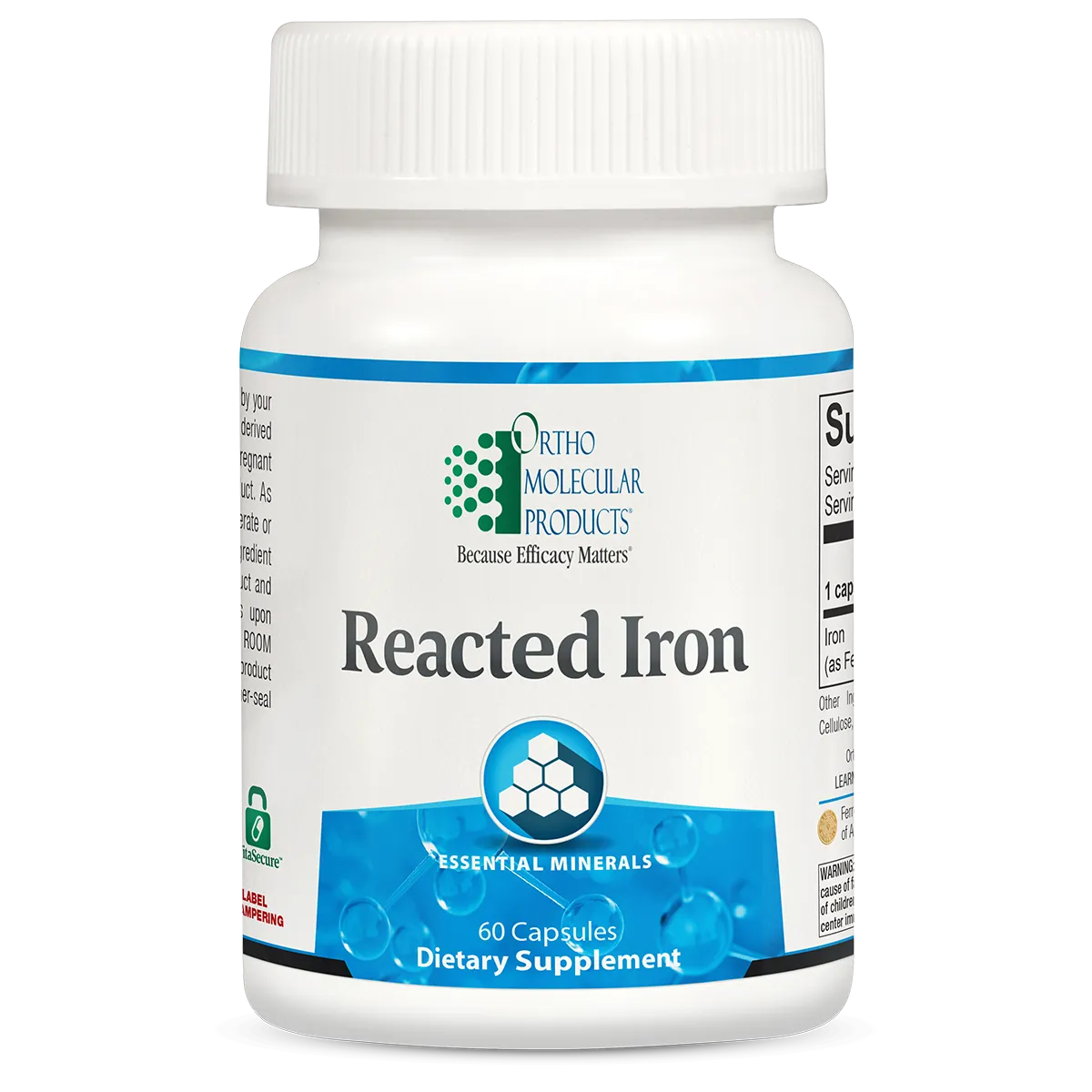
Not all iron is created equal when it comes to human digestion and cellular utilization. Traditional iron supplements often rely on ferrous sulfate, an inorganic iron salt that requires high amounts of stomach acid to dissolve and is notoriously difficult for the body to absorb. In contrast, Reacted Iron utilizes a specialized amino acid chelate form known as ferrous bisglycinate. In this formulation, the iron molecule is chemically bound to two molecules of the amino acid glycine.
This chelated structure fundamentally changes how the body interacts with the mineral. Because the human digestive tract is highly efficient at absorbing amino acids, the ferrous bisglycinate is actively transported through the intestinal wall via amino acid pathways, completely bypassing the standard, easily disrupted mineral absorption process. This protects the iron from being neutralized by stomach acid or bound by dietary inhibitors like calcium or tannins, resulting in dramatically enhanced bioavailability and optimal utilization by the cells that desperately need it.
How Long COVID and POTS Impact Iron Regulation
Viral Infection and Iron Trapping
The pathophysiology of Long COVID and ME/CFS is deeply intertwined with how the immune system handles iron during and after a viral threat. During an acute infection like SARS-CoV-2, the body initiates a defense mechanism known as "nutritional immunity." It actively removes iron from the bloodstream and hides it inside cells (increasing ferritin levels) to deprive the replicating virus of the iron it needs to survive. However, in patients who develop Long COVID, recent research from the University of Cambridge suggests that this protective mechanism fails to turn off. The iron remains trapped inside the cells, leading to a chronic state of low circulating serum iron despite seemingly normal or even elevated total body stores.
This phenomenon, often referred to as the "anemia of inflammation," creates a vicious cycle. Because the iron is locked away in storage, the bone marrow cannot access it to make new red blood cells, and the mitochondria cannot access it to synthesize the Fe-S clusters required for ATP production. The result is a profound, systemic energy crisis. Patients experience severe post-exertional malaise (PEM), where even minor physical or cognitive exertion completely depletes their cellular energy reserves, leading to days or weeks of exacerbated symptoms.
POTS, Hypovolemia, and Nitric Oxide
In the context of dysautonomia and postural orthostatic tachycardia syndrome (POTS), iron deficiency plays a direct, mechanical role in exacerbating autonomic dysfunction. POTS is characterized by an abnormal heart rate increase upon standing, driven by the autonomic nervous system's inability to properly regulate blood vessel constriction and blood flow. A significant subset of POTS patients suffer from chronic hypovolemia, meaning they have a lower-than-normal total blood volume and reduced red blood cell mass. When iron levels are low, the body cannot produce adequate red blood cells, directly worsening this hypovolemic state and leaving less blood available to circulate to the brain when standing.
Furthermore, iron deficiency alters the body's vascular signaling. Low iron levels stimulate the overproduction of nitric oxide, a potent vasodilator. In a healthy body, nitric oxide helps relax blood vessels to improve flow. But in a POTS patient, excessive vasodilation prevents the blood vessels in the legs from constricting when they stand up. Blood pools heavily in the lower extremities, starving the brain of oxygen and triggering a massive surge of adrenaline and a rapid, pounding heartbeat as the body desperately tries to pump blood upward.
The Compounding Effect of Menstrual Changes
The impact of Long COVID on iron regulation is particularly severe for female patients. A 2025 study led by the University of Edinburgh revealed that Long COVID triggers significant endocrine and inflammatory changes that lead to heavier, prolonged menstrual periods. This chronic, increased blood loss rapidly depletes the body's iron stores, inducing secondary iron deficiency anemia. The symptoms of clinical iron deficiency—shortness of breath, dizziness, brain fog, and crushing fatigue—perfectly mimic and compound the existing symptoms of Long COVID, creating a debilitating downward spiral that is incredibly difficult to break without targeted nutritional intervention.
Reacted Iron: Supporting Energy and Oxygen Transport
Restoring the Electron Transport Chain
When iron pathways are disrupted by chronic illness, targeted supplementation with a highly bioavailable form like Reacted Iron can help restore cellular function from the ground up. By providing a steady, easily absorbed supply of elemental iron, supplementation directly feeds the mitochondrial matrix. Once inside the mitochondria, this iron is rapidly assimilated into the iron-sulfur (Fe-S) clusters and heme groups that form the structural backbone of the Electron Transport Chain. This restoration is critical for patients with ME/CFS and Long COVID, as it physically repairs the cellular machinery required to convert food into ATP, thereby raising the patient's baseline energy capacity.
Furthermore, restoring iron levels helps to correct the metabolic shift often seen in chronic fatigue states. When cells lack iron, they are forced to abandon efficient oxidative phosphorylation (which yields massive amounts of ATP) and rely on anaerobic glycolysis, a highly inefficient process that produces very little energy and generates excessive lactic acid. By supplying the necessary iron to restart the ETC, Reacted Iron helps the cells transition back to efficient aerobic energy production, reducing the rapid muscle burning and heaviness associated with post-exertional malaise.
Rebuilding Blood Volume for Autonomic Stability
For patients battling POTS and dysautonomia, the therapeutic angle of Reacted Iron focuses heavily on cardiovascular mechanics and blood volume expansion. Iron is the rate-limiting factor in erythropoiesis, the process by which the bone marrow generates new red blood cells. By correcting underlying iron deficiencies, supplementation provides the raw materials needed to increase red blood cell mass. This directly combats the hypovolemia (low blood volume) that triggers orthostatic intolerance, ensuring there is a sufficient volume of blood to circulate against gravity when the patient stands up.
Additionally, normalizing iron levels helps to downregulate the excessive production of nitric oxide that plagues many dysautonomia patients. By reducing inappropriate vasodilation, the blood vessels regain their ability to constrict effectively upon standing. This prevents severe blood pooling in the legs and abdomen, stabilizing blood pressure and reducing the compensatory tachycardia (rapid heart rate) that leaves POTS patients feeling exhausted and breathless simply from standing at the kitchen counter.
Mitigating Cellular Hypoxia
One of the most distressing symptoms of Long COVID is the persistent sensation of "air hunger" or shortness of breath, even when oxygen saturation monitors show normal levels. This often occurs because the issue isn't in the lungs, but in the oxygen-carrying capacity of the blood and the oxygen-utilization capacity of the tissues. Reacted Iron supports the synthesis of both hemoglobin (in the blood) and myoglobin (in the muscle tissue). By optimizing these oxygen transport proteins, supplementation ensures that the oxygen you breathe is actually delivered to and utilized by your brain and muscles, alleviating the cognitive brain fog and muscular weakness driven by chronic, low-grade cellular hypoxia.

Symptoms Reacted Iron May Help Manage
Targeted Symptom Relief
Because iron is foundational to both energy production and oxygen delivery, addressing a deficiency can have a profound, multi-systemic impact. Reacted Iron may help manage the following specific symptoms associated with complex chronic illnesses:
Profound Fatigue and PEM: By providing the essential building blocks for the mitochondrial Electron Transport Chain, iron restores the cellular capacity to produce ATP, helping to raise the baseline energy envelope and reduce the severity of post-exertional crashes.
Orthostatic Tachycardia (Rapid Heart Rate): In POTS patients, iron supports the generation of new red blood cells, expanding total blood volume. This reduces the heart's need to beat excessively fast to compensate for low blood volume when standing.
Dizziness and Lightheadedness: By mitigating inappropriate nitric oxide-induced vasodilation, iron helps blood vessels constrict properly, preventing blood from pooling in the legs and ensuring adequate blood flow reaches the brain upon standing.
Brain Fog and Cognitive Dysfunction: The brain requires a massive amount of oxygen and ATP to function. By optimizing hemoglobin levels and oxygen transport, iron alleviates the cellular hypoxia that drives memory issues, confusion, and poor concentration.
Shortness of Breath and Air Hunger: Iron is the core component of hemoglobin. Replenishing iron stores ensures that the blood can efficiently bind to and transport oxygen from the lungs to the rest of the body, relieving the sensation of being unable to get a deep breath.
Muscle Weakness and Heaviness: Iron is required to synthesize myoglobin, the protein that stores oxygen directly in muscle tissue. Adequate iron ensures muscles have the oxygen reserves needed for physical activity, reducing the heavy, "lead-like" feeling in the limbs.
Practical Considerations: Forms, Dosing, and Absorption
Superior Bioavailability of Bisglycinate
When navigating how to live with long-term COVID or POTS, choosing the right form of supplementation is just as important as the nutrient itself. Reacted Iron provides 29 mg of elemental iron per serving in the form of ferrous bisglycinate. Clinical research consistently demonstrates that this chelated form is exceptionally bioavailable—often cited as being two to four times more absorbable than standard ferrous sulfate. Because it is absorbed via amino acid transport channels in the gut, its absorption is not hindered by dietary inhibitors like phytates (found in grains), tannins (found in tea and coffee), or calcium. This means patients can achieve therapeutic increases in their ferritin and hemoglobin levels using a much lower, safer dose of elemental iron.
Gastrointestinal Comfort and Compliance
The most common barrier to effective iron supplementation is severe gastrointestinal distress. Traditional iron salts like ferrous sulfate are poorly absorbed, leaving large amounts of "free" unabsorbed iron in the digestive tract. This free iron causes oxidative stress and irritation to the gut lining, leading to severe constipation, nausea, bloating, and abdominal cramping. For patients with ME/CFS or dysautonomia who already suffer from delayed gastric emptying or irritable bowel symptoms, these side effects are intolerable. Ferrous bisglycinate is specifically designed for GI comfort. Because the iron remains tightly bound to the glycine molecules until it is safely absorbed, it does not irritate the gastric mucosa, resulting in up to 80% fewer GI complaints and significantly better long-term patient compliance.
Testing and Safety Protocols
While iron is essential, it is crucial to approach supplementation with clinical precision. Patients should never blindly supplement with high doses of iron without first obtaining a comprehensive iron panel, which includes Serum Ferritin, Serum Iron, Total Iron-Binding Capacity (TIBC), and Transferrin saturation. This is particularly important for Long COVID patients, as chronic inflammation can cause hyperferritinemia (high ferritin), where iron is locked inside cells. In these specific cases of inflammatory iron overload, adding more iron can be toxic and exacerbate oxidative stress. Always work with a healthcare provider to confirm an actual deficiency or low-normal ferritin state (often considered < 50 ng/mL in POTS clinical contexts) before beginning a regimen. For optimal absorption, Reacted Iron is typically taken at a dose of 1 capsule per day, ideally on an empty stomach or away from high-calcium meals, though its chelated nature makes it more forgiving than other forms.
Follow the Science
Iron Dysregulation in Long COVID
The scientific understanding of iron's role in post-viral syndromes has advanced rapidly. A landmark 2024 study published in Nature Immunology by researchers at the University of Cambridge tracked 214 COVID-19 patients for a full year. They discovered that patients who went on to develop Long COVID exhibited profound iron dysregulation as early as two weeks post-infection. Their serum iron remained severely depleted for up to 270 days, while their ferritin remained elevated, indicating that the body was trapping iron inside cells and starving the bloodstream. This early and persistent iron dysregulation was a primary predictor of Long COVID severity, directly linking the lack of circulating iron to the hallmark symptoms of severe fatigue and exercise intolerance.
The Prevalence of Iron Deficiency in POTS
In the realm of dysautonomia, researchers have firmly established the high prevalence of iron deficiency. A retrospective study from Texas Children's Hospital evaluating adolescents with POTS found that 50% of the POTS patients had low iron storage (ferritin ≤ 25 μg/L), compared to just 14% of healthy peers. Furthermore, clinical trials investigating the use of intravenous iron for POTS patients with low ferritin (< 50 ng/mL) have shown highly promising results, with up to 67% of patients reporting a significant reduction in their orthostatic symptoms and improved blood volume following iron repletion. This data underscores the critical importance of evaluating and treating iron status in any patient presenting with autonomic dysfunction.
Ferritin as a Predictor for ME/CFS
Recent investigations into how Long COVID transitions into formal ME/CFS diagnoses have also highlighted iron biomarkers. A 2023 study in the Journal of Clinical Medicine analyzed 234 Long COVID patients and found that the subset who met the criteria for ME/CFS had markedly worse symptom scores and significantly altered ferritin profiles. Interestingly, female Long COVID patients who developed ME/CFS showed higher serum ferritin levels (indicating inflammatory trapping) and an inverse correlation with Insulin-like Growth Factor-1 (IGF-1). This endocrine and iron-related dysregulation has led researchers to propose specific ferritin monitoring as a potential predictive biomarker for the onset of post-COVID ME/CFS, emphasizing the need for nuanced, individualized iron management.
The Path Forward
A Comprehensive Approach to Recovery
Living with the unpredictable, exhausting symptoms of Long COVID, POTS, and ME/CFS is a profound challenge that requires immense resilience. If you are struggling with crushing fatigue, dizziness, or cognitive dysfunction, it is entirely valid to feel overwhelmed. While there is no single miracle cure for these complex conditions, understanding and addressing foundational cellular mechanisms—like iron transport and mitochondrial energy production—can be a powerful step toward reclaiming your quality of life. Supplements like Reacted Iron are designed to provide your body with the highly absorbable, gentle support it needs to rebuild its energy reserves and stabilize autonomic function.
Next Steps in Your Journey
However, supplementation is just one piece of a much larger puzzle. Managing complex chronic illness requires a holistic, multi-disciplinary approach that includes aggressive rest, meticulous symptom tracking, pacing to avoid post-exertional malaise, and targeted medical therapies. Always consult with your healthcare provider or a specialist who understands how a doctor diagnoses Long COVID before starting any new supplement, especially to ensure your ferritin levels are properly tested and monitored. By combining science-backed nutritional support with compassionate, comprehensive medical care, you can begin to build a sustainable path forward.