Can Reacted Calcium Support Muscle Function and Autonomic Balance in Long COVID and POTS?
March 6, 2026
Reacted CalciumLong COVIDPOTS
Share:
Disclaimer: The information provided here is for educational purposes only and is not intended as medical advice. It should not be used to diagnose, treat, cure, or prevent any medical condition. Instead, use it as a starting point for discussion with your healthcare provider. Always consult with a qualified healthcare provider before starting any new medication, supplement, device, or making changes to your health regimen.
For individuals living with complex chronic conditions like Long COVID, myalgic encephalomyelitis/chronic fatigue syndrome (ME/CFS), and postural orthostatic tachycardia syndrome (POTS), the daily reality is often defined by unpredictable and debilitating symptoms. You might experience profound muscle weakness that makes a simple walk feel like running a marathon, or a racing heart and lightheadedness simply from standing up. These symptoms are not just "tiredness" or anxiety; they are the result of profound physiological disruptions at the cellular level. When the body's fundamental signaling molecules and energy pathways become compromised by viral infection or chronic inflammation, the downstream effects cascade through the nervous, muscular, and cardiovascular systems.
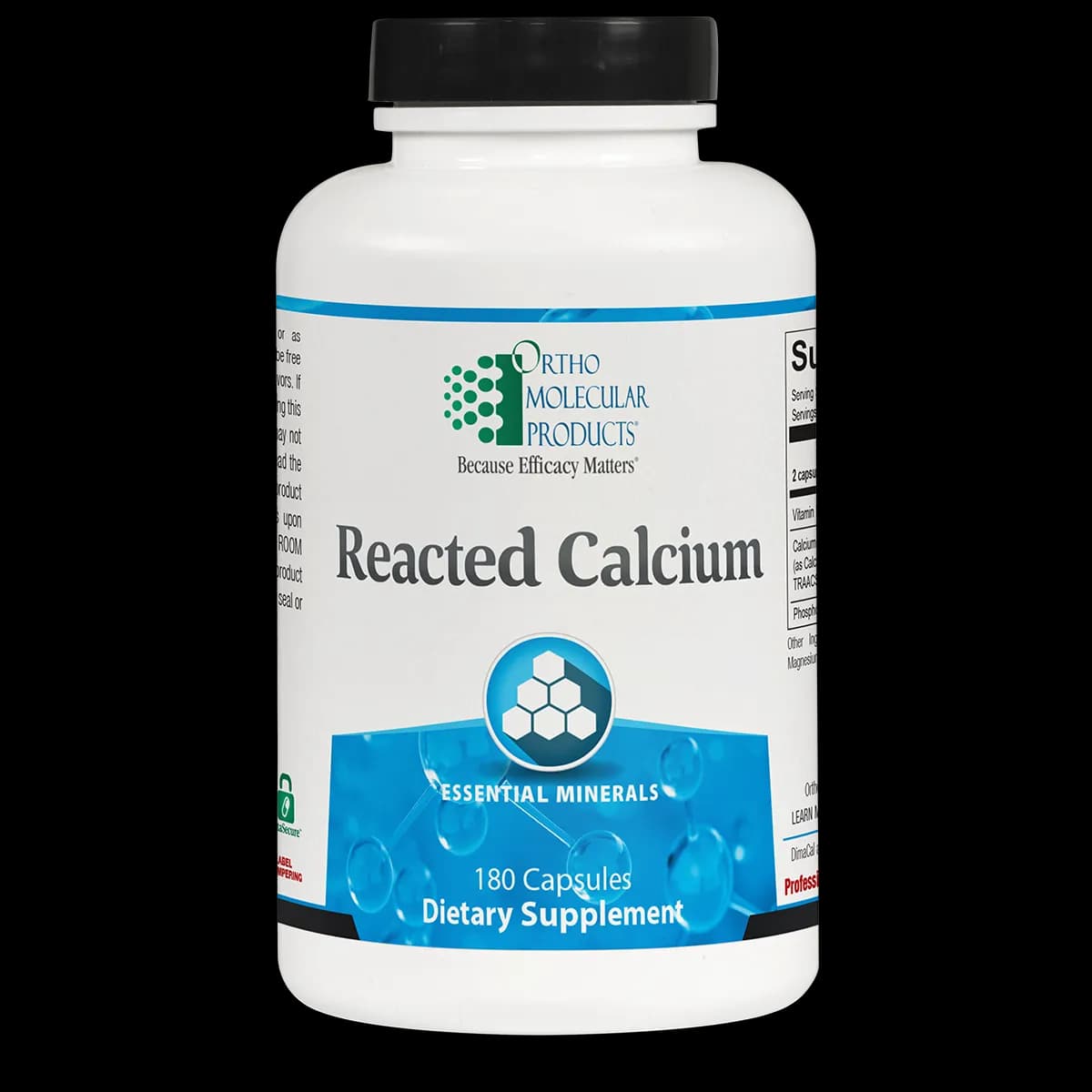
One of the most critical, yet frequently misunderstood, players in this complex biological web is calcium. Far beyond its well-known role in building strong bones, calcium is the ultimate biological messenger. It dictates everything from the rhythmic beating of your heart to the firing of neurons in your brain and the contraction of your muscles. However, in states of chronic illness, the body's delicate calcium homeostasis can become severely dysregulated, leading to a host of cascading symptoms. Reacted Calcium by Ortho Molecular Products is designed to address systemic calcium needs by providing three unique, highly absorbed forms of calcium alongside essential Vitamin D3 and phosphorus. In this comprehensive guide, we will explore the intricate science of calcium signaling, how chronic illness disrupts these pathways, and how targeted supplementation may support your journey toward functional recovery.
What is Reacted Calcium?
The Foundation of Cellular Signaling and Nerve Transmission
To understand the importance of Reacted Calcium, we must first look at how calcium operates in a healthy body. Calcium ($Ca^{2+}$) is arguably the most versatile and ubiquitous signaling molecule in human biology. Operating as a critical second messenger, it dictates a massive array of cellular functions. Because high levels of intracellular calcium are inherently toxic, cells maintain a incredibly steep concentration gradient. The resting calcium level inside the cell (the cytosol) is kept extremely low, around 100 nanomolar (nM), while the calcium concentration outside the cell is typically 10,000 to 100,000 times higher. When a cell needs to perform an action, it opens specific channels, allowing a rapid, precisely timed influx of calcium—often referred to as a calcium "spark" or "wave"—which triggers the necessary biological response before the calcium is rapidly pumped back out.
In the nervous system, calcium serves as the ultimate trigger that converts an electrical signal into a chemical one, a process essential for brain function and autonomic nervous system regulation. When an electrical action potential travels down a nerve fiber and reaches the presynaptic terminal, the shift in voltage forces Voltage-Gated Calcium Channels (VGCCs) to open. Because of the steep concentration gradient, calcium rapidly floods into the nerve terminal. This entering calcium binds to a specialized sensor protein called synaptotagmin, which is anchored to the membrane of vesicles filled with neurotransmitters. Upon binding calcium, synaptotagmin undergoes a rapid mechanical change, forcing the vesicle to fuse with the cell membrane and release its neurotransmitters into the synaptic cleft. Without this precise calcium influx, nerve transmission would instantly cease, leading to complete neurological failure.
Excitation-Contraction Coupling in Muscles
Beyond the nervous system, calcium is the absolute master regulator of muscle function through a mechanism known as Excitation-Contraction (E-C) coupling. This process bridges the electrical signal from the nervous system with the mechanical action of muscle fibers. When a nerve signals a muscle to contract, the electrical impulse travels deep into the muscle cell through invaginations called T-tubules. This electrical signal activates L-type calcium channels, which are physically coupled to Ryanodine Receptors (RyR1) located on the sarcoplasmic reticulum (the cell's internal calcium storage vault). The activation of these receptors causes a massive, instantaneous dump of stored calcium into the muscle cell's main fluid.
Once released, this calcium initiates the "Sliding Filament Theory" of muscle contraction. In a resting muscle, a protein called tropomyosin physically blocks the binding sites on the actin filaments, preventing contraction. The newly released calcium binds to a regulatory protein called Troponin C. This binding causes troponin to change its shape, which physically drags the tropomyosin away from the actin binding sites. With the sites exposed, myosin heads (powered by cellular energy, or ATP) can attach to the actin and pivot, pulling the filaments together and shortening the muscle fiber. When the electrical signal stops, powerful cellular pumps called SERCA pumps aggressively force the calcium back into storage, allowing the muscle to relax. This entire complex cycle happens in milliseconds, every single time you move a muscle or your heart beats.
The Synergistic Roles of Vitamin D3 and Phosphorus
Calcium does not operate in a vacuum; its absorption and utilization are tightly controlled by other critical nutrients, most notably Vitamin D3 and phosphorus, both of which are included in the Reacted Calcium formulation. Vitamin D3 (cholecalciferol) is converted in the liver and kidneys into its active hormonal form, calcitriol. Calcitriol acts as the master key that unlocks the intestinal gates for calcium. It binds to Vitamin D Receptors (VDRs) in the gut lining, significantly upregulating the production of calcium-binding proteins (calbindins) that actively transport calcium from the digestive tract into the bloodstream. Without adequate Vitamin D3, dietary calcium absorption plummets to less than 10-15%, regardless of how much you consume.
Phosphorus, provided in this supplement as part of the Calcium Hydroxyapatite complex, is equally vital. While calcium provides the initial spark for muscle contraction, phosphorus is a fundamental building block of Adenosine Triphosphate (ATP)—the actual energy currency of the cell. Every single myosin head in a muscle fiber requires a molecule of ATP to release its grip on the actin filament and prepare for the next contraction. Furthermore, in the skeletal system, calcium and phosphorus combine to form hydroxyapatite crystals, the rigid mineral matrix that gives bones their structural integrity and compressive strength. The physiological ratio of calcium to phosphorus is tightly regulated, and providing both ensures that the body has the raw materials needed for both energy metabolism and structural repair.
How Long COVID, ME/CFS, and POTS Impact Calcium Regulation
Intracellular Calcium Overload and Mitochondrial Dysfunction
In healthy individuals, the intricate dance of calcium signaling operates flawlessly. However, in complex chronic illnesses like Long COVID and ME/CFS, this system can become severely pathological. For years, the profound, crushing fatigue and post-exertional malaise (PEM) experienced by these patients was a medical mystery. Recently, leading researchers have proposed a unifying physiological mechanism centered around calcium dysregulation in skeletal muscles. The cycle often begins with viral-induced endothelial damage—injury to the lining of the blood vessels. This damage leads to chronic hypoperfusion, meaning abnormally low blood flow and oxygen delivery to the muscles and brain, particularly during physical exertion.
To cope with this lack of oxygen, muscle cells are forced to switch to anaerobic metabolism much earlier than they should. This inefficient energy production causes intracellular sodium levels to build up rapidly. When sodium reaches critically high levels, it forces a cellular safety valve called the Sodium-Calcium Exchanger (NCX) to run in reverse. Instead of its normal job of pumping calcium out of the cell, the reversed NCX floods the cell with massive, toxic amounts of calcium. This intracellular calcium overload is devastating to the mitochondria, the energy-producing powerhouses of the cell. The excess calcium damages the mitochondrial membranes, crippling their ability to produce ATP. This catastrophic energy failure at the cellular level is what patients experience as the debilitating crash of PEM.
Autonomic Imbalance and Vitamin D Deficiency in POTS
Dysautonomia, and its most common subtype POTS (postural orthostatic tachycardia syndrome), frequently co-occur with Long COVID and ME/CFS. POTS is characterized by an abnormal, rapid spike in heart rate and blood pooling in the lower extremities upon standing. The regulation of systemic calcium and Vitamin D plays a crucial role in the pathogenesis of this autonomic dysfunction. Vitamin D is not just a bone vitamin; it is a potent neuroactive hormone essential for maintaining the delicate balance between the sympathetic ("fight or flight") and parasympathetic ("rest and digest") nervous systems. Vitamin D Receptors are heavily concentrated in the central nervous system, particularly in the hypothalamus, which acts as the control center for autonomic functions.
Chronic Vitamin D deficiency is highly prevalent in POTS and Long COVID cohorts. Because Vitamin D regulates systemic calcium—the primary electrolyte responsible for nerve signaling and smooth muscle contraction—a deficiency severely impairs neuromuscular function. When a healthy person stands up, the autonomic nervous system uses calcium signaling to instantly constrict the blood vessels in the legs, fighting gravity to push blood back up to the brain. In POTS patients with compromised calcium and Vitamin D pathways, these blood vessel walls fail to constrict properly. Blood pools in the legs, the brain senses a drop in oxygen, and the heart is forced to beat rapidly to compensate, triggering severe tachycardia, dizziness, and presyncope.
The RNase L Pathway and Immune Channelopathies
Another vital mechanism linking calcium dysregulation to immune exhaustion in ME/CFS and Long COVID involves the 2-5A synthetase/RNase L antiviral pathway. In a healthy immune response, RNase L is an enzyme that helps destroy invading viral RNA. However, research indicates that in many ME/CFS and Long COVID patients, this pathway becomes chronically hyperactivated and dysregulated long after the initial infection has cleared. This persistent deregulation causes the RNase L enzyme to cleave into abnormal, low-molecular-weight fragments known as 37 kDa RNase L.
These abnormal fragments trigger what researchers call an "acquired channelopathy"—a dysfunction of the cellular ion channels that control what enters and exits the cell. This defect drastically alters the permeability of the cell membrane, stimulating an excessive, uncontrolled influx of calcium into immune cells, such as natural killer (NK) cells. Simultaneously, it depletes the cells of vital intracellular potassium and magnesium. This persistent cellular drain severely alters immune function, leaving patients susceptible to opportunistic infections, and rapidly depletes systemic energy reserves as the body constantly burns ATP trying to pump the excess calcium back out of the cells.
Reacted Calcium: Supporting Neuromuscular and Autonomic Function
Restoring Systemic Calcium for Autonomic Tone
When the body is trapped in the vicious cycles of Long COVID, ME/CFS, or POTS, targeted nutritional support becomes a vital component of management. Reacted Calcium is designed to provide highly bioavailable forms of calcium that can bypass compromised digestive systems and directly support cellular function. By restoring systemic calcium levels, supplementation can help support the autonomic nervous system's ability to regulate vascular tone. In POTS, the smooth muscles lining the blood vessels require a steady, reliable supply of extracellular calcium to execute the rapid vasoconstriction needed when moving from a seated to a standing position. Providing easily absorbed calcium helps ensure that the raw materials for this mechanical action are readily available in the bloodstream, potentially easing the burden on the heart.
Furthermore, stable calcium levels are essential for proper nerve transmission across the entire autonomic nervous system. When systemic calcium drops, nerves can become hyperexcitable, leading to muscle twitches, spasms, and erratic heart rhythms (palpitations). By maintaining a consistent concentration of calcium in the extracellular fluid, Reacted Calcium helps stabilize the voltage-gated calcium channels on nerve endings. This stabilization can help calm the hyperactive sympathetic nervous system response often seen in dysautonomia, promoting a shift toward the restorative parasympathetic state.
Vitamin D3's Role in Modulating Inflammation and Immunity
The inclusion of Vitamin D3 in the Reacted Calcium formula provides critical support for immune modulation and autonomic balance. In the context of Long COVID and ME/CFS, where chronic, low-grade inflammation is a primary driver of symptoms, Vitamin D acts as a potent immunomodulator. It binds to receptors on various immune cells, including macrophages and T-cells, helping to downregulate the production of pro-inflammatory cytokines (like IL-6 and TNF-alpha) that contribute to brain fog and systemic pain. By cooling off this inflammatory cascade, Vitamin D helps reduce the metabolic stress on the body.
Moreover, research into POTS has highlighted the importance of the active hormonal form of Vitamin D (1,25(OH)2D3) in regulating adrenal function. Experimental data outlines that Vitamin D deficiency can alter adrenal catecholamine levels, leading to a higher ratio of norepinephrine to epinephrine. This specific chemical imbalance directly drives the abnormal tachycardic response to standing. By providing a steady supply of cholecalciferol (Vitamin D3), the body has the necessary substrate to synthesize the active hormone, supporting adrenal health and potentially improving orthostatic tolerance.
Protecting the Skeletal Reservoir from Chronic Stress
A secondary, but severe, consequence of the biochemical cascade in chronic illness is the hidden threat to bone density. Because patients with ME/CFS, Long COVID, and MCAS often have high systemic inflammation, their bodies' metabolic demand for calcium skyrockets. The immune system uses calcium extensively during inflammatory responses. Coupled with forced inactivity due to severe fatigue or PEM, and widespread Vitamin D deficiency, the body begins a ruthless process of triage. To keep the nervous system and heart functioning, the parathyroid glands release hormones that strip calcium directly from the skeletal reservoir.
This chronic stripping puts patients at a significantly higher risk of early-onset osteopenia, osteoporosis, and stress fractures. Reacted Calcium addresses this directly by providing Calcium Hydroxyapatite, the exact natural mineral matrix found in human bones. By supplying the bloodstream with a highly bioavailable source of calcium and phosphorus, the supplement helps signal the parathyroid glands to halt the osteoclast-driven destruction of bone tissue. Instead of cannibalizing its own skeleton to survive, the body can utilize the supplemented calcium for its daily metabolic and neurological needs, preserving long-term structural integrity.

Symptoms Reacted Calcium May Help Manage
Musculoskeletal and Neurological Symptoms
Because calcium is foundational to both nerve signaling and muscle contraction, Reacted Calcium may help manage several debilitating symptoms associated with neuromuscular dysfunction in chronic illness:
Muscle Cramps and Spasms: When systemic calcium is low, or when intracellular calcium pumps fail due to energy depletion, muscles cannot properly relax after contracting. Supplementing with bioavailable calcium helps restore the extracellular gradient, supporting smoother muscle relaxation and reducing painful cramping.
Post-Exertional Malaise (PEM) and Fatigue: While calcium is not a cure for PEM, supporting the body's calcium-phosphorus balance provides the raw materials (like phosphorus for ATP) needed for cellular energy production, potentially reducing the severity of muscular exhaustion during minor exertion.
Brain Fog and Cognitive Dysfunction: Proper calcium signaling is required for neurotransmitter release in the brain. Alongside Vitamin D3, which protects neurons from oxidative stress, stabilized calcium levels can support clearer synaptic communication and cognitive endurance.
Neuropathy and Tingling: Numbness and tingling (paresthesia) in the extremities are classic signs of nerve hyperexcitability due to electrolyte imbalances. Restoring proper calcium levels helps stabilize nerve membranes, potentially reducing these uncomfortable sensations.
Autonomic and Cardiovascular Symptoms
The autonomic nervous system relies heavily on calcium and Vitamin D to regulate heart rate and blood pressure, making this supplement highly relevant for dysautonomia and POTS symptoms:
Orthostatic Intolerance (Dizziness upon Standing): By supporting the smooth muscle contractions in blood vessel walls, calcium helps the vascular system constrict properly against gravity, reducing blood pooling in the legs and minimizing dizziness when standing.
Heart Palpitations and Tachycardia: The heart's electrical conduction system is entirely dependent on calcium channels. Adequate systemic calcium, combined with the autonomic-balancing effects of Vitamin D3, can help stabilize the heart's rhythm and reduce the severity of inappropriate tachycardic spikes.
Bone Density Loss: Chronic inflammation and extended bed rest rapidly degrade bone health. The Calcium Hydroxyapatite in this formula provides the exact structural matrix needed to halt bone resorption and protect against early-onset osteopenia.
Practical Considerations: Forms, Dosing, and Absorption
The Superiority of Multi-Form Calcium Chelation
When selecting a calcium supplement, bioavailability—the amount of the mineral that actually enters systemic circulation and is utilized by the body—is the most critical factor. Standard calcium forms, such as calcium carbonate, have notoriously poor absorption rates (often less than 10%) and require highly acidic stomach environments to break down. This frequently causes severe gastrointestinal distress, including bloating and constipation, which is particularly problematic for chronic illness patients who already suffer from GI dysmotility. Reacted Calcium overcomes this by utilizing three distinct, highly advanced forms of calcium that leverage different biological absorption pathways.
The first form is Calcium Hydroxyapatite (microcrystalline hydroxyapatite complex, or MCHC). This is the natural, elemental form of calcium found directly in bones. Unlike isolated calcium salts, MCHC provides calcium woven into a matrix of other essential bone-building nutrients, including phosphorus and type I collagen. This synergy mimics the body's physiological environment, allowing for steady, stable absorption that safely reduces bone turnover without aggressively spiking blood calcium levels. The second form is DimaCal® (Dicalcium Malate), a patented compound where two calcium molecules are bound to a single molecule of malic acid. Malic acid is a naturally occurring compound utilized in the Krebs cycle for cellular energy production. Binding calcium to malic acid enhances the mineral's digestion and yields a remarkably high concentration of elemental calcium (29%), while significantly reducing GI side effects.
The third form is TRAACS® Calcium Bisglycinate Chelate, a patented amino acid chelate technology. In this form, a calcium ion is bound to two molecules of the amino acid glycine. Unlike traditional rock-salt minerals that rely on passive diffusion, this chelate utilizes active transport mechanisms. The body recognizes the glycine structure as a peptide, allowing the calcium to be absorbed efficiently through the intestinal wall's amino acid transport channels. By combining all three forms, Reacted Calcium maximizes total overall uptake without saturating a single absorption pathway or triggering digestive distress.
Optimal Dosing and Timing Strategies
To get the most out of Reacted Calcium, timing and dosage are crucial. The human body has a strict physiological limit on how much calcium it can absorb at one time, regardless of the form. The intestinal transport mechanisms become saturated at around 500 to 600 mg of elemental calcium. Therefore, taking a massive dose of calcium all at once is counterproductive; the excess will simply be excreted or, worse, cause constipation. The suggested use for this product is 1-2 capsules three times per day. By dividing the doses throughout the day, you ensure that the active transport channels in your gut can efficiently process and absorb the maximum amount of the mineral.
It is generally recommended to take calcium supplements with meals. While the chelated forms in this product (like DimaCal and TRAACS) do not strictly require high stomach acid like calcium carbonate does, taking them with food slows down transit time in the gut, giving the absorptive surfaces more time to take up the minerals. Additionally, the Vitamin D3 in the formula is a fat-soluble vitamin, meaning it requires the presence of dietary fats to be absorbed properly. Taking your dose alongside a meal containing healthy fats (like avocado, olive oil, or nuts) will significantly boost the absorption of the cholecalciferol.
Potential Interactions and Safety Precautions
While calcium is essential, it is a highly reactive mineral that can bind to other medications and supplements in the digestive tract, preventing their absorption. If you are taking thyroid hormone replacement therapy (like levothyroxine) or certain antibiotics (such as tetracyclines or fluoroquinolones), you must separate your calcium dose from these medications by at least two to four hours. Calcium can also compete with iron for absorption, so if you are treating anemia, take your iron supplement at a different time of day than your Reacted Calcium.
Furthermore, while the Vitamin D3 in this formula is crucial, patients with chronic illness should be aware of their overall Vitamin D and calcium intake from all sources. High-dose Vitamin D combined with heavy calcium supplementation can lead to hypercalcemia (toxic levels of calcium in the blood), which can cause kidney stones and cardiovascular issues. For patients who are severely bedbound or inactive, it is often recommended to discuss adding a Vitamin K2 supplement with your provider, as Vitamin K acts as a biological traffic cop, directing calcium into the bones and away from soft tissues and arteries. Always consult your healthcare provider before starting a new supplement regimen, especially if you have a history of kidney disease or parathyroid disorders.

Follow the Science
Clinical Evidence in Post-Viral Fatigue and ME/CFS
The scientific community is increasingly recognizing the critical role of calcium and Vitamin D in managing post-viral syndromes. Research into the mechanisms of ME/CFS and Long COVID fatigue has highlighted the devastating impact of intracellular calcium overload on mitochondrial function. While reversing this complex cellular damage requires a multifaceted approach, ensuring adequate baseline levels of systemic calcium and Vitamin D is viewed as a necessary foundational step. A recent clinical case series evaluated patients who developed severe ME/CFS-like symptoms following viral exposure. The researchers found that nearly all the patients had profound Vitamin D deficiencies. Following targeted Vitamin D replacement therapy, a significant majority of the patients experienced such profound symptomatic relief that they no longer met the diagnostic criteria for ME/CFS, highlighting the powerful systemic impact of restoring these pathways.
However, it is important to note that Vitamin D and calcium are not standalone cures for all forms of chronic fatigue. Randomized, double-blind, placebo-controlled trials administering high doses of oral Vitamin D3 to established ME/CFS patients over six months have found that while the intervention successfully corrected blood serum levels, it did not directly reduce the core ME/CFS-specific fatigue scores in all patients. This suggests that while correcting deficiencies is vital for preventing further autonomic and immune degradation, it must be part of a broader, comprehensive management strategy that addresses the root causes of neuroinflammation and vascular damage.
Vitamin D and Calcium in Dysautonomia and POTS
The evidence supporting Vitamin D and calcium regulation in dysautonomia is particularly compelling. A landmark peer-reviewed case study published in the National Institutes of Health database evaluated a patient with severe POTS, whose heart rate reached 191 bpm upon standing. Extensive investigations revealed a defect in the 1-alpha hydroxylase enzyme, making her severely deficient in the active hormonal form of Vitamin D, despite having normal inactive levels. She was treated with the active form of Vitamin D (calcitriol). After 5 months of treatment, her POTS went into total remission, with her standing heart rate stabilizing at 72 bpm. This powerfully illustrates how critical the Vitamin D-calcium axis is for maintaining normal autonomic tone and vascular constriction.
Bioavailability Studies on Chelated Minerals
The specific forms of calcium used in Reacted Calcium are backed by robust pharmacokinetic data. A bioavailability study published in The FASEB Journal compared the absorption of various calcium products in healthy human adults. The study confirmed that dicalcium malate (DimaCal) is optimally absorbed and substantially better tolerated than traditional calcium carbonate, yielding a highly concentrated 29% elemental calcium dose. Furthermore, clinical studies assessing the patented TRAACS Calcium Bisglycinate Chelate demonstrated an average 44% absorption rate of the dose without the benefit of meal enhancement—one of the highest recorded absorption rates among tested calcium sources. By utilizing these advanced delivery systems, the supplement ensures that the minerals actually reach the systemic circulation where they are desperately needed.
The Path Forward
Validating the Complex Reality of Chronic Illness
Living with Long COVID, ME/CFS, dysautonomia, or POTS is an incredibly challenging journey. The symptoms you experience—the crushing fatigue, the racing heart, the cognitive fog—are not in your head; they are the result of profound, measurable disruptions in your body's fundamental cellular machinery. When the delicate balance of signaling molecules like calcium is thrown off by chronic inflammation and viral damage, the systemic consequences are severe. It is entirely valid to feel frustrated by a medical system that often fails to understand the complexity of these invisible illnesses. Acknowledging the physiological reality of your symptoms is the first step toward reclaiming your quality of life.
A Comprehensive Approach to Management
While the science behind Reacted Calcium and its highly bioavailable ingredients is compelling, it is important to remember that no single supplement is a magic cure for complex chronic conditions. Healing requires a comprehensive, multi-layered approach. Supplements should be used as tools to support your body's foundational pathways alongside essential lifestyle management strategies. Techniques such as aggressive pacing to avoid post-exertional malaise, meticulous symptom tracking, and prioritizing restorative rest are just as critical as nutritional support. We encourage you to read more about managing your independence with chronic illness and navigating stressful events to build a holistic toolkit for your daily life.
Next Steps in Your Healing Journey
If you are struggling with autonomic dysfunction, muscle fatigue, or concerns about bone density due to chronic illness, supporting your body's calcium and Vitamin D pathways may be a valuable piece of your management puzzle. Reacted Calcium offers a scientifically formulated, highly absorbable option designed to minimize GI distress while maximizing cellular delivery. Always consult with your healthcare provider before beginning any new supplement, especially to ensure it aligns with your specific lab results and current medications.
Sources
Vitamin D and COVID-19: Clinical Evidence and Immunological Insights - PMC
1-α hydroxylation defect in POTS: remission with calcitriol supplementation - PMC
Bioavailability of Dicalcium Malate and Calcium Carbonate - Thorne Research Data
Calcium Hydroxyapatite and Bone Matrix Synergy - Waitaki Biosciences