Can Rapid Calm Support Anxiety and Stress in Long COVID and Dysautonomia?
March 5, 2026
Rapid CalmLong COVIDDysautonomia
Share:
Disclaimer: The information provided here is for educational purposes only and is not intended as medical advice. It should not be used to diagnose, treat, cure, or prevent any medical condition. Instead, use it as a starting point for discussion with your healthcare provider. Always consult with a qualified healthcare provider before starting any new medication, supplement, device, or making changes to your health regimen.
Months or even years after a viral infection, many individuals find themselves battling a nervous system that feels perpetually stuck in "fight-or-flight" mode. For those living with Long COVID, myalgic encephalomyelitis/chronic fatigue syndrome (ME/CFS), or dysautonomia, this isn't just everyday stress—it is a profound, biologically driven state of neurogenic anxiety. The brain's threat-detection centers become hypervigilant, leading to sudden heart rate spikes, crushing cognitive fatigue, and a constant hum of physical anxiety that makes rest impossible. Finding tools to help the nervous system downshift is a critical component of managing these complex chronic conditions.
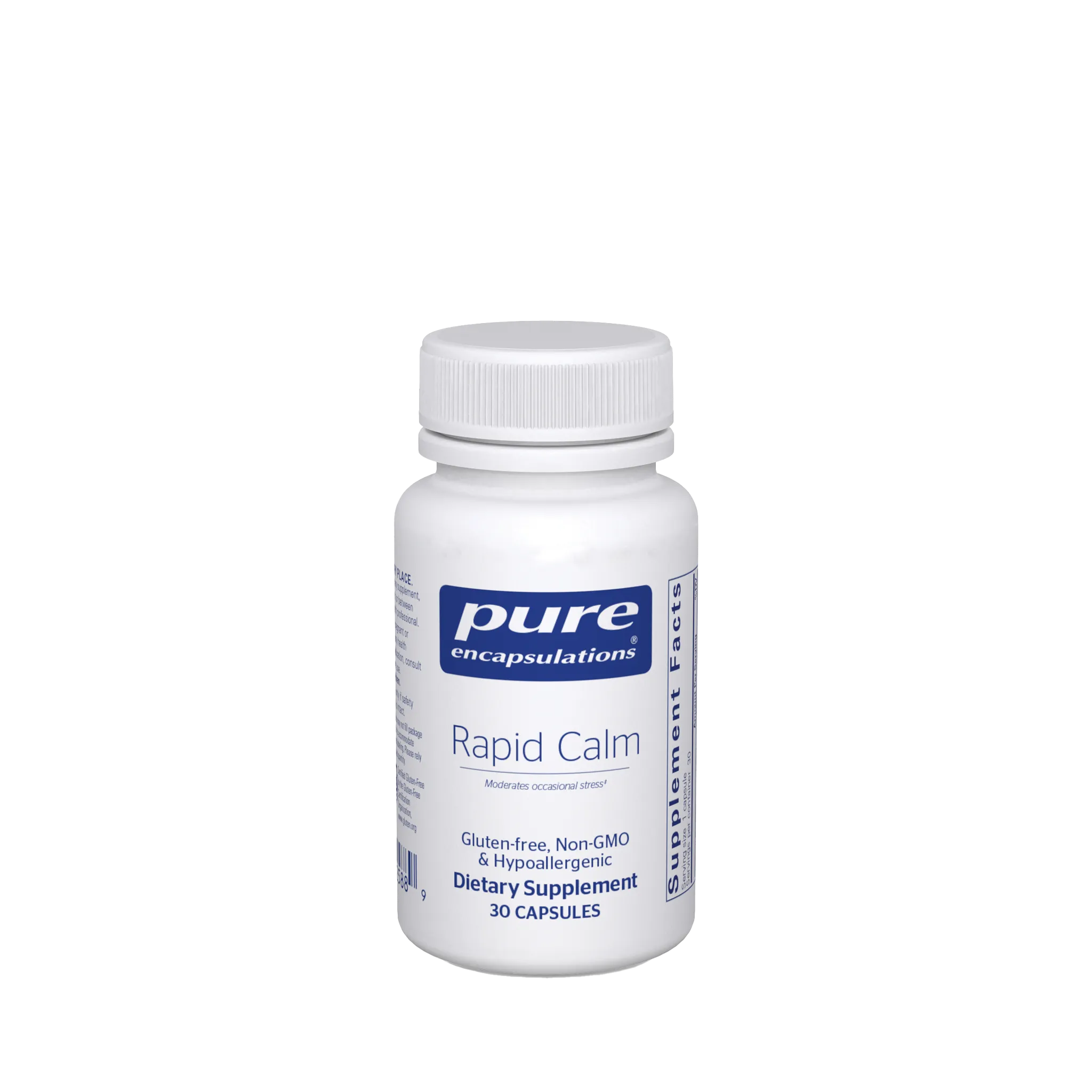
Rapid Calm by Pure Encapsulations is a targeted supplement designed to provide fast-acting support for occasional anxiety and stress. By combining the patented botanical extract Zembrin® with L-Theanine and Vitamin B6, this formula works at the molecular level to modulate neurotransmitters, support serotonin synthesis, and calm the brain's overactive fear circuitry. In this article, we will explore the intricate biochemistry behind Rapid Calm, how its ingredients interact with the dysregulated nervous system in Long COVID and dysautonomia, and the clinical evidence supporting its use for rapid stress relief.
What is Rapid Calm?
The Synergy of Zembrin, L-Theanine, and Vitamin B6
Rapid Calm is a specialized formulation that targets the central nervous system through three distinct but complementary biochemical pathways. At its core is Zembrin®, a patented, standardized extract of Sceletium tortuosum, a succulent plant native to South Africa that has been used traditionally for centuries to elevate mood and stave off fatigue. In modern clinical applications, Zembrin is utilized for its unique ability to modulate serotonin and intracellular signaling molecules simultaneously. This botanical extract provides the foundation for the supplement's rapid anxiolytic (anti-anxiety) effects without the heavy sedation often associated with pharmaceutical interventions.
Complementing the botanical extract is L-Theanine, specifically in the highly purified, patented form known as Suntheanine®. L-Theanine is a non-protein amino acid naturally found in green tea leaves (Camellia sinensis). Unlike many amino acids that are utilized for muscle building or basic cellular repair, L-Theanine possesses the unique structural ability to cross the blood-brain barrier rapidly. Once inside the brain, it acts as a powerful neuromodulator, shifting the brain's electrical activity toward a state of relaxed alertness. This helps counteract the hyper-excitability that often plagues patients with chronic, neuro-immune conditions.
The third pillar of this formulation is Vitamin B6, provided as pyridoxine HCl. While it may seem like a simple everyday vitamin, Vitamin B6 is an obligatory coenzyme for over 140 biochemical reactions in the human body. In the context of mental health and stress support, Vitamin B6 is the critical biochemical lynchpin required for the synthesis of major neurotransmitters, including serotonin, dopamine, and gamma-aminobutyric acid (GABA). Together, these three ingredients create a synergistic effect: Zembrin prolongs the action of existing serotonin, L-Theanine calms excitatory nerve impulses, and Vitamin B6 ensures the body has the raw materials needed to continue producing these vital mood-regulating chemicals.
The Dual-Action Mechanism of Zembrin
The pharmacological power of Zembrin lies in its primary active compounds, known as mesembrine-type alkaloids. Clinical research indicates that these alkaloids operate through a highly unusual, dual mechanism of action within the central nervous system. First, Zembrin acts as a Serotonin Reuptake Inhibitor (SRI). Similar to conventional SSRI medications, it binds to the serotonin transporter (SERT) proteins located on the presynaptic neurons. By blocking these transporters, Zembrin prevents the neuron from reabsorbing serotonin too quickly, thereby leaving more of this mood-stabilizing neurotransmitter available in the synaptic cleft to bind with receptors on the receiving neuron.
The second, and perhaps more unique, mechanism is its role as a Phosphodiesterase-4 (PDE4) inhibitor. PDE4 is an enzyme responsible for breaking down cyclic adenosine monophosphate (cAMP), a crucial secondary messenger molecule inside cells. When PDE4 is inhibited by Zembrin, intracellular levels of cAMP remain elevated. High levels of cAMP promote neuroplasticity, enhance cognitive flexibility, and most importantly, dampen the reactivity of the amygdala—the brain's primary threat-detection center. This dual action—boosting extracellular serotonin while enhancing intracellular cAMP signaling—allows Zembrin to provide targeted anxiety relief at much lower doses than synthetic PDE4 inhibitors, which are notorious for causing severe nausea.
This synergistic dual-pathway approach is what makes Zembrin particularly fascinating for researchers studying stress and cognitive function. By simultaneously addressing the availability of serotonin and the intracellular signaling cascades that dictate neuronal health, Zembrin offers a comprehensive approach to mood regulation. It helps the brain maintain a stable, resilient state even when confronted with external stressors or internal physiological triggers, making it an invaluable tool for those navigating the unpredictable nature of chronic illness.
L-Theanine and Alpha Brain Waves
L-Theanine's mechanism of action is distinctly different from Zembrin's, focusing primarily on the brain's electrical patterns and the balance of excitatory versus inhibitory neurotransmitters. When L-Theanine crosses the blood-brain barrier, it significantly stimulates the generation of alpha brain waves, specifically Alpha-1 waves oscillating at 8 to 10 Hz. Alpha waves are the electrical signature of a brain in a state of "wakeful relaxation." This is the same brain wave pattern observed during deep meditation or just before falling asleep. By promoting alpha wave activity, L-Theanine calms the mind and reduces the sensation of stress without inducing the grogginess or cognitive impairment typical of pharmaceutical sedatives.
Beyond its electrical effects, L-Theanine acts as a structural analog to glutamate, the brain's primary excitatory neurotransmitter. During periods of high stress, trauma, or neuroinflammation, the brain can become flooded with excessive glutamate, leading to a state of nervous system over-excitation and neurotoxicity. Because of its structural similarity, L-Theanine can bind to glutamate receptors (such as AMPA and NMDA receptors) and glutamine transporters. By occupying these receptor sites, L-Theanine effectively blocks excessive glutamate uptake, acting as a neurological buffer against stress-induced excitotoxicity.
Simultaneously, L-Theanine enhances the expression of Gamma-Aminobutyric Acid (GABA), the brain's primary inhibitory neurotransmitter. GABA is responsible for calming the nervous system, slowing down racing thoughts, and promoting restorative sleep. By upregulating GABA while simultaneously blocking excitatory glutamate, L-Theanine orchestrates a profound shift in the brain's neurochemistry. This delicate balancing act is the primary mechanism behind its ability to induce a state of relaxed alertness, making it an ideal complement to the serotonin-modulating effects of Zembrin.
Vitamin B6 as a Neurotransmitter Coenzyme
While botanical extracts and amino acids provide direct modulation of brain activity, they rely on a foundation of adequate micronutrients to function optimally. Vitamin B6, specifically in its metabolically active coenzyme form known as Pyridoxal 5'-Phosphate (P5P), is the biochemical engine that drives neurotransmitter synthesis. Without adequate Vitamin B6, the body simply cannot produce the serotonin, dopamine, or GABA required to maintain a stable mood and a calm nervous system. This makes it an indispensable component of any formula designed to support mental health and stress resilience.
The synthesis of serotonin provides a perfect example of Vitamin B6's critical role. The body creates serotonin from the amino acid L-tryptophan in a two-step process. The final, crucial step involves converting 5-hydroxytryptophan (5-HTP) into serotonin using an enzyme called aromatic L-amino acid decarboxylase (AADC). This enzyme is strictly dependent on Vitamin B6 to function. During the reaction, Vitamin B6 acts as an "electron sink," destabilizing chemical bonds to allow the successful creation of serotonin. No matter how much tryptophan or 5-HTP is available in the body, without adequate Vitamin B6, the final conversion into serotonin is completely halted.
Furthermore, Vitamin B6 is the master regulator of the glutamate-to-GABA conversion process. The enzyme glutamic acid decarboxylase (GAD), which converts excitatory glutamate into calming GABA, is also entirely dependent on Vitamin B6. In states of chronic illness, chronic stress, or systemic inflammation, the body's demand for these neurotransmitters skyrockets, rapidly depleting cellular stores of Vitamin B6. By including this essential vitamin in the Rapid Calm formula, Pure Encapsulations ensures that the enzymatic pathways responsible for mood regulation and relaxation are fully supported and operational.
How Long COVID and Dysautonomia Impact the Nervous System
Neuroinflammation and Microglial Activation
To understand why a supplement like Rapid Calm is relevant for patients with complex chronic conditions, we must first examine how these illnesses physically alter the brain. In conditions like Long COVID and ME/CFS, the initial viral infection triggers a massive, systemic immune response. While the acute infection may eventually clear, the immune system often fails to return to its baseline state. Instead, it remains locked in a state of chronic activation, releasing inflammatory cytokines (such as IL-1β, IL-6, and TNF-α) that can cross the blood-brain barrier and enter the central nervous system.
Once inside the brain, these inflammatory molecules activate microglia, the primary immune cells of the central nervous system. In a healthy brain, microglia act as cellular housekeepers, clearing away debris and supporting neuronal health. However, when chronically activated by systemic inflammation, microglia become neurotoxic. They continuously release their own inflammatory chemicals, bathing the brain in a persistent state of neuroinflammation. This chronic inflammatory state directly interferes with the production and signaling of neurotransmitters, disrupting the delicate balance of serotonin, dopamine, and GABA required for emotional stability.
This microglial activation is not merely a theoretical concept; it has been documented in numerous advanced imaging studies of patients with post-viral syndromes. The resulting neuroinflammation creates a hostile environment for neurons, impairing their ability to communicate effectively and leading to the profound cognitive fatigue, brain fog, and mood dysregulation that are hallmark symptoms of these conditions. The brain is essentially on fire, and this biological reality drives the psychological and neurological symptoms experienced by patients.
The Amygdala and Structural Remodeling
The brain's anatomy is highly sensitive to this chronic neuroinflammation, particularly the amygdala. The amygdala is an almond-shaped cluster of nuclei located deep within the temporal lobe, and it serves as the brain's primary center for processing fear, detecting threats, and regulating emotional responses. When bathed in inflammatory cytokines, the amygdala essentially gets "stuck" in a hypervigilant state. It begins to perceive continuous danger and threat, even when the original viral trigger is long gone and the patient is resting in a safe environment.
Recent research into post-viral pathology suggests that this hyperactivation may not be purely functional; it may also be structural, with viral-induced microglial activation potentially resulting in dendritic spine remodeling on neurons within the amygdala. The physical structure of the fear circuitry may become altered, making it more sensitive and reactive. This kind of neuroinflammatory structural change could contribute to persistent, biologically driven anxiety that cannot be simply "thought away" with traditional cognitive therapies.
This structural remodeling explains why patients with Long COVID and ME/CFS often experience sudden, unprovoked panic attacks, a constant physical sensation of dread, and an inability to tolerate even minor stressors. The brain's threat-detection hardware has been rewired by inflammation. The anxiety experienced in these conditions is a physiological symptom of amygdala dysfunction, deeply intertwined with the systemic immune dysregulation that characterizes the illness.
The Autonomic Nervous System in Overdrive
The hyperactivated amygdala does not operate in isolation; it is deeply connected to the hypothalamus and the brainstem, which together control the Autonomic Nervous System (ANS). The ANS is responsible for managing all the automatic, unconscious functions of the body, including heart rate, blood pressure, digestion, and respiratory rate. When the amygdala is constantly firing "threat" signals due to neuroinflammation, it forces the ANS into a state of chronic sympathetic overdrive—the classic "fight-or-flight" response.
Simultaneously, this constant sympathetic activation blunts the parasympathetic nervous system, which is governed primarily by the vagus nerve and is responsible for the "rest-and-digest" state. This neurogenic switch manifests clinically as dysautonomia. Patients develop conditions like Postural Orthostatic Tachycardia Syndrome (POTS), where simply standing up causes a massive, inappropriate spike in heart rate because the brainstem is misinterpreting gravity as a physical threat. Other symptoms include erratic heart rate variability (HRV), gastrointestinal paralysis, and severe temperature dysregulation.
This vicious cycle—where neuroinflammation hyperactivates the amygdala, which in turn dysregulates the autonomic nervous system—is the core pathophysiology driving the physical anxiety and stress intolerance in Long COVID and ME/CFS. The body is trapped in a perpetual state of physiological panic, rapidly depleting neurotransmitter reserves and exhausting the adrenal system. Breaking this cycle requires targeted interventions that can soothe the amygdala, lower systemic inflammation, and provide the raw materials needed to restore autonomic balance.
Rapid Calm: Supporting the Brain’s Stress Response
Dampening the Amygdala's Threat Circuitry
Rapid Calm is specifically formulated to intervene in this vicious cycle of neuroinflammation and autonomic dysregulation. The most direct intervention comes from Zembrin's ability to modulate the amygdala. By acting as a PDE4 inhibitor, Zembrin prevents the breakdown of intracellular cAMP. Elevated cAMP levels within the neurons of the amygdala have a profound dampening effect on their reactivity. This means that the hypervigilant, structurally remodeled fear center of the brain receives a biochemical signal to stand down and reduce its constant firing of threat alerts.
Functional MRI (fMRI) studies have provided striking visual evidence of this mechanism in action. When healthy volunteers were given a single 25 mg dose of Zembrin and subjected to a stress-inducing task, their brain scans showed a significant attenuation of amygdala reactivity within just two hours. Furthermore, the functional connectivity between the amygdala and the hypothalamus—the exact pathway that triggers the autonomic "fight-or-flight" response—was significantly reduced. By lowering the volume on this specific neural circuit, Zembrin helps prevent the cascade of sympathetic nervous system activation that leads to dysautonomia symptoms.
For patients living with the constant, neurogenic anxiety of Long COVID or ME/CFS, this mechanism is incredibly validating. It provides a biological tool to address a biological problem. By directly targeting the hyperactive fear circuitry, Rapid Calm helps to quiet the constant internal alarms, allowing the nervous system to begin the slow process of shifting back toward a parasympathetic, restorative state. This is not about masking psychological stress; it is about correcting a neurochemical imbalance at the source.
Balancing Excitatory and Inhibitory Pathways
While Zembrin works to quiet the amygdala, the L-Theanine in Rapid Calm works to restore the broader balance between excitatory and inhibitory neurotransmitters across the entire brain. In the inflamed, chronically ill brain, the excitatory neurotransmitter glutamate often runs rampant, causing neurotoxicity and a constant sensation of being "wired and tired." L-Theanine's structural similarity to glutamate allows it to bind to glutamate receptors, effectively blocking this excitatory onslaught and protecting neurons from stress-induced damage.
Simultaneously, L-Theanine acts on a transcription factor called Npas4 to enhance the expression and release of GABA, the brain's primary calming neurotransmitter. This dual action—putting the brakes on excitatory glutamate while hitting the accelerator on inhibitory GABA—creates a profound shift in the brain's overall electrical and chemical environment. It helps to smooth out the erratic, hyperactive neural firing that characterizes dysautonomia and neuroinflammation, replacing it with the smooth, rhythmic alpha waves associated with relaxed focus.
This balancing act is crucial for managing the specific type of fatigue experienced in ME/CFS and Long COVID. Often, patients are physically exhausted but neurologically overstimulated, unable to achieve the deep, restorative rest required for cellular repair. By shifting the brain's neurochemistry toward a GABA-dominant, alpha-wave state, L-Theanine helps create the neurological conditions necessary for true rest, without relying on heavy sedatives that can exacerbate daytime brain fog or cognitive dysfunction.
Fueling Serotonin Synthesis
The final piece of the Rapid Calm intervention is ensuring the sustained production of serotonin, the neurotransmitter most closely associated with mood stability, emotional resilience, and a sense of safety. Chronic illness, systemic inflammation, and the constant stress of navigating a complex medical system rapidly deplete the body's serotonin reserves. Furthermore, the neuroinflammation inherent to Long COVID can actually shunt the amino acid tryptophan away from serotonin production and down the "kynurenine pathway," leading to the creation of neurotoxic byproducts instead of mood-stabilizing serotonin.
By providing a targeted dose of Vitamin B6 alongside Zembrin's Serotonin Reuptake Inhibitor (SRI) properties, Rapid Calm addresses this depletion from two angles. First, Vitamin B6 acts as the essential coenzyme for the AADC enzyme, ensuring that whatever tryptophan does make it down the correct pathway is successfully converted into serotonin. It provides the biochemical spark required to keep the serotonin assembly line running, even under the heavy metabolic load of chronic illness.
Second, once that serotonin is produced and released into the synaptic cleft, Zembrin steps in to ensure it stays there as long as possible. By blocking the serotonin transporters, Zembrin prevents the premature reabsorption of serotonin, amplifying its calming, stabilizing effects on the receiving neurons. This synergistic combination of fueling production (Vitamin B6) and maximizing utilization (Zembrin) provides robust, comprehensive support for the brain's serotonin system, helping to lift the heavy veil of neurogenic anxiety and emotional exhaustion.

Symptoms Rapid Calm May Help Manage
Targeted Relief for Chronic Illness Symptoms
The unique combination of Zembrin, L-Theanine, and Vitamin B6 in Rapid Calm is designed to address the specific neurological and autonomic symptoms that arise from a dysregulated nervous system. By targeting the amygdala, modulating glutamate and GABA, and supporting serotonin synthesis, this formula may help manage a variety of challenging symptoms associated with chronic conditions like Long COVID, ME/CFS, and dysautonomia:
Occasional Anxiety and Panic: By inhibiting PDE4 and dampening amygdala reactivity, Zembrin helps reduce the sudden, unprovoked feelings of panic and the constant hum of neurogenic anxiety that often accompany post-viral neuroinflammation.
Physical Symptoms of Stress: The formula helps blunt the autonomic nervous system's exaggerated "fight-or-flight" response, potentially reducing physical symptoms like stress-induced heart rate spikes, shallow breathing, and muscle tension.
"Wired and Tired" Sensation: L-Theanine's ability to block excitatory glutamate while boosting calming GABA helps counteract the neurological overstimulation that prevents deep rest, allowing patients to feel more physically relaxed even when fatigued.
Cognitive Overwhelm and Brain Fog: By promoting alpha brain wave generation, L-Theanine supports a state of relaxed alertness, which can help improve focus, mental clarity, and the ability to process information without feeling cognitively overwhelmed.
Mood Instability and Irritability: The synergistic action of Vitamin B6 fueling serotonin synthesis and Zembrin prolonging its effects helps stabilize mood, reduce irritability, and build emotional resilience in the face of chronic illness stressors.
Anticipatory Anxiety: Clinical trials have shown that Zembrin can significantly ameliorate the anticipatory increase in subjective anxiety before stressful events, making it easier to navigate medical appointments, social interactions, or challenging daily tasks.
While Rapid Calm is not a cure for the underlying pathology of Long COVID or dysautonomia, it provides a valuable tool for managing the downstream neurological fallout. By helping to regulate the nervous system's response to stress, it can improve daily quality of life and create a more stable foundation for other therapeutic interventions.
Practical Considerations: Forms, Dosing, and Absorption
Understanding the Ingredients and Bioavailability
When utilizing supplements to manage complex chronic conditions, understanding the specific forms of the ingredients and their bioavailability is crucial. Rapid Calm utilizes highly purified, clinically studied forms of its active compounds to ensure maximum efficacy and predictability. The Zembrin® used in this formula is a patented, standardized extract of Sceletium tortuosum. Standardization is vital in botanical medicine, as it ensures that every capsule contains the exact same ratio of active mesembrine-type alkaloids used in the clinical trials. This eliminates the variability often found in generic herbal powders and guarantees a consistent pharmacological effect.
Similarly, the L-Theanine in Rapid Calm is provided as Suntheanine®, a patented, clinical-grade form produced via a proprietary enzymatic fermentation process. This process ensures that the supplement contains greater than 99% pure L-isomer theanine. Many generic theanine supplements contain a mix of L-theanine and D-theanine (a less active, synthetic byproduct). Suntheanine's high purity mimics the exact molecular structure found naturally in green tea leaves, ensuring rapid absorption across the blood-brain barrier and robust generation of alpha brain waves without the interference of inactive isomers.
The Vitamin B6 in the formula is provided as pyridoxine HCl. While the body must convert pyridoxine into the active Pyridoxal 5'-Phosphate (P5P) form in the liver, providing a 10 mg dose ensures an adequate supply of the raw substrate needed for this conversion. This dose is carefully calibrated to support neurotransmitter synthesis without reaching the excessively high levels that can sometimes cause peripheral neuropathy in sensitive individuals. The combination of these specific, high-quality forms ensures that Rapid Calm is both highly bioavailable and remarkably consistent in its action.
Timing and Onset of Action
One of the most significant advantages of Rapid Calm is its pharmacokinetic profile, specifically its rapid onset of action. For patients dealing with unpredictable autonomic spikes or sudden surges of neurogenic anxiety, waiting weeks for a supplement to build up in the system is often impractical. Clinical trials and pharmacokinetic studies indicate that the active alkaloids in Zembrin and the amino acid L-Theanine are rapidly absorbed through the gastrointestinal tract and cross the blood-brain barrier efficiently.
Research demonstrates that L-Theanine reaches peak plasma concentrations roughly 30 to 120 minutes after ingestion, which directly correlates with the measurable onset of alpha brain wave generation and noticeable physical relaxation. Similarly, functional MRI studies on Zembrin have shown significant attenuation of amygdala reactivity within just two hours of a single 25 mg dose. This means that Rapid Calm can be utilized effectively as an "as-needed" intervention for acute stressors, providing tangible relief from occasional anxiety and physical tension within a very short window.
For optimal absorption, Rapid Calm can be taken with or without food, though taking it on an empty stomach may slightly accelerate its onset of action. Because it does not induce drowsiness or impair cognitive function, it can be taken at any time of day—whether in the morning to prepare for a stressful event, in the afternoon to combat a surge of "wired and tired" dysautonomia symptoms, or in the evening to help quiet a racing mind before sleep. The effects typically last for several hours as the compounds are gradually metabolized and cleared from the bloodstream.
Safety and Potential Interactions
Rapid Calm is generally well-tolerated, and its ingredients have strong safety profiles established through rigorous clinical testing. A comprehensive 3-month safety trial evaluating Zembrin at doses up to 25 mg found no serious adverse events, no significant changes in cardiovascular vital signs or liver function, and no evidence of addiction, dependency, or withdrawal symptoms. Similarly, extensive toxicological studies on L-Theanine demonstrate an excellent safety profile with a lack of dependency or cognitive impairment, even at higher doses.
However, because Zembrin acts as a Serotonin Reuptake Inhibitor (SRI), it is crucial to exercise caution if you are currently taking pharmaceutical Selective Serotonin Reuptake Inhibitors (SSRIs), Serotonin-Norepinephrine Reuptake Inhibitors (SNRIs), or Monoamine Oxidase Inhibitors (MAOIs). Combining multiple compounds that increase serotonin levels can theoretically increase the risk of serotonin syndrome, a rare but serious condition characterized by excessive nerve cell activity. Patients with Long COVID or ME/CFS who are already on complex medication regimens should always consult their healthcare provider before introducing a new neuromodulating supplement.
Additionally, while L-Theanine is known for its ability to lower blood pressure slightly by promoting relaxation, patients with severe orthostatic hypotension or those taking aggressive blood pressure-lowering medications should monitor their symptoms carefully. As with any supplement, it is essential to start with the suggested dose of one capsule and observe how your unique, sensitive nervous system responds before making any adjustments to your regimen.

Follow the Science
fMRI Evidence for Zembrin
The clinical efficacy of Zembrin is supported by robust, placebo-controlled trials, particularly in the realm of neuroimaging. A landmark double-blind, crossover study published in Neuropsychopharmacology by Terburg et al. (2013) utilized functional Magnetic Resonance Imaging (fMRI) to map the brain's response to Zembrin. Sixteen healthy volunteers were given a single 25 mg dose of Zembrin or a placebo and then subjected to an emotion-matching task involving fearful faces designed to trigger the brain's threat circuitry.
The results were striking: within just two hours of administration, the fMRI scans of the Zembrin group showed a significant attenuation of amygdala reactivity compared to the placebo group. Furthermore, the functional coupling between the amygdala and the hypothalamus was significantly reduced (P = 0.034). This provided the first direct neuroimaging evidence that Zembrin acts directly on the brain's subcortical threat circuitry to reduce acute anxiety and blunt the autonomic stress response, confirming its dual mechanism as an SRI and PDE4 inhibitor.
Additional research, such as a 2020 study published in Human Psychopharmacology, evaluated Zembrin's effect on anticipatory anxiety. Participants were subjected to a simulated public speaking task. The study found that a single 25 mg dose of Zembrin significantly ameliorated the anticipatory increase in subjective anxiety before the task. Crucially, the placebo group experienced a sharp physiological heart-rate spike during the stressful event, which was noticeably blunted in the Zembrin group, highlighting its ability to protect the cardiovascular system from stress-induced autonomic surges.
L-Theanine and Cortisol Reduction
The clinical evidence for L-Theanine is equally compelling, particularly regarding its ability to modulate the physiological markers of stress. A randomized, double-blind, crossover trial published in Nutrients by White et al. (2016) investigated the effects of a 200 mg dose of L-Theanine on healthy subjects undergoing a multi-tasking cognitive stressor. The researchers measured both subjective stress scores and objective physiological markers, including salivary cortisol and brain wave activity via magnetoencephalography (MEG).
The findings demonstrated that participants taking L-Theanine experienced a significant drop in stress scores during the cognitive stressor, compared to an increase in the placebo group. Furthermore, salivary cortisol—the body's primary chronic stress hormone—was significantly decreased three hours post-ingestion in the L-Theanine group. The MEG scans also revealed that participants categorized as having "high trait anxiety" experienced an 8.9% greater increase in calming alpha brain waves compared to low-anxiety individuals, suggesting that L-Theanine is particularly effective for those whose nervous systems are already in a heightened state of vigilance.
Another comprehensive 4-week trial by Hidese et al. (2019) evaluated the daily administration of 200 mg of L-Theanine. The researchers found significant reductions in stress and anxiety scores (measured by the State-Trait Anxiety Inventory) compared to the placebo. Additionally, the L-Theanine group showed marked improvements in sleep quality, particularly in reducing the time it took to fall asleep and minimizing daytime dysfunction, further validating its role in balancing excitatory and inhibitory neurotransmitters.
Vitamin B6 and Mood Regulation
The role of Vitamin B6 in mental health has been increasingly validated by large-scale clinical trials in the field of nutritional psychiatry. A landmark 2022 double-blind, randomized controlled trial conducted at the University of Reading investigated the effects of high-dose Vitamin B6 supplementation on mood and anxiety. The study involved 478 young adults who received either Vitamin B6, Vitamin B12, or a placebo daily for one month.
The results showed that participants in the Vitamin B6 group reported a statistically significant reduction in anxiety and a trend toward reduced depression compared to the placebo group. To confirm the neurological mechanism, researchers conducted visual contrast tests—a recognized assay for measuring inhibitory brain function. They found that B6 supplementation caused subtle shifts in visual performance that confirmed a distinct increase in GABAergic (calming) neural activity in the brain, directly linking the vitamin to the synthesis of the inhibitory neurotransmitter GABA.
These clinical findings underscore the critical importance of Vitamin B6 as a coenzyme in neurotransmitter synthesis. By ensuring adequate levels of this essential nutrient, formulations like Rapid Calm provide the necessary biochemical foundation for the brain to produce the serotonin and GABA required to maintain emotional stability and resilience in the face of chronic physical and psychological stressors.
The Path Forward
A Comprehensive Approach to Nervous System Regulation
Living with a complex chronic condition like Long COVID, ME/CFS, or dysautonomia often means navigating a nervous system that feels entirely out of your control. The sudden spikes in heart rate, the crushing waves of neurogenic anxiety, and the persistent sensation of being "wired and tired" are not signs of psychological weakness; they are profound physiological symptoms of a brain and body locked in a state of chronic neuroinflammation and autonomic overdrive. Validating this biological reality is the first step toward finding effective management strategies.
Supplements like Rapid Calm offer a targeted, science-backed tool for addressing this neurochemical imbalance. By utilizing Zembrin to quiet the hyperactive amygdala, L-Theanine to balance excitatory and inhibitory neurotransmitters, and Vitamin B6 to fuel essential serotonin synthesis, this formula works at the molecular level to help the nervous system downshift. It provides rapid, as-needed support to blunt the sharp edges of autonomic spikes and create a window of neurological calm.
However, it is essential to remember that supplements are just one piece of a comprehensive management puzzle. True nervous system regulation requires a multi-faceted approach that includes aggressive pacing to prevent post-exertional crashes, somatic therapies to stimulate the vagus nerve, and ongoing medical care to address the root causes of systemic inflammation. By combining these foundational strategies with targeted biochemical support like Rapid Calm, you can begin to reclaim a sense of stability and improve your daily quality of life.