Can Quercetin Support Immune Health and Mast Cell Stabilization in Long COVID and ME/CFS?
March 6, 2026
QuercetinLong COVIDME/CFS
Share:
Disclaimer: The information provided here is for educational purposes only and is not intended as medical advice. It should not be used to diagnose, treat, cure, or prevent any medical condition. Instead, use it as a starting point for discussion with your healthcare provider. Always consult with a qualified healthcare provider before starting any new medication, supplement, device, or making changes to your health regimen.
Months or even years after an initial viral infection, many individuals find themselves trapped in a bewildering maze of unpredictable symptoms. If you are living with Long COVID, myalgic encephalomyelitis/chronic fatigue syndrome (ME/CFS), or mast cell activation syndrome (MCAS), you already know how debilitating this reality can be. One day you might experience crushing fatigue and brain fog; the next, you might face sudden allergic-like reactions, racing heart rates, or profound joint pain. You are not alone in this experience, and these fluctuating symptoms are not in your head—they are the result of complex, systemic biological disruptions.
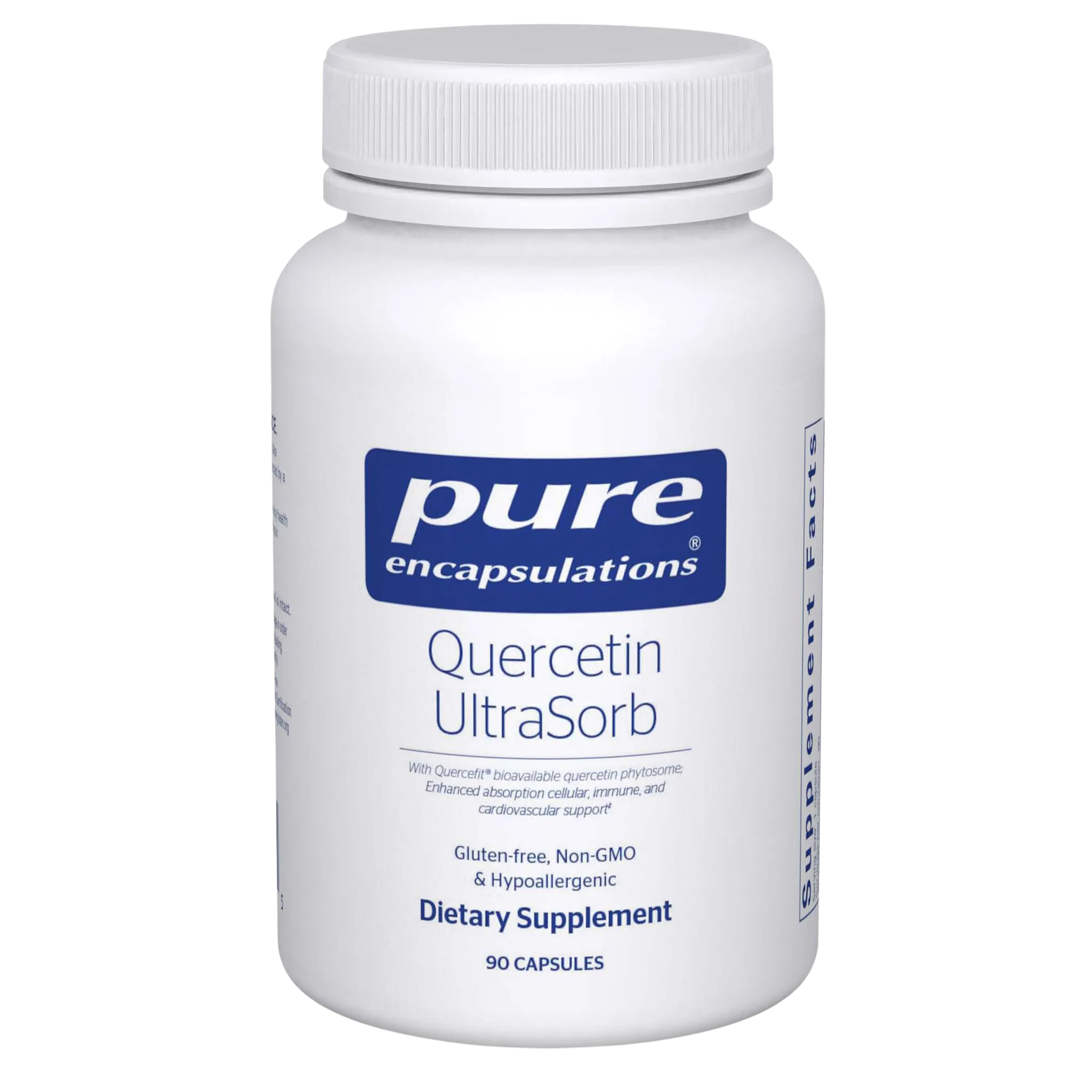
As researchers urgently work to unravel the mechanisms behind post-viral syndromes and immune dysregulation, certain natural compounds have emerged as powerful tools for cellular support. Among the most extensively studied is quercetin, a potent plant-based flavonoid known for its remarkable ability to stabilize mast cells, neutralize oxidative stress, and support immune function. However, not all quercetin is created equal. In this article, we will explore the deep cellular science behind quercetin, how chronic illness disrupts the pathways it supports, and why advanced formulations like Quercetin UltraSorb (featuring Quercefit®) are changing the landscape of post-viral nutritional support.
What is Quercetin?
The Role of Flavonoids in Cellular Health
Quercetin is a naturally occurring polyphenolic flavonoid, a type of plant pigment found abundantly in foods like red onions, apples, capers, and the Japanese pagoda tree (Sophora japonica L.). In a healthy human body, flavonoids like quercetin play a foundational role in maintaining cellular homeostasis. They act as biological response modifiers, meaning they help regulate how our cells respond to environmental stressors, pathogens, and internal inflammatory signals. At the molecular level, quercetin is highly lipophilic, allowing it to interact directly with the lipid bilayers of our cell membranes to exert its protective effects.
One of the primary functions of quercetin is its role as a master immunomodulator. It actively influences the cytokine cascade—the complex signaling network that immune cells use to communicate. By modulating pathways like NF-κB and MAPK, quercetin helps prevent the immune system from overreacting to minor triggers. This balancing act is crucial for preventing the chronic, low-grade inflammation that can slowly damage tissues over time. In essence, quercetin acts as a cellular thermostat, cooling down overheated immune responses while maintaining the body's ability to fight off genuine threats.
Neutralizing Oxidative Stress
Beyond immune modulation, quercetin is perhaps best known as a potent antioxidant. Every second, our cells produce energy through a process that naturally generates free radicals—unstable molecules that can damage cellular structures if left unchecked. Quercetin directly inactivates these free radicals via electron donation. It is particularly effective at halting lipid peroxidation, a destructive cascade where free radicals "steal" electrons from the lipids in our cell membranes, leading to cell death and tissue degradation.
Furthermore, quercetin does not just act directly; it also upregulates the body's internal defense systems. Research shows that quercetin activates the Nrf2/HO-1 cellular pathway, a critical genetic switch that commands the body to produce its own endogenous antioxidant enzymes, such as superoxide dismutase and catalase. By boosting these internal defenses, quercetin helps protect the delicate mitochondria—the powerhouses of our cells—from oxidative damage, ensuring they can continue to produce the energy required for daily life.
The Senolytic Potential of Quercetin
In recent years, quercetin has gained massive attention in the field of longevity and chronic disease research for its senolytic properties. As cells age or sustain severe damage (such as from a viral infection), they are supposed to undergo apoptosis, a programmed and orderly cell death. However, some damaged cells refuse to die, transforming into "senescent" or "zombie" cells. These senescent cells linger in tissues and continuously secrete a toxic cocktail of pro-inflammatory cytokines, driving systemic inflammation.
Quercetin is one of the few natural compounds identified as a senolytic—meaning it has the unique ability to identify these dysfunctional zombie cells and prompt them to finally undergo apoptosis. By clearing out this cellular debris, quercetin helps lower the overall inflammatory burden on the body, paving the way for healthier cells to function optimally. This mechanism is currently a major focus of research into post-viral recovery and healthy aging.
How Long COVID and ME/CFS Impact Immune and Cellular Function
Persistent Viral Reservoirs and Micro-Clots
To understand why quercetin is so relevant to conditions like Long COVID and ME/CFS, we must first look at how these illnesses disrupt the body's baseline function. Emerging research suggests that Long COVID may be driven, in part, by persistent viral reservoirs. This means that fragments of the SARS-CoV-2 virus, or even replication-competent virus, may hide in tissues like the gut long after the acute infection has passed. The immune system remains locked in a constant, exhausting battle against these hidden viral remnants, leading to perpetual inflammation and immune exhaustion.
This chronic inflammatory state heavily impacts the cardiovascular system. Researchers like Scientist Resia Pretorius have identified the presence of persistent, amyloid-like "micro-clots" in the blood of Long COVID and ME/CFS patients. These micro-clots trap inflammatory molecules and block the tiny capillaries that deliver oxygen to our muscles and brain. When tissues are starved of oxygen (hypoxia), it triggers profound fatigue, post-exertional malaise (PEM), and a massive spike in oxidative stress, creating a vicious cycle that is incredibly difficult to break.
Neuroinflammation and the "Brain Fog" Connection
The systemic inflammation seen in these conditions does not stop at the blood-brain barrier. In ME/CFS and Long COVID, patients frequently suffer from severe cognitive impairment, commonly referred to as brain fog. This is not simply "being tired"; it is a manifestation of neuroinflammation. The brain's resident immune cells, called microglia, become chronically activated. Instead of protecting the brain, these hyperactive microglia release inflammatory cytokines directly into the central nervous system.
When neuroinflammation takes hold, it disrupts neurotransmitter balance, impairs memory retrieval, and drastically reduces the brain's processing speed. Furthermore, this localized inflammation depletes the brain's supply of glutathione, the master antioxidant. Without sufficient glutathione, the delicate neurons are left vulnerable to the very oxidative stress we discussed earlier, leading to the sensory overload and cognitive crashes that so many patients experience after mental exertion.
The Mast Cell Activation Cycle
Perhaps the most disruptive element of these complex chronic illnesses is the development of mast cell activation syndrome (MCAS). Mast cells are the immune system's first responders, stationed in tissues throughout the body. In a healthy state, they release histamine and other mediators only when necessary to fight a pathogen or heal an injury. However, in Long COVID and dysautonomia, these mast cells become highly unstable and hyper-reactive.
Triggered by stress, certain foods, temperature changes, or even just standing up, these unstable mast cells degranulate inappropriately, dumping massive amounts of histamine, tryptase, and leukotrienes into the bloodstream. This histamine dump causes a cascade of bizarre and frightening symptoms: sudden tachycardia, flushing, gastrointestinal distress, and profound fatigue. Because histamine also acts as a neurotransmitter, this excessive release further fuels the neuroinflammation and brain fog, locking the patient in a continuous loop of allergic-like reactions and systemic crashes.
Quercetin: Supporting Mast Cell Stabilization and Immune Health
Halting the Histamine Cascade at the Source
Quercetin is widely regarded in the medical literature as one of the most potent natural mast cell stabilizers available. When a patient takes a highly bioavailable form of quercetin, it begins to intervene directly at the cellular membrane of the hyperactive mast cells. Mast cell degranulation (the release of histamine) requires a rapid influx of intracellular calcium. Quercetin acts as a molecular gatekeeper; it directly decreases this calcium influx by inhibiting the PLCγ-IP3R signaling pathway and blocking specific calcium channels known as TRPV1. Without this calcium surge, the mast cell cannot dump its inflammatory payload.
But quercetin's mechanism goes even deeper than blocking release; it actually stops the creation of new histamine. Inside the mast cell, an enzyme called histidine decarboxylase is responsible for synthesizing histamine from the amino acid histidine. Studies have shown that quercetin actively inhibits the mRNA transcription of histidine decarboxylase. By cutting off the supply chain at the genetic level, quercetin helps gradually lower the body's overall histamine burden, providing much-needed relief for those battling MCAS and histamine intolerance.
Receptor Blockade and Downstream Cytokine Reduction
Even if some histamine does escape the mast cell, quercetin provides a second layer of defense. Molecular docking studies reveal that quercetin has a very high binding affinity for Histamine H4 receptors. By binding to these receptors on the surface of other cells, quercetin effectively blocks histamine from attaching and triggering downstream inflammation and itching. This receptor blockade is a crucial mechanism for managing the skin flushing, hives, and dermatological symptoms frequently seen in post-viral syndromes.
Furthermore, quercetin suppresses the broader cytokine storm associated with immune dysregulation. By inhibiting the NF-κB transcription factor, quercetin prevents immune cells from producing pro-inflammatory cytokines like Interleukin-6 (IL-6), Interleukin-8 (IL-8), and Tumor Necrosis Factor-alpha (TNF-α). This broad-spectrum anti-inflammatory action is vital for calming the systemic inflammation that drives the persistent symptoms of Long COVID and ME/CFS.
Restoring Mitochondrial Biogenesis and Coagulation Balance
Beyond mast cell stabilization, quercetin offers profound support for the cellular energy crisis seen in chronic fatigue. By neutralizing the massive oxidative stress caused by viral remnants and inflammation, quercetin protects the mitochondria from destruction. More importantly, research indicates that quercetin can stimulate mitochondrial biogenesis—the creation of new, healthy mitochondria. It does this by activating the PGC-1α pathway, helping to restore the cellular energy (ATP) production that is so desperately needed to overcome post-exertional malaise.
Additionally, quercetin addresses the cardiovascular complications of these illnesses. Remember the micro-clots we discussed earlier? Quercetin has been shown to inhibit Protein Disulfide Isomerase (PDI), an enzyme directly involved in platelet-mediated thrombin formation. By inhibiting PDI, quercetin helps support healthy blood coagulation pathways, potentially improving microcirculation and ensuring that oxygen can once again reach the oxygen-starved tissues of the brain and muscles.

Symptoms Quercetin May Help Manage
Targeting Neurological and Energy Symptoms
Because quercetin operates on multiple systemic pathways—from mast cell stabilization to mitochondrial support—it can help manage a wide array of interconnected symptoms. Patients dealing with complex chronic conditions often find that addressing the root cellular dysfunction yields improvements across several bodily systems simultaneously.
Here are specific neurological and energy-related symptoms that quercetin may help manage:
Brain Fog and Cognitive Impairment: By crossing the blood-brain barrier (in highly bioavailable forms) and suppressing microglial activation, quercetin helps reduce the neuroinflammation that causes slowed processing speed and memory issues.
Post-Exertional Malaise (PEM): Quercetin supports mitochondrial biogenesis and neutralizes exercise-induced oxidative stress, which may help raise the threshold before a "crash" occurs after physical or mental exertion.
Chronic, Unrefreshing Fatigue: By promoting the clearance of senescent "zombie" cells and supporting ATP production, quercetin helps restore baseline cellular energy levels that are depleted in ME/CFS.
Addressing Systemic and Allergic Responses
For those specifically battling mast cell activation or the lingering systemic effects of a viral infection, quercetin's role as a biological response modifier is particularly relevant.
Unpredictable Allergic Reactions (MCAS): By inhibiting calcium influx and blocking histidine decarboxylase, quercetin stabilizes mast cells, reducing the frequency and severity of sudden hives, flushing, and mysterious food reactions.
Gastrointestinal Distress: The gut is heavily populated with mast cells. Quercetin's ability to halt localized histamine dumping can help soothe the abdominal pain, bloating, and unpredictable bowel habits associated with histamine intolerance.
Lingering Post-Viral Inflammation: Through its inhibition of the NF-κB pathway, quercetin lowers systemic levels of circulating cytokines (like IL-6 and TNF-α), helping to cool the persistent, full-body aches and joint pain common in Long COVID.
Practical Considerations: Forms, Dosing, and Absorption
Overcoming the Bioavailability Barrier with Quercefit®
While the biochemical potential of quercetin is vast, standard quercetin supplements have a major flaw: extremely poor oral bioavailability. In its natural state, quercetin is not highly water-soluble, and the human digestive tract struggles to absorb it. When you take a standard quercetin capsule, the vast majority of the flavonoid is rapidly metabolized and excreted before it can ever reach your bloodstream, let alone cross the blood-brain barrier to address neuroinflammation.
This is why advanced formulations are critical for clinical success. Quercetin UltraSorb utilizes Quercefit®, a patented Phytosome® technology developed by Indena. This technology embeds the quercetin extract into a food-grade matrix of sunflower phospholipids (lecithin). Because our own cell membranes are made of similar lipids, this phospholipid casing acts as a Trojan horse, allowing the quercetin to easily cross the biological barriers of the gut. Pharmacokinetic studies have demonstrated that Quercefit® is up to 20 times more bioavailable than standard unformulated quercetin, allowing patients to achieve therapeutic blood levels at much lower doses.
Optimal Dosing and Timing Strategies
Because of its enhanced absorption, the dosing strategy for Quercefit® differs from standard quercetin. Clinical trials utilizing Quercefit® for immune support and fatigue typically use doses ranging from 250 mg to 500 mg per day. Quercetin UltraSorb provides 300 mg of Quercefit® per capsule, placing it perfectly within this evidence-based therapeutic window.
Timing is also an important consideration. Quercetin has a relatively short half-life in the body. For individuals using it specifically for mast cell stabilization, maintaining steady blood serum levels is crucial to prevent sudden histamine dumps. Therefore, some practitioners recommend splitting the dose (if taking multiple capsules) between morning and evening. Additionally, because Quercefit® is bound to dietary fats (phospholipids), it is generally well-absorbed with or without food, though taking it with a light meal containing some healthy fats may further optimize its uptake.
Crucial Safety and Drug Interaction Warnings
While quercetin is highly safe and well-tolerated by most individuals, its potent effects on liver enzymes require careful attention, especially for patients with complex chronic illnesses who are often on multiple medications. Quercetin is a well-documented competitive inhibitor of Cytochrome P450 3A4 (CYP3A4) and P-glycoprotein (P-gp). These are the primary enzymes and transport pumps responsible for metabolizing and clearing more than 50% of prescription drugs from the body.
By inhibiting CYP3A4, quercetin can significantly increase the amount of an active drug that enters the bloodstream and decrease how quickly the body clears it. This means that if you take quercetin alongside certain medications—such as immunosuppressants (like cyclosporine), specific statins, calcium channel blockers for blood pressure, or blood thinners (like warfarin)—it can dangerously amplify the effects of those drugs. Always consult with your prescribing healthcare provider or a knowledgeable pharmacist before adding quercetin to your regimen to ensure there are no dangerous pharmacokinetic interactions.

Follow the Science
Quercetin vs. Pharmaceutical Mast Cell Stabilizers
The scientific validation for quercetin's role in chronic illness management has grown exponentially over the last decade. One of the most compelling pieces of evidence comes from a landmark 2012 study published in PLOS One by Weng et al.. Researchers directly compared the efficacy of quercetin against Disodium Cromoglycate (Cromolyn), a leading prescription mast cell stabilizer. Using human LAD2 mast cells triggered by Substance P, they measured the resulting histamine release.
The results were striking. When triggered, the control mast cells released 1611.4 pg/mL of histamine. Standard quercetin reduced this release to 792.3 pg/mL, and a highly soluble form of quercetin reduced it to an incredible 350.6 pg/mL—significantly outperforming the prescription Cromolyn, which only reduced levels to 464.6 pg/mL. Furthermore, the study noted that quercetin was vastly superior at stopping the delayed release of inflammatory cytokines like IL-8 and TNF, and importantly, it worked prophylactically (preventing the reaction before it started), whereas Cromolyn rapidly lost its effect if not timed perfectly with the trigger.
Recent Trials in Post-Viral Fatigue and Long COVID
More recently, clinical trials have focused specifically on highly bioavailable quercetin for post-viral syndromes. A 2023 double-blind, placebo-controlled clinical trial published in Biomedicine & Pharmacotherapy evaluated 78 individuals experiencing chronic fatigue symptoms. Participants were given either a placebo or 500 mg daily of Quercetin Phytosome (the exact technology in Quercefit®) for two months. The researchers utilized the Fatigue Impact Scale (FIS-40) to measure outcomes.
The findings demonstrated that the group receiving the Quercetin Phytosome experienced statistically significant relief in chronic fatigue symptoms compared to the placebo group. They showed improved endurance times, reduced physical discomfort, faster recovery times after exertion, and improved sleep quality. This clinical data strongly supports the mechanistic theory that neutralizing oxidative stress and supporting mitochondrial biogenesis can yield tangible, real-world improvements for those suffering from debilitating fatigue.
Evaluating the Evidence
Additionally, during the height of the pandemic, researchers investigated quercetin's ability to modulate the immune response to acute viral infections. A 2021 randomized clinical trial by Di Pierro et al. found that subjects taking Quercetin Phytosome during early-stage COVID-19 cleared the virus significantly faster and had lower biomarkers of severe inflammation (like CRP and D-dimer) than the control group. By swiftly clearing viral reservoirs and dampening the cytokine storm, early intervention with bioavailable quercetin may play a role in preventing the severe immune dysregulation that leads to Long COVID. While larger, multi-center Phase III trials are still ongoing, the current body of evidence paints a highly promising picture for quercetin as a foundational supportive therapy.
The Path Forward
A Comprehensive Approach to Healing
Living with the unpredictable and often invisible symptoms of Long COVID, ME/CFS, and MCAS is an incredibly heavy burden to carry. It is completely valid to feel frustrated by the lack of definitive cures and the trial-and-error nature of managing complex chronic illnesses. However, the rapidly expanding body of scientific research offers genuine hope. By understanding the specific cellular mechanisms driving your symptoms—like mast cell degranulation, oxidative stress, and mitochondrial dysfunction—you and your healthcare team can begin to target these pathways strategically.
Supplements like Quercetin UltraSorb are not magic bullets, but they are powerful tools designed to support your body's innate ability to find balance. When combined with comprehensive management strategies like strict pacing to avoid PEM, nervous system regulation, dietary modifications for histamine intolerance, and guidance from a Long COVID literate doctor, highly bioavailable quercetin can be a vital piece of your healing puzzle.
Taking the Next Step in Your Journey
If you are struggling with signs of immune dysregulation, brain fog, or mysterious allergic reactions, advanced cellular support may help you regain a sense of stability. Always remember to consult with your healthcare provider before starting any new supplement, especially to review potential interactions with your current medications. With the right tools and a compassionate care team, it is possible to improve your quality of life and navigate the path forward.