Can Quercetin Phytosome Calm Mast Cells and Support Long COVID Recovery?
March 6, 2026
QuercetinLong COVIDMCAS
Share:
Disclaimer: The information provided here is for educational purposes only and is not intended as medical advice. It should not be used to diagnose, treat, cure, or prevent any medical condition. Instead, use it as a starting point for discussion with your healthcare provider. Always consult with a qualified healthcare provider before starting any new medication, supplement, device, or making changes to your health regimen.
For individuals navigating the complex terrain of chronic illnesses like Long COVID, myalgic encephalomyelitis/chronic fatigue syndrome (ME/CFS), mast cell activation syndrome (MCAS), and dysautonomia, finding targeted support can feel like an endless search. You might be dealing with debilitating brain fog, sudden allergic-type reactions to foods you used to tolerate, or a profound fatigue that worsens after even minor exertion. These symptoms are not just "in your head"—they are the result of profound biochemical disruptions, persistent inflammation, and immune system dysregulation at the cellular level. When your body is trapped in a vicious cycle of oxidative stress and immune overactivation, it requires highly specific interventions to help restore balance and promote healing.
One of the most promising natural compounds to emerge in functional medicine is quercetin, a potent plant-based antioxidant. However, standard quercetin supplements often fail to deliver on their promises due to exceptionally poor absorption in the human digestive tract. This is where Thorne’s Quercetin Phytosome changes the landscape. By utilizing advanced phytosome technology to bind quercetin to sunflower phospholipids, this formulation increases bioavailability by up to 20 times. In this comprehensive guide, we will explore the intricate molecular mechanisms of quercetin, how it acts as a powerful mast cell stabilizer, and why this specific formulation is becoming a cornerstone in managing the complex symptoms of Long COVID and related chronic conditions.
What is Quercetin Phytosome?
The Power of Flavonoids in Nature and Human Health
Quercetin belongs to a broad class of naturally occurring plant compounds known as flavonoids, which are a specific type of polyphenol. In the natural world, flavonoids serve as the vibrant pigments that give fruits, vegetables, and flowers their rich, diverse colors. Beyond aesthetics, these compounds act as the plant's primary defense mechanism against environmental stressors, including ultraviolet radiation, pathogens, and physical damage. When humans consume these plants—such as red onions, apples, capers, and green tea—we ingest these protective compounds, allowing our own bodies to benefit from their robust biochemical properties. For centuries, traditional medical systems have unknowingly relied on quercetin-rich botanicals to manage inflammatory conditions, but modern science has now isolated this specific molecule to understand exactly how it interacts with human physiology.
At its core, quercetin functions as an exceptionally powerful antioxidant. In a healthy human body, normal metabolic processes constantly produce unstable molecules known as free radicals or reactive oxygen species (ROS). While a certain level of ROS is necessary for cellular signaling, an excess leads to a destructive state called oxidative stress. Free radicals are highly reactive because they possess an unpaired electron, causing them to aggressively seek out and steal electrons from healthy cellular structures, including cell membranes, proteins, and even DNA. Quercetin acts as a biochemical shield; its unique molecular structure allows it to safely donate electrons to these free radicals, neutralizing their destructive potential without becoming unstable itself.
The Biochemical Role of Quercetin in the Body
Beyond simple free radical scavenging, quercetin operates as a sophisticated modulator of cellular signaling pathways. It actively interacts with various enzymes and genetic transcription factors that dictate how our cells respond to stress and inflammation. For instance, quercetin has been shown to inhibit the activity of enzymes like cyclooxygenase (COX) and lipoxygenase (LOX), which are the primary drivers of the inflammatory cascade in the human body. By slowing down these enzymes, quercetin reduces the production of pro-inflammatory prostaglandins and leukotrienes, effectively turning down the dial on systemic inflammation. This is particularly crucial for individuals whose immune systems are locked in a hyperactive state, constantly churning out inflammatory signals that damage healthy tissues.
Furthermore, quercetin plays a vital role in supporting endothelial function—the health of the thin layer of cells that line our blood vessels. By protecting these endothelial cells from oxidative damage and promoting the production of nitric oxide, quercetin helps maintain healthy blood flow and vascular flexibility. This cardiovascular support is intricately linked to its ability to modulate the immune system, as healthy blood vessels are essential for the proper distribution of immune cells and the clearance of metabolic waste products. The compound also interacts with specific cellular receptors that regulate the aging process, making it a molecule of intense interest for researchers studying longevity and cellular resilience.
The Phytosome Advantage: Solving the Bioavailability Problem
Despite its profound biochemical capabilities, natural quercetin possesses a significant structural flaw when it comes to human supplementation: it is highly lipophilic (fat-loving) and poorly soluble in water. Because the human digestive tract is a watery environment, raw quercetin powder tends to clump together, making it exceedingly difficult for the intestines to absorb. Clinical pharmacokinetic studies estimate that only about 1% to 2% of a standard, unformulated quercetin dose actually makes it across the gut lining and into the systemic bloodstream. To achieve the high blood concentrations required to stabilize mast cells or combat severe inflammation, a technological intervention is necessary.
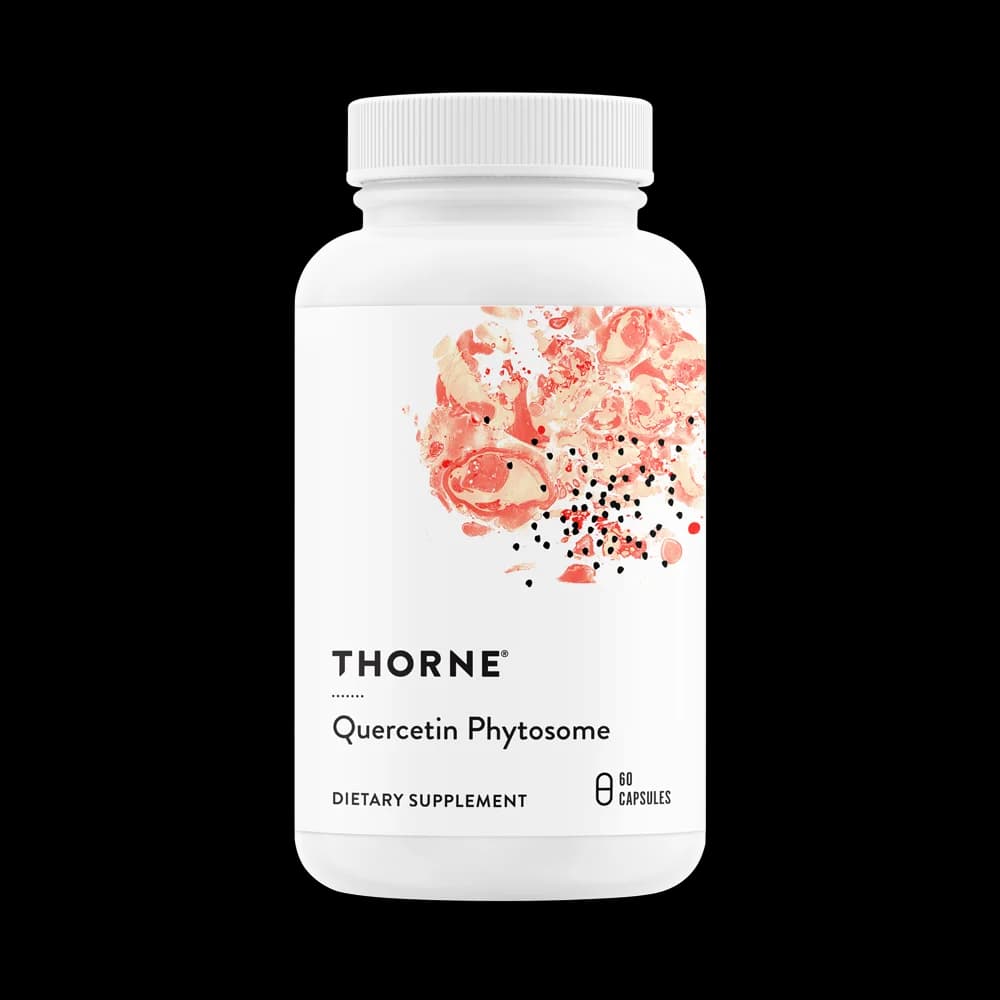
This is exactly where Thorne’s Quercetin Phytosome excels. Developed using patented Quercefit® technology, this formulation binds pure quercetin extract from the Sophora japonica flower to a phospholipid complex derived from sunflower lecithin. Phospholipids are the exact same fat molecules that make up the outer membranes of our own human cells. By wrapping the quercetin in this lipid layer, the phytosome acts as a biological Trojan horse. The human digestive tract easily recognizes and absorbs the phospholipids, pulling the attached quercetin directly across the intestinal barrier and into the bloodstream. This elegant solution increases the bioavailability of quercetin by up to 20 times compared to standard extracts.
How Complex Chronic Conditions Impact Immune and Cellular Function
Long COVID and the Vicious Cycle of Persistent Inflammation
To understand why quercetin is so highly valued in the chronic illness community, we must first examine how conditions like Long COVID disrupt the body's natural equilibrium. When an individual contracts the SARS-CoV-2 virus, the immune system mounts a fierce inflammatory response to clear the infection. In a healthy recovery, this inflammation subsides once the virus is eradicated. However, in patients who develop Long COVID, this inflammatory response fails to shut off. If you are wondering what causes Long COVID, researchers believe it involves a combination of lingering viral fragments, autoimmune cross-reactivity, and severe endothelial damage. The immune system remains locked in a state of high alert, continuously producing inflammatory cytokines like Interleukin-6 (IL-6) and Tumor Necrosis Factor-alpha (TNF-α).
Furthermore, this chronic inflammatory state deeply impacts the vascular system. The ongoing immune battle damages the endothelial lining of the blood vessels, leading to a phenomenon known as microvascular dysfunction. In many Long COVID patients, this manifests as widespread microclotting—tiny, persistent blood clots that block the microscopic capillaries responsible for delivering oxygen and nutrients to the muscles and brain. When your tissues are starved of oxygen due to these microclots, even basic physical tasks can trigger severe fatigue and muscle pain. Breaking this cycle requires interventions that can simultaneously calm the immune system and protect the vascular lining from further oxidative destruction.
Mast Cell Activation Syndrome (MCAS) and Histamine Overload
Closely intertwined with Long COVID is a condition known as Mast Cell Activation Syndrome (MCAS). Mast cells are a critical component of the innate immune system; they are the body's first responders, stationed in tissues that interface with the outside world, such as the skin, gut lining, and respiratory tract. Inside these mast cells are thousands of tiny granules filled with chemical mediators, the most famous being histamine. In a healthy body, mast cells only release these chemicals when they encounter a genuine threat, like a parasite or a severe allergen. However, in MCAS, these mast cells become genetically or environmentally destabilized. They become hyper-reactive, inappropriately dumping massive amounts of histamine and other inflammatory chemicals into the bloodstream in response to normal, everyday stimuli.
When mast cells constantly degranulate, the resulting histamine overload wreaks havoc across multiple organ systems. Patients may experience sudden hives, flushing, severe gastrointestinal distress, rapid heart rate, and neurological symptoms like severe anxiety or brain fog. Recent immunological research suggests that the SARS-CoV-2 virus can directly infect and destabilize mast cells, explaining why so many Long COVID patients suddenly develop severe allergies and food intolerances post-infection. Traditional antihistamines only block histamine after it has been released, doing nothing to stop the mast cells from degranulating in the first place, which is why a root-cause approach is desperately needed.
ME/CFS, Mitochondrial Dysfunction, and Cellular Senescence
Myalgic encephalomyelitis/chronic fatigue syndrome (ME/CFS) is another devastating condition that frequently overlaps with Long COVID. In fact, many patients and researchers are exploring the question: can Long COVID trigger ME/CFS? The answer increasingly appears to be yes. A hallmark of ME/CFS is post-exertional malaise (PEM), a severe worsening of symptoms following even minor physical or cognitive exertion. This is not normal tiredness; it is a profound failure of cellular energy production. In ME/CFS, the mitochondria—the microscopic powerhouses inside our cells responsible for generating ATP (cellular energy)—become dysfunctional. Chronic inflammation and oxidative stress damage the delicate mitochondrial membranes, causing them to leak electrons and fail to produce adequate ATP.
Additionally, chronic illness accelerates a process known as cellular senescence. Senescent cells, often referred to as "zombie cells," are damaged cells that have stopped dividing but refuse to die. Instead of undergoing normal cellular recycling, these zombie cells linger in the tissues, secreting a toxic cocktail of inflammatory cytokines and tissue-degrading enzymes. This phenomenon creates a highly toxic local environment that damages neighboring healthy cells and further impairs mitochondrial function. In conditions like ME/CFS and Long COVID, addressing this cellular aging process is a critical component of restoring vitality and energy production.
Quercetin Phytosome: Supporting Immune Balance and Cellular Health
Stabilizing Mast Cells at the Molecular Level
Quercetin is widely regarded by functional medicine practitioners as one of the most potent natural mast cell stabilizers available, and its mechanism of action is incredibly precise. Unlike over-the-counter antihistamines that merely block histamine receptors after the chemical has been released into the bloodstream, quercetin acts prophylactically to prevent the release of histamine in the first place. It achieves this by inhibiting the influx of intracellular calcium into the mast cell. Mast cell degranulation is a highly calcium-dependent process; when a mast cell is triggered, calcium channels open, flooding the cell with calcium ions, which forces the histamine-containing vesicles to fuse with the cell membrane and empty their contents. Quercetin directly blocks these calcium channels, specifically inhibiting the PLCγ-IP3R signaling pathway, effectively locking the histamine safely inside the cell.
Furthermore, a landmark 2012 study published in PLoS One compared quercetin directly to cromolyn sodium, the standard pharmaceutical mast cell stabilizer. The researchers found that while both compounds effectively inhibited histamine release, quercetin was significantly superior at blocking the release of "late-phase" inflammatory cytokines, such as IL-8 and TNF, from human mast cells. Quercetin also modulates specific receptors on the mast cell surface. Recent data indicates it acts as an agonist for the CLM-1 receptor, which triggers a downstream signaling cascade that actively suppresses the mast cell's reactivity to non-immune triggers like stress hormones and neuropeptides.
Modulating the Inflammatory Cascade and Cytokine Production
Beyond its effects on mast cells, quercetin exerts profound control over the broader systemic inflammatory response, making it a vital tool for those managing Long COVID. At the genetic level, quercetin suppresses the activation of Nuclear Factor kappa B (NF-κB), a master transcription factor that controls the expression of numerous inflammatory genes. When NF-κB is activated by a viral infection or oxidative stress, it travels into the cell nucleus and commands the cell to churn out pro-inflammatory cytokines like IL-6, IL-1β, and TNF-α. By blocking the translocation of NF-κB, quercetin effectively cuts off the inflammatory storm at its genetic source. This broad-spectrum cytokine blockade is essential for cooling down the hyperactive immune response that drives systemic pain and brain fog.
Additionally, quercetin directly inhibits the enzymes responsible for synthesizing inflammatory lipids, specifically cyclooxygenase (COX) and lipoxygenase (LOX). These are the same enzymatic pathways targeted by non-steroidal anti-inflammatory drugs (NSAIDs) like ibuprofen, but quercetin achieves this modulation without the severe gastrointestinal side effects associated with long-term NSAID use. By reducing the production of inflammatory prostaglandins and leukotrienes, quercetin helps alleviate the deep muscle and joint aches that plague many patients with ME/CFS and Long COVID.
Enhancing Sirtuin Function and Mitochondrial Biogenesis
One of the most exciting areas of quercetin research involves its impact on cellular aging and mitochondrial health. Quercetin is a known activator of sirtuins, specifically SIRT1. Sirtuins are a family of proteins that act as cellular guardians, regulating cellular health, DNA repair, and longevity. When SIRT1 is activated by quercetin, it triggers a cascade of beneficial effects, including the stimulation of mitochondrial biogenesis—the creation of new, healthy mitochondria within the cells. For patients suffering from the profound energy deficits and post-exertional malaise (PEM) seen in ME/CFS, generating new mitochondria is crucial for restoring the body's ability to produce ATP.
Furthermore, quercetin possesses potent senolytic properties, meaning it has the ability to identify and clear out senescent "zombie" cells. As discussed earlier, these damaged cells secrete toxic inflammatory chemicals that drag down the surrounding healthy tissues. Quercetin helps induce apoptosis (programmed cell death) in these stubborn senescent cells. By clearing out this cellular debris, quercetin reduces the overall inflammatory burden on the body and creates a healthier microenvironment for tissue regeneration. This senolytic action makes Quercetin Phytosome a powerful tool for promoting healthy aging and combating cellular degradation.
Antiviral Properties and Coagulation Support
In the context of Long COVID, where viral persistence is a major concern, quercetin's direct antiviral properties are highly relevant. Research suggests that quercetin can inhibit specific viral enzymes necessary for SARS-CoV-2 replication, such as the 3CL protease (3CLpro) and RNA-dependent RNA polymerase (RdRp). By interfering with these enzymes, quercetin may help the immune system clear out lingering viral fragments that continue to trigger immune activation months or years after the initial infection. Additionally, quercetin acts as a zinc ionophore, meaning it helps transport zinc across the cell membrane and into the cell's interior, where zinc can exert its own powerful antiviral effects.
Finally, quercetin offers significant support for the vascular system and coagulation pathways, addressing the microclotting issues prevalent in Long COVID. Quercetin has been shown to inhibit protein disulfide isomerase (PDI), an enzyme that plays a key role in platelet activation and thrombin formation. By inhibiting PDI, quercetin exerts a mild, natural anti-platelet effect, helping to prevent the hypercoagulation and microvascular blockages that starve tissues of oxygen. Furthermore, its potent antioxidant capacity protects the delicate endothelial cells lining the blood vessels from oxidative damage, promoting the release of nitric oxide and ensuring healthy vasodilation.

Symptoms Quercetin Phytosome May Help Manage
Allergic and Histamine-Driven Symptoms
For patients dealing with Mast Cell Activation Syndrome (MCAS) or severe post-viral allergies, Quercetin Phytosome targets the root cause of histamine overload. By stabilizing mast cells and preventing degranulation, it may help alleviate:
Sudden Hives and Skin Rashes: By blocking histamine release and downregulating Histamine H4 receptors on skin cells, quercetin reduces the intense itching, flushing, and dermatological flare-ups common in MCAS.
Gastrointestinal Distress: Mast cells line the gut; stabilizing them before meals can reduce food-triggered bloating, cramping, diarrhea, and nausea associated with histamine intolerance.
Runny Nose and Watery Eyes: Quercetin reduces the localized histamine response in the mucous membranes, alleviating chronic rhinitis and seasonal allergy symptoms without the drowsiness of pharmaceutical antihistamines.
Chemical and Odor Sensitivities: By modulating the CLM-1 receptor, quercetin helps dampen the mast cell response to non-immune triggers like perfumes, cleaning chemicals, and environmental toxins.
Systemic and Energy-Related Symptoms
The profound fatigue and systemic pain seen in Long COVID and ME/CFS are driven by mitochondrial failure and chronic inflammation. Quercetin's ability to boost sirtuin function and block inflammatory cytokines can assist with:
Post-Exertional Malaise (PEM): By promoting mitochondrial biogenesis and protecting cellular energy pathways from oxidative stress, quercetin may help increase the baseline energy envelope and reduce the severity of crashes.
Deep Muscle and Joint Pain: By inhibiting the COX and LOX inflammatory pathways, quercetin reduces the production of pain-inducing prostaglandins, offering natural relief for widespread body aches.
Chronic Fatigue and Exhaustion: Clearing out senescent "zombie" cells and reducing the systemic inflammatory burden frees up massive amounts of energy that the immune system was previously wasting on chronic hyperactivation.
Temperature Dysregulation: By calming the autonomic nervous system and reducing systemic inflammation, quercetin may help stabilize the sudden sweats and chills often seen in dysautonomia and MCAS.
Respiratory and Cognitive Symptoms
The vascular and neurological impacts of chronic illness can be devastating. If you are tracking what the symptoms of Long COVID are, you know that brain fog and shortness of breath are incredibly common. Quercetin supports these areas by:
Brain Fog and Cognitive Impairment: By reducing neuroinflammation and protecting the blood-brain barrier from oxidative damage, quercetin helps clear the cognitive cloudiness and poor concentration associated with long-term immune activation.
Shortness of Breath (Air Hunger): Quercetin promotes a healthy inflammatory response in the respiratory tract, reducing airway hyperreactivity and supporting lung tissue repair post-infection.
Exercise Intolerance: By supporting endothelial health, reducing microclotting tendencies, and promoting nitric oxide production, quercetin improves blood flow and oxygen delivery to starving muscles during physical activity.
Rapid Heart Rate (POTS/Dysautonomia): While not a direct management tool for POTS, reducing the massive histamine dumps that trigger sudden tachycardia episodes can help stabilize heart rate fluctuations in patients with comorbid MCAS.
Practical Considerations: Forms, Dosing, and Absorption
Why Standard Quercetin Fails: The Absorption Dilemma
When considering quercetin supplementation, the most critical factor is bioavailability. As a natural flavonoid, quercetin is highly lipophilic, meaning it repels water and binds to fats. Because the human digestive tract is an aqueous (water-based) environment, standard quercetin powder crystals tend to clump together in the stomach and intestines, preventing them from passing through the gut lining. Clinical studies have repeatedly shown that unformulated quercetin has an oral bioavailability of less than 2%. This means if you take a standard 500 mg capsule of cheap quercetin powder, your body may only absorb 10 mg into the bloodstream, while the remaining 490 mg is excreted. This poor absorption is why many patients try standard quercetin for their allergies or MCAS and falsely conclude that "quercetin doesn't work for me." The molecule works brilliantly in a petri dish, but it must actually reach your cells to exert its benefits.
To compensate for this, some supplement manufacturers recommend taking massive doses of standard quercetin (upwards of 2000-3000 mg per day) or pairing it with other compounds like bromelain or vitamin C to slightly enhance absorption. While vitamin C does help recycle oxidized quercetin back to its active state, it does not fundamentally change the molecule's poor solubility. Taking massive doses of unformulated powder can also lead to gastrointestinal distress, as the unabsorbed quercetin ferments in the lower intestine. Therefore, for patients dealing with severe chronic conditions who need precise, therapeutic dosing without irritating their gut, a technologically advanced delivery system is absolutely essential.
How Phytosome Technology Works
Thorne’s Quercetin Phytosome utilizes a patented delivery system called Quercefit®, developed by the botanical research company Indena. Phytosome technology is a brilliant application of biomimicry. It takes the pure quercetin extract from the Sophora japonica flower and binds it at the molecular level to a phospholipid complex derived from sunflower lecithin. Phospholipids are unique molecules that have a water-loving (hydrophilic) head and a fat-loving (lipophilic) tail. More importantly, phospholipids are the exact building blocks that make up the lipid bilayer of every single cell membrane in the human body, including the enterocytes (the cells lining the intestinal wall).
When you ingest Quercetin Phytosome, the digestive tract recognizes the sunflower phospholipids as a highly absorbable, friendly nutrient. As the intestines absorb the phospholipids, the attached quercetin is pulled right along with it, directly crossing the gut barrier and entering the systemic circulation. Pharmacokinetic clinical trials have demonstrated that this phytosome delivery system increases the absorption of quercetin by up to 20 times compared to standard extracts. Furthermore, the absorption is dose-linear, meaning that higher doses reliably translate to proportionately higher levels of quercetin in the blood. This allows patients to achieve powerful, therapeutic blood levels of quercetin using a much smaller, more efficient dose.
Optimal Dosing Strategies and Timing
Because Thorne’s Quercetin Phytosome is so highly bioavailable, the dosing strategy differs from standard quercetin. The suggested use is typically one 250 mg capsule taken two to three times daily. For general immune support and healthy aging, one capsule twice a day is often sufficient. However, for patients actively managing MCAS flares, severe seasonal allergies, or acute Long COVID inflammation, practitioners may recommend taking it three times daily to maintain consistent blood levels of the mast cell-stabilizing compound. Consistency is key; while some patients notice a reduction in acute allergy symptoms within a few days, the deeper cellular benefits—such as mitochondrial biogenesis, senescent cell clearance, and the downregulation of systemic inflammation—require sustained use over several weeks or months.
Timing is also a crucial consideration, particularly for those with MCAS or food sensitivities. To effectively coat and stabilize the mast cells lining the gastrointestinal tract before they encounter potential food triggers, it is highly recommended to take Quercetin Phytosome 15 to 30 minutes before meals. Taking it on an empty stomach right before eating ensures that the phytosome is rapidly absorbed and ready to intercept any histamine release triggered by the digestive process. Because the phytosome is already bound to a lipid (sunflower phospholipid), it does not strictly require a high-fat meal for absorption, unlike standard quercetin.
Safety, Tolerability, and Potential Interactions
Quercetin has a long history of safe use and is generally very well tolerated, even at higher therapeutic doses. The phytosome formulation is particularly gentle on the stomach. However, because quercetin is a biologically active compound that modulates various enzymatic pathways, there are some important considerations. Quercetin can inhibit certain cytochrome P450 enzymes in the liver (such as CYP3A4), which are responsible for metabolizing many prescription medications. This means high doses of quercetin could potentially alter the blood levels of certain drugs, including specific antibiotics, blood thinners, or immunosuppressants. Fortunately, pilot clinical safety studies on Quercefit® have shown that at standard doses, it does not negatively interact with common antiplatelet agents, anticoagulants (like warfarin), or diabetes medications (like metformin).
Despite this favorable safety profile, it is imperative to exercise caution. If you are pregnant, nursing, or taking prescription medications, you must consult your healthcare practitioner before adding Quercetin Phytosome to your regimen. Additionally, individuals with a known history of hypersensitivity to Sophora japonica or sunflower-derived ingredients should avoid this product. While quercetin is a powerful tool for managing chronic illness, it should always be integrated into your protocol under the guidance of a medical professional who understands your complete health history and current medication list.

Follow the Science: Clinical Evidence for Quercetin
Quercetin in Acute and Long COVID-19 Trials
The clinical interest in quercetin surged dramatically during the COVID-19 pandemic, leading to a wealth of new clinical trial data. Because of its known antiviral and anti-inflammatory properties, researchers quickly mobilized to test highly bioavailable forms of quercetin on infected patients. A notable open-label randomized controlled trial involving 152 COVID-19 outpatients tested 1,000 mg/day of Quercefit® (the exact phytosome used by Thorne) for 30 days alongside standard care. The results were striking: the add-on quercetin therapy reduced the need for hospitalization, shortened hospital stays, and reduced the need for non-invasive oxygen therapy compared to standard care alone. This profound reduction in severe outcomes highlighted quercetin's ability to halt the dangerous inflammatory cascades triggered by the virus.
As the pandemic evolved, research shifted toward post-viral syndromes. If you are exploring what drugs are used for COVID long haulers, you will find that targeted natural compounds are heavily researched alongside pharmaceuticals. In late 2025, a dedicated pragmatic clinical trial (NCT06974058) evaluated a supplement combining highly bioavailable quercetin and curcumin in adults suffering from mild to moderate Long COVID symptoms. Early retrospective analyses of multi-element products containing quercetin have demonstrated a markedly lower risk of Long COVID development at the 6-month mark when administered during or immediately after the acute infection. These trials confirm that by continuously suppressing IL-6 and TNF-α, quercetin helps the body clear lingering inflammation.
Mast Cell Stabilization vs. Conventional Pharmaceuticals
For patients with MCAS, the clinical evidence supporting quercetin as a mast cell stabilizer is robust and directly challenges conventional pharmaceutical approaches. The standard pharmaceutical approach for mast cell stabilization is a drug called cromolyn sodium. However, a landmark 2012 comparative study published in PLoS One tested both quercetin and cromolyn on cultured human mast cells triggered by Substance P (a stress-related neuropeptide). The researchers found that while both compounds equally inhibited the release of histamine, quercetin was significantly more effective than cromolyn at inhibiting the release of inflammatory cytokines (IL-8 and TNF). Specifically, quercetin reduced IL-8 secretion from 437.2 pg/mL down to 291.2 pg/mL, outperforming the pharmaceutical standard.
Furthermore, the study highlighted a major clinical limitation of cromolyn: it rapidly loses its effect and must be administered at the exact time of the allergic trigger to work. Quercetin, however, exerts a lasting prophylactic (preventative) effect, stabilizing the mast cell over a longer duration. This is why many functional medicine doctors prefer highly bioavailable quercetin as foundational support for MCAS; it provides broader, longer-lasting protection against the full spectrum of mast cell mediators, not just histamine, without the strict timing requirements and rapid drop-off associated with cromolyn sodium.
Metabolic Health and Exercise Recovery
Beyond immune and viral applications, Quercetin Phytosome has strong clinical backing for metabolic health and exercise recovery—areas highly relevant to ME/CFS patients struggling with energy production. A controlled human study involving amateur athletes completing a triathlon evaluated the effects of 250 mg of Quercefit® taken twice daily. The athletes supplementing with the phytosome demonstrated optimized performance, maintained greater body resistance, and experienced significantly faster recovery and better muscle well-being post-workout compared to the control group. This highlights quercetin's ability to clear exercise-induced oxidative stress and lactic acid.
Additionally, real-world clinical data has shown that Quercefit® can significantly improve metabolic biomarkers. In studies involving adults with borderline metabolic imbalances, 400 to 750 mg/day of Quercefit® resulted in notable reductions in LDL cholesterol, total cholesterol, and triglycerides. It also demonstrated a powerful hypouricemic effect, reducing serum uric acid levels by up to 15.2%. High uric acid and poor lipid profiles are common in patients with chronic systemic inflammation and dysautonomia. By improving these metabolic markers and increasing DHEA-S (an anti-aging biomarker), Quercetin Phytosome provides comprehensive support for the cardiovascular and metabolic systems.
The Path Forward
A Comprehensive Approach to Chronic Illness
Living with a complex chronic illness like Long COVID, ME/CFS, MCAS, or dysautonomia is an exhausting, daily battle. If you are struggling to figure out how you can live with long-term COVID, it is vital to remember that recovery is rarely found in a single magic pill. These conditions involve deeply entrenched, multi-system dysfunction—from mitochondrial failure and persistent microclotting to hyperactive mast cells and chronic neuroinflammation. True healing requires a comprehensive, multi-layered approach that addresses the root causes of these biochemical disruptions. This includes aggressive pacing to prevent post-exertional malaise, nervous system regulation, dietary modifications to lower histamine burden, and targeted, science-backed nutritional support to give your cells the raw materials they need to repair themselves.
Validation is a crucial part of this journey. Your symptoms are real, they are physiological, and they are driven by measurable cellular mechanisms. The overwhelming fatigue, the sudden allergic reactions, and the profound brain fog are the direct results of an immune system that is stuck in a state of chronic alarm. By understanding the science behind your symptoms—such as the role of NF-κB in inflammation or the impact of intracellular calcium on mast cell degranulation—you empower yourself to make informed decisions about your management strategies. You are not broken; your body is simply caught in a vicious cycle that requires precise, targeted interventions to break.
Integrating Quercetin into Your Daily Routine
Thorne’s Quercetin Phytosome represents a massive leap forward in targeted nutritional support. By solving the historical problem of poor bioavailability through advanced phytosome technology, it allows patients to finally harness the full, profound power of this natural flavonoid. Whether you are looking to stabilize hyper-reactive mast cells, cool down systemic post-viral inflammation, clear out senescent zombie cells, or support mitochondrial biogenesis, this 20x more absorbable formulation delivers the active compound directly to the tissues that need it most. It is a foundational tool for anyone looking to regain control over their immune response and cellular health.
As you consider adding Quercetin Phytosome to your protocol, remember to start low and go slow, especially if your system is highly sensitive. Work closely with a healthcare provider who understands the complexities of MCAS and Long COVID to determine the optimal dosing schedule for your specific needs. While supplements are just one piece of the puzzle, providing your body with a highly bioavailable, multi-targeted antioxidant like quercetin can be a powerful catalyst for shifting your physiology out of emergency mode and back into a state of healing, resilience, and vitality.
Next Steps
If you are ready to support your immune system, stabilize your mast cells, and promote healthy cellular aging with a clinically backed, highly bioavailable formulation, take the next step in your recovery journey today.
Disclaimer: This content is for educational purposes only and is not intended as medical advice. Always consult your healthcare provider before starting any new supplement, especially if you are pregnant, nursing, or taking prescription medications.
Sources
Phytosome technology boosts quercetin bioavailability by 20-fold: Study
Immunological dysfunction and mast cell activation syndrome in long COVID
Indena’s Quercefit Shows Benefits for Sports Nutrition in New Study
Covid-19 hyperinflammation and post-Covid-19 illness may be rooted in mast cell activation syndrome