Can Quercetin Complex Support Mast Cell Stabilization in Long COVID and MCAS?
March 6, 2026
Quercetin ComplexMast Cell Activation Syndrome (MCAS)Long COVID
Share:
Disclaimer: The information provided here is for educational purposes only and is not intended as medical advice. It should not be used to diagnose, treat, cure, or prevent any medical condition. Instead, use it as a starting point for discussion with your healthcare provider. Always consult with a qualified healthcare provider before starting any new medication, supplement, device, or making changes to your health regimen.
Months, or even years, after an initial viral infection, many individuals find themselves battling a relentless array of unpredictable symptoms. For those living with Long COVID, myalgic encephalomyelitis/chronic fatigue syndrome (ME/CFS), and mast cell activation syndrome (MCAS), the daily reality often involves debilitating brain fog, profound fatigue, and sudden, unexplained allergic reactions. It is a deeply frustrating experience to navigate a medical system that frequently lacks clear answers, leaving patients to search for scientifically grounded tools to reclaim their quality of life. One of the most significant discoveries in recent functional medicine research revolves around the role of mast cells—the immune system's primary sentinels—and how their dysregulation drives systemic inflammation.
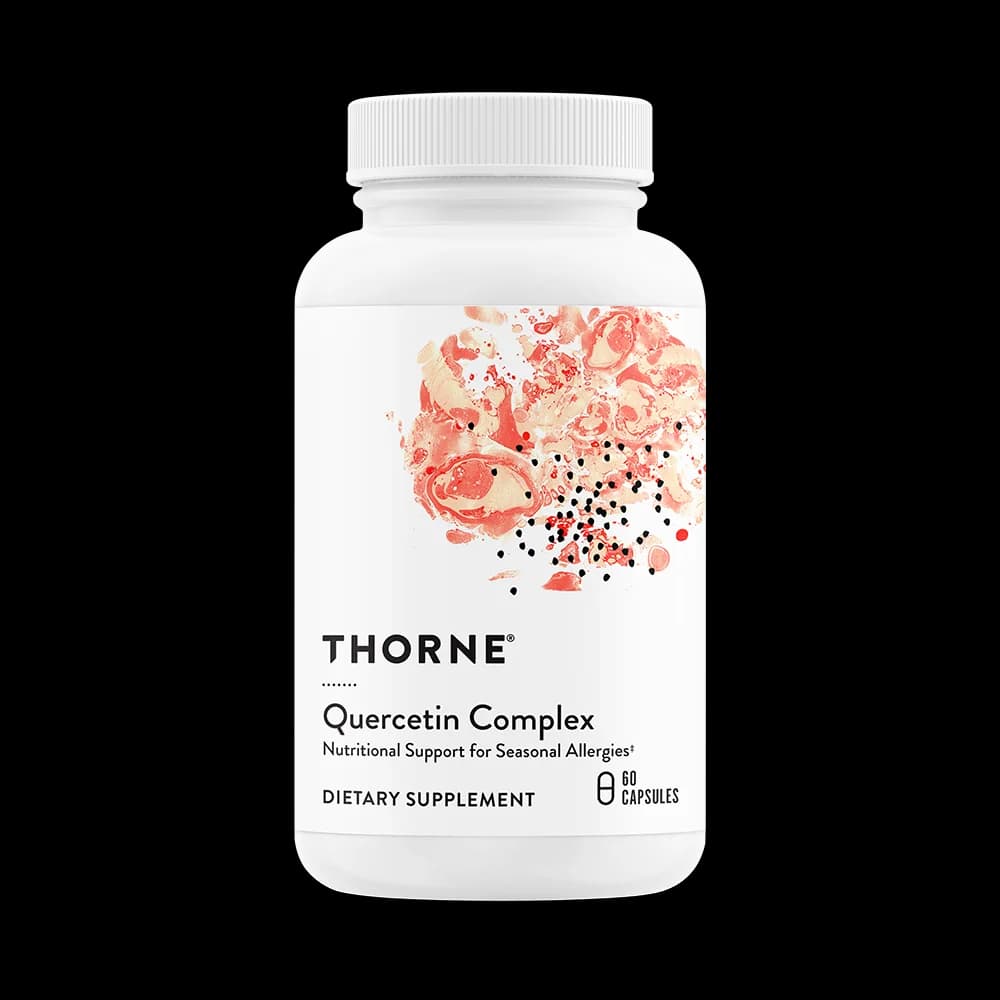
In the quest to calm this hyperactive immune response, researchers and clinicians have increasingly turned their attention to naturally occurring compounds that can stabilize cellular function without the heavy side-effect profiles of some pharmaceuticals. Enter the combination of quercetin and bromelain. While quercetin has long been celebrated as a potent antioxidant, its specific ability to stabilize mast cells and halt the release of histamine has made it a cornerstone in the management of complex chronic illnesses. However, unlocking its full potential requires overcoming significant absorption hurdles. By pairing a highly bioavailable form of quercetin with the protein-digesting power of bromelain, Thorne's Quercetin Complex offers a targeted, synergistic approach to managing the chronic inflammation that lies at the heart of Long COVID and MCAS.
What is Quercetin Complex?
To understand the therapeutic potential of Quercetin Complex, we must first examine its individual components at the molecular level. Quercetin is a naturally occurring dietary flavonoid, a type of phytonutrient found abundantly in foods like apples, onions, capers, and the flowers of the Sophora japonica (Japanese pagoda) tree. In the natural world, flavonoids protect plants from environmental stressors, UV radiation, and pathogens. In the human body, quercetin acts as a powerful antioxidant and free radical scavenger. At a biochemical level, it donates electrons to unstable molecules (free radicals), neutralizing them before they can cause oxidative damage to cellular membranes and DNA. This fundamental mechanism is crucial for maintaining cellular integrity, particularly in the cardiovascular and nervous systems, where oxidative stress can lead to profound dysfunction.
Beyond its antioxidant capabilities, quercetin is perhaps best known in clinical circles for its role as a natural immunomodulator. It interacts directly with the immune system's signaling pathways, specifically targeting the mechanisms that control inflammation and allergic responses. By influencing the behavior of immune cells, quercetin helps to maintain a balanced immune response, preventing the hyper-reactivity that characterizes many autoimmune and allergic conditions. However, in its raw, unformulated state, quercetin is notoriously difficult for the human body to absorb. It is highly lipophilic (fat-loving) but has poor water solubility, meaning that when taken orally, the vast majority of standard quercetin is metabolized and excreted before it can ever reach the bloodstream to exert its beneficial effects.
This is where the second primary ingredient in the complex comes into play. Bromelain is not a single substance, but rather a complex mixture of proteolytic (protein-digesting) enzymes extracted from the stem and fruit of the pineapple plant (Ananas comosus). For centuries, traditional medicine has utilized pineapple extracts for their healing properties, but modern science has isolated bromelain to understand exactly how it works. Proteolytic enzymes function by cleaving the peptide bonds that hold protein molecules together. When taken with food, bromelain acts primarily in the digestive tract, helping to break down dietary proteins into smaller, easily absorbed amino acids. However, when taken away from food, bromelain can enter systemic circulation, where it exerts profound systemic effects.
Once in the bloodstream, bromelain acts as a systemic anti-inflammatory agent. It helps to modulate the arachidonic acid cascade, a complex biological pathway responsible for producing inflammatory prostaglandins. By shifting the balance of these signaling molecules, bromelain effectively reduces localized swelling, bruising, and tissue edema following physical injury or surgical procedures. Furthermore, bromelain possesses distinct fibrinolytic properties, meaning it helps to break down fibrin, a protein involved in blood clotting. This ability to modulate blood viscosity and reduce the formation of microclots has made bromelain a subject of intense interest in the context of vascular health and chronic inflammatory conditions.
The true brilliance of Quercetin Complex lies in the synergy between these two distinct compounds. While quercetin provides the foundational antioxidant and mast-cell-stabilizing benefits, bromelain acts as a vital bio-enhancer and complementary anti-inflammatory agent. Clinical observations have long suggested that administering bromelain alongside quercetin significantly improves the gastrointestinal absorption of the flavonoid. The proteolytic action of bromelain may help to break down the protective mucosal barriers in the gut just enough to allow the large quercetin molecules to pass through more efficiently.
Furthermore, the combination of a flavonoid and a proteolytic enzyme creates a dual-action approach to inflammation. While quercetin works intracellularly to stop the production of inflammatory cytokines at the genetic transcription level, bromelain works extracellularly to break down existing inflammatory proteins and reduce tissue swelling. This multi-targeted strategy is particularly valuable for individuals dealing with complex, multi-systemic conditions where a single mechanism of action is rarely sufficient to provide meaningful symptom relief. Together, they form a comprehensive defense against the cascading effects of chronic immune activation.
How Long COVID and MCAS Impact the Immune System
To fully grasp why Quercetin Complex is so relevant for chronic illness, we must explore the pathophysiology of conditions like Long COVID, myalgic encephalomyelitis/chronic fatigue syndrome (ME/CFS), and mast cell activation syndrome (MCAS). At the center of this web of chronic illness lies the mast cell. Mast cells are specialized white blood cells that reside in connective tissues throughout the body, particularly in areas that interface with the external environment, such as the skin, gastrointestinal tract, and respiratory mucosa. They act as the body's first line of defense, serving as sentinels that detect incoming pathogens, allergens, or toxins. When a healthy mast cell encounters a threat, it undergoes a process called degranulation, releasing a carefully calibrated payload of chemical mediators—including histamine, tryptase, leukotrienes, and cytokines—to initiate an appropriate inflammatory response and recruit other immune cells to the site of injury.
However, in individuals with MCAS, this protective mechanism becomes profoundly dysregulated. The mast cells become hyper-reactive, inappropriately degranulating in response to benign triggers such as specific foods, temperature changes, stress, or even physical exertion. This constant, unprovoked release of histamine and other inflammatory mediators floods the system, leading to a wide array of unpredictable and debilitating symptoms. Patients may experience sudden flushing, tachycardia (an abnormally fast heart rate), severe gastrointestinal distress, profound brain fog, and overwhelming fatigue. Because mast cells are located in virtually every organ system, the symptoms of MCAS are inherently multi-systemic, making the condition notoriously difficult to diagnose and manage using standard medical paradigms. Learning how to maintain your independence with chronic illness often starts with identifying and managing these underlying systemic triggers.
The emergence of Long COVID has brought unprecedented attention to the role of mast cells in post-viral syndromes. Recent clinical research indicates that the SARS-CoV-2 virus can directly infect and activate mast cells, triggering a massive release of pro-inflammatory cytokines. In many patients who develop Long COVID, this initial hyper-activation fails to resolve after the acute infection clears. Instead, the immune system remains locked in a state of chronic vigilance. The persistent presence of viral reservoirs, circulating spike proteins, or autoimmune cross-reactivity continues to stimulate mast cells, driving a relentless cycle of systemic inflammation. This ongoing immune dysregulation is thought to be a primary driver of the severe fatigue, cognitive impairment, and post-exertional malaise (PEM) that characterize both Long COVID and ME/CFS.
Furthermore, the chronic release of mast cell mediators takes a heavy toll on the vascular system. Histamine, for example, causes blood vessels to dilate and become more permeable, which can lead to fluid leaking into surrounding tissues and a subsequent drop in blood pressure. This vascular instability is a key component of dysautonomia and postural orthostatic tachycardia syndrome (POTS), conditions that frequently co-occur with Long COVID and MCAS. Additionally, studies have shown that the constant state of inflammation damages the delicate endothelial lining of the blood vessels, promoting the formation of microclots and impairing the delivery of oxygen and nutrients to tissues. This cellular hypoxia further exacerbates the profound energy deficits and muscle pain experienced by patients.
The interplay between mast cell activation, viral persistence, and endothelial damage creates a vicious, self-perpetuating cycle. As tissues become inflamed and hypoxic, they release stress signals that further activate mast cells, leading to more mediator release and subsequent tissue damage. This cycle is particularly devastating in the gastrointestinal tract, where mast cell activation can compromise the integrity of the intestinal barrier, leading to "leaky gut." When the gut barrier is compromised, undigested food particles and bacterial endotoxins can enter the bloodstream, triggering systemic immune responses and further exacerbating MCAS symptoms. Breaking this cycle requires targeted interventions that can stabilize mast cells, reduce systemic inflammation, and support tissue repair—which is precisely where the mechanisms of Quercetin Complex become highly relevant.
Quercetin Complex: Supporting Mast Cell Stabilization and Inflammation
The therapeutic value of Quercetin Complex lies in its ability to intervene directly at the cellular level, interrupting the vicious cycles of inflammation and immune dysregulation. Quercetin is widely recognized in scientific literature as one of the most potent natural mast cell stabilizers available. Its primary mechanism of action involves the physical prevention of mast cell degranulation. For a mast cell to release its payload of histamine and inflammatory cytokines, there must be a rapid influx of intracellular calcium ions ($Ca^{2+}$). In vitro studies have demonstrated that quercetin directly inhibits this crucial calcium influx. By blocking the calcium channels on the mast cell membrane, quercetin effectively paralyzes the degranulation process, preventing the release of pre-formed histamine into the surrounding tissues. This action provides a critical buffer against the sudden, severe allergic reactions and symptom flares experienced by individuals with MCAS.
Beyond halting immediate degranulation, quercetin also exerts profound effects on the genetic expression of inflammatory mediators. It actively downregulates the activation of NF-κB (Nuclear Factor kappa B) and MAPK (Mitogen-Activated Protein Kinase), two of the most important intracellular signaling pathways responsible for driving inflammation. When these pathways are activated by viral fragments, stress, or allergens, they instruct the cell's DNA to produce a continuous stream of pro-inflammatory cytokines, including Tumor Necrosis Factor-alpha (TNF-α), Interleukin-1 beta (IL-1β), and Interleukin-6 (IL-6). By suppressing NF-κB and MAPK, quercetin effectively turns off the genetic faucet of inflammation, reducing the overall inflammatory burden on the body and allowing overstimulated immune systems to begin returning to a state of homeostasis.
While quercetin stabilizes the mast cells, bromelain provides a complementary, highly effective mechanism for managing systemic inflammation and tissue damage. Bromelain's proteolytic enzymes actively modulate the arachidonic acid pathway, inhibiting the expression of cyclooxygenase-2 (COX-2), an enzyme responsible for synthesizing pro-inflammatory prostaglandins like PGE2. By reducing PGE2 levels, bromelain helps to alleviate the deep muscle and joint pain that frequently plagues patients with ME/CFS and Long COVID. This mechanism is similar to how non-steroidal anti-inflammatory drugs (NSAIDs) operate, but bromelain achieves this without the severe gastrointestinal side effects commonly associated with long-term NSAID use.
Furthermore, bromelain's unique fibrinolytic properties offer targeted support for the vascular complications associated with post-viral syndromes. In Long COVID, the persistent inflammation often leads to the formation of microscopic blood clots (fibrinaloid microclots) that clog capillaries and prevent oxygen from reaching tissues, driving severe fatigue and post-exertional malaise. Bromelain actively helps to break down fibrin, the tough protein mesh that holds these clots together. By promoting the dissolution of these microclots and improving blood rheology (the flow properties of blood), bromelain helps to restore proper microcirculation, ensuring that oxygen and vital nutrients can once again reach oxygen-starved muscles and neurological tissues.
Finally, the Quercetin Complex provides vital support for the body's endogenous antioxidant defense systems. Chronic illness is characterized by severe oxidative stress, a state where the production of cell-damaging free radicals vastly outpaces the body's ability to neutralize them. This oxidative stress rapidly depletes glutathione, the body's master antioxidant. When glutathione levels fall, cells become highly vulnerable to damage, and mitochondrial energy production grinds to a halt. Quercetin acts as a potent direct scavenger of free radicals, absorbing the oxidative hit and sparing the body's natural glutathione reserves. By maintaining healthy glutathione levels, quercetin protects the delicate mitochondrial membranes, supporting the cellular energy production that is so desperately needed by patients suffering from the profound fatigue of ME/CFS and Long COVID.
This antioxidant protection extends significantly to the cardiovascular system. Quercetin has been shown to inhibit the oxidation of low-density lipoprotein (LDL) cholesterol. Oxidized LDL is highly inflammatory and is a primary driver of endothelial dysfunction and arterial plaque formation. By preventing this oxidation, quercetin helps to maintain the integrity and flexibility of the blood vessels, supporting healthy blood pressure regulation and overall cardiovascular health. This is particularly crucial for patients with dysautonomia and POTS, whose vascular systems are already under immense strain from autonomic nervous system dysfunction.

Symptoms Quercetin Complex May Help Manage
Because Quercetin Complex targets fundamental mechanisms of immune regulation, mast cell stability, and systemic inflammation, it can be a valuable tool for managing a diverse array of symptoms associated with complex chronic conditions. While it is not a cure, stabilizing these underlying pathways can significantly improve daily functioning.
Allergic Reactions and Histamine Intolerance: By directly blocking calcium influx and preventing mast cell degranulation, quercetin helps reduce the sudden flushing, itching, hives, and sinus congestion triggered by histamine release in MCAS patients.
Brain Fog and Cognitive Impairment: Chronic neuroinflammation, driven by cytokines crossing the blood-brain barrier, is a primary cause of brain fog. Quercetin's ability to downregulate NF-κB and reduce systemic cytokines helps protect neurological tissues and improve cognitive clarity.
Post-Exertional Discomfort and Muscle Pain: Bromelain's inhibition of COX-2 and inflammatory prostaglandins helps alleviate the deep, aching muscle and joint pain that often follows physical exertion in ME/CFS and Long COVID patients.
Fatigue and Cellular Energy Deficits: By scavenging free radicals and preserving the body's master antioxidant, glutathione, quercetin protects mitochondrial function. Healthier mitochondria can produce more ATP (cellular energy), helping to combat profound, debilitating fatigue.
Gastrointestinal Distress: The gut is densely populated with mast cells. Quercetin helps stabilize these local mast cells, reducing gut permeability ("leaky gut") and alleviating symptoms of food sensitivities, bloating, and abdominal pain common in MCAS.
Vascular Instability and Poor Circulation: Bromelain's fibrinolytic properties help break down microclots, while quercetin protects the endothelial lining of blood vessels. Together, they support healthy microcirculation, which is vital for patients experiencing the vascular symptoms of dysautonomia and POTS.
Practical Considerations: Forms, Dosing, and Absorption
When incorporating a supplement into a chronic illness management plan, understanding the nuances of bioavailability, formulation, and dosing is critical. The most significant challenge with standard quercetin supplementation is its notoriously poor absorption rate. In its natural, unformulated state, quercetin is highly lipophilic and crystalline, meaning it does not dissolve well in the watery environment of the gastrointestinal tract. Consequently, pharmacokinetic studies show that the oral bioavailability of standard quercetin powder is often less than 2%. The vast majority of the compound is rapidly metabolized by the liver and excreted before it can reach therapeutic levels in the bloodstream and target tissues. This is why many patients who try generic quercetin supplements report little to no symptomatic improvement.
To overcome this profound limitation, Thorne's Quercetin Complex utilizes advanced phytosome technology. A phytosome is a patented delivery system that binds the botanical extract (quercetin derived from Sophora japonica flowers) to a phospholipid complex, typically sourced from sunflower lecithin. Phospholipids are amphipathic molecules—they have both water-soluble and fat-soluble properties—and they are the primary building blocks of human cell membranes. By wrapping the quercetin in a phospholipid shell, the phytosome acts as a "Trojan horse," allowing the compound to easily bypass the digestive barriers and absorb directly across the intestinal wall. Clinical data demonstrates that quercetin phytosome achieves a peak blood plasma concentration up to 20 times higher than standard unformulated quercetin, with an overall systemic exposure that is 18-fold greater.
Because the phytosome form is so highly bioavailable, patients can achieve significant therapeutic effects at much lower doses, which greatly reduces the risk of gastrointestinal irritation. The suggested use for Thorne's Quercetin Complex is typically one capsule (containing 250 mg of Quercetin Phytosome and 100 mg of Bromelain) taken three times daily, or as recommended by a healthcare practitioner. Dividing the dose throughout the day is crucial for maintaining consistent blood levels of the active compounds, providing round-the-clock stabilization for hyper-reactive mast cells. While some supplements must be taken with heavy, fatty meals to ensure absorption, the phospholipid structure of the phytosome means it is already optimized for lipid transport, offering more flexibility in timing.
However, it is important to note a specific warning regarding the physical capsule. It is not recommended to remove the Quercetin Complex powder from the capsule to take it orally. The raw bromelain enzymes can be highly irritating to the delicate oral mucosa (the lining of the mouth and throat), potentially causing soreness or ulceration. The capsule is designed to safely transport the enzymes past the mouth and esophagus, releasing them only once they reach the stomach and upper intestines where they can be safely utilized.
While Quercetin Complex is generally well-tolerated, there are critical safety considerations and potential drug interactions that must be carefully managed, particularly for patients with complex chronic illnesses who may be on multiple medications. The most significant contraindication relates to bromelain's potent fibrinolytic (clot-dissolving) properties. Because bromelain can inhibit blood clotting and reduce platelet aggregation, this product must be used with extreme caution—or avoided entirely—in individuals who are currently taking anticoagulant therapy (blood thinners) such as warfarin, clopidogrel, or newer oral anticoagulants. Combining bromelain with these medications can significantly increase the risk of dangerous bleeding events.
Additionally, this product is contraindicated in individuals with a known history of hypersensitivity or severe allergy to any of its ingredients, including pineapple (the source of bromelain). If you are pregnant or nursing, it is imperative to consult your healthcare practitioner before initiating use, as the safety of high-dose proteolytic enzymes during pregnancy has not been definitively established. As with any powerful nutraceutical intervention, Quercetin Complex should be integrated into your protocol under the guidance of a knowledgeable medical professional who understands the intricacies of your specific condition and medication regimen.

Follow the Science
The use of quercetin and bromelain for immune dysregulation is not merely theoretical; it is supported by a growing body of robust clinical research, particularly in the context of mast cell disorders and post-viral syndromes. One of the most compelling pieces of evidence regarding quercetin's efficacy comes from a landmark in vitro study published in PLoS One by Weng et al.. This study directly compared the mast-cell-stabilizing properties of natural quercetin against Cromolyn Sodium, a widely prescribed pharmaceutical mast cell stabilizer. The researchers found that quercetin was actually more effective than Cromolyn at inhibiting the release of pro-inflammatory cytokines from human mast cells. Specifically, quercetin completely inhibited the intracellular calcium ion increase triggered by inflammatory stimuli, dramatically reducing the secretion of TNF-α. Furthermore, the study noted that quercetin is effective prophylactically, whereas Cromolyn rapidly loses its effect if not administered at the exact time of the allergic trigger.
In the rapidly evolving landscape of Long COVID research, quercetin has emerged as a frontline therapeutic candidate. A highly significant randomized controlled trial published in Frontiers in Pharmacology (Di Pierro et al., 2023) investigated the use of Quercetin Phytosome® in patients with acute COVID-19 to prevent long-term sequelae. The study found that patients receiving 500 mg of the phytosome formulation showed significantly faster viral clearance compared to the control group. More importantly for Long COVID prevention, the quercetin group exhibited a dramatic drop in serum lactate dehydrogenase (LDH)—a key enzymatic marker of tissue damage and chronic inflammation. Subsequent research has built upon these findings, highlighting quercetin's ability to act as a "senolytic" agent, helping the body clear out the damaged, senescent "zombie" cells in the lungs and vascular system that drive persistent Long COVID symptoms.
The clinical application of quercetin in complex, multi-systemic MCAS is also gaining documentation in clinical literature. Clinicians have described treating patients suffering from severe neuropsychiatric manifestations of MCAS, a presentation frequently comorbid with Long COVID and POTS, using a "Step 1 Mast-Cell-Directed Therapy" protocol that features high-dose quercetin alongside H1/H2 antihistamines and Low-Dose Naltrexone (LDN).
Furthermore, the synergistic role of bromelain in these protocols cannot be overstated. Clinical reviews focusing on complex regional pain syndrome (CRPS) and hypermobile Ehlers-Danlos Syndrome (hEDS)—conditions heavily intertwined with MCAS—have noted that replacing generalized pain treatments with targeted gastrointestinal interventions, specifically the combination of quercetin and bromelain, yields profound results. The bromelain not only significantly improves the absorption of the quercetin, allowing it to reach therapeutic blood levels, but its independent proteolytic action helps to break down the inflammatory proteins that drive the severe joint and fascial pain characteristic of these complex connective tissue and immune disorders.
The Path Forward
Living with conditions like Long COVID, ME/CFS, and MCAS is an incredibly complex and often isolating journey. The unpredictable nature of mast cell flares, the crushing weight of post-exertional malaise, and the persistent brain fog can make simply getting through the day feel like a monumental task. It is vital to recognize that these symptoms are not in your head; they are the result of profound, measurable physiological dysregulation at the cellular and immunological levels. Validating this reality is the first step toward reclaiming your health. Finding targeted, scientifically grounded tools to address this dysregulation is the next. If you are struggling with symptom flares during stressful times, you might also find our 5 tips for surviving the holidays with a chronic illness helpful for managing your energy envelope.
While no single supplement is a magic cure for complex chronic illness, integrating a highly bioavailable, dual-action formula like Quercetin Complex can be a powerful component of a comprehensive management strategy. By actively stabilizing hyper-reactive mast cells, halting the genetic transcription of inflammatory cytokines, and breaking down the proteins that drive tissue swelling and microclots, this combination addresses the root mechanisms of immune dysfunction. However, true healing requires a holistic approach. Supplements are most effective when paired with aggressive pacing strategies, nervous system regulation, dietary modifications to support gut health, and the careful guidance of a medical professional who truly understands post-viral and mast cell disorders.
As you continue to navigate your path forward, remember that managing chronic illness is about building a personalized toolkit that supports your body's unique needs. If you are struggling with the systemic inflammation, allergic reactivity, and profound fatigue associated with MCAS or Long COVID, exploring targeted mast cell support may be a vital next step in your protocol. Always consult with your healthcare provider to ensure any new intervention aligns safely with your current medications and overall health plan.