Can Pyridoxal 5'-Phosphate (P5P) Clear Brain Fog and Support Energy in Long COVID?
March 6, 2026
Pyridoxal 5'-PhosphateLong COVIDMCAS
Share:
Disclaimer: The information provided here is for educational purposes only and is not intended as medical advice. It should not be used to diagnose, treat, cure, or prevent any medical condition. Instead, use it as a starting point for discussion with your healthcare provider. Always consult with a qualified healthcare provider before starting any new medication, supplement, device, or making changes to your health regimen.
Living with complex chronic conditions like Long COVID, myalgic encephalomyelitis/chronic fatigue syndrome (ME/CFS), and dysautonomia often feels like trying to solve a puzzle where the pieces keep changing shape. You might experience profound exhaustion one day, intense brain fog the next, and unpredictable heart rate spikes the day after that. When you are searching for answers, it is easy to become overwhelmed by the sheer number of supplements recommended online. However, understanding the specific biochemical pathways disrupted by these illnesses can help you make targeted, effective choices for your body.
One nutrient that frequently comes up in functional medicine circles is Vitamin B6. But for patients with complex chronic illnesses, standard Vitamin B6 can actually be a double-edged sword. While the active form of this vitamin is absolutely essential for producing calming neurotransmitters, clearing brain fog, and breaking down histamine, the cheap, inactive form found in most supplements can actually cause nerve damage and worsen dysautonomia. This is why understanding the difference between standard pyridoxine and its active coenzyme form, Pyridoxal 5'-Phosphate (P5P), is critical. In this article, we will explore the deep science behind P5P, how it supports the nervous and immune systems, and why it may be a vital piece of the puzzle for managing neuroinflammation and mast cell activation.
What is Pyridoxal 5'-Phosphate?
To understand what Pyridoxal 5'-Phosphate (P5P) is, we first need to look at the broader family of Vitamin B6 compounds. Vitamin B6 is not just a single molecule; rather, it is a complex of six chemically related compounds, known as vitamers, that occur naturally in food and the human body. The most common form found in cheap, over-the-counter supplements and fortified foods is pyridoxine. However, pyridoxine is biologically inactive. Before your body can actually use it to fuel cellular processes, it must be transported to the liver and undergo a complex, multi-step enzymatic conversion process. P5P, on the other hand, is the fully active, bioavailable coenzyme form of Vitamin B6. It is the exact molecular key that your cells need to unlock over 150 different enzymatic reactions throughout the body.
When you consume P5P directly, you are bypassing the liver's rate-limiting conversion bottleneck. This is incredibly important because, as research on Vitamin B6 pharmacology demonstrates, the liver can easily become overwhelmed or lack the necessary cofactors (like Vitamin B2) to perform this conversion efficiently. P5P acts as a versatile and indispensable catalyst. In biochemistry, a coenzyme is a non-protein compound that binds to an enzyme to make it function. Without P5P, dozens of critical enzymes in your brain, immune system, and cardiovascular system would remain dormant, leading to a cascade of physiological failures.
At the molecular level, P5P performs its magic through a fascinating chemical mechanism known as Schiff base formation. When P5P enters a cell, it seeks out specific inactive enzymes, known as apoenzymes. The P5P molecule binds tightly to a specific amino acid—lysine—located in the active site of the enzyme. This binding creates a structural bridge called a Schiff base, which effectively "turns on" the enzyme, converting it into a fully functional holoenzyme. This structural bond acts like an electronic sink, pulling electrons away from the chemical bonds of whatever amino acid the enzyme is trying to process.
Because of this unique electron-pulling ability, P5P is capable of facilitating a wide variety of complex biochemical reactions. It allows enzymes to perform transamination (moving amino groups to create new amino acids), decarboxylation (removing carbon groups to synthesize neurotransmitters), and elimination reactions. Without the Schiff base formed by P5P, the basic building blocks of protein in your body could not be transformed into the chemical messengers your brain relies on to function. This is why a deficiency in active P5P at the cellular level translates so rapidly into neurological and cognitive symptoms.
While P5P is most famous for its role in amino acid metabolism, its systemic responsibilities extend far beyond protein synthesis. One of its most critical functions is in the production of hemoglobin, the iron-rich protein in red blood cells that carries oxygen from your lungs to the rest of your body. P5P is required for the very first step of heme synthesis. If P5P levels are low, oxygen transport becomes sluggish, leading to cellular hypoxia (low oxygen) and profound, heavy fatigue—a symptom intimately familiar to those living with long-term COVID.
Furthermore, P5P is absolutely vital for the formation and maintenance of the myelin sheath. The myelin sheath is the protective, fatty insulating layer that wraps around your nerves, much like the rubber coating on an electrical wire. P5P is a required cofactor for the synthesis of sphingolipids, the specialized fats that make up this structural insulation. When P5P is deficient, the myelin sheath can degrade, leading to misfiring nerve signals, neuropathy, tingling, and autonomic nervous system dysfunction. By maintaining this structural integrity, P5P ensures that the electrical signals governing your heart rate, digestion, and sensory perception travel smoothly and efficiently.
How Chronic Illness Impacts Vitamin B6 Pathways
When exploring what causes Long COVID and related conditions like ME/CFS, researchers consistently find profound disruptions in the gut microbiome, a condition known as dysbiosis. The gut microbiome is not just a digestive center; it is a massive biochemical factory responsible for synthesizing essential vitamins. Recent studies have shown that patients with Long COVID and ME/CFS often have severely depleted populations of specific beneficial bacteria, particularly Bacteroides. Crucially, Bacteroides is one of the very few microbial species in the human gut capable of naturally synthesizing active P5P.
This creates a devastating vicious cycle. Viral persistence and chronic inflammation wipe out the Bacteroides population, abruptly halting the gut's natural production of P5P. As systemic P5P levels plummet, the gut lining loses the cellular energy and structural integrity needed to heal, further worsening the dysbiosis. This microbially induced B6 starvation deprives the central nervous system of the coenzymes it needs to regulate autonomic function, contributing heavily to the erratic heart rates and digestive paralysis seen in dysautonomia and postural orthostatic tachycardia syndrome (POTS).
Chronic illnesses like Long COVID and ME/CFS are characterized by runaway oxidative stress—a state where highly reactive, damaging molecules called free radicals overwhelm the body's antioxidant defenses. This oxidative stress severely impacts the folate cycle and the transsulfuration pathway, the bodily systems responsible for managing homocysteine. Homocysteine is a naturally occurring amino acid, but at high levels, it acts as a potent neurotoxin that damages blood vessels and induces brain atrophy. In a healthy body, P5P actively clears homocysteine. However, the intense systemic inflammation of chronic illness rapidly depletes the body's P5P stores as the immune system desperately tries to synthesize antioxidants.
When P5P is depleted, patients fall into the "homocysteine trap." Without adequate P5P to fuel the enzymes that break it down, homocysteine accumulates in the bloodstream. This accumulation triggers further endothelial dysfunction (damage to the blood vessel lining), leading to microclotting and impaired blood flow to the brain and muscles. This microvascular damage is a primary driver of the crushing post-exertional malaise (PEM) and cognitive dysfunction that patients experience. As noted in studies on B-vitamins and cognitive decline, failing to clear homocysteine directly correlates with worsening brain fog and memory impairment.
Many individuals navigating the aftermath of a viral infection develop Mast Cell Activation Syndrome (MCAS), a condition where the immune system's mast cells become hyper-reactive and inappropriately release massive amounts of inflammatory mediators, including histamine. Histamine is responsible for allergic symptoms, flushing, rapid heart rate, and neurological overstimulation. To prevent histamine from building up to toxic levels, the body relies on an enzyme called diamine oxidase (DAO), which acts as a chemical scavenger to break down extracellular histamine in the gut and bloodstream.
The critical link here is that DAO is entirely dependent on P5P to function. P5P is the mandatory cofactor that activates the DAO enzyme. In the context of Long COVID and MCAS, the chronic inflammatory state burns through the body's available P5P. Without P5P, DAO remains inactive, and the body loses its primary mechanism for degrading histamine. This leads to a state of chronic histamine overload, where even low-histamine foods or minor stressors can trigger severe, cascading MCAS flares. The depletion of P5P effectively removes the brakes from the immune system's histamine response.
P5P: Supporting Neurotransmitters, Energy, and Histamine Degradation
One of the most profound ways Pyridoxal 5'-Phosphate supports neuro-recovery is through its role as the ultimate gatekeeper of neurotransmitter synthesis. If you are experiencing the severe anxiety, overstimulation, and "wired but tired" sensation common in the symptoms of Long COVID, it is often due to an imbalance between excitatory and inhibitory neurotransmitters in the brain. P5P is the rate-limiting cofactor for the enzyme glutamic acid decarboxylase (GAD). This specific enzyme is responsible for converting glutamate—a highly excitatory, stimulating amino acid—into Gamma-Aminobutyric Acid (GABA), the central nervous system's primary calming and inhibitory neurotransmitter.
Without adequate P5P, glutamate builds up, leading to neurotoxicity and severe brain fog, while GABA levels plummet, leaving the nervous system stuck in a state of hyper-arousal and sympathetic "fight or flight" overdrive. By supplementing with bioavailable P5P, you provide the exact molecular key needed to activate the GAD enzyme, facilitating the conversion of glutamate to GABA. Furthermore, P5P is equally essential for the decarboxylation of 5-HTP into serotonin (which regulates mood and sleep) and the conversion of L-DOPA into dopamine (which governs motivation and cognitive focus). Restoring these neurotransmitter pools is essential for lifting the veil of cognitive dysfunction.
To combat the cellular energy crisis and mitochondrial dysfunction seen in ME/CFS and Long COVID, the body must produce glutathione, often referred to as the "master antioxidant." Glutathione protects the mitochondria (the powerhouses of the cell) from being destroyed by oxidative stress. The production of glutathione relies on the transsulfuration pathway, a biochemical cascade that safely breaks down toxic homocysteine into cysteine, which is the direct precursor to glutathione. This entire pathway is heavily dependent on P5P.
As detailed in biochemical research on the transsulfuration pathway, P5P activates two sequential enzymes: Cystathionine β-synthase (CBS) and Cystathionine γ-lyase (CSE). When P5P is present, it binds to these enzymes, allowing them to rapidly clear inflammatory homocysteine from the blood and convert it into the cysteine needed to manufacture glutathione. By supporting this pathway, P5P serves a dual therapeutic purpose: it removes a neurotoxic threat (homocysteine) while simultaneously supplying the raw materials needed to build the antioxidant shield (glutathione) that protects mitochondrial energy production.
For patients battling the unpredictable flares of Mast Cell Activation Syndrome (MCAS), managing histamine levels is a daily struggle. While antihistamine medications block histamine receptors, they do not actually remove histamine from the body. This is where P5P becomes a critical tool. As the mandatory cofactor for the diamine oxidase (DAO) enzyme, P5P directly enables the body to dismantle and eliminate circulating histamine.
When you provide the body with active P5P, you are effectively turning the DAO enzymes back "on." This allows the digestive tract and bloodstream to efficiently process and degrade the histamine released by overactive mast cells or ingested through food. By accelerating histamine clearance, P5P helps lower the overall inflammatory burden, reducing the frequency and severity of MCAS symptoms like flushing, tachycardia, gastrointestinal distress, and histamine-induced migraines. It addresses the root cause of histamine overload rather than just masking the receptor sites.
Many patients with dysautonomia and POTS suffer from Small Fiber Polyneuropathy (SFPN), a condition where the tiny autonomic nerves that control heart rate and blood vessel constriction become damaged. P5P plays a direct role in protecting and repairing these vulnerable nerve fibers. It is a required cofactor for the enzyme serine palmitoyltransferase, which catalyzes the first step in the synthesis of sphingolipids. Sphingolipids are the specialized structural fats that make up the myelin sheath, the protective coating around your nerves.
By ensuring a steady supply of P5P, you support the continuous regeneration of this myelin insulation. This helps prevent the "short-circuiting" of nerve signals that leads to the burning pain, numbness, and erratic autonomic responses characteristic of dysautonomia. Furthermore, by reducing homocysteine and systemic inflammation, P5P creates a more hospitable microenvironment for nerve regeneration, allowing the autonomic nervous system to slowly regain its regulatory balance.

Symptoms Pyridoxal 5'-Phosphate May Help Manage
Severe Brain Fog and Cognitive Dysfunction: By acting as the rate-limiting cofactor for the synthesis of dopamine and serotonin, P5P helps restore the neurotransmitter pools required for memory retrieval, mental clarity, and sustained cognitive focus.
Anxiety, Overstimulation, and "Wired but Tired" Sensations: P5P is mandatory for the conversion of excitatory glutamate into calming GABA. Supplementing helps shift the nervous system out of sympathetic overdrive and promotes neurological calm.
Histamine Intolerance and MCAS Flares: As the essential activator of the DAO enzyme, P5P enables the body to actively break down and clear excess histamine from the bloodstream, reducing flushing, hives, and histamine-driven tachycardia.
Profound Fatigue and Post-Exertional Malaise (PEM): P5P drives the transsulfuration pathway to produce glutathione, the master antioxidant that protects mitochondria from oxidative damage, thereby supporting cellular energy production and reducing the severity of crashes.
Nerve Pain, Tingling, and Numbness: By facilitating the synthesis of sphingolipids, P5P supports the repair and maintenance of the myelin sheath, protecting small nerve fibers from the damage that causes peripheral neuropathy.
Hormonal Imbalances and PMS: P5P is heavily involved in the metabolism and clearance of excess estrogen and supports the synthesis of progesterone, helping to alleviate the severe mood swings and physical symptoms associated with premenstrual syndrome.
Practical Considerations: The Pyridoxine Paradox, Dosing, and Absorption
When considering Vitamin B6 supplementation, understanding the difference in forms is not just a matter of optimization—it is a matter of profound safety. The most common form of B6 found in cheap multivitamins and energy drinks is pyridoxine (often labeled as pyridoxine hydrochloride). Paradoxically, taking high doses of this inactive form can actually cause the exact neurological symptoms you are trying to heal. This phenomenon is known in clinical literature as the "Pyridoxine Paradox," where high intakes of inactive B6 lead to severe sensory peripheral neuropathy, numbness, and dysautonomia.
A landmark in vitro toxicology study revealed the mechanism behind this paradox. When you consume high doses of inactive pyridoxine, it saturates the liver's conversion enzymes. The unconverted pyridoxine then floods the bloodstream and competitively inhibits the active P5P from binding to cellular receptors. Essentially, the inactive form blocks the active form from working, starving your nerves of the coenzyme they need to survive. This leads to functional cell death in sensory neurons. For patients already dealing with the complex symptoms of Long COVID and dysautonomia, accidentally inducing neuropathy with cheap B6 supplements can be devastating.
This is exactly why functional medicine practitioners strongly recommend using Pyridoxal 5'-Phosphate (P5P) instead of standard pyridoxine. P5P is the fully active, bioavailable coenzyme form. When you take P5P, it does not need to be phosphorylated or oxidized by the liver. It enters the bloodstream ready to be immediately utilized by your cells, enzymes, and nervous system. This bypasses the hepatic (liver) bottleneck entirely, ensuring that your body gets the functional support it needs without the risk of unconverted pyridoxine building up in the blood.
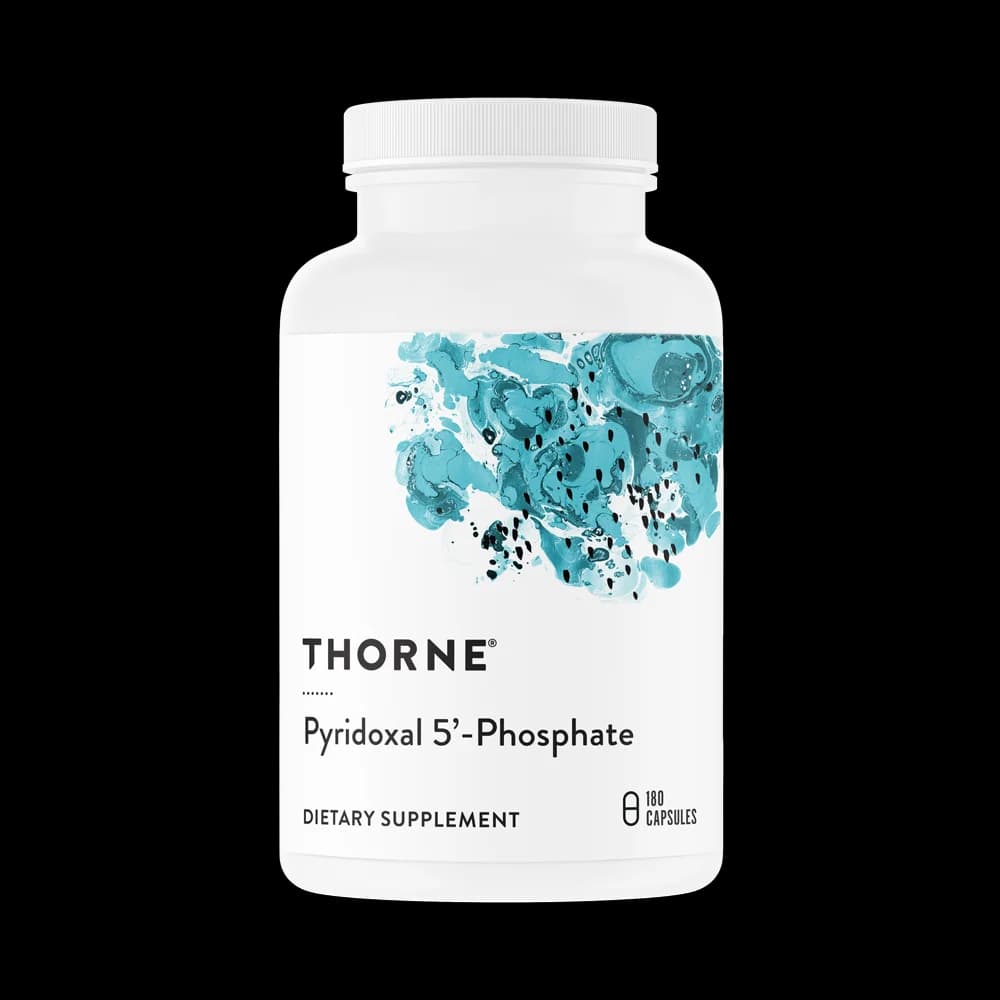
This direct bioavailability is particularly crucial for individuals with compromised liver function, chronic systemic inflammation, or genetic polymorphisms in the PNPO gene (the gene responsible for the final conversion step of B6). In these individuals, the liver simply cannot keep up with the demand to convert inactive pyridoxine. By supplementing directly with Thorne's Pyridoxal 5'-Phosphate, you guarantee that the targeted tissues—your brain, nerves, and mast cells—receive the active molecule required to synthesize neurotransmitters and degrade histamine.
Even with the safer P5P form, proper dosing and the inclusion of cofactors are essential for clinical success. While historical upper limits for Vitamin B6 were set quite high, modern safety guidelines are much more conservative due to the rising awareness of B6 toxicity. The NIH currently sets the safe upper limit at 100 mg per day from all sources, while the European Food Safety Authority (EFSA) recently lowered their recommended upper limit to a highly conservative 12 mg per day. Thorne's P5P provides 33.8 mg per capsule, offering a potent therapeutic dose that effectively supports enzymatic function while remaining well within the bounds of clinical safety when used as directed.
It is also vital to understand that P5P does not work in isolation. Its absorption and utilization at the cellular level are heavily dependent on adequate magnesium. Magnesium requires P5P to efficiently cross cell membranes, and conversely, P5P relies on magnesium-dependent enzymes to function optimally. Additionally, Vitamin B2 (riboflavin) is a necessary cofactor for maintaining overall B6 status in the body. When integrating P5P into your regimen, taking it alongside a high-quality magnesium supplement and a balanced B-complex can significantly enhance its neuro-protective and energy-boosting benefits.

Follow the Science: Clinical Evidence for P5P
The clinical relevance of Vitamin B6 in the context of post-viral syndromes is gaining significant traction in modern research. A compelling 2023 clinical trial investigated the effects of a pharmacological compound combining an antioxidant with Vitamin B6 on patients suffering from post-COVID asthenia—a condition characterized by rapid fatiguability, severe memory loss, and sleep disturbances. The researchers closely monitored the patients' neurological and physical recovery over the course of the intervention.
The results of the study were highly encouraging for those wondering if Long COVID symptoms come and go or if they can be permanently improved. After the B6-based intervention, 35% of the patients experienced a measurable improvement in memory recall, 40% saw a complete resolution of their sleep disturbances, and 42% reported a significant reduction in daily fatigue. Furthermore, objective physical endurance improved, with patients walking 7% further in a standardized 6-minute walk test. This data strongly supports the mechanism that active Vitamin B6 is essential for restoring central nervous system energy and regulating the sleep-wake cycle after a severe viral insult.
The critical difference in safety between inactive pyridoxine and active P5P was definitively proven in a landmark toxicology study published by Vrolijk et al.. For decades, neurologists observed that high doses of B6 caused nerve damage, but the exact cellular mechanism was unknown. The researchers tested various B6 vitamers on human neuroblastoma cells (SH-SY5Y) to observe their direct effects on nerve cell viability and survival.
The findings revolutionized our understanding of B6 supplementation. The study demonstrated that exposing nerve cells to inactive pyridoxine induced concentration-dependent cell death by triggering apoptosis (programmed cellular suicide). The inactive pyridoxine competitively inhibited the active P5P enzymes, literally starving the cells of functional B6. Crucially, the researchers found that exposing the cells to active P5P did not induce this neurotoxicity. This scientific evidence forms the foundation of the clinical recommendation to strictly avoid high-dose pyridoxine and utilize P5P for safe neurological support.
The neuroprotective benefits of P5P via the transsulfuration pathway are heavily supported by extensive meta-analyses. A comprehensive 2021 meta-analysis by Olaso-Gonzalez et al. evaluated the impact of B-vitamin supplementation on patients experiencing mild cognitive impairment and brain fog. The researchers aggregated data from multiple randomized controlled trials to assess how lowering homocysteine levels impacted cognitive outcomes.
The analysis confirmed that interventions including active Vitamin B6 resulted in clinically relevant and statistically significant decreases in blood homocysteine levels. By clearing this neurotoxic amino acid, the structural integrity of the brain's microvasculature was preserved. Earlier landmark MRI trials cited in the analysis even demonstrated that lowering homocysteine with B-vitamins significantly reduced the rate of brain atrophy in older adults. For Long COVID and ME/CFS patients suffering from severe cognitive dysfunction, this science underscores the importance of P5P in protecting the brain from homocysteine-induced neuroinflammation.
The Path Forward
Navigating the daily realities of Long COVID, ME/CFS, dysautonomia, and MCAS requires immense resilience. When your nervous system feels constantly under attack and your energy reserves are depleted, finding targeted, scientifically grounded support is crucial. Pyridoxal 5'-Phosphate (P5P) represents a highly specific, mechanistic approach to neuro-recovery. By providing the exact bioavailable coenzyme your body needs to synthesize calming neurotransmitters, degrade inflammatory histamine, and clear neurotoxic homocysteine, P5P helps address the biochemical root causes of your symptoms rather than just masking them.
While no single supplement is a cure for complex chronic illness, integrating the right form of Vitamin B6 can be a transformative piece of your overall management puzzle. It is essential to approach supplementation thoughtfully, prioritizing high-quality, bioavailable forms that bypass liver bottlenecks and avoid the neurotoxic risks of cheap pyridoxine. Always remember to discuss new supplements with your healthcare provider to ensure they fit safely within your comprehensive care plan, especially when balancing multiple medications and conditions.