Can Pyloricil Heal the Gut and Manage Long COVID Symptoms?
March 6, 2026
PyloricilLong COVIDGastrointestinal Health
Share:
Disclaimer: The information provided here is for educational purposes only and is not intended as medical advice. It should not be used to diagnose, treat, cure, or prevent any medical condition. Instead, use it as a starting point for discussion with your healthcare provider. Always consult with a qualified healthcare provider before starting any new medication, supplement, device, or making changes to your health regimen.
Months or even years after an initial SARS-CoV-2 infection, many patients find themselves battling a bewildering array of symptoms that seem to have no clear origin. While severe fatigue, brain fog, and autonomic dysfunction often take center stage in Long COVID and myalgic encephalomyelitis/chronic fatigue syndrome (ME/CFS), an underlying and frequently overlooked culprit lies deep within the digestive tract. Gastrointestinal distress is not just a localized symptom; for many, it is the epicenter of systemic inflammation. When the gut barrier is compromised, it sets off a cascade of immune dysregulation that can reverberate throughout the entire body, making recovery feel impossible.
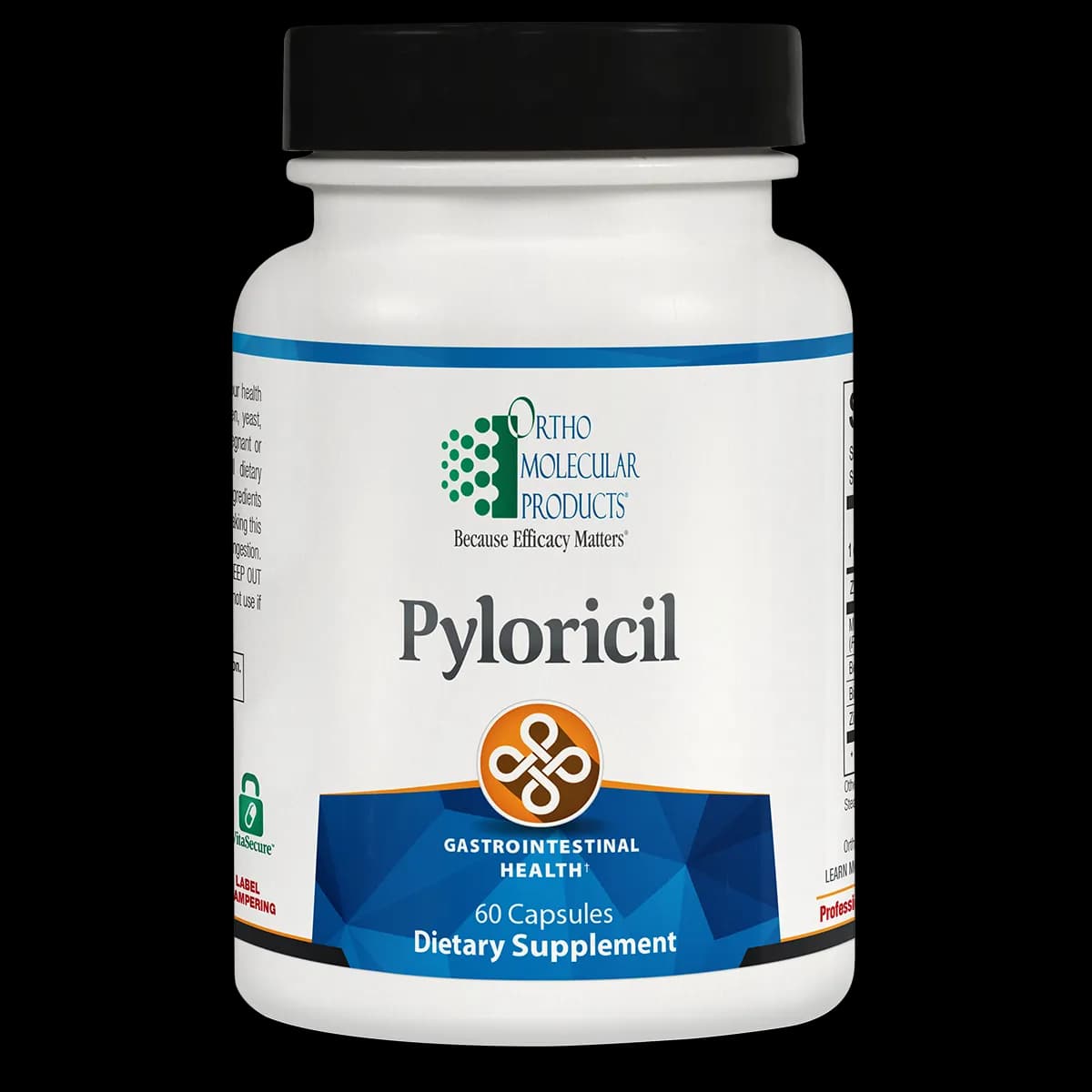
For patients navigating complex chronic illnesses, finding targeted support for the gut is a critical step in calming the systemic storm. This is where comprehensive gastrointestinal support formulas like Pyloricil come into play. Rather than just masking acid reflux or temporarily soothing an upset stomach, Pyloricil utilizes a synergistic blend of zinc carnosine, mastic gum, berberine sulfate, and bismuth citrate to address the root causes of mucosal damage and microbial imbalance. By understanding how these natural compounds interact with our cellular biology, we can better appreciate their role in healing the gut and, by extension, supporting whole-body recovery.
What is Pyloricil?
The Foundation of Gastrointestinal Health
To understand what Pyloricil is and how it functions, we must first look at the natural physiology of a healthy gastrointestinal (GI) tract. The human gut is a marvel of biological engineering, serving as both a highly selective filter and a robust fortress. The intestinal lining, or mucosa, is composed of a single layer of epithelial cells. These cells are bound tightly together by complex protein structures known as tight junctions. In a healthy state, this barrier allows essential nutrients and water to absorb into the bloodstream while strictly blocking the passage of harmful pathogens, undigested food particles, and bacterial toxins. This selective permeability is crucial for maintaining systemic homeostasis and preventing unwanted immune responses.
Beyond the physical barrier, the gut is home to trillions of microorganisms, collectively known as the gut microbiome. In a state of eubiosis (a healthy microbial balance), beneficial bacteria produce essential metabolites like short-chain fatty acids (SCFAs), particularly butyrate. Butyrate serves as the primary energy source for the cells lining the colon, helping to maintain their structural integrity and function. Furthermore, these beneficial microbes actively compete for space and resources, preventing opportunistic pathogens and yeast from taking root. A robust microbiome also plays a continuous, dynamic role in educating and regulating the body's immune system, the majority of which is housed right in the gut-associated lymphoid tissue (GALT).
The Four Pillars of Pyloricil
Pyloricil is a targeted dietary supplement designed by Ortho Molecular Products to support this intricate GI ecosystem when it falls out of balance. It is not a single-ingredient remedy, but rather a carefully formulated complex of four distinct compounds: zinc carnosine, mastic gum extract, berberine hydrochloride, and bismuth citrate. Each of these ingredients has been selected for its unique, scientifically documented ability to interact with the gastric and intestinal mucosa at a molecular level. Together, they aim to soothe irritated tissues, reinforce the physical epithelial barrier, and cultivate an environment where beneficial microbes can thrive.
The formulation specifically targets the upper GI tract, including the stomach lining, which is often subjected to immense stress from stomach acid, medications, and pathogenic bacteria like Helicobacter pylori (H. pylori). By providing localized support to the gastric mucosa, Pyloricil helps to neutralize oxidative stress and promote cellular repair. This localized healing is a vital prerequisite for downstream intestinal health; if the stomach lining is inflamed or compromised, the entire digestive cascade is negatively impacted, leading to malabsorption and downstream dysbiosis.
How Chronic Illness Impacts the Gut Barrier
Viral Invasion and the ACE2 Receptor
The connection between respiratory viruses and chronic gastrointestinal dysfunction has become a focal point in understanding What Causes Long COVID?. SARS-CoV-2, the virus responsible for COVID-19, gains entry into human cells by binding to the ACE2 (Angiotensin-Converting Enzyme 2) receptor. While these receptors are present in the lungs, they are actually expressed in significantly higher concentrations along the epithelial lining of the small intestine. When the virus binds to these intestinal receptors, it directly infects the gut cells, triggering acute localized inflammation. For many patients, the virus or its remnants (viral ghosts) can persist in the gut tissue long after the acute respiratory infection has cleared, acting as a continuous trigger for the immune system.
This persistent viral presence in the gut creates a chronic inflammatory state that severely disrupts the local environment. The immune system's constant battle against these viral reservoirs leads to the continuous release of pro-inflammatory cytokines, such as Interleukin-6 (IL-6) and Tumor Necrosis Factor-alpha (TNF-α). This localized cytokine storm damages the delicate epithelial cells and suppresses the normal, healthy functions of the GI tract. Consequently, patients often experience a range of Gastrointestinal Symptoms Seen with Long COVID, including chronic nausea, abdominal pain, erratic bowel movements, and severe bloating.
The "Leaky Gut" Hypothesis of Systemic Illness
The localized inflammation caused by viral persistence or chronic stress has a devastating secondary effect: the degradation of the intestinal tight junctions. When these protein structures break down, the gut loses its selective permeability, resulting in a condition medically known as intestinal permeability, or "leaky gut." Recent research indicates that this breakdown is a primary driver of the systemic symptoms seen in Long COVID and ME/CFS. When the barrier is compromised, lipopolysaccharides (LPS)—toxic structural components of certain bacteria—and other antigens leak from the gut lumen directly into the bloodstream.
Once these endotoxins enter systemic circulation, they provoke a widespread, aggressive immune response. This systemic inflammation can cross the blood-brain barrier, leading to neuroinflammation that manifests as the debilitating "brain fog" and cognitive impairment frequently reported by patients. Furthermore, this constant immune activation drains cellular energy reserves, heavily contributing to the profound, unrefreshing fatigue and post-exertional malaise (PEM) that characterize these conditions. This mechanism helps explain Can Long COVID Trigger ME/CFS? Unraveling the Connection, as both conditions share this underlying pathophysiology of gut-driven systemic immune dysfunction.
Dysbiosis and the Loss of Butyrate
Chronic illness also wreaks havoc on the gut microbiome. Studies have consistently shown that patients with Long COVID and ME/CFS suffer from profound gut dysbiosis, characterized by a severe depletion of beneficial, anti-inflammatory bacteria. Research published in the journal Gut demonstrates that these patients often lack the specific bacterial strains responsible for producing butyrate and other short-chain fatty acids. Without adequate butyrate, the intestinal lining starves, further weakening the gut barrier and exacerbating the leaky gut cycle.
Simultaneously, the loss of these beneficial microbes creates a vacuum that allows opportunistic pathogens and yeast to overgrow. These pathogenic microbes produce their own toxic metabolites, which further irritate the mucosal lining and stimulate mast cells in the gut. For patients with mast cell activation syndrome (MCAS), which frequently co-occurs with Long COVID and dysautonomia, this microbial imbalance triggers constant mast cell degranulation, releasing histamine and other inflammatory mediators that perpetuate the cycle of pain, food intolerances, and systemic distress.
Pyloricil: Supporting the Gut Barrier and Microbiome
Zinc Carnosine and Mucosal Repair
The first key ingredient in Pyloricil is zinc carnosine (also known as polaprezinc), a synthetically chelated compound that combines elemental zinc with the dipeptide L-carnosine. Unlike standard zinc supplements that dissolve rapidly in stomach acid, research demonstrates that this unique chelation creates a stable complex that survives the harsh gastric environment. Once ingested, zinc carnosine physically adheres to the mucosal lining of the stomach and intestines. It shows a remarkable, preferential affinity for binding directly to ulcerated, irritated, or damaged areas, forming a temporary protective coating that shields the tissue from further acid or inflammatory damage while local healing occurs.
At the cellular level, zinc carnosine operates through multiple therapeutic pathways. L-carnosine is a potent antioxidant that neutralizes reactive oxygen species (ROS) and stimulates the expression of cellular antioxidant enzymes like superoxide dismutase (SOD) and heme oxygenase-1 (HO-1). Simultaneously, zinc acts as a crucial cofactor for DNA and RNA polymerases, which are necessary for cell proliferation and tissue repair. By downregulating pro-inflammatory cytokines like TNF-α and IL-8, zinc carnosine calms the localized immune response, allowing the epithelial cells to regenerate and strengthening the tight junction proteins to reverse leaky gut.
Berberine's Role in Tight Junctions and Microbiome Balance
Berberine hydrochloride, a bioactive alkaloid extracted from plants like goldenseal and barberry, is a powerhouse for metabolic and gastrointestinal health. In the context of chronic illness, berberine acts as a multi-target therapeutic agent capable of disrupting the chain of events that causes leaky gut. Cellular studies have proven that berberine directly protects the intestinal mucosal barrier by suppressing the MLCK-MLC phosphorylation signaling pathway. This specific biochemical action prevents inflammatory cytokines from loosening the tight junctions between intestinal epithelial cells, physically repairing the structural damage that allows toxins to leak into the bloodstream.
Furthermore, berberine functions as a powerful, selective antimicrobial and microbiome modulator. It helps clear out opportunistic pathogens that overgrow during viral-induced dysbiosis while simultaneously acting as a prebiotic-like compound. Recent microbiome research indicates that berberine encourages the regrowth of beneficial, butyrate-producing bacteria. By restoring these essential short-chain fatty acids, berberine helps nourish the gut lining, regulate the mucosal immune system, and suppress the systemic cytokine storms that drive Long COVID symptoms.
Mastic Gum for Mucosal Soothing
Mastic gum extract, derived from the resin of the Pistacia lentiscus tree, has been utilized for centuries in the Mediterranean as a remedy for GI distress. Modern biochemical analysis has identified over 120 bioactive compounds in mastic gum, with triterpenic acids being the primary active drivers. These compounds exhibit potent anti-inflammatory and antioxidant effects within the gastric mucosa. Clinical investigations reveal that mastic gum reduces mucosal inflammation by inhibiting neutrophil activation and decreasing localized oxidative stress, providing immediate symptomatic relief for functional dyspepsia and stomach pain.
Mastic gum is particularly famous for its interaction with H. pylori, a bacterium heavily linked to gastric ulcers and chronic gastritis. H. pylori relies on an enzyme called urease to survive the harsh, acidic environment of the stomach. Mastic gum has been shown to inhibit this urease activity, effectively neutralizing the bacteria's defense mechanism. While it may not eradicate the bacteria entirely on its own, it significantly suppresses its pathogenic activity, allowing the stomach lining to heal and regenerate without constant bacterial irritation.
Bismuth Citrate and Biofilm Disruption
The final pillar of Pyloricil is bismuth citrate, a heavy metal compound with profound anti-biofilm properties. Pathogenic bacteria in the gut often protect themselves by forming biofilms—dense, protective matrices of extracellular polymeric substances (EPS) that make them highly tolerant to stomach acid, immune responses, and standard treatments. Bismuth directly interrupts this defense mechanism. Ultrastructural analyses show that exposure to bismuth salts induces rapid vacuolization and degradation of the bacterial glycocalyx, structurally compromising the biofilm barrier.
Beyond physical disruption, bismuth operates via metal displacement and metabolic starvation. It irreversibly displaces essential metals like nickel from bacterial metalloenzymes, further crippling urease activity. Additionally, bismuth mimics iron starvation by binding to bacterial siderophores, blocking iron uptake. This heavy-metal competition starves the pathogenic bacteria, dissipates their proton motive force, and drops their intracellular ATP levels, effectively asphyxiating the biofilm cells and clearing the way for a healthier microbiome to establish itself.

Symptoms Pyloricil May Help Manage
Gastrointestinal Symptoms
By addressing the root causes of mucosal irritation, leaky gut, and microbial imbalance, the ingredients in Pyloricil may help manage a variety of distressing symptoms. Because the gut is deeply interconnected with the immune and nervous systems, healing the GI tract often yields benefits that extend far beyond digestion.
Chronic Nausea and Indigestion: Mastic gum and zinc carnosine work together to soothe the gastric mucosa and reduce localized inflammation, which can significantly alleviate the persistent nausea and functional dyspepsia often experienced by patients with dysautonomia and Long COVID.
Abdominal Pain and Cramping: By downregulating pro-inflammatory cytokines like TNF-α in the gut lining, berberine and zinc carnosine help calm the hyperactive immune responses that trigger painful intestinal cramping and spasms.
Bloating and Erratic Bowel Movements: Berberine's ability to modulate the gut microbiome and clear out opportunistic, gas-producing pathogens helps reduce severe bloating and stabilize bowel motility, promoting more regular and comfortable digestion.
Acid Reflux and Heartburn: Mastic gum forms a protective, soothing membrane over the stomach walls in acidic environments, providing a physical barrier that can help manage the burning sensations associated with acid reflux and gastritis.
Systemic Symptoms Driven by Gut Health
The systemic benefits of gut healing cannot be overstated. When the intestinal barrier is secured, the entire body experiences a reduction in toxic burden and immune stress.
Brain Fog and Cognitive Impairment: By repairing tight junctions and stopping the leakage of lipopolysaccharides (LPS) into the bloodstream, berberine helps halt the systemic inflammation that crosses the blood-brain barrier, potentially alleviating neuroinflammation and brain fog.
Severe Fatigue and PEM: Chronic immune activation in the gut drains massive amounts of cellular energy (ATP). By resolving this localized battleground and restoring butyrate production, the body can redirect energy back to systemic cellular function, aiding in the management of fatigue and post-exertional malaise.
Food Sensitivities and MCAS Triggers: A leaky gut allows undigested food proteins to enter the blood, triggering mast cells and allergic-like reactions. Zinc carnosine's role in sealing the gut barrier helps prevent these proteins from escaping, thereby reducing the frequency and severity of mast cell activation and food intolerances.
Practical Considerations: Forms, Dosing, and Absorption
Optimal Dosing and Timing
When incorporating Pyloricil into a management plan, understanding the optimal dosing and timing is crucial for maximizing its benefits. The suggested use provided by Ortho Molecular is typically one capsule, two times per day, or as recommended by a healthcare professional. Because the primary goal of ingredients like zinc carnosine and mastic gum is to physically coat and soothe the gastric lining, timing is everything. It is generally most effective to take Pyloricil on an empty stomach, approximately 30 to 60 minutes before meals. This allows the compounds to adhere to the mucosal walls without interference from food proteins or digestive enzymes.
Consistency is also key when addressing chronic gastrointestinal issues. Healing a compromised mucosal barrier and shifting the microbiome is not an overnight process. While some patients may notice a reduction in acute symptoms like heartburn or nausea within a few days, the deeper structural healing of tight junctions and the eradication of pathogenic biofilms can take several weeks to months of sustained use. Tracking your symptoms daily can help you and your provider gauge the supplement's long-term efficacy.
Potential Interactions and Safety
While the natural ingredients in Pyloricil are generally well-tolerated, there are important safety considerations, particularly regarding long-term use. Zinc carnosine provides a highly bioavailable form of elemental zinc. While zinc is essential for immune function and tissue repair, high doses of zinc over extended periods can compete with copper for absorption in the intestines. This competition can lead to a copper deficiency, which manifests as neurological issues, anemia, and further immune suppression. If you are taking Pyloricil long-term, your healthcare provider may recommend monitoring your zinc and copper serum levels or supplementing with trace minerals.
Additionally, berberine is a potent bioactive compound that can interact with various medications. Because berberine influences metabolic pathways and can lower blood sugar and blood pressure, it may amplify the effects of hypoglycemic or antihypertensive drugs. It also interacts with the cytochrome P450 enzyme system in the liver, which can alter the clearance rate of numerous pharmaceuticals. Patients taking immunosuppressants, antibiotics, or medications for cardiovascular conditions must consult their healthcare provider before starting Pyloricil to ensure there are no contraindications.
The Importance of Synergistic Therapy
It is important to view Pyloricil as one component of a broader therapeutic strategy. For patients wondering What Drugs Are Used for COVID Long Haulers?, it is crucial to understand that supplements work best when paired with comprehensive medical care. Pyloricil's ability to disrupt biofilms and soothe the gut makes it an excellent adjunct therapy, potentially enhancing the efficacy of prescribed treatments while protecting the GI tract from the harsh side effects of certain medications. Always work with a knowledgeable practitioner to integrate this supplement safely into your unique protocol.
Follow the Science
Clinical Evidence for Zinc Carnosine
The individual ingredients in Pyloricil have been the subject of extensive clinical research, particularly in the realms of gastroenterology and mucosal healing. Zinc carnosine, developed in Japan as an anti-ulcer medication, has a robust clinical profile. In a large-scale, 8-week randomized controlled trial involving 258 patients with gastric ulcers, participants given 150 mg of zinc carnosine daily demonstrated a highly favorable endoscopic improvement rate of 60.4%, proving visible, physical healing of the gastric lining. Furthermore, clinical research testing gut barrier stability showed that patients pre-treated with zinc carnosine maintained normal gut permeability even when subjected to chemical irritants known to cause leaky gut.
A 2022 systematic review and meta-analysis evaluated zinc carnosine as an adjunct to traditional triple therapy for H. pylori eradication. The findings indicated that adding zinc carnosine significantly improved eradication rates without increasing the prevalence of adverse antibiotic side effects. This highlights its dual utility: it not only heals the tissue but also actively supports the clearance of pathogenic bacteria by neutralizing their localized defense mechanisms.
Berberine and Systemic Inflammation
Berberine's impact on systemic inflammation, particularly in the context of viral infections, has gained significant attention. In a prospective clinical study published in the British Journal of Surgery (Zhang et al., 2021), researchers investigated the use of berberine in patients hospitalized with severe COVID-19. Patients given 900 mg of berberine daily showed a significant reduction in circulating inflammatory mediators, specifically Interleukin-6 (IL-6), TNF-α, and C-Reactive Protein (CRP), within a 14-day window. The study noted that berberine was especially effective at improving inflammatory markers in patients suffering from GI symptoms, reinforcing the hypothesis that healing the gut barrier is a direct pathway to lowering systemic inflammation.
The Reality of Mastic Gum and Bismuth Citrate
Mastic gum has been heavily studied for its effects on functional dyspepsia. In a randomized, double-blind, placebo-controlled trial involving 148 patients, those taking 350 mg of mastic gum three times daily for three weeks reported a 77% marked improvement in symptoms, including significant reductions in stomach pain and heartburn, compared to just 40% in the placebo group. While mastic gum alone is not considered a cure for H. pylori, its ability to provide rapid symptomatic relief and mucosal protection is clinically validated.
Finally, bismuth citrate is globally recognized for its anti-biofilm properties. Because biofilm-dwelling bacteria can increase their resistance to antibiotics by up to 1000-fold, traditional therapies often fail. However, studies show that integrating bismuth into treatment protocols reliably achieves a >85% to 95% eradication rate for resistant strains. By overwhelming the bacterial efflux pumps and degrading the EPS matrix, bismuth ensures that pathogenic colonies cannot hide from the immune system or therapeutic interventions.
The Path Forward
A Comprehensive Approach to Healing
Living with complex, invisible illnesses like Long COVID, ME/CFS, and dysautonomia is an exhausting and often frustrating journey. When your body feels like a battleground and your symptoms are unpredictable, it is easy to feel overwhelmed. However, understanding the deep biological connections between your gut health and your systemic symptoms offers a tangible, actionable path forward. Healing the gastrointestinal tract is not a quick fix, but it is a foundational step in calming the immune system, restoring cellular energy, and improving your overall quality of life.
Supplements like Pyloricil provide targeted, science-backed support to help rebuild the mucosal barrier and restore microbial balance. But remember, true recovery requires a holistic approach. Learning How Can You Live with Long-Term COVID involves combining targeted supplementation with aggressive rest, nervous system regulation, dietary modifications, and careful symptom tracking. You do not have to navigate this complex web of symptoms alone.
Next Steps
If you are struggling with chronic gastrointestinal distress, systemic inflammation, or the debilitating fatigue of Long COVID, Pyloricil may be a valuable addition to your management toolkit. Always consult with your healthcare provider before starting any new supplement to ensure it aligns with your specific medical history and current treatments. By taking proactive steps to support your gut, you are laying the groundwork for profound, systemic healing.
Sources
Mechanisms of long COVID and the path toward therapeutics (ScienceDirect)
A Review of Zinc-L-Carnosine and Its Positive Effects on Gastrointestinal Disorders (NIH)
Clinical Applications of Zinc Carnosine - Evidence Review (Rupa Health)
Zinc L-Carnosine: Benefits, Dosage, and Safety (Fallbrook Medical Center)
Berberine in the Treatment of COVID-19 and Gut Microbiome Modulation (NIH)
Berberine and Intestinal Permeability: Mechanisms of Action (OUP)
Is Chios mastic gum effective in the treatment of functional dyspepsia? (NIH)
In Vitro and In Vivo Activities of Chios Mastic Gum Extracts against H. pylori (ASM)
Biofilm of Helicobacter pylori: Life Cycle, Features, and Treatment Options (MDPI)
The Action of Bismuth against Helicobacter pylori Mimics Intracellular Iron Deprivation (NIH)
How can Helicobacter pylori eradication therapies be improved? (SciELO)