Can PureLean® Satiety Support Healthy Weight Management and Metabolism in Long COVID and ME/CFS?
March 5, 2026
PureLean SatietyLong COVIDME/CFS
Share:
Disclaimer: The information provided here is for educational purposes only and is not intended as medical advice. It should not be used to diagnose, treat, cure, or prevent any medical condition. Instead, use it as a starting point for discussion with your healthcare provider. Always consult with a qualified healthcare provider before starting any new medication, supplement, device, or making changes to your health regimen.
For many individuals living with complex chronic illnesses, the battle extends far beyond the hallmark symptoms of profound fatigue and cognitive dysfunction. In the wake of a viral infection, patients often find themselves facing a new, deeply frustrating challenge: sudden, unexplained weight gain, intense food cravings, and a metabolism that seems to have completely stalled. If you are living with Long COVID, myalgic encephalomyelitis/chronic fatigue syndrome (ME/CFS), or dysautonomia, you may have been told that your weight changes are simply due to "deconditioning" or being less active. However, emerging medical research paints a vastly different picture, revealing that these conditions trigger profound, systemic disruptions to the body's endocrine system, stress hormones, and metabolic pathways.
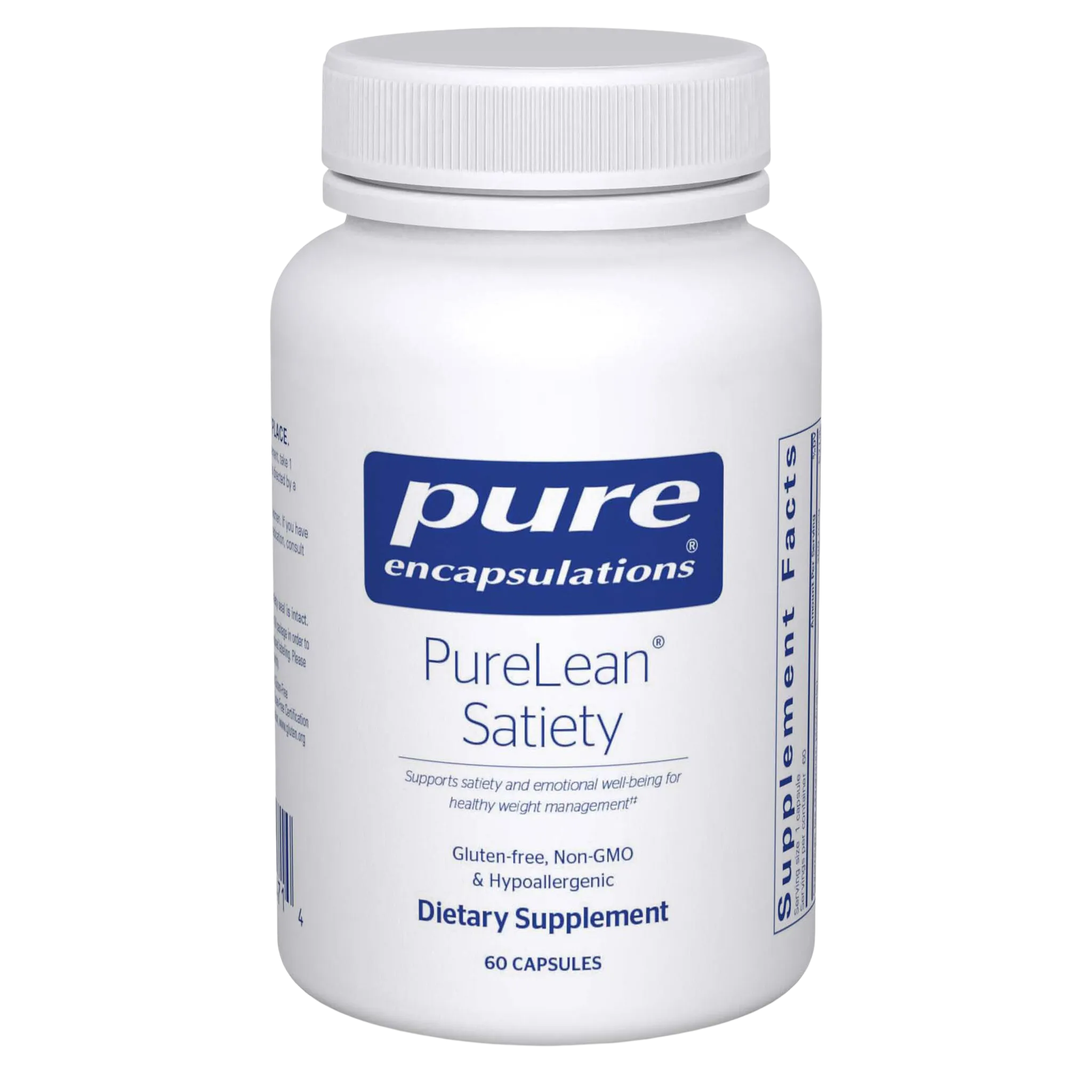
The frustration of doing everything "right"—eating carefully, attempting to pace your energy, and managing your stress—only to see the scale creep up or your blood sugar destabilize, is incredibly valid. The metabolic fallout of post-viral illness is real, driven by cellular insulin resistance, cortisol dysregulation, and altered satiety hormones. This is where targeted nutritional support can play a crucial role. PureLean® Satiety is a specialized supplement formulated to address both the physiological and emotional drivers of weight management. By combining clinically researched ingredients like DNF-10® yeast hydrolysate, Sensoril® ashwagandha, and chromium picolinate, this formula aims to support healthy glucose metabolism, moderate appetite, and promote emotional well-being during the challenging journey of chronic illness recovery.
What is PureLean® Satiety?
PureLean® Satiety by Pure Encapsulations is not a traditional, stimulant-based weight loss supplement. Instead, it is a comprehensively designed metabolic and adaptogenic formula that targets the underlying hormonal and neurological mechanisms of appetite regulation, stress response, and glucose metabolism. In a healthy body, the sensation of hunger, the feeling of fullness (satiety), and the storage of energy are tightly controlled by a delicate interplay between the gut, the brain, and the endocrine system. When this system functions optimally, hormones like insulin efficiently shuttle glucose into cells for energy, cortisol rises and falls in a natural circadian rhythm to manage stress, and gut peptides accurately signal when it is time to eat and when to stop. PureLean® Satiety is formulated to support these exact pathways when they become dysregulated.
The formula addresses weight management from a dual perspective: the physical mechanisms of caloric intake and the emotional aspects of eating behavior. Chronic illness often traps patients in a vicious cycle where physiological stress drives emotional eating, while metabolic dysfunction ensures that excess calories are preferentially stored as fat rather than burned for energy. By utilizing a synergistic blend of three highly researched ingredients, this supplement aims to break that cycle. It provides targeted support for the gut-brain axis, the hypothalamic-pituitary-adrenal (HPA) axis, and cellular insulin receptors, offering a holistic approach to maintaining healthy body composition and metabolic balance.
The cornerstone ingredient in this formula is DNF-10®, a patented, clinically researched yeast hydrolysate derived from Saccharomyces cerevisiae (commonly known as baker’s or nutritional yeast). In a healthy physiological state, the stomach secretes a hormone called ghrelin, often referred to as the "hunger hormone," which travels to the brain to stimulate appetite. Conversely, fat cells secrete leptin, the "satiety hormone," which signals the brain to stop eating. DNF-10® is manufactured through a specific enzymatic proteolysis process that isolates low-molecular-weight bioactive peptides (under 10 kDa). These specific peptides have been shown to interact directly with the gut-brain axis, modulating the secretion of these critical hunger and satiety hormones to naturally moderate caloric intake.
At the molecular level, the peptides in DNF-10® work to downregulate the production of ghrelin while simultaneously supporting the sustained release of leptin. Furthermore, research indicates that this yeast hydrolysate reduces the expression of Neuropeptide Y (NPY) in the hypothalamus. NPY is a powerful neurotransmitter that drives the neurological urge to consume carbohydrates and sugars. By altering this hormonal landscape, DNF-10® helps to reduce the frequency of food-related thoughts and occasional cravings, promoting a natural, unforced reduction in daily caloric intake. This mechanism is entirely devoid of central nervous system stimulants, making it a gentle option for those with sensitive nervous systems.
To complement the appetite-modulating effects of DNF-10®, the formula includes Sensoril® ashwagandha, a highly standardized aqueous extract of the Withania somnifera plant. Unlike standard ashwagandha supplements that only use the root, Sensoril® utilizes both the root and the leaves to provide a broader spectrum of bioactive compounds, specifically withanolide glycosides. Ashwagandha is a renowned adaptogen, meaning it helps the body adapt to and recover from physiological and psychological stress. It functions primarily by modulating the HPA axis, helping to maintain healthy cortisol levels. By blunting the excessive release of cortisol during times of stress, Sensoril® promotes emotional well-being, relaxation, and healthy sleep architecture, all of which are critical for preventing stress-induced eating behaviors.
The final key component is chromium, provided in the highly bioavailable form of chromium picolinate. Chromium is an essential trace mineral that plays a mandatory role in carbohydrate, lipid, and protein metabolism. At the cellular level, chromium acts as an insulin sensitizer. It physically binds to the insulin receptor on the surface of cells, amplifying the receptor's signaling cascade (specifically the tyrosine phosphorylation of the insulin receptor and downstream targets like IRS-1 and PI3K). This amplified signal allows the cell to more efficiently translocate glucose transporters (GLUT4) to the cell membrane, pulling glucose out of the bloodstream and into the cell to be used for energy. By supporting healthy glucose metabolism, chromium helps maintain stable energy levels throughout the day, preventing the sharp blood sugar crashes that often trigger intense sugar cravings.
How Long COVID and ME/CFS Impact Metabolism and Appetite
To understand why weight management becomes so difficult in post-viral conditions, we must examine how viruses interact with the body's hormonal control centers. The SARS-CoV-2 virus, responsible for Long COVID, utilizes ACE2 receptors to enter human cells. Unfortunately, the hypothalamus, pituitary gland, and adrenal glands—the core components of the HPA axis—are highly enriched with these receptors. Recent endocrine research demonstrates that viral invasion can directly damage these tissues, leading to profound cortisol dysregulation. While acute stress typically causes a spike in cortisol, many Long COVID patients actually develop a blunted cortisol response or secondary adrenal insufficiency. This HPA axis exhaustion leaves the body vulnerable to unchecked, systemic inflammation.
This dysregulation of cortisol has a cascading effect on the entire metabolism. The hypothalamus is not only responsible for stress signaling but also acts as the master regulator of appetite, satiety, and the sleep-wake cycle. When this region is inflamed or damaged, patients often experience severe insomnia, disrupted circadian rhythms, and altered metabolic rate cues. The combination of poor sleep and abnormal cortisol levels creates a physiological environment that strongly favors fat storage, particularly visceral (abdominal) fat, while simultaneously stripping the body of the energy required to function normally.
Beyond the brain and adrenal glands, the pancreas (specifically the insulin-producing beta cells) and the liver are also prime targets for viral injury. This direct tissue damage impairs insulin production and alters hepatic glucose output, directly causing prolonged hyperglycemia and insulin resistance. A comprehensive 4-year post-infection evaluation published in 2025 found that nearly 1 in 2 hospitalized individuals presented with a long-term endocrine abnormality, and those with acute-phase hyperglycemia had a massive increase in the risk of developing clinical Type 2 diabetes. As the body becomes resistant to insulin, the pancreas pumps out more of the hormone to compensate. High circulating insulin acts as a powerful fat-storage hormone, making weight loss nearly impossible even with dietary restriction.
This metabolic dysfunction is not exclusive to Long COVID. In ME/CFS, a groundbreaking UK Biobank study analyzed over 3,000 blood-based molecular traits and identified a distinct biological signature pointing directly to a triad of chronic inflammation, insulin resistance, and liver dysfunction. ME/CFS patients exhibited blood markers synonymous with insulin resistance, such as elevated triglyceride-to-HDL ratios and elevated liver enzymes. Crucially, advanced statistical modeling in this study proved that these metabolic differences were not caused by patient inactivity. The insulin resistance seen in these conditions is an intrinsic, pathological feature of the disease's underlying biology.
For decades, patients with invisible illnesses have been told that their weight gain and fatigue are the result of physical "deconditioning" from spending too much time in bed. This harmful narrative ignores the reality of mitochondrial dysfunction and post-exertional malaise (PEM). In these conditions, the mitochondria—the energy factories of the cells—are impaired, severely reducing the production of adenosine triphosphate (ATP). Because the cells cannot process glucose efficiently for energy, the body enters a state of chronic metabolic energy strain. To compensate, the body shifts to burning alternative fuels, which creates massive oxidative stress and further slows the basal metabolic rate.
When patients experience PEM, even minor physical or cognitive exertion triggers a rapid worsening of symptoms, immune cell infiltration, and acute declines in mitochondrial markers. Forcing a patient to exercise in this state does not improve their metabolism; it actively damages their cellular machinery. The drastic drop in caloric expenditure forced by PEM, paired disastrously with newfound, virally-induced insulin resistance, creates the "perfect storm" for rapid and stubborn weight gain. Recognizing that this weight gain is a complex endocrine and metabolic symptom—rather than a failure of willpower or diet—is the first essential step in finding effective, compassionate management strategies.
PureLean® Satiety: Supporting Metabolic Recovery and Emotional Balance
PureLean® Satiety provides a multi-faceted approach to supporting the disrupted metabolic pathways seen in chronic illness. The inclusion of DNF-10® yeast hydrolysate specifically targets the dysregulated gut-brain axis. In patients dealing with post-viral hypothalamic inflammation, the signals that dictate hunger and fullness are often scrambled, leading to intense, uncharacteristic cravings. DNF-10® intervenes by actively downregulating the secretion of ghrelin in the stomach. By keeping this "hunger hormone" suppressed, the brain receives fewer urgent signals demanding caloric intake, which helps to quiet the constant neurological noise and thoughts about food that many patients experience.
Simultaneously, DNF-10® supports the sustained release of leptin from adipose tissue. Leptin is crucial because it tells the brain that the body has sufficient energy stores, thereby increasing the sensation of satiety after a meal. Furthermore, by lowering the hypothalamic expression of Neuropeptide Y (NPY), this yeast hydrolysate directly dampens the central appetite stimulant responsible for intense carbohydrate cravings. This is particularly beneficial for patients with Long COVID and diabetes risks, as reducing the intake of simple sugars is vital for managing virally-induced insulin resistance and preventing further metabolic damage.
The chronic physical stress of living with a debilitating illness, combined with the direct viral damage to the HPA axis, creates a state of profound emotional and physiological tension. Sensoril® ashwagandha acts as a powerful adaptogenic buffer against this stress. At the cellular level, the withanolide glycosides in Sensoril® interact with the HPA axis to significantly reduce serum cortisol levels. By lowering circulating cortisol, this extract helps to halt the cascade of negative metabolic effects associated with chronic stress, including the preferential storage of visceral fat and the breakdown of lean muscle tissue.
Beyond its metabolic benefits, modulating cortisol is essential for emotional well-being and neurological health. High cortisol levels disrupt the natural sleep-wake cycle, contributing to the severe insomnia often seen in ME/CFS and dysautonomia. By promoting relaxation and blunting the cardiovascular stress response, Sensoril® helps patients achieve more restorative sleep. Improved sleep architecture naturally improves daytime energy levels and emotional resilience, which in turn helps to moderate stress-related eating behaviors and emotional food cravings. This creates a positive feedback loop that supports overall body composition and mental clarity.
To address the intrinsic insulin resistance highlighted by recent ME/CFS and Long COVID research, PureLean® Satiety utilizes chromium picolinate. Chromium does not replace insulin; rather, it acts as a potent insulin sensitizer at the molecular level. When insulin binds to a cell, chromium enhances the tyrosine phosphorylation of the insulin receptor and its downstream targets, such as Insulin Receptor Substrate-1 (IRS-1). This amplification standardizes the signaling pathway that drives glucose into the cell. Furthermore, chromium suppresses negative regulators like Protein Tyrosine Phosphatase 1B (PTP1B), an enzyme that naturally blunts insulin signaling, allowing the insulin signal to remain active for longer periods.
One of the most fascinating mechanisms of chromium is its ability to modulate cell membrane fluidity. Under hyperglycemic or diabetic conditions, chromium picolinate induces a loss of plasma membrane cholesterol, which increases membrane fluidity and facilitates the physical fusion of GLUT4 glucose transporters with the cell surface. By physically altering the lipid membrane to allow easier integration of these transporters, chromium ensures that glucose is efficiently cleared from the bloodstream and utilized by the mitochondria for ATP production. This stabilization of blood glucose is critical for maintaining steady energy levels, reducing the severity of post-exertional crashes, and managing the metabolic syndrome often triggered by post-viral illness.

Symptoms PureLean® Satiety May Help Manage
The synergistic blend of ingredients in PureLean® Satiety is designed to target specific metabolic and behavioral symptoms that arise from endocrine dysfunction. By addressing the root hormonal causes, this supplement may help manage:
Unexplained Weight Gain: By modulating the ghrelin-to-leptin ratio via DNF-10® and sensitizing cells to insulin via chromium, the formula helps shift the body out of a chronic fat-storage mode, particularly targeting stubborn visceral (abdominal) fat.
Intense Carbohydrate Cravings: DNF-10® reduces the hypothalamic expression of Neuropeptide Y (NPY), while chromium stabilizes blood sugar levels, together preventing the sharp glucose crashes that trigger intense neurological urges for sweets and simple carbohydrates.
Lack of Satiety (Never Feeling Full): By supporting the sustained release of leptin, the formula helps restore the brain's ability to recognize when the body has consumed enough calories, promoting a natural feeling of fullness after meals.
Metabolic Syndrome Markers: Chromium picolinate's ability to enhance GLUT4 translocation and amplify insulin receptor signaling directly combats the cellular insulin resistance that drives elevated fasting glucose and altered lipid profiles in post-viral conditions.
Because metabolism is deeply intertwined with the nervous system and stress response, the adaptogenic properties of this formula also provide support for emotional and neurological symptoms:
Stress-Induced Emotional Eating: Sensoril® ashwagandha significantly lowers serum cortisol levels, buffering the HPA axis against chronic stress and reducing the physiological drive to consume food as a coping mechanism for emotional distress.
Poor Sleep Quality and Insomnia: By blunting excessive cortisol release, especially in the evening, Sensoril® helps restore a more natural circadian rhythm, promoting relaxation and making it easier to fall and stay asleep.
Constant Thoughts About Food: Clinical trials on DNF-10® have shown that modulating gut-brain peptides significantly reduces the frequency of food-related thoughts throughout the day, freeing up cognitive energy for other tasks.
Energy Fluctuations and Crashes: By improving glucose uptake into the cells via chromium, the body can maintain a more stable and consistent supply of cellular energy (ATP), helping to smooth out the severe peaks and valleys in daily energy levels.
Practical Considerations: Forms, Dosing, and Absorption
When selecting a metabolic supplement, the bioavailability of the active ingredients is just as important as the dosage. PureLean® Satiety utilizes highly bioavailable forms of its core components to ensure optimal absorption, even in patients who may have compromised gastrointestinal function or dysautonomia-related gut motility issues. DNF-10® is a low-molecular-weight peptide fraction (under 10 kDa) that is highly water-soluble and heat-resistant. Because the proteins have already been enzymatically hydrolyzed (broken down into smaller peptide chains), they require less digestive effort to be absorbed through the intestinal wall and into the bloodstream, where they can interact with the gut-brain axis.
Similarly, the chromium in this formula is provided as chromium picolinate. Picolinic acid is a natural derivative of the amino acid tryptophan, and binding chromium to it creates a stable complex that is significantly more bioavailable than other forms, such as chromium chloride. This enhanced absorption ensures that more of the trace mineral reaches the cellular level to interact with insulin receptors. Sensoril® ashwagandha is an aqueous (water-based) extract, which also boasts excellent solubility and absorption profiles compared to crude root powders, ensuring that the active withanolide glycosides are efficiently delivered to the systemic circulation.
The suggested use for PureLean® Satiety is to take 1 capsule three times daily, or as directed by a healthcare professional. This divided dosing schedule is intentional and highly beneficial for metabolic support. Because the goal is to maintain stable blood sugar levels, consistent cortisol modulation, and steady satiety signals throughout the waking hours, taking the supplement in three divided doses ensures a continuous supply of the active ingredients. It is generally recommended to take the capsules approximately 30 minutes before main meals. This timing allows the DNF-10® peptides to begin interacting with ghrelin and leptin pathways, and the chromium to prepare the insulin receptors, right before a caloric load is introduced to the body.
Consistency is key when using adaptogenic and metabolic supplements. While some effects, such as a reduction in acute cravings or improved relaxation from the ashwagandha, may be noticed within the first few weeks, structural metabolic changes take time. Clinical trials on DNF-10® and Sensoril® typically measure significant changes in body composition, abdominal fat reduction, and sustained cortisol lowering over an 8 to 10-week period. Patients should view this supplement as a medium-to-long-term supportive tool rather than a quick fix for weight loss.
PureLean® Satiety is formulated with generally recognized as safe (GRAS) ingredients and is non-GMO. However, because it actively influences glucose metabolism and cortisol, there are important clinical considerations. Patients who are currently taking prescription medications for diabetes (such as metformin or insulin) should consult their healthcare provider before starting this supplement, as the addition of chromium picolinate may further lower blood sugar levels, necessitating a careful monitoring of glucose and potential medication adjustments to prevent hypoglycemia.
Additionally, while Sensoril® ashwagandha is excellent for lowering high cortisol, patients who have been diagnosed with severe hypocortisolism (extremely low morning cortisol) or Addison's disease should discuss adaptogen use with their doctor, as further lowering cortisol in these specific cases may not be desirable. Ashwagandha may also interact with thyroid medications, as it has been shown in some studies to mildly stimulate thyroid hormone production. As always, supplements should be integrated into a comprehensive care plan under the guidance of a medical professional who understands the complexities of your specific chronic illness.

Follow the Science
The efficacy of DNF-10® is supported by multiple double-blind, randomized, placebo-controlled human clinical trials. In a 10-week study published in the journal Nutrition, obese adults were given the yeast hydrolysate to measure its effects on abdominal fat accumulation. By the sixth week, energy intake was significantly reduced. After 10 weeks, Computed Tomography (CT) scans revealed that the treatment group experienced an average reduction in total abdominal fat area of 17.3 cm², compared to only 7 cm² in the placebo group. Crucially, the study noted that body weight, BMI, and waist circumference all dropped without any adverse effects on lean body mass, proving that the weight lost was specifically fat tissue.
A subsequent 8-week study published in Preventive Nutrition and Food Science validated the efficacy of a lower 500 mg/day dose of DNF-10® in obese women. The treatment group showed significant reductions in body weight and fat mass, dropping their body fat ratio from 38.8% to 36.5%. Beyond the physical measurements, the psychological data was compelling: the DNF-10® group reported a statistically significant reduction in their preference for sweets and the frequency of food-related thoughts compared to the placebo group, highlighting its powerful effect on the gut-brain axis and behavioral eating patterns.
Sensoril® ashwagandha is one of the most heavily researched adaptogens on the market, specifically regarding its impact on stress hormones. In a landmark 60-day, randomized, double-blind, placebo-controlled trial involving chronically stressed adults, participants taking Sensoril® experienced an average 24.2% reduction in serum cortisol levels. This physiological drop in the stress hormone correlated with a massive 62.2% reduction in overall everyday stress and anxiety, as measured by standardized psychological scales.
Furthermore, a 24-week randomized controlled study published in 2025 evaluated ashwagandha extract in overweight participants under chronic stress. The treatment group saw an average body weight reduction of approximately 8.46 kg (18.6 lbs) and significant improvements in subjective satisfaction and food cravings. These findings underscore that while ashwagandha is not a direct fat-burner, its ability to control stress-induced cravings and prevent cortisol-driven fat storage makes it a highly effective tool for long-term weight management and metabolic health.
The role of chromium picolinate in managing insulin resistance is well-documented in cellular models and clinical trials. A randomized, placebo-controlled clinical trial looking at the effect of chromium picolinate on insulin resistance in patients with Type 2 diabetes found a significant reduction in the HOMA-IR index (a primary marker of insulin resistance), along with reductions in LDL cholesterol and total cholesterol, over eight weeks of supplementation.
At the cellular level, studies on adipocytes (fat cells) cultured in high-glucose environments mimicking a diabetic state have shown that exposure to chromium picolinate induces a necessary loss of plasma membrane cholesterol. This specific cholesterol modulation is strictly required for the successful redistribution of GLUT4 transporters to the cell membrane. These multifaceted molecular actions confirm that chromium fundamentally attacks insulin resistance by preserving the structural integrity of insulin signaling and physically altering cell membranes to facilitate glucose uptake.
The Path Forward
Living with a complex chronic condition like Long COVID, ME/CFS, or dysautonomia is an immense daily challenge. When you add the burden of unexplained weight gain, intense cravings, and metabolic dysfunction to the mix, it can feel completely overwhelming. It is vital to recognize that these metabolic changes are not your fault. They are not the result of a lack of willpower or simply being "deconditioned." They are the direct physiological consequences of viral injury, endocrine disruption, and cellular energy strain. Validating this biological reality is the first step toward approaching your body with compassion rather than frustration.
While there is no single miracle cure for the complex web of symptoms associated with post-viral illness, targeted nutritional support can make a meaningful difference in your quality of life. By addressing the root hormonal drivers of appetite and metabolism, supplements like PureLean® Satiety offer a science-backed way to support your body's natural regulatory systems. Managing your weight and metabolic health in the context of chronic illness requires patience, gentle interventions, and a deep understanding of your body's unique needs.
Supplements are most effective when integrated into a comprehensive, holistic management strategy. In addition to exploring targeted metabolic support, it is crucial to continue practicing strict energy pacing to avoid post-exertional crashes, prioritizing restorative sleep, and working with a healthcare provider to monitor your specific endocrine biomarkers, such as morning cortisol, fasting insulin, and HbA1c. Learning how to live with long-term COVID involves building a multifaceted toolkit that addresses both the physical and emotional aspects of the disease.
If you are struggling with metabolic dysfunction, intense cravings, or stress-related weight changes, PureLean® Satiety may be a valuable addition to your management plan. Always remember to consult with your healthcare provider before starting any new supplement, especially if you are managing complex chronic conditions or taking prescription medications for blood sugar or thyroid health. Together with your medical team, you can navigate the path forward toward better metabolic balance and improved overall well-being.
Sources
From Infection to Imbalance: The Endocrine Puzzle of Long COVID (ResearchGate, 2025)
Scale of how ME/CFS affects blood revealed - UK Biobank Study (University of Edinburgh, 2025)
Study Supports Safety of Sensoril Ashwagandha Extract (Nutraceuticals World, 2024)
Chromium picolinate and insulin resistance: A systematic review and meta-analysis (NCBI, 2020)
Low Dose Yeast Hydrolysate in Treatment of Obesity and Weight Loss (NCBI, 2017)