Can PureLean® Fiber Support Gut Health and Metabolism in Long COVID and ME/CFS?
March 5, 2026
PureLean FiberLong COVIDME/CFS
Share:
Disclaimer: The information provided here is for educational purposes only and is not intended as medical advice. It should not be used to diagnose, treat, cure, or prevent any medical condition. Instead, use it as a starting point for discussion with your healthcare provider. Always consult with a qualified healthcare provider before starting any new medication, supplement, device, or making changes to your health regimen.
The aftermath of a viral infection like SARS-CoV-2 often leaves patients navigating a bewildering maze of systemic symptoms. For many living with Long COVID, myalgic encephalomyelitis/chronic fatigue syndrome (ME/CFS), and dysautonomia, the battle extends far beyond profound fatigue and post-exertional malaise (PEM). Patients frequently report sudden, unexplained changes in their digestion, new-onset food intolerances, stubborn weight fluctuations, and erratic blood sugar levels. When standard lab tests return "normal," it can be incredibly frustrating to feel like your body's metabolic and digestive systems have been fundamentally altered without a clear explanation.
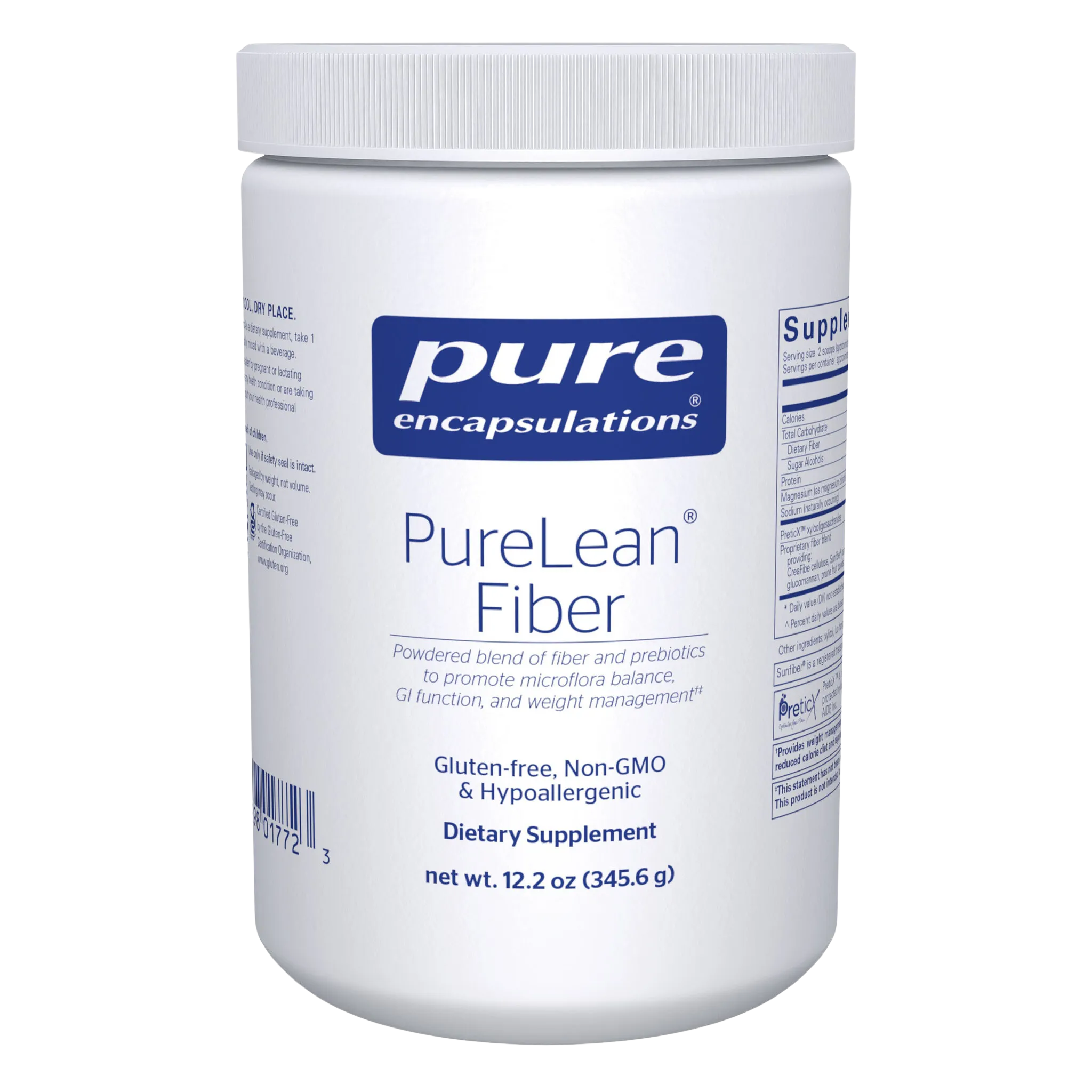
Emerging research is increasingly pointing to the gastrointestinal tract as a central driver of these complex, overlapping conditions. The gut microbiome—the trillions of bacteria, viruses, and fungi residing in our digestive system—acts as a master regulator of our immune response, metabolic function, and even our neurological health via the gut-brain axis. When a severe viral infection disrupts this delicate ecosystem, it can trigger a cascade of systemic inflammation, mast cell activation syndrome (MCAS), and metabolic dysregulation. Addressing this foundational gut dysbiosis is becoming a cornerstone of chronic illness management. This is where targeted, scientifically backed nutritional support, such as PureLean® Fiber, comes into play, offering a unique blend of highly specialized prebiotics and functional fibers designed to restore microbial balance and support metabolic health.
What is PureLean® Fiber?
The Power of PreticX™ Xylooligosaccharides (XOS)
At the core of PureLean® Fiber is a highly specialized prebiotic known as PreticX™ Xylooligosaccharides (XOS). To understand what makes XOS unique, we must first look at how prebiotics function in a healthy body. Prebiotics are non-digestible dietary fibers that bypass human salivary and gastric enzymes, traveling intact to the colon. Once there, they serve as the primary food source for beneficial gut bacteria. However, not all prebiotics are created equal. Traditional prebiotics like fructooligosaccharides (FOS) and inulin are broad-spectrum; they are fermented by a wide variety of gut microbes, which can sometimes lead to the overgrowth of opportunistic bacteria and cause significant gastrointestinal distress, including gas and bloating.
XOS, derived primarily from xylan-rich plant materials like corn cobs and rye bran, is composed of β-D-xylopyranose units linked by β-(1,4)-glycosidic bonds. What makes XOS clinically remarkable is its extreme selectivity. It is intensely "bifidogenic," meaning it specifically targets and feeds the Bifidobacterium genus of bacteria. Bifidobacteria are uniquely equipped to ferment XOS because they secrete specific enzymes, such as arabinase and D-xylosidase, which break down the complex XOS structures into simpler xylose monomers for cellular energy. Pathogenic and putrefactive bacteria generally lack these specific enzymes. Consequently, research suggests that XOS naturally starves harmful bacteria while selectively driving the rapid proliferation of beneficial Bifidobacterium strains.
As Bifidobacterium ferments XOS, it produces large amounts of short-chain fatty acids (SCFAs), including acetate, propionate, and butyrate. These SCFAs are critical signaling molecules that lower the pH of the colon, creating an acidic environment that is highly inhospitable to harmful pathogens like Salmonella and Clostridium perfringens. Furthermore, the butyrate produced during this fermentation process serves as the primary energy source for colonocytes (the cells lining the intestinal wall), helping to maintain the structural integrity of the gastrointestinal barrier and modulate local immune responses.
Glucomannan and the Proprietary Fiber Blend
The second major component of PureLean® Fiber is a robust 10-gram proprietary fiber blend, featuring 1,000 mg of glucomannan alongside guar gum, apple pectin, prune fiber, flax seed, and cellulose. Glucomannan is a water-soluble dietary fiber extracted from the tuberous roots of the konjac plant (Amorphophallus konjac). It is renowned in nutritional science for its remarkable rheological (flow and gel-forming) properties. At just a 1% concentration in water, glucomannan can achieve an apparent viscosity of roughly 30,000 centipoises (cps), making it one of the most viscous natural polysaccharides known to science.
This exceptional capacity to absorb water and form a dense, highly viscous gel in the gastrointestinal tract is the primary driver behind its physiological benefits. When consumed with adequate water, glucomannan swells significantly in the stomach. This physical expansion increases gastric distension, which triggers vagal afferent nerve signals to the brain, promoting a profound sense of satiety and fullness. As this viscous chyme passes into the small intestine, it delays the rate of gastric emptying and prolongs the retention time of digested food, which studies indicate stimulates the secretion of satiety-promoting gastrointestinal hormones like Cholecystokinin (CCK) and Glucagon-like peptide-1 (GLP-1).
Beyond satiety, the soluble fibers in this blend—including apple pectin and guar gum—act as a physical barrier within the digestive tract. The thick gel creates a stationary water layer on the intestinal mucosa, preventing digestive enzymes like alpha-amylase from easily accessing carbohydrates. This slows the enzymatic breakdown of starches into monosaccharides, delaying glucose absorption and resulting in a much flatter, more stable postprandial (post-meal) blood sugar curve. This mechanism is vital for supporting healthy glycemic control and mitigating the metabolic swings often seen in chronic illness.
The Role of Magnesium Citrate
PureLean® Fiber also includes 100 mg of magnesium (as magnesium citrate) per serving. Magnesium is an essential macromineral involved in over 300 enzymatic reactions in the human body, including ATP (energy) production, muscle contraction, and nervous system regulation. In the context of a fiber supplement, magnesium citrate serves a specific dual purpose. First, it acts as a gentle osmotic laxative. It draws water into the intestines, which softens the stool and works synergistically with the bulk-forming insoluble fibers (like flax seed and cellulose) to promote healthy, predictable bowel regularity.
Secondly, magnesium is a critical cofactor for metabolic health. It is required for the proper function of the insulin receptor; intracellular magnesium regulates the tyrosine kinase activity of the insulin receptor, facilitating the cellular uptake of glucose. By including highly bioavailable magnesium citrate, this formulation not only supports the mechanical aspects of digestion but also provides foundational biochemical support for the glycemic and metabolic pathways that the fiber blend is designed to optimize.
How Long COVID and ME/CFS Impact the Gut Microbiome
The Loss of Bifidobacterium and Microbial Diversity
To understand why targeted prebiotics and fibers are so crucial, we must examine how conditions like Long COVID and ME/CFS fundamentally alter the gut microbiome. A growing body of clinical evidence points to severe gut dysbiosis—a profound imbalance in the microscopic ecosystem of the digestive tract—as a central driver of post-viral syndromes. One of the most consistent and alarming findings in both Long COVID and ME/CFS cohorts is the dramatic loss of overall microbial diversity, accompanied by a specific, severe depletion of the Bifidobacterium genus.
Bifidobacteria are foundational, anti-inflammatory microbes critical for maintaining the gut lining and modulating the immune system. Studies have shown that during an acute SARS-CoV-2 infection, the relative abundance of Bifidobacterium can plummet, and in patients who develop Long COVID, these populations often fail to recover. Research indicates that the extent of this Bifidobacterium depletion inversely correlates with disease severity—meaning the lower the Bifidobacterium levels, the worse the patient's fatigue, cognitive impairment, and respiratory symptoms tend to be.
Simultaneously, these patients frequently exhibit a dramatic depletion of beneficial, butyrate-producing bacteria within the Firmicutes phylum, such as Faecalibacterium prausnitzii. The suppression of F. prausnitzii is so pronounced and reliable in ME/CFS that medical researchers are exploring its use as a diagnostic biomarker. As these beneficial populations crash, opportunistic pathogens within the Bacteroidetes phylum often proliferate, severely altering the critical Firmicutes-to-Bacteroidetes (F/B) ratio and driving systemic inflammation.
Intestinal Permeability and Mast Cell Activation Syndrome (MCAS)
The depletion of these foundational bacteria—and the resulting drop in short-chain fatty acids (SCFAs) like butyrate—has catastrophic consequences for the structural integrity of the gut. Butyrate provides up to 70% of the energy required by the cells lining the large intestine and is responsible for upregulating the expression of tight junction proteins (like zonulin and claudin-1). Without adequate butyrate, these tight junctions weaken, leading to intestinal permeability, commonly known as "leaky gut."
When the gut becomes permeable, undigested food particles, bacterial endotoxins like lipopolysaccharides (LPS), and pathogens "leak" from the digestive tract into the bloodstream. This constant influx of foreign particles puts the immune system in a state of chronic hyperarousal. This is intimately connected to mast cell activation syndrome (MCAS), a condition highly prevalent in the Long COVID and ME/CFS communities. The gastrointestinal tract harbors the largest population of mast cells in the body. When these cells are triggered by leaking endotoxins, they degranulate, releasing a flood of histamine, proteases, and inflammatory cytokines.
This creates a vicious, self-perpetuating cycle. The histamine and inflammatory mediators released by mast cells actively degrade tight junction proteins further, worsening the leaky gut. The increased permeability allows more endotoxins into the blood, which triggers more mast cell degranulation. This systemic, unchecked inflammation travels via the vagus nerve to the brain, directly contributing to the severe neurocognitive symptoms, or "brain fog," that patients with ME/CFS and Long COVID experience daily.
Metabolic Dysfunction and Glycemic Dysregulation
Beyond immunological chaos, the gut dysbiosis seen in post-viral illness heavily impacts metabolic function. Many patients with Long COVID report sudden weight gain, extreme difficulty losing weight, and erratic blood sugar fluctuations, even if they had no prior history of metabolic disease. In fact, recent studies highlight a significantly increased risk of new-onset insulin resistance and Type 2 diabetes following a COVID-19 infection.
This metabolic dysregulation is tied directly to the microbiome. The opportunistic overgrowth of certain Bacteroidetes species and the loss of SCFA-producing bacteria disrupt how the body extracts energy from food and regulates glucose. Without the regulatory signaling of GLP-1 and PYY—hormones normally stimulated by a healthy, fiber-rich microbiome—patients often experience increased appetite, poor satiety, and exaggerated postprandial blood sugar spikes. These blood sugar crashes further exacerbate the debilitating fatigue and autonomic instability (such as POTS and dysautonomia) that already plague this patient population.
PureLean® Fiber: Supporting Gut Health and Metabolism
Targeted Bifidogenesis and Butyrate Production
Supplementing with PureLean® Fiber offers a highly targeted mechanism to intervene in the vicious cycles of post-viral gut dysfunction. The PreticX™ XOS component acts as a precision tool for microbiome rehabilitation. Because XOS is specifically fermented by the D-xylosidase enzymes secreted by Bifidobacterium, it bypasses the opportunistic pathogens that often overgrow in dysbiotic guts. Clinical trials demonstrate that XOS supplementation significantly increases fecal Bifidobacterium counts, directly addressing the specific bacterial depletions observed in Long COVID and ME/CFS patients.
As the Bifidobacterium populations rebound, they engage in "cross-feeding" with other beneficial microbes, leading to a massive increase in the colonic production of butyrate. This surge in butyrate is therapeutically crucial. By acting as a Histone Deacetylase (HDAC) inhibitor, butyrate alters gene expression to downregulate inflammatory pathways in mast cells, physically preventing them from degranulating and releasing histamine. Furthermore, butyrate upregulates tight junction proteins, actively sealing the "leaky gut" and halting the flow of endotoxins into the bloodstream. This dual action—healing the structural barrier and calming the immunological response—is vital for managing MCAS and systemic inflammation.
Additionally, the restoration of the Bifidobacterium populations helps to correct the skewed Firmicutes-to-Bacteroidetes ratio. By lowering the colonic pH through SCFA production, XOS creates an environment that naturally suppresses the opportunistic, pro-inflammatory Bacteroidetes species that often proliferate post-infection. This gentle, bacteria-driven pH modulation is far more sustainable than attempting to eradicate pathogens with harsh antimicrobials, which can further devastate an already fragile microbiome.
Blunting Blood Sugar Spikes and Supporting Glycemic Control
For patients struggling with the metabolic fallout of Long COVID, including insulin resistance and erratic energy levels, the glucomannan and soluble fiber blend in PureLean® Fiber provides critical mechanical support. As discussed, glucomannan forms a highly viscous, 30,000 cps gel in the digestive tract. This gel acts as a physical barrier that coats the intestinal mucosa and traps carbohydrates, significantly slowing the enzymatic action of alpha-amylase.
By delaying the breakdown and absorption of glucose, glucomannan effectively flattens the postprandial blood sugar curve. Meta-analyses of randomized controlled trials have consistently shown that glucomannan supplementation significantly reduces fasting blood glucose and 2-hour postprandial blood glucose levels. For a patient with dysautonomia or ME/CFS, preventing these sharp spikes and subsequent crashes in blood sugar is essential. Blood sugar crashes trigger the release of adrenaline and cortisol, which can exacerbate tachycardia, trigger POTS flares, and induce profound fatigue crashes. Stabilizing glucose absorption provides a smoother, more reliable energy supply to the brain and body.
Furthermore, the fermentation of these soluble fibers into propionate (another SCFA) provides indirect metabolic benefits. Propionic acid is absorbed into the portal vein and travels to the liver, where it helps regulate hepatic glucose output and improves systemic insulin sensitivity. This makes the fiber blend a powerful adjunct for those exploring metabolic therapies, such as Metformin for Long COVID risk reduction.
Satiety, Lipid Metabolism, and Weight Management
The complex metabolic shifts associated with chronic illness often lead to frustrating weight gain and altered lipid profiles. PureLean® Fiber addresses these issues through multiple interconnected pathways. The profound gastric distension caused by the swelling of glucomannan triggers vagal nerve signaling that promotes early and sustained satiety. By stimulating the release of GLP-1 and CCK while suppressing the hunger hormone ghrelin, the fiber blend helps patients naturally reduce their caloric intake without feeling deprived or starved.
Beyond appetite regulation, glucomannan plays a direct role in lipid metabolism. In the small intestine, the viscous gel binds to bile acids and dietary cholesterol, preventing their reabsorption and facilitating their excretion in feces. To synthesize new bile acids, the liver must pull circulating Low-Density Lipoprotein (LDL) cholesterol from the bloodstream, effectively lowering systemic cholesterol levels. Extensive clinical data confirms that daily glucomannan supplementation meaningfully reduces total cholesterol, LDL cholesterol, and circulating triglycerides.
Additionally, recent research suggests that glucomannan supplementation elevates levels of Lipoprotein Lipase (LPL), an enzyme crucial for clearing triglycerides from the bloodstream and delivering lipid nutrients to tissues. For patients whose metabolic function has been compromised by prolonged inactivity, chronic inflammation, or post-viral changes, this comprehensive support for lipid clearance and weight management—similar to the goals of therapies like 7-Keto DHEA—can be a vital component of their recovery protocol.
Symptoms PureLean® Fiber May Help Manage
Targeted Symptom Relief
While PureLean® Fiber is not a cure for complex chronic illnesses, its targeted support of the gut microbiome, intestinal barrier, and metabolic pathways can help manage several debilitating symptoms associated with Long COVID, ME/CFS, and dysautonomia:
Post-Meal Fatigue and Blood Sugar Crashes: By forming a viscous gel that slows carbohydrate digestion, glucomannan blunts the sharp spikes and subsequent crashes in blood glucose that often trigger profound fatigue, adrenaline surges, and dysautonomia flares after eating.
"Brain Fog" and Neurocognitive Impairment: By feeding Bifidobacterium and increasing butyrate production, XOS helps seal the intestinal barrier (leaky gut). This prevents endotoxins from entering the bloodstream, thereby reducing the systemic, vagus-nerve-mediated neuroinflammation that drives cognitive dysfunction.
Gastrointestinal Distress and Irregularity: The combination of soluble gel-forming fibers (glucomannan, pectin) and insoluble bulk-forming fibers (cellulose, flax), alongside the osmotic effect of magnesium citrate, helps regulate bowel transit time, alleviating both functional constipation and diarrhea.
MCAS Flares and Food Sensitivities: The butyrate produced via the fermentation of XOS acts as an HDAC inhibitor, epigenetically downregulating inflammatory pathways in mast cells. This stabilizes the mast cells in the gut lining, reducing their tendency to degranulate and release histamine in response to food antigens.
Unexplained Weight Gain and Poor Satiety: By physically expanding in the stomach and stimulating the release of satiety hormones like GLP-1 and CCK, the fiber blend promotes a sustained feeling of fullness, aiding in healthy weight management despite the metabolic slowdowns common in post-viral syndromes.
Elevated Cholesterol and Dyslipidemia: Glucomannan actively binds to bile acids in the digestive tract, forcing the liver to pull circulating LDL cholesterol from the blood to synthesize new bile, thereby supporting healthy lipid metabolism and cardiovascular health.
Practical Considerations: Dosing, Tolerance, and Absorption
Low-Dose Efficacy and Minimizing "Prebiotic Bloat"
One of the most significant practical advantages of the PreticX™ XOS in PureLean® Fiber is its low effective dose. Many patients with chronic gastrointestinal issues, particularly those with overlapping Small Intestinal Bacterial Overgrowth (SIBO) or severe MCAS, cannot tolerate traditional prebiotics like inulin or FOS. These broad-spectrum fibers often require doses of 10 to 15 grams per day to alter the microbiome, which frequently results in rapid, uncontrolled fermentation in the upper GI tract, leading to severe gas, painful distension, and "prebiotic bloat."
In stark contrast, XOS is exceptionally potent and highly selective. Clinical studies have demonstrated that XOS achieves significant bifidogenic effects—meaning it successfully multiplies beneficial Bifidobacterium populations—at doses as low as 1.2 to 2.8 grams per day. Each serving of PureLean® Fiber provides 0.7 grams of PreticX™ XOS. This allows patients to gently and effectively shift their microbiome architecture without triggering the severe intestinal side effects associated with higher-dose, less selective prebiotic formulas.
However, even with a gentle prebiotic like XOS, patients with highly reactive guts or severe dysbiosis should practice "titration." It is often recommended to start with a fraction of the suggested dose (e.g., half a scoop instead of two scoops) and slowly increase the amount over several weeks. This gradual introduction allows the microbiome to adapt to the new fuel source and minimizes the risk of a Herxheimer-like reaction or temporary exacerbation of GI symptoms as the bacterial populations shift.
Hydration and Timing Considerations
Because PureLean® Fiber contains 1,000 mg of glucomannan per serving—a fiber that can absorb up to 50 times its weight in water—proper hydration is absolutely critical. The supplement must be mixed with an adequate amount of liquid (usually 8 to 12 ounces of water or a low-sugar beverage) and consumed immediately before it has a chance to form a thick gel in the glass. Following the supplement with an additional glass of water is highly recommended to ensure the fiber moves smoothly through the esophagus and into the stomach, where it can safely expand.
Timing is also a crucial factor in maximizing the metabolic benefits of this supplement. To leverage glucomannan's ability to promote satiety and blunt postprandial blood sugar spikes, it is generally optimal to take PureLean® Fiber 15 to 30 minutes before a meal. This gives the viscous gel time to form in the stomach, creating the physical barrier necessary to slow the enzymatic digestion of the carbohydrates that will soon follow. Taking it between meals can also be an effective strategy for managing mid-day hunger and stabilizing energy levels.
Potential Interactions and Contraindications
While dietary fiber is generally safe and essential for health, the highly viscous nature of glucomannan requires careful consideration regarding medication absorption. Because glucomannan coats the intestinal lining and delays gastric emptying, it can potentially slow down or reduce the absorption of oral medications, including vital prescriptions for dysautonomia (like beta-blockers or fludrocortisone) or metabolic conditions. To prevent this interaction, it is universally recommended to take all oral medications at least one hour before, or two to three hours after, consuming PureLean® Fiber.
Additionally, individuals with structural abnormalities of the esophagus or gut, such as esophageal strictures, severe gastroparesis (delayed stomach emptying), or a history of bowel obstructions, should consult their healthcare provider before using high-viscosity fibers like glucomannan. In patients with severely impaired gastrointestinal motility, the bulk-forming nature of the fiber could theoretically exacerbate blockages if not accompanied by sufficient water intake and medical supervision.
Follow the Science
XOS and Microbiome Optimization
The clinical efficacy of Xylooligosaccharides (XOS) in modulating the gut microbiome is well-documented in recent literature. A double-blind, randomized, placebo-controlled study published in the British Journal of Nutrition evaluated the effects of XOS supplementation on healthy adults. The researchers found that XOS supplementation alone significantly increased fecal Bifidobacterium counts (P = 0.008). Remarkably, the study also revealed systemic metabolic and immunological benefits; XOS consumption significantly increased fasting plasma HDL (good) cholesterol concentrations (P = 0.005) and modulated immune function by lowering the expression of CD16/56 on natural killer T cells.
Further supporting its role in metabolic health, an animal study evaluated the effects of XOS on mice fed an obesogenic, high-fat diet. The researchers discovered that XOS supplementation resulted in massive increases in short-chain fatty acid (SCFA) production compared to the control group. Specifically, butyric acid levels more than doubled in the XOS-treated mice. Genomic sequencing revealed that the XOS successfully mitigated the growth of bacteria normally associated with high-fat diets, selectively driving the proliferation of beneficial Bifidobacterium and Lachnospiraceae species.
Glucomannan's Metabolic Impact
The metabolic benefits of glucomannan, particularly regarding lipid and glycemic control, are supported by decades of rigorous clinical trials. A foundational meta-analysis published in the American Journal of Clinical Nutrition reviewed 14 randomized controlled trials involving 531 subjects. The analysis concluded that the use of glucomannan significantly lowered total cholesterol, LDL cholesterol, triglycerides, and fasting blood glucose across diverse populations. The researchers noted that these lipid-lowering effects are primarily driven by glucomannan's ability to bind bile acids and interrupt enterohepatic circulation.
More recently, a 2023 meta-analysis of randomized controlled trials focused specifically on patients with Type 2 Diabetes Mellitus. The researchers found that glucomannan supplementation significantly reduced both fasting blood glucose and 2-hour postprandial blood glucose levels. This confirms the functional fiber's ability to act as a physical barrier in the gut, delaying the enzymatic breakdown of carbohydrates and providing a vital tool for managing the insulin resistance and glycemic dysregulation frequently observed in post-viral syndromes.
The Gut-Brain Axis in Post-Viral Illness
The connection between the microbiome and complex chronic illness has recently been validated by groundbreaking diagnostic research. In a landmark 2023 study, researchers utilized a novel artificial intelligence platform to map the microbiomes and metabolomes of ME/CFS patients. The AI achieved a staggering 90% accuracy in distinguishing ME/CFS patients from healthy controls based primarily on their gut bacteria. The researchers conclusively linked specific symptom clusters—like profound fatigue and cognitive impairment—directly to depleted butyrate-producing bacteria and heightened systemic inflammation, proving that ME/CFS is a measurable physiological disease rooted deeply in gut dysbiosis.
Similarly, therapeutic interventions targeting the microbiome in Long COVID are showing immense promise, with observational cohort research linking gut microbiota dynamics to post-acute COVID-19 syndrome outcomes. This data strongly supports the clinical rationale for using targeted prebiotics like XOS to rebuild the microbiome and fundamentally improve the trajectory of post-viral recovery.
The Path Forward
A Comprehensive Approach to Healing
Living with the unpredictable gastrointestinal and metabolic symptoms of Long COVID, ME/CFS, and dysautonomia can feel like a constant battle against your own body. It is deeply validating to understand that these symptoms are not in your head; they are the result of measurable, physiological disruptions to your gut microbiome, intestinal barrier, and metabolic pathways. While rebuilding a dysbiotic gut takes time and patience, targeted nutritional interventions offer a scientifically grounded path forward.
By providing the specific prebiotic fuel needed to restore beneficial Bifidobacterium populations, and the functional viscous fibers required to stabilize blood sugar and promote satiety, PureLean® Fiber addresses the root mechanisms of post-viral gut dysfunction. When combined with a comprehensive management strategy that includes pacing, nervous system regulation, and personalized medical care, optimizing your microbiome can be a powerful step toward reclaiming your energy, metabolic health, and overall quality of life. As always, please consult with your healthcare provider before introducing new supplements, especially if you have complex gastrointestinal conditions or are taking prescription medications.