Can Vitamin D3 and K2 Support Vascular Health in Long COVID and POTS?
March 5, 2026
Vitamin K2Vitamin D3Long COVID
Share:
Disclaimer: The information provided here is for educational purposes only and is not intended as medical advice. It should not be used to diagnose, treat, cure, or prevent any medical condition. Instead, use it as a starting point for discussion with your healthcare provider. Always consult with a qualified healthcare provider before starting any new medication, supplement, device, or making changes to your health regimen.
Months or even years after a mild SARS-CoV-2 infection, many individuals find themselves battling a bewildering array of cardiovascular and autonomic symptoms. From racing heart rates upon standing to profound, crushing fatigue that worsens with exertion, the reality of living with Long COVID and dysautonomia is often debilitating. But what exactly is happening inside the body to drive these persistent symptoms? Emerging research points to a central, unifying mechanism: profound damage to the blood vessels, known as endothelial dysfunction, and a severe disruption in how the body handles calcium at a cellular level.
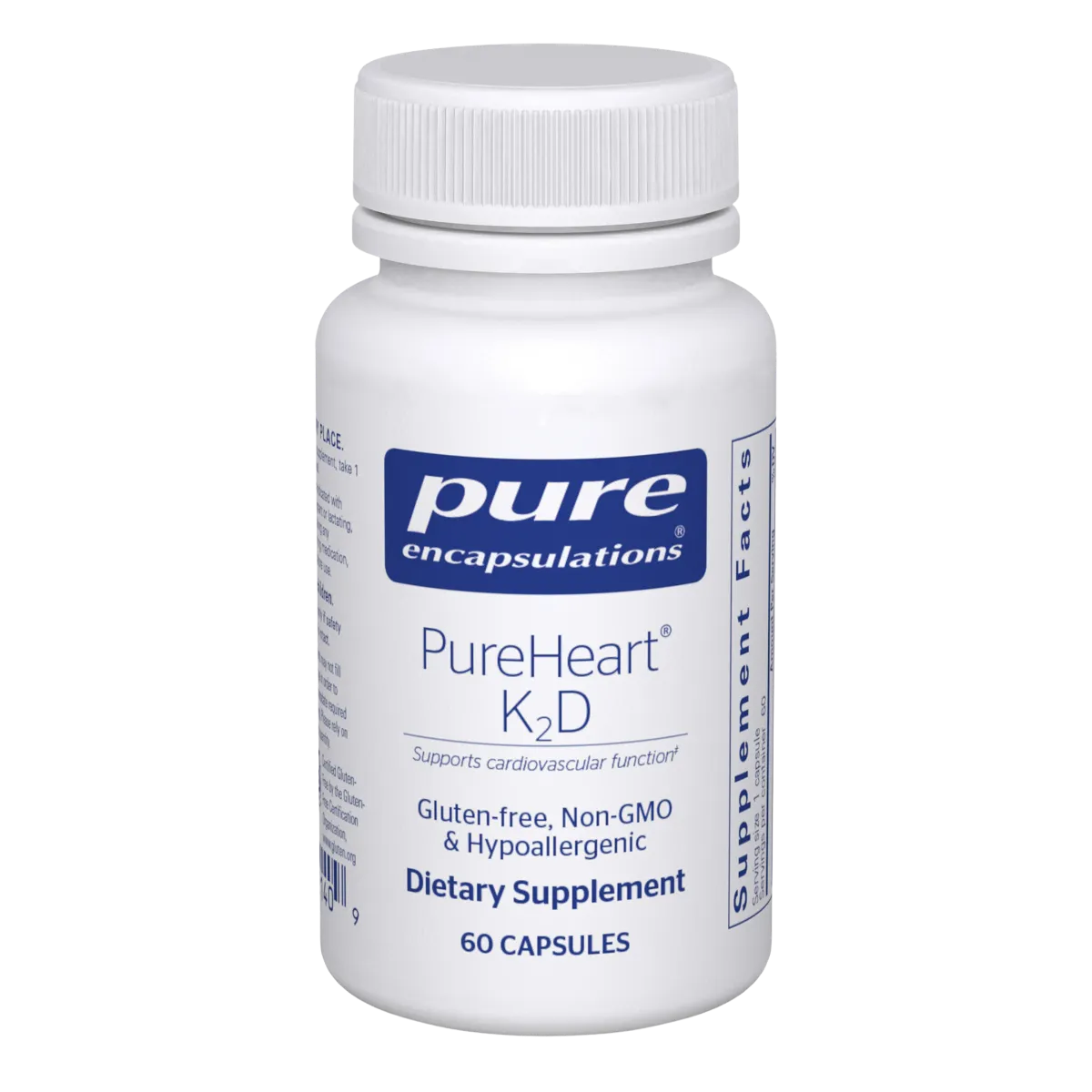
In the search for validating answers and actionable management strategies, the synergistic combination of Vitamin D3 and Vitamin K2 has emerged as a critical focal point in nutritional cardiology. While Vitamin D is frequently discussed for its immune-modulating properties, taking it in isolation can sometimes create unintended cardiovascular risks for patients with complex chronic illnesses. Enter PureHeart® K2D, a targeted supplement designed to resolve the "calcium paradox." By pairing Vitamin D3 with the highly bioavailable Menaquinone-7 (MK-7) form of Vitamin K2, this combination acts as a biological traffic cop, ensuring that calcium is directed into the bones where it belongs, rather than calcifying and stiffening the delicate blood vessels that are already under siege in Long COVID and Postural Orthostatic Tachycardia Syndrome (POTS).
What is PureHeart® K2D (Vitamin D3 + K2)?
To understand the profound importance of combining Vitamin D3 and Vitamin K2, we must first look at a biological phenomenon known in medical literature as the "Calcium Paradox." For decades, medical professionals observed a perplexing and dangerous trend in aging populations and those with chronic inflammatory conditions: patients would simultaneously suffer from a lack of calcium in their skeletal system (leading to osteopenia or osteoporosis) and a dangerous excess of calcium depositing in their cardiovascular system. This ectopic calcification stiffens the arteries, impairs blood flow, and significantly increases the risk of cardiovascular mortality.
Historically, the standard medical response to bone loss or widespread Vitamin D deficiency was to prescribe high doses of calcium and Vitamin D supplements. However, modern clinical evidence revealed a critical flaw in this isolated approach. Without sufficient regulatory mechanisms in place, the massive influx of calcium absorbed from the diet does not automatically find its way into the bone matrix. Instead, it remains free-floating in the bloodstream, eventually precipitating into the soft tissues and the smooth muscle cells lining the arterial walls. This realization sparked a paradigm shift in nutritional cardiology, highlighting that absorbing calcium is only half the battle; directing it safely is equally vital.
Vitamin D3, scientifically known as cholecalciferol, is a fat-soluble vitamin that functions more like a systemic hormone than a traditional nutrient. When synthesized in the skin via sunlight or ingested through supplementation, it undergoes a two-step hydroxylation process in the liver and kidneys to become its active form, calcitriol. At the molecular level, calcitriol binds to Vitamin D Receptors (VDRs) located in the nuclei of cells throughout the intestines, bones, kidneys, and immune system. Its primary, most well-known biological mandate is to dramatically upregulate the intestinal absorption of dietary calcium and phosphorus, pulling these essential minerals into the systemic circulation to maintain tightly controlled serum levels.
Beyond its role in mineral absorption, Vitamin D3 is a potent modulator of the immune and autonomic nervous systems. It stimulates the genetic expression and production of specific Vitamin K-dependent proteins (VKDPs) that are crucial for structural integrity. However, when Vitamin D3 initiates the synthesis of these structural proteins—most notably Osteocalcin in the bones and Matrix Gla-Protein (MGP) in the vascular system—it produces them in a completely inactive, uncarboxylated state. This is where the physiological bottleneck occurs. If a patient has adequate Vitamin D but is deficient in its synergistic partner, these vital proteins remain dormant, and the newly absorbed calcium is left to wreak havoc on the cardiovascular system.
Vitamin K2, specifically in the highly bioavailable form of Menaquinone-7 (MK-7), is the essential missing link that resolves the calcium paradox. While Vitamin K1 (phylloquinone) is primarily utilized by the liver to regulate blood clotting factors, Vitamin K2 is distributed via low-density lipoproteins to extrahepatic tissues, including the bones and the vasculature. At the cellular level, Vitamin K2 acts as the indispensable enzymatic cofactor for gamma-glutamyl carboxylase. This specific enzyme is responsible for "activating" the dormant proteins created by Vitamin D3 through a biochemical process called carboxylation, which adds a carboxyl group to the protein structure, giving it the physical ability to bind to calcium ions.
By activating these specific proteins, Vitamin K2 acts as the body's biological traffic cop for calcium homeostasis. It ensures that the calcium brought into the bloodstream by Vitamin D3 is utilized safely and efficiently. Without adequate Vitamin K2, the body's natural defense mechanisms against vascular calcification fail, leaving the arteries vulnerable to stiffening and plaque formation. This synergistic dependency is why clinical researchers increasingly advocate for the combined supplementation of D3 and K2, particularly for individuals dealing with complex, systemic vascular stress.
How Long COVID and Dysautonomia Impact Vascular Health
To grasp why calcium homeostasis is so critical for chronic illness patients, we must examine the specific pathophysiology of Long COVID. Based on extensive medical research, endothelial dysfunction is now recognized as a central, unifying hallmark of Long COVID. The endothelium is the delicate, single-cell inner lining of our blood vessels that plays a vital role in regulating blood flow, preventing abnormal coagulation, and managing localized immune responses. When the SARS-CoV-2 virus enters the body, its spike protein binds directly to ACE2 receptors, which are highly concentrated on these endothelial cells. This binding causes the degradation of ACE2, stripping the blood vessels of their natural anti-inflammatory and vasodilatory (relaxing) protections.
Even months after the acute infection has resolved, patients often exhibit persistent "endotheliitis" or chronic inflammation of the vascular lining. This ongoing damage depletes the body's stores of nitric oxide, a crucial molecule needed to keep blood vessels dilated and flexible. Without sufficient nitric oxide, the vessels remain in a state of chronic vasoconstriction, leading to poor tissue perfusion and the classic symptom of post-exertional malaise (PEM). Furthermore, this damaged, inflamed endothelium creates a highly pro-thrombotic environment, promoting the formation of persistent fibrin amyloid microclots that starve tissues of oxygen and drive severe muscle fatigue.
The connection between this vascular damage and calcium is profound and occurs at the microscopic level. Mechanistic studies have demonstrated that when the viral spike protein engages with integrins on the surface of endothelial cells, it triggers the abnormal opening of specific ion channels, known as TRPV4 calcium channels. This causes a rapid, toxic influx of extracellular calcium into the cells. This massive intracellular calcium overload overwhelms the mitochondria, drastically increases oxidative stress, and forces the structural proteins holding the blood vessels together to break apart. As a result, the blood vessels become hyperpermeable or "leaky," allowing inflammatory cytokines to flood into surrounding tissues and the central nervous system, driving debilitating neuroinflammation and brain fog.
This aberrant calcium signaling extends to the heart itself. A landmark 2024 study published in Nature Cardiovascular Research revealed that inflamed endothelial cells in Long COVID secrete high levels of a chemokine called CCL2. This chemokine creates massive oxidative stress that disrupts RyR2 (Ryanodine receptor 2), a crucial calcium-handling protein inside heart muscle cells. When calcium transients in the heart are mishandled in this way, it directly drives reduced heart contraction, unpredictable arrhythmias, and prolonged cardiac dysfunction. This systemic mishandling of calcium underscores exactly why supporting vascular calcium regulation is paramount for recovery.
This vascular damage and calcium dysregulation are intimately tied to the development of dysautonomia, particularly Postural Orthostatic Tachycardia Syndrome (POTS). POTS is characterized by an abnormal, rapid increase in heart rate upon standing, driven by the autonomic nervous system's inability to properly regulate blood vessel constriction. Patients with POTS rely heavily on the elasticity and responsiveness of their blood vessels to push blood against gravity back up to the brain. If the endothelium is damaged and the arteries are stiffening due to inappropriate calcium deposition, this vital hemodynamic process fails entirely, resulting in severe blood pooling in the lower extremities, dizziness, and syncope (fainting).
Complicating matters further is the rampant prevalence of Vitamin D deficiency in this patient population. Research presented to the American Heart Association evaluated 180 POTS patients and found a staggeringly high rate of deficiency, with over 51% of patients exhibiting Vitamin D levels below 20 ng/mL. Because Vitamin D is crucial for modulating the sympathetic nervous system and improving baroreflex sensitivity, correcting this deficiency is a standard management strategy. However, if a POTS patient is given high-dose Vitamin D without the protective synergistic presence of Vitamin K2, the resulting surge in blood calcium can accelerate arterial stiffening, inadvertently worsening the very vascular elasticity they desperately need to maintain orthostatic tolerance.
Vitamin K2 and D3: Supporting Cardiovascular Function
The primary mechanism by which Vitamin K2 (MK-7) supports cardiovascular health in the face of chronic illness is through the activation of Matrix Gla-Protein (MGP). MGP is a specialized protein synthesized by vascular smooth muscle cells and the endothelial lining of the heart and lungs. It is widely recognized in molecular biology as the most potent endogenous (naturally occurring) inhibitor of vascular calcification. When Vitamin K2 provides the necessary enzymatic cofactor, it carboxylates MGP, transforming it from a dormant state into a highly active biological scavenger.
Once activated, MGP binds tightly to free-floating calcium ions in the bloodstream and the vascular walls. It literally sweeps excess calcium out of the delicate endothelial tissues, preventing it from crystallizing into damaging arterial plaques. In patients with Long COVID or dysautonomia, where the endothelium is already inflamed and highly vulnerable to structural damage, this protective sweeping action is critical. Without sufficient Vitamin K2, MGP remains in an inactive state known as dephospho-uncarboxylated MGP (dp-ucMGP). High circulating levels of inactive dp-ucMGP are a clinically recognized biomarker for severe Vitamin K deficiency and are strongly associated with arterial stiffness, heart failure, and increased cardiovascular mortality.
By preventing the pathological buildup of calcium in the arterial walls, the synergistic combination of Vitamin D3 and K2 directly supports the restoration of vascular elasticity. Elasticity—the ability of blood vessels to expand and contract smoothly in response to the autonomic nervous system—is the exact physiological mechanism that is broken in conditions like POTS. When blood vessels are pliable and free of rigid calcium deposits, they can effectively constrict upon standing, preventing the severe blood pooling that triggers compensatory tachycardia and orthostatic intolerance.
Furthermore, keeping calcium out of the vascular smooth muscle cells helps mitigate the vicious cycle of endothelial inflammation. When calcium is allowed to inappropriately enter and accumulate in endothelial cells (as seen with the TRPV4 channel dysfunction in Long COVID), it triggers massive oxidative stress and mitochondrial collapse. By utilizing Vitamin K2 to tightly regulate extracellular calcium and keep it bound to MGP, the burden on the vascular lining is reduced, providing the physiological breathing room necessary for the endothelium to begin repairing its protective barriers and restoring normal nitric oxide production. This is a crucial step in managing the complex cardiovascular symptoms of Long COVID.
While MGP protects the cardiovascular system, Vitamin K2 simultaneously works to protect the skeletal system through the activation of a second critical protein: Osteocalcin. Osteocalcin is secreted by osteoblasts (bone-building cells) in response to Vitamin D3 stimulation. Just like MGP, it requires Vitamin K2 for carboxylation. Once activated, osteocalcin acts like biological mortar, taking the calcium circulating in the bloodstream and actively integrating it into the hydroxyapatite matrix of the bone, increasing bone mineral density and structural strength.
This skeletal support is particularly relevant for the chronic illness community. Many individuals with dysautonomia and POTS have comorbid connective tissue disorders, such as Ehlers-Danlos Syndrome (EDS) or generalized joint hypermobility. These conditions often predispose patients to early-onset osteopenia, frequent fractures, and poor bone mineralization. Additionally, the severe fatigue and post-exertional malaise associated with ME/CFS and Long COVID often lead to prolonged periods of bed rest or vastly reduced physical activity, which rapidly accelerates bone density loss due to physical deconditioning. By ensuring that dietary calcium is aggressively routed into the bones via K2-activated osteocalcin, patients can help safeguard their skeletal framework against the compounding effects of chronic illness and inactivity.

Symptoms Vitamin D3 and K2 May Help Manage
The synergistic action of Vitamin D3 and K2 targets the structural integrity of the vascular system, which can have downstream effects on several debilitating autonomic symptoms. By supporting vascular elasticity and preventing arterial stiffening, this combination may help manage:
Orthostatic Intolerance and Dizziness: By maintaining the pliability of blood vessels, K2 supports the vascular system's ability to constrict effectively upon standing. This helps prevent the severe blood pooling in the lower extremities that deprives the brain of oxygen and triggers dizziness or syncope in POTS patients.
Compensatory Tachycardia (Racing Heart): When blood vessels can maintain proper tone and elasticity, the heart does not have to work as frantically to pump blood against gravity. This can help stabilize the exaggerated heart rate spikes seen during postural changes.
Palpitations and Arrhythmias: By helping to regulate systemic calcium homeostasis, D3 and K2 support proper electrical signaling and calcium transients within the heart muscle cells (cardiomyocytes), potentially reducing the frequency of unpredictable palpitations linked to post-viral cardiac stress.
While not a direct stimulant, optimizing calcium metabolism and vascular health addresses the root physiological causes of cellular exhaustion and poor tissue perfusion. Patients may notice improvements in:
Deep Muscle Fatigue: By protecting the endothelial lining and supporting nitric oxide bioavailability, K2 helps ensure that oxygen-rich blood can effectively reach deep muscle tissues. This combats the hypoxic (low oxygen) environment that drives heavy, aching muscle fatigue.
Exercise Intolerance: Improved vascular flexibility allows for better hemodynamic adaptation during mild physical exertion or pacing protocols, potentially raising the threshold before post-exertional malaise (PEM) is triggered.
Brain Fog and Cognitive Sluggishness: The brain requires a massive, uninterrupted blood supply. By preventing microvascular calcification and supporting endothelial barrier integrity, this supplement combination helps maintain optimal cerebral blood flow, which is critical for clearing neuroinflammation and improving cognitive clarity.
For patients dealing with the structural consequences of chronic illness, connective tissue disorders, or prolonged inactivity, the D3 and K2 synergy provides targeted skeletal defense:
Bone Pain and Aching: Severe Vitamin D deficiency is a well-documented cause of deep bone pain and osteomalacia (softening of the bones). Replenishing D3 levels can directly alleviate this specific type of deep, aching pain.
Loss of Bone Mineral Density: For those bedbound by severe ME/CFS or managing comorbid hypermobility spectrum disorders, K2-activated osteocalcin actively pulls calcium into the bone matrix, defending against accelerated osteopenia and reducing fracture risk.
Joint Calcification: By keeping calcium tightly regulated and bound to MGP, Vitamin K2 helps prevent the inappropriate deposition of calcium crystals into joint spaces and cartilage, which can otherwise drive localized inflammation and joint stiffness.
Practical Considerations: Forms, Dosing, and Absorption
When considering Vitamin K supplementation, understanding the profound differences in molecular forms is critical for achieving clinical benefits. Vitamin K exists in several forms, primarily Vitamin K1 (phylloquinone), found in leafy greens, and Vitamin K2 (menaquinone), found in fermented foods and animal products. Within the Vitamin K2 family, there are different chain lengths, with MK-4 and MK-7 being the most common in supplements. PureHeart® K2D specifically utilizes Menaquinone-7 (MK-7), which is widely regarded in clinical nutrition as the vastly superior form due to its exceptional pharmacokinetic profile.
The defining characteristic of MK-7 is its incredibly long half-life. Because MK-7 is a highly lipophilic (fat-soluble) molecule with a long isoprenoid side chain, it binds efficiently to low-density lipoproteins in the blood. This unique packaging prevents it from being rapidly cleared by the liver. Pharmacokinetic studies demonstrate that MK-7 has a half-life of roughly 72 hours, allowing it to remain active in the bloodstream for days. In stark contrast, Vitamin K1 has a half-life of about 1.5 hours, and MK-4 clears in just 1 to 2 hours. Because of this extended half-life, a single, low-microgram daily dose of MK-7 leads to steady, cumulative accumulation in the serum, ensuring continuous activation of MGP and osteocalcin around the clock.
Because both Vitamin D3 and Vitamin K2 are fat-soluble vitamins, their bioavailability is heavily dependent on the presence of dietary lipids. Intestinal absorption occurs predominantly in the duodenum and jejunum, where the vitamins are incorporated into chylomicrons and transported via the lymphatic system into systemic blood circulation. To maximize absorption, it is highly recommended to take PureHeart® K2D with a meal that contains healthy fats, such as avocados, olive oil, nuts, or fatty fish. Taking these fat-soluble vitamins on an empty stomach can drastically reduce their absorption rate and blunt their clinical efficacy.
Regarding timing, consistency is more important than the specific time of day. However, some patients report that high doses of Vitamin D3 can be mildly stimulating or interfere with melatonin production if taken too close to bedtime. Therefore, taking the supplement with breakfast or lunch is often the preferred strategy. Because MK-7 has a 72-hour half-life, missing a single dose will not cause an immediate crash in serum levels, but establishing a daily routine ensures the steady-state accumulation necessary to reverse deep-seated vascular calcification over time.
While Vitamin D3 and K2 are generally well-tolerated and incredibly safe for the vast majority of patients, there is one critical medical contraindication that must be strictly observed. Vitamin K plays a fundamental role in the body's coagulation cascade. Therefore, Vitamin K supplementation is strictly contraindicated for individuals taking Coumadin (warfarin) or similar Vitamin K antagonist anticoagulant medications. Taking Vitamin K2 can directly interfere with the mechanism of these specific blood thinners, potentially altering prothrombin time (INR) and increasing the risk of dangerous clotting events.
It is important to note that newer classes of blood thinners, known as Direct Oral Anticoagulants (DOACs) like Eliquis or Xarelto, operate on different biochemical pathways (such as targeting Factor Xa) and are generally not affected by Vitamin K intake. However, given the complex pro-thrombotic nature of Long COVID and the frequent presence of microclots, any patient with a history of cardiovascular disease, clotting disorders, or who is currently on any form of anticoagulant or antiplatelet therapy must consult their prescribing hematologist or cardiologist before introducing a Vitamin K supplement. Regular monitoring of Vitamin D levels (via a 25-hydroxyvitamin D blood test) is also recommended to ensure serum levels remain in the optimal therapeutic range without tipping into toxicity.

Follow the Science: Clinical Trials on K2 and D3
The foundational evidence linking Vitamin K2 to cardiovascular longevity comes from large-scale epidemiological research, most notably the landmark Rotterdam Study. In this massive population-based trial, researchers tracked over 4,800 healthy men and women for up to 11 years, meticulously analyzing their dietary intake of various nutrients and correlating it with cardiovascular outcomes. The findings regarding Vitamin K2 were nothing short of revolutionary for nutritional science.
The researchers discovered that individuals with the highest intake of natural Vitamin K2 (at least 32 mcg/day) experienced a profound protective effect on their vascular system. High K2 intake was associated with a 50% reduction in severe aortic calcification, a 50% reduction in cardiovascular death, and a 25% reduction in all-cause mortality. Crucially, the study found that high intakes of Vitamin K1 (from leafy greens) offered absolutely no cardiovascular protection, highlighting the unique, irreplaceable biological role of K2 in activating Matrix Gla-Protein and defending the arterial walls.
To test the specific synergistic power of combining Vitamin D3 and K2, researchers conducted the multicenter, double-blind, randomized AVADEC trial. This study evaluated elderly men at risk for aortic valve calcification, providing them with a daily high-dose supplement of Vitamin K2 (720 µg of MK-7) plus Vitamin D3 (1,000 IU) or a placebo for two years. While the broad study group showed mixed results for reversing existing valve damage, a deeper subgroup analysis published in JACC: Advances in 2023 revealed profound benefits for the most vulnerable patients.
In participants with severe baseline Coronary Artery Calcification (CAC scores ≥ 400) and those taking statin medications, the combination of K2 and D3 significantly slowed the progression of coronary calcification compared to the placebo group. Most importantly, the clinical outcomes mirrored the biochemical improvements: the incidence of adverse cardiac events (such as myocardial infarction or the need for coronary revascularization) was significantly lower in the K2 + D3 group (1.9%) compared to the placebo group (6.7%). The trial conclusively proved that this specific combination drastically reduces the amount of dangerous inactive MGP in the blood, actively defending the heart.
One of the most encouraging clinical trials regarding vascular elasticity was a three-year, double-blind, randomized controlled trial involving 244 healthy postmenopausal women. The participants were given either 180 mcg/day of MK-7 or a placebo. The researchers utilized highly sensitive pulse wave velocity (PWV) measurements to track the stiffness of the participants' arteries over the 36-month period.
The results, published in Thrombosis and Haemostasis, were groundbreaking. Not only did the MK-7 supplementation halt the progression of arterial stiffening, but it actually resulted in a statistically significant improvement in arterial flexibility compared to baseline. The placebo group, meanwhile, saw their arteries continue to stiffen and degrade over the three years. This study provides powerful clinical validation that consistent, long-term supplementation with highly bioavailable MK-7 can actively reverse structural vascular decline, a finding that holds immense promise for patients battling the accelerated vascular aging and endothelial dysfunction seen in Long COVID and ME/CFS.
The Path Forward
Living with the unpredictable, systemic symptoms of Long COVID, dysautonomia, and ME/CFS is an exhausting, daily battle. When your heart races upon standing, your muscles ache with heavy fatigue, and your brain is clouded by inflammation, it is easy to feel betrayed by your own body. However, understanding the underlying mechanisms—like endothelial dysfunction, TRPV4 calcium channel disruption, and the calcium paradox—provides a validating roadmap for recovery. Your symptoms are not in your head; they are rooted in complex, measurable biochemical disruptions at the cellular level.
Addressing these vascular and autonomic challenges requires a comprehensive, multi-layered approach. Supplements like PureHeart® K2D are not miracle cures, but they are powerful, scientifically grounded tools designed to correct specific physiological deficits. By providing the essential cofactors needed to activate Matrix Gla-Protein and osteocalcin, this synergistic combination helps clear damaging calcium from your delicate blood vessels, restoring the vascular elasticity needed to manage POTS and supporting the skeletal strength required to weather chronic illness.
Because repairing structural damage to the endothelium and reversing arterial stiffness is a gradual biological process, patience and consistent symptom tracking are vital. It can take several months of steady MK-7 accumulation to fully activate your body's MGP reserves and begin seeing shifts in your orthostatic tolerance or deep muscle fatigue. We encourage you to keep a detailed daily log of your heart rate upon standing, your frequency of palpitations, and your overall energy envelope. This data will help you and your healthcare provider objectively measure your progress over time.
Remember, supplementation should always be part of a broader management strategy that includes aggressive pacing, hydration, electrolyte balancing, and specialized medical care. If you are navigating the complexities of diagnosing and managing Long COVID, always discuss new supplements with your clinical team, especially to monitor your Vitamin D levels and ensure there are no contraindications with your current medications.
If you are ready to proactively support your cardiovascular health, vascular elasticity, and calcium homeostasis, consider discussing this targeted formulation with your provider.
Sources
The synergistic interplay between vitamins D and K for bone and cardiovascular health
CCL2-mediated endothelial injury drives cardiac dysfunction in long COVID
Comparison of menaquinone-4 and menaquinone-7 bioavailability in healthy women
Menaquinone-7 supplementation improves arterial stiffness in healthy postmenopausal women