Can PureDefense Chewables Support Immune Balance in Long COVID and MCAS?
March 5, 2026
PureDefense ChewablesLong COVIDImmune Support
Share:
Disclaimer: The information provided here is for educational purposes only and is not intended as medical advice. It should not be used to diagnose, treat, cure, or prevent any medical condition. Instead, use it as a starting point for discussion with your healthcare provider. Always consult with a qualified healthcare provider before starting any new medication, supplement, device, or making changes to your health regimen.
For many individuals living with complex chronic conditions, the immune system feels less like a protective shield and more like a chaotic battleground. Months or even years after an initial viral infection, you might find yourself catching every passing cold, experiencing sudden and unpredictable allergy-like flares, or battling a profound, heavy fatigue that never seems to lift. This state of constant immune vigilance and depletion is a hallmark of conditions like Long COVID, myalgic encephalomyelitis/chronic fatigue syndrome (ME/CFS), and mast cell activation syndrome (MCAS). When your body is stuck in a loop of chronic inflammation and immune dysregulation, finding a way to gently restore balance without causing further overstimulation becomes a critical priority.
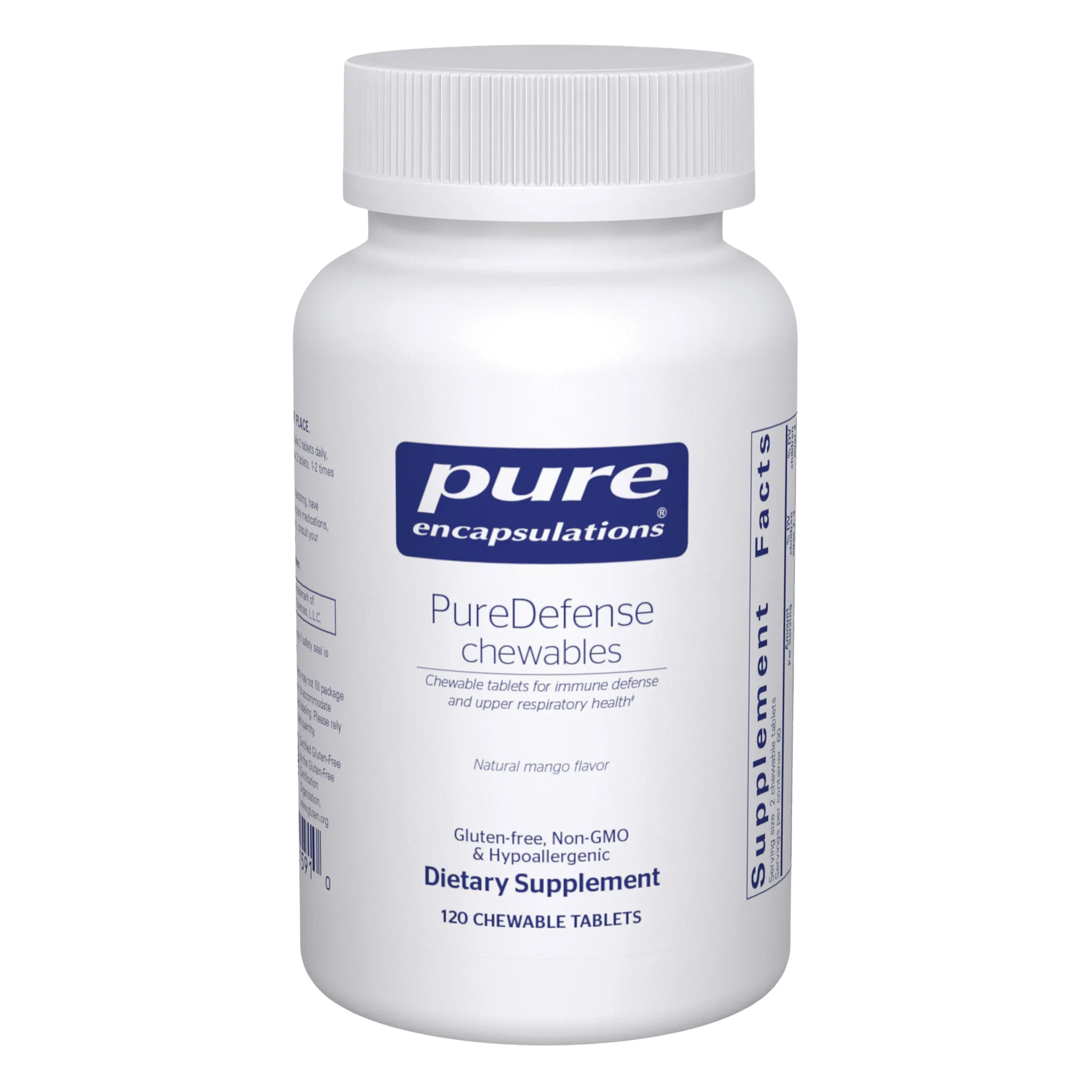
This is where targeted, comprehensive nutritional support can play a vital role. PureDefense Chewables by Pure Encapsulations offers a unique, synergistic blend of well-researched ingredients designed to support immune function from multiple angles. Combining the postbiotic power of EpiCor with the stabilizing properties of quercetin, the antiviral potential of elderberry, and the foundational support of zinc and vitamin C, this formula aims to modulate both the innate and adaptive immune responses. In this comprehensive guide, we will explore the deep science behind these ingredients, how they interact with the specific pathophysiology of chronic illness, and why this chewable formula might be a valuable addition to your management toolkit.
What is PureDefense Chewables?
The Power of EpiCor Postbiotics
At the heart of the PureDefense formula is EpiCor, a proprietary, whole-food postbiotic derived from a specialized fermentation process of Saccharomyces cerevisiae, commonly known as baker’s or brewer's yeast. Unlike probiotics, which are live bacteria, or prebiotics, which are the fibers that feed them, postbiotics are the beneficial bioactive compounds produced during the fermentation process. EpiCor is manufactured by subjecting the yeast to a specific, proprietary stressor, which forces the organism to produce a complex and highly concentrated array of protective metabolites. These include proteins, fibers, polyphenols, vitamins, amino acids, antioxidants, and immune-modulating polysaccharides like beta-glucans and mannans.
At the cellular and molecular level, EpiCor acts as a rapid-response biological modifier. When ingested, its complex matrix of metabolites interacts directly with the immune receptors lining the gastrointestinal tract. Because approximately 70% of the human immune system resides in the gut-associated lymphoid tissue (GALT), this interaction is profound. Research demonstrates that EpiCor can activate Natural Killer (NK) cells—the white blood cells responsible for identifying and destroying virally infected cells—within just two hours of ingestion. Furthermore, it stimulates the production of Secretory Immunoglobulin A (sIgA), a crucial antibody found in the mucosal linings of the respiratory and digestive tracts that acts as the body's first line of defense against invading pathogens.
Beyond direct immune activation, EpiCor functions as a powerful modulator of the gut microbiome. In in vitro models, it has been shown to act similarly to a prebiotic, selectively increasing populations of beneficial bacteria such as Lactobacilli and Bifidobacteria. These bacteria, in turn, ferment the fibers in EpiCor to produce short-chain fatty acids (SCFAs) like butyrate. Butyrate is essential for maintaining the integrity of the intestinal epithelial barrier, preventing the "leaky gut" phenomenon that often drives systemic inflammation. By supporting both mucosal immunity and gut barrier function, EpiCor provides a foundational layer of defense for the entire body.
Elderberry's Antiviral and Antioxidant Profile
European elderberry (Sambucus nigra) has been utilized for centuries in traditional medicine, but modern clinical research has illuminated the precise biochemical mechanisms behind its efficacy. Elderberries are exceptionally rich in a specific class of flavonoid polyphenols known as anthocyanins, particularly cyanidin 3-glucoside. These compounds are responsible for the deep, dark purple color of the berries and possess potent antioxidant and direct antiviral properties. In the context of immune support, elderberry extract is not merely a passive antioxidant; it actively interferes with the lifecycle of certain respiratory viruses.
At the molecular level, the anthocyanins in elderberry have been shown to physically bind to the viral envelopes of certain pathogens, including influenza viruses and human coronaviruses. Specifically, these compounds can inhibit the hemagglutinin glycoproteins on the surface of the virus, which the virus uses to attach to and penetrate host cells. By blocking this attachment phase, elderberry effectively neutralizes the virus's ability to replicate and spread within the respiratory tract. This mechanism is why early intervention with elderberry is often associated with a significant reduction in the duration and severity of viral illnesses.
Furthermore, elderberry extract exhibits sophisticated immunomodulatory effects. Rather than indiscriminately stimulating the immune system—which could be detrimental in conditions characterized by chronic inflammation—elderberry helps to regulate the production of cytokines. High-quality extracts have been found to decrease the secretion of pro-inflammatory cytokines, such as Tumor Necrosis Factor-alpha (TNF-α) and Interferon-gamma (IFN-γ), while encouraging a more balanced Th2-Helper cell response. This dual action of direct viral inhibition and inflammatory modulation makes elderberry a highly valuable component of a comprehensive immune defense strategy.
Quercetin as a Flavonoid Stabilizer
Quercetin is a naturally occurring plant polyphenol, or flavonoid, found abundantly in foods like onions, apples, and capers. In the realm of complex chronic illness, quercetin has garnered immense attention for its unique ability to act as a natural mast cell stabilizer. Mast cells are front-line immune responders located in tissues throughout the body, including the lungs, gut, skin, and blood vessels. When they detect a threat, they "degranulate," releasing a cascade of chemical mediators, including histamine, tryptase, prostaglandins, and inflammatory cytokines. While this is a normal protective response, dysregulated mast cells can become hyper-reactive, leading to systemic inflammation and a wide array of debilitating symptoms.
Quercetin intervenes in this process by stabilizing the lipid bilayer of the mast cell membrane, effectively raising the threshold required for degranulation. At the biochemical level, quercetin strongly suppresses the NF-κB (Nuclear Factor kappa-light-chain-enhancer of activated B cells) and NLRP3 inflammasome signaling pathways. These pathways are the master regulators of inflammation; by inhibiting them, quercetin halts the downstream transcription and release of pro-inflammatory cytokines like Interleukin-6 (IL-6) and TNF-α. This mechanism is fundamentally different from standard over-the-counter antihistamines, which only block histamine receptors after the histamine has already been released into the bloodstream.
In addition to its mast cell-stabilizing properties, quercetin is a potent scavenger of free radicals. Chronic viral infections and immune dysregulation generate massive amounts of reactive oxygen species (ROS), leading to oxidative stress that damages cellular components and mitochondria. Quercetin neutralizes these free radicals, particularly superoxide anions and nitric oxide, and activates the Nrf2-ARE pathway, which upregulates the body's own endogenous antioxidant enzymes. This comprehensive cellular protection is crucial for mitigating the systemic damage caused by chronic immune activation.
The Foundational Roles of Zinc and Vitamin C
No immune support formula is complete without the foundational micronutrients zinc and vitamin C. In PureDefense Chewables, vitamin C is provided as calcium ascorbate, a non-acidic, buffered form that is gentler on the stomach than standard ascorbic acid. Vitamin C is a potent water-soluble antioxidant that plays a critical role in cellular repair, energy metabolism, and the mitigation of oxidative stress. It is highly concentrated in immune cells, particularly neutrophils and lymphocytes, where it protects these cells from the oxidative damage they generate while fighting off pathogens. Furthermore, vitamin C acts synergistically with quercetin to support the function of diamine oxidase (DAO), the primary gut enzyme responsible for breaking down circulating histamine.
Zinc, provided here as highly bioavailable zinc citrate, is a fundamental trace mineral required for the function of over 300 enzymatic reactions in the body. It is absolutely essential for both the innate and adaptive immune responses. Zinc is required for the normal development and function of cells mediating innate immunity, such as neutrophils and NK cells, and it plays a vital role in the maturation of T-cells in the thymus. At the molecular level, zinc acts as a structural component for superoxide dismutase (SOD), one of the body's most important endogenous antioxidant enzymes.
Together, zinc and vitamin C form a synergistic defense network. During an active immune response or a state of chronic inflammation, the body's demand for these nutrients skyrockets. A deficiency in either can lead to impaired immune cell proliferation, decreased antibody production, and an increased susceptibility to infections. By providing these essential nutrients in a readily absorbable format, PureDefense ensures that the immune system has the basic building blocks required to mount an effective defense and repair cellular damage.
How Immune Dysregulation Impacts the Body
Viral Persistence and Chronic Immune Activation
To understand why a supplement like PureDefense Chewables is relevant, we must first examine What Causes Long COVID? and how it disrupts the body's natural equilibrium. Following an acute viral infection such as SARS-CoV-2, the immune system is supposed to clear the pathogen, resolve the inflammation, and return to a baseline resting state. However, in conditions like Long COVID and ME/CFS, this resolution fails to occur. Emerging research suggests that viral persistence—where fragments of the virus, such as the spike protein, or even replication-competent viral reservoirs remain hidden in tissues—can drive a state of chronic, low-grade immune activation. The immune system remains locked in a perpetual fight against an invisible enemy.
This chronic activation leads to profound Autoimmunity and Immune Dysregulation in Long COVID. Patients frequently exhibit T-cell exhaustion, a phenomenon where the immune cells responsible for targeting specific pathogens become fatigued and dysfunctional due to prolonged exposure to antigens. There is also a persistent elevation of pro-inflammatory cytokines, creating a systemic inflammatory environment. This ongoing battle drains the body's metabolic resources, depleting crucial antioxidants like vitamin C and essential minerals like zinc, leaving the patient vulnerable to secondary infections and the reactivation of dormant viruses, such as the Epstein-Barr Virus (EBV).
The Vicious Cycle of Mast Cell Activation Syndrome (MCAS)
One of the most significant downstream effects of this chronic immune dysregulation is the development or exacerbation of mast cell activation syndrome (MCAS). Mast cells express ACE2 receptors, making them direct targets for the SARS-CoV-2 virus during the acute phase of infection. The virus binds to these receptors, triggering a massive release of inflammatory chemicals. In Long COVID, these mast cells can become chronically hyper-vigilant, reacting inappropriately to benign triggers such as certain foods, temperature changes, stress, or even mild physical exertion. This creates a vicious cycle of unpredictable, systemic symptoms.
When mast cells constantly degranulate, they flood the bloodstream with histamine, tryptase, and inflammatory cytokines. These mediators can cross the blood-brain barrier, activating microglia (the brain's resident immune cells) and leading to severe neuroinflammation. This neuroinflammatory process is widely believed to be the primary driver of the profound cognitive impairment, or "brain fog," experienced by so many patients with Long COVID and ME/CFS. Furthermore, the constant release of histamine disrupts the autonomic nervous system, contributing to conditions like postural orthostatic tachycardia syndrome (POTS) and severe gastrointestinal distress. Managing this hyper-reactivity is a central challenge in post-viral recovery.
Oxidative Stress and Mitochondrial Exhaustion
The persistent immune activation and mast cell degranulation seen in these chronic conditions generate an enormous amount of reactive oxygen species (ROS). Under normal circumstances, the body's endogenous antioxidant systems neutralize these free radicals. However, in Long COVID and ME/CFS, the sheer volume of ROS overwhelms the body's defenses, leading to a state of severe, chronic oxidative stress. This oxidative stress directly damages cellular membranes, proteins, and DNA, but its most devastating impact is on the mitochondria—the energy-producing powerhouses of the cells.
Mitochondria are highly sensitive to oxidative damage. When they are impaired by ROS and inflammatory cytokines, their ability to produce adenosine triphosphate (ATP)—the fundamental currency of cellular energy—is severely compromised. This mitochondrial dysfunction is the biological root of the crushing, unrefreshing fatigue and post-exertional malaise (PEM) that define ME/CFS and Long COVID. The body simply cannot generate enough energy to meet even basic physiological demands. Therefore, interrupting this cycle of oxidative stress with targeted antioxidants and immune modulators is a critical step in restoring cellular energy production and overall function.
PureDefense Chewables: Supporting Immune and Mast Cell Function
Modulating the Innate and Adaptive Immune Response
PureDefense Chewables addresses the complex pathophysiology of immune dysregulation through a multi-targeted approach. The inclusion of EpiCor is particularly strategic for individuals whose immune systems are either exhausted or inappropriately overactive. Because EpiCor acts as an immune modulator rather than a simple stimulant, it helps to restore balance. By activating Natural Killer (NK) cells, it supports the innate immune system's ability to identify and clear lingering viral fragments or reactivated latent viruses, which are often implicated in the ongoing symptom burden of Long COVID and ME/CFS.
Simultaneously, EpiCor supports the adaptive immune system by significantly increasing levels of Secretory Immunoglobulin A (sIgA) in the mucosal linings. This is crucial because the mucosal barriers in the gut and respiratory tract are often compromised in chronic illness, leading to increased susceptibility to secondary infections. By fortifying these barriers, EpiCor helps prevent new pathogens from entering the system and triggering further inflammatory cascades. Furthermore, its ability to modulate the gut microbiome and increase the production of short-chain fatty acids like butyrate helps to soothe systemic inflammation originating from the gastrointestinal tract, addressing the gut-immune axis that is so frequently disrupted in these conditions.
Stabilizing Mast Cells and Reducing Histamine
For patients dealing with the unpredictable flares of MCAS, the quercetin in PureDefense offers a biologically plausible mechanism for relief. By acting as a natural mast cell stabilizer, quercetin addresses the root cause of histamine-driven symptoms rather than just masking them. When quercetin integrates into the lipid bilayer of the mast cell membrane, it physically stabilizes the cell, preventing the explosive degranulation process that releases histamine, tryptase, and inflammatory cytokines into the bloodstream. This upstream intervention is critical for breaking the cycle of hyper-reactivity.
Moreover, quercetin's ability to inhibit the NF-κB and NLRP3 inflammasome pathways directly counters the systemic inflammation driving neuroinflammation and autonomic dysfunction. By halting the production of cytokines like IL-6 and TNF-α, quercetin helps to quiet the cross-talk between mast cells and microglia in the brain, potentially alleviating the severe cognitive impairment and brain fog associated with Long COVID. When combined with vitamin C, which supports the enzymatic breakdown of circulating histamine via diamine oxidase (DAO), quercetin provides a powerful, synergistic defense against mast cell-mediated immune chaos.
Blocking Viral Attachment and Replication
The addition of elderberry extract provides a targeted defense against the acute respiratory infections that can cause devastating setbacks (crashes) for individuals with ME/CFS and Long COVID. Because the immune system in these patients is often compromised, a simple common cold can trigger a massive inflammatory flare and weeks of worsened baseline symptoms. The anthocyanins in elderberry act as a physical barrier, binding to the hemagglutinin glycoproteins on the surface of invading respiratory viruses and neutralizing their ability to attach to host cells.
This direct antiviral mechanism is complemented by elderberry's ability to modulate the inflammatory response. By encouraging a balanced Th2-Helper cell response and decreasing the secretion of pro-inflammatory cytokines, elderberry helps the body fight off acute infections without triggering the exaggerated, damaging inflammatory cascades that characterize immune dysregulation. This makes it a highly valuable tool for protecting the fragile baseline of patients navigating complex chronic illness during cold and flu season.
Neutralizing Free Radicals and Supporting Cellular Energy
Finally, the combination of zinc and vitamin C in PureDefense provides the essential antioxidant support required to combat the chronic oxidative stress driving mitochondrial dysfunction. By scavenging the massive amounts of reactive oxygen species (ROS) generated by persistent immune activation, vitamin C protects the delicate mitochondrial membranes from lipid peroxidation. This protection allows the mitochondria to begin repairing themselves and restoring their capacity to produce ATP, the cellular energy required to overcome profound fatigue.
Zinc's role as a structural component of superoxide dismutase (SOD) further amplifies this antioxidant defense network. By ensuring that the body has adequate levels of this critical trace mineral, PureDefense supports the endogenous enzymes responsible for neutralizing the most damaging free radicals. Additionally, zinc's role in regulating T-cell maturation and function helps to address the T-cell exhaustion frequently observed in Long COVID, providing the foundational support necessary for the immune system to eventually clear persistent antigens and return to a state of homeostasis.

Symptoms PureDefense Chewables May Help Manage
Targeting Post-Viral and Immune Symptoms
Based on the clinical research surrounding its key ingredients, PureDefense Chewables may help manage a variety of symptoms associated with immune dysregulation, viral persistence, and mast cell activation. While supplements are not cures, they can provide targeted support for specific physiological pathways.
Frequent Upper Respiratory Infections: The combination of EpiCor and elderberry extract provides robust support for mucosal immunity (via increased sIgA) and direct antiviral activity, helping to reduce the incidence and duration of common colds and flu that can trigger severe crashes in chronically ill patients.
Allergy-Like Flares and Histamine Intolerance: Quercetin acts as a natural mast cell stabilizer, preventing the degranulation of histamine and other inflammatory mediators. This can help mitigate the unpredictable allergic responses, skin flushing, and gastrointestinal distress characteristic of MCAS.
Brain Fog and Cognitive Impairment: By inhibiting the NF-κB inflammatory pathway and stabilizing mast cells, quercetin helps reduce the systemic cytokines that cross the blood-brain barrier and trigger neuroinflammation, a primary driver of post-viral cognitive dysfunction.
Profound Fatigue and Post-Exertional Malaise (PEM): The potent antioxidant properties of vitamin C, zinc, and elderberry help neutralize the chronic oxidative stress that damages mitochondria. By protecting these cellular powerhouses, the formula supports the restoration of ATP (energy) production.
Sore Throat and Mucosal Irritation: The chewable format allows the active ingredients, particularly the soothing polyphenols in elderberry and the immune-modulating compounds in EpiCor, to interact directly with the tissues of the throat and upper respiratory tract, providing localized support.
General Immune Exhaustion: Zinc is essential for the maturation and function of T-cells and Natural Killer cells. Supplementation helps address the T-cell exhaustion and mineral depletion frequently observed in Long COVID and ME/CFS, restoring foundational immune capacity.
Practical Considerations: Forms, Dosing, and Absorption
The Advantage of Chewable Delivery
One of the practical advantages of PureDefense Chewables is the delivery mechanism itself. For many individuals with complex chronic conditions, swallowing large capsules or multiple pills daily can cause pill fatigue or exacerbate gastrointestinal issues like nausea and dysmotility. A chewable tablet offers a highly palatable, convenient alternative that ensures consistent compliance. Furthermore, the act of chewing allows the active ingredients—particularly the elderberry extract and EpiCor—to mix with saliva and interact directly with the mucosal tissues of the mouth and throat before entering the digestive tract. This localized exposure can be particularly beneficial for supporting upper respiratory health and local sIgA production.
The chewable format is also ideal for precise dose titration. Patients with severe MCAS or extreme sensitivities often need to introduce new supplements very slowly to gauge their body's reaction. A chewable tablet can easily be broken into halves or quarters, allowing for a gradual, micro-dosing approach. This is a crucial strategy for avoiding the sudden symptom flares that can occur when a highly reactive immune system is introduced to a full therapeutic dose of a new compound all at once.
Bioavailability and Synergistic Absorption
The formulation of PureDefense Chewables takes bioavailability into careful consideration. The vitamin C is provided as calcium ascorbate, a buffered, non-acidic form that is significantly gentler on the stomach lining than standard ascorbic acid. This is particularly important for patients with MCAS-related gastrointestinal inflammation or acid reflux. The zinc is provided as zinc citrate, a highly bioavailable chelated form that is easily absorbed across the intestinal wall, ensuring that this critical mineral reaches the systemic circulation where it is needed most.
The ingredients in this formula also exhibit powerful synergistic effects. For example, vitamin C is known to enhance the absorption and efficacy of quercetin. Furthermore, vitamin C supports the function of diamine oxidase (DAO), the enzyme that breaks down histamine, complementing quercetin's role in preventing histamine release. To optimize absorption, it is generally recommended to take this supplement with a meal that contains a small amount of healthy fat, as quercetin is a lipophilic (fat-soluble) compound that absorbs more efficiently in the presence of dietary lipids.
Potential Sensitivities and the Salicylate Caveat
While the ingredients in PureDefense are generally well-tolerated and backed by extensive safety data, there are important considerations for the chronically ill population. A small subset of patients with severe MCAS suffer from salicylate intolerance. Salicylates are naturally occurring chemicals found in many plants, and both quercetin (a plant flavonoid) and elderberry extract contain these compounds. For highly sensitive individuals, introducing plant-based extracts can occasionally trigger a paradoxical symptom flare. If you have a known salicylate sensitivity, it is crucial to consult with your healthcare provider and consider starting with a tiny fraction of a tablet to test your tolerance.
Additionally, because this formula actively modulates the immune system, individuals who are taking prescription immunosuppressant medications (such as those used for organ transplants or certain severe autoimmune diseases) should exercise caution. The immune-enhancing effects of EpiCor and elderberry could theoretically interfere with the intended suppression of these drugs. As always, when navigating the complexities of Long COVID, ME/CFS, and MCAS, any new supplement should be integrated into your regimen under the guidance of a qualified medical professional who understands your unique clinical picture.

Follow the Science
Clinical Trials on EpiCor and Respiratory Health
The efficacy of EpiCor is supported by a robust body of clinical literature, including numerous randomized, double-blind, placebo-controlled human trials. A pivotal 12-week study led by Dr. Mark Moyad at the University of Michigan evaluated 116 healthy subjects taking 500 mg of EpiCor daily during the winter cold and flu season. The results were highly significant: subjects receiving EpiCor experienced a 21% reduction in the incidence of cold and flu symptoms compared to the placebo group. Furthermore, for those who did contract an illness, EpiCor reduced the duration of symptoms by 14%. These benefits were observed in both vaccinated and unvaccinated populations, highlighting its broad efficacy in supporting innate immune defense.
More recent data has confirmed these benefits extend to pediatric populations as well. A 2024 double-blind, placebo-controlled study published in Pediatric Research evaluated 256 children over 84 days. The study found that children taking EpiCor experienced statistically significant reductions in cold and flu symptom severity, with the placebo group being 1.7 times more likely to require over-the-counter or prescription medications. Additionally, clinical trials have demonstrated EpiCor's ability to rapidly activate Natural Killer (NK) cells within just two hours of ingestion, providing concrete evidence of its fast-acting immunomodulatory properties.
The Evidence for Elderberry in Viral Infections
Elderberry extract (Sambucus nigra) is one of the most thoroughly researched botanical interventions for upper respiratory viral infections. A comprehensive 2019 meta-analysis published in Complementary Therapies in Medicine evaluated multiple randomized, controlled clinical trials totaling 180 participants. The quantitative synthesis yielded a large, highly significant mean effect size for elderberry in reducing upper respiratory symptoms, concluding that it is a highly effective, safe alternative to prescription drugs for managing viral infections.
Specific clinical trials further illustrate these benefits. A randomized, double-blind, placebo-controlled trial published in Nutrients evaluated intercontinental air travelers—a high-risk group for catching respiratory infections. Participants who took elderberry extract and contracted a cold experienced a significantly shorter illness duration, recovering an average of two days faster than the placebo group, with significantly lower symptom severity scores. These findings align with older pivotal trials demonstrating that elderberry syrup can reduce the duration of Influenza A and B symptoms by an average of 3 to 4 days when taken within 48 hours of symptom onset.
Quercetin's Emerging Role in Long COVID and MCAS
The intersection of Long COVID, MCAS, and natural flavonoids like quercetin is currently one of the most heavily researched areas in post-viral recovery. A study published in the International Journal of Infectious Diseases highlighted the remarkably high prevalence of MCAS symptoms in Long COVID patients. The researchers noted that patients experienced significant improvements in their Long COVID symptoms when treated with MCAS-targeted therapies, specifically highlighting the efficacy of natural flavonoids like quercetin alongside traditional antihistamines.
Further research supports the use of flavonoids to combat the neuroinflammation driving cognitive impairment. Studies indicate that quercetin and its structural cousin luteolin can cross the blood-brain barrier to inhibit the mast cell-microglia crosstalk that perpetuates brain fog. Additionally, a recent systematic review emphasized that addressing immunological dysfunction and mast cell activation early in the course of Long COVID using mast cell stabilizers like quercetin can significantly alleviate symptoms, reduce systemic complications, and improve overall quality of life.
The Path Forward
A Comprehensive Approach to Immune Recovery
Navigating the complexities of Long COVID, ME/CFS, and MCAS can be an incredibly isolating and frustrating journey. When your immune system feels like it is constantly misfiring, finding interventions that provide genuine relief without causing further destabilization is paramount. It is important to remember that true healing in these conditions is rarely achieved through a single "magic bullet." Instead, recovery requires a comprehensive, multi-layered approach that addresses the root causes of immune dysregulation, oxidative stress, and mast cell hyper-reactivity. Supplements like PureDefense Chewables are designed to be a powerful piece of that larger puzzle.
By combining the rapid innate immune activation of EpiCor, the mast cell-stabilizing power of quercetin, the targeted antiviral properties of elderberry, and the foundational antioxidant support of zinc and vitamin C, this formula offers a sophisticated, biologically plausible intervention. It aims to gently modulate the immune system back toward a state of homeostasis, protecting your fragile baseline from the devastating impacts of acute infections and chronic inflammation. When utilized alongside careful pacing, symptom tracking, dietary modifications, and the guidance of a knowledgeable medical team, targeted nutritional support can significantly improve your quality of life.
Finding Your Balance
If you are struggling with the relentless cycle of post-viral immune dysfunction, frequent respiratory infections, or the unpredictable flares of mast cell activation, exploring comprehensive immune support may be a valuable next step. We encourage you to discuss these mechanisms with your healthcare provider to determine if this formula aligns with your specific clinical needs and sensitivities.