Can Phosphatidylserine and Antioxidants Clear Brain Fog in Long COVID and ME/CFS?
March 5, 2026
PhosphatidylserineBrain FogLong COVID
Share:
Disclaimer: The information provided here is for educational purposes only and is not intended as medical advice. It should not be used to diagnose, treat, cure, or prevent any medical condition. Instead, use it as a starting point for discussion with your healthcare provider. Always consult with a qualified healthcare provider before starting any new medication, supplement, device, or making changes to your health regimen.
For many individuals living with complex chronic conditions, the physical symptoms are only half the battle. The cognitive dysfunction—commonly referred to as "brain fog"—can be equally, if not more, debilitating. You might find yourself losing words mid-sentence, struggling to process simple information, or experiencing profound mental fatigue after minor cognitive tasks. This isn't simply "being tired" or a normal sign of aging; it is a complex neurological symptom rooted in neuroinflammation, cellular stress, and altered brain metabolism. For patients navigating Long COVID, myalgic encephalomyelitis/chronic fatigue syndrome (ME/CFS), and dysautonomia, finding targeted ways to support brain health and restore cognitive clarity is a top priority. Learn more about What Is “Brain Fog” and Cognitive Dysfunction in Long COVID?.
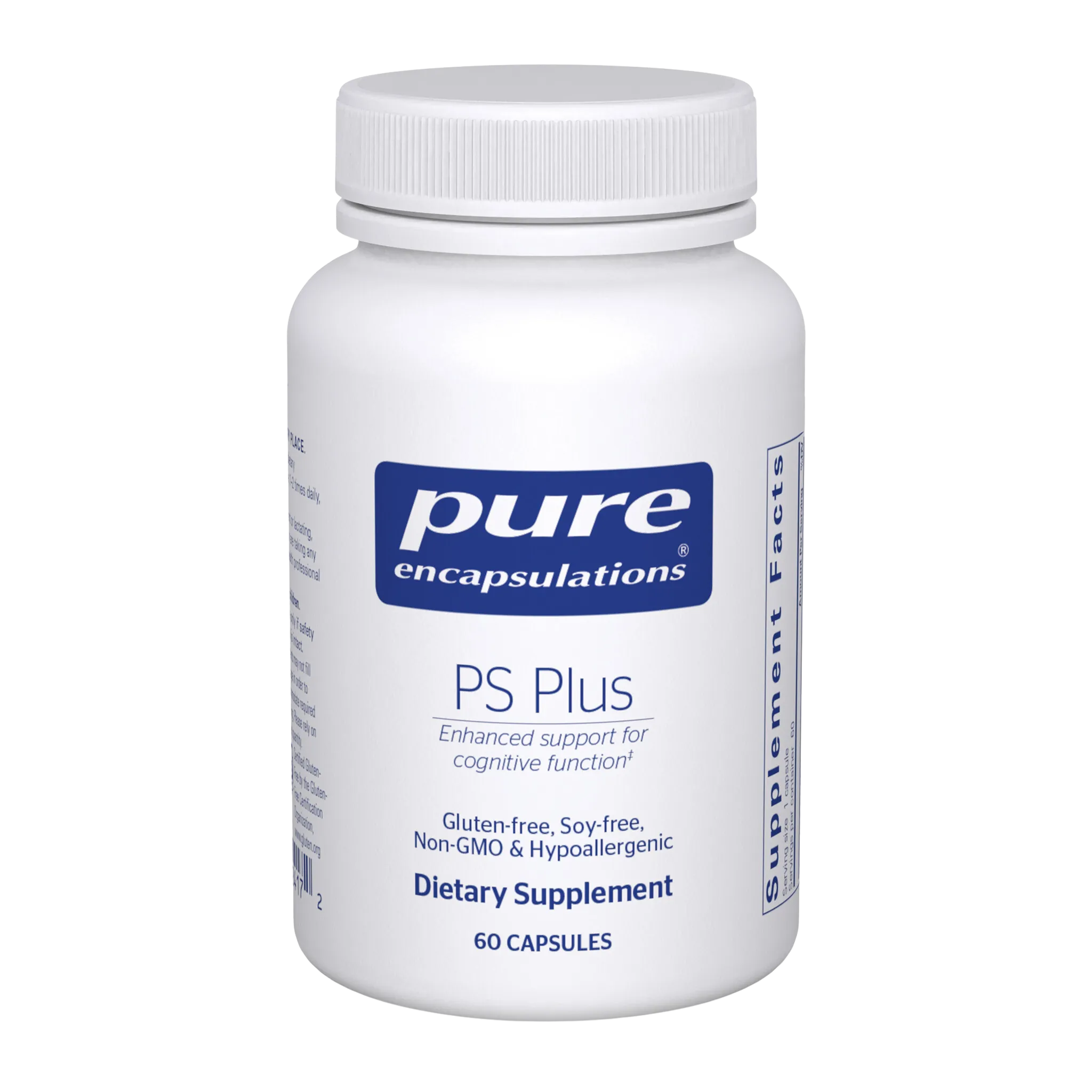
This is where specialized nutritional support comes into play. PS Plus by Pure Encapsulations is a targeted formula designed to support memory, mental processing, and overall cognitive function. It combines soy-free phosphatidylserine (Sharp-PS® GREEN) with a proprietary PhytoMemory antioxidant blend featuring wild blueberry, strawberry, and spinach extracts. But how exactly do these natural compounds interact with a brain that is under chronic immune and oxidative stress? In this comprehensive guide, we will dive deep into the molecular mechanisms of phosphatidylserine, explore the neuroprotective power of berry antioxidants, and examine how PS Plus may help manage the cognitive symptoms associated with post-viral and chronic fatiguing illnesses.
What is PS Plus?
The Role of Phosphatidylserine in Cellular Membranes
Phosphatidylserine (PS) is a naturally occurring phospholipid that serves as a fundamental structural component of all cellular membranes in the human body. However, it is particularly concentrated in the brain and cerebral cortex, where it plays an indispensable role in maintaining cellular integrity, protecting delicate nerve cells, and facilitating rapid intercellular communication. To understand how PS functions, we must look at the architecture of the cell membrane itself. The membrane is composed of a phospholipid bilayer—a dynamic, fluid structure made of molecules that have a hydrophilic (water-loving) head and a hydrophobic (water-repelling) tail. Phosphatidylserine is unique among these lipids because it carries a negative charge, which is critical for interacting with various proteins and signaling molecules within the cell.
In a healthy, functioning cell, PS is actively maintained on the inner leaflet (the inside-facing layer) of the cell membrane by specialized ATP-dependent enzymes known as flippases. This precise localization is not accidental; it is essential for the cell's survival and function. When PS is securely positioned on the inside of the membrane, it helps maintain the membrane's optimal fluidity and permeability. This fluid environment is absolutely critical for the proper functioning of membrane-bound proteins, ion channels, and the receptors necessary for neurotransmitters to bind and transmit signals from one neuron to the next. Without adequate PS, the cell membrane becomes rigid, impairing the neuron's ability to communicate, receive nutrients, and expel waste products, ultimately leading to cognitive decline and slowed mental processing.
Furthermore, PS is intimately involved in cellular apoptosis (programmed cell death) and the clearance of cellular debris. When a cell becomes irreparably damaged or reaches the end of its lifecycle, the flippase enzymes stop working, and a different set of enzymes called scramblases move PS to the outer leaflet of the membrane. This externalized PS acts as an "eat me" signal to the immune system's macrophages, prompting them to safely engulf and remove the dying cell without triggering systemic inflammation. This delicate balance of internal and external PS is a cornerstone of neurological health and immune homeostasis.
The Power of PhytoMemory Antioxidants
While phosphatidylserine provides the structural foundation for brain cells, the PhytoMemory blend in PS Plus provides the necessary defense mechanisms. The human brain is a highly metabolic organ; despite accounting for only about 2% of total body weight, it consumes roughly 20% of the body's oxygen and energy. This intense metabolic activity naturally produces reactive oxygen species (ROS) as a byproduct. In a healthy state, the body neutralizes these free radicals. However, when ROS production overwhelms the brain's antioxidant defenses—a state known as oxidative stress—it leads to lipid peroxidation, damaging the very cell membranes that PS works so hard to maintain.
The PhytoMemory blend contains concentrated extracts from wild blueberries (Vaccinium angustifolium), Orléans strawberries (Fragaria x ananassa), and spinach (Spinacia oleracea). These specific plants are incredibly rich in neuroprotective polyphenols and flavonoids. Wild blueberries are packed with anthocyanins (specifically cyanidin, delphinidin, and malvidin), while strawberries are a potent source of pelargonidin. Unlike many standard dietary antioxidants, these specific bioactive compounds have the unique ability to cross the blood-brain barrier. Once inside the brain, they do much more than simply scavenge free radicals; they actively accumulate in brain tissue and modulate cellular signaling pathways to enhance neuroplasticity and resilience.
Research indicates that these phytochemicals can regulate calcium buffering within neurons, preventing the toxic calcium overload that often accompanies oxidative damage. Furthermore, the flavonoids found in spinach and berries interact directly with the brain's microglial cells—the primary immune cells of the central nervous system. By calming overactive microglia, these extracts help shift the brain environment from a state of chronic alarm and inflammation to one of repair and regeneration. You can explore similar antioxidant mechanisms in our guide, Can Açai and Pomegranate Extracts Combat Oxidative Stress in Long COVID and ME/CFS?.
How Long COVID and ME/CFS Impact Brain Health
Neuroinflammation and the "Fusogen Storm"
To understand how PS Plus may benefit individuals with Long COVID, ME/CFS, and dysautonomia, we must examine how these conditions disrupt the brain's delicate biochemical balance. In post-viral syndromes, the immune system remains in a state of chronic activation long after the initial acute infection has passed. Recent research into SARS-CoV-2 has revealed a fascinating and destructive mechanism involving the very molecule we've been discussing: phosphatidylserine. During a viral infection, the virus can trigger a massive influx of calcium into the cell, which inappropriately activates the TMEM16F lipid scramblase enzyme.
When this enzyme is activated, it prematurely flips PS from the inside of the cell membrane to the outside. In the context of Long COVID, this externalized PS (ePS) on the surface of infected or stressed cells triggers what researchers call a "fusogen storm." Instead of simply signaling for the safe removal of a single dying cell, the externalized PS causes neighboring cells to abnormally fuse together, forming massive, dysfunctional, multi-nucleated structures known as syncytia. This premature cellular senescence in the brain's microglia is theorized to be a primary driver of the persistent neuroinflammation and profound cognitive deficits that patients experience as "brain fog."
Moreover, this pathology extends beyond the brain. In Long COVID and dysautonomia, externalized PS on the outer layer of damaged blood vessel cells (endothelial cells) binds with circulating coagulation factors. This interaction is a key contributor to the persistent micro-clots and vascular inflammation frequently observed in these patient populations, further impairing blood flow and oxygen delivery to the brain.
Oxidative Stress and HPA Axis Dysregulation
Beyond structural membrane damage, patients with ME/CFS and Long COVID suffer from profound immune exhaustion and oxidative stress. Studies have identified pronounced CD8 T-cell dysfunction in both conditions, where these crucial immune cells become exhausted and fail to produce necessary protective cytokines. This immune dysregulation allows chronic, low-grade neuroinflammation to smolder, constantly generating reactive oxygen species that damage neuronal synapses and impair the speed of mental processing.
Additionally, the chronic physical stress of these illnesses severely impacts the hypothalamic-pituitary-adrenal (HPA) axis, the body's central stress response system. Living with a complex chronic illness often puts the nervous system into a prolonged state of "fight or flight," leading to erratic spikes and blunts in cortisol levels. Chronically elevated or dysregulated cortisol is highly toxic to the hippocampus, the brain region responsible for memory consolidation and spatial navigation. Over time, this hormonal toxicity physically shrinks the hippocampus, leading to the severe memory recall issues and mental fatigue commonly reported by patients. For more context on this neurological toll, read Long COVID and Mental Health.
PS Plus: Supporting Cognitive Function and Memory
Phosphatidylserine and Neurotransmitter Optimization
Supplementing with exogenous phosphatidylserine provides the brain with the raw materials it needs to repair damaged cellular membranes and restore optimal fluidity. When PS is integrated into the neuronal membrane, it dramatically improves the efficiency of neurotransmitter signaling. One of its most critical roles is boosting the availability and release of acetylcholine, a neurotransmitter that is absolutely essential for learning, short-term memory consolidation, and rapid recall. By supporting acetylcholine pathways, PS helps neurons fire more efficiently, cutting through the sluggishness that characterizes brain fog.
Furthermore, PS modulates the activity of glutamate NMDA receptors in the brain. It does this by activating an enzyme called Protein Kinase C (PKC) and by altering the density and localization of these receptors on the cell surface. NMDA receptors are vital for synaptic plasticity—the brain's ability to adapt, learn new information, and form new neural pathways. By optimizing these receptors, PS helps restore the brain's capacity to process complex information without becoming rapidly overwhelmed or fatigued.
Crucially for patients with ME/CFS and dysautonomia, PS acts as a powerful buffer for the HPA axis. Clinical literature demonstrates that PS supplementation can blunt exaggerated cortisol responses to physical and emotional stress. By regulating this hormonal output, PS protects the vulnerable hippocampus from cortisol-induced toxicity, helping to stabilize mood, improve stress tolerance, and prevent the cognitive crashes that often follow exertion. You can learn about other metabolic supports in Can Acetyl-L-Carnitine Help Clear Brain Fog in Long COVID and ME/CFS?.
Wild Blueberry Extract and Neuroplasticity
The PhytoMemory blend in PS Plus works synergistically with phosphatidylserine by providing targeted neuroprotection. The anthocyanins found in wild blueberry extract—specifically cyanidin, delphinidin, and malvidin—are uniquely capable of crossing the blood-brain barrier. Once in the brain, they localize heavily in the striatum and the hippocampus. Here, they stimulate the expression of Brain-Derived Neurotrophic Factor (BDNF) and Insulin-like Growth Factor 1 (IGF-1). BDNF acts like "fertilizer" for the brain, promoting neurogenesis (the growth of new neurons) and repairing damaged synaptic connections.
This enhancement of neuroplasticity is vital for overcoming the cognitive deficits of post-viral illness. By increasing BDNF, wild blueberry extract helps the brain literally rewire itself around areas of inflammation or damage, improving what neurologists call "reversal learning" and executive function. This translates to an improved ability to multitask, switch between thoughts, and process information at a normal speed.
Combating Oxidative Stress with Strawberry and Spinach
While wild blueberries target the striatum, the pelargonidin-rich strawberry extract specifically targets and protects the hippocampus, the brain's memory center. Together with the flavonoids from spinach extract, these compounds mount a powerful defense against neuroinflammation. They work by actively inhibiting inflammatory signaling pathways, most notably Nuclear Factor-kappa B (NF-κB). By blocking NF-κB, these extracts prevent the release of pro-inflammatory cytokines like Tumor Necrosis Factor-alpha (TNF-α) from the brain's microglial cells.
This targeted anti-inflammatory action is crucial for patients experiencing the "fusogen storms" and microglial activation associated with Long COVID. By quenching the oxidative stress and calming the immune response within the central nervous system, the PhytoMemory blend helps create a stable, protected environment where phosphatidylserine can effectively rebuild and maintain healthy cellular membranes.
Symptoms PS Plus May Help Manage
Cognitive and Neurological Symptoms
By addressing cellular membrane integrity, neurotransmitter balance, and neuroinflammation, PS Plus targets the root mechanisms of several debilitating cognitive symptoms:
Brain Fog and Sluggish Processing: By restoring membrane fluidity and optimizing acetylcholine release, phosphatidylserine helps neurons fire faster and more efficiently, reducing the sensation of thinking through "molasses."
Poor Memory Recall and Retention: The pelargonidin in strawberry extract and the cortisol-buffering effects of PS specifically protect the hippocampus, supporting the brain's ability to consolidate short-term memories and retrieve information on demand.
Difficulty Concentrating and Multitasking: By modulating NMDA receptors and promoting synaptic plasticity, PS supports executive function, making it easier to hold attention on a task and switch between different streams of information. (For more on attention support, see Lifting Brain Fog with Guanfacine).
Stress and Energy Symptoms
The systemic effects of PS Plus also extend to how the brain and body handle physiological stress:
Mental Fatigue and Cognitive Crashes: By stimulating BDNF and providing robust antioxidant defense via wild blueberry extract, the formula helps the brain maintain energy production and resilience, potentially reducing the severity of cognitive post-exertional malaise (PEM).
Stress Intolerance and Overstimulation: By regulating the HPA axis and blunting erratic cortisol spikes, PS helps the nervous system remain calm under physical or emotional stress, preventing the rapid depletion of cognitive resources.
Neuroinflammatory Symptoms: The potent inhibition of NF-κB and TNF-α by the PhytoMemory blend helps quiet the chronic microglial activation that drives the persistent, aching "heavy head" feeling often reported in Long COVID.
Practical Considerations: Forms, Dosing, and Absorption
Sunflower Lecithin vs. Soy Lecithin
When considering a phosphatidylserine supplement, the source of the ingredient is a critical factor. Historically, commercial PS was derived from bovine (cow) cortexes, but this was abandoned due to the risk of prion diseases. Today, PS is extracted from plant sources, primarily soy lecithin or sunflower lecithin. PS Plus utilizes Sharp-PS® GREEN, which is a premium form of phosphatidylserine derived exclusively from sunflower lecithin. This distinction is particularly important for patients with complex chronic illnesses, MCAS, or heightened immune reactivity.
Soy is a major dietary allergen and is frequently genetically modified (GMO). Furthermore, the extraction process for soy lecithin often involves harsh chemical solvents like hexane. In contrast, sunflower lecithin is hypoallergenic, non-GMO, and typically extracted using cold-press methods that leave no chemical residues. While the active "head" of the PS molecule is identical regardless of the source, the sunflower-derived "tail" contains higher amounts of beneficial unsaturated fatty acids, such as linoleic acid, which provide excellent membrane fluidity and additional antioxidant properties.
Optimal Dosing and Absorption
Clinical pharmacokinetics reveal that the human body can efficiently absorb between 300 mg and 800 mg of phosphatidylserine per day. Doses exceeding this threshold are generally processed and excreted without providing additional cognitive benefits. When taken orally, PS is absorbed in the intestines, incorporated into lipid carriers called chylomicrons, and delivered into the bloodstream, where it easily crosses the blood-brain barrier. Pharmacokinetic studies indicate that oral PS has an elimination half-life of approximately 7.35 hours, with blood concentrations peaking around 4 hours after ingestion.
Because PS is a fat-soluble phospholipid, its bioavailability is significantly enhanced when taken with food. It is highly recommended to take PS Plus with a meal that contains healthy fats (such as avocado, olive oil, or nuts) to stimulate bile production and maximize intestinal absorption. The suggested use for PS Plus is 1 capsule, 1 to 2 times daily with meals, providing a targeted, evidence-based dose of 150 mg to 300 mg of PS per day alongside the PhytoMemory blend.
Safety and Potential Interactions
Phosphatidylserine is Generally Recognized As Safe (GRAS) by the FDA and is exceptionally well-tolerated in clinical trials, even with continuous use for up to six months. The most commonly reported side effects at higher doses (exceeding 300 mg) are mild gastrointestinal complaints, such as nausea or stomach upset, which can largely be mitigated by taking the supplement with food. However, because PS actively increases acetylcholine levels in the brain, it can interact with certain medications.
Patients taking anticholinergic medications (which block acetylcholine to treat conditions like overactive bladder or GI cramps) should be aware that PS may decrease the effectiveness of these drugs. Conversely, taking PS alongside acetylcholinesterase (AChE) inhibitors (often prescribed for Alzheimer's or glaucoma) can cause an additive effect, potentially leading to an abnormal spike in acetylcholine and cholinergic side effects like hypersalivation or muscle weakness. As always, pregnant or breastfeeding individuals, and anyone on prescription medications, should consult their healthcare provider before starting PS Plus.
Follow the Science
Clinical Trials on Phosphatidylserine
The cognitive benefits of phosphatidylserine are supported by decades of robust clinical research. A comprehensive 2022 systematic review and meta-analysis by Kang et al. evaluated nine clinical studies involving 961 elderly participants experiencing cognitive decline. The researchers found a statistically significant positive effect of PS supplementation (at doses of 100 to 300 mg/day) on overall cognitive function, concluding that it specifically improves age-associated memory impairment.
Furthermore, a 2013 open-label pilot study by Richter et al. focused specifically on plant-derived PS. Thirty healthy volunteers with subjective memory complaints were given 300 mg/day of soy-derived PS for 12 weeks. Detailed neuropsychological assessments demonstrated statistically significant improvements in memory recognition, memory recall, executive functions, and mental flexibility, proving that plant-derived PS is highly effective at crossing the blood-brain barrier and altering cognitive outcomes.
The Evidence for Berry Extracts in Brain Aging
The foundational research connecting wild blueberry, strawberry, and spinach extracts to cognitive function was pioneered by Dr. James A. Joseph at the USDA Human Nutrition Research Center on Aging. In a landmark 1999 study published in the Journal of Neuroscience, researchers fed aged rats diets supplemented with these exact extracts. The results were unprecedented: the extracts successfully reversed age-related cognitive and motor declines. Spinach and strawberry extracts improved spatial learning and memory, while wild blueberry extract uniquely reversed declines in motor function and balance.
This animal data has since been translated into human clinical success. A 2022 double-blind, placebo-controlled clinical trial published in Nutritional Neuroscience followed 86 older adults experiencing mild cognitive issues. Participants who consumed a freeze-dried wild blueberry powder daily for six months saw their speed of cognitive processing restored to the same level as healthy reference groups, highlighting the profound impact of anthocyanins on neural signaling speed.
Emerging Research in Post-Viral Illness
Modern research is now applying these mechanisms directly to post-viral syndromes. A 2023 study published in the Journal of Clinical Medicine explored the use of hypothalamic phospholipid liposomes—of which phosphatidylserine is a primary active ingredient—as an adjuvant therapy for Long COVID manifestations, specifically ME/CFS and brain fog. Researchers noted that PS helps antagonize neuroinflammation, promotes hippocampal neurogenesis, and assists in correcting the cerebral metabolic alterations caused by the virus. Coupled with emerging data on CD8 T-cell dysfunction in ME/CFS, the use of targeted antioxidants and phospholipids represents a highly promising avenue for neuro-immune recovery.
The Path Forward
A Comprehensive Approach to Cognitive Care
Living with the cognitive dysfunction of Long COVID, ME/CFS, or dysautonomia can be an incredibly frustrating and isolating experience. When your brain doesn't process information the way it used to, it impacts every facet of daily life, from working and socializing to simply managing your own healthcare. It is vital to validate that these symptoms are real, physiologically rooted, and not a personal failing. Recovering cognitive function takes time, patience, and a multi-faceted approach.
While targeted supplements like PS Plus provide essential biochemical support to repair cellular membranes and quench neuroinflammation, they are most effective when integrated into a comprehensive management strategy. This includes strict pacing to avoid post-exertional malaise (PEM), meticulous symptom tracking to identify cognitive triggers, and working closely with a medical team to address underlying viral persistence or autonomic dysfunction. Pushing through brain fog only exacerbates neuroinflammation; resting and providing the brain with the right structural materials is the true path forward.
Next Steps
If you are struggling with memory recall, mental fatigue, or sluggish processing speed, PS Plus offers a scientifically grounded, hypoallergenic blend of phosphatidylserine and neuroprotective antioxidants to support your brain's recovery. Always consult with your healthcare provider before introducing new supplements, especially if you are taking prescription medications for autonomic or cognitive symptoms.