Can Phosphatidylserine (PS 100) Clear Brain Fog and Calm the Nervous System in Long COVID and ME/CFS?
March 5, 2026
PhosphatidylserineLong COVIDBrain Fog
Share:
Disclaimer: The information provided here is for educational purposes only and is not intended as medical advice. It should not be used to diagnose, treat, cure, or prevent any medical condition. Instead, use it as a starting point for discussion with your healthcare provider. Always consult with a qualified healthcare provider before starting any new medication, supplement, device, or making changes to your health regimen.
For many individuals living with Long COVID, myalgic encephalomyelitis/chronic fatigue syndrome (ME/CFS), and dysautonomia, the cognitive dysfunction often described as "brain fog" is one of the most debilitating and frightening symptoms. You might find yourself staring at a computer screen unable to comprehend a simple email, losing your train of thought mid-sentence, or struggling to recall a word that is right on the tip of your tongue. This is not just normal tiredness or aging; it is a profound neurological symptom that alters your ability to interact with the world. Coupled with the physical exhaustion and the "wired and tired" feeling of an overactive nervous system, these symptoms can make daily life feel like an insurmountable mountain. If you have been searching for answers, you are not alone, and your experience is entirely valid.
In the search for therapeutic tools to support cognitive function and calm an overactive nervous system, researchers and clinicians frequently turn to a naturally occurring compound called phosphatidylserine (PS). Often referred to as a "brain nutrient," phosphatidylserine is a specialized fat that makes up the structural architecture of our cell membranes, particularly in the brain. But its role goes far beyond simple structure; it is intimately involved in how our brain cells communicate, how our body handles stress hormones like cortisol, and how our immune system clears away cellular debris. In this comprehensive guide, we will explore the intricate science behind PS 100 (phosphatidylserine), how complex chronic conditions impact its function, and how targeted supplementation might help lift the fog and restore a sense of balance.
What is Phosphatidylserine (PS)?
The Architect of the Cellular Membrane
To truly understand how phosphatidylserine works, we must first look at the microscopic architecture of the human body. Every single cell in your body is encased in a protective barrier known as the cell membrane, or the phospholipid bilayer. This membrane is not a rigid wall; rather, it is a fluid, dynamic matrix composed of various fats (lipids) and proteins that constantly move and interact. Phosphatidylserine is one of the most crucial naturally occurring phospholipids in this matrix. It is especially abundant in the nervous system, accounting for approximately 13% to 15% of the total phospholipid pool in the human cerebral cortex. This high concentration in the brain is no accident; the unique chemical structure of PS allows it to facilitate the rapid, complex signaling required for thought, memory, and autonomic control.
In a healthy, functioning cell, phosphatidylserine is strictly maintained on the inner leaflet of the cell membrane—the side facing the inside of the cell (the cytoplasm). This precise positioning is maintained by energy-dependent enzymes known as flippases, which constantly use adenosine triphosphate (ATP) to flip any stray PS molecules back to the inside. This inner positioning is vital because PS acts as a critical docking station for various intracellular signaling proteins. Without PS anchoring these proteins to the membrane, the cell would be unable to respond to external stimuli, rendering it functionally blind and deaf to the needs of the body.
The Mechanics of Efferocytosis and Cellular Cleanup
One of the most fascinating and vital roles of phosphatidylserine occurs at the end of a cell's life. When a brain cell becomes damaged, infected, or simply reaches the end of its natural lifespan, it undergoes a process of programmed cell death called apoptosis. During apoptosis, the flippase enzymes are deactivated, and a different set of enzymes called scramblases are activated. These scramblases rapidly flip the phosphatidylserine from the inner leaflet to the outer leaflet of the cell membrane, exposing it to the outside environment. This externalized PS acts as a universal "eat me" signal to the body's immune cells, specifically the microglia in the brain and macrophages in the rest of the body.
When a macrophage detects this exposed PS, it engulfs and digests the dying cell in a highly regulated process known as efferocytosis. This mechanism is profoundly important for maintaining a healthy brain and body because it allows for the clearance of toxic cellular debris without triggering an inflammatory response. In a healthy system, efferocytosis is a silent, clean, and efficient garbage disposal mechanism. By facilitating this quiet removal of dying neurons, phosphatidylserine helps prevent chronic neuroinflammation, which is a known driver of cognitive decline, brain fog, and neurodegenerative pathologies.
Signal Transduction and Neurotransmitter Release
Beyond cellular cleanup, phosphatidylserine is an obligatory cofactor for several crucial enzymatic pathways that keep our brain cells alive and communicating. On the inner cell membrane, PS acts as an essential binding site for Protein Kinase C (PKC), Akt, and Raf-1 kinase. The activation of these specific signaling pathways is responsible for promoting neuronal survival, stimulating neurite outgrowth (the branching of nerve cells to form new connections), and facilitating synaptogenesis (the creation of new synapses). When these pathways are well-supported, the brain can maintain its plasticity, allowing for the formation of new memories and the rapid processing of information.
Furthermore, phosphatidylserine plays a direct role in how brain cells talk to one another. Neurons communicate by releasing chemical messengers called neurotransmitters across the synaptic gap. This release process, known as exocytosis, requires the merging of neurotransmitter-filled vesicles with the cell membrane. PS modulates the activity of neurotransmitter receptors, such as the AMPA glutamate receptor, and interacts with proteins like synapsin I to facilitate the efficient release of acetylcholine, dopamine, and serotonin. Acetylcholine, in particular, is the primary neurotransmitter involved in memory, learning, and attention. By supporting the structural integrity of the membrane and the mechanics of exocytosis, PS ensures that these vital chemical messages are sent and received clearly, maintaining mental acuity and emotional well-being.
How Long COVID and ME/CFS Impact Cellular Health and the HPA Axis
Viral Infection and the "Flipping" of Phosphatidylserine
To understand why supplements like phosphatidylserine are so relevant to post-viral conditions, we must examine how viruses like SARS-CoV-2 hijack the body's cellular machinery. In a healthy state, as previously mentioned, PS is kept strictly on the inside of the cell membrane. However, research has shown that when the SARS-CoV-2 virus attacks a cell, it triggers a massive influx of calcium. This calcium flood activates TMEM16F, a specific lipid scramblase enzyme, which prematurely flips phosphatidylserine to the outside of the cell membrane. In this pathological context, the exposed PS does not just signal for normal cellular cleanup; instead, it acts as a trigger for cell-to-cell fusion. This viral-induced fusion creates large, damaged, multi-nucleated cells called syncytia. Some researchers hypothesize that this abnormal cellular fusion in the brain seeds pathological proteins, serving as a direct biological driver of the severe cognitive dysfunction and brain fog seen in Long COVID.
This externalization of PS also plays a dark role in the immune exhaustion characteristic of ME/CFS and Long COVID. A landmark 2021 study investigating the blood of COVID-19 patients found an unexpectedly high amount of phosphatidylserine-positive platelet-derived microparticles (PS+ PMPs). These microscopic, PS-loaded fragments of platelets were found to bind to immune cells and remain circulating in the bloodstream for weeks or even months post-infection. Because exposed PS on these microparticles triggers blood coagulation and inflammatory pathways, they continuously signal the immune system to attack. This leads to a state of chronic T-cell exhaustion and persistent vascular inflammation, which are deeply implicated in the ongoing fatigue and malaise experienced by patients.
Thromboinflammation and Microclotting
The presence of externalized phosphatidylserine in the bloodstream is intimately connected to the phenomenon of microclotting, a major area of study in Long COVID and ME/CFS research. In human biology, PS is a highly procoagulant (clot-promoting) molecule when it is exposed to the blood. When blood vessels are injured, platelets activate and externalize PS to their outer membrane, acting as a docking site for the "prothrombinase complex," which triggers the production of thrombin and causes the blood to clot. In Long COVID, the persistent circulation of PS-positive microparticles means the body is in a constant, low-grade state of coagulation, often referred to as thromboinflammation.
This chronic thromboinflammation restricts capillary blood flow, leading to cerebral hypoperfusion—a lack of adequate oxygen and nutrient delivery to the brain. When the brain is starved of oxygen and vital nutrients, the result is profound cognitive dysfunction, memory impairment, and the heavy, sluggish feeling of brain fog. Furthermore, this lack of blood flow exacerbates mitochondrial dysfunction, as the mitochondria cannot produce sufficient ATP without oxygen. This creates a vicious cycle: viral damage exposes PS, exposed PS triggers microclotting, microclotting reduces blood flow, reduced blood flow impairs mitochondrial energy production, and impaired energy production leads to further cellular damage and fatigue.
HPA Axis Dysregulation and the "Wired and Tired" State
Beyond the cellular and vascular impacts, complex chronic illnesses profoundly disrupt the autonomic nervous system and the endocrine system, specifically the Hypothalamic-Pituitary-Adrenal (HPA) axis. The HPA axis is the body's central stress response system. When you encounter a stressor, the hypothalamus releases corticotropin-releasing hormone (CRH), which prompts the pituitary gland to release adrenocorticotropic hormone (ACTH), which finally signals the adrenal glands to release cortisol, the primary stress hormone. In a healthy individual, this system activates to handle a threat and then quickly returns to baseline.
However, in patients with ME/CFS, Long COVID, and dysautonomia (such as Postural Orthostatic Tachycardia Syndrome, or POTS), the HPA axis becomes severely dysregulated due to the chronic physiological stress of the illness. The body is trapped in a perpetual "fight or flight" sympathetic state. Over time, this chronic activation can lead to a blunted or inverted cortisol curve—where cortisol levels are inappropriately low in the morning (causing crushing fatigue) and inappropriately high at night (causing severe insomnia). This phenomenon is frequently described by patients as feeling "wired and tired." The constant flooding of the brain with stress hormones damages the hippocampus, the brain region responsible for memory consolidation, further compounding the cognitive dysfunction and brain fog.
Phosphatidylserine: Supporting Cognitive Function and Autonomic Balance
Blunting the Cortisol Response
While the externalization of the body's endogenous (internally produced) phosphatidylserine plays a role in viral pathology, the targeted intake of exogenous (supplemental) phosphatidylserine offers a powerful therapeutic intervention to counteract these exact dysfunctions. One of the most well-documented and clinically utilized mechanisms of supplemental PS is its profound ability to modulate the HPA axis and regulate cortisol production. When the nervous system is trapped in the sympathetic overdrive characteristic of dysautonomia and ME/CFS, supplemental PS acts as a biological brake pedal.
Clinical studies utilizing the Trier Social Stress Test—the gold standard for inducing acute psychological stress in a laboratory setting—have consistently demonstrated that PS supplementation helps modulate the HPA axis, effectively blunting the excessive spikes in ACTH and cortisol. It is hypothesized that supplemental PS integrates into the cell membranes of the hypothalamus and pituitary gland, altering the receptor interactions for corticotrophin-releasing factor (CRF). By decreasing the sensitivity of these receptors, PS dampens the cascade that leads to massive cortisol secretion. For patients suffering from the "wired and tired" state, taking PS can help lower inappropriately elevated evening cortisol, promoting a shift into the parasympathetic "rest and digest" state, which is essential for restorative sleep and recovery from post-exertional malaise (PEM).
Restoring Neurotransmitter Production and Membrane Fluidity
To combat the severe brain fog and memory impairment seen in Long COVID and ME/CFS, the brain requires robust structural and chemical support. Supplemental phosphatidylserine directly addresses this need by incorporating itself into the depleted neuronal membranes. By restoring the optimal concentration of PS in the inner leaflet of the brain cells, the supplement restores membrane fluidity. A fluid, flexible membrane is absolutely necessary for the proper functioning of ion channels and the efficient exocytosis of neurotransmitters.
Specifically, PS supplementation has been shown to enhance the availability and release of acetylcholine, the neurotransmitter most heavily implicated in learning, memory retrieval, and sustained attention. When cerebral hypoperfusion (low blood flow) starves the brain of nutrients, acetylcholine production drops precipitously, leading to the characteristic blank-stare brain fog. By providing the structural scaffolding required for acetylcholine release, PS helps to bridge the gap in neural communication. Furthermore, PS supports the release of dopamine, which is crucial for motivation, mood regulation, and combating the apathy and depression that frequently accompany chronic, invisible illnesses.
Calming the Sympathetic Nervous System in Dysautonomia
For patients with dysautonomia, particularly the hyperadrenergic subtype of Postural Orthostatic Tachycardia Syndrome (POTS), the body inappropriately dumps massive amounts of norepinephrine (adrenaline) and cortisol simply upon standing up. This causes severe tachycardia, tremors, anxiety, and blood pooling. Because hyperadrenergic POTS places the body in a state of chronic HPA axis activation, PS is frequently utilized by functional medicine practitioners to calm this hyperactive adrenal function. By lowering the circulating levels of stress hormones, PS can help reduce the intensity of these adrenaline surges, making orthostatic stress more tolerable.
Additionally, the neuroprotective properties of PS are vital for patients experiencing chronic cerebral hypoperfusion. When blood flow to the brain drops upon standing, brain cells are subjected to oxidative stress and potential damage. The antioxidant capacity of a healthy, PS-rich cell membrane helps to neutralize free radicals generated during these periods of low oxygen. By maintaining the integrity of the neuronal structure and supporting mitochondrial energy pathways, PS acts as a shield, protecting the brain from the cumulative damage of chronic autonomic dysfunction and helping to preserve long-term cognitive acuity. You can learn more about managing the complex symptoms of autonomic dysfunction in our guide to Brain Fog, Fast Heart Rate, and Fatigue.

Symptoms Phosphatidylserine May Help Manage
When incorporated into a comprehensive management plan, phosphatidylserine supplementation targets several overlapping symptoms of complex chronic illness by addressing both structural brain health and autonomic nervous system regulation. Here are the primary symptoms PS may help manage:
Severe Brain Fog and Cognitive Dysfunction: By restoring the fluidity of neuronal membranes and supporting the release of acetylcholine, PS helps improve mental clarity, processing speed, and the ability to sustain attention during complex tasks.
Memory Impairment and Word-Finding Difficulties: PS is heavily concentrated in the hippocampus and supports synaptogenesis (the formation of new neural connections), which aids in memory consolidation, delayed recall, and the frustrating symptom of losing words mid-sentence.
The "Wired and Tired" Feeling (HPA Axis Dysregulation): By blunting the overproduction of ACTH and cortisol in response to physical and emotional stress, PS helps calm the sympathetic nervous system, reducing the feeling of being physically exhausted but mentally racing.
Post-Exertional Malaise (PEM) and Stress Intolerance: Because PS modulates the body's hormonal response to stress, it can help lower the physiological burden of exertion, potentially raising the threshold before a crash or PEM episode is triggered.
Hyperadrenergic POTS Symptoms: By dampening the excessive release of stress hormones, PS may help reduce the intensity of the adrenaline surges, tremors, and anxiety that occur upon standing in patients with hyperadrenergic dysautonomia.
Sleep Disturbances and Insomnia: When taken appropriately to lower elevated evening cortisol levels, PS can help the body transition into the parasympathetic "rest and digest" state, facilitating deeper, more restorative sleep.
Mood Instability and Apathy: By supporting dopamine and serotonin receptor function, PS can help stabilize mood, reduce irritability, and combat the depressive symptoms that often accompany chronic neuroinflammation.
Practical Considerations: Forms, Dosing, and Absorption
Understanding Bioavailability and Absorption
When considering supplementation, it is crucial to understand how the body processes phosphatidylserine. The oral bioavailability of naturally occurring PS is heavily dependent on its metabolic breakdown in the gastrointestinal tract. When you swallow a PS capsule, the intact phospholipid is not absorbed whole. Instead, it undergoes extensive hydrolysis in the intestine via pancreatic enzymes, specifically phospholipase A2. These enzymes cleave the PS molecule into lysophosphatidylserine and other metabolites, such as fatty acids, serine, and glycerol phosphate, before it can be absorbed by the enterocytes lining the gut.
Once absorbed, these components are transported to the liver, where they are re-synthesized into phosphatidylserine or converted into other necessary phospholipids. Because of this complex, multi-step digestive process, PS absorbs relatively slowly. Clinical pharmacokinetic studies note that blood concentrations of standard oral PS begin to rise around 4 hours post-ingestion, with some metabolites taking up to 24 hours to reach their maximum peak concentrations. The terminal half-life of standard oral PS in humans is estimated to be roughly 7.35 hours. Because of this half-life, the standard clinical dosage of 100 mg to 300 mg per day is often divided into two or three smaller doses taken with meals to maintain steady blood levels throughout the day.
Soy vs. Sunflower Derived Phosphatidylserine
Historically, the most potent clinical data for PS came from supplements derived from the bovine brain cortex (BC-PS). However, due to valid safety concerns regarding the transmission of bovine spongiform encephalopathy ("mad cow disease") in the 1990s, the global market entirely shifted to plant-derived sources. Today, the vast majority of commercial PS is extracted from either soy lecithin or sunflower lecithin. A common question among patients is whether one form is superior to the other.
Scientifically and medically, there is no meaningful difference in absorption, bioavailability, or efficacy between soy-derived and sunflower-derived phosphatidylserine. According to the FDA’s Generally Recognized as Safe (GRAS) notices, soy PS and sunflower PS share identical structural characteristics, follow the exact same metabolic pathways, and are functionally equivalent inside the human body. Soy-derived PS is the industry standard and boasts the oldest foundational clinical backing, which is why the FDA's qualified health claims regarding cognitive function specifically apply to it. However, for individuals with severe soy allergies, histamine intolerance, or strict dietary preferences (common in MCAS patients), sunflower-derived PS provides a 100% soy-free, allergen-free alternative that delivers the exact same neurological benefits.
Safety, Blood Thinners, and Drug Interactions
Phosphatidylserine is generally very well-tolerated and is classified as GRAS by the FDA. However, because it is a biologically active phospholipid that alters cell membranes, there are critical safety considerations, particularly regarding blood coagulation. As discussed earlier, endogenous PS is a highly procoagulant molecule that triggers blood clotting when exposed on platelets. Paradoxically, clinical supplement databases warn that taking high doses of oral PS combined with prescription blood thinners may cause an unpredictable anticoagulant effect, potentially increasing the risk of bleeding or destabilizing carefully managed clotting times (like INR). Therefore, patients taking blood thinners (such as Warfarin, Eliquis, Plavix, or daily Aspirin) must consult their physician before taking PS, and it is generally contraindicated in these cases.
Additionally, because PS naturally increases the brain's levels of acetylcholine, it can interact with several classes of neurological medications. Taking PS alongside acetylcholinesterase inhibitors (drugs often prescribed for Alzheimer's or severe cognitive decline, such as Donepezil) can abnormally spike acetylcholine levels, potentially increasing cholinergic side effects like nausea or slowed heart rate. Conversely, drugs designed to block acetylcholine (anticholinergics, which include certain antihistamines and antidepressants) may have their effectiveness blunted by PS supplementation. Always review your complete medication list, including over-the-counter antihistamines used for MCAS, with your healthcare provider before introducing PS.

Follow the Science: Clinical Trials and Research
Landmark Studies on Memory and Cognitive Decline
The clinical efficacy of phosphatidylserine is supported by decades of robust scientific research, making it one of the most thoroughly investigated dietary supplements for brain health. A comprehensive 2022 systematic review and meta-analysis assessed multiple randomized controlled trials (RCTs) involving nearly 1,000 participants. The meta-analysis found a statistically significant standard mean difference favoring PS over a placebo for cognitive function improvements, particularly in domains of memory retrieval and processing speed. Most of these trials utilized a standard dose of 300 mg per day, divided into three 100 mg doses.
One of the most frequently cited studies regarding plant-derived PS is a 6-month, double-blind RCT by Kato-Kataoka et al. (2010). This trial examined 78 adults with mild memory complaints who were given either 100 mg or 300 mg of soy-derived PS daily, or a placebo. The researchers found that in subjects with lower baseline memory scores, PS significantly increased delayed verbal recall—a specific memory metric that is frequently attenuated in the earliest stages of cognitive decline and is heavily impacted by the brain fog of Long COVID. The study concluded that soy-derived PS is a safe and effective intervention for improving memory functions that decline with age or neuro-metabolic stress.
Modulating the Stress Response in Clinical Settings
The ability of PS to regulate the HPA axis and blunt cortisol spikes has also been rigorously tested in clinical environments. In sports medicine and stress research, the Trier Social Stress Test (TSST) and intensive exercise protocols are used to intentionally spike cortisol and ACTH levels in subjects. Multiple studies have demonstrated that supplementing with PS (often in doses ranging from 300 mg to 600 mg daily for several weeks prior to the test) significantly blunts the release of these stress hormones compared to placebo groups. This research is highly relevant for ME/CFS patients, as it provides a mechanistic basis for how PS might mitigate the severe physiological stress response that triggers post-exertional malaise (PEM). By keeping the HPA axis from overreacting to minor physical or cognitive exertion, PS helps preserve the body's limited energy envelope.
Emerging Research in Dysautonomia and Neurodegeneration
Perhaps some of the most exciting emerging research regarding PS involves its application in severe autonomic nervous system disorders. In a landmark 2016 study published in PLOS Genetics, researchers at Tel Aviv University discovered that phosphatidylserine could essentially reverse the cellular mechanisms that cause neurodegeneration in Familial Dysautonomia (FD), a severe genetic disorder. The researchers found that PS acts as an inhibitor of the HDAC6 enzyme. By downregulating HDAC6, PS successfully stabilized the microtubule "highways" inside neurons, improved axonal transport, and stimulated the outgrowth of nerve pathways in models of the disease. While FD is a rare genetic condition, this profound discovery highlights the powerful, fundamental role that PS plays in maintaining the structural integrity and survival of the autonomic nervous system, offering hope for broader applications in acquired dysautonomia and POTS.
The Path Forward
A Piece of the Chronic Illness Puzzle
Living with the cognitive dysfunction, memory loss, and autonomic instability of Long COVID, ME/CFS, or dysautonomia is an incredibly heavy burden. It is entirely valid to feel frustrated when your brain simply will not cooperate with your desires, or when your nervous system feels perpetually locked in a state of high alert. While there is no single miracle cure for these complex, multisystemic conditions, understanding the underlying cellular mechanisms—like the role of the phospholipid bilayer, the HPA axis, and neurotransmitter exocytosis—empowers you to make targeted, scientifically grounded interventions. Phosphatidylserine represents a compelling piece of this puzzle, offering a way to structurally support your brain cells while gently applying the brakes to an overactive stress response.
Empowering Your Healing Journey
It is important to remember that supplements work best when integrated into a comprehensive, holistic management strategy. Phosphatidylserine should be utilized alongside radical pacing to prevent PEM, meticulous symptom tracking, autonomic rehabilitation, and the guidance of a knowledgeable medical team. Because PS can interact with blood thinners and certain neurological medications, it is imperative that you consult your healthcare provider before adding it to your regimen. They can help you determine the optimal dosage, monitor for any interactions, and ensure it aligns with your specific clinical picture.
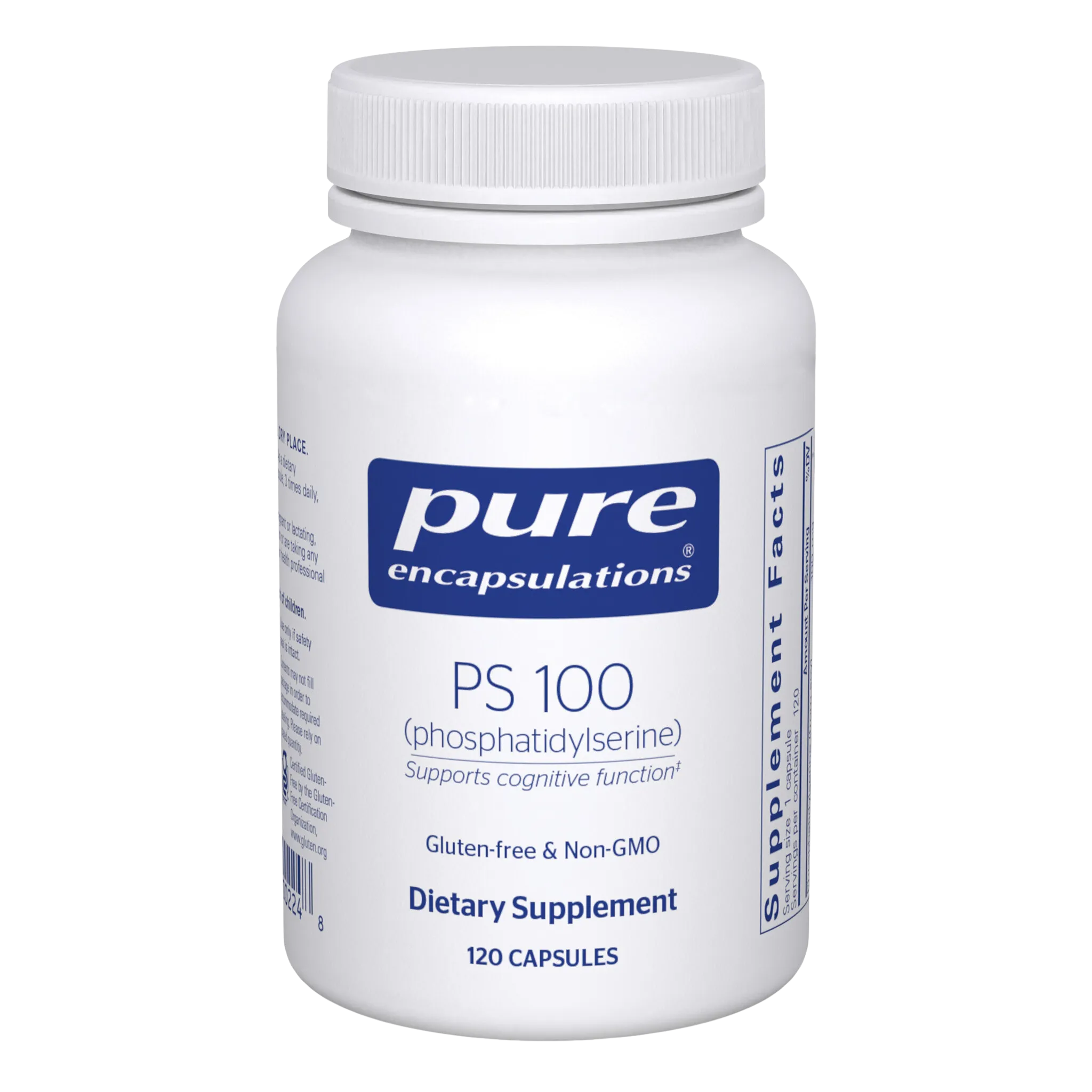
If you and your healthcare provider determine that structural brain support and cortisol modulation are appropriate goals for your recovery, Explore PS 100 (phosphatidylserine) to learn more about this targeted formulation. By providing your brain with the fundamental building blocks it needs to repair membranes and regulate signals, you are taking an active, validating step toward lifting the fog and reclaiming your cognitive clarity. For more insights on managing complex symptoms, explore our resources on Long COVID and Mental Health and Lifting Brain Fog with Guanfacine.
Sources
Phosphatidylserine in the Brain: Metabolism and Function (NIH PMC)
Phosphatidylserine, inflammation, and CNS diseases (Frontiers in Aging Neuroscience)
Soybean-Derived Phosphatidylserine Improves Memory Function of Elderly Japanese (NIH PMC)
Phosphatidylserine Evidence, Dosage, and Side Effects (Examine.com)
Possible Application of Melatonin in Long COVID (Biomolecules / NIH PMC)
Neuropathology and Neurological Manifestations in ME/CFS and Long COVID (Utrecht University)
Cognitive Vitality Report on Phosphatidylserine (Alzheimer's Drug Discovery Foundation)