Can Prostect™ Support Urinary and Prostate Health in Men with Long COVID?
March 6, 2026
ProstectProstate HealthLong COVID
Share:
Disclaimer: The information provided here is for educational purposes only and is not intended as medical advice. It should not be used to diagnose, treat, cure, or prevent any medical condition. Instead, use it as a starting point for discussion with your healthcare provider. Always consult with a qualified healthcare provider before starting any new medication, supplement, device, or making changes to your health regimen.
For men navigating the complex landscape of chronic illnesses like Long COVID, myalgic encephalomyelitis/chronic fatigue syndrome (ME/CFS), dysautonomia, and mast cell activation syndrome (MCAS), the daily reality often involves a bewildering array of systemic symptoms. While profound fatigue, brain fog, and cardiovascular irregularities frequently dominate the clinical conversation, there is another deeply impactful subset of symptoms that often remains hidden in the shadows: urinary and pelvic dysfunction. Conditions like Long COVID can trigger profound dysregulation across the autonomic nervous system and immune pathways, leading to sudden, severe lower urinary tract symptoms (LUTS), persistent pelvic discomfort, and an overactive bladder. Because these symptoms are highly stigmatized and frequently misdiagnosed as standard bacterial infections, many men suffer in silence, feeling isolated and frustrated by a lack of targeted medical answers.
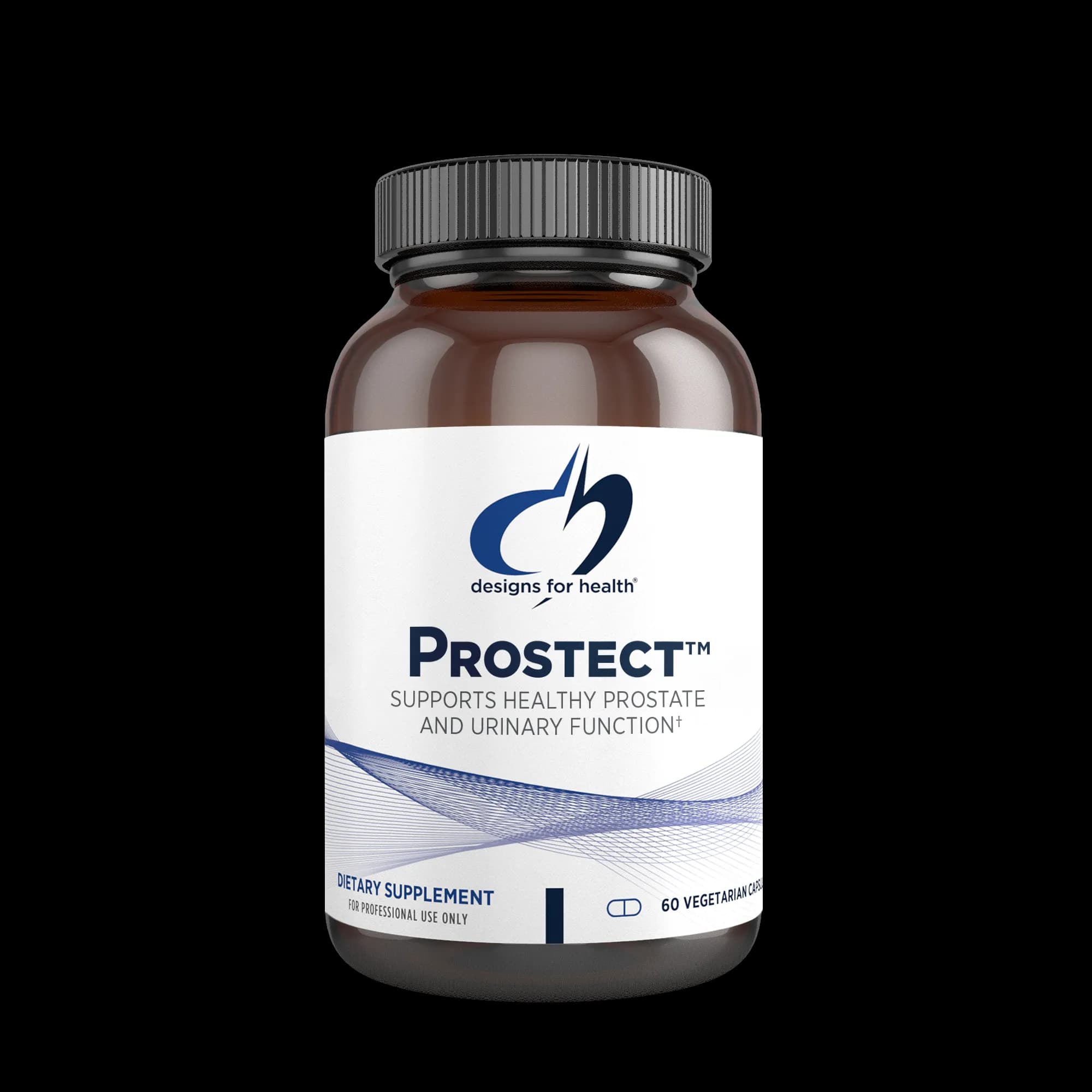
Enter Prostect™ by Designs for Health, a highly specialized nutraceutical formulated to support prostate health and healthy urinary function. Unlike classic prostate formulas that focus solely on altering hormonal pathways, Prostect™ utilizes a unique, synergistic blend of standardized cranberry extract, proprietary flower pollen extract, and standardized pomegranate concentrate. This innovative, DHT-independent approach is designed to target the root mechanisms of localized inflammation, oxidative stress, and urinary tract adhesion. By understanding the intricate biochemical pathways that govern our pelvic health, we can begin to unravel how targeted botanical interventions like Prostect™ might offer crucial support for men fighting the invisible battles of chronic, systemic illness.
TL;DR
Chronic illnesses like Long COVID and MCAS can trigger severe, hidden urinary and pelvic dysfunction in men.
Prostect™ is a DHT-independent botanical formula designed to support prostate health and urinary function.
Its blend of flower pollen, cranberry, and pomegranate extracts may help manage localized inflammation and oxidative stress.
Always consult your healthcare provider before adding new supplements to your complex chronic illness management plan.
What is Prostect™?
The Anatomy of a Comprehensive Prostate Formula
To truly appreciate how Prostect™ functions within the body, we must first examine the natural physiology of the prostate gland and the lower urinary tract. The prostate is a small, walnut-sized gland situated just below the bladder, surrounding the urethra. In a healthy male body, it plays a vital role in reproductive function by producing seminal fluid. However, because of its anatomical position, any inflammation, cellular proliferation, or oxidative damage within the prostate gland immediately impacts the urethra and bladder, leading to a cascade of lower urinary tract symptoms (LUTS). Prostect™ is designed to address these exact vulnerabilities by providing a multi-targeted defense system composed of three highly researched botanical extracts: flower pollen, cranberry, and pomegranate.
Each ingredient in this formulation is standardized, meaning it is extracted and processed to guarantee a specific, therapeutic concentration of its active biochemical compounds. This is a critical distinction in the world of nutraceuticals, where the efficacy of a plant-based medicine is entirely dependent on the bioavailability and density of its active molecules. The proprietary flower pollen extract (Graminex® G60® and GFX®) delivers a complex matrix of water-soluble amino acids and lipid-soluble phytosterols. The cranberry extract (Exocyan) is rigorously standardized to provide a high yield of A-type proanthocyanidins (PACs), while the pomegranate concentrate (Pomma+®) supplies a dense concentration of ellagitannins and polyphenols. Together, these compounds are designed to create a comprehensive shield for the genitourinary system.
The DHT-Independent Approach
One of the most defining characteristics of Prostect™ is its mechanism of action regarding hormonal balance. The vast majority of traditional prostate supplements on the market rely heavily on ingredients like saw palmetto or pygeum africanum. These classic botanicals function primarily as 5-alpha-reductase inhibitors. Their goal is to block the enzymatic conversion of testosterone into dihydrotestosterone (DHT), a highly potent androgen that drives the cellular proliferation associated with benign prostatic hyperplasia (BPH). While DHT inhibition is a valid and often necessary therapeutic route for many men with age-related prostate enlargement, it is not the only pathway to prostate dysfunction, nor is it universally appropriate for every patient.
Prostect™ deliberately takes a DHT-independent approach. It does not attempt to alter the body’s endogenous hormonal production or block the active form of testosterone. Instead, it focuses on supporting the local inflammatory microenvironment, neutralizing reactive oxygen species (ROS), and supporting the structural integrity of the urinary tract lining (the urothelium). This makes Prostect™ an exceptionally valuable tool for healthcare practitioners supporting men whose urinary and pelvic symptoms are driven by systemic immune dysregulation, autonomic neuropathy, or chronic viral persistence—such as those seen in Long COVID—rather than pure hormonal hypertrophy.
Synergistic Botanical Support
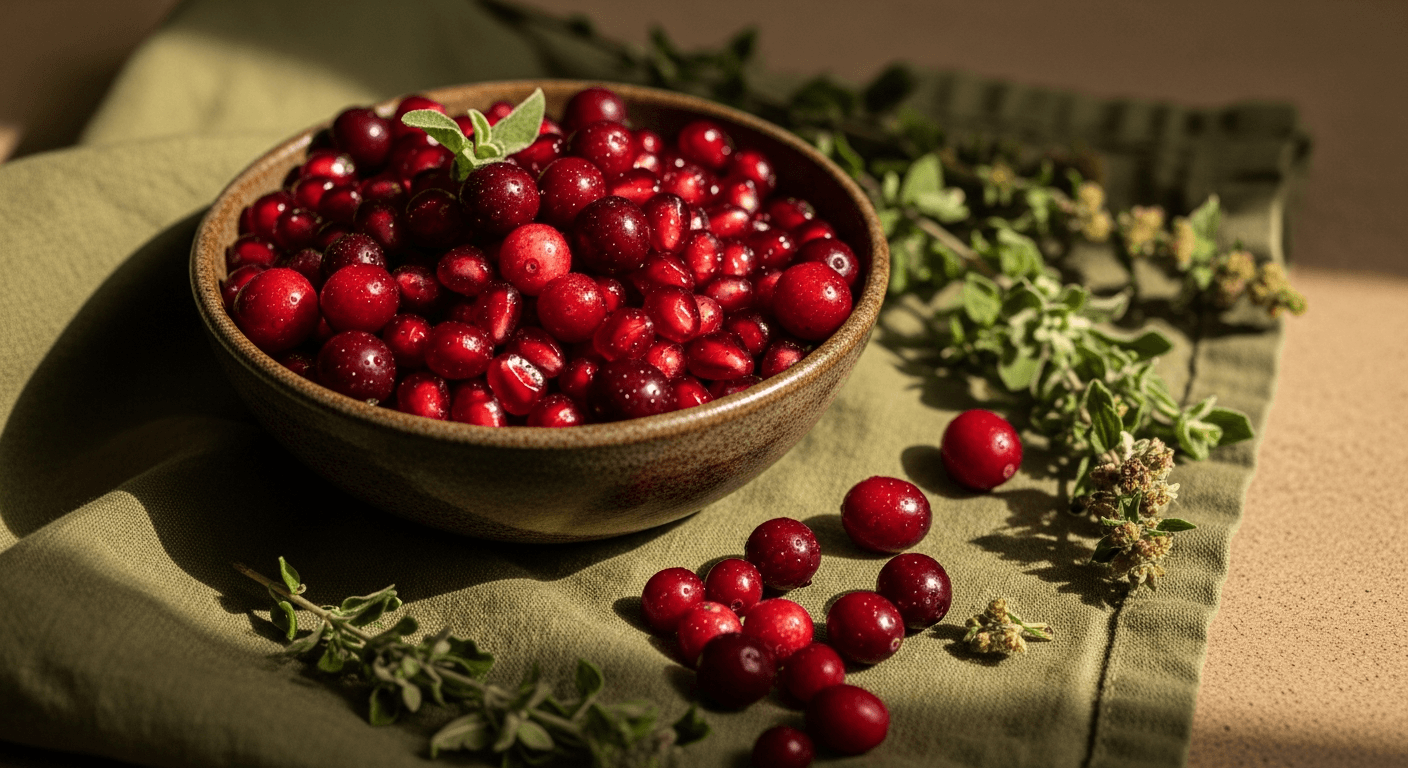
The true power of Prostect™ lies in the synergy of its three core ingredients. In pharmacology, synergy occurs when the combined effect of multiple compounds is greater than the sum of their individual effects. In the context of the lower urinary tract, the flower pollen extract acts to support healthy inflammation responses and smooth muscle relaxation, reducing the physical congestion and pressure within the pelvic floor. Simultaneously, the cranberry proanthocyanidins work at the mucosal surface of the bladder, discouraging opportunistic pathogens from adhering to the compromised tissue. Finally, the pomegranate polyphenols penetrate the cellular membranes of the prostate gland itself, delivering profound antioxidant support to the DNA and mitochondria.
This multi-layered defense strategy is particularly relevant for individuals managing complex chronic conditions. When the body is locked in a state of chronic illness, single-pathway interventions often fall short because the disease process is inherently multifaceted. By addressing tissue congestion, mucosal defense, and intracellular oxidative stress simultaneously, Prostect™ may provide a holistic foundation for genitourinary resilience. This comprehensive approach may help break the vicious cycles of localized inflammation and cellular damage that so often exacerbate the daily burden of chronic illness.
How Long COVID, Dysautonomia, and MCAS Impact the Urinary System
COVID-Associated Cystitis and the Cytokine Storm
To understand why a prostate and urinary support supplement is highly relevant for our patient population, we must explore the profound impact that viral infections and immune dysregulation have on the genitourinary system. Following a SARS-CoV-2 infection, many patients develop a multi-system illness where autonomic nerve dysfunction and immune system hyperactivation overlap. The virus itself binds to ACE2 receptors, which are not only abundant in the lungs and cardiovascular system but are also highly expressed in the kidneys and the urothelium—the specialized epithelial tissue lining the bladder and urinary tract. This direct viral binding can trigger a localized inflammatory response, leading to a condition urologists have termed COVID-19-Associated Cystitis (CAC).
CAC is characterized by the sudden onset of severe lower urinary tract symptoms, most notably extreme urinary frequency, intense urgency, and nocturia (waking multiple times at night to urinate), all occurring without any active bacterial infection. Urine studies of patients with CAC consistently reveal highly elevated levels of pro-inflammatory cytokines, including IL-6, IL-8, and IP-10. This localized "cytokine storm" disrupts the bladder's protective glycosaminoglycan (GAG) layer and sensitizes the underlying afferent nerve pathways. The result is intense detrusor (bladder muscle) overactivity and a constant, agonizing sensation of needing to void. For men already struggling to live with Long-Term COVID, this relentless disruption of sleep and daily comfort can be devastating to their overall recovery and quality of life.
Dysautonomia and the Autonomic Control of the Bladder
Beyond direct viral inflammation, the urinary system is heavily dependent on the Autonomic Nervous System (ANS) for proper function. The ANS acts as the subconscious control center for automatic bodily processes, including heart rate, digestion, and the complex coordination of bladder storage and emptying. Dysautonomia, a frequent and debilitating consequence of Long COVID and ME/CFS, represents a fundamental breakdown in this autonomic signaling. Postural Orthostatic Tachycardia Syndrome (POTS), one of the most common forms of dysautonomia, frequently leads to a condition known as neurogenic bladder or autonomic cystopathy.
Because the voiding reflex requires precise, synchronized communication between the sympathetic nervous system (which relaxes the bladder to store urine) and the parasympathetic nervous system (which contracts the bladder to empty it), autonomic neuropathy throws this delicate balance into chaos. Clinical studies have explicitly confirmed a significant association between autonomic dysfunction and overactive bladder (OAB), urinary hesitancy, and incomplete emptying. Furthermore, a common management strategy for POTS involves aggressive fluid and sodium intake to increase blood volume. Forcing large volumes of fluid puts immense mechanical strain on an already hypersensitive, neurologically dysregulated bladder, severely exacerbating urinary frequency and creating a highly frustrating management paradox for the patient.
Mast Cell Activation Syndrome (MCAS) and Pelvic Inflammation
The third pillar of chronic urinary dysfunction in complex illness involves Mast Cell Activation Syndrome (MCAS). Mast cells are the frontline sentinels of the immune system, packed with granules containing potent inflammatory mediators like histamine, tryptase, and prostaglandins. In MCAS, these cells become hyper-reactive, inappropriately degranulating in response to benign triggers. Crucially, the bladder wall and the prostate gland are incredibly rich in mast cells. When systemic MCAS is triggered—often a key factor when exploring what causes Long COVID—the mast cells within the genitourinary tract become hyperactivated.
Once activated, these localized mast cells release a flood of vasoactive and nociceptive (pain-causing) chemicals directly into the pelvic tissues. This causes widespread neuronal hyperexcitability, localized edema (swelling), and severe pelvic inflammation. The resulting clinical picture closely mimics Interstitial Cystitis (IC) or Bladder Pain Syndrome (BPS), manifesting as burning sensations, chronic pelvic ache, and relentless urinary urgency. Standard urine cultures will repeatedly return negative because the root cause is neuro-immune, not infectious. This chronic, mast-cell-driven inflammation creates a hostile environment in the prostate and bladder, highlighting the critical need for interventions that can modulate local tissue congestion and protect the mucosal lining.
Prostect™: Supporting Prostate and Urinary Function
Flower Pollen Extract and the Arachidonic Acid Cascade
The inclusion of proprietary flower pollen extract (Graminex® G60® and GFX®) in Prostect™ may provide multi-target support on the inflamed prostate and urinary tract. This standardized extract is derived from a specific, solvent-free blend of rye grass, corn, and timothy pollen. At the molecular level, research suggests its primary mechanism of action involves the inhibition of the arachidonic acid cascade. When tissues in the prostate or bladder are irritated—whether by viral remnants, mast cell degranulation, or autonomic dysfunction—cell membranes release arachidonic acid. This acid is then converted by specific enzymes into highly inflammatory signaling molecules.
Extensive pharmacological research demonstrates that flower pollen extract may block both the cyclo-oxygenase (COX) and 5-lipoxygenase (5-LOX) enzymes. By halting these enzymatic pathways, the extract may reduce the biosynthesis of inflammatory prostaglandins (like PGE2) and leukotrienes. This action may help reduce intraprostatic tissue edema (swelling) and glandular congestion. Furthermore, the extract has been shown to induce a dose-dependent decrease in pro-inflammatory cytokines, specifically Interleukin-1 beta (IL-1β), Interleukin-6 (IL-6), and Tumor Necrosis Factor-alpha (TNF-α). By cooling off this localized cytokine storm, the pollen extract may help normalize glandular function and relieve the physical pressure placed on the urethra.
Additionally, flower pollen extract has been shown to exhibit an anti-spasmodic effect on the smooth muscle tissues of the urethra and the bladder lining. In patients with autonomic neuropathy or MCAS-driven bladder spasms, the detrusor muscle frequently contracts involuntarily, causing intense urgency and pain. The relaxant properties of the pollen extract may help to soothe these hyperactive smooth muscles, thereby supporting urinary flow rate, aiding bladder clearance, and reducing the sensation of incomplete emptying.
Cranberry Proanthocyanidins (PACs) and Bacterial Anti-Adhesion
The second critical component of Prostect™ is Exocyan, a highly standardized cranberry extract. For decades, it was incorrectly assumed that cranberries supported urinary health by acidifying the urine. However, modern biochemistry has revealed a far more sophisticated mechanism: bacterial anti-adhesion. Cranberries are unique in the botanical world because they contain a dense concentration of A-type proanthocyanidins (PACs). These specific molecules feature a rare double interflavanic linkage that is not found in the B-type PACs of other fruits like grapes or apples.
To establish an infection or cause persistent irritation, opportunistic bacteria—most notably Uropathogenic Escherichia coli (UPEC)—must first anchor themselves to the uroepithelial cells lining the bladder. They do this using hair-like appendages called P-fimbriae, which act like molecular hooks that bind specifically to the α-D-Galactopyranosyl receptors on the surface of human bladder cells. Clinical studies confirm that the A-type PACs from cranberry extract act as highly effective receptor analogues. Research suggests they bind directly to the tips of the bacterial P-fimbriae, helping to physically block them from attaching to the bladder wall.
Because the bacteria's ability to anchor is hindered, they may be flushed out of the body during normal urination. For patients with Long COVID or dysautonomia, whose immune systems are already exhausted and whose bladder linings may be inflamed from mast cell activity, this non-antibiotic, physical defense mechanism is invaluable. It may help guard against secondary opportunistic infections from taking hold in an already vulnerable genitourinary tract, breaking the cycle of recurrent urinary distress.
Pomegranate Polyphenols, Urolithin A, and Oxidative Stress
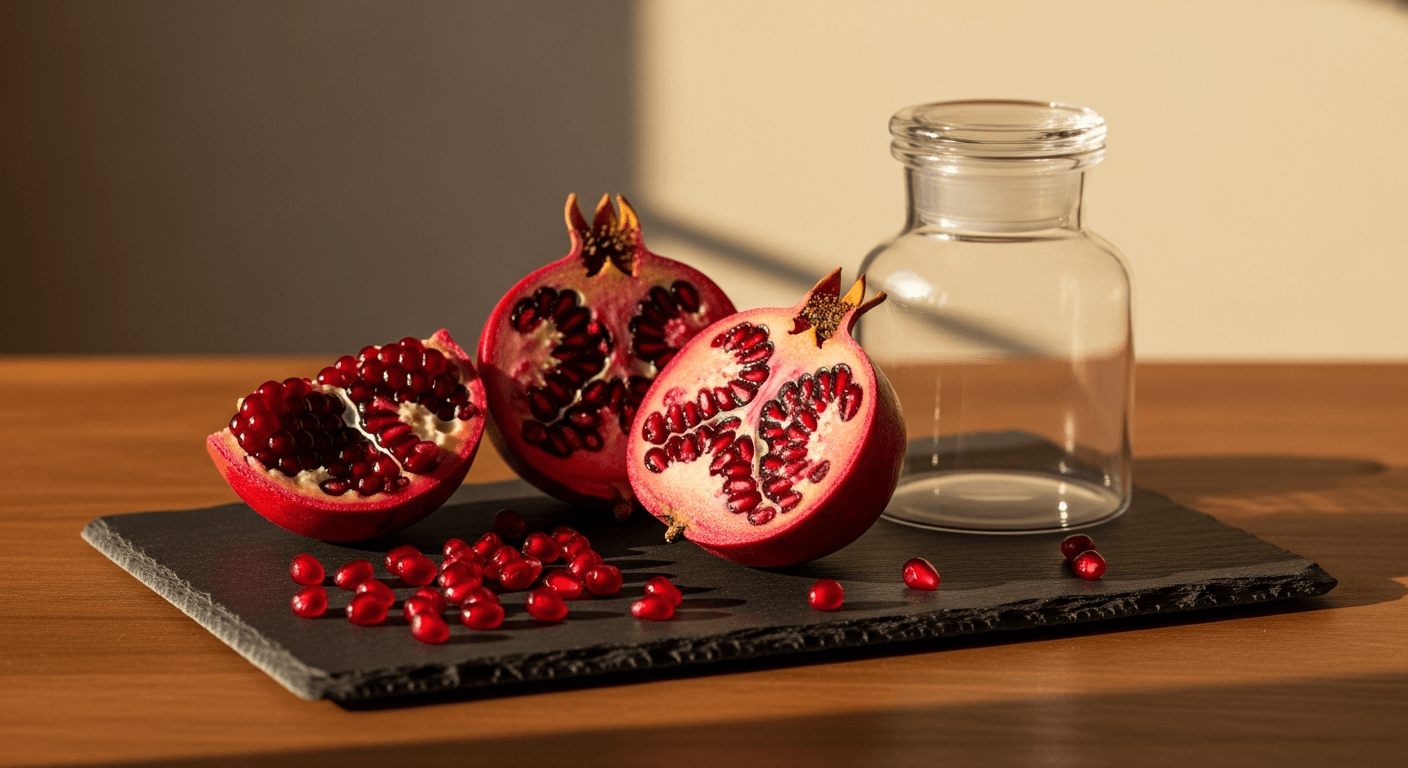
The final pillar of the Prostect™ formula is Pomma+®, a standardized pomegranate polyphenol extract. Chronic illness is universally characterized by severe oxidative stress—an imbalance between tissue-damaging free radicals (Reactive Oxygen Species) and the body's endogenous antioxidant defenses. In the prostate gland, unchecked oxidative stress causes cellular DNA damage, accelerates tissue aging, and drives chronic, low-grade inflammation. Pomegranate extract is exceptionally rich in complex polyphenols known as ellagitannins, specifically punicalagins, which are among the most potent natural antioxidants discovered.
The true magic of pomegranate polyphenols occurs during digestion. When consumed, the gut microbiome metabolizes these ellagitannins into highly bioavailable compounds called urolithins, primarily Urolithin A (UA). Urolithin A actively circulates in the bloodstream and has been shown to preferentially accumulate in human prostate tissue. Once inside the prostate cells, UA exerts profound protective effects. It has been shown to lower the levels of 8-OHdG (8-hydroxy-2'-deoxyguanosine), a primary biomarker for oxidative DNA damage. By helping to neutralize these reactive oxygen species at the intracellular level, pomegranate polyphenols may protect the structural integrity of the prostate gland.
Furthermore, Urolithin A plays a critical role in mitochondrial health through a process called mitophagy—the clearing out of damaged, dysfunctional mitochondria. In conditions like ME/CFS and Long COVID, mitochondrial dysfunction is a core driver of profound fatigue and cellular exhaustion. By supporting the recycling of damaged mitochondria within the pelvic tissues, the pomegranate extract in Prostect™ may help restore localized cellular energy production, further aiding in the repair and maintenance of a healthy genitourinary system.
Symptoms Prostect™ May Help Manage
Lower Urinary Tract Symptoms (LUTS)
Urinary Frequency and Urgency: By relaxing the smooth muscle of the bladder and reducing localized cytokine-driven inflammation, the flower pollen extract may help calm the hyperactive voiding reflexes often triggered by autonomic neuropathy or COVID-Associated Cystitis.
Nocturia (Nighttime Waking): The anti-spasmodic properties of the formula may help increase functional bladder capacity, allowing patients to sleep for longer, uninterrupted stretches without the agonizing need to void, which is crucial for overall recovery.
Incomplete Bladder Emptying: By reducing the physical edema (swelling) of the prostate gland via COX and 5-LOX inhibition, Prostect™ may relieve pressure on the urethra, promoting a stronger, more complete urinary flow and reducing the sensation of residual urine.
Pelvic Discomfort and Inflammation
Chronic Pelvic Ache: The potent anti-inflammatory action of the Graminex pollen extract may suppress the synthesis of pain-causing prostaglandins (PGE2) in the pelvic tissues, offering potential relief from the deep, persistent ache often associated with chronic pelvic pain syndromes.
Mast Cell-Driven Bladder Burning: While not a direct mast cell stabilizer, the comprehensive reduction in localized oxidative stress and the soothing of the mucosal lining can help mitigate the intense burning sensations caused by mast cell degranulation in the bladder wall.
Recurrent Opportunistic Irritation: The high concentration of A-type PACs from the cranberry extract may physically block uropathogenic bacteria from adhering to the compromised urothelium, helping to discourage secondary infections from exacerbating existing pelvic inflammation.
Oxidative Stress and Cellular Aging
Prostate Cellular Damage: The dense concentration of ellagitannins and resulting Urolithin A from the pomegranate extract has been shown to accumulate in prostate tissue, helping to neutralize reactive oxygen species and lower markers of DNA damage like 8-OHdG.
Localized Mitochondrial Dysfunction: By promoting mitophagy (the clearance of damaged mitochondria), Urolithin A may support healthier cellular energy production within the prostate and pelvic floor muscles, aiding in tissue repair and resilience.
Systemic Antioxidant Depletion: Chronic illness severely depletes the body's natural antioxidant reserves. The synergistic blend of polyphenols in Prostect™ may provide a robust, exogenous source of free-radical scavengers to help restore cellular balance.
Practical Considerations: Forms, Dosing, and Absorption
Bioavailability and the Gut Microbiome Connection
When integrating a complex botanical formula like Prostect™ into a clinical management plan, understanding bioavailability is paramount. The efficacy of the pomegranate extract (Pomma+®), in particular, is deeply intertwined with the health of the gastrointestinal tract. As previously discussed, the primary active metabolites of pomegranate—urolithins—are not present in the plant itself. Instead, the large, complex ellagitannins must be broken down and converted into Urolithin A by specific strains of bacteria residing in the human gut microbiome.
This metabolic conversion highlights a crucial consideration for patients with Long COVID, ME/CFS, or MCAS, who frequently suffer from severe gut dysbiosis or have a history of extensive antibiotic use. If the microbiome lacks the necessary bacterial diversity to efficiently metabolize ellagitannins, the systemic antioxidant benefits of the pomegranate extract may be blunted. Therefore, healthcare practitioners often recommend pairing polyphenol-rich supplements like Prostect™ with a robust, diverse probiotic protocol or a diet rich in prebiotic fibers to ensure the gut environment is primed to unlock the full therapeutic potential of the botanical extracts.
Optimal Dosing and Timing for 24-Hour Protection
The suggested use for Prostect™ is two capsules per day, ideally taken with a meal. This dosing strategy is not arbitrary; it is rooted in the pharmacokinetics of the active ingredients, particularly the cranberry proanthocyanidins (PACs). Clinical studies evaluating the anti-adhesion effect of cranberry extracts have demonstrated that the active metabolites are cleared from the urinary tract over a period of 10 to 12 hours. Therefore, to maintain a continuous, 24-hour shield against bacterial adhesion and mucosal irritation, it is highly recommended to split the dosage—taking one capsule in the morning and one capsule in the evening.
Taking the capsules with food serves two important purposes. First, the proprietary flower pollen extract contains a lipid-soluble (fat-soluble) fraction rich in phytosterols. Consuming the supplement alongside a meal that contains healthy dietary fats significantly enhances the intestinal absorption of these crucial anti-inflammatory lipids. Second, for patients with sensitive stomachs or MCAS-driven gastrointestinal hyper-reactivity, taking concentrated botanical extracts on an empty stomach can occasionally cause mild nausea or dyspepsia. Food acts as a buffer, which may help ensure smooth digestion and optimal tolerability.
Safety, Tolerability, and Potential Interactions
Prostect™ is generally exceptionally well-tolerated, largely because it avoids the hormonal manipulation associated with traditional DHT-blocking supplements like saw palmetto. This makes it a safer, more predictable option for men whose primary issues are inflammatory or autonomic rather than purely hypertrophic. The formula does not contain major allergens, and the extraction processes used for the Graminex pollen ensure that the allergenic outer shell of the pollen grain is removed, drastically reducing the risk of allergic reactions even in patients with seasonal pollen allergies.
However, as with any potent nutraceutical, there are practical considerations regarding drug interactions. Pomegranate extract is known to mildly inhibit certain cytochrome P450 enzymes in the liver, particularly CYP3A4, which is responsible for metabolizing a wide variety of prescription medications, including certain statins, blood pressure drugs, and anti-arrhythmics. While the effect is generally less pronounced than that of grapefruit juice, patients on narrow-therapeutic-index medications should consult their healthcare provider before initiating high-dose pomegranate supplementation. Additionally, while cranberry extract is safe, patients with a history of calcium oxalate kidney stones should monitor their intake, as high doses of cranberry concentrates can sometimes increase urinary oxalate excretion.
Follow the Science
Clinical Efficacy of Flower Pollen Extract in LUTS
The scientific foundation supporting the use of flower pollen extract for lower urinary tract symptoms (LUTS) and prostate health is remarkably robust, spanning decades of clinical research. A comprehensive 2017 meta-analysis published in BMC Urology evaluated ten clinical trials encompassing nearly 600 patients suffering from chronic pelvic pain syndrome and non-bacterial prostatitis. The researchers found that the pollen extract significantly improved Quality of Life (QoL) scores and drastically lowered the National Institutes of Health Chronic Prostatitis Symptom Index (NIH-CPSI) pain scores. The mean response rate across the non-controlled studies was an overwhelming 83.6%, suggesting efficacy in reducing pelvic ache and urinary frequency without the severe side effects often associated with pharmaceutical alpha-blockers.
Furthermore, double-blind, placebo-controlled trials have shown improvements in standard LUTS metrics. In a landmark study by Becker et al., 96 subjects given pollen extract for 12 weeks experienced dramatic relief. Nocturia (nighttime urination) improved in 68.8% of the patients on the extract, compared to just 37.2% on the placebo. Even more strikingly, 37.1% of the patients reported total freedom from the agonizing sensation of residual urine, compared to a mere 7.7% in the placebo group. These clinical outcomes support the extract's anti-inflammatory and smooth-muscle relaxing mechanisms.
The Cochrane Review on Cranberry Prophylaxis
The medical consensus regarding cranberry extract has evolved significantly, moving from anecdotal folklore to rigorous, evidence-based prophylaxis. The definitive authority on this topic is the 2023 update of the Cochrane Review, a massive systematic analysis evaluating 50 randomized controlled trials involving 8,857 participants. The review concluded that standardized cranberry products may reduce the risk of symptomatic, culture-verified urinary tract infections, particularly in populations susceptible to recurrent issues. The data showed a measurable risk reduction of approximately 26% to 30%.
Crucially, clinical trials like the PACCANN study have suggested that this anti-adhesion effect is strictly dose-dependent. Researchers found that an "optimal dose" of 36 mg to 72 mg of A-type PACs daily is required to maintain the physical blockade of bacterial P-fimbriae in the bladder. Urine samples collected from patients in these trials showed significant, linear anti-adhesion activity starting at these specific concentrations, extending the bacterial neutralization effect in the urine for up to 24 hours when the dosage was split twice daily. This precise pharmacokinetic data underscores the necessity of using standardized extracts like Exocyan rather than generic cranberry juices.
Pomegranate Trials and the MnSOD Genotype
The clinical investigation into pomegranate polyphenols has yielded fascinating insights into personalized medicine and oxidative stress. Early Phase II trials generated massive optimism when researchers found that daily consumption of pomegranate extract was associated with lengthened Prostate-Specific Antigen Doubling Time (PSADT) in men with rising PSA levels—extending the doubling time from 15 months to 54 months. While subsequent, larger Phase III placebo-controlled trials showed more modest results for the general population, they uncovered a critical genetic nuance.
A rigorous pre-planned subset analysis revealed that the extract's efficacy is highly dependent on the patient's endogenous antioxidant genetics. Men who possess the specific Manganese Superoxide Dismutase (MnSOD) AA genotype experienced a statistically significant, profound response to the pomegranate extract, suggesting that the polyphenols may act as an exogenous rescue mechanism for individuals genetically predisposed to high oxidative stress. Furthermore, neoadjuvant tissue trials have shown that Urolithin A accumulates in the human prostate gland post-consumption, lowering 8-OHdG markers and supporting its targeted intracellular antioxidant capacity.
The Path Forward
Validating the Invisible Struggle of Pelvic Symptoms
Living with a complex chronic illness is an exercise in profound endurance. When conditions like Long COVID, ME/CFS, or dysautonomia trigger severe, unpredictable urinary and pelvic symptoms, the emotional and physical toll can be overwhelming. It is deeply frustrating to navigate a medical system that frequently dismisses these symptoms as simple infections or anxiety, failing to recognize the intricate web of autonomic neuropathy, mast cell hyperactivation, and localized cytokine storms. If you are struggling with relentless urinary urgency, chronic pelvic ache, or the disruptive exhaustion of nocturia, your experience is valid, and the physiological mechanisms driving your discomfort are real and documented.
Understanding that these symptoms are rooted in systemic inflammation and oxidative stress—rather than isolated organ failure—opens the door to more targeted, compassionate management strategies. You do not have to accept chronic pelvic pain or severe urinary frequency as an inevitable, unmanageable consequence of your illness. By addressing the specific biochemical pathways of tissue congestion and mucosal vulnerability, it is possible to reclaim a sense of stability and comfort in your daily life.
Integrating Supplements into a Broader Strategy
While Prostect™ offers a highly sophisticated, multi-targeted approach to genitourinary health, it is important to remember that no single supplement is a standalone answer for complex chronic conditions. True healing and symptom management require a comprehensive, integrative approach. Prostect™ is designed to be a powerful tool within a broader therapeutic toolkit. Its ability to modulate the arachidonic acid cascade, discourage bacterial adhesion, and neutralize intracellular oxidative stress works best when combined with foundational management strategies like aggressive pacing, dietary modifications to support the gut microbiome, and targeted management strategies for underlying dysautonomia or MCAS.
For instance, if your urinary symptoms are heavily driven by mast cell activation, combining the structural and anti-inflammatory support of Prostect™ with a low-histamine diet and specific mast cell stabilizers may yield the most profound relief. Similarly, if autonomic neuropathy is the primary driver, coordinating your fluid intake strategies with your healthcare provider while utilizing Prostect™ to soothe the hyperactive detrusor muscle can help break the cycle of overactive bladder. Always track your symptoms meticulously to understand how your body responds to new interventions over time.
Taking the Next Step
If you are navigating the complex intersection of systemic chronic illness and debilitating urinary or prostate symptoms, Prostect™ may offer the targeted, DHT-independent support your body needs to restore localized balance. By harnessing the synergistic power of standardized flower pollen, cranberry, and pomegranate extracts, this formulation is designed to address the root causes of pelvic congestion, mucosal vulnerability, and oxidative damage.
As always, please consult with your healthcare provider before introducing any new supplement into your regimen, especially if you are taking prescription medications or managing multiple overlapping diagnoses. Together with your medical team, you can determine if this comprehensive botanical approach is the right fit for your unique physiological needs.
Sources
Cranberries for preventing urinary tract infections. Cochrane Database of Systematic Reviews (2023).
Dose-dependent anti-adhesion activity of cranberry proanthocyanidins in human urine.
Unveiling the potential of Urolithin A in Cancer Therapy. Nanotheranostics (2024).
Lower urinary tract symptoms in females with postural tachycardia syndrome.
Mast cell activation disease and the modern epidemic of chronic inflammatory disease.
Immunological dysfunction and mast cell activation syndrome in long COVID.