Can Prostatrol Forte Help Manage Urinary Symptoms in Long COVID and Dysautonomia?
March 6, 2026
Prostatrol ForteSaw PalmettoLong COVID
Share:
Disclaimer: The information provided here is for educational purposes only and is not intended as medical advice. It should not be used to diagnose, treat, cure, or prevent any medical condition. Instead, use it as a starting point for discussion with your healthcare provider. Always consult with a qualified healthcare provider before starting any new medication, supplement, device, or making changes to your health regimen.
For many men navigating the complex landscape of chronic illnesses like Long COVID, myalgic encephalomyelitis/chronic fatigue syndrome (ME/CFS), and dysautonomia, the emergence of new, uncomfortable symptoms can feel relentless. Among the most frustrating and least discussed of these complications are lower urinary tract symptoms (LUTS) and pelvic pain. Whether it is waking up multiple times a night to urinate, experiencing a sudden, urgent need to go, or dealing with a weak and hesitant stream, these genitourinary issues can severely disrupt sleep and diminish overall quality of life. Often, these symptoms are brushed off as standard signs of aging, but recent clinical research reveals a profound connection between post-viral systemic inflammation, autonomic nervous system dysfunction, and prostate health.
When the body is locked in a state of chronic immune activation or autonomic dysregulation, the prostate gland and the bladder are highly vulnerable targets. This is where targeted nutritional support becomes a valuable tool in a comprehensive management plan. Prostatrol Forte is a specialized formulation designed to address the hormonal, inflammatory, and anatomical factors that drive prostate enlargement and urinary dysfunction. By combining synergistic botanicals and highly bioavailable trace minerals, this supplement aims to restore balance to the genitourinary system. In this article, we will explore the intricate biological mechanisms behind Prostatrol Forte, how chronic illness impacts prostate health, and what the latest clinical science says about its key ingredients.
TL;DR
Prostatrol Forte uses botanicals and minerals to support prostate health and urinary function.
Chronic conditions like Long COVID can exacerbate lower urinary tract symptoms and pelvic discomfort.
Ingredients like Saw Palmetto and Pygeum may help manage urinary frequency and nighttime waking.
Always consult your healthcare provider to tailor a comprehensive plan for genitourinary symptoms.
What is Prostatrol Forte?
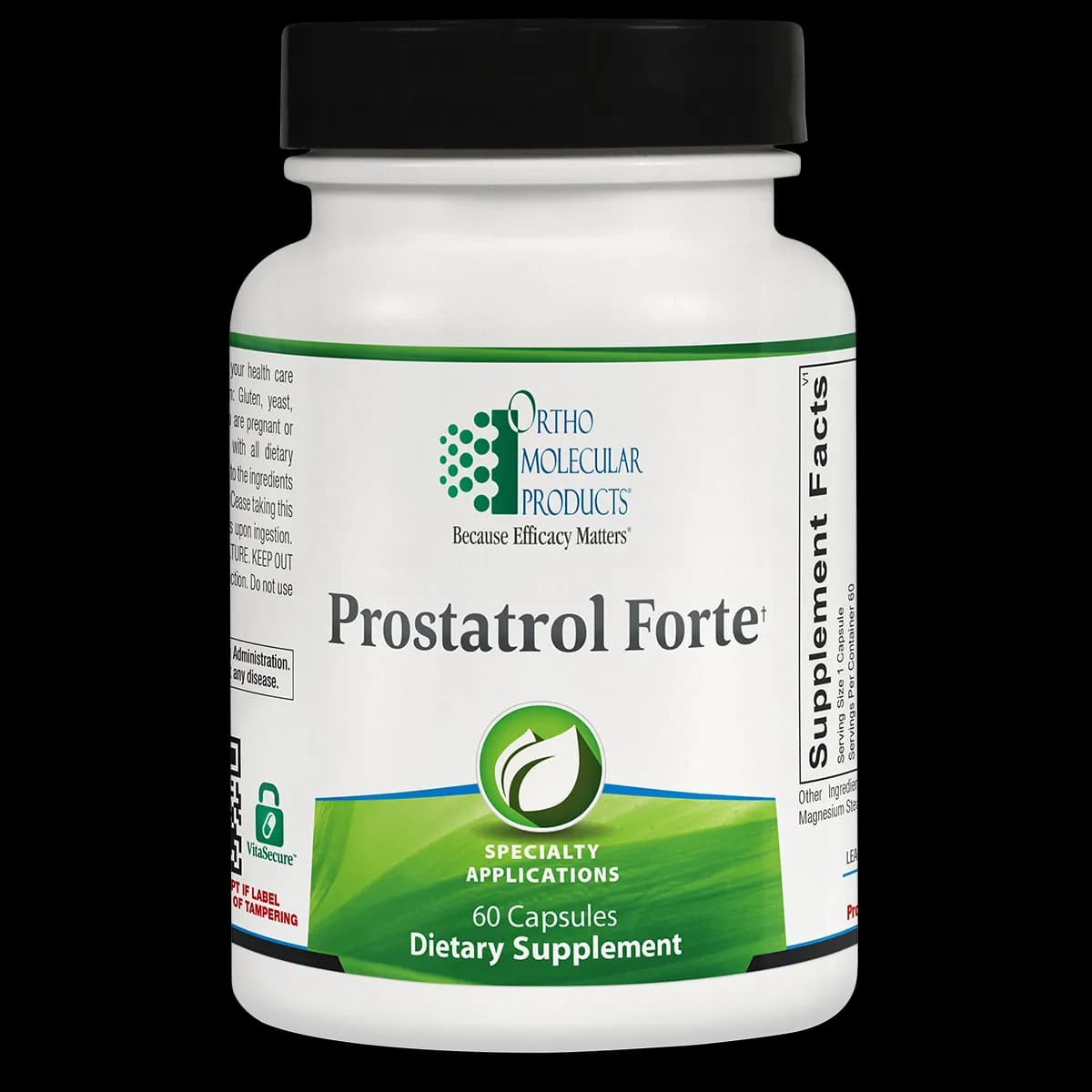
Prostatrol Forte is a comprehensive, physician-formulated supplement created by Ortho Molecular Products. It is specifically designed to support prostate health, maintain a balanced cycle of inflammation within the pelvic region, and promote healthy urinary flow and frequency. Rather than relying on a single mechanism of action, this formulation utilizes a synergistic blend of standardized botanical extracts and essential trace minerals to target the multiple biochemical pathways involved in prostate enlargement and lower urinary tract symptoms (LUTS). The core ingredients include Saw Palmetto berry extract, Stinging Nettles root extract, Pygeum bark extract, alongside highly bioavailable chelated forms of Zinc, Selenium, and Copper.
To understand how Prostatrol Forte works, we must first look at the natural function of these compounds and the biological systems they influence. In a healthy male body, the prostate gland—a walnut-sized organ surrounding the urethra—relies on a delicate balance of hormones, specifically testosterone, dihydrotestosterone (DHT), and estrogen. As men age, or as the body experiences chronic physiological stress, this hormonal balance often shifts, leading to benign prostatic hyperplasia (BPH), or the non-cancerous enlargement of the prostate gland. The ingredients in Prostatrol Forte are specifically chosen for their ability to modulate the enzymes responsible for these hormonal shifts, while simultaneously providing robust antioxidant and anti-inflammatory support directly to the prostate tissue.
The Role of Essential Trace Minerals
The prostate gland naturally accumulates the highest concentration of zinc of any soft tissue in the human body. This high concentration is strictly required for the prostate to function properly. In a healthy state, zinc inhibits the enzyme mitochondrial aconitase, which forces the prostate cells to accumulate and secrete citrate rather than burning it for energy via the Krebs cycle. This unique metabolic state is essential for producing healthy prostatic fluid. Furthermore, zinc acts as a natural modulator of testosterone metabolism and exhibits direct anti-inflammatory properties by blocking pro-inflammatory cytokines that contribute to chronic prostatitis (prostate inflammation). Prostatrol Forte includes 8 mg of zinc as TRAACS® Zinc Bisglycinate Chelate, a highly bioavailable form designed for optimal cellular uptake.
Alongside zinc, the formula includes 50 mcg of selenium (as a Selenium Glycinate Complex) and 0.5 mg of copper (as TRAACS® Copper Bisglycinate Chelate). Selenium is a potent non-metallic trace element that is incorporated into selenoproteins, such as glutathione peroxidase and thioredoxin reductase. These proteins are critical for maintaining cellular redox balance, neutralizing reactive oxygen species (ROS), and protecting cellular DNA from oxidative stress. Copper is included in the formulation primarily to help avoid zinc-induced copper depletion, as long-term zinc supplementation can sometimes interfere with copper absorption in the gastrointestinal tract. Together, these trace minerals create a foundational antioxidant defense system for the prostate.
The Power of Standardized Botanicals
The botanical components of Prostatrol Forte are where the targeted hormonal modulation occurs. Saw Palmetto (Serenoa repens) is derived from the berries of the American dwarf palm tree. It is rich in a complex mixture of free fatty acids (such as lauric, oleic, and myristic acids) and phytosterols. In traditional and modern herbal medicine, it is the most widely consumed dietary supplement for managing BPH. Its primary biological function is to interact with the androgen pathway, specifically targeting the enzymes that convert testosterone into more potent, prostate-enlarging metabolites. Prostatrol Forte utilizes a standardized extract containing 45% fatty acids to ensure clinical potency.
Stinging Nettles root extract (Urtica dioica) and Pygeum bark extract (Prunus africana) complement the action of Saw Palmetto. Stinging nettle root is rich in lignans and lipophilic constituents that interact with sex hormone-binding globulin (SHBG) and aromatase enzymes. Pygeum, an evergreen tree native to Sub-Saharan Africa, provides bark extract that is loaded with pentacyclic triterpenes and ferulic acid esters. These compounds have been used for decades in European phytotherapy to reduce pelvic edema (swelling) and inhibit the localized accumulation of cholesterol and inflammatory prostaglandins within the prostate gland. By combining these three botanicals, Prostatrol Forte offers a multi-faceted approach to genitourinary health.
How Long COVID and Dysautonomia Impact the Genitourinary System
While lower urinary tract symptoms (LUTS) and prostate enlargement are commonly associated with normal aging, patients with complex chronic conditions like Long COVID, myalgic encephalomyelitis/chronic fatigue syndrome (ME/CFS), and dysautonomia often experience a rapid onset or severe exacerbation of these issues. The connection between a systemic post-viral illness and the genitourinary system might seem distant at first glance, but recent clinical research has illuminated the profound physiological overlap. The autonomic nervous system, immune regulation, and endothelial health are all deeply intertwined with proper bladder and prostate function. When these systems are disrupted by chronic illness, the pelvic region becomes highly susceptible to dysfunction and inflammation.
Viral Tropism and Direct Prostate Infection
One of the most significant discoveries regarding Long COVID and men's health is the concept of viral tropism—the ability of a virus to specifically target and infect certain tissues. The SARS-CoV-2 virus enters human cells by binding to Angiotensin-Converting Enzyme 2 (ACE2) receptors, utilizing the transmembrane protease serine 2 (TMPRSS2) to facilitate entry. The prostate gland and the testes possess an exceptionally high abundance of both ACE2 and TMPRSS2 receptors. This direct viral invasion can trigger profound localized pathology.
When the virus binds to ACE2 receptors in the prostate, it causes a downregulation of these receptors, which disrupts the local renin-angiotensin system. This disruption triggers a massive inflammatory cascade, leading to what researchers now call COVID-19-Associated Cystitis (CAC) or post-viral prostatitis. This acute and chronic inflammation accelerates the proliferation of prostate tissue, severely worsening pre-existing benign prostatic hyperplasia (BPH).
Dysautonomia and Bladder Dysfunction
Beyond direct viral infection, the neurological impact of chronic illness plays a massive role in urinary symptoms. The autonomic nervous system (ANS) is responsible for the complex, unconscious coordination of bladder storage and voiding. It controls the detrusor muscle (the muscle of the bladder wall) and the internal urethral sphincter. Dysautonomia, a hallmark complication of Long COVID and ME/CFS, occurs when the ANS malfunctions. Conditions like Postural Orthostatic Tachycardia Syndrome (POTS) and Small Fiber Neuropathy (SFN) frequently cause the neurological signaling to the bladder to misfire. This can manifest as an overactive bladder (OAB), where the detrusor muscle spasms inappropriately, causing sudden urgency and frequent nighttime urination (nocturia).
Conversely, autonomic neuropathy can also lead to bladder neck obstruction (BNO) or a hypotonic (underactive) bladder. In these cases, the internal sphincter fails to relax properly when the patient attempts to urinate. This leads to hesitancy, a weak or interrupted urine stream, and a persistent feeling of incomplete emptying. The International Continence Society notes that up to 85% of people with small fiber neuropathy experience autonomic dysfunction, with a significant portion suffering from severe urinary symptoms. When you combine this neurological misfiring with a physically enlarged or inflamed prostate gland, the resulting lower urinary tract symptoms can become debilitating, significantly impacting a patient's ability to rest, recover, and participate in daily life.
Systemic Inflammation and Hormonal Disruption
Finally, the systemic inflammation characteristic of Long COVID and mast cell activation syndrome (MCAS) creates a hostile environment for the prostate. Chronic immune activation leads to the continuous release of pro-inflammatory cytokines, such as interleukin-6 (IL-6) and tumor necrosis factor-alpha (TNF-α). These circulating inflammatory markers can infiltrate the pelvic region, exacerbating localized swelling and tissue edema. Furthermore, chronic physiological stress can alter hormone metabolism. Stress-induced changes in cortisol and DHEA can indirectly influence the delicate balance of testosterone, DHT, and estrogen, further driving the cellular proliferation that causes the prostate gland to enlarge and compress the urethra.
Prostatrol Forte: Supporting Prostate Health and Urinary Function
Prostatrol Forte is engineered to intervene in the complex web of hormonal imbalances, localized inflammation, and cellular proliferation that drives prostate enlargement and lower urinary tract symptoms. By utilizing a multi-target approach, the supplement addresses the root biochemical causes of genitourinary dysfunction rather than merely masking the symptoms. The combination of Saw Palmetto, Stinging Nettles, Pygeum, and essential trace minerals works synergistically to modulate enzyme activity, reduce oxidative stress, and relax the smooth muscle tissue of the pelvic region. Let us explore the specific, molecular mechanisms through which these ingredients exert their therapeutic effects.
Inhibiting 5-Alpha Reductase and DHT Production
The most critical mechanism of action in Prostatrol Forte is its ability to regulate dihydrotestosterone (DHT). In the human body, the enzyme 5-alpha-reductase converts standard testosterone into DHT. DHT is a highly potent androgen that binds to androgen receptors in the nucleus of prostate cells with much greater affinity than testosterone. Once bound, it triggers gene transcription that leads to the rapid proliferation and enlargement of prostate tissue (hyperplasia). The free fatty acids found in the Saw Palmetto extract—particularly lauric acid—act as potent, natural inhibitors of both Type 1 and Type 2 5-alpha-reductase enzymes. By blocking this conversion, Saw Palmetto helps halt the primary hormonal driver of prostate growth.
Unlike pharmaceutical 5-alpha-reductase inhibitors (such as finasteride) that drastically lower circulating blood levels of DHT and often cause systemic side effects, in vitro studies suggest that Saw Palmetto not only stops the creation of DHT but also reduces the tissue uptake of existing DHT and inhibits it from binding to the cellular androgen receptors. The Zinc in Prostatrol Forte further supports this pathway, as high intraprostatic zinc levels also naturally inhibit 5-alpha-reductase activity.
Aromatase Inhibition and Estrogen Regulation
While DHT is a primary culprit, estrogen also plays a significant role in prostate enlargement, particularly as men age. The enzyme aromatase is responsible for converting testosterone into 17-beta-estradiol (an estrogen). Elevated estrogen levels in the male body can stimulate the proliferation of prostate stromal cells and increase the sensitivity of the prostate to DHT. This is where the Stinging Nettles root extract becomes vital. Research indicates that the lipophilic constituents and lignans in stinging nettle root actively inhibit the aromatase enzyme in a time- and dose-dependent manner. Some studies even suggest it may suppress aromatase gene expression entirely, thereby interfering with the excessive conversion of testosterone into estrogens.
Additionally, the lignans in stinging nettle root interfere with the binding of androgens to Sex Hormone Binding Globulin (SHBG). By preventing DHT and testosterone from attaching to SHBG, the nettle extract limits the transport and binding of these hormones to prostate membrane receptors. This dual action—inhibiting aromatase and modulating SHBG—makes stinging nettle a powerful tool for restoring hormonal balance. When combined with Saw Palmetto, the aromatase-inhibiting and 5-alpha-reductase-inhibiting effects are moderately to highly enhanced, demonstrating the synergistic power of the Prostatrol Forte formulation.
Anti-Inflammatory and Anti-Edema Effects
Chronic inflammation is a major driver of both BPH and post-viral prostatitis seen in Long COVID patients. The Pygeum bark extract in Prostatrol Forte is specifically included for its potent anti-inflammatory properties. Pygeum contains phytosterols (such as beta-sitosterol) that inhibit 5-lipoxygenase (5-LO), an enzyme responsible for producing pro-inflammatory leukotrienes. It also contains pentacyclic triterpenes (like ursolic and oleanolic acids) that provide anti-edema (anti-swelling) effects, helping to reduce the physical swelling of the prostate gland that compresses the urethra. By reducing localized inflammation, Pygeum helps alleviate the irritative symptoms of LUTS, such as urinary urgency and pelvic pain.
The anti-inflammatory action of Pygeum is supported by the trace minerals in the formula. Selenium is essential for the function of glutathione peroxidase, a master antioxidant enzyme that neutralizes reactive oxygen species (ROS) and protects prostate cells from oxidative damage. Meanwhile, Zinc directly blocks pro-inflammatory cytokines that contribute to chronic pelvic inflammation. Furthermore, Saw Palmetto exhibits mild antispasmodic properties. Similar to how alpha-blocker medications work, Saw Palmetto extracts can inhibit human alpha-1-adrenergic receptors and calcium ion influx, which helps relax the smooth muscle of the prostate and bladder neck, thereby improving the physical flow of urine.

Symptoms Prostatrol Forte May Help Manage
By targeting the hormonal, inflammatory, and anatomical factors that drive genitourinary dysfunction, Prostatrol Forte may help alleviate a wide range of lower urinary tract symptoms. For patients dealing with the compounding effects of dysautonomia or Long COVID, managing these specific symptoms can lead to significantly improved sleep and quality of life.
Nocturia (Frequent Nighttime Urination): By relaxing the bladder neck and reducing prostate swelling, the supplement helps the bladder empty more fully during the day, reducing the urgent need to wake up multiple times at night to urinate.
Urinary Hesitancy and Weak Stream: The alpha-1-adrenergic receptor inhibition provided by Saw Palmetto helps relax the smooth muscle of the prostate and urethra, reducing resistance and allowing for a stronger, more consistent urine flow.
Incomplete Emptying (Residual Urine): Pygeum extract has been clinically shown to reduce residual urine volume by decreasing pelvic edema and supporting the healthy contraction of the detrusor muscle.
Urinary Frequency and Urgency: The anti-inflammatory properties of Stinging Nettle and Zinc help soothe the irritated urothelium (bladder lining), reducing the spasms and hypersensitivity that cause sudden, uncontrollable urges to urinate.
Pelvic Pain and Prostatitis Symptoms: The potent inhibition of 5-lipoxygenase (5-LO) and inflammatory prostaglandins by Pygeum and Saw Palmetto helps mitigate the localized tissue inflammation and discomfort associated with non-bacterial prostatitis.
Hormonal Imbalance: By inhibiting both 5-alpha-reductase and aromatase enzymes, the formulation helps avoid the excessive accumulation of DHT and estrogen, addressing the root hormonal drivers of prostate cellular proliferation.
Practical Considerations: Forms, Dosing, and Absorption
When incorporating Prostatrol Forte into your daily routine, understanding its bioavailability, optimal dosing strategies, and potential interactions is essential for maximizing its therapeutic benefits. The formulation is designed to be highly bioavailable, utilizing standardized extracts and chelated minerals, but how and when you take the supplement can influence its absorption and efficacy. Because the active components of Saw Palmetto and Pygeum are primarily lipid-soluble (fat-soluble) compounds, such as free fatty acids and phytosterols, proper administration is key to ensuring these molecules reach the prostate tissue effectively.
Optimizing Absorption and Timing
The suggested use for Prostatrol Forte is one capsule per day, or as recommended by your healthcare professional. Because the critical active ingredients—specifically the lauric and oleic acids in Saw Palmetto and the pentacyclic triterpenes in Pygeum—are lipophilic, it is highly recommended to take this supplement with a meal that contains healthy fats. Consuming the capsule alongside dietary fats (such as avocados, olive oil, nuts, or fatty fish) stimulates the release of bile acids in the digestive tract, which significantly enhances the emulsification and intestinal absorption of these lipid-sterolic extracts. Pharmacokinetic studies reveal that peak absorption of these botanical extracts typically occurs between 4 to 10 hours post-ingestion.
The trace minerals in the formula are also optimized for absorption. Prostatrol Forte utilizes TRAACS® Zinc Bisglycinate Chelate and TRAACS® Copper Bisglycinate Chelate. Chelation is a process where the mineral is bound to an amino acid (glycine), which allows it to bypass the competitive absorption pathways in the gut that often block standard mineral salts (like zinc oxide or zinc sulfate). This chelated form is highly bioavailable and much gentler on the stomach, reducing the risk of the nausea commonly associated with zinc supplementation. The inclusion of copper ensures that long-term zinc use does not inadvertently cause a copper deficiency, maintaining a healthy mineral balance.
Potential Interactions and Safety Considerations
Prostatrol Forte generally boasts a highly favorable safety profile, particularly when compared to prescription BPH medications, which are notorious for causing sexual side effects like loss of libido or erectile dysfunction. The botanical extracts in this formula rarely cause such adverse effects. The most commonly reported side effect is mild gastrointestinal upset, which can largely be mitigated by taking the supplement with food. However, there are a few potential interactions to be aware of. Because Saw Palmetto acts on androgen pathways and exhibits mild anti-estrogenic effects, it may theoretically interact with hormonal therapies or oral contraceptives.
Additionally, case reports suggest that Saw Palmetto may have mild anticoagulant properties, potentially interacting with blood-thinning medications like warfarin by inhibiting certain metabolic enzymes. Patients on anticoagulant therapy should consult their physician before starting this supplement. Furthermore, the tannic acids present in some botanical extracts can occasionally slow down or inhibit the absorption of dietary and supplemental iron. If you are taking an iron supplement to manage anemia or fatigue associated with ME/CFS, it is advisable to separate the administration of your iron supplement and Prostatrol Forte by at least two to three hours. Always consult your healthcare provider before combining this supplement with prescription 5-alpha-reductase inhibitors (like finasteride), as they share overlapping mechanisms of action.

Follow the Science
The botanical ingredients and trace minerals in Prostatrol Forte have been the subject of extensive clinical research over the past several decades. While the medical community continues to debate the efficacy of certain over-the-counter supplements, high-quality, standardized extracts—like those used in this formulation—have consistently demonstrated significant therapeutic potential in rigorous clinical trials and meta-analyses. The scientific literature provides compelling evidence for their use in managing lower urinary tract symptoms and supporting overall prostate health.
Clinical Evidence for Pygeum and Saw Palmetto
The most heavily cited data on Pygeum africanum comes from a comprehensive Cochrane Database Systematic Review that analyzed 18 randomized controlled trials involving over 1,500 men. The meta-analysis concluded that men using Pygeum were more than twice as likely to report overall symptom improvement compared to those on a placebo. Specifically, the data showed a 19% reduction in nocturia, a 24% decrease in residual urine volume, and a 23% increase in peak urine flow. More recently, the PROFIT Study (2022), an observational study evaluating patients in a real-world clinical setting, demonstrated statistically significant decreases in the International Prostate Symptom Score (IPSS) for both storage and voiding subscales after six months of Pygeum treatment.
Similarly, Saw Palmetto has a robust, albeit sometimes debated, clinical history. A highly cited 2002 Cochrane Review and dozens of European trials found that standardized lipidosterolic extracts of Saw Palmetto provided mild-to-moderate improvements in urinary frequency and peak urine flow, performing comparably to the prescription drug finasteride, but with significantly fewer side effects. While some later trials (like the STEP trial) showed mixed results, researchers emphasize that the efficacy of Saw Palmetto is highly dependent on standardization. Extracts must contain a high concentration of free fatty acids (like the 45% standardization in Prostatrol Forte) to effectively inhibit the 5-alpha-reductase enzyme and reduce localized DHT levels in the prostate.
Research on Stinging Nettle and Trace Minerals
Stinging Nettle root has also shown remarkable clinical efficacy, particularly when used in combination therapies.
The importance of the trace minerals in Prostatrol Forte is underscored by research into prostate cellular metabolism. By combining these clinically validated botanicals and minerals, Prostatrol Forte offers a scientifically grounded approach to genitourinary health.
The Path Forward
Living with a complex chronic illness like Long COVID or dysautonomia is an exhausting journey, and the sudden onset of lower urinary tract symptoms or pelvic pain can feel like an overwhelming addition to an already heavy burden. It is entirely valid to feel frustrated when your sleep is constantly interrupted by nocturia or when urinary urgency dictates your daily schedule. However, it is important to remember that these symptoms are not just "in your head" or an inevitable part of aging—they are deeply connected to the physiological disruptions, autonomic neuropathy, and systemic inflammation caused by your underlying condition. Acknowledging this connection is the first step toward reclaiming your comfort and quality of life.
A Comprehensive Approach to Care
While Prostatrol Forte offers powerful, targeted nutritional support for prostate health and urinary function, it is most effective when integrated into a broader, holistic management strategy. Managing genitourinary symptoms requires a multi-faceted approach. Pacing your daily activities to help avoid post-exertional malaise (PEM), tracking your symptoms to identify specific dietary or environmental triggers, and prioritizing nervous system regulation can all profoundly impact your pelvic health. Hydration management—such as drinking adequate fluids during the day but tapering off in the evening—can also help mitigate nighttime urinary frequency.
Always remember that supplements are just one piece of the puzzle. It is crucial to work closely with a healthcare provider who understands the complexities of post-viral syndromes and dysautonomia. They can help you navigate potential medication interactions, rule out acute infections, and tailor a treatment plan specific to your unique biology. If you are struggling with persistent lower urinary tract symptoms, targeted botanical and mineral support may provide the relief you need to rest, recover, and continue moving forward on your healing journey.