Can ProstaFlo Support Urinary Symptoms in Long COVID and MCAS?
March 5, 2026
ProstaFloRye Pollen ExtractLong COVID
Share:
Disclaimer: The information provided here is for educational purposes only and is not intended as medical advice. It should not be used to diagnose, treat, cure, or prevent any medical condition. Instead, use it as a starting point for discussion with your healthcare provider. Always consult with a qualified healthcare provider before starting any new medication, supplement, device, or making changes to your health regimen.
For many individuals navigating the complex landscape of chronic illness, the daily reality involves far more than just profound fatigue or brain fog. A frequently overlooked but deeply disruptive manifestation of conditions like Long COVID, myalgic encephalomyelitis/chronic fatigue syndrome (ME/CFS), dysautonomia, and mast cell activation syndrome (MCAS) is severe urological dysfunction. Patients often find themselves suddenly battling relentless urinary urgency, frequent nighttime waking to void, and debilitating pelvic pain, symptoms that can drastically diminish their overall quality of life and make restorative sleep nearly impossible. While these lower urinary tract symptoms (LUTS) are sometimes dismissed as secondary or unrelated issues, emerging research reveals that they are intimately connected to the systemic inflammation, autonomic nervous system dysregulation, and immune hyper-reactivity that characterize these complex chronic conditions.
When searching for solutions to these disruptive urological symptoms, patients and practitioners are increasingly looking beyond conventional pharmaceuticals, which often come with unwanted systemic side effects. This search has brought renewed attention to a well-established phytotherapeutic agent: highly concentrated rye pollen extract. Traditionally utilized and extensively researched for its profound benefits in men's prostate health and chronic pelvic pain syndromes, this unique botanical extract possesses powerful, targeted anti-inflammatory properties that act directly on the smooth muscle and mucosal lining of the urinary tract. By understanding the underlying cellular mechanisms of this extract, we can explore how it may offer vital support for patients experiencing the distressing urological overlaps of MCAS, dysautonomia, and Long COVID.
What is Rye Pollen Extract?
The Botanical Origins and Extraction Process
Rye pollen extract, biologically known as Secale cereale, is a highly specialized botanical compound that has been utilized in clinical phytotherapy for over four decades, particularly in Europe and Japan. Unlike raw bee pollen, which is a random amalgamation of various plant pollens collected by insects, standardized flower pollen extracts are meticulously machine-harvested from specific agricultural fields. The most clinically researched formulations utilize a precise, concentrated ratio of rye pollen, often combined with trace amounts of timothy grass and corn pollen, to achieve a specific therapeutic profile. To create a clinical-grade supplement like ProstaFlo, the raw pollen undergoes a sophisticated, solvent-free extraction process that separates the active intracellular nutrients from the microscopic pollen grain.
One of the most critical aspects of this manufacturing process, especially for patients with hyper-reactive immune systems or mast cell disorders, is the complete removal of the allergenic outer husk. The outer shell of a pollen grain, known as the exine, contains the specific proteins and compounds responsible for triggering seasonal allergies and histamine responses. By utilizing advanced microbial fermentation or mechanical fracturing techniques, manufacturers can discard this allergenic shell entirely. What remains is a highly concentrated, 20:1 extract of the pure cytoplasm—the nutrient-dense core of the pollen grain—rendering the final product hypoallergenic and exceptionally safe for sensitive individuals.
Water-Soluble and Fat-Soluble Fractions
The therapeutic power of rye pollen extract lies in its complex biochemical composition, which is typically divided into two distinct, highly active fractions. The first is the water-soluble fraction, which makes up the bulk of the extract. This fraction is rich in essential amino acids, naturally occurring antioxidants, and specific botanical compounds that have been shown in in vitro studies to exert a potent spasmolytic effect on the smooth muscle tissue of the urinary tract. By antagonizing alpha-adrenergic receptors, the water-soluble components help to relax the internal urethral sphincter and the detrusor muscle of the bladder, significantly reducing the resistance to urinary flow and alleviating the physical spasms associated with urinary urgency.
The second, and arguably most pharmacologically significant component, is the fat-soluble (or lipid-soluble) fraction. Although it comprises a smaller physical percentage of the total extract, the fat-soluble fraction contains a dense concentration of phytosterols, specific fatty acids, and flavonoids that act as profound modulators of the human immune response. This lipid fraction is primarily responsible for the extract's renowned ability to interrupt localized inflammatory cascades within the pelvic region. Together, these two fractions work synergistically, providing a dual-action approach that simultaneously addresses the mechanical tension and the biochemical inflammation underlying chronic urological dysfunction.
Inhibiting the Arachidonic Acid Cascade
At the molecular level, the primary mechanism of action for rye pollen extract is its remarkable ability to inhibit the arachidonic acid cascade, a central pathway in the body's inflammatory response. When cellular membranes in the urinary tract or prostate are irritated by infection, viral persistence, or immune dysregulation, an enzyme called phospholipase A2 releases arachidonic acid from the cell walls. This acid is then rapidly metabolized by two competing enzymatic pathways: the cyclooxygenase (COX) pathway, which produces inflammatory prostaglandins, and the 5-lipoxygenase (5-LOX) pathway, which produces highly reactive leukotrienes. Both prostaglandins and leukotrienes are potent mediators of pain, swelling, and tissue congestion.
Clinical research indicates that the fat-soluble constituents of rye pollen extract act as dual inhibitors, effectively blocking both the COX and 5-LOX enzymes. By halting the synthesis of prostaglandins (specifically PGE2), the extract reduces the neurogenic pain signals and localized edema that characterize inflamed pelvic tissues. Simultaneously, by preventing the formation of leukotrienes, it stops the chemotaxis, or chemical signaling, that draws destructive white blood cells into the bladder and prostate mucosa. This dual inhibition closely mimics the pharmacological action of non-steroidal anti-inflammatory drugs (NSAIDs), but it achieves this targeted relief within the urogenital tract without causing the severe gastrointestinal or cardiovascular side effects commonly associated with long-term NSAID use.
How Chronic Illness Impacts the Urinary System
COVID-19-Associated Cystitis and Viral Persistence
The emergence of Long COVID has brought a wave of unexpected systemic symptoms, with urological dysfunction becoming increasingly recognized as a major source of patient distress. When patients ask What Are the Symptoms of Long COVID?, the focus is often on cardiopulmonary or neurological issues, but recent clinical cohorts have identified a specific phenotype known as COVID-19-Associated Cystitis (CAC). The SARS-CoV-2 virus gains entry into human cells by binding to ACE2 receptors, which are not only abundant in the lungs but are also highly expressed throughout the urothelium, the specialized cellular lining of the bladder and urinary tract. This direct viral tropism means the bladder can become a primary site of acute infection and subsequent chronic inflammation.
Following the initial infection, many Long COVID patients experience a state of persistent immune activation and localized cytokine storm within the pelvic region. High levels of pro-inflammatory cytokines, such as Interleukin-6 (IL-6) and Tumor Necrosis Factor-alpha (TNF-α), have been detected in the urine of patients suffering from post-viral urological symptoms. When these inflammatory mediators constantly bathe the bladder mucosa, they create a state of severe hypersensitivity. The bladder wall becomes inflamed, mimicking the symptoms of a severe urinary tract infection—such as relentless urgency, pelvic pressure, and burning—even when standard bacterial cultures return completely negative. This chronic, sterile inflammation severely disrupts the bladder's ability to store urine comfortably, leading to the frequent, urgent voiding patterns seen in CAC.
Mast Cell Activation and Interstitial Cystitis
For patients navigating the complexities of mast cell activation syndrome (MCAS), urological symptoms are often driven by a condition known as Interstitial Cystitis (IC), or Bladder Pain Syndrome (BPS). Mast cells are a critical component of the innate immune system, heavily concentrated at the environmental interfaces of the body, including the mucosal lining of the bladder. In a healthy individual, these cells remain stable, releasing their chemical mediators only in response to genuine threats like bacterial pathogens. However, in MCAS, these mast cells become highly unstable and hyper-reactive, degranulating inappropriately in response to minor triggers, stress, or systemic immune dysregulation.
When mast cells in the bladder wall degranulate, they release a massive payload of over 200 pre-formed inflammatory mediators, including massive amounts of histamine, tryptase, and leukotrienes. This localized histamine dump binds directly to H1 and H2 receptors on the afferent nerve fibers of the bladder, triggering profound neurogenic inflammation and excruciating pelvic pain. Furthermore, these inflammatory mediators physically degrade the bladder's protective glycosaminoglycan (GAG) layer. Once this protective mucosal barrier is compromised, toxic solutes and potassium from the urine can seep into the deeper muscle layers of the bladder wall, causing severe irritation, muscle spasms, and the hallmark agonizing pain of Interstitial Cystitis.
Dysautonomia and the Neurogenic Bladder
The autonomic nervous system (ANS) plays an absolute, non-negotiable role in regulating the complex mechanics of storing and voiding urine. The sympathetic nervous system ensures the bladder muscle (detrusor) remains relaxed while keeping the urethral sphincter tightly closed during urine storage. Conversely, the parasympathetic nervous system triggers the detrusor to contract and the sphincter to open during voiding. In patients with dysautonomia, particularly Postural Orthostatic Tachycardia Syndrome (POTS)—a condition frequently seen as a post-viral complication of Long COVID—this delicate autonomic coordination is severely disrupted. If you are wondering What Causes Long COVID?, autonomic neuropathy is considered a primary driver of its most debilitating symptoms.
When the autonomic nervous system is trapped in a state of sympathetic overdrive or experiences parasympathetic blunting, the bladder receives chaotic, conflicting neurological signals. This autonomic neuropathy can result in an overactive bladder (OAB), where the detrusor muscle spasms unpredictably, causing sudden, uncontrollable urges to urinate regardless of how much fluid is actually in the bladder. A Vanderbilt University study demonstrated that over 68% of patients with POTS meet the clinical criteria for overactive bladder, with nocturia (waking multiple times at night to void) being the most severely bothersome symptom. This constant neurological misfiring not only disrupts daily life but also severely fragments sleep architecture, exacerbating the profound fatigue already present in these chronic conditions.
ProstaFlo: Supporting Urinary and Prostate Health
Targeting Leukotrienes and Prostaglandins in the Pelvis
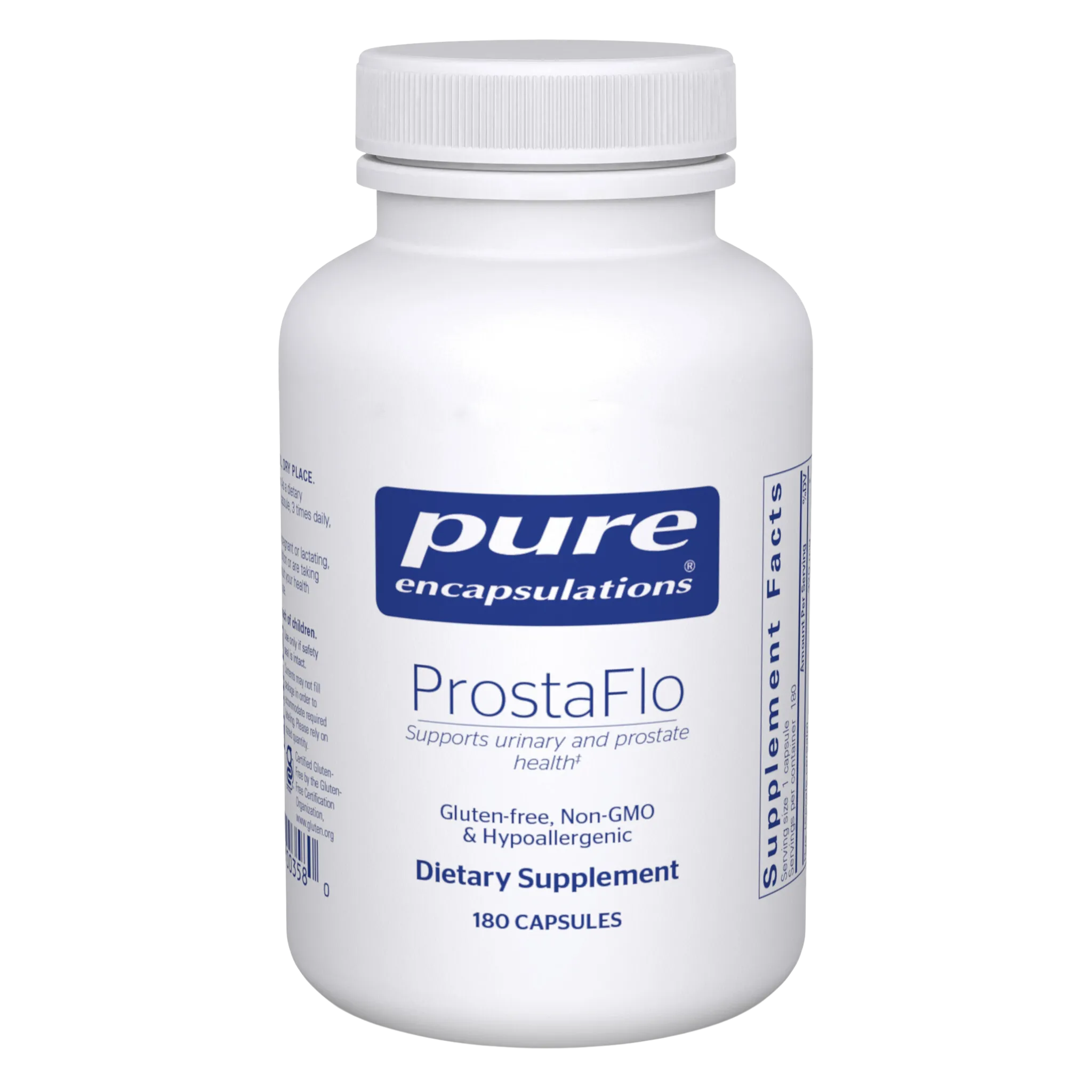
ProstaFlo, utilizing its highly concentrated 20:1 flower pollen extract, offers a targeted, mechanistic approach to calming the severe urological dysfunction seen in these chronic conditions. By directly intervening in the arachidonic acid cascade, the fat-soluble fraction of the extract acts as a localized biological brake on runaway inflammation. When the extract inhibits the 5-lipoxygenase (5-LOX) enzyme, it drastically reduces the localized production of leukotrienes within the bladder and prostate tissues. Because leukotrienes are one of the primary inflammatory mediators released during mast cell degranulation, mitigating their production is a crucial step in managing the bladder pain and mucosal swelling associated with MCAS-driven Interstitial Cystitis.
Simultaneously, the extract's profound inhibition of the cyclooxygenase (COX) pathway halts the synthesis of prostaglandin E2 (PGE2). Prostaglandins are major drivers of neurogenic inflammation; they lower the firing threshold of pain-sensing nerves in the pelvic floor, making the bladder exquisitely sensitive to even small volumes of urine. By suppressing these prostaglandins, rye pollen extract helps to desensitize the hyper-reactive afferent nerve fibers in the urothelium. This anti-inflammatory mechanism is particularly beneficial for patients dealing with COVID-19-Associated Cystitis, as it directly counters the localized cytokine storm and sterile inflammation that causes the relentless sensations of burning and urgency.
Restoring Smooth Muscle Function and Autonomic Balance
Beyond its anti-inflammatory capabilities, the water-soluble fraction of rye pollen extract plays a vital, synergistic role in physically relaxing the urinary tract. The complex botanical compounds within this fraction act as mild antagonists to alpha-adrenergic receptors located in the smooth muscle of the internal urethral sphincter and the bladder neck. By blocking these receptors, the extract prevents the excessive, sympathetic-driven muscle contractions that trap urine and cause painful voiding spasms. For patients with dysautonomia and POTS, who are constantly battling sympathetic nervous system overdrive, this localized spasmolytic effect can provide significant relief from the physical tension and hesitancy associated with a neurogenic bladder.
Furthermore, by relaxing the detrusor muscle, the extract helps to increase the functional capacity of the bladder, allowing it to store larger volumes of urine before triggering the urge to void. This is a critical mechanism for combatting nocturia, one of the most debilitating symptoms for patients with ME/CFS and Long COVID. When patients can sleep for longer, uninterrupted stretches without being forced awake by severe bladder spasms, their bodies have a significantly better opportunity to engage in the deep, restorative sleep phases necessary for cellular repair and immune modulation. This highlights how targeted urological support can have profound downstream benefits for systemic chronic illness management.
Supporting Prostate Health and Reducing Congestion
While the mucosal and smooth muscle benefits apply to all patients, ProstaFlo is specifically formulated with men's health in mind, offering profound support for the prostate gland. The prostate is highly susceptible to chronic, sterile inflammation, a condition known as Chronic Prostatitis or Chronic Pelvic Pain Syndrome (CP/CPPS). The inflammatory cascades driven by MCAS or post-viral immune dysregulation can cause the prostate tissue to become deeply congested and edematous (swollen). This swelling physically compresses the urethra, leading to weak urinary streams, incomplete emptying, and severe, deep pelvic aching.
Rye pollen extract has been extensively documented to reduce this prostatic congestion. By down-regulating pro-inflammatory cytokines like IL-1β and TNF-α, the extract helps to resolve the localized edema within the glandular tissue. Additionally, the extract exhibits mild anti-androgenic properties by gently inhibiting the 5-alpha-reductase enzyme, which slows the cellular proliferation associated with benign prostatic hyperplasia (BPH). By shrinking the inflamed tissue and relaxing the surrounding smooth muscle, ProstaFlo helps to open the urethral channel, allowing for complete bladder emptying and significantly reducing the chronic, heavy pain associated with pelvic floor dysfunction and prostate inflammation.
Symptoms ProstaFlo May Help Manage
When integrating a targeted botanical like ProstaFlo into a comprehensive management plan, it is helpful to understand the specific urological and pelvic symptoms it is designed to address. By modulating inflammation and relaxing smooth muscle, this extract may help manage the following symptoms:
Severe Urinary Urgency: By inhibiting the production of inflammatory prostaglandins that sensitize the bladder nerves, the extract helps calm the sudden, overwhelming, and painful urges to urinate that are characteristic of COVID-Associated Cystitis and Interstitial Cystitis.
Nocturia (Nighttime Waking to Void): By relaxing the detrusor muscle and increasing the bladder's functional storage capacity, the extract can reduce the frequency of nighttime waking, a crucial benefit for patients battling the profound fatigue of ME/CFS and Long COVID.
Chronic Pelvic Pain and Pressure: The dual inhibition of the COX and 5-LOX inflammatory pathways significantly reduces the localized tissue edema and neurogenic pain signals that cause the deep, heavy aching in the lower abdomen, perineum, and pelvic floor.
Urinary Frequency: By mitigating the mast cell-driven inflammation that constantly irritates the bladder mucosa, the extract helps reduce the need to urinate excessively throughout the day, allowing patients to engage in daily activities with fewer interruptions.
Incomplete Bladder Emptying: The water-soluble fraction's ability to antagonize alpha-adrenergic receptors helps relax the urethral sphincter and prostate smooth muscle, reducing outflow resistance and preventing the uncomfortable sensation of retained urine.
Prostate Congestion and Swelling: For men, the extract's ability to down-regulate pro-inflammatory cytokines like IL-6 and TNF-α helps resolve the sterile inflammation and glandular swelling associated with Chronic Prostatitis and BPH.
Practical Considerations: Forms, Dosing, and Absorption
Understanding the Formulation and Allergen Safety
When considering botanical supplements, particularly for patients with mast cell activation syndrome (MCAS) or severe environmental allergies, safety and purity are paramount concerns. The idea of taking a "pollen" extract can understandably cause hesitation for those with hyper-reactive immune systems. However, the manufacturing process of the Secale cereale extract used in ProstaFlo specifically addresses this risk. Through advanced extraction technology, the allergenic outer husk of the pollen grain—the exine, which contains the proteins responsible for triggering histamine release and allergic rhinitis—is completely removed and discarded.
What remains in the final capsule is a highly purified, 20:1 concentrated extract of the pollen's cytoplasm. This core contains the therapeutic amino acids, phytosterols, and anti-inflammatory fractions without the allergenic triggers. This meticulous purification process renders the extract hypoallergenic, allowing even highly sensitive patients to access the profound anti-inflammatory benefits of the botanical without triggering a systemic mast cell flare. Additionally, ProstaFlo is formulated in vegetarian capsules and is certified non-GMO, ensuring a clean delivery system free from unnecessary binders or artificial excipients that could irritate a sensitive gastrointestinal tract.
Dosing Strategies and the Timeline for Relief
Achieving clinical efficacy with phytotherapeutic agents requires consistent, appropriate dosing and an understanding of the body's tissue remodeling timeline. Each capsule of ProstaFlo contains 320 mg of the concentrated rye flower pollen extract. The standard suggested use, which aligns with the dosages utilized in major clinical trials for chronic pelvic pain and urological dysfunction, is one capsule taken three times daily with meals. Taking the supplement with food can help enhance the absorption of the crucial fat-soluble fractions (which contain the potent leukotriene and prostaglandin inhibitors) while also minimizing any potential, albeit rare, mild gastrointestinal upset.
It is critical for patients to manage their expectations regarding the timeline for symptom relief. Unlike pharmaceutical alpha-blockers or anticholinergic drugs that force immediate, temporary muscle relaxation, rye pollen extract works by fundamentally altering the localized inflammatory environment and promoting tissue healing. This biological modulation takes time. While some patients may notice subtle improvements in urinary urgency or pelvic pressure within the first few weeks, clinical studies consistently show that the most significant, statistically measurable improvements in pain scores and urinary flow occur after 8 to 12 weeks of continuous, daily supplementation. Patience and consistency are key when utilizing botanical therapies for chronic, entrenched inflammation.
Potential Interactions and Medical Oversight
Rye pollen extract is widely recognized in urological literature for its exceptionally high safety profile and tolerability, often exhibiting adverse event rates that are statistically indistinguishable from a placebo. Because its mechanism of action is highly localized to the urogenital tract, it does not typically cause the systemic side effects—such as severe dry mouth, constipation, or cognitive blurring—that are frequently associated with prescription overactive bladder medications (antimuscarinics). This makes it a highly attractive option for patients with dysautonomia, who are often already struggling with systemic dryness and gastrointestinal motility issues.
However, as with any active botanical intervention, it is essential to approach supplementation comprehensively. While there are no major, widely documented drug contraindications for rye pollen extract, patients who are already taking prescription alpha-blockers (like tamsulosin), 5-alpha-reductase inhibitors (like finasteride), or prescription NSAIDs should consult their healthcare provider before initiating ProstaFlo. Because the extract shares similar, albeit milder, mechanisms of action with these medications, a provider can help monitor for any synergistic effects on blood pressure or urinary flow. Always integrate new supplements under the guidance of a medical professional who understands the full scope of your complex chronic conditions.
Follow the Science: Rye Pollen Extract in Urology
Clinical Efficacy in Chronic Pelvic Pain
The clinical application of rye pollen extract is supported by a robust body of urological research, particularly concerning its efficacy in treating Chronic Prostatitis/Chronic Pelvic Pain Syndrome (CP/CPPS)—a condition characterized by the exact type of sterile, neurogenic inflammation seen in Long COVID and MCAS urological flares. A pivotal, double-blind, placebo-controlled Phase 3 trial published in European Urology by Wagenlehner et al. evaluated 139 men with inflammatory CP/CPPS over a 12-week period. The patients receiving the standardized pollen extract demonstrated a statistically significant improvement in their total National Institutes of Health Chronic Prostatitis Symptom Index (NIH-CPSI) scores, particularly in the pain and quality of life domains. Remarkably, 70.6% of the patients in the extract group achieved a profound clinical response, compared to only 50% in the placebo group.
Further validating its powerful analgesic properties, a 2020 randomized prospective study by Matsukawa et al. compared the efficacy of pollen extract against the pharmaceutical drug Tadalafil in patients with refractory pelvic pain. The researchers found that while both treatments improved overall urological symptoms, the pollen extract was significantly superior at resolving localized pelvic pain. In fact, 50% of the patients taking the pollen extract experienced a greater than 50% reduction in their pain scores, compared to just 8.9% of the patients in the pharmaceutical group. This highlights the extract's unique ability to target the specific neurogenic pain pathways driven by prostaglandins and leukotrienes in the pelvic floor.
Impact on Lower Urinary Tract Symptoms and Nocturia
Beyond pain management, rye pollen extract has been extensively studied for its ability to regulate bladder function and alleviate lower urinary tract symptoms (LUTS). A foundational Cochrane Systematic Review analyzed data from 444 men across multiple randomized trials. The meta-analysis concluded that the extract modestly but consistently improved overall urologic symptoms and was particularly effective at reducing nocturia (nighttime urination) compared to a placebo. The ability to reduce nocturia is a critical finding for patients with chronic illness, as uninterrupted sleep is foundational for immune recovery and autonomic nervous system regulation.
The relevance of these findings is increasingly applicable to the post-viral landscape. As researchers continue to investigate the mechanisms of COVID-19-Associated Cystitis, the focus is shifting toward therapies that can calm the localized cytokine storm in the bladder. Studies evaluating Long COVID urological impacts have shown that modulating bladder inflammation and utilizing spasmolytic agents can lead to significant symptom resolution in nearly 90% of patients over time. By providing a natural, well-tolerated method of inhibiting the arachidonic acid cascade and relaxing the detrusor muscle, rye pollen extract represents a highly evidence-based botanical tool for managing the complex urological overlaps of post-viral syndromes and mast cell disorders.
The Path Forward
Integrating Urological Support into Chronic Care
Living with the unpredictable and often severe urological symptoms of Long COVID, MCAS, or dysautonomia can be an incredibly isolating and exhausting experience. It is entirely valid to feel overwhelmed when your body's most basic functions become a source of daily pain and sleep disruption. However, as medical science continues to unravel the connections between systemic immune dysregulation, autonomic neuropathy, and bladder health, we are gaining access to more targeted, effective tools. You do not have to accept debilitating pelvic pain or relentless urinary urgency as a permanent baseline; there are evidence-based strategies available to help calm the inflammation and restore functional balance to your urinary tract.
While no single supplement is a cure for complex chronic illness, highly concentrated botanicals like rye pollen extract can serve as a powerful component of a broader, multi-disciplinary management plan. When combined with nervous system regulation techniques, mast cell-stabilizing diets, and personalized medical care, targeting the localized inflammation in the pelvis can significantly improve your daily comfort and sleep quality. If you are wondering How Can You Live with Long-Term COVID, finding targeted relief for your most disruptive symptoms is a crucial first step. Always consult with your healthcare provider to ensure that any new supplement aligns safely with your current medications and overall treatment goals.