Can Probiotic Supreme DF™ Support Gut Health and Immunity in Long COVID?
March 6, 2026
Probiotic Supreme DFLong COVIDME/CFS
Share:
Disclaimer: The information provided here is for educational purposes only and is not intended as medical advice. It should not be used to diagnose, treat, cure, or prevent any medical condition. Instead, use it as a starting point for discussion with your healthcare provider. Always consult with a qualified healthcare provider before starting any new medication, supplement, device, or making changes to your health regimen.
The gastrointestinal tract is often called the body’s "second brain," and for good reason. It houses roughly 70% of our entire immune system, produces the vast majority of our neurotransmitters like serotonin, and acts as the primary, critical barrier between the outside world and our internal bloodstream. In a healthy state, a lush, diverse ecosystem of trillions of bacteria—known as the gut microbiome—works in perfect, symbiotic harmony to digest our food, neutralize environmental toxins, and keep systemic inflammation in check. But for individuals living with complex, invisible chronic conditions like Long COVID, myalgic encephalomyelitis/chronic fatigue syndrome (ME/CFS), dysautonomia, and mast cell activation syndrome (MCAS), this delicate ecosystem is often thrown into complete chaos.
Patients with these debilitating conditions frequently experience a wide array of unpredictable gastrointestinal symptoms, severe, crushing fatigue, and immune flare-ups that seem to happen without warning. Recent clinical research has pinpointed a shared, underlying culprit: profound gut dysbiosis and "leaky gut" syndrome. When beneficial bacteria are aggressively depleted by severe viral infections or chronic physiological stress, opportunistic pathogens take over the gut lumen. This hostile takeover drives systemic inflammation and debilitating neurocognitive symptoms like brain fog. This is exactly where targeted, high-potency probiotic therapy comes into play. Probiotic Supreme DF™ by Designs for Health is a clinical-grade, dairy-free formulation specifically designed to help support the gut microbiome with 15 billion colony-forming units (CFUs) of highly researched, acid-tolerant Bifidobacterium and Lactobacillus strains. By understanding how these specific bacteria interact with the gut-immune axis at a cellular level, patients can take a vital, science-backed step toward restoring balance and improving their overall quality of life.
TL;DR
Gut dysbiosis and "leaky gut" are key drivers of inflammation in Long COVID, ME/CFS, and MCAS.
Targeted probiotics may help support the intestinal barrier and reduce systemic inflammatory responses.
Specific strains of Bifidobacterium and Lactobacillus can support immune modulation and histamine degradation.
Always consult a healthcare provider before starting high-potency probiotics, especially with complex chronic conditions.
What Are Probiotics and How Do They Support a Healthy Body?
The human gut microbiome is a complex, bustling metropolis of microorganisms that dictate much of our overall health. In a healthy body, beneficial bacteria—primarily from the Bifidobacterium and Lactobacillus families—serve as the foundational peacekeepers of this environment. They are not just passive passengers hitching a ride in our digestive tract; they are highly active participants in our daily survival, performing critical biochemical tasks that our own human cells simply cannot do alone. Understanding their molecular mechanisms is key to understanding why their absence causes such profound illness.
The Production of Short-Chain Fatty Acids (SCFAs)
One of the most vital functions of beneficial gut bacteria is the fermentation of indigestible dietary fibers into short-chain fatty acids (SCFAs), with a specific molecule called butyrate being the most important. Think of butyrate as the premium, primary fuel source for your colonocytes (the specialized cells that line your colon). When strains like Bifidobacterium lactis and Lactobacillus acidophilus produce abundant butyrate, they keep the intestinal lining energized, healthy, and tightly sealed. Butyrate enters the colonocytes and goes straight to the mitochondria, where it is oxidized to produce adenosine triphosphate (ATP), the energy currency of the cell.
Furthermore, this robust SCFA production physically alters the local environment. It significantly lowers the pH of the gut lumen, creating a highly acidic environment. While beneficial Lactobacillus strains thrive in this acidity, it is highly inhospitable to harmful, opportunistic pathogens like Salmonella or E. coli. By maintaining this acidic shield, beneficial bacteria naturally crowd out invaders before they can take root and cause infection or inflammation.
Maintaining the Intestinal Barrier and Tight Junctions
The intestinal barrier is incredibly fragile—it is only one single cell thick. These epithelial cells are glued together by complex protein structures called tight junctions (specifically proteins like Zonula Occludens-1, occludin, and claudins). In a healthy, balanced gut, specific probiotic strains actively upregulate the genetic expression of these tight junction proteins, ensuring the barrier remains securely closed. They do this by interacting with Toll-like receptors (TLRs) on the surface of the gut cells, sending chemical signals that tell the cells to reinforce their structural integrity.
This structural reinforcement is absolutely critical for human health. It helps prevent undigested food particles, bacterial endotoxins (like lipopolysaccharides, or LPS), and pathogens from "leaking" out of the digestive tract and into the systemic bloodstream. When this barrier is strong, the immune system remains calm and unbothered. When it fails, the resulting immune cascade can affect every organ system in the body.
Modulating the Immune System and Histamine Levels
Because the vast majority of the human immune system resides directly behind this single-cell barrier in the gut-associated lymphoid tissue (GALT), gut bacteria are in constant, dynamic communication with our immune cells. Healthy Bifidobacterium and Lactobacillus populations act as master immune modulators. They stimulate the production of secretory IgA, which is our mucosal first line of defense against incoming viruses and bacteria. They also promote a highly balanced immune response, helping prevent the immune system from becoming hyper-reactive or autoimmune in nature.
Additionally, the microbiome plays a massive role in regulating allergic responses. Certain beneficial strains actively produce enzymes like Diamine Oxidase (DAO) that degrade excess histamine in the gut. Histamine is a highly inflammatory chemical released during allergic reactions. By breaking down dietary histamine before it can be absorbed into the bloodstream, these probiotics help prevent it from triggering systemic allergic or inflammatory cascades, which is a vital function for maintaining daily homeostasis.
How Long COVID and ME/CFS Impact the Gut Microbiome
In complex chronic illnesses, the symbiotic relationship between the host and the gut microbiome is severely disrupted. Whether triggered by a severe viral infection or the chronic physiological stress of autonomic dysfunction, this disruption—known clinically as dysbiosis—creates a vicious cycle of systemic inflammation and debilitating symptoms. Understanding What Causes Long COVID? often points directly back to the gastrointestinal tract.
Viral Persistence and the Loss of Beneficial Bacteria
In Long COVID, the SARS-CoV-2 virus has a profound, direct impact on the gastrointestinal tract. The virus specifically binds to ACE2 receptors, which are highly expressed on the enterocytes (the cells lining the gut). When the virus binds to these receptors, it downregulates them, severely impairing the gut's ability to absorb essential amino acids like tryptophan. Research indicates that the virus can persist in these gut tissues for many months, acting almost like a bacteriophage that actively destroys beneficial bacterial networks and creates chronic, localized inflammation.
As a result, studies show that Long COVID patients suffer a severe, measurable drop in protective, SCFA-producing bacteria like Bifidobacterium and Faecalibacterium prausnitzii. Without these keystone bacteria, butyrate production plummets. This starves the colon cells of their primary energy source, leading to widespread cellular dysfunction and the myriad of Gastrointestinal Symptoms Seen with Long COVID, including severe bloating, motility issues, and malabsorption.
Leaky Gut and Systemic Inflammation in ME/CFS
This severe loss of butyrate directly compromises the intestinal barrier. In both Long COVID and ME/CFS, the tight junctions begin to fail, leading to intestinal permeability, commonly known as "leaky gut." When the barrier becomes porous, highly toxic bacterial endotoxins like lipopolysaccharides (LPS) translocate from the gut lumen directly into the systemic bloodstream. A pivotal study by Cornell University found that ME/CFS patients have significantly elevated blood markers of this microbial translocation, including C-reactive protein (CRP), intestinal fatty acid-binding protein (I-FABP), and LPS-binding protein.
This constant, unrelenting influx of toxins triggers a chronic, low-grade systemic immune response. The immune system is constantly fighting a phantom infection, driving the severe, crushing fatigue, muscle pain, and post-exertional malaise (PEM) characteristic of the condition. This shared pathology is why many researchers are currently investigating Can Long COVID Trigger ME/CFS? Unraveling the Connection, as the gut-derived inflammatory mechanisms are strikingly similar.
The Gut-Brain Axis and Mast Cell Activation
The inflammation generated in the gut does not stay in the gut; it travels directly to the brain. Through the vagus nerve and the systemic bloodstream, gut-derived inflammatory cytokines can cross the blood-brain barrier, causing profound neuroinflammation. This is a primary, recognized driver of the "brain fog," severe cognitive impairment, and autonomic nervous system dysfunction (dysautonomia and POTS) seen in these patient populations. Furthermore, the dysbiosis alters tryptophan metabolism, shunting it away from creating mood-regulating serotonin and instead pushing it down the kynurenine pathway, which produces highly neurotoxic metabolites.
In patients with mast cell activation syndrome (MCAS), this leaky gut scenario is absolutely disastrous. The influx of LPS endotoxins specifically increases the number of histamine receptors on mast cells, making them hyper-reactive to even minor triggers. Simultaneously, an overgrowth of opportunistic, histamine-producing gut bacteria (like Klebsiella or Proteus) adds massive amounts of fuel to the fire. This completely overwhelms the body's natural ability to degrade histamine, triggering severe, unpredictable allergic flare-ups, hives, tachycardia, and systemic anaphylaxis-like reactions.
Probiotic Supreme DF™: Supporting Gut Barrier and Immune Function
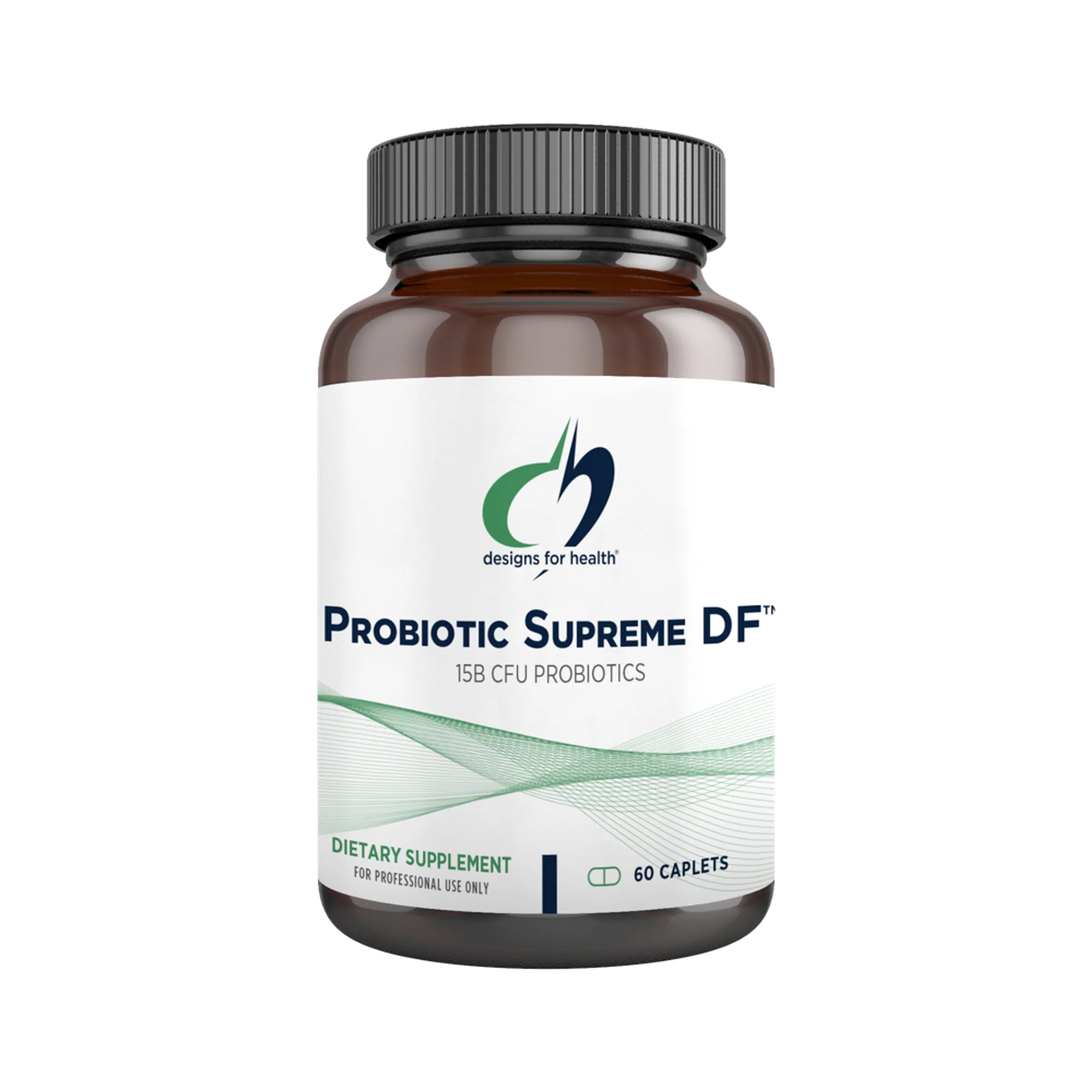
Probiotic Supreme DF™ is meticulously formulated to directly combat this profound dysbiosis. By delivering a high-potency, 15 billion CFU dose of eight specific, acid-tolerant strains, it works to aggressively support the gut microbiome, support the repair of the damaged mucosal barrier, and help calm the hyperactive immune response that drives chronic illness symptoms.
Repairing the Intestinal Barrier (Tight Junction Upregulation)
The proprietary blend includes highly researched, targeted strains like Lactobacillus rhamnosus Lr-32 and Bifidobacterium lactis BI-04. At the cellular level, these specific strains have been clinically shown to support gut barrier integrity. In vitro studies demonstrate that L. rhamnosus Lr-32 actively upregulates the genetic expression of the ZO-1 tight junction protein. By stimulating the epithelial cells to produce more of this crucial "glue," the probiotic helps physically close the paracellular gaps in the intestinal lining.
This structural repair is a game-changer for chronic illness management. By supporting the barrier, the probiotic helps reduce the continuous leakage of LPS endotoxins into the bloodstream. This effectively helps address a primary source of systemic inflammation at its root, allowing the overactive immune system to finally stand down and begin the healing process.
Modulating the Immune System and Calming Inflammation
Once the barrier is reinforced, the strains work to deeply modulate the immune response. Lactobacillus acidophilus La-14 is a powerful, recognized immunomodulator. It interacts directly with the dendritic cells in the gut lining to promote a balanced "Th1-type" immune response. A robust Th1 response is absolutely crucial for activating Natural Killer (NK) cells and cytotoxic T-cells to support the body in addressing lingering viral reservoirs, such as those seen in Long COVID.
Furthermore, La-14 has been shown to suppress pro-inflammatory chemokines (like macrophage inflammatory proteins MIP-1α and MCP-1) while simultaneously accelerating the production of secretory IgA, the antibody responsible for neutralizing threats in mucosal tissues. This dual action—boosting antiviral defenses while suppressing runaway inflammation—helps calm the chronic, low-grade immune activation that drives severe ME/CFS and Long COVID fatigue.
Histamine Degradation and Mast Cell Stabilization
For patients with MCAS or severe histamine intolerance, strain selection is absolutely critical, as many common, over-the-counter probiotics actually produce histamine, triggering massive flare-ups. Probiotic Supreme DF™ utilizes specific strains that are generally recognized in clinical literature as histamine-neutral or actively histamine-degrading. Strains from the Bifidobacterium family, such as Bifidobacterium longum BI-05 and Bifidobacterium breve Bb-03, are particularly beneficial for lowering the histamine burden in the gut.
These strains work by physically crowding out the opportunistic, histamine-producing pathogens, denying them the space and nutrients they need to survive. Additionally, B. longum has been shown in clinical studies to actively suppress the genetic expression of Histamine 1 (H1) receptors and lower systemic IgE antibodies. By turning down the dial on these receptors, the probiotic effectively stabilizes mast cells, reducing their extreme sensitivity to environmental and dietary triggers.

Symptoms Probiotic Supreme DF™ May Help Manage
By directly addressing gut dysbiosis, supporting the intestinal barrier, and modulating the immune system at a cellular level, the targeted strains in Probiotic Supreme DF™ may help manage a wide variety of complex, overlapping symptoms. Patients often wonder, Do Long COVID Symptoms Come and Go? The answer is yes, and these fluctuations are frequently tied to the level of inflammation leaking from the gut on any given day.
Gastrointestinal Distress and Motility Issues
Many patients suffer from severe bloating, unpredictable diarrhea, or stubborn constipation. By restoring the balance of SCFA-producing bacteria, the colon cells receive the vital ATP energy they need to regulate proper gut motility. Furthermore, the suppression of opportunistic, gas-producing pathogens significantly reduces painful bloating and distension, restoring a sense of comfort and predictability to digestion.
Severe Fatigue and Post-Exertional Malaise (PEM)
The crushing fatigue of ME/CFS and Long COVID is often driven by cellular energy failure and systemic inflammation. By supporting gut barrier integrity, the probiotic helps reduce the constant, draining influx of LPS endotoxins into the bloodstream. This significantly lowers the systemic inflammatory markers (like CRP and IL-6) that drain cellular energy reserves and drive the physical exhaustion and delayed crashes associated with post-exertional malaise.
Brain Fog and Cognitive Impairment
Cognitive dysfunction is one of the most debilitating symptoms of post-viral syndromes. Reducing systemic inflammation directly protects the blood-brain barrier from inflammatory cytokines. Furthermore, a balanced, healthy microbiome normalizes the tryptophan-kynurenine metabolic pathway. This ensures that dietary tryptophan is properly converted into mood-regulating, neuro-protective serotonin, rather than being shunted into neurotoxic kynurenine metabolites that cause brain fog and memory loss.
Histamine Overload and MCAS Flare-ups
For those dealing with MCAS, managing the histamine bucket is a daily struggle. Specific Bifidobacterium strains in this formula help actively crowd out histamine-producing bacteria in the gut. By downregulating H1 histamine receptors and lowering IgE antibody levels, these probiotics lower the overall systemic histamine burden. This helps stabilize hyper-reactive mast cells, potentially reducing the frequency and severity of allergic flare-ups, hives, and sudden tachycardia.
Immune Dysregulation and Frequent Infections
Patients with chronic illness often feel like they catch every bug that goes around. Strains like L. acidophilus La-14 actively boost the production of secretory IgA and promote a balanced Th1 immune response. This helps the body effectively clear lingering viral reservoirs and fight off new, acute infections without triggering the autoimmune-like overreactions that cause massive symptom flares.
Practical Considerations: Delivery, Dosing, and Absorption
When choosing a probiotic for complex chronic illness, survival is everything. The bacteria must survive the rigorous manufacturing process, the shelf life of the product, and most importantly, the highly acidic, destructive environment of the human stomach to reach the intestines where they actually do their work. Probiotic Supreme DF™ addresses these massive challenges through specialized delivery technology and careful, clinical strain selection.
Advanced Delivery Technology and Bioavailability
Unlike standard, over-the-counter probiotic capsules that dissolve almost immediately in stomach acid—often killing the vast majority of the live organisms before they ever reach the gut—Probiotic Supreme DF™ utilizes a patented, advanced delayed-release caplet technology. This specialized, moisture-resistant matrix protects the fragile Bifidobacterium and Lactobacillus strains from the harsh, low-pH gastric environment.
Once the caplet safely passes through the stomach and enters the more neutral, hospitable environment of the intestinal tract, it slowly releases the 15 billion CFUs over a sustained 10 to 12-hour period. This extended-release mechanism is crucial. It ensures that the beneficial bacteria are distributed evenly and consistently throughout the entire upper and lower gastrointestinal tract, maximizing their ability to adhere to the gut wall, replicate, and successfully colonize the microbiome.
Dosing, Timing, and Storage Considerations
Because of this highly effective 10-12 hour sustained-release technology, the recommended dosage is typically just one caplet per day, taken alongside a meal. Taking the probiotic with food helps buffer stomach acid even further, giving the bacteria the absolute best possible chance of survival. It is crucial to note that while the caplet protects against stomach acid, live bacteria are highly sensitive to environmental heat and humidity. Therefore, refrigeration is highly recommended upon arrival and after opening to maintain the maximum potency and shelf life of the 15 billion CFUs.
Potential Interactions and the "Die-Off" Reaction
If you are currently taking prescription antibiotics, you must carefully space out your probiotic dose. Antibiotics are indiscriminate; they cannot distinguish between good and bad bacteria, and taking them together will instantly neutralize the probiotic. It is highly recommended to take Probiotic Supreme DF™ at least 2 to 3 hours before or after your antibiotic dose.
Additionally, when introducing a high-potency probiotic to a highly dysbiotic gut, some patients may experience a temporary exacerbation of symptoms, known as a Herxheimer or "die-off" reaction. As opportunistic pathogens are crowded out and die, they release endotoxins that can cause temporary bloating, fatigue, or mild nausea. Starting with a lower dose or taking it every other day initially can help mitigate this. Finally, individuals who are severely immunocompromised (e.g., those undergoing active chemotherapy) should always consult their healthcare provider before introducing live bacterial cultures.

Follow the Science: Probiotics and Chronic Illness
The profound connection between gut dysbiosis and post-viral syndromes is currently one of the most heavily researched areas in modern immunology and gastroenterology. Clinical trials and large-scale studies consistently demonstrate that targeted, high-quality probiotic therapy can significantly alter the trajectory of Long COVID and ME/CFS recovery, offering much-needed hope for patients wondering How Long Does Long COVID Last?.
Clinical Trials in Long COVID Recovery
A landmark, large-scale clinical trial conducted by the Chinese University of Hong Kong and published in The Lancet Infectious Diseases evaluated a targeted synbiotic formula heavily reliant on Bifidobacterium strains (very similar to the foundational strains in Probiotic Supreme DF™). In this rigorous, double-blind, placebo-controlled trial of 463 Long COVID patients over a 6-month period, the probiotic group experienced significantly higher, measurable symptom alleviation rates compared to the placebo group.
The specific data points were striking: Severe fatigue was alleviated in 63% of the probiotic group (vs. 43% placebo), brain fog and concentration issues in 62% (vs. 39% placebo), and gastrointestinal upset in 70% (vs. 54% placebo). Metagenomic stool analysis proved conclusively that the intervention successfully increased the overall diversity of the gut microbiome, boosted SCFA-producing bacteria, and actively suppressed opportunistic pathogens. This trial provides robust evidence for patients exploring What Drugs Are Used for COVID Long Haulers? and looking for microbiome-based interventions.
Evidence for ME/CFS and Gut Barrier Repair
Research specific to ME/CFS strongly supports the use of Lactobacillus and Bifidobacterium to support intestinal permeability and lower systemic inflammation. A comprehensive 2025 narrative review on therapeutic approaches for ME/CFS highlighted that interventions aimed at restoring microbial equilibrium and enhancing mucosal barrier function are absolutely critical for symptom management. Studies utilizing specific strains like L. rhamnosus and B. lactis have shown significant, measurable reductions in pro-inflammatory markers like IL-8 and corresponding increases in anti-inflammatory markers like IL-10. By downregulating TLR4 (Toll-like receptor 4) gene expression, these specific strains effectively calm localized gut inflammation and reduce the systemic immune burden that drives post-exertional malaise.
Strain-Specific Immunomodulation and Efficacy
The specific, proprietary strains chosen by Designs for Health have robust, peer-reviewed clinical backing. For instance, in vitro studies on L. rhamnosus Lr-32 and B. lactis BI-04 clearly demonstrate their powerful ability to help reduce paracellular permeability (leaky gut) even when exposed to severe, damaging mucosal mediators from patients with Irritable Bowel Syndrome (IBS). Furthermore, L. acidophilus La-14 has been clinically shown in human trials to act as an effective immunologic adjuvant, safely accelerating and enhancing the host's antibody responses, specifically increasing serum Immunoglobulin G (IgG) and mucosal IgA levels during active immune challenges.
The Path Forward
Living with complex, multi-systemic conditions like Long COVID, ME/CFS, dysautonomia, and MCAS can often feel like a relentless, exhausting battle against your own body. The severe, crushing fatigue, the unpredictable gastrointestinal distress, and the debilitating brain fog are not just "in your head"—they are deeply rooted in very real physiological disruptions, particularly within the delicate ecosystem of the gut microbiome. Validating this profound connection is the first, most important step toward meaningful, effective management.
Building a Comprehensive Management Strategy
While there is no single magic pill or overnight cure for these highly complex conditions, restoring the foundational health of your gut-immune axis is a powerful, science-backed strategy. By utilizing a clinical-grade, targeted formulation like Probiotic Supreme DF™, you are actively working at the cellular level to support the intestinal barrier, help calm systemic, runaway inflammation, and provide your body with the vital cellular energy it desperately needs to heal.
However, it is crucial to remember that supplements are most effective when utilized as just one piece of a much larger, comprehensive management plan. True recovery and stabilization require a holistic approach that includes rigorous pacing to avoid post-exertional malaise, detailed symptom tracking to identify specific triggers, and personalized medical care from practitioners who truly understand post-viral syndromes. For more guidance on navigating this journey, explore How Can You Live with Long-Term COVID.
Consulting Your Healthcare Provider
Every patient's microbiome and immune system is entirely unique, especially when dealing with conditions like MCAS or severe dysautonomia. Always consult with your primary healthcare provider or a functional medicine specialist before starting any new supplement regimen. They can help ensure that a high-potency probiotic aligns with your specific health needs, current medications, and overall treatment goals.