Can Probiophage DF™ Support Gut Health and Manage Long COVID Symptoms?
March 6, 2026
Probiophage DFGut HealthLong COVID
Share:
Disclaimer: The information provided here is for educational purposes only and is not intended as medical advice. It should not be used to diagnose, treat, cure, or prevent any medical condition. Instead, use it as a starting point for discussion with your healthcare provider. Always consult with a qualified healthcare provider before starting any new medication, supplement, device, or making changes to your health regimen.
Months or even years after an acute viral infection, many patients find themselves battling a relentless array of invisible symptoms. From debilitating brain fog and profound post-exertional malaise (PEM) to unpredictable heart rates and severe gastrointestinal distress, the daily reality of complex chronic illness is exhausting. If you are living with Long COVID, myalgic encephalomyelitis/chronic fatigue syndrome (ME/CFS), mast cell activation syndrome (MCAS), or dysautonomia, you have likely been told that your lab results look "normal." Yet, you know your body is trapped in a state of chronic dysfunction. You are not alone, and your symptoms are not in your head. Emerging science is increasingly pointing to a central command center that governs our immune, neurological, and metabolic health: the gut microbiome.
In the wake of the COVID-19 pandemic, researchers have discovered that the gastrointestinal tract acts as a reservoir for viral persistence and chronic inflammation. When the delicate balance of our gut bacteria is shattered—a state known as dysbiosis—it triggers a cascade of systemic failures that drive the symptoms of Long COVID and related conditions. Restoring this balance is not as simple as taking a standard probiotic. It requires a sophisticated, targeted approach to weed out pathogenic overgrowth while simultaneously nourishing beneficial flora. This is where Probiophage DF™ comes in. By combining a proprietary blend of keystone probiotic strains with innovative bacteriophage prebiotics, this supplement offers a revolutionary mechanism for reshaping the gut microbiome. In this comprehensive guide, we will explore the intricate biology of bacteriophages, how chronic illness disrupts the gut-brain axis, and how Probiophage DF™ may serve as a foundational tool in your recovery journey.
TL;DR
Gut dysbiosis drives many symptoms of Long COVID, ME/CFS, and dysautonomia.
Probiophage DF™ uses bacteriophages to target unwanted bacteria without causing bloating.
It includes beneficial probiotics to support a healthy gut barrier and immune function.
Restoring gut balance may help manage brain fog, fatigue, and gastrointestinal distress.
What is Probiophage DF™?
The Evolution of Gut Microbiome Support
To understand how Probiophage DF™ works, we must first look at the natural function of the gut microbiome in a healthy body. The human gastrointestinal tract is home to trillions of microorganisms, including bacteria, viruses, fungi, and archaea. In a state of homeostasis, this microscopic ecosystem operates like a highly efficient factory. Beneficial bacteria, known as commensal flora, perform essential biochemical tasks that human cells cannot do on their own. They ferment indigestible dietary fibers into short-chain fatty acids (SCFAs) like butyrate, acetate, and propionate. These SCFAs are the primary energy source for colonocytes (the cells lining the colon) and are critical for maintaining the integrity of the intestinal barrier, preventing toxins from leaking into the bloodstream.
Historically, efforts to support the microbiome have relied on two main strategies: probiotics (introducing live beneficial bacteria) and traditional prebiotics (consuming indigestible fibers like inulin or fructooligosaccharides to feed those bacteria). While these approaches can be helpful, they often fall short in the context of severe, chronic dysbiosis. Traditional fiber-based prebiotics are non-specific; they can inadvertently feed pathogenic, gas-producing bacteria just as easily as beneficial ones, leading to severe bloating and gastrointestinal distress. Probiophage DF™ represents a paradigm shift in this approach by utilizing a completely different biological mechanism: bacteriophages.
The Power of Bacteriophages
Bacteriophages, or simply "phages," are naturally occurring viruses that strictly infect and replicate within bacteria. They are the most abundant biological entities on Earth, and they play a crucial role in regulating bacterial populations in all ecosystems, including the human gut. Unlike viruses that infect human cells (such as SARS-CoV-2), bacteriophages are highly specific predators that only target distinct bacterial strains. They operate as microscopic "weed killers," seeking out and destroying specific pathogenic or overgrown bacteria without harming human tissue or beneficial flora.
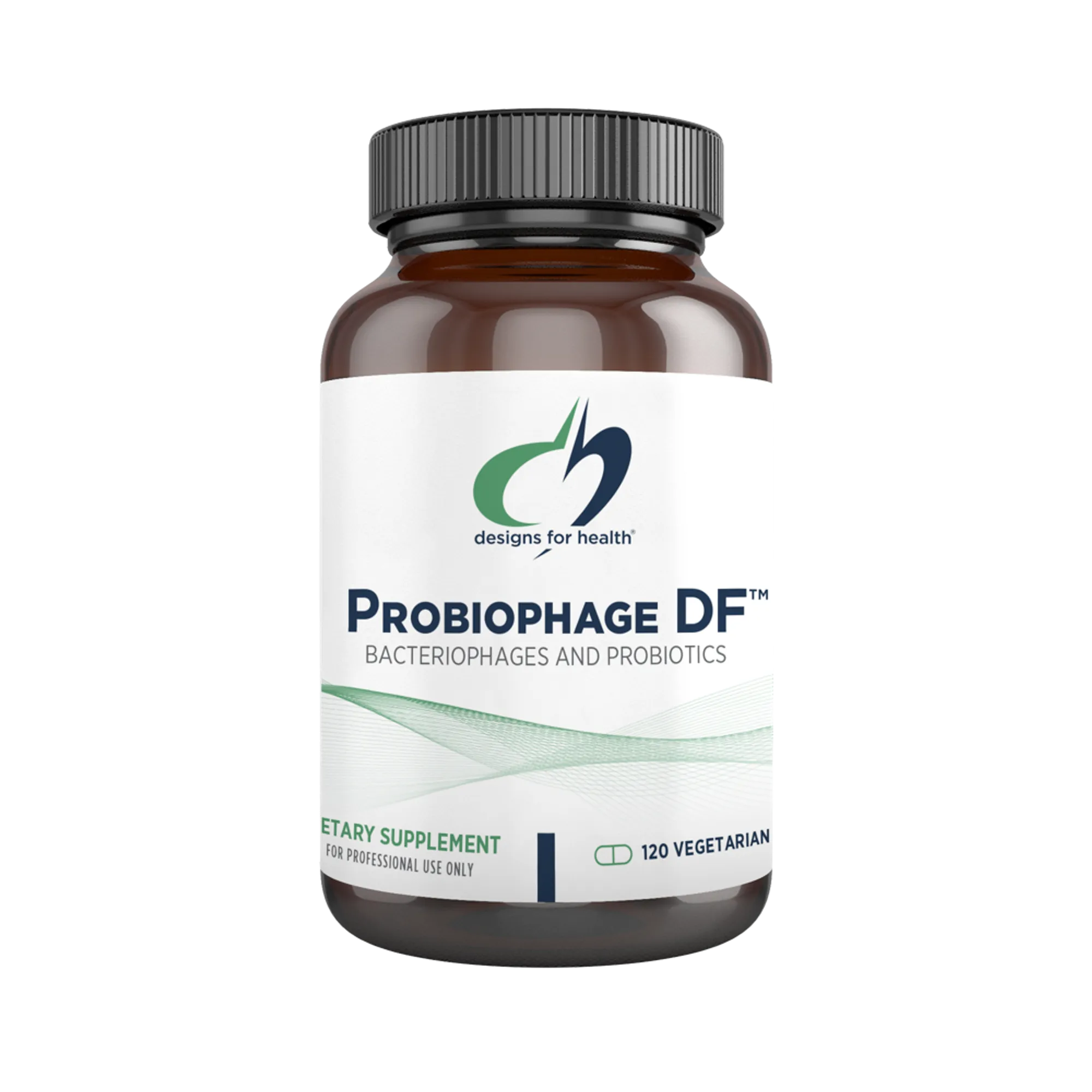
Probiophage DF™ features a patented prebiotic blend known as PrePhage™ (often researched under the name PreforPro®). This blend contains four specific lytic bacteriophages: LH01-Myoviridae, LL5-Siphoviridae, T4D-Myoviridae, and LL12-Myoviridae. These phages belong to the Caudoviricetes class of tailed viruses and are specifically selected for their ability to target and neutralize unwanted strains of Escherichia coli (E. coli) and other pro-inflammatory bacteria in the digestive tract. By actively clearing out these competing microbes, the phages free up physical space and vital resources along the intestinal wall, creating an optimal environment for beneficial bacteria to colonize and thrive.
A Synergistic Probiotic Blend
In addition to the bacteriophage prebiotic, Probiophage DF™ delivers a proprietary blend of seven keystone probiotic strains, providing 5 billion colony-forming units (CFUs) per capsule. This blend includes Bifidobacterium bifidum, Bifidobacterium longum, Bifidobacterium breve, Lactobacillus acidophilus, Lactobacillus casei, Lactobacillus rhamnosus, and Streptococcus thermophilus. These specific genera are the foundational pillars of a healthy gut. Bifidobacterium species are master fermenters, responsible for producing the SCFAs that power the gut lining and regulate the immune system. Lactobacillus species are crucial for maintaining an acidic, inhospitable environment for pathogens and for degrading biogenic amines like histamine.
The true innovation of Probiophage DF™ lies in the synergy between these two components. It is a "synbiotic" formulation, but rather than using fiber to feed the probiotics, it uses phages to clear the path. When the bacteriophages lyse (burst) the target pathogenic bacteria, the destroyed bacterial cells release their internal contents—proteins, lipids, and nucleic acids—into the gut environment. These cellular remnants act as a highly bioavailable, non-gas-producing food source that is rapidly assimilated by the incoming Bifidobacterium and Lactobacillus strains. This self-amplifying cycle ensures that the beneficial bacteria have both the space and the nutrients they need to establish a resilient, thriving population.
How Long COVID and ME/CFS Impact the Gut Microbiome
Viral Persistence and the Leaky Gut
To comprehend why gut health is so critical for patients with complex chronic illnesses, we must examine the profound pathophysiology of these conditions. The connection between the gut microbiome and Long COVID is one of the most intensely studied areas of post-viral research. During an acute COVID-19 infection, the SARS-CoV-2 virus gains entry into human cells by binding to ACE2 receptors. These receptors are highly concentrated in the epithelial cells lining the gastrointestinal tract. Consequently, the gut becomes a primary site of viral replication and localized inflammation.
Research indicates that in many Long COVID patients, viral RNA and spike proteins can persist in the gut mucosa for months or even years after the initial infection. This persistent viral reservoir triggers a chronic, localized immune response. The constant inflammation damages the tight junction proteins (such as zonulin and occludin) that normally keep the intestinal barrier sealed. This results in increased intestinal permeability, commonly known as "leaky gut." When the barrier fails, undigested food particles, bacterial endotoxins (like lipopolysaccharides, or LPS), and inflammatory cytokines leak into the systemic bloodstream, triggering a massive, body-wide immune alarm that drives the systemic gastrointestinal symptoms seen with Long COVID.
The Virome and ME/CFS Dysbiosis
The disruption of the gut goes beyond just the bacterial layer; it deeply involves the virome. In myalgic encephalomyelitis/chronic fatigue syndrome (ME/CFS), scientists have observed a severe state of dysbiosis characterized by a drastic reduction in beneficial, butyrate-producing bacteria like Faecalibacterium prausnitzii and Bifidobacteria. Recent landmark studies utilizing advanced sequencing of virus-like particles (VLPs) have revealed that this bacterial depletion is likely driven by abnormal bacteriophage activity. In the ME/CFS gut, an imbalance in the predator-prey dynamics leads to "density-dependent predation," where native phages aggressively attack and decimate the beneficial bacterial networks.
This loss of keystone species creates a vicious cycle. Without Bifidobacteria to produce short-chain fatty acids, the colonocytes starve, and the intestinal barrier degrades further. The resulting systemic translocation of microbe-associated molecular patterns (MAMPs) triggers chronic neuroinflammation. This inflammatory signaling crosses the blood-brain barrier, activating microglial cells in the brain and contributing heavily to the profound post-exertional malaise (PEM), cognitive impairment, and exertion-intolerant fatigue that define ME/CFS. The gut is no longer a source of nourishment; it becomes an engine of systemic inflammation.
The Gut-Brain Axis and Dysautonomia
The fallout from this viral-induced dysbiosis extends directly into the autonomic nervous system, driving conditions like dysautonomia and Postural Orthostatic Tachycardia Syndrome (POTS). The gut and the brain are in constant, bidirectional communication via the vagus nerve and the enteric nervous system—a connection known as the microbiota-gut-brain axis. In a healthy state, specific "psychobiotic" bacteria, particularly Bifidobacterium and Lactobacillus strains, produce vital neurotransmitters, including gamma-aminobutyric acid (GABA), the body's primary calming signal.
When these keystone species are wiped out by viral infection or chronic inflammation, gut-derived GABA production plummets. This deficiency disrupts the regulatory centers in the brain, leading to a dysregulated Hypothalamic-Pituitary-Adrenal (HPA) axis and a chronic hyper-adrenergic state. The nervous system becomes trapped in "fight or flight" mode. Furthermore, the loss of these bacteria shifts tryptophan metabolism away from producing serotonin and melatonin, funneling it instead into the neurotoxic kynurenine pathway. This biochemical shift exacerbates the erratic heart rates, blood pooling, and severe sleep disturbances that make living with long-term COVID so challenging.
Probiophage DF™: Supporting Microbial Balance and Immune Function
The "Microbial Weed Killer" Mechanism
Supplementing with Probiophage DF™ offers a highly targeted, mechanistic approach to dismantling the vicious cycles of dysbiosis and inflammation. The therapeutic action begins with the PrePhage™ bacteriophage blend. When the capsule dissolves in the gastrointestinal tract, the Myoviridae and Siphoviridae phages are released into the microbial environment. They utilize specialized tail fibers to scan the surface of bacteria, looking for specific receptor sites unique to pathogenic strains like overgrown E. coli. Once a phage identifies its target, it attaches to the bacterial cell wall and injects its viral DNA into the host.
This initiates the lytic cycle. The phage hijacks the bacterium's internal machinery, forcing it to rapidly produce dozens of new phage particles. Within minutes, the bacterium becomes so engorged with new phages that it produces an enzyme called endolysin, which compromises the bacterial cell wall from the inside out. The bacterium lyses (bursts open), dying instantly and releasing the newly formed phages to hunt down more pathogens. Crucially, this process does not induce the release of pro-inflammatory endotoxins in the same way that broad-spectrum antibiotics do. Instead, it selectively prunes the overgrowth, neutralizing the bacteria that drive localized mucosal inflammation and leaky gut.
Replenishing Keystone Species
As the bacteriophages clear the physical space and leave behind a nutrient-rich cellular debris field, the proprietary probiotic blend in Probiophage DF™ goes to work. The Bifidobacterium strains (B. bifidum, B. longum, B. breve) rapidly colonize the newly cleared mucosal real estate. At the cellular level, these bacteria begin fermenting available substrates into short-chain fatty acids, particularly butyrate. Butyrate acts as a powerful epigenetic regulator; it enters the colonocytes and inhibits histone deacetylases (HDACs), which downregulates the expression of pro-inflammatory cytokines like Interleukin-6 (IL-6) and Tumor Necrosis Factor-alpha (TNF-α).
Simultaneously, the butyrate upregulates the synthesis of tight junction proteins, actively supporting the gut barrier. By supporting the intestinal wall, the probiotics may help reduce the systemic leakage of MAMPs and endotoxins into the bloodstream. This reduction in systemic microbial translocation is a critical step in lowering the overall inflammatory burden on the immune system, which is essential for patients whose immune systems are locked in a hyper-reactive state due to viral persistence or chronic illness.
Calming Mast Cells and Histamine
For patients dealing with Mast Cell Activation Syndrome (MCAS), the Lactobacillus strains in Probiophage DF™ (L. acidophilus, L. casei, L. rhamnosus) offer a specific, targeted benefit. MCAS is characterized by the inappropriate degranulation of mast cells, releasing massive amounts of histamine and inflammatory mediators. The gut microbiome plays a mandatory role in histamine degradation. When dysbiosis occurs, the body loses the bacteria necessary to synthesize pyridoxal-5-phosphate (P5P), the active form of Vitamin B6 required to power diamine oxidase (DAO), the primary histamine-degrading enzyme.
By replenishing Lactobacillus rhamnosus and Bifidobacterium longum, Probiophage DF™ may help support the gut's intrinsic ability to degrade biogenic amines. These specific strains possess the enzymatic machinery to break down dietary and cellular histamine before it can cross the intestinal barrier and trigger systemic mast cell reactions. Furthermore, by supporting the gut lining and reducing the influx of leaked toxins, the probiotics remove the constant immunological triggers that keep mucosal-associated invariant T (MAIT) cells and gut macrophages in a state of high alert. This dual action—degrading histamine and removing triggers—may help raise the threshold for mast cell degranulation, offering a mechanistic pathway that may support those with severe allergic-like flares.

Symptoms Probiophage DF™ May Help Manage
Because the gut microbiome acts as the central command center for metabolic, immunological, and neurological health, restoring its balance can have profound downstream effects on a wide range of systemic symptoms. While Long COVID symptoms come and go unpredictably, targeting the root cause of dysbiosis may help manage the following:
Gastrointestinal Distress (Bloating, Pain, Altered Motility): By utilizing bacteriophages that lyse target bacteria rather than fermenting them, Probiophage DF™ targets unwanted bacteria without producing the severe gas and bloating associated with traditional fiber prebiotics. The probiotics then help support normal bowel motility and a healthy mucosal response.
Brain Fog and Cognitive Impairment: The gut-brain axis relies on a sealed intestinal barrier. By increasing butyrate production and supporting the gut lining, the supplement may help keep neurotoxic metabolites and inflammatory cytokines from crossing the blood-brain barrier, thereby supporting a reduction in neuroinflammation associated with brain fog.
Fatigue and Post-Exertional Malaise (PEM): Chronic systemic inflammation drains cellular energy reserves. By supporting a healthy inflammatory response and the production of short-chain fatty acids (which support mitochondrial function), balancing the microbiome can help raise the baseline energy envelope and support cellular metabolism.
Histamine Intolerance and MCAS Flares: The inclusion of specific Lactobacillus and Bifidobacterium strains helps restore the gut's ability to naturally degrade dietary histamine and supports the enzymatic pathways required for DAO production, which may help support mast cell stability.
Dysautonomia and Erratic Heart Rates: By replenishing the keystone species responsible for synthesizing calming neurotransmitters like GABA, the probiotic blend helps send inhibitory signals up the vagus nerve, supporting the regulation of the Hypothalamic-Pituitary-Adrenal (HPA) axis and supporting a balanced adrenergic response.
Practical Considerations: Forms, Dosing, and Absorption
Why Phages Beat Traditional Fiber
When considering a gut health supplement, understanding the pharmacokinetics and bioavailability of the ingredients is crucial. One of the primary practical advantages of Probiophage DF™ is its circumvention of the side effects associated with traditional prebiotics. Standard prebiotics rely on large doses (often several grams) of indigestible fibers like inulin, fructooligosaccharides (FOS), or galactooligosaccharides (GOS). In a dysbiotic gut, these fibers are indiscriminately fermented by whatever bacteria are present, frequently leading to severe gas, bloating, and abdominal pain—a phenomenon highly problematic for patients with overlapping Irritable Bowel Syndrome (IBS) or Small Intestinal Bacterial Overgrowth (SIBO).
In contrast, the PrePhage™ bacteriophage blend operates on a micro-scale. The required dosage is exceptionally small—just 15 milligrams per capsule. Because bacteriophages target bacteria via cellular lysis rather than fermentation, they do not produce gas. This makes Probiophage DF™ an ideal choice for patients with highly sensitive, reactive gastrointestinal tracts who cannot tolerate traditional fiber-based prebiotics. Furthermore, phages are incredibly resilient; they easily survive the harsh, acidic environment of the stomach and the bile salts of the upper intestine, ensuring they reach the lower GI tract fully intact and biologically active.
Dosage and Timing
The suggested use for Probiophage DF™ is one capsule per day, taken with a meal, or as directed by your healthcare practitioner. Taking the supplement with food helps buffer stomach acid, providing a safer passage for the 5 billion CFUs of live Bifidobacterium and Lactobacillus strains. The presence of dietary fats and proteins also stimulates the digestive process, helping to distribute the probiotics and phages evenly throughout the intestinal tract. Because the bacteriophages begin replicating and lysing target bacteria almost immediately upon contact, the prebiotic action is fast-acting, often beginning to alter the microbial landscape within hours to days, rather than the weeks required by traditional fiber.
Safety and Tolerability
Safety is a paramount concern for patients with complex chronic illnesses. Bacteriophages have been safely consumed by humans for millennia, as they are naturally present in all organic foods and water sources. The specific phages in Probiophage DF™ are strictly lytic, meaning they do not integrate their DNA into the bacterial genome (a process called lysogeny), which prevents the accidental transfer of antibiotic-resistance genes. There are no known contraindications or drug interactions with this specific blend, and it is free from common allergens. However, as with any targeted therapeutic, it is essential to consult with your healthcare provider before introducing a new supplement, especially if you are severely immunocompromised or taking immunosuppressive medications.
Follow the Science
The PHAGE and PHAGE-2 Clinical Trials
The scientific foundation for bacteriophage prebiotics is robust and rapidly expanding. The specific 4-phage cocktail used in Probiophage DF™ (PreforPro®) was rigorously evaluated in the PHAGE study (NCT03269617), a randomized, double-blind, placebo-controlled crossover trial. Researchers administered 15 mg of the phage blend daily for 28 days to adults experiencing mild gastrointestinal distress.
Building on this success, researchers conducted the PHAGE-2 study (NCT04511221) to evaluate the synergistic effects of combining the phage blend with a standard probiotic (Bifidobacterium animalis). Published in the journal Nutrients in 2020, the findings were striking. Participants consuming the combination therapy experienced statistically significant improvements in gastrointestinal inflammation and colon pain compared to those taking the probiotic alone. Most notably, 16S rRNA sequencing of stool samples revealed that the group taking the bacteriophages alongside the probiotic experienced a massive, six-fold increase in the presence of beneficial Lactobacillus species, proving that the phages effectively act as a self-amplifying prebiotic fertilizer.
The RECOVERY Trial for Long COVID
The clinical relevance of restoring Bifidobacterium and Lactobacillus in post-viral illness was recently cemented by the landmark RECOVERY trial (SIM01), conducted by the Chinese University of Hong Kong and published in The Lancet Infectious Diseases in late 2023. This large-scale, double-blind, randomized, placebo-controlled study involved 463 patients with confirmed Long COVID. They were given a synbiotic formula heavily reliant on Bifidobacterium bifidum and Bifidobacterium longum (strains included in Probiophage DF™) for six months.
The results were groundbreaking. At the six-month mark, patients receiving the targeted probiotic therapy showed massive improvements across multiple symptom clusters compared to the placebo group. Fatigue was alleviated in 63% of the treatment group (vs. 43% placebo), difficulty concentrating improved in 62% (vs. 39%), and gastrointestinal upset was resolved in 70% (vs. 54%). Fecal metagenomic analyses confirmed that the abundance of Bifidobacterium showed a direct, positive correlation with the alleviation of neurological and systemic symptoms, validating the gut-brain axis as a primary therapeutic target for Long COVID.
Ongoing Virome Research
In the realm of ME/CFS, virome research is actively reshaping our understanding of the disease. This emerging consensus underscores the necessity of interventions like Probiophage DF™ that address both the viral (phage) and bacterial layers of the gut ecosystem.
The Path Forward
A Foundational Step in Recovery
Living with a complex chronic condition is a daily exercise in resilience. The unpredictable nature of symptoms, the lack of widespread medical understanding, and the sheer physical exhaustion can feel deeply isolating. It is vital to remember that your symptoms are rooted in measurable, physiological dysfunctions—like viral persistence, endothelial damage, and profound gut dysbiosis. The science is clear: the microbiome is not just a passive bystander in your health; it is an active, central driver of your immune and neurological function.
Comprehensive Care
Addressing the root causes of dysbiosis requires a sophisticated approach. Probiophage DF™ offers an innovative mechanism to target unwanted bacteria without the discomfort of traditional fiber, while simultaneously replenishing the keystone bacterial species your body desperately needs. However, supplements are just one piece of a comprehensive management strategy. True recovery involves careful pacing to manage your energy envelope, targeted symptom tracking, and working closely with a medical team that understands the complexities of post-viral illness.
Disclaimer: This content is for educational purposes only and is not intended as medical advice. Probiophage DF™ is not intended to diagnose, treat, cure, or prevent any disease. Always consult with your healthcare provider before starting any new supplement regimen, especially if you have a complex chronic condition, are immunocompromised, or are taking prescription medications.