Can ProbioMed™ 50 Support Gut Health and Immunity in Long COVID and ME/CFS?
March 6, 2026
ProbioMed 50ProbioticsLong COVID
Share:
Disclaimer: The information provided here is for educational purposes only and is not intended as medical advice. It should not be used to diagnose, treat, cure, or prevent any medical condition. Instead, use it as a starting point for discussion with your healthcare provider. Always consult with a qualified healthcare provider before starting any new medication, supplement, device, or making changes to your health regimen.
In the wake of the COVID-19 pandemic, a new and complex health landscape has emerged, leaving millions grappling with the lingering, debilitating symptoms of Long COVID. For many patients, the initial respiratory infection is just the beginning of a prolonged battle that frequently involves profound fatigue, cognitive impairment, and severe gastrointestinal symptoms seen with Long COVID. As researchers dive deeper into the root causes of these post-viral syndromes, including myalgic encephalomyelitis/chronic fatigue syndrome (ME/CFS) and mast cell activation syndrome (MCAS), one critical system continues to take center stage: the gut microbiome. The intricate ecosystem of bacteria residing in our digestive tract does far more than digest food; it acts as the command center for our immune system, a primary regulator of systemic inflammation, and a vital communication hub with the brain.
When this delicate microbial balance is disrupted by viral infections, chronic stress, or environmental factors, the resulting dysbiosis can trigger a cascade of systemic issues, from "leaky gut" to neuroinflammation. For individuals navigating the unpredictable terrain of complex chronic illness, restoring this foundational balance is often a critical step toward reclaiming their health. This is where targeted, high-potency probiotic interventions come into play. ProbioMed™ 50 by Designs for Health is formulated to address these exact challenges, delivering a robust dose of extensively researched bacterial strains designed to survive the harsh journey through the digestive tract and actively support gastrointestinal healing. In this comprehensive guide, we will explore the intricate science behind ProbioMed™ 50, examining how its specific strains interact with the body at a cellular level to support immune function, fortify the gut barrier, and help manage the multifaceted symptoms of Long COVID and related conditions.
What is ProbioMed™ 50?
To understand the value of a high-potency probiotic like ProbioMed™ 50, it is essential to first understand the natural function of the gut microbiome in a healthy human body. The gastrointestinal tract is home to trillions of microorganisms, including bacteria, viruses, fungi, and archaea, which collectively form the microbiome. In a state of homeostasis, these microbes live in a symbiotic relationship with their human host, performing a vast array of life-sustaining biochemical functions. They are responsible for breaking down complex carbohydrates that human enzymes cannot digest, synthesizing essential vitamins like Vitamin K and various B vitamins, and producing vital metabolic byproducts known as short-chain fatty acids (SCFAs), such as butyrate, propionate, and acetate. These SCFAs serve as the primary energy source for colonocytes (the cells lining the colon) and play a crucial role in maintaining the structural integrity of the intestinal barrier, preventing harmful pathogens and toxins from leaking into the bloodstream.
Beyond digestion and metabolism, the gut microbiome is intimately intertwined with the body's immune system. Approximately 70% to 80% of the body's immune cells reside in the gut-associated lymphoid tissue (GALT). Beneficial bacteria constantly interact with these immune cells, essentially "training" them to distinguish between harmless dietary antigens and dangerous invading pathogens. This continuous cross-talk is mediated by specific molecular patterns on the surface of the bacteria, which bind to receptors on the intestinal epithelial cells, such as Toll-Like Receptors (TLRs). When beneficial bacteria engage these receptors, they stimulate the production of anti-inflammatory cytokines and promote the development of regulatory T cells (Tregs), which help keep the immune system balanced and prevent autoimmune overreactions. Furthermore, a healthy, diverse microbiome provides "colonization resistance," a process where beneficial microbes physically crowd out opportunistic pathogens and secrete antimicrobial peptides to prevent infections from taking root.
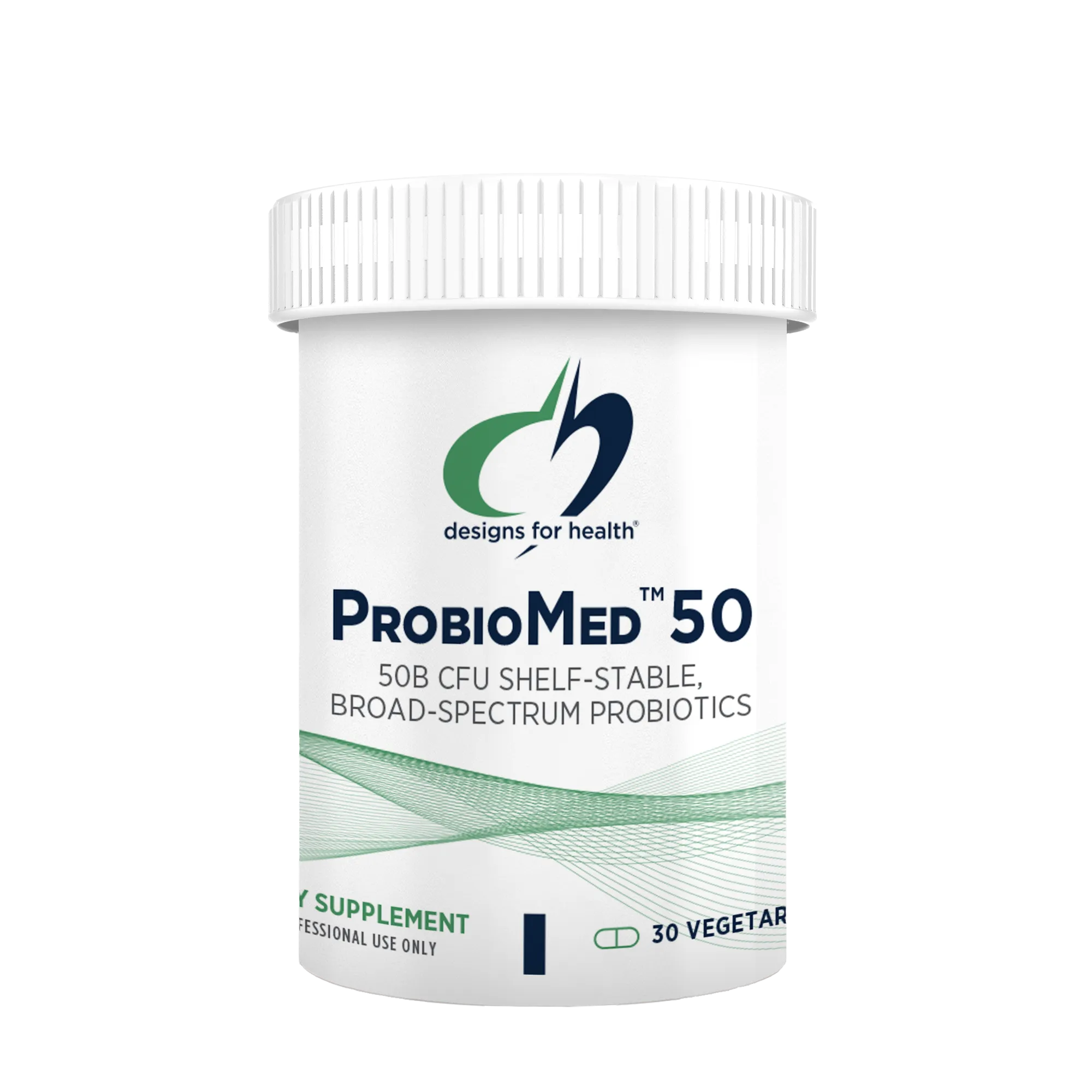
ProbioMed™ 50 is a highly potent, shelf-stable, dairy-free probiotic formulation designed to replenish and support this complex microbial ecosystem. The "50" in its name refers to the 50 billion colony-forming units (CFUs) delivered in every single serving. A CFU is a measure of viable bacterial or fungal cells that are capable of multiplying and forming a colony. In the context of chronic illness, where the microbiome has often been severely depleted by viral infections, antibiotics, or chronic stress, a high CFU count is frequently necessary to achieve a therapeutic effect. Lower-dose probiotics often fail to establish a foothold in a highly dysbiotic gut environment, whereas a robust dose of 50 billion CFUs provides a sufficient army of beneficial microbes to actively compete with overgrown pathogens and begin shifting the microbial balance back toward health.
Crucially, ProbioMed™ 50 does not rely on a single type of bacteria; it features a diverse blend of 10 carefully selected, highly researched probiotic strains. This diversity is vital because different strains perform different biochemical tasks within the gut. The formulation includes heavy hitters from the Lactobacillus and Bifidobacterium genera, such as Lactobacillus plantarum (UALp-05™), Bifidobacterium animalis lactis (HN019), Lactobacillus acidophilus (La-14), and Lactobacillus rhamnosus (GG). These specific strains have been extensively documented for their ability to adhere tightly to the intestinal lining, an essential characteristic for long-term colonization and efficacy. By combining these specific strains, ProbioMed™ 50 offers a multi-pronged approach to gut health, simultaneously supporting barrier integrity, modulating localized immune responses, and enhancing nutrient absorption.
One of the most significant challenges in probiotic supplementation is ensuring that the live bacteria actually survive the treacherous journey through the human digestive system. The stomach is a highly acidic environment, designed by nature to destroy incoming bacteria and viruses before they can infect the body. Standard probiotic capsules often dissolve rapidly in this acidic bath, resulting in a massive die-off of the beneficial bacteria before they ever reach their intended destination in the intestines. To combat this, ProbioMed™ 50 utilizes advanced delayed-release capsule technology. These specialized capsules are engineered from acid-resistant polymers that remain intact in the stomach's low-pH environment, protecting the delicate bacterial payload inside.
Once the delayed-release capsule passes through the stomach and enters the more neutral pH environment of the small intestine, it finally begins to dissolve, releasing the 50 billion CFUs exactly where they are needed most. This targeted delivery system dramatically increases the survivability and viability of the probiotic strains, ensuring that a clinically relevant dose of live organisms successfully reaches the gut to exert their therapeutic effects. Furthermore, the survivability of the strains in ProbioMed™ 50 is enhanced by unique moisture-resistant, desiccant-lined packaging. This novel packaging continuously pulls moisture out of the bottle, preventing environmental degradation and removing the need for refrigeration. This makes the supplement highly stable at room temperature, ensuring that the bacteria remain alive and potent from the time they are manufactured until the moment they are consumed.
How Long COVID and ME/CFS Impact the Gut Microbiome
For individuals living with complex chronic conditions like Long COVID, myalgic encephalomyelitis/chronic fatigue syndrome (ME/CFS), and dysautonomia, the gastrointestinal tract is frequently a site of profound dysfunction. Recent research has revealed that the pathophysiology of these conditions is deeply intertwined with gut dysbiosis—a state where the delicate balance of the microbiome is severely disrupted. When the SARS-CoV-2 virus enters the body, it doesn't just target the lungs; it actively infects the gastrointestinal tract. The virus binds to ACE2 receptors, which are highly expressed on the surface of intestinal epithelial cells. This direct viral infection triggers a massive localized inflammatory response, altering the intestinal environment and creating hostile conditions for beneficial bacteria. Studies have shown that even long after the acute respiratory infection has resolved, viral RNA and antigens can persist in the gut tissue for months or even years, acting as a continuous trigger for immune activation and microbial disruption.
This sustained viral presence and chronic inflammation lead to a marked reduction in microbial diversity. In patients with Long COVID and ME/CFS, researchers consistently observe a significant depletion of beneficial, short-chain fatty acid (SCFA)-producing bacteria, particularly those belonging to the Bifidobacterium genus and butyrate-producing species like Faecalibacterium prausnitzii. Concurrently, there is an overgrowth of pro-inflammatory, opportunistic pathogens, including various Streptococcus and Bacteroides species. This shift in the microbial landscape is not merely a side effect of the illness; it is a primary driver of ongoing symptoms. The loss of SCFA-producing bacteria deprives the intestinal cells of their primary energy source, leading to cellular starvation, impaired regeneration, and a breakdown of the gut's protective mechanisms. Understanding what causes Long COVID increasingly points toward this persistent gut-level immune activation.
The most devastating consequence of this viral-induced dysbiosis is the compromise of the intestinal barrier, a condition commonly referred to as increased intestinal permeability or "leaky gut." In a healthy state, the cells lining the intestines are held tightly together by complex protein structures known as tight junctions. These junctions act as a highly selective filter, allowing essential nutrients and water to pass into the bloodstream while blocking the entry of harmful bacteria, toxins, and undigested food particles. However, the depletion of butyrate-producing bacteria and the surge in localized inflammation cause these tight junctions to degrade and pull apart. The expression of critical tight junction proteins, such as Zonula Occludens-1 (ZO-1) and occludin, is significantly down-regulated in the presence of chronic post-viral inflammation.
When the intestinal barrier becomes permeable, it sets off a vicious cycle of systemic inflammation that characterizes conditions like Long COVID and ME/CFS. Bacterial endotoxins, particularly lipopolysaccharides (LPS) from the cell walls of overgrown Gram-negative bacteria, leak through the compromised gut lining and enter the systemic circulation. This phenomenon, known as microbial translocation, is frequently detected in blood tests of ME/CFS and Long COVID patients. Once in the bloodstream, these endotoxins are recognized by the immune system as a massive threat, triggering the release of pro-inflammatory cytokines (such as TNF-α and IL-6) throughout the entire body. This systemic, low-grade inflammation drives many of the hallmark symptoms of these conditions, including severe muscle pain, profound post-exertional malaise (PEM), and widespread immune dysregulation. In fact, exploring can Long COVID trigger ME/CFS reveals that this shared pathway of leaky gut and neuroinflammation is a central link between the two conditions.
The impact of gut dysbiosis extends far beyond the digestive tract, heavily influencing the central nervous system via the gut-brain axis. This bidirectional communication network involves direct neural pathways (like the vagus nerve), immune signaling, and the production of microbial metabolites. In a healthy gut, beneficial bacteria synthesize crucial neurotransmitters and their precursors, including serotonin, dopamine, and γ-aminobutyric acid (GABA). However, in the dysbiotic environment seen in Long COVID and ME/CFS, this metabolic production is severely impaired. Furthermore, the systemic inflammation triggered by a leaky gut can compromise the blood-brain barrier, allowing pro-inflammatory cytokines to enter the brain and induce neuroinflammation.
This neuroinflammatory state is a primary driver of the debilitating neurological symptoms experienced by patients, particularly the severe cognitive impairment often described as "brain fog." The inflammation disrupts normal neuronal signaling and alters the metabolism of tryptophan, an essential amino acid. Instead of being converted into beneficial serotonin, tryptophan is shunted down the kynurenine pathway, producing neurotoxic metabolites that further exacerbate cognitive dysfunction, anxiety, and sleep disturbances. Recent reviews highlight that addressing this gut-derived neuroinflammation through targeted microbiome modulation is a crucial strategy for managing the neuropsychiatric and cognitive symptoms of complex post-viral syndromes.
ProbioMed™ 50: Supporting Gut Barrier and Immune Function
Supplementing with a high-potency, multi-strain formula like ProbioMed™ 50 offers a targeted approach to reversing the vicious cycles of dysbiosis and intestinal permeability. One of the most critical mechanisms by which this supplement supports healing is through the physical restoration of the gut barrier, heavily driven by the inclusion of Lactobacillus plantarum (specifically the UALp-05™ strain). At the cellular level, L. plantarum acts as a master regulator of tight junction integrity. Extensive in vitro and animal studies demonstrate that this specific species actively upregulates the expression and phosphorylation of essential tight junction proteins, including Zonula Occludens-1 (ZO-1), occludin, and various claudins. By increasing the production of these structural proteins, L. plantarum helps to literally "zip up" the gaps between the intestinal epithelial cells, sealing the leaky gut and halting the flow of endotoxins into the bloodstream.
Furthermore, L. plantarum protects the gut lining from the damaging effects of chronic inflammation. In the presence of pro-inflammatory cytokines like TNF-α, which are elevated in Long COVID, intestinal cells often undergo apoptosis (programmed cell death), further degrading the barrier. L. plantarum counteracts this by activating the Protein Kinase C (PKC) signaling pathway and inhibiting the MAPK/NF-κB pathways. This biochemical intervention prevents the degradation of tight junction proteins and significantly reduces enterocyte apoptosis, allowing the intestinal lining to heal and regenerate. Additionally, this robust strain enhances the mechanical barrier by stimulating goblet cells to increase mucin secretion, creating a thicker, more protective mucus layer that prevents opportunistic pathogens from adhering to the intestinal walls.
Another cornerstone of the ProbioMed™ 50 formulation is Bifidobacterium animalis lactis (HN019), a strain renowned for its profound immunomodulatory properties. While L. plantarum focuses heavily on structural repair, B. lactis excels at re-educating the localized immune system and actively fighting off pathogenic overgrowth. When B. lactis colonizes the gut, it interacts directly with Toll-Like Receptor 2 (TLR2) on the surface of intestinal epithelial cells. This interaction triggers a mild, transient signaling cascade that acts like a "workout" for the innate immune system, enhancing the apical tightening of the cellular junctions and promoting a more resilient mucosal defense system. By engaging these receptors, B. lactis helps shift the immune response away from the hyper-inflammatory state characteristic of post-viral syndromes and toward a more balanced, regulated state.
Beyond immune signaling, B. lactis is a powerhouse of competitive exclusion and metabolic support. It exhibits an exceptionally high adherence rate to the human intestinal mucus layer, allowing it to physically crowd out harmful, pro-inflammatory bacteria that thrive in a dysbiotic gut. As it colonizes, B. lactis ferments dietary fibers to produce large quantities of short-chain fatty acids (SCFAs), primarily acetate. This production of SCFAs serves multiple therapeutic purposes: it lowers the luminal pH, creating a highly acidic environment that is hostile to pathogens; it provides a vital, easily accessible energy source for the exhausted colonocytes; and it exerts potent anti-inflammatory effects on the surrounding immune cells. Clinical studies indicate that the metabolites produced by B. lactis significantly increase Transepithelial Electrical Resistance (TEER), a primary clinical measure of enhanced gut barrier integrity.
For many patients with Long COVID and ME/CFS, gut healing is complicated by the presence of mast cell activation syndrome (MCAS) or severe histamine intolerance. Mast cells are immune responders that, when triggered, release histamine and other inflammatory mediators. In a dysbiotic gut, certain overgrown bacteria naturally produce the enzyme histidine decarboxylase, which converts dietary histidine into histamine, creating a continuous internal histamine dump that keeps mast cells in a state of hyper-reactivity. Choosing the right probiotic is critical, as some common commercial strains (like Lactobacillus casei or Lactobacillus bulgaricus) actually produce histamine and can trigger severe symptom flares in sensitive individuals.
Fortunately, the strains selected for ProbioMed™ 50 offer significant support for mast cell stabilization and histamine degradation. The formulation includes Lactobacillus rhamnosus (GG), which is heavily studied for its ability to downregulate the expression of high-affinity IgE receptors (FCER1) and Histamine H4 receptors on human mast cells. By downregulating these receptors, L. rhamnosus makes the mast cells less sensitive to allergic triggers, actively stabilizing their borders and preventing degranulation. Additionally, Lactobacillus plantarum is recognized as a potent histamine-degrading strain, capable of neutralizing excess biogenic amines in the gut lumen before they can cross into the bloodstream. Paired with the histamine-neutralizing properties of the Bifidobacterium species in the blend (such as B. longum and B. bifidum), this formulation provides a strategic approach to rebuilding the microbiome without fueling the fires of mast cell activation.
Symptoms ProbioMed™ 50 May Help Manage
By addressing the root causes of dysbiosis, intestinal permeability, and localized inflammation, the targeted strains in ProbioMed™ 50 can help manage a wide array of symptoms associated with complex chronic illnesses. For patients wondering do Long COVID symptoms come and go, addressing the gut is often key to stabilizing these unpredictable flares. Here are the specific symptoms this high-potency probiotic may help alleviate:
Severe Bloating and Abdominal Pain: By crowding out gas-producing pathogenic bacteria and reducing localized mucosal inflammation, strains like B. lactis and L. plantarum help normalize intestinal motility and reduce the painful distension often experienced after eating.
Unpredictable Bowel Habits (Diarrhea/Constipation): The production of short-chain fatty acids (SCFAs) by the Bifidobacterium strains helps regulate water absorption in the colon and provides energy to the intestinal muscles, promoting more consistent and healthy bowel movements.
Brain Fog and Cognitive Impairment: By sealing the "leaky gut" and preventing bacterial endotoxins (LPS) from entering the bloodstream, ProbioMed™ 50 helps reduce the systemic inflammation that drives neuroinflammation, thereby supporting clearer cognitive function and better focus.
Food Sensitivities and Histamine Reactions: The inclusion of mast-cell-stabilizing strains like L. rhamnosus GG and histamine-degrading strains like L. plantarum helps calm hyper-reactive immune responses in the gut, potentially increasing tolerance to a wider variety of foods and reducing post-meal symptom flares.
Profound Fatigue and Post-Exertional Malaise (PEM): Chronic immune activation originating from the gut is a massive drain on the body's energy reserves. By restoring barrier integrity and reducing the constant influx of toxins, the immune system can downregulate, freeing up cellular energy (ATP) for overall physical function rather than constant defense.
Frequent Infections and Immune Dysregulation: With 70% of the immune system located in the gut, the immunomodulatory effects of the 50 billion CFUs help train regulatory T-cells and enhance the secretion of antimicrobial peptides, supporting a more robust and balanced defense against secondary viral or bacterial infections.
Practical Considerations: Forms, Dosing, and Absorption
When incorporating a high-potency probiotic like ProbioMed™ 50 into a chronic illness management plan, understanding the nuances of bioavailability and delivery is just as important as the strains themselves. The human stomach is a formidable barrier, secreting hydrochloric acid that drops the pH to highly corrosive levels (between 1.5 and 3.5). This acidic environment is designed to sterilize the food we eat, but it also rapidly destroys the live bacteria in standard probiotic supplements. If a probiotic capsule dissolves in the stomach, a massive percentage of the 50 billion CFUs will be eradicated before they ever reach the intestinal tract, rendering the supplement largely ineffective.
To overcome this biological hurdle, ProbioMed™ 50 utilizes sophisticated delayed-release (DR) capsule technology. These specialized capsules are formulated with acid-resistant polymers, such as hypromellose and gellan gum, which remain tightly sealed during gastric transit. Instead of breaking down in the stomach within 15 to 30 minutes like standard capsules, these delayed-release mechanisms are engineered to withstand the acidic environment for 75 to 120 minutes. This precise timing ensures that the capsule remains intact until it passes through the pyloric sphincter and enters the more neutral, alkaline environment of the small intestine. Only then does the capsule dissolve, releasing the full, potent dose of live Lactobacillus and Bifidobacterium strains directly onto the intestinal mucosa where they can immediately begin adhering and colonizing.
Another critical factor in probiotic efficacy is the viability of the bacteria during storage. Probiotic strains are highly sensitive to environmental factors, particularly heat and moisture, which can cause the bacteria to activate prematurely and die off inside the bottle. Historically, high-potency probiotics required strict refrigeration to maintain their CFU counts, making them inconvenient for travel or daily carrying. ProbioMed™ 50 solves this issue through a combination of inherently robust bacterial strains and cutting-edge packaging technology.
The supplement is housed in a unique moisture-resistant, desiccant-lined bottle. The interior of the bottle features a specialized polymer sleeve that continuously pulls ambient moisture out of the air space, creating a hyper-dry microclimate that keeps the bacteria in a state of suspended animation. Because of this advanced packaging, ProbioMed™ 50 is completely shelf-stable and does not require refrigeration. This guarantees that the 50 billion CFUs promised on the label are actually alive and viable at the time of consumption, providing reliable, consistent dosing for patients managing unpredictable chronic symptoms.
For optimal absorption and efficacy, the suggested use for ProbioMed™ 50 is to take one capsule per day with a meal, or as directed by a healthcare practitioner. Taking the probiotic with food helps to naturally buffer stomach acid, providing an additional layer of protection for the bacteria alongside the delayed-release capsule. It also provides the incoming microbes with immediate dietary fibers and prebiotics to begin fermenting, which aids in their colonization of the gut lining. Consistency is key with probiotic therapy; it typically takes several weeks of daily supplementation to observe significant shifts in the microbiome and improvements in gastrointestinal symptoms or systemic inflammation.
While probiotics are generally very safe and well-tolerated, there are important practical considerations for certain patient populations. Individuals who are severely immunocompromised, such as those undergoing active chemotherapy or those with central venous catheters, should consult their doctor before starting high-dose probiotics due to a rare risk of bacteremia. Additionally, if you are currently taking prescription antibiotics, it is crucial to space out your probiotic dose. You should take ProbioMed™ 50 at least two to three hours away from your antibiotic medication to prevent the antibiotic from instantly neutralizing the beneficial strains. For patients with severe MCAS, while this formula contains supportive strains, it is always recommended to start slowly and monitor your body's unique response, as the microbiome is highly individualized.
Follow the Science
The therapeutic use of specific probiotic strains to manage the systemic symptoms of post-viral syndromes is supported by a robust and rapidly expanding body of clinical research. A primary focus of this research is the restoration of the intestinal barrier, a critical failure point in Long COVID and ME/CFS. Recent in vitro and animal studies have extensively documented the mechanisms of Lactobacillus plantarum, a key ingredient in ProbioMed™ 50. In models of induced intestinal permeability, oral administration of L. plantarum has been shown to significantly upregulate the expression of tight junction proteins like ZO-1 and occludin, effectively rescuing the epithelial cells from inflammatory destruction. These studies demonstrate that L. plantarum activates the Protein Kinase C (PKC) pathway, which is essential for repairing structural damage to the gut lining and reducing the cellular apoptosis caused by oxidative stress.
Furthermore, the specific interactions between Lactobacillus strains and mast cells have been heavily scrutinized, providing hope for patients dealing with MCAS. A landmark study evaluating human mast cells found that exposure to Lactobacillus rhamnosus (GG) significantly downregulated the genetic expression of the high-affinity IgE receptor (FCER1) and the Histamine H4 receptor (HRH4). By physically altering the receptor density on the surface of the mast cells, the probiotic effectively desensitized the cells to allergic triggers, shifting the localized immune response from a hyper-reactive, inflammatory Th2 state to a more balanced Th1 state. This provides a clear, mechanistic explanation for why targeted probiotic therapy can help alleviate the severe food sensitivities and histamine reactions common in chronic illness.
The clinical efficacy of Bifidobacterium species in treating the specific symptoms of Long COVID has been highlighted in several recent, large-scale trials. A major 2024 randomized, double-blind, placebo-controlled trial known as the SIM01 study investigated the use of a synbiotic preparation containing multiple Bifidobacterium strains in 463 patients with Long COVID. The researchers found that after six months of supplementation, the treatment group experienced highly significant, measurable improvements in multiple systemic symptoms compared to the placebo group. The Bifidobacterium intervention effectively alleviated profound fatigue, memory loss, difficulty concentrating, and general gastrointestinal upset, proving that modulating the gut microbiome has direct, powerful effects on the central nervous system via the gut-brain axis.
Additional research into the pathophysiology of COVID-19 confirms that severe viral infections cause a massive depletion of beneficial, SCFA-producing bacteria like Bifidobacterium animalis lactis. Studies show that replenishing these specific strains helps to lower the luminal pH of the gut, competitively exclude pro-inflammatory pathogens, and reduce the systemic circulation of bacterial endotoxins (LPS). By halting this microbial translocation, Bifidobacterium supplementation directly reduces the systemic cytokine storms that drive the debilitating post-exertional malaise (PEM) and muscle pain seen in ME/CFS and Long COVID patients.
While the clinical data supporting high-potency, multi-strain probiotics is incredibly promising, researchers and patient advocacy groups emphasize the need for a nuanced approach. The gut microbiome is highly individualized, acting almost like a microbial fingerprint. Reviews from organizations like the ME Association note that while clinical trials show clear statistical benefits for specific strains, real-world patient responses can vary. What brings profound relief to one patient may take longer to show effects in another, depending on their baseline level of dysbiosis, their diet, and their unique immune landscape. Therefore, while products like ProbioMed™ 50 offer a clinically relevant, heavily researched tool for gut restoration, they are most effective when utilized as part of a broader, comprehensive treatment strategy that includes dietary modifications, nervous system regulation, and ongoing medical supervision.
The Path Forward
Living with the unpredictable and often debilitating symptoms of Long COVID, ME/CFS, dysautonomia, or MCAS can feel like navigating a maze without a map. The profound fatigue, cognitive fog, and severe gastrointestinal distress are not just frustrating; they are deeply disruptive to your quality of life. However, understanding the intricate connection between your gut microbiome, your immune system, and your brain offers a powerful, actionable pathway toward healing. By recognizing that dysbiosis and a compromised intestinal barrier are core drivers of systemic inflammation, you can begin to take targeted steps to rebuild your foundation from the inside out, empowering you to learn how can you live with long-term COVID more comfortably.
Supplements like ProbioMed™ 50 provide a potent, scientifically backed tool for this restoration process. By delivering 50 billion CFUs of extensively researched, targeted strains directly to the intestines via delayed-release technology, this formulation helps to seal a leaky gut, modulate hyper-reactive mast cells, and crowd out the pro-inflammatory pathogens that fuel your symptoms. However, it is important to remember that true healing requires a comprehensive approach. Probiotic therapy is most effective when combined with careful symptom tracking, pacing to manage post-exertional malaise, a nutrient-dense diet tailored to your specific tolerances, and the guidance of a knowledgeable healthcare team.
If you are struggling with the gastrointestinal or systemic symptoms of a post-viral syndrome, supporting your microbiome may be a critical next step in your management strategy. Always consult with your healthcare provider before introducing new supplements, especially if you are managing complex conditions like severe MCAS or are taking prescription medications. Together, you can determine if a high-potency, multi-strain probiotic is the right fit for your unique biological needs.
Sources
Lactobacillus plantarum and its role in gut barrier function and tight junction regulation. PubMed.
Viral persistence and gastrointestinal symptoms in Long COVID. PubMed.
Histamine Lowering Probiotics for Histamine Intolerance and MCAS. Mast Cell 360.
The Best Probiotic Supplements to Lower Histamine Levels. Dr. Hagmeyer.