Can High-Dose Probiotics Like ProbioMed™ 250 Help Manage Long COVID and ME/CFS Symptoms?
March 6, 2026
ProbioMed 250ProbioticsLong COVID
Share:
Disclaimer: The information provided here is for educational purposes only and is not intended as medical advice. It should not be used to diagnose, treat, cure, or prevent any medical condition. Instead, use it as a starting point for discussion with your healthcare provider. Always consult with a qualified healthcare provider before starting any new medication, supplement, device, or making changes to your health regimen.
Months or even years after an initial viral infection, many individuals find themselves battling a complex web of debilitating symptoms. Whether diagnosed with Long COVID, myalgic encephalomyelitis/chronic fatigue syndrome (ME/CFS), dysautonomia, or mast cell activation syndrome (MCAS), the daily reality often involves profound fatigue, unpredictable gastrointestinal distress, and a pervasive "brain fog" that makes simple tasks feel insurmountable. As researchers dive deeper into the root causes of these chronic conditions, one critical physiological system continually emerges at the center of the storm: the gut microbiome. The intricate ecosystem of bacteria residing in our digestive tract does far more than process food; it serves as a central command center for our immune system, neurotransmitter production, and systemic inflammatory responses.
When this delicate microbial balance is disrupted by viral persistence, chronic stress, or immune dysfunction, the downstream effects can be devastating, creating a vicious cycle of systemic illness. ProbioMed™ 250 represents a targeted, high-potency clinical approach to restoring this vital internal ecosystem. By delivering a massive 250 billion colony-forming units (CFUs) of extensively researched probiotic strains, this advanced formulation aims to repair the compromised gut barrier, modulate hyperactive immune responses, and provide foundational biochemical support for those navigating the profound complexities of post-viral syndromes and chronic fatigue.
What is ProbioMed™ 250?
The Foundation of the Gut Microbiome
The human gut microbiome is a vast, incredibly complex ecosystem comprising trillions of microorganisms, including bacteria, viruses, fungi, and archaea. In a healthy, homeostatic state, these microbes exist in a deeply symbiotic relationship with our bodies, performing essential biochemical functions that our own human cells cannot execute. They synthesize crucial micronutrients, such as Vitamin K and various B vitamins, and play a pivotal role in extracting energy from complex, indigestible carbohydrates. More importantly, the gut microbiome acts as the primary training ground and regulatory center for the human immune system. Approximately 70% to 80% of the body's immune cells reside in the gut-associated lymphoid tissue (GALT). Here, beneficial bacteria constantly interact with immune cells, teaching them to differentiate between harmless dietary proteins and dangerous invading pathogens.
When this ecosystem is perfectly balanced, it maintains a state of immune tolerance and keeps systemic inflammation at bay. However, when this balance is lost—a pathological state known as dysbiosis—the resulting immune dysregulation can ripple throughout the entire body. Dysbiosis is characterized by a loss of microbial diversity, a depletion of beneficial, anti-inflammatory bacterial species, and an overgrowth of opportunistic, pro-inflammatory pathogens. This microbial shift fundamentally alters the chemical environment of the gut lumen, reducing the production of vital metabolites and increasing the presence of toxic bacterial byproducts. In the context of complex chronic diseases, this localized gut dysfunction acts as a primary driver for systemic symptoms, contributing heavily to the widespread inflammation and neurological impairments seen in patients.
A High-Dose, Multi-Strain Approach
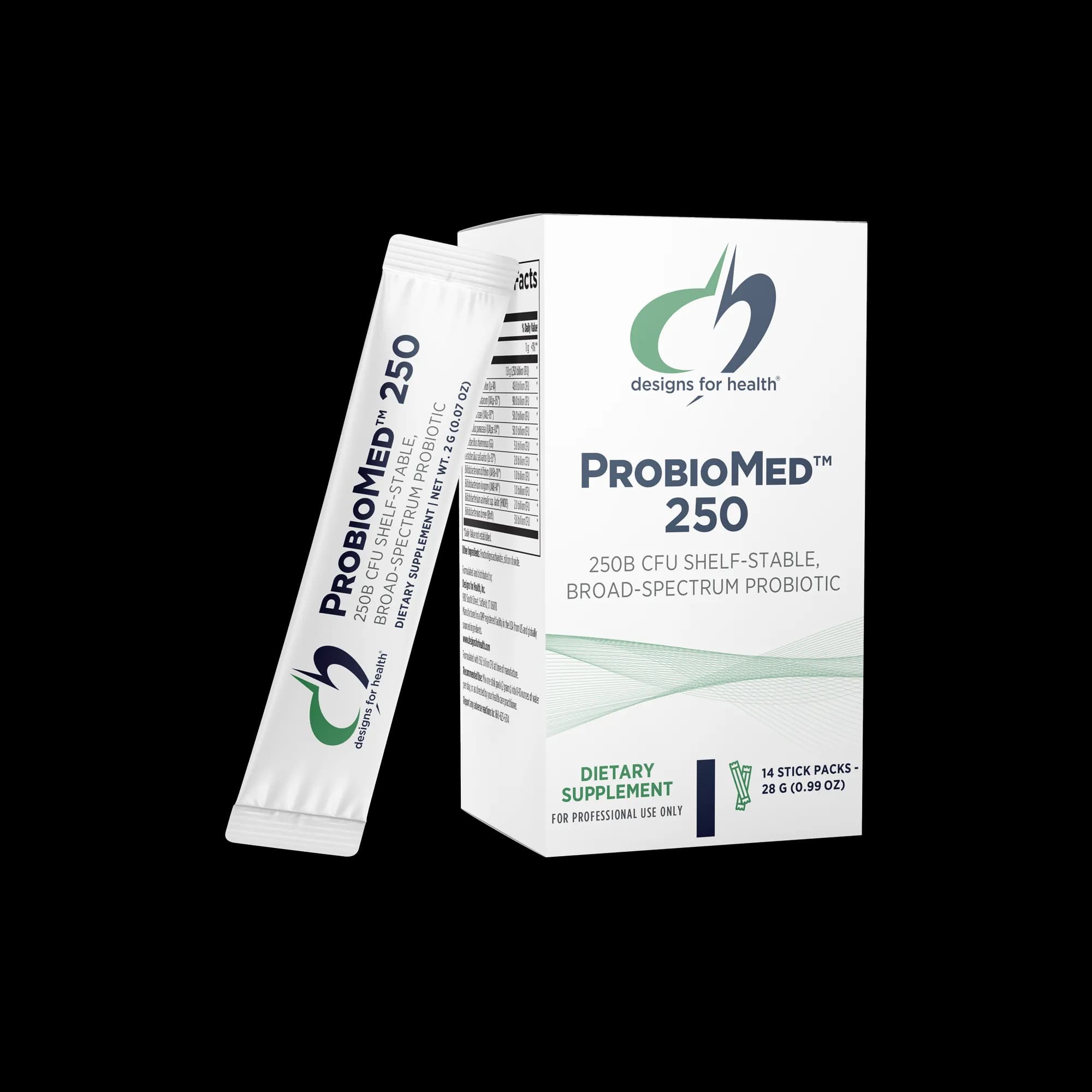
ProbioMed™ 250 is not a standard, everyday commercial probiotic; it is a clinical-grade, high-potency formulation designed specifically for individuals requiring intensive gastrointestinal and immune rehabilitation. Delivering a staggering 250 billion CFUs per single-serving stick pack, it combines ten highly researched, synergistic strains of Lactobacillus and Bifidobacterium. The formulation is heavily weighted toward Lactobacillus plantarum (UALp-05™) at 90 billion CFUs and Lactobacillus acidophilus (La-14) at 48 billion CFUs. These specific strains are globally renowned for their exceptional ability to survive the harsh, highly acidic environment of the stomach and successfully colonize the mucosal lining of the lower intestine. At the molecular level, these bacteria engage in a process called competitive exclusion, physically binding to the intestinal epithelial cells to crowd out pathogenic bacteria and yeast, preventing them from establishing a foothold.
Furthermore, the strategic inclusion of key Bifidobacterium strains, such as B. lactis (HN019), B. longum (BI-05™), and B. breve (Bbr8), ensures that the probiotic exerts its therapeutic effects deeply within the colon. These specific strains are the primary engines responsible for fermenting dietary fibers into short-chain fatty acids (SCFAs), which are absolutely critical for maintaining intestinal health. Additionally, the formula includes Lactobacillus rhamnosus (GG), one of the most extensively documented probiotic strains in medical literature. L. rhamnosus GG possesses unique, hair-like appendages called pili that allow it to anchor tenaciously to the gut wall, providing long-lasting barrier support and profound immunomodulatory benefits. Together, this multi-strain consortium works synergistically to rebuild the microbiome from the ground up.
Advanced Delivery and Viability Technology
One of the most significant and persistent challenges in clinical probiotic supplementation is ensuring that the live, freeze-dried bacteria actually survive the perilous journey from the manufacturing facility to the patient's lower digestive tract. Probiotics are inherently fragile organisms; exposure to ambient heat, environmental moisture, atmospheric oxygen, and ultraviolet light can rapidly degrade their cellular integrity, rendering a high-CFU count completely meaningless by the time the product is consumed. The bacteria are placed into a dormant state through a process called lyophilization (freeze-drying), and premature exposure to moisture will activate them in the packaging, causing them to die off before they ever reach the human body. ProbioMed™ 250 addresses this critical vulnerability through highly innovative, state-of-the-art packaging technology.
The supplement is delivered in novel, single-serving stick packs that are meticulously lined with a specialized moisture-resistant, oxygen-resistant, and light-resistant film. This advanced barrier technology entirely eliminates the need for refrigeration, which is a common, cumbersome requirement for other high-potency probiotic formulas. For patients managing debilitating chronic illnesses who may struggle with daily energy levels, suffer from profound fatigue, or travel frequently for specialized medical appointments, this level of convenience is transformative. It ensures that maintaining a consistent, highly efficacious gut-health regimen is as frictionless as possible, guaranteeing that the full 250 billion CFU payload is delivered viable and ready to colonize the gut upon ingestion.
How Long COVID and ME/CFS Impact the Gut Microbiome
Viral Persistence and the Disruption of Microbial Harmony
The intricate connection between acute viral infections and long-term, chronic gastrointestinal dysfunction is becoming increasingly clear in the scientific literature. In the context of Long COVID, researchers have discovered that the SARS-CoV-2 virus can persist in the gut reservoir for months or even years after the acute respiratory infection has ostensibly cleared. The virus actively binds to ACE2 receptors, which are highly expressed on the enterocytes (intestinal epithelial cells) lining the gut. This persistent viral presence triggers localized, chronic inflammation that fundamentally alters the microbial landscape. According to a comprehensive 2024 review in Biomedicine & Pharmacotherapy, patients with Long COVID exhibit a marked, sustained depletion of beneficial, anti-inflammatory bacteria—particularly Bifidobacterium species and Faecalibacterium prausnitzii.
Simultaneously, this viral-induced environment allows for the rapid overgrowth of opportunistic, pro-inflammatory pathogens like Ruminococcus gnavus and various Enterobacteriaceae. This profound state of dysbiosis is not entirely unique to COVID-19; strikingly similar patterns of microbial disruption have been extensively documented in ME/CFS. High-resolution shotgun metagenomics studies published in 2023 revealed that ME/CFS patients suffer from a severe deficiency in the gut's butyrate-producing capacity. This suggests a shared pathophysiological pathway where an initial severe stressor or viral infection permanently destabilizes the gut ecosystem, locking the body into a chronic state of illness. You can learn more about the specific gastrointestinal symptoms seen with Long COVID in our dedicated clinical resource.
Intestinal Permeability and the "Leaky Gut" Phenomenon
The severe depletion of beneficial, butyrate-producing bacteria has catastrophic, cascading consequences for the structural integrity of the intestinal lining. Butyrate, a short-chain fatty acid, serves as the primary and preferred energy source for colonocytes (the cells lining the colon). When butyrate levels plummet due to microbiome dysbiosis, these critical cells become metabolically starved and highly dysfunctional. Consequently, the intricate protein structures—such as zonulin, claudins, and occludins—that normally glue these cells tightly together begin to degrade and separate. This structural failure creates microscopic gaps in the intestinal barrier, a pathological condition clinically referred to as increased intestinal permeability, or colloquially as "leaky gut."
When this vital barrier is compromised, lipopolysaccharides (LPS)—highly toxic structural components found on the outer membrane of Gram-negative bacteria—leak from the gut lumen directly into the systemic bloodstream. The human immune system recognizes LPS as a severe, life-threatening pathogen, triggering a massive, systemic inflammatory response. Research highlighted by ME Research UK indicates that patients with ME/CFS often have significantly elevated serum antibodies against LPS, confirming that bacterial translocation is actively occurring. This constant leakage of endotoxins acts as a relentless driver of the chronic, low-grade systemic inflammation that underpins the debilitating symptoms of these complex conditions.
The Gut-Brain Axis and Neuroinflammation
The devastating implications of gut dysbiosis extend far beyond the localized digestive tract, directly and profoundly impacting neurological function through the gut-brain axis. This bidirectional communication network involves the vagus nerve, the systemic immune system, and the circulatory system. In a healthy, balanced state, beneficial gut bacteria continuously produce neurotransmitter precursors (like tryptophan) and short-chain fatty acids that cross the blood-brain barrier to exert vital neuroprotective and neuro-regenerative effects. However, in patients suffering from Long COVID and ME/CFS, the compromised "leaky gut" allows inflammatory cytokines and bacterial endotoxins to enter systemic circulation and eventually breach the highly sensitive blood-brain barrier.
Once these inflammatory molecules infiltrate the central nervous system, they actively trigger and activate microglia, the brain's resident immune defense cells. Chronic, sustained microglial activation leads to widespread neuroinflammation, which manifests clinically as the profound cognitive impairment, severe memory loss, and debilitating "brain fog" that so many patients experience daily. Understanding what causes Long COVID requires recognizing this intricate, vicious cycle where localized gut inflammation directly and relentlessly fuels systemic brain inflammation, effectively trapping the patient in a state of neurological exhaustion.
ProbioMed™ 250: Supporting Gut Repair and Immune Balance
Restoring Butyrate Production and Tight Junction Integrity
The primary, foundational therapeutic goal of high-dose probiotic intervention is to aggressively halt the cycle of intestinal permeability and restore the structural integrity of the mucosal barrier. ProbioMed™ 250 achieves this critical objective through its robust, high-potency inclusion of Bifidobacterium strains, specifically B. longum, B. bifidum, and B. lactis. When these resilient strains successfully colonize the lower intestine, they actively ferment indigestible dietary fibers into short-chain fatty acids, with butyrate being the most biochemically critical. At the cellular level, butyrate enters the colonocytes and undergoes beta-oxidation within the mitochondria, feeding the electron transport chain to produce massive amounts of ATP (cellular energy). This energy is absolutely required for the cells to maintain their structural bonds.
Furthermore, butyrate acts as a potent histone deacetylase (HDAC) inhibitor, a mechanism that regulates gene expression to promote rapid cellular repair and drastically reduce localized inflammation. By directly stimulating the synthesis and proper assembly of tight junction proteins like zonulin, claudin, and occludin, the probiotic blend helps to effectively "patch" the microscopic leaks in the gut lining. As the intestinal barrier regains its robust integrity, the dangerous translocation of toxic lipopolysaccharides (LPS) into the bloodstream is definitively halted. This crucial mechanism effectively cuts off the primary fuel supply for the systemic, chronic inflammation that drives post-viral syndromes.
Modulating the Immune System and Calming the Cytokine Storm
Beyond physical barrier repair, the specific, targeted strains in ProbioMed™ 250 exert profound and far-reaching immunomodulatory effects. The gut-associated lymphoid tissue (GALT) is constantly sampling the microbial environment to determine the body's immune posture. Strains like Lactobacillus acidophilus (La-14) and Lactobacillus rhamnosus (GG) interact directly with dendritic cells and macrophages in the gut lining via specific pattern recognition receptors, such as Toll-like receptors (TLRs). This vital cellular interaction triggers a complex signaling cascade that actively promotes the differentiation and proliferation of regulatory T cells (Tregs).
Tregs serve as the essential "peacekeepers" of the human immune system; they secrete powerful anti-inflammatory cytokines like Interleukin-10 (IL-10) while simultaneously suppressing the overproduction of highly pro-inflammatory cytokines such as Interleukin-6 (IL-6) and Tumor Necrosis Factor-alpha (TNF-α). In complex conditions like Long COVID and ME/CFS, where the immune system is essentially locked in a hyperactive, confused inflammatory state, this targeted modulation is critical. It helps to calm the lingering, destructive "cytokine storm," restoring a state of immune homeostasis and preventing the immune system from continuously attacking the body's own tissues.
The MCAS Connection: Targeted Histamine Degradation
For patients navigating the complexities of mast cell activation syndrome (MCAS)—a condition frequently and intimately comorbid with dysautonomia, ME/CFS, and Long COVID—gut health is an incredibly delicate balancing act. Mast cells densely line the gastrointestinal tract, and when dysbiosis occurs, certain pathogenic bacteria can produce massive amounts of excess histamine, triggering severe, unpredictable allergic-type flares. ProbioMed™ 250 contains specific, clinically selected strains that actively combat this systemic histamine burden. Lactobacillus plantarum, present at a massive 90 billion CFUs, has been shown in recent scientific studies to directly stimulate the human intestinal epithelial cells to secrete Diamine Oxidase (DAO), the primary and most important enzyme responsible for degrading extracellular histamine in the digestive tract.
Additionally, specific strains like Bifidobacterium longum and Bifidobacterium infantis are well-documented for their ability to degrade biogenic amines and physically downregulate the gene expression of histamine H1 receptors on the cellular surface. By actively dismantling excess dietary and microbially produced histamine, and simultaneously stabilizing the local immune environment, these targeted strains help prevent the systemic mast cell degranulation events that drive the unpredictable, debilitating flares in MCAS patients. This dual action of barrier repair and histamine degradation makes it a powerful tool for stabilizing highly reactive immune systems.
Symptoms ProbioMed™ 250 May Help Manage
Targeted Relief for Complex Chronic Illness Symptoms
By aggressively addressing the root physiological causes of gut dysbiosis, intestinal permeability, and severe immune dysregulation, the high-potency strains in ProbioMed™ 250 may help manage a wide array of systemic symptoms associated with complex chronic conditions:
Profound "Brain Fog" and Cognitive Impairment: By repairing the compromised gut barrier and halting the leakage of inflammatory lipopolysaccharides (LPS) into the bloodstream, these probiotics drastically reduce the systemic inflammation that drives microglial activation in the brain. The restoration of short-chain fatty acid production also supports the crucial synthesis of vital neurotransmitters, leading to measurable improvements in mental clarity, focus, and memory retention over time.
Gastrointestinal Distress (Bloating, Diarrhea, Constipation): The massive 250 billion CFU dose effectively and competitively excludes gas-producing pathogenic bacteria and yeast overgrowth. By restoring a healthy, homeostatic balance of flora, the probiotic regulates gut motility, reduces visceral hypersensitivity, and alleviates the unpredictable, painful bowel habits often misdiagnosed as standard Irritable Bowel Syndrome (IBS) in chronic illness patients.
Post-Exertional Malaise (PEM) and Chronic Fatigue: While probiotics are not a direct, standalone cure for cellular fatigue, repairing the gut lining ensures the optimal absorption of essential micronutrients and amino acids required for mitochondrial ATP (energy) production. Furthermore, reducing the chronic inflammatory burden frees up massive amounts of cellular energy that was previously wasted on sustaining a hyperactive, confused immune response, thereby raising the patient's overall baseline energy envelope.
Histamine Intolerance and Allergic-Type Flares: The inclusion of powerful, targeted histamine-degrading strains like Lactobacillus plantarum actively stimulates the body's production of the DAO enzyme. This critical mechanism helps break down dietary and microbial histamine directly in the gut before it can enter the bloodstream and trigger systemic mast cell degranulation, significantly reducing symptoms like sudden flushing, hives, gastrointestinal cramping, and unexplained tachycardia.
Unpredictable Immune Responses and Viral Susceptibility: By upregulating regulatory T cells (Tregs) within the gut-associated lymphoid tissue, the probiotic blend helps actively train the immune system to respond appropriately to genuine threats without overreacting to harmless environmental stimuli. This fosters a much more resilient, balanced immune defense, potentially reducing the frequency of secondary infections and symptom relapses.
Practical Considerations: Forms, Dosing, and Absorption
Maximizing Efficacy with High-Dose Stick Packs
When dealing with severe, entrenched gut dysbiosis associated with complex conditions like Long COVID or ME/CFS, standard over-the-counter probiotics containing a mere 5 to 10 billion CFUs are almost universally insufficient to enact meaningful physiological change. ProbioMed™ 250 delivers a highly therapeutic, clinical-grade dose of 250 billion CFUs per stick pack. This exceptionally high concentration is absolutely necessary to ensure that a biologically significant number of live bacteria survive the highly acidic environment of the stomach (pH 1.5-3.5), navigate the destructive bile salts of the small intestine, and successfully colonize the mucosal lining of the colon. The sheer numbers guarantee that competitive exclusion of pathogens can occur rapidly and effectively.
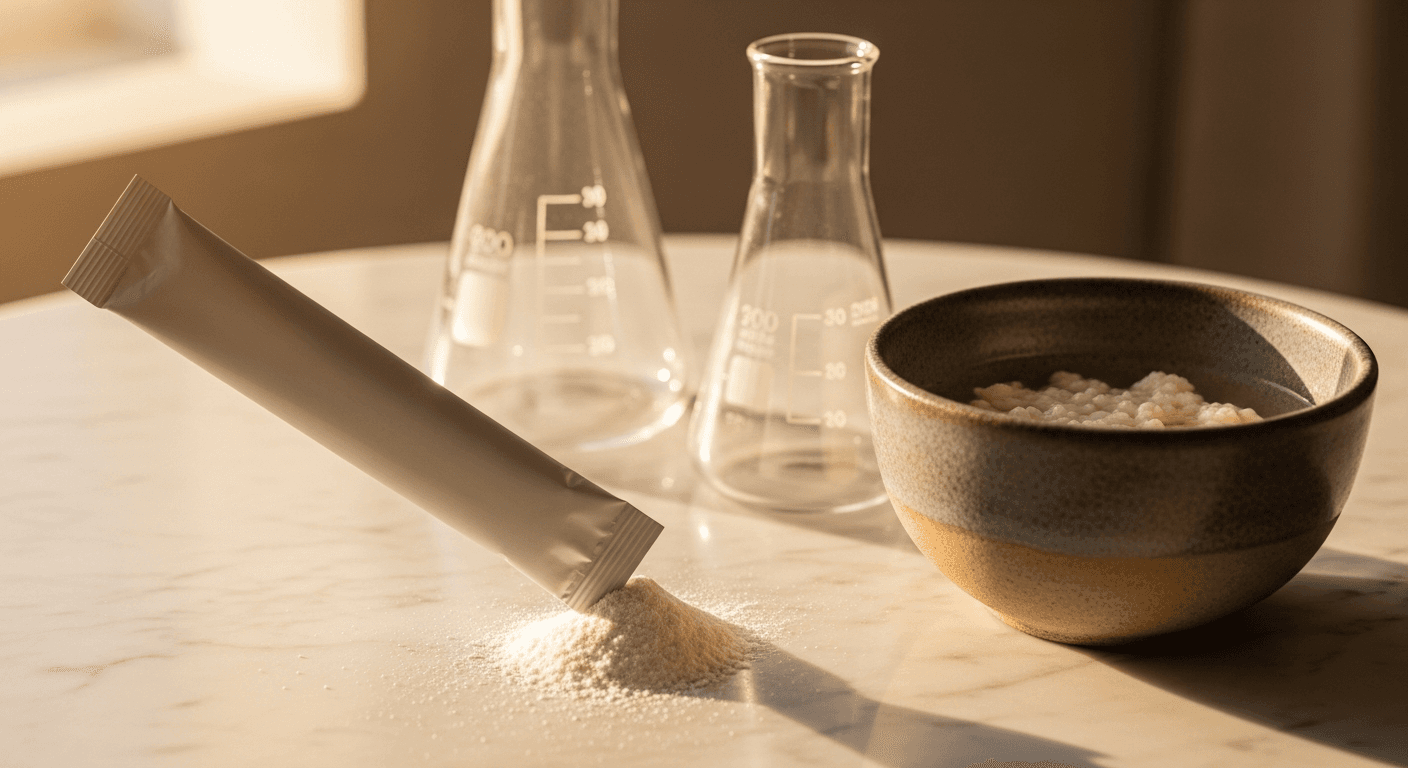
The innovative stick pack delivery system is a crucial component of this efficacy. Because the specialized packaging is highly resistant to moisture, oxygen, and light, the viability of the dormant, freeze-dried bacteria is perfectly preserved without the need for constant refrigeration. For optimal absorption and successful colonization, clinical best practices recommend mixing the unflavored powder into 8 to 10 ounces of room-temperature or cool water. It is imperative to never use hot water, as high temperatures will instantly kill the live cultures. Consuming the probiotic shortly before or alongside a meal containing healthy fats and complex carbohydrates is highly beneficial, as the food acts as a buffer against stomach acid and provides prebiotic fuel for the incoming bacteria.
Navigating Dosing Strategies and "Die-Off" Reactions
Introducing a massive, sudden influx of 250 billion beneficial bacteria into a highly dysbiotic, fragile gut ecosystem can rapidly and dramatically alter the microbial balance. As the beneficial strains competitively exclude and actively eradicate pathogenic bacteria and yeast overgrowth, these dying microbes release a flood of intracellular endotoxins into the gut lumen. This rapid microbial shift can trigger a temporary exacerbation of symptoms known clinically as a Herxheimer, or "die-off," reaction. During the first few days to weeks of supplementation, patients may experience transient increases in bloating, excessive gas, profound fatigue, or mild systemic headaches as the liver works overtime to process and clear these endotoxins.
To effectively mitigate this uncomfortable reaction, many functional medicine practitioners strongly recommend a "low and slow" approach, particularly for patients with highly sensitive systems. Instead of consuming a full 250 billion CFU stick pack immediately, a patient might start by mixing one-quarter or one-half of the stick pack into water, storing the remainder in a sealed container. By gradually titrating up to the full clinical dose over the course of several weeks, the gastrointestinal tract and the liver's detoxification pathways are given adequate time to adapt to the new microbial balance, ensuring a much smoother and more tolerable therapeutic transition.
Considerations for Severe MCAS and Histamine Sensitivities
While ProbioMed™ 250 is heavily and intentionally weighted toward histamine-degrading and mast-cell-stabilizing strains like L. plantarum, L. rhamnosus GG, and various Bifidobacteria, it remains a broad-spectrum, multi-strain formula. It does contain Lactobacillus casei, a specific strain that is sometimes flagged by immunologists and MCAS specialists as potentially histamine-producing in highly sensitive, reactive individuals. For the vast majority of chronic illness patients, the overwhelming presence of potent histamine-degrading strains in the formula more than compensates for this, resulting in a significant net reduction of overall gut histamine levels and improved tolerance.
However, individuals diagnosed with severe, highly reactive Mast Cell Activation Syndrome (MCAS)—those who experience anaphylaxis-like reactions to minor triggers—should exercise appropriate clinical caution. It is highly advisable for these specific patients to work closely with their healthcare provider or functional medicine specialist. Starting with microscopic, carefully measured doses allows the patient to test their individual immunological tolerance before committing to the full 250 billion CFU regimen. This personalized, cautious approach ensures that the powerful benefits of microbiome rehabilitation can be accessed safely without triggering unnecessary mast cell degranulation.
Follow the Science: Clinical Evidence for Probiotics
The Landmark SIM01 Long COVID Trial
The clinical evidence supporting aggressive microbiome modulation for post-viral syndromes has expanded exponentially in recent years, moving from theoretical models to robust human trials. A watershed moment in this field occurred in December 2023 with the publication of the landmark RECOVERY trial in The Lancet Infectious Diseases. This large-scale, double-blind, randomized, placebo-controlled trial rigorously investigated the effects of a specific synbiotic formulation (SIM01), which heavily featured Bifidobacterium strains (B. adolescentis, B. bifidum, B. longum), on 463 patients suffering from debilitating Long COVID. The study provided some of the most compelling evidence to date that targeting the gut can resolve systemic symptoms.
After six months of continuous treatment, the clinical results were striking and highly statistically significant. Patients receiving the microbiome intervention showed profound improvements across multiple systemic symptoms compared to the placebo control group. Specifically, 63% of treated patients reported substantial alleviation of profound fatigue, 62% experienced a marked reduction in brain fog and difficulty concentrating, and 70% saw significant improvements in gastrointestinal upset. Crucially, comprehensive fecal analyses confirmed that the intervention successfully restored gut microbiome diversity and dramatically increased the production of vital short-chain fatty acids, directly linking the physical repair of the gut to the resolution of systemic neurological and physical symptoms.
ME/CFS, Leaky Gut, and Synbiotic Research
The scientific literature surrounding ME/CFS heavily corroborates and mirrors the findings in Long COVID research. Multiple high-impact studies, including comprehensive metagenomic analyses published in 2023 in journals like Cell Host & Microbe, have definitively linked ME/CFS to a profound, measurable depletion of butyrate-producing bacteria and subsequent severe intestinal permeability. Research highlighted by ME Research UK clearly demonstrates that the leakage of bacterial endotoxins (LPS) across the compromised gut barrier is a primary, relentless driver of the chronic immune activation and systemic inflammation seen in ME/CFS patients.
Furthermore, a highly anticipated 2025 randomized, double-blind trial investigated the use of a multi-strain synbiotic (including L. rhamnosus, L. plantarum, and B. longum) specifically in post-COVID ME/CFS patients. Over a rigorous three-month period, the intervention group experienced a highly significant reduction in post-exertional malaise (PEM), the hallmark symptom of the disease. Remarkably, advanced brain imaging conducted during the study revealed increased levels of choline and creatine in the brains of the treated patients. This groundbreaking finding suggests that repairing the gut barrier directly and measurably improved neuro-metabolism and brain energy production, validating the gut-brain axis as a primary therapeutic target.
Strain-Specific Evidence for Histamine and Gut Barrier
The clinical efficacy of any probiotic intervention is entirely dependent on the specific, genetically distinct strains utilized in the formulation. The strains found in ProbioMed™ 250 have been the subject of rigorous, independent scientific research. For instance, Lactobacillus plantarum has been extensively studied for its unique role in histamine degradation. Recent in vitro studies have conclusively demonstrated that L. plantarum significantly stimulates human intestinal epithelial cells to secrete Diamine Oxidase (DAO), rapidly and effectively reducing histamine levels in the surrounding cellular environment without causing any cellular toxicity.
Similarly, Lactobacillus rhamnosus GG stands as one of the most widely researched and documented probiotic strains globally, with extensive medical literature confirming its profound ability to physically upregulate tight junction proteins. By reinforcing these cellular seals, it effectively closes the leaky gut and prevents the systemic translocation of inflammatory mediators. Together, these robust clinical findings validate the use of high-dose, targeted multi-strain probiotics not just as general wellness supplements, but as foundational, evidence-based therapeutic tools for managing the complex pathophysiology of chronic illnesses.
The Path Forward
A Comprehensive Approach to Healing
Living daily with complex conditions like Long COVID, ME/CFS, dysautonomia, and MCAS is an exhausting, deeply unpredictable journey. The profound, crushing fatigue, severe cognitive impairment, and relentless gastrointestinal distress are not merely "in your head"—they are the tangible, measurable results of complex, systemic physiological disruptions, very often rooted deep within the gut microbiome. Validating these biological realities is the essential first step toward reclaiming your health and agency. While aggressively repairing the gut ecosystem is a critical, foundational component of recovery, it is vitally important to remember that true, lasting healing requires a comprehensive, multi-faceted approach to chronic illness management.
High-dose, clinical-grade probiotics like ProbioMed™ 250 are most effective when seamlessly integrated into a broader, personalized management strategy. This should include aggressive, disciplined pacing to avoid triggering post-exertional malaise, targeted nutritional support to address cellular deficiencies, nervous system regulation techniques to calm the vagus nerve, and continuous, detailed symptom tracking. Understanding exactly how a doctor diagnoses Long COVID and exploring the latest research on what drugs are used for COVID long haulers can further empower you to build a robust, highly personalized treatment protocol alongside your medical team.
Reclaiming Your Quality of Life
The emerging scientific consensus is clear and highly encouraging: modulating the gut microbiome offers a profound, evidence-based pathway to reducing systemic inflammation, repairing the damaged gut-brain axis, and significantly alleviating some of the most debilitating symptoms of post-viral syndromes. By introducing a clinical-grade, high-potency blend of targeted bacterial strains, you can actively begin to rebuild the internal ecosystem that serves as the very foundation of your immune and neurological health. As you navigate this complex path, always consult closely with your healthcare provider to ensure that any new therapeutic supplement aligns safely with your unique medical history, sensitivities, and current treatment regimens. With immense patience, targeted scientific interventions, and compassionate medical care, improving your quality of life is not just a distant hope—it is a scientifically grounded, achievable possibility.
Sources
The Lancet Infectious Diseases: Efficacy of a synbiotic preparation (SIM01) for Long COVID
Biomedicine & Pharmacotherapy: Microbiome and Long COVID-19: Current Evidence and Insights
Neurology: Clinical and Immunologic Effects of Paraprobiotics in Long-COVID Patients
Frontiers in Immunology: The Gut Microbiome in Myalgic Encephalomyelitis/Chronic Fatigue Syndrome
MDPI: Gut Microbiome and ME/CFS: Insights into Disease Mechanisms
MicrobiomePost: Synbiotic supplementation improves symptoms in post-COVID-19 ME/CFS
Frontiers in Immunology: Increased gut permeability and bacterial translocation in ME/CFS
Translational Medicine: The potential therapeutic approaches targeting gut health in ME/CFS