Can ProbioMed™ 100 Support Gut Health and Immunity in Long COVID and ME/CFS?
March 6, 2026
ProbioMed 100ProbioticsLong COVID
Share:
Disclaimer: The information provided here is for educational purposes only and is not intended as medical advice. It should not be used to diagnose, treat, cure, or prevent any medical condition. Instead, use it as a starting point for discussion with your healthcare provider. Always consult with a qualified healthcare provider before starting any new medication, supplement, device, or making changes to your health regimen.
In the wake of a viral infection, many patients find themselves battling a bewildering array of symptoms that seem entirely disconnected. You might experience debilitating fatigue, sudden food intolerances, racing heart rates, and profound brain fog. For individuals living with Long COVID, myalgic encephalomyelitis/chronic fatigue syndrome (ME/CFS), and mast cell activation syndrome (MCAS), the search for answers often leads to a surprising origin point: the gut. The gastrointestinal tract is not just a digestive organ; it is the command center of the immune system and a primary communication hub for the brain.
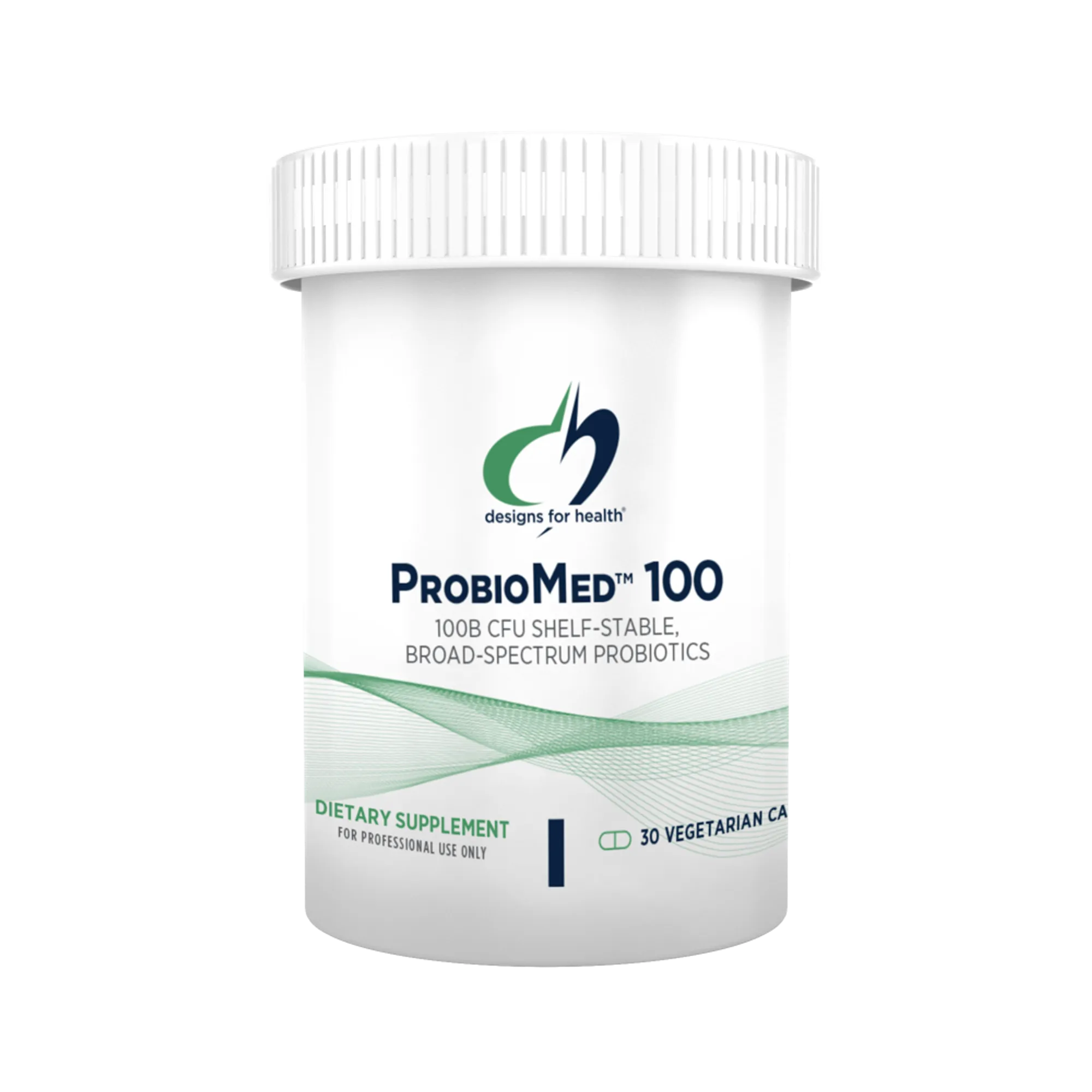
When the delicate balance of the gut microbiome is disrupted by viral persistence, chronic stress, or systemic inflammation, it can trigger a cascade of downstream effects that perpetuate chronic illness. Restoring this balance is a critical component of complex chronic illness management. ProbioMed™ 100 by Designs for Health is a highly potent, targeted probiotic formulation designed to support optimal gastrointestinal health, fortify the intestinal barrier, and promote a healthy immune response. By delivering 100 billion colony-forming units (CFUs) from 10 highly researched strains, this formulation offers a robust approach to microbiome rehabilitation.
TL;DR
Gut health is deeply connected to Long COVID, ME/CFS, and MCAS symptoms like brain fog and fatigue.
Post-viral gut dysbiosis can drive systemic inflammation and worsen chronic illness symptoms.
ProbioMed™ 100 delivers 100 billion CFUs of targeted strains to support gut barrier and immune function.
Specific probiotic strains may help stabilize mast cells and support cellular energy metabolism.
What is ProbioMed™ 100?
The Power of a Diverse Microbiome
ProbioMed™ 100 is a clinical-grade, shelf-stable, dairy-free probiotic formulation that delivers a massive 100 billion CFUs per serving. Unlike generic probiotics that offer a random assortment of bacteria, ProbioMed™ 100 consists of 10 specific, highly researched strains, including Lactobacillus plantarum (UALp-05™), Bifidobacterium animalis lactis (HN019), and Lactobacillus rhamnosus (GG). In a healthy human body, the gastrointestinal tract hosts trillions of microorganisms that live in a symbiotic relationship with our cells. This complex ecosystem, known as the gut microbiome, is responsible for far more than just breaking down food. It actively synthesizes essential vitamins, regulates metabolic pathways, and produces critical signaling molecules called short-chain fatty acids (SCFAs).
SCFAs, particularly butyrate, acetate, and propionate, are the primary energy source for colonocytes (the cells lining the colon). They are produced when beneficial bacteria ferment dietary fibers that our bodies cannot digest on their own. Beyond providing localized energy, SCFAs exert profound systemic effects. They act as potent anti-inflammatory agents by inhibiting histone deacetylases (HDACs) and activating G-protein-coupled receptors (GPCRs) on immune cells. This biochemical signaling helps to maintain a state of immune tolerance, helping to keep the immune system from overreacting to harmless dietary proteins or environmental antigens. A diverse and thriving microbiome is therefore essential for keeping systemic inflammation in check.
Furthermore, the microbiome plays a pivotal role in training the innate and adaptive immune systems. Approximately 70% to 80% of the body's immune cells reside in the gut-associated lymphoid tissue (GALT). Beneficial bacteria constantly interact with these immune cells, teaching them to differentiate between dangerous pathogens and benign substances. When this microbial diversity is robust, the immune system remains vigilant but balanced. When diversity plummets, immune dysregulation often follows, setting the stage for chronic inflammatory conditions and autoimmune-like responses.
The Importance of Strain Survivability
One of the greatest challenges in probiotic supplementation is ensuring that the beneficial bacteria actually survive the harsh, highly acidic environment of the stomach. The human stomach secretes hydrochloric acid, which drops the pH to incredibly low levels (often between 1.5 and 3.5) specifically to destroy ingested pathogens. Unfortunately, this defense mechanism also eradicates many unprotected probiotic strains before they can reach the intestines where they are needed. ProbioMed™ 100 addresses this biological hurdle by utilizing highly robust strains that naturally possess a higher tolerance to acidic environments and bile salts.
In addition to the inherent resilience of the selected strains, ProbioMed™ 100 utilizes advanced delayed-release capsule technology. These specialized capsules are engineered to remain intact throughout the gastric transit, only dissolving and releasing their payload once they reach the more neutral pH of the small intestine. This ensures that a clinically relevant dose of live, active cultures successfully colonizes the intestinal walls. Once there, these specific strains are capable of adhering to the mucosal lining, where they can multiply, outcompete opportunistic pathogens, and begin supporting gastrointestinal homeostasis.
How Long COVID and ME/CFS Impact the Gut Microbiome
The Vicious Cycle of Post-Viral Dysbiosis
In conditions like Long COVID and ME/CFS, the gut microbiome often undergoes a drastic and sustained negative transformation, a state known as dysbiosis. Research has consistently shown that acute viral infections, including SARS-CoV-2, can directly infect the enterocytes lining the intestines, triggering localized inflammation and altering the microbial landscape. Recent studies indicate that patients with Long COVID and ME/CFS exhibit a significant reduction in overall gut microbial diversity. There is a marked depletion of beneficial, SCFA-producing bacteria (such as Faecalibacterium prausnitzii and Bifidobacterium species) and a simultaneous overgrowth of opportunistic, pro-inflammatory pathogens.
This loss of beneficial flora creates a vicious cycle. Without adequate SCFA production, the colonocytes become energy-starved, and the localized anti-inflammatory signaling diminishes. The gut environment becomes hostile to healthy bacteria and highly favorable to pathogens that thrive in inflammatory conditions. Furthermore, in Long COVID, this altered gut flora may allow viral antigens or viral RNA to persist in the gastrointestinal tract long after the acute respiratory infection has cleared. This viral persistence acts as a constant irritant, sustaining a state of chronic, low-grade immune activation that drains the body's energy reserves and contributes to severe fatigue.
Leaky Gut and Systemic Inflammation
One of the most devastating consequences of post-viral dysbiosis is the breakdown of the intestinal epithelial barrier, commonly referred to as "leaky gut" or increased intestinal permeability. The intestinal lining is only one cell thick, and these cells are stitched together by complex protein structures called tight junctions. When the microbiome is depleted of SCFA-producing bacteria, these tight junctions begin to degrade. Research highlights that this barrier dysfunction allows structural components of bacteria, such as lipopolysaccharides (LPS), as well as undigested food particles and toxins, to translocate from the gut lumen directly into the systemic bloodstream.
Once these foreign molecules enter the bloodstream, the immune system recognizes them as dangerous invaders and mounts a massive, systemic inflammatory response. This phenomenon, known as metabolic endotoxemia, triggers the release of pro-inflammatory cytokines like TNF-α, IL-6, and IL-1β. For patients with mast cell activation syndrome (MCAS), this constant influx of antigens across the leaky gut barrier acts as a perpetual trigger, causing systemic mast cells to degranulate and release histamine, leading to unpredictable allergic-like reactions, flushing, tachycardia, and severe gastrointestinal distress.
The Gut-Brain Axis and Neuroinflammation
The impact of a disrupted gut microbiome extends far beyond the digestive tract, directly influencing neurological function via the gut-brain axis. This bidirectional communication network involves the vagus nerve, the immune system, and the endocrine system. When the gut is inflamed and leaky, the resulting systemic cytokines can travel to the brain and cross the blood-brain barrier. Once inside the central nervous system, these inflammatory messengers activate microglia, the brain's resident immune cells. Current scientific consensus suggests that this microglial activation and subsequent neuroinflammation are primary drivers of the profound cognitive dysfunction, memory loss, and "brain fog" experienced by Long COVID and ME/CFS patients.
Additionally, the gut microbiome is responsible for producing or regulating many essential neurotransmitters, including serotonin, dopamine, and GABA. In fact, an estimated 90% of the body's serotonin is synthesized in the gut. When dysbiosis disrupts this production, it can lead to severe mood disturbances, anxiety, depression, and sleep dysregulation—all common symptoms in complex chronic illnesses. By understanding these intricate connections, it becomes clear that healing the gut is not just about resolving digestive discomfort; it is a foundational step in calming systemic inflammation and restoring neurological clarity.
ProbioMed™ 100: Supporting Gut Barrier and Immune Function
Fortifying the Intestinal Barrier with Lactobacillus plantarum
ProbioMed™ 100 contains a highly potent dose of Lactobacillus plantarum (UALp-05™), a strain renowned for its ability to repair and fortify the intestinal epithelial barrier. At the molecular level, L. plantarum interacts directly with the human immune system through Toll-Like Receptor 2 (TLR2) located on the surface of intestinal epithelial cells. Research demonstrates that this commensal-driven signaling modulates the NF-κB pathway in a beneficial way, actively suppressing the localized inflammation that degrades the gut lining. By downregulating pro-inflammatory cytokines, L. plantarum creates an environment conducive to cellular repair and regeneration.
More importantly, L. plantarum actively stimulates the genetic expression and physical assembly of tight junction proteins. Studies have shown that exposure to this probiotic strain upregulates the production of critical structural proteins, including zonula occludens-1 (ZO-1), occludin, and various claudins. It even induces the physical relocation of these proteins directly into the tight-junction regions between cells, mechanically reinforcing the cellular seal. By physically tightening the gut barrier, L. plantarum helps halt the translocation of endotoxins into the bloodstream, thereby cutting off the fuel supply for systemic inflammation and mast cell activation.
Enhancing Innate Immunity with Bifidobacterium lactis HN019
Another cornerstone of the ProbioMed™ 100 formulation is Bifidobacterium animalis lactis (HN019). This specific strain has been extensively studied for its profound ability to modulate and enhance the innate immune system, particularly in the context of combating immunosenescence (the decline of immune function). In chronic viral syndromes like Long COVID, the immune system often becomes exhausted and dysregulated, failing to adequately clear persistent viral antigens while simultaneously overreacting to harmless stimuli. B. lactis HN019 helps to restore this delicate balance by directly enhancing the function of critical immune cells.
A comprehensive systematic review and meta-analysis demonstrated that supplementation with B. lactis HN019 significantly increases polymorphonuclear (PMN) cell phagocytic capacity—the ability of white blood cells to engulf and destroy invading pathogens. Furthermore, it enhances the tumoricidal activity of Natural Killer (NK) cells, which are essential for identifying and eliminating virally infected cells. By boosting these specific cellular defenses, HN019 supports the body's natural ability to clear lingering infections and maintain a robust, yet appropriately regulated, immune response without triggering excessive autoimmune-like inflammation.
Stabilizing Mast Cells with Lactobacillus rhamnosus GG
For patients navigating the complexities of MCAS and histamine intolerance, choosing the right probiotic is a minefield, as many common bacterial strains actually produce histamine as a metabolic byproduct. ProbioMed™ 100 includes Lactobacillus rhamnosus (GG), widely considered one of the safest and most beneficial strains for histamine-sensitive individuals. L. rhamnosus GG lacks the histidine decarboxylase enzyme, meaning it cannot convert the amino acid histidine into histamine. It is inherently "histamine neutral," ensuring that it will not add to the body's overall histamine burden or trigger acute allergic flares.
Beyond simply being safe, L. rhamnosus GG acts as a powerful mast cell stabilizer. A landmark microarray study analyzing human mast cells revealed that exposure to L. rhamnosus GG actively downregulates the genetic expression of FCER1A and FCER1G—the genes responsible for creating high-affinity IgE receptors. It also suppresses HRH4, the gene encoding the histamine H4 receptor. By physically altering the genetic expression of these receptors, the probiotic turns down the "dial" on mast cell sensitivity, making them less reactive to environmental triggers and helping to manage the explosive degranulation that drives MCAS symptoms.
Symptoms ProbioMed™ 100 May Help Manage
Targeted Symptom Relief
Because the gut microbiome influences so many systemic pathways, targeted probiotic therapy can have wide-ranging benefits. While individual responses vary, ProbioMed™ 100 may help manage the following symptoms associated with complex chronic illnesses:
Gastrointestinal Distress: By outcompeting pathogenic bacteria and restoring a healthy balance of flora, the 10 strains in ProbioMed™ 100 can help alleviate common gastrointestinal symptoms such as bloating, unpredictable bowel movements, abdominal pain, and excessive gas.
Brain Fog and Cognitive Dysfunction: By repairing the intestinal barrier and reducing the translocation of inflammatory endotoxins (LPS) into the bloodstream, this probiotic helps lower systemic inflammation. This, in turn, reduces the neuroinflammation and microglial activation that drive profound brain fog and memory issues.
Immune Dysregulation and MCAS Flares: The inclusion of mast-cell-stabilizing strains like L. rhamnosus GG helps downregulate IgE and histamine receptors. This can lead to a reduction in the frequency and severity of histamine-driven symptoms, such as flushing, hives, tachycardia, and sudden food reactivities.
Fatigue and Post-Exertional Malaise (PEM): Chronic fatigue is deeply linked to mitochondrial dysfunction and energy starvation at the cellular level. By promoting the production of short-chain fatty acids (SCFAs) like butyrate, ProbioMed™ 100 supports cellular energy metabolism and helps break the cycle of chronic, energy-draining immune activation.
Nutrient Malabsorption: A damaged, inflamed gut lining struggles to absorb essential vitamins and minerals from food. By soothing mucosal inflammation and promoting tissue repair, these probiotic strains help restore optimal digestive function, ensuring your body can actually utilize the nutrients you consume.
Practical Considerations: Forms, Dosing, and Absorption
The Advantage of Delayed-Release Technology
When selecting a probiotic, the delivery mechanism is just as critical as the CFU count. As mentioned earlier, the human stomach is a highly acidic environment designed to neutralize incoming bacteria. Standard gelatin or cellulose capsules often dissolve within minutes of entering the stomach, exposing the delicate probiotic strains to lethal gastric acids. ProbioMed™ 100 overcomes this through the use of sophisticated delayed-release capsule technology. These acid-resistant capsules are designed to withstand the harsh gastric environment, remaining intact until they reach the more neutral, alkaline pH of the small intestine.
This targeted delivery system ensures that the massive 100 billion CFU payload is deposited exactly where it is needed most. Once in the intestines, the capsules dissolve, allowing the robust strains of Lactobacillus and Bifidobacterium to emerge viable and active. This maximizes the biological availability of the supplement, ensuring that the bacteria can successfully adhere to the mucosal lining, begin colonization, and exert their therapeutic effects on the gut barrier and immune system.
Shelf-Stability and Convenience
Historically, high-potency probiotics required strict refrigeration to maintain their viability, making them difficult to travel with and prone to degradation if left out on a counter. ProbioMed™ 100 utilizes a novel, moisture-resistant, desiccant-lined packaging system that protects the capsules from environmental humidity and oxygen. This advanced packaging technology renders the formulation completely shelf-stable at room temperature. For patients managing the overwhelming daily logistics of chronic illness, this eliminates the stress of cold-chain storage and makes it highly convenient for travel or keeping in a daily pill organizer.
Dosing, Timing, and Potential Interactions
The suggested use for ProbioMed™ 100 is to take one capsule per day with a meal, or as directed by your healthcare practitioner. Taking probiotics with food—particularly a meal containing some healthy fats and complex carbohydrates—can further buffer stomach acid and provide the bacteria with immediate prebiotic fuel to begin colonization. Because this is a highly potent, 100 billion CFU formulation, some individuals with severe dysbiosis may experience a temporary increase in bloating or mild digestive shifts during the first few days of use. This is often a normal adjustment period as the microbial landscape shifts and pathogenic bacteria are crowded out.
While probiotics are generally considered very safe, patients with severe immunosuppression, those with central venous catheters, or those currently undergoing intensive antibiotic therapy should consult their physician before initiating high-dose probiotic supplementation. If you are taking antibiotics, it is generally recommended to space your probiotic dose at least two to four hours away from the antibiotic to prevent the medication from neutralizing the beneficial bacteria. Always discuss new supplements with your medical team to ensure they fit safely into your comprehensive care plan.
Follow the Science
Clinical Trials in Post-Viral Syndromes
The scientific community is increasingly recognizing the microbiome's central role in post-viral recovery. Recent clinical trials have begun to validate the use of targeted probiotic and synbiotic therapies for conditions like Long COVID and ME/CFS. For instance, the landmark SIM01 trial conducted by the Chinese University of Hong Kong evaluated a multi-strain microbiome intervention in over 460 Long COVID patients. The double-blind, placebo-controlled study found that patients receiving the targeted bacterial strains for six months showed significantly higher odds of improvement across multiple debilitating symptoms, including fatigue, memory loss, difficulty concentrating, and gastrointestinal upset, compared to the placebo group.
Similarly, recent research has investigated a targeted synbiotic blend containing L. rhamnosus, L. plantarum, B. lactis, and B. longum (strains all found in ProbioMed™ 100) in patients diagnosed with post-COVID ME/CFS. The trial demonstrated that the intervention group experienced a highly significant reduction in post-exertional malaise (PEM) and faster post-exercise recovery. Fascinatingly, brain scans (MRI spectroscopy) of the participants revealed elevated levels of critical brain energy metabolites, providing concrete evidence that modulating the gut microbiome can directly influence neurological energy production via the gut-brain axis.
Evidence for Immune Enhancement and Mast Cell Support
The specific strains utilized in ProbioMed™ 100 are backed by decades of rigorous clinical research. As previously noted, a 2017 systematic review and meta-analysis pooling data from multiple randomized controlled trials confirmed that Bifidobacterium animalis lactis HN019 significantly enhances innate cellular immunity. The data showed robust increases in both PMN phagocytic capacity and Natural Killer cell tumoricidal activity, proving its efficacy in combating immunosenescence and supporting viral clearance across diverse populations.
Furthermore, the mast-cell-stabilizing properties of Lactobacillus rhamnosus GG are well-documented in immunological literature. The pivotal microarray study published in the World Journal of Gastroenterology provided the mechanistic proof that this specific strain downregulates the genetic expression of IgE and histamine receptors on human mast cells. By combining these highly researched, targeted strains into a single, high-potency formulation, ProbioMed™ 100 offers a scientifically grounded approach to addressing the complex web of gut dysfunction, immune dysregulation, and systemic inflammation seen in chronic illness.
The Path Forward
A Comprehensive Approach to Healing
Living with complex, invisible illnesses like Long COVID, ME/CFS, and dysautonomia can be an incredibly isolating and frustrating experience. When your symptoms are unpredictable and your body feels like it is constantly in a state of alarm, finding effective management strategies is paramount. It is important to validate that these conditions are rooted in profound physiological disruptions—including severe gut dysbiosis and immune dysregulation—not psychological stress. While there is no single miracle cure for these complex syndromes, targeted interventions that address the root mechanisms of inflammation can significantly improve your quality of life.
ProbioMed™ 100 offers a potent, scientifically backed tool for rehabilitating the gut microbiome, fortifying the intestinal barrier, and calming an overactive immune system. However, it is most effective when utilized as part of a broader, comprehensive management strategy. Healing the gut and stabilizing mast cells also requires identifying dietary triggers, managing systemic stress, and strictly adhering to pacing protocols to avoid post-exertional crashes. By combining high-quality, targeted supplementation with holistic lifestyle management and expert medical guidance, you can begin to break the cycle of systemic inflammation and support your body's innate capacity for cellular repair.
Your Next Steps
If you are struggling with gastrointestinal distress, severe brain fog, or histamine reactivity as part of your chronic illness journey, supporting your microbiome may be a critical next step. Always consult with your healthcare provider before introducing high-potency probiotics, especially if you have severe immune dysregulation or are taking immunosuppressive medications. Together, you can determine if this targeted formulation is the right fit for your unique biological needs.