Can Prenatal Vitamins Support Pregnancy with Long COVID and Dysautonomia?
March 5, 2026
Prenatal NutrientsLong COVIDDysautonomia
Share:
Disclaimer: The information provided here is for educational purposes only and is not intended as medical advice. It should not be used to diagnose, treat, cure, or prevent any medical condition. Instead, use it as a starting point for discussion with your healthcare provider. Always consult with a qualified healthcare provider before starting any new medication, supplement, device, or making changes to your health regimen.
Navigating pregnancy is a profoundly transformative experience, but for individuals living with complex chronic conditions like Long COVID, myalgic encephalomyelitis/chronic fatigue syndrome (ME/CFS), and dysautonomia, it can also be a period of immense physical vulnerability. The metabolic demands of creating a new life are staggering, requiring a massive upregulation of cellular energy, blood volume, and nutrient synthesis. When a mother's body is already locked in a state of chronic immune activation, autonomic dysfunction, or profound post-exertional malaise (PEM), standard nutritional reserves are often rapidly depleted. Many patients find themselves asking how they can possibly support healthy fetal development while simultaneously managing their own debilitating symptoms without triggering severe neuro-immune crashes.
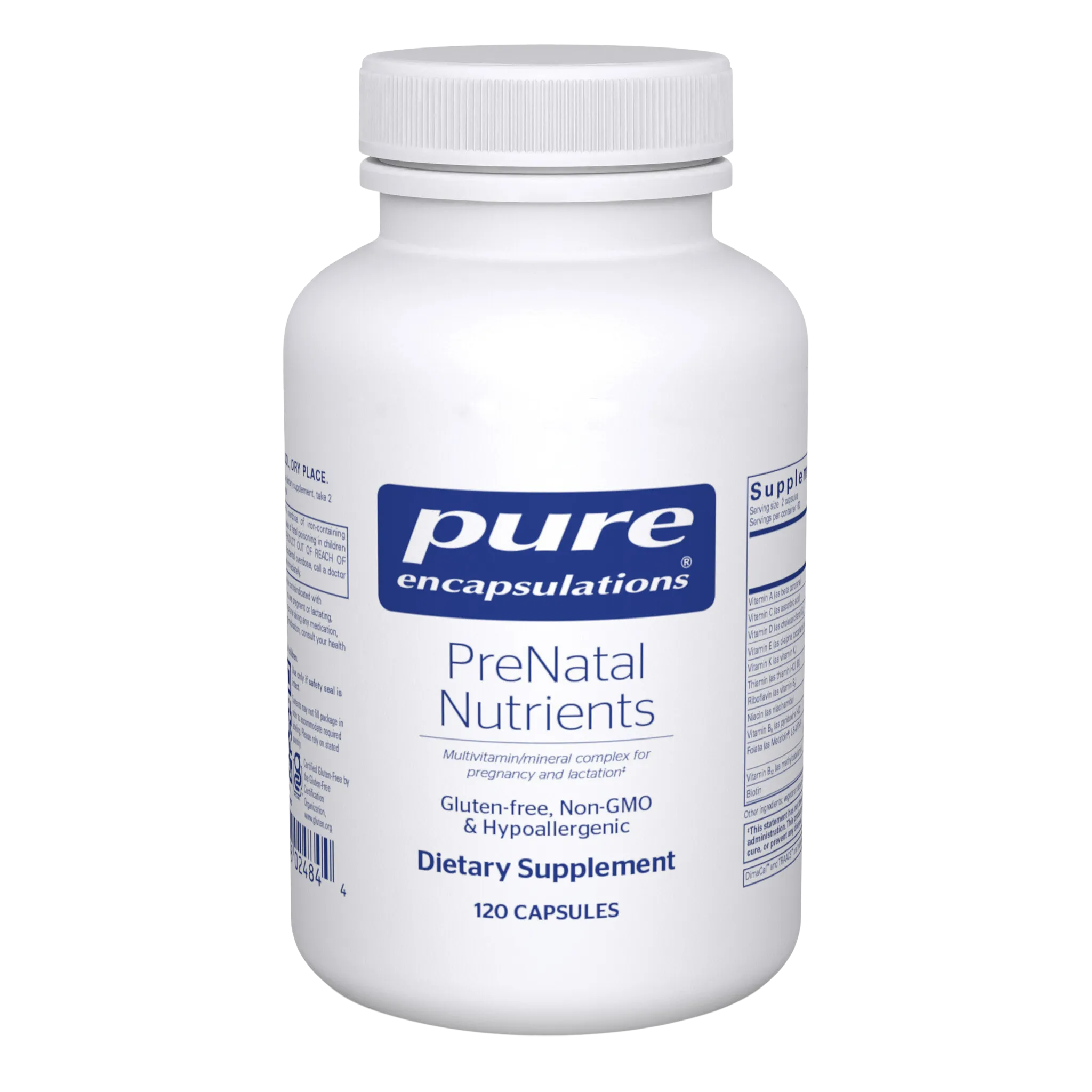
Fortunately, the science of maternal-fetal nutrition has evolved significantly, revealing that highly bioavailable, targeted supplementation can do more than just help reduce the risk of birth defects—it can actively support the mother's disrupted physiological pathways. Comprehensive formulations, such as Pure Encapsulations' PreNatal Nutrients, are designed to bridge the massive gap between dietary intake and the extreme metabolic requirements of pregnancy. By utilizing biologically active forms of essential vitamins and minerals, such as L-5-MTHF folate and choline, these advanced formulations help bypass genetic bottlenecks, support the developing fetal autonomic nervous system, and replenish the critical nutrients that chronic post-viral illnesses so often steal.
TL;DR
Pregnancy with chronic conditions like Long COVID and ME/CFS requires targeted nutritional support.
Bioavailable nutrients like L-5-MTHF and choline may help bypass metabolic bottlenecks.
Proper supplementation supports maternal energy and fetal autonomic nervous system development.
Always consult a healthcare provider to tailor prenatal care to your specific needs.
What are PreNatal Nutrients?
The Foundation of Fetal and Maternal Health
PreNatal Nutrients by Pure Encapsulations is a comprehensive multivitamin and mineral complex meticulously designed to support women during pre-conception, pregnancy, and lactation. Unlike standard over-the-counter prenatal vitamins that often rely on synthetic, difficult-to-absorb ingredients, this formulation utilizes highly bioavailable compounds that the body can immediately recognize and utilize at the cellular level. During pregnancy, a woman's blood volume increases by up to 50%, her cardiac output surges, and her basal metabolic rate climbs significantly to support the rapid cellular division of the developing fetus. To sustain this extraordinary physiological feat, the body requires a constant, uninterrupted supply of enzymatic cofactors, methyl donors, and trace minerals. When these nutrients are provided in their most active forms, they seamlessly integrate into the mother's biochemical pathways, ensuring that both maternal homeostasis and fetal organogenesis are optimally supported.
The Biological Role of Active Folate (L-5-MTHF)
At the core of this formulation is 1 mg of folate, heavily weighted toward Metafolin® L-5-methyltetrahydrofolate (L-5-MTHF). Folate is an essential B-vitamin (B9) that acts as a primary methyl donor in the one-carbon metabolism cycle, a fundamental biochemical pathway responsible for DNA and RNA synthesis, amino acid metabolism, and cellular repair. In a healthy body, dietary folate or synthetic folic acid must undergo a complex, multi-step enzymatic conversion process—heavily reliant on the MTHFR (methylenetetrahydrofolate reductase) enzyme—to become biologically active. L-5-MTHF completely bypasses this enzymatic bottleneck, providing the body with the universally metabolized, pre-methylated form of folate. This active molecule immediately crosses cellular membranes and the blood-brain barrier, where it facilitates the closure of the fetal neural tube in early pregnancy and regulates the mother's homocysteine levels, helping to avoid toxic accumulations that can damage endothelial tissue.
Choline and the Autonomic Nervous System
Another critical component of this prenatal complex is 100 mg of choline, a vital nutrient that serves as the direct biochemical precursor to acetylcholine. Acetylcholine is the primary neurotransmitter of the parasympathetic nervous system, responsible for regulating the body's "rest and digest" functions, including heart rate, vascular tone, and gastrointestinal motility. At the cellular level, choline is also utilized to synthesize phosphatidylcholine and sphingomyelin, structural phospholipids that form the protective myelin sheath around nerve fibers. During fetal development, massive amounts of choline are shuttled across the placenta to construct the fetal brain and establish the neural pathways of the autonomic nervous system. Without adequate maternal choline, the structural integrity of these developing nerve fibers can be compromised, potentially impacting the child's lifelong autonomic and cognitive function.
Iron, Iodine, and Cellular Oxygenation
To meet the enhanced requirements of pregnancy, this formulation includes 27 mg of iron as iron glycinate and 150 mcg of iodine. Iron is the central atom in the hemoglobin molecule, the protein inside red blood cells responsible for binding and transporting oxygen from the lungs to every tissue in the body, including the placenta. Iron glycinate is a chelated form of iron that is highly bioavailable and significantly gentler on the gastrointestinal tract than standard iron salts, reducing the risk of oxidative stress in the gut. Concurrently, iodine is actively concentrated by the maternal and fetal thyroid glands to synthesize the hormones thyroxine (T4) and triiodothyronine (T3). These thyroid hormones are master regulators of cellular metabolism, dictating the rate at which mitochondria produce adenosine triphosphate (ATP) and ensuring the proper neurogenesis and myelination of the fetal central nervous system.
How Chronic Illness Impacts Pregnancy Nutrition
The Nutritional Toll of Long COVID and ME/CFS
Living with post-viral syndromes like Long COVID and ME/CFS places an extraordinary, chronic strain on the body's nutritional reserves. These conditions are characterized by persistent systemic inflammation, mitochondrial dysfunction, and severe oxidative stress, all of which rapidly consume essential vitamins and minerals. When a patient with these conditions becomes pregnant, the physiological demands of the fetus directly compete with the mother's already depleted resources. For instance, the profound fatigue and post-exertional malaise (PEM) seen in these illnesses are deeply tied to mitochondrial energy failure. The developing fetus requires massive amounts of ATP for cellular division, further draining the mother's micronutrient pools. If you are wondering how long does Long COVID last, the reality is that the overlapping metabolic demands of pregnancy and prolonged post-viral illness can create a vicious cycle of severe exhaustion and nutrient depletion if not aggressively managed.
Dysautonomia, POTS, and the Choline Deficit
Dysautonomia, particularly Postural Orthostatic Tachycardia Syndrome (POTS), is a frequent and debilitating manifestation of Long COVID and ME/CFS. This condition involves a severe dysregulation of the autonomic nervous system, leading to rapid heart rate, lightheadedness, and blood pooling upon standing. Recent clinical research suggests that localized deficiencies in choline and its downstream neurotransmitter, acetylcholine, may play a significant role in the pathophysiology of POTS. Because acetylcholine is required for proper vagal nerve signaling and parasympathetic control of the heart, a maternal choline deficit can severely exacerbate dysautonomia symptoms during pregnancy. Furthermore, the immense transfer of maternal choline to the fetus can leave the mother dangerously depleted, worsening her orthostatic intolerance and autonomic instability just as her cardiovascular system is being pushed to its absolute limits by the increased blood volume of pregnancy.
The MTHFR Mutation and Methylation Bottlenecks
The intersection of chronic illness and pregnancy is further complicated by genetic variations, most notably the MTHFR gene mutation, which affects up to 50% of the population. This mutation severely impairs the body's ability to convert synthetic folic acid into the active L-5-MTHF form required for cellular function. In patients with ME/CFS and Long COVID, large-scale community gene studies have observed a remarkably high prevalence of these methylation cycle defects. When these patients consume standard, synthetic folic acid found in fortified foods or cheap prenatal vitamins, the unmetabolized folic acid (UMFA) builds up in the bloodstream. This bottleneck leads to elevated levels of homocysteine, a toxic amino acid that causes profound endothelial dysfunction, oxidative stress, and microvascular damage. During pregnancy, elevated homocysteine is not only a primary driver of maternal brain fog and fatigue but is also directly correlated with severe obstetric complications like preeclampsia and placental abruption.
The Fetal Origins of Chronic Disease
The consequences of maternal nutrient depletion extend far beyond the mother's immediate symptom flares; they directly impact the long-term health trajectory of the child. The "Fetal Origins" hypothesis, or the Developmental Origins of Health and Disease (DOHaD), posits that the nutritional and metabolic environment a mother provides permanently programs the physiological structure of her offspring. If a mother suffering from Long COVID or ME/CFS cannot provide adequate methyl donors, antioxidants, or autonomic precursors due to her own systemic depletion, the fetus is forced to adapt to a nutrient-poor environment. According to maternal-fetal health research, these early metabolic adaptations can increase the child's lifelong risk for developing non-communicable chronic illnesses, including cardiovascular disease, hypertension, and autoimmune disorders. Therefore, robust prenatal supplementation is not just about managing the mother's current illness—it is a critical intervention to protect the next generation from chronic disease.
PreNatal Nutrients: Supporting Maternal and Fetal Health
Bypassing the Methylation Bottleneck with L-5-MTHF
Supplementing with PreNatal Nutrients provides a direct, highly effective intervention for the methylation dysfunction commonly seen in chronic illness. By delivering 1 mg of folate heavily weighted toward Metafolin® L-5-MTHF, this formulation completely bypasses the MTHFR enzymatic bottleneck. At the cellular level, L-5-MTHF immediately donates its methyl group to convert toxic homocysteine back into methionine, a process that simultaneously reduces vascular inflammation and supports the production of glutathione, the body's master antioxidant. For the developing fetus, this active folate guarantees the rapid, uninterrupted DNA synthesis required for flawless neural tube closure. For the mother battling Long COVID or ME/CFS, clearing homocysteine from the bloodstream helps heal the damaged endothelial lining of blood vessels, potentially improving microcirculation and alleviating the severe brain fog caused by neuro-inflammation.
Choline for Fetal Autonomic Nervous System Development
The inclusion of 100 mg of choline bitartrate in this formulation serves as a critical building block for both maternal and fetal neurological health. Once absorbed, choline crosses the blood-brain barrier and is acetylated by the enzyme choline acetyltransferase to form acetylcholine. For a mother suffering from dysautonomia or POTS, maintaining adequate acetylcholine levels is absolutely vital for supporting vagal tone and regulating the erratic heart rates associated with orthostatic stress. Simultaneously, this choline is actively transported across the placenta to the fetus, where it dictates the structural maturation of the fetal autonomic nervous system.
Restoring Iron Levels and Oxygen Transport
To combat the profound fatigue and oxygen deprivation characteristic of post-viral illnesses, PreNatal Nutrients delivers 27 mg of highly bioavailable iron glycinate. In conditions like ME/CFS and Long COVID, patients often suffer from functional iron deficiency or poor oxygen extraction at the tissue level. Research evaluating serum ferritin in Long COVID patients has shown that severe fatigue is strongly correlated with dysregulated iron metabolism, particularly in women. By utilizing iron glycinate—a chelated form where the iron molecule is bound to two glycine amino acids—the supplement ensures maximum absorption through the intestinal wall without the oxidative damage or severe constipation caused by standard ferrous sulfate. This bioavailable iron rapidly integrates into maternal hemoglobin, expanding the oxygen-carrying capacity of the blood to meet the demands of the placenta while simultaneously supporting the mother's struggling mitochondrial electron transport chain, which requires iron-sulfur clusters to generate cellular energy.
Vitamin D3 and Immune Modulation
PreNatal Nutrients also features an increased dose of Vitamin D3 (1,000 IU), reflecting revised clinical requirements for pregnancy. Vitamin D functions more like a steroid hormone than a traditional vitamin, binding to Vitamin D receptors (VDR) located on the nucleus of nearly every immune cell in the body. In the context of Long COVID and mast cell activation syndrome (MCAS), Vitamin D plays a profound immunomodulatory role. It actively downregulates the production of pro-inflammatory cytokines while promoting the activity of regulatory T-cells (Tregs), helping to calm the hyperactive immune responses that drive chronic symptom flares. During pregnancy, this immune tolerance is especially critical, as the mother's immune system must adapt to not reject the developing fetus. Furthermore, Vitamin D ensures the intestinal absorption of calcium, protecting the mother's bone density while facilitating the rapid skeletal mineralization of the baby.

Symptoms PreNatal Nutrients May Help Manage
Targeted Symptom Relief During Pregnancy
While prenatal vitamins are primarily designed to support fetal development, the highly bioavailable, clinical-grade nutrients in this formulation can simultaneously help manage several debilitating symptoms associated with chronic illness during pregnancy. By addressing the root cellular deficiencies caused by post-viral syndromes, this comprehensive supplement provides targeted support for the following issues:
Profound Fatigue and Energy Crashes: By supplying active L-5-MTHF, bioavailable iron glycinate, and a full spectrum of B-vitamins, this supplement directly supports mitochondrial ATP production and red blood cell oxygenation, helping to mitigate the severe exhaustion and post-exertional malaise (PEM) common in ME/CFS.
Brain Fog and Cognitive Dysfunction: The inclusion of L-5-MTHF helps lower neuro-toxic homocysteine levels, while choline provides the direct precursor for acetylcholine, supporting neuronal communication, memory consolidation, and mental clarity in the maternal brain.
Orthostatic Intolerance and Tachycardia: Choline supplementation supports the synthesis of acetylcholine, the primary neurotransmitter required for vagal nerve signaling and parasympathetic regulation, which may help stabilize the erratic heart rates and autonomic dysfunction seen in POTS and dysautonomia.
Nerve Pain and Neuropathy: The combination of active Vitamin B12 (methylcobalamin) and active folate supports the continuous repair and maintenance of the myelin sheath, the protective coating around peripheral nerves, potentially reducing tingling and neuropathic pain.
Immune Hyper-Reactivity: Optimal doses of Vitamin D3 and zinc citrate help modulate the innate and adaptive immune systems, promoting regulatory T-cell function and potentially reducing the severity of inflammatory flares or mast cell degranulation.
Hair Loss and Brittle Nails: Biotin (300 mcg) and trace minerals like silica and zinc support the structural integrity of keratin proteins, helping to combat the profound hair shedding often triggered by the physical stress of post-viral illness and hormonal shifts.
Practical Considerations: Forms, Dosing, and Absorption
Bioavailability: Why Form Matters
When selecting a prenatal vitamin, particularly for individuals with compromised gastrointestinal function or chronic illness, the biochemical form of the ingredients is the most critical factor. PreNatal Nutrients utilizes chelated minerals—such as DimaCal® di-calcium malate, iron glycinate, and TRAACS® molybdenum glycinate. Chelation is a process where a mineral is molecularly bound to an amino acid, allowing it to bypass the competitive absorption pathways in the gut and enter the bloodstream intact. This dramatically increases bioavailability and helps avoid the severe nausea, bloating, and constipation typically associated with cheap, inorganic mineral salts found in drugstore prenatals. Furthermore, the use of active, methylated B-vitamins (like methylcobalamin for B12 and L-5-MTHF for folate) ensures that patients with MTHFR mutations or metabolic dysfunction can immediately utilize these nutrients without requiring energy-intensive enzymatic conversions in the liver.
Optimal Dosing and Timing
The suggested use for PreNatal Nutrients is two vegetarian capsules daily. Because this is a comprehensive, nutrient-dense formula, it is highly recommended to take the capsules with a substantial meal. The presence of dietary fats stimulates the release of bile acids from the gallbladder, which is absolutely essential for the emulsification and absorption of the fat-soluble vitamins in the formula, specifically Vitamins A, D, E, and K. For patients dealing with severe morning sickness or the gastroparesis often seen in dysautonomia, splitting the dose—taking one capsule with breakfast and one with lunch—can significantly improve gastrointestinal tolerance and ensure a steady, sustained release of water-soluble B-vitamins throughout the day. If you are learning how to eat nutritionally with changes to your sense of smell and taste, integrating these capsules into your most tolerated meals is a practical strategy for maintaining nutrient intake.
Potential Interactions and Safety
While PreNatal Nutrients is formulated for maximum safety during pregnancy, patients with complex chronic conditions must consider potential interactions with their existing medication regimens. The formula contains 90 mcg of Vitamin K1, which plays a vital role in healthy blood clotting and bone carboxylation. However, Vitamin K can directly antagonize the effects of coumarin-based blood thinners like Warfarin. If you are taking anticoagulants to manage the microclots associated with Long COVID, you must consult your healthcare provider to monitor your prothrombin time (PT/INR) before starting this supplement. Additionally, the iron content in this formula can bind to certain medications, including thyroid hormone replacements (like levothyroxine) and specific antibiotics, severely reducing their absorption. It is generally advised to separate the intake of iron-containing prenatal vitamins from these medications by at least two to four hours.

Follow the Science
The Fetal Origins and Chronic Disease Prevention
The scientific consensus on maternal nutrition has shifted dramatically from simply helping to reduce the risk of acute birth defects to actively programming the lifelong health of the child. A landmark 2021 study by the Harvard T.H. Chan School of Public Health quantified the intergenerational impact of comprehensive prenatal supplementation. Researchers found that providing pregnant women with a robust, multi-micronutrient supplement (MMS) rather than just standard iron and folic acid could help reduce the risk of millions of cases of hypertension and diabetes in their offspring's later life. This underscores the critical importance of utilizing a full-spectrum prenatal complex, especially for mothers whose chronic illnesses may already be compromising the fetal metabolic environment.
Choline, Fetal HRV, and Autonomic Development
The role of maternal choline in helping to reduce the risk of dysautonomia and supporting the fetal autonomic nervous system is an area of ongoing interest in nutritional neuroscience.
L-5-MTHF vs. Synthetic Folic Acid in Post-Viral Syndromes
For patients with Long COVID and ME/CFS, the distinction between active L-5-MTHF and synthetic folic acid is a matter of profound clinical significance. The use of pre-methylated L-5-MTHF is generally intended to support the maternal methylation cycle without toxic UMFA buildup.
The Path Forward
Navigating Pregnancy with Complex Chronic Illness
Facing pregnancy while battling Long COVID, ME/CFS, or dysautonomia is an incredibly daunting prospect. It is entirely valid to feel overwhelmed by the physical demands of growing a human life when your own body feels like it is constantly running on empty. However, understanding the specific biochemical mechanisms of your illness empowers you to make highly targeted, strategic choices about your prenatal care. You do not have to settle for standard, synthetic supplements that your body cannot process. By providing your cells with the exact, bioavailable cofactors they need—like active L-5-MTHF, chelated iron, and essential choline—you can actively support your own physiological resilience while giving your baby the optimal foundation for a healthy life.
A Comprehensive Approach to Care
It is crucial to remember that while advanced prenatal supplementation is a powerful tool, it is only one piece of a comprehensive, multidisciplinary management strategy. If you are wondering how does a doctor diagnose Long COVID or manage its overlapping symptoms during pregnancy, the answer lies in holistic, individualized care. Pacing your physical exertion, tracking your autonomic symptoms, maintaining aggressive hydration with electrolytes, and working closely with a healthcare team that understands the nuances of post-viral illness are all essential components of a safe and supported pregnancy journey. Patients often ask what causes Long COVID or can Long COVID trigger ME/CFS; addressing these complex root causes requires patience, compassion, and a scientifically grounded approach to maternal health.
Next Steps
If you are planning a pregnancy, currently expecting, or nursing, and want to ensure you are providing your body with the highest quality, most bioavailable nutrients available, consider upgrading your prenatal regimen. Always consult with your obstetrician or primary care provider before starting any new supplement to ensure it aligns with your specific medical needs and medication profile.