Can Pregnenolone Help Clear Brain Fog in Long COVID and ME/CFS?
March 5, 2026
PregnenoloneLong COVIDME/CFS
Share:
Disclaimer: The information provided here is for educational purposes only and is not intended as medical advice. It should not be used to diagnose, treat, cure, or prevent any medical condition. Instead, use it as a starting point for discussion with your healthcare provider. Always consult with a qualified healthcare provider before starting any new medication, supplement, device, or making changes to your health regimen.
When navigating the complex, unpredictable waters of chronic illness, patients are often told that their debilitating fatigue, brain fog, and mood changes are simply secondary reactions to being sick. But what if these symptoms are actually rooted in a profound, measurable depletion of the brain’s most foundational chemical messengers? For individuals living with Long COVID, myalgic encephalomyelitis/chronic fatigue syndrome (ME/CFS), and dysautonomia, the biological reality of their symptoms is becoming clearer through the lens of neuroendocrinology.
Enter pregnenolone, a remarkable molecule often referred to as the "grandmother of all steroid hormones." While it has long been recognized for its role in the adrenal glands and reproductive system, groundbreaking new research is illuminating its critical function directly within the central nervous system. As a potent neurosteroid, pregnenolone governs everything from how our brain cells communicate to how our immune system regulates inflammation. In this comprehensive guide, we will explore the intricate biochemistry of pregnenolone, how chronic viral infections disrupt its production, and why supporting these vital hormonal pathways may offer a new avenue for managing the complex symptoms of chronic fatigue and cognitive dysfunction.
TL;DR
Pregnenolone is a foundational neurosteroid that supports brain function, hormone balance, and immune regulation.
Chronic illnesses like Long COVID can deplete pregnenolone, driving brain fog, fatigue, and neuroinflammation.
Supplementation may help restore immune function and calm hyperactive brain cells, improving cognitive clarity.
Always consult your doctor before starting, as dosing must be carefully personalized and monitored.
What is Pregnenolone?
The Grandmother of All Steroid Hormones
Pregnenolone (3-beta-hydroxy-5-pregnen-20-one) is a naturally occurring, endogenous steroid hormone that serves as the absolute foundation for the body's entire steroidogenic pathway. Synthesized directly from cholesterol, it is the primary precursor—or prohormone—required to manufacture over 150 other vital hormones. Once cholesterol is converted into pregnenolone, the body can downstream this molecule into dehydroepiandrosterone (DHEA), progesterone, estrogen, testosterone, and cortisol. Because of this foundational role, pregnenolone is essential for maintaining systemic homeostasis, regulating everything from the body's stress response to its reproductive capabilities.
The classical understanding of this synthesis begins in the mitochondria of peripheral organs, such as the adrenal glands and gonads. Cholesterol is transported across the inner mitochondrial membrane via the Translocator Protein (TSPO) and the Steroidogenic Acute Regulatory protein (StAR). Once inside, an enzyme known as cytochrome P450scc (or CYP11A1) cleaves the cholesterol side chain, successfully converting it into pregnenolone. From there, pregnenolone is released into the bloodstream, acting as a raw material that various tissues can absorb and convert into specific hormones based on the body's immediate physiological demands.
Neurosteroidogenesis: Synthesis Directly in the Brain
While pregnenolone's role in the peripheral body is well-documented, its function within the central nervous system (CNS) represents a paradigm shift in neurobiology. Pregnenolone does not just cross the blood-brain barrier from the adrenal glands; it is actually synthesized de novo (from scratch) directly within the brain tissue. Molecules produced in this manner are known as neurosteroids, and they exert rapid, non-genomic effects on brain function that are entirely distinct from traditional hormonal signaling.
Recent discoveries have completely reshaped our understanding of how the human brain produces this crucial neurosteroid. While animal models rely on the CYP11A1 enzyme for brain synthesis, studies from 2022 to 2024 have revealed that human glial cells utilize a different mitochondrial enzyme, CYP1B1, to drive neurosteroidogenesis. This unique human pathway highlights the evolutionary importance of pregnenolone in our advanced cognitive functions. Once synthesized in the brain, pregnenolone can be sulfated into pregnenolone sulfate (PS), a highly potent molecule that directly interacts with neurotransmitter receptors to govern learning, memory, and emotional regulation.
How Chronic Illness Impacts Hormone Pathways
The "Pregnenolone Steal" Phenomenon
To understand how complex chronic conditions like ME/CFS and Long COVID impact the body, we must look at how the endocrine system responds to relentless physiological stress. When the body is fighting a chronic viral infection, enduring systemic inflammation, or experiencing severe autonomic dysfunction, the hypothalamic-pituitary-adrenal (HPA) axis goes into overdrive. The adrenal glands are tasked with producing massive amounts of cortisol, the body's primary stress hormone, to manage the ongoing crisis.
This constant demand for cortisol leads to a metabolic bottleneck often referred to in functional medicine as the "pregnenolone steal." Because pregnenolone is the universal precursor to all steroid hormones, the body begins to aggressively divert its pregnenolone reserves entirely toward the cortisol production pathway. As a result, the pathways that normally convert pregnenolone into neuroprotective hormones—like DHEA, progesterone, and brain-specific neurosteroids—are starved of their raw materials. This systemic depletion leaves the brain vulnerable to oxidative stress and deprives the nervous system of the very molecules it needs to maintain cognitive clarity and emotional stability.
TRPM3 Ion Channel Dysfunction
Beyond hormonal depletion, the pathophysiology of ME/CFS and Long COVID involves profound dysfunction at the cellular level, particularly within the immune system. Groundbreaking research has identified these conditions as potential "ion channelopathies," meaning the microscopic gates that control the flow of ions into and out of cells are broken. Specifically, researchers have focused on the Transient Receptor Potential Melastatin 3 (TRPM3) ion channel, which is crucial for calcium signaling in Natural Killer (NK) immune cells.
In healthy individuals, pregnenolone sulfate acts as a direct key (an agonist) that opens the TRPM3 channel, allowing calcium to flow into the cell and trigger appropriate immune responses. However, patch-clamp studies have demonstrated that in patients with ME/CFS and Long COVID, these TRPM3 channels are significantly impaired. Even when pregnenolone sulfate is present, the channels fail to open correctly, leading to paralyzed NK cells and a deeply dysfunctional innate immune response. This shared cellular pathology helps explain how Long COVID can trigger ME/CFS and why both patient populations suffer from such similar, debilitating immune exhaustion.
Neuroinflammation and Microglial Activation
The depletion of pregnenolone also removes a critical brake on the brain's immune system. Microglia are the resident immune cells of the central nervous system. In a healthy brain, they clear away cellular debris and protect against pathogens. However, in conditions like Long COVID, these cells can become chronically activated, secreting a constant stream of pro-inflammatory cytokines like Tumor Necrosis Factor-alpha (TNF-α) and Interleukin-6 (IL-6). This state of chronic neuroinflammation is widely considered the primary driver of the severe brain fog, sensory overload, and cognitive impairment seen in these patient populations.
Normally, pregnenolone acts as a potent anti-inflammatory agent that calms these hyperactive microglia. It does this by interacting with Toll-like receptors (TLR2 and TLR4) and promoting the degradation of inflammatory signaling proteins. When pregnenolone levels plummet due to chronic illness and the "pregnenolone steal," this natural anti-inflammatory mechanism fails. The brain is left in a state of unchecked inflammation, creating a vicious cycle where neuroinflammation causes further metabolic dysfunction, which in turn prevents the synthesis of new, protective neurosteroids.
Pregnenolone: Supporting Brain and Immune Function
Restoring TRPM3 Calcium Channels
Supplementing with pregnenolone offers a multi-targeted approach to supporting the body through the complex web of chronic illness. At the cellular level, providing the body with exogenous pregnenolone can help overcome the metabolic bottlenecks created by the "pregnenolone steal." By ensuring there is an ample supply of this foundational prohormone, the body can continue to meet its cortisol demands without sacrificing the production of vital neurosteroids and sex hormones.
Furthermore, because pregnenolone sulfate is a direct agonist of the TRPM3 ion channel, increasing systemic levels of pregnenolone may help force these impaired channels open. Recent pharmacological research suggests that restoring TRPM3 function is a prime therapeutic target for reviving Natural Killer cell activity. By restoring proper intracellular calcium signaling, pregnenolone may help reboot the innate immune system, allowing the body to better manage latent viral reactivations and clear out lingering viral reservoirs that contribute to long-term symptoms.
Modulating NMDA and GABA Receptors
Within the brain, pregnenolone and its metabolites exert profound, rapid effects on neurotransmission by binding directly to cell membrane receptors. Pregnenolone sulfate (PS) is a potent Positive Allosteric Modulator (PAM) of the N-methyl-D-aspartate (NMDA) receptor, which governs glutamatergic signaling. Molecular dynamic studies show that PS binds to specific pockets on the GluN2B and GluN1 subunits of the NMDA receptor, stabilizing them in an open position. Research suggests this enhances glutamate-induced calcium influx, which is the fundamental biological mechanism behind learning, memory formation, and cognitive clarity.
Simultaneously, pregnenolone is converted downstream into allopregnanolone, a potent Positive Allosteric Modulator of the GABA-A receptor. While NMDA activation promotes cognitive alertness, GABA-A activation provides profound inhibitory, calming signals to the nervous system. This dual action—enhancing excitatory pathways for memory while simultaneously boosting inhibitory pathways for anxiety relief—makes pregnenolone a unique neurosteroid that may help stabilize mood and clear brain fog without causing the severe overstimulation often associated with traditional central nervous system stimulants.
Microtubule Dynamics and Neuroplasticity
One of the most fascinating mechanisms of unsulfated pregnenolone is its direct interaction with the neuronal cytoskeleton. Brain cells rely on a complex internal scaffolding made of microtubules to maintain their shape, grow new connections (dendrites), and transport nutrients. In neuroinflammatory states, this scaffolding can break down, leading to synaptic loss and cognitive decline.
Pregnenolone binds directly to Cytoplasmic Linker Protein 1 (CLIP-170), forcing the protein into an active conformation that stimulates rapid microtubule polymerization. Additionally, research demonstrates that pregnenolone binds to Microtubule-Associated Protein 2 (MAP2), dramatically increasing the rate of tubulin assembly. By physically stabilizing the structural integrity of brain cells, pregnenolone may promote robust neuroplasticity, helping support the brain's repair of damaged neural networks and recovery from the neurotoxic stress of chronic viral infections.
Quenching Neuroinflammation
Finally, pregnenolone acts as a powerful, direct anti-inflammatory agent within the central nervous system. It achieves this by intercepting the innate immune system's inflammatory cascades before they can cause widespread damage. Specifically, pregnenolone promotes the ubiquitination and subsequent degradation of TIRAP, a key adaptor protein required for Toll-like receptor 2 and 4 (TLR2/4) signaling.
By degrading TIRAP, pregnenolone may help break the signaling chain that tells microglial cells to release inflammatory cytokines. This suppression of TNF-α and IL-6 may help cool the neuroinflammatory fire that drives the most debilitating neurological symptoms of Long COVID and ME/CFS. By protecting the brain from excitotoxicity and promoting myelin repair, pregnenolone may help restore a healthy, balanced environment where neurons can thrive and communicate effectively.

Symptoms Pregnenolone May Help Manage
Targeting the Core Symptoms of Chronic Illness
Based on its extensive mechanisms of action, pregnenolone supplementation may help address several overlapping symptoms experienced by patients with complex chronic illnesses:
Severe Brain Fog and Cognitive Impairment: By acting as a positive allosteric modulator of the NMDA receptor and promoting microtubule assembly via MAP2, pregnenolone directly supports the biological pathways required for memory formation, focus, and executive function.
Mood Instability and Depression: The downstream conversion of pregnenolone into allopregnanolone enhances GABA-A receptor activity, providing a stabilizing, neuroprotective effect that can help alleviate the profound mood swings, anxiety, and depressive symptoms often associated with chronic neuroinflammation.
Immune Exhaustion and Viral Reactivation: By acting as an agonist for the TRPM3 ion channel, pregnenolone sulfate may help restore proper calcium signaling in Natural Killer cells, potentially reviving the innate immune system's ability to fight off latent viral reactivations.
Sensory Overload and Neuro-fatigue: By degrading the TIRAP protein and suppressing microglial activation, pregnenolone may help quench the chronic neuroinflammation that leaves the nervous system hypersensitive to light, sound, and cognitive exertion.
Systemic Hormonal Imbalance: As the universal precursor to all steroid hormones, providing exogenous pregnenolone may help bypass the "pregnenolone steal," ensuring the body has the raw materials needed to produce cortisol for stress management without sacrificing the production of DHEA, testosterone, and estrogen.
Practical Considerations: Forms, Dosing, and Absorption
Finding the Right Dose
Because pregnenolone is a potent prohormone, dosing requires a highly individualized approach. While clinical trials investigating severe psychiatric conditions have utilized massive "supraphysiologic" doses ranging from 300 mg to 500 mg per day, these amounts are generally not recommended for daily wellness or chronic illness management outside of a strict research setting. For patients with Long COVID or ME/CFS, the goal is to gently replete depleted pathways without overwhelming the endocrine system.
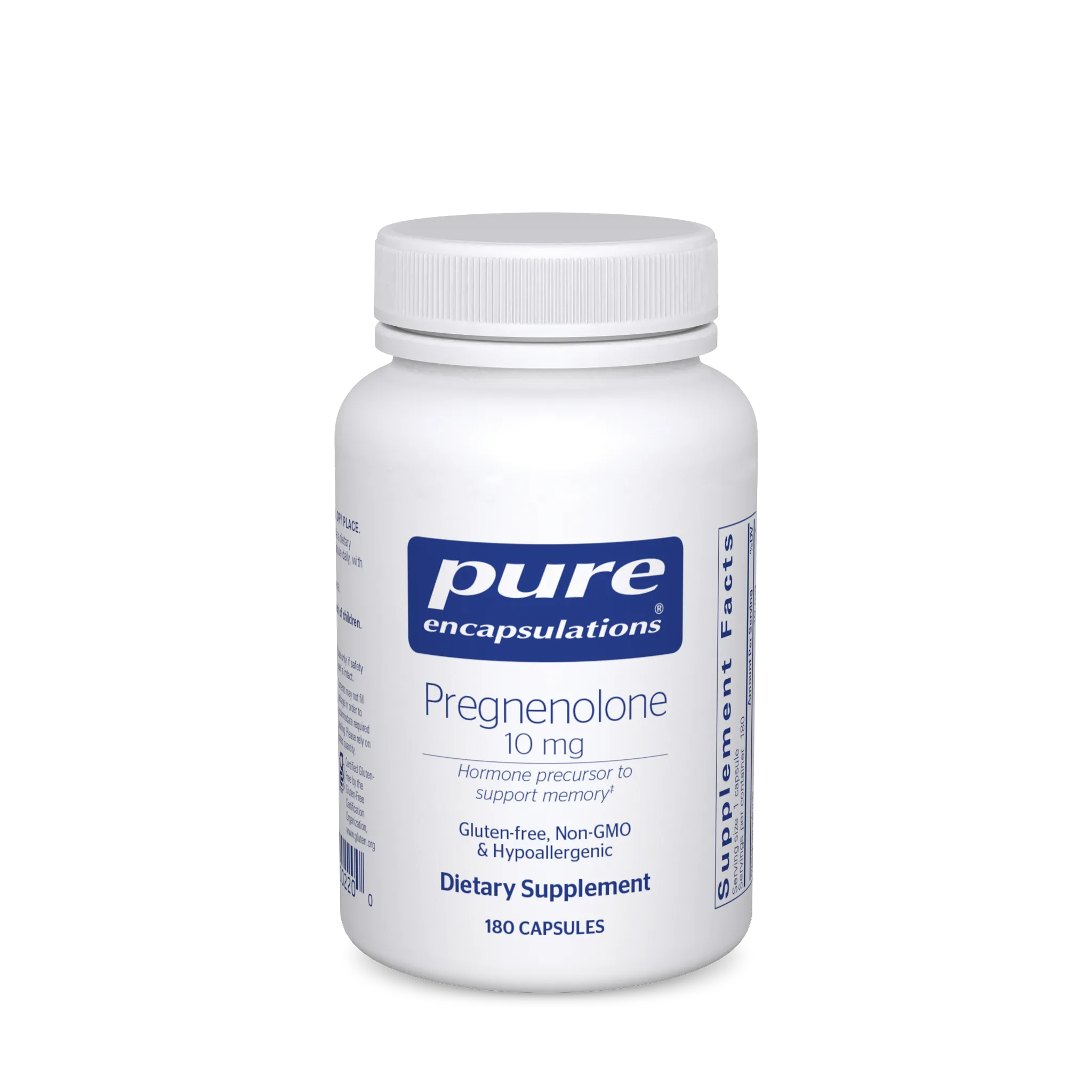
Functional medicine practitioners typically recommend starting with a very low dose, such as 10 mg per day, taken in the morning to align with the body's natural circadian rhythm of hormone production. This "low and slow" approach allows the body to naturally convert the pregnenolone into the specific downstream hormones it needs most. Because pregnenolone is fat-soluble, taking it with a meal that contains healthy fats can significantly improve its bioavailability and absorption in the gastrointestinal tract. Patients are encouraged to monitor their symptoms closely and work with a healthcare provider to periodically test their hormone panels (including Cortisol, DHEA-S, Estradiol, and Testosterone) to ensure balanced conversion.
Potential Side Effects and Contraindications
While generally well-tolerated at low doses, pregnenolone functions like a powerful drug and must be treated with respect. Because the body can convert it into various sex hormones, excessive or unmonitored supplementation can lead to hormonal imbalances. Potential side effects of high doses include acne, hair loss, mood swings, irritability, and changes in menstrual cycles. Furthermore, because of its stimulatory effects on the central nervous system via NMDA receptors, taking too much pregnenolone or taking it too late in the day can cause severe insomnia, anxiety, and overstimulation.
Crucially, pregnenolone is strictly contraindicated for certain populations. Because it can be readily converted into estrogen and testosterone, individuals with a history of hormone-sensitive cancers—such as breast, ovarian, uterine, or prostate cancer—must avoid pregnenolone entirely, as it could potentially stimulate tumor growth. It is also contraindicated for children, pregnant women, and nursing mothers due to the profound impact it can have on developing endocrine systems.
Important Drug Interactions
Pregnenolone can significantly alter the pharmacodynamics of several common medications, making medical supervision essential. The most notable interaction involves benzodiazepines and other sedative medications. Pregnenolone sulfate acts as a negative allosteric modulator of the GABA-A receptor, meaning it essentially blocks the receptor's ability to stay open. Because benzodiazepines (like diazepam or alprazolam) rely on enhancing GABA-A activity to induce calm and sleep, taking pregnenolone can severely blunt or completely block their sedative effects. Patients relying on these medications for severe anxiety or sleep disorders must exercise extreme caution. Additionally, combining pregnenolone with exogenous hormone replacement therapies (like estrogen pills or testosterone injections) can lead to an unsafe accumulation of systemic hormones.
Follow the Science
Long COVID and the IMPACC Study
The scientific community is increasingly recognizing the role of metabolic and hormonal dysregulation in post-viral syndromes. A major longitudinal multiomics study known as the IMPACC study evaluated recovery factors in Long COVID patients and uncovered widespread metabolic chaos. Strikingly, the researchers found that five specific metabolites related to the pregnenolone pathway were significantly dysregulated in patients suffering from prolonged symptoms. Because pregnenolone is the first step in steroid biosynthesis and a known suppressor of TLR2/4-mediated inflammation, this documented deficiency strongly correlates with the persistent inflammatory states and vascular issues observed in Long Haulers.
Building on this pathophysiological evidence, clinical trials are beginning to test targeted interventions. In a recent open-label, one-arm clinical study conducted across 18 U.S. states, researchers evaluated 51 Long COVID patients who were given a novel nutraceutical formulation combining pregnenolone and β-caryophyllene (a dietary terpene). Over the 4-week trial, patients tracked 12 distinct symptoms, including debilitating fatigue, brain fog, and shortness of breath. The results were highly encouraging: by the end of the trial, 72% to 84% of participants experienced significant symptomatic improvement across all categories, with no severe adverse side effects reported. This suggests that replenishing pregnenolone alongside an anti-inflammatory agent can yield rapid, measurable improvements in quality of life.
Clinical Trials on Cognitive Function and Mood
Beyond post-viral fatigue, pregnenolone has been extensively studied for its ability to rescue cognitive function and stabilize mood in severe psychiatric conditions. In a randomized, double-blind, placebo-controlled trial involving 60 patients with schizophrenia, the addition of 50 mg/day of pregnenolone to standard treatments resulted in significant improvements in visual attention (p=0.008) and executive spatial working memory (p<0.001) over 8 weeks. Another trial at Duke University found that increases in serum pregnenolone levels strongly predicted improvements in global cognitive scores, highlighting a direct dose-response relationship between this neurosteroid and brain function.
Pregnenolone has also been studied for its potential in other complex psychiatric conditions. A proof-of-concept trial evaluated its use targeting cognitive and negative symptoms in schizophrenia. The results demonstrated its potential to address these core symptoms, underscoring its unique ability to modulate neurotransmission through pathways like GABA-A and NMDA. As researchers continue to explore what drugs are used for COVID long haulers, these robust psychiatric trials provide a strong foundation for pregnenolone's safety and neurocognitive efficacy.
The Path Forward
A Holistic Strategy for Recovery
Living with the unpredictable, fluctuating nature of chronic illness—where symptoms come and go without warning—can be an incredibly isolating and frustrating experience. It is vital to remember that your symptoms are not in your head; they are rooted in complex, measurable biological disruptions, from depleted neurosteroids to malfunctioning ion channels. While there is no single miracle cure for conditions like Long COVID or ME/CFS, understanding the underlying mechanisms of your illness empowers you to take targeted, science-backed steps toward recovery.
Supplementing with foundational prohormones like pregnenolone may offer a powerful tool for restoring metabolic balance, quenching neuroinflammation, and lifting the heavy veil of brain fog. However, supplements are most effective when integrated into a comprehensive, holistic management strategy. This includes strict pacing to avoid post-exertional malaise, detailed symptom tracking to understand your unique triggers, and working closely with a knowledgeable healthcare provider to monitor your endocrine health. By addressing your body's foundational needs, you can begin to rebuild your cellular resilience and improve your daily quality of life.
Disclaimer: This article is for educational purposes only and does not constitute medical advice. Pregnenolone is a potent hormone precursor and can interact with various medications and conditions. Always consult your healthcare provider before starting any new supplement, especially if you have a history of hormone-sensitive conditions or are taking prescription medications.