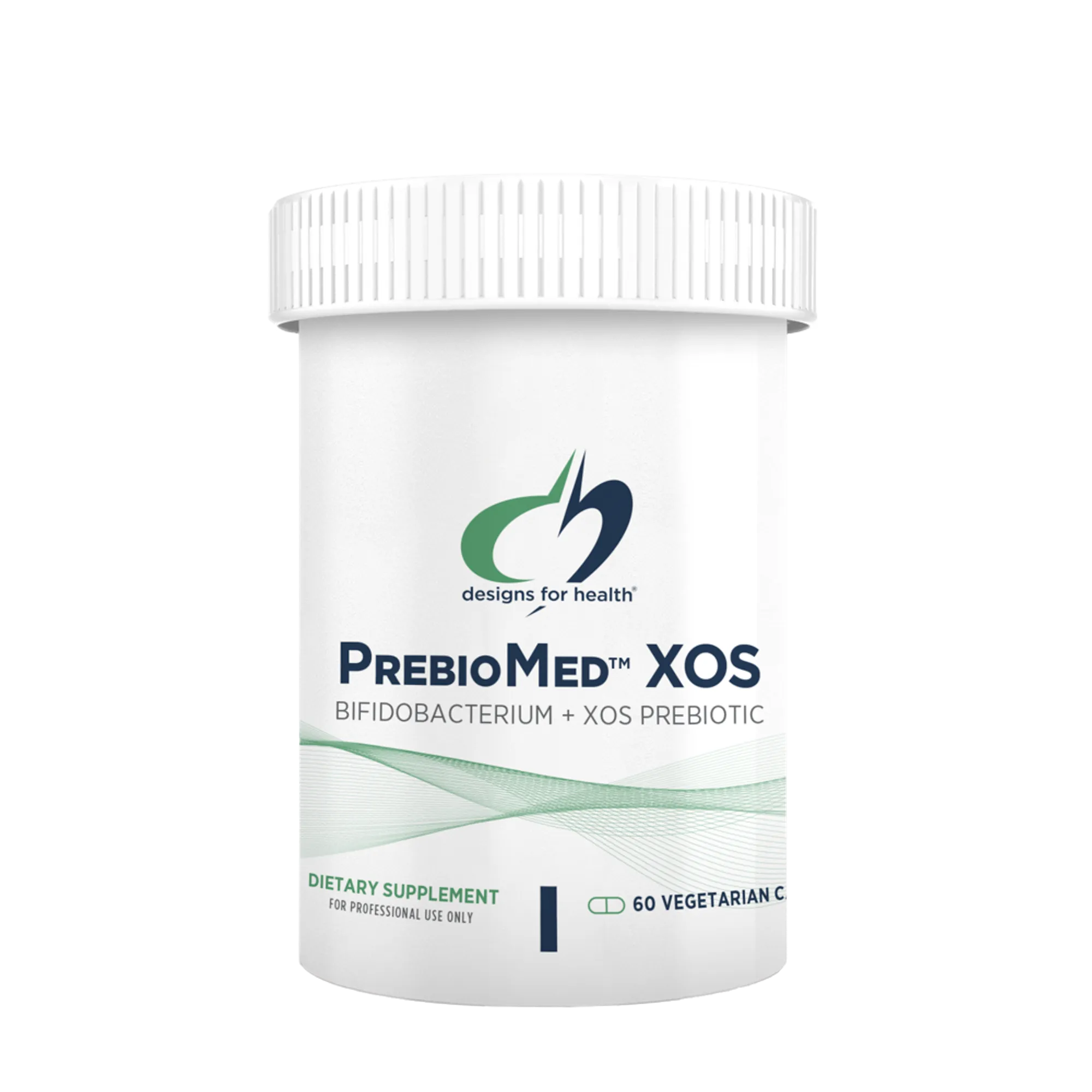
Can PrebioMed™ XOS Support Gut Health in Long COVID and MCAS?
March 6, 2026
PrebioMed XOSLong COVIDGut Health
Share:
Disclaimer: The information provided here is for educational purposes only and is not intended as medical advice. It should not be used to diagnose, treat, cure, or prevent any medical condition. Instead, use it as a starting point for discussion with your healthcare provider. Always consult with a qualified healthcare provider before starting any new medication, supplement, device, or making changes to your health regimen.
Months or even years after recovering from an initial viral infection, many individuals find themselves fighting a complex, unpredictable battle against debilitating symptoms. Whether you have been diagnosed with Long COVID, myalgic encephalomyelitis/chronic fatigue syndrome (ME/CFS), dysautonomia, or mast cell activation syndrome (MCAS), the daily reality often involves profound exhaustion, brain fog, and severe gastrointestinal distress. It is incredibly frustrating to navigate a medical system that often lacks clear answers, leaving you searching for validating, science-backed strategies to reclaim your quality of life.
Recent clinical research has increasingly pointed to a central driver behind many of these overlapping conditions: profound dysfunction within the gut microbiome. When the delicate ecosystem of the gastrointestinal tract is disrupted by viral persistence or chronic inflammation, it sets off a cascade of systemic issues, from immune hyperreactivity to neurological impairment. Addressing this root cause requires more than just a standard probiotic; it requires a targeted, clinically validated approach. PrebioMed™ XOS by Designs for Health is a specialized synbiotic blend designed to selectively nourish keystone beneficial bacteria, repair the intestinal barrier, and support systemic immune balance without triggering the severe gastrointestinal discomfort often associated with traditional prebiotics.
What is PrebioMed™ XOS?
The Anatomy of a Targeted Synbiotic Blend
To understand how PrebioMed™ XOS works, it is essential to first understand the concept of a "synbiotic." A synbiotic is a specialized formulation that combines both prebiotics (the non-digestible fibers that feed beneficial bacteria) and probiotics (the live beneficial bacteria themselves) into a single, synergistic therapy. The goal of a synbiotic is not just to introduce new bacteria into the gut, but to provide those specific bacteria with the exact fuel source they need to survive, colonize, and thrive in the harsh environment of the human gastrointestinal tract. This dual-action approach ensures that the therapeutic microbes have a competitive advantage over opportunistic, pro-inflammatory pathogens.
PrebioMed™ XOS is a highly targeted synbiotic blend formulated by Designs for Health. It combines exactly 1 gram of a patented prebiotic called PreticX™ with 10 billion colony-forming units (CFUs) of a specialized Bifidobacteria probiotic complex. Unlike broad-spectrum probiotics that throw dozens of random bacterial strains at the gut wall hoping some will stick, this formulation is meticulously engineered to address specific deficits often seen in chronic, post-viral illnesses. The precise pairing of these ingredients is designed to maximize clinical efficacy while minimizing the severe gastrointestinal side effects that often plague patients with sensitive digestive systems.
This targeted approach is particularly vital for individuals managing complex chronic conditions. When the gut is already inflamed and highly reactive, introducing the wrong type of fiber or the wrong strain of bacteria can trigger massive symptom flares, including severe bloating, abdominal pain, and systemic immune activation. By utilizing a highly selective prebiotic paired with robust, clinically researched bacterial strains, PrebioMed™ XOS offers a precise tool for gently guiding the microbiome back toward a state of healthy homeostasis.
Xylooligosaccharides (XOS): The Next-Generation Prebiotic
The prebiotic component of this formulation is xylooligosaccharides (XOS), a next-generation class of non-digestible dietary fibers. At a molecular level, XOS consists of short chains of xylose molecules linked together by highly specific β-1,4-glycosidic bonds. These unique chemical bonds are incredibly important because human digestive enzymes, which are primarily designed to break down starches and simple sugars, are entirely incapable of cleaving them. As a result, when you consume XOS, it resists digestion in the stomach and small intestine, traveling completely intact down into the large intestine (the colon), where the majority of your microbiome resides.
Once XOS reaches the colon, it acts as a highly selective, lock-and-key food source. While older, traditional prebiotics like fructooligosaccharides (FOS) or inulin act as a "buffet" that feeds a wide variety of bacteria—including potentially gas-producing or opportunistic strains—XOS is hyper-selective. Research indicates that XOS specifically targets and nourishes keystone Bifidobacteria species. This is because Bifidobacteria possess specific xylanolytic enzymes (such as β-xylosidases and arabinofuranosidases) that allow them to easily break apart the complex β-1,4-glycosidic bonds and consume the xylose molecules for energy.
This hyper-selectivity is what makes XOS a "next-generation" prebiotic. By exclusively feeding the beneficial Bifidobacteria, XOS rapidly multiplies these keystone species without simultaneously feeding the pro-inflammatory bacteria that often overgrow in dysbiotic guts. Furthermore, as the Bifidobacteria consume the XOS, they engage in a process called "cross-feeding," where they break down the complex fibers into smaller, simpler metabolites that secondary beneficial bacteria can then consume. This creates a cascading effect that naturally restores diversity and balance to the entire microbial ecosystem.
The Bifidobacteria Probiotic Complex
The second half of the PrebioMed™ XOS synbiotic is a robust, 10-billion CFU complex consisting of five highly researched Bifidobacteria strains: B. lactis (UABla-12™), B. breve (UABbr-11™), B. infantis (UABi-13™), B. bifidum (UABb-10™), and B. longum (UABl-14™). In a healthy human gut, Bifidobacteria are considered "keystone" species—foundational organisms that uphold the structural integrity and immune function of the entire gastrointestinal tract. They are the primary architects of the gut barrier, responsible for maintaining the tight junctions that prevent toxins from leaking into the bloodstream.
Each specific strain in this complex was chosen for its unique, clinically validated mechanisms of action. For example, Bifidobacterium lactis UABla-12™ has been extensively studied for its ability to downregulate localized inflammation in the gut lining, significantly reducing the visceral hypersensitivity (the hyper-reactivity of the gut's nervous system) that causes severe cramping and pain in conditions like Irritable Bowel Syndrome (IBS). Meanwhile, Bifidobacterium infantis UABi-13™ is genetically uniquely equipped to consume complex oligosaccharides and exert a potent anti-inflammatory effect on the intestinal mucosa, downregulating pro-inflammatory cytokines that drive systemic illness.
Together, these five strains work synergistically to physically coat and protect the intestinal lining. They competitively exclude pathogenic bacteria by taking up physical space on the gut wall and by lowering the local pH through the production of lactic and acetic acids. By combining these specific, highly resilient Bifidobacteria strains with the exact XOS prebiotic fuel they need to rapidly multiply, PrebioMed™ XOS provides a comprehensive, targeted intervention for rebuilding a severely compromised microbiome from the ground up.
How Chronic Illness Impacts the Gut Microbiome
Viral Persistence and the Collapse of Keystone Species
To understand why a targeted synbiotic like PrebioMed™ XOS is so critical, we must first examine how chronic illnesses like Long COVID and ME/CFS devastate the gut microbiome. When an individual is infected with a virus like SARS-CoV-2, the virus does not just impact the respiratory system; it heavily infiltrates the gastrointestinal tract. The gut lining is densely packed with ACE2 receptors, the primary entry point for the virus. This leads to profound, localized inflammation and, in many cases, viral persistence, where fragments of the virus remain hidden in the gut tissue long after the acute infection has passed. You can learn more about this phenomenon in our detailed guide on What Causes Long COVID?.
This chronic viral presence and the resulting inflammatory immune response create a highly toxic environment within the colon. The localized oxidative stress acts like a wildfire, rapidly wiping out the delicate, highly beneficial anaerobic bacteria—most notably, the keystone Bifidobacteria species. Research indicates that the severe depletion of Bifidobacteria is one of the most consistent and defining hallmarks of the Long COVID microbiome. When these foundational species collapse, they leave behind a massive ecological vacuum.
Nature abhors a vacuum, and in the gut, this empty space is quickly colonized by opportunistic, pro-inflammatory bacteria and fungi (such as Streptococcus, Bacteroides, and Candida). This state of severe bacterial imbalance is known as dysbiosis. These opportunistic pathogens produce toxic byproducts and further inflame the gut lining, driving the severe digestive issues that so many patients experience. For a deeper dive into these specific digestive challenges, see our article on Gastrointestinal Symptoms Seen with Long COVID.
The Vicious Cycle of Leaky Gut and Endotoxemia
The collapse of Bifidobacteria does more than just cause digestive upset; it fundamentally compromises the structural integrity of the intestinal wall. The cells lining your gut (enterocytes) are held together by complex protein structures called tight junctions (specifically, proteins like occludin and claudin-1). These tight junctions act as a highly selective security gate, allowing microscopic nutrients to pass into the bloodstream while keeping massive bacterial toxins safely contained within the digestive tract. Bifidobacteria are essential for maintaining these tight junctions. When they are depleted, the security gates break open, resulting in intestinal permeability, commonly known as "leaky gut."
Once the gut barrier becomes permeable, dangerous endotoxins—most notably lipopolysaccharides (LPS), which are structural components of the cell walls of pathogenic bacteria—begin to leak directly into the systemic bloodstream. This process is known as metabolic endotoxemia. Research indicates that the translocation of LPS into the blood triggers a massive, systemic alarm response from the immune system. The body recognizes these bacterial fragments as a severe threat and launches a cascade of pro-inflammatory cytokines (like IL-6 and TNF-α) to fight an infection that isn't actually there.
This chronic, low-grade systemic inflammation is devastating to the body's energy reserves. The immune system is constantly locked in a hyperactive "fight" mode, draining cellular ATP (energy) and driving profound neurological symptoms like brain fog, neuroinflammation, and the debilitating crashes known as post-exertional malaise (PEM). This relentless cycle of gut permeability and systemic immune activation is a primary reason why viral infections can trigger long-term, multi-systemic illnesses. We explore this complex transition further in our article, Can Long COVID Trigger ME/CFS? Unraveling the Connection.
Dysautonomia and the Gut-Brain Axis
The systemic inflammation originating from a leaky gut does not just drain energy; it actively damages the nervous system, particularly the vagus nerve. The vagus nerve is the primary bidirectional communication highway between the gut and the brain, and it serves as the master controller of the parasympathetic nervous system (the "rest and digest" state). When the vagus nerve is bathed in inflammatory cytokines leaking from the gut, its signaling becomes impaired. This neurological dysfunction is a core component of dysautonomia, a condition characterized by the autonomic nervous system's inability to regulate automatic bodily functions like heart rate, blood pressure, and digestion.
One of the most common manifestations of dysautonomia in chronic illness is Postural Orthostatic Tachycardia Syndrome (POTS), where patients experience an abnormally rapid heart rate upon standing. However, the vagus nerve's impairment also has a devastating downstream effect on the gut itself. Because the vagus nerve controls the muscular contractions that move food through the digestive tract (peristalsis), vagal inflammation leads to severely sluggish gut motility, a condition known as gastroparesis or delayed gastric emptying.
This sluggish motility creates a devastating feedback loop. When food and waste sit stagnant in the digestive tract for too long, it provides the perfect breeding ground for even more pathogenic bacteria to overgrow, worsening the initial dysbiosis. This bacterial overgrowth creates more LPS endotoxins, which cause more leaky gut, which creates more systemic inflammation, which further damages the vagus nerve, slowing motility even more. Breaking this relentless cycle requires a targeted intervention that can simultaneously suppress the pathogenic overgrowth, repair the intestinal barrier, and soothe the localized inflammation—which is exactly where targeted Bifidobacteria and XOS prebiotics come into play.
PrebioMed™ XOS: Supporting Gut Repair and Histamine Balance
Selective Fermentation and Short-Chain Fatty Acid Production
The primary mechanism by which PrebioMed™ XOS begins to reverse the damage of chronic illness is through the production of Short-Chain Fatty Acids (SCFAs). When the Bifidobacteria in the synbiotic blend consume the highly selective XOS prebiotic fibers, they undergo a metabolic process called fermentation. This fermentation process yields massive amounts of vital SCFAs, primarily acetate, propionate, and, most importantly, butyrate. Studies published in the Journal of Agricultural and Food Chemistry indicate that XOS supplementation specifically and dramatically increases the cecal concentrations of these protective fatty acids.
Butyrate is arguably the most critical molecule for gut health and systemic recovery. It serves as the primary, direct energy source for colonocytes (the cells that line the colon). When butyrate enters the colonocyte, it travels to the mitochondria where it undergoes beta-oxidation, rapidly generating the ATP (cellular energy) required for the cell to function, repair itself, and multiply. Without adequate butyrate from Bifidobacteria fermentation, the cells lining the gut literally starve, leading to cellular death and the rapid degradation of the intestinal barrier. By supplying a targeted dose of XOS to fuel butyrate production, PrebioMed™ XOS directly provides the energy needed to rebuild the damaged gut wall.
Furthermore, the massive production of SCFAs and lactic acid during XOS fermentation significantly lowers the luminal pH of the colon, creating a highly acidic microenvironment. While beneficial Bifidobacteria thrive in this acidic environment, opportunistic pathogens like Salmonella, Escherichia coli, and overgrown Streptococcus species are highly sensitive to acid and cannot survive. This natural, pH-driven antimicrobial effect allows the synbiotic to gently "weed" out the bad bacteria while simultaneously "seeding" and feeding the good, restoring a healthy ecological balance without the need for harsh, broad-spectrum antimicrobials.
Mast Cell Stabilization and Histamine Degradation
For patients dealing with Mast Cell Activation Syndrome (MCAS) or severe histamine intolerance, the gut microbiome plays a critical, often overlooked role. Mast cells are innate immune cells strategically stationed at mucosal interfaces, including the entire lining of the gastrointestinal tract. In MCAS, these cells become hyper-reactive, constantly degranulating and releasing massive amounts of inflammatory mediators like histamine, tryptase, and cytokines in response to minor triggers, such as food antigens or the LPS endotoxins produced by dysbiotic bacteria. This flood of localized histamine further destroys the tight junctions, worsening leaky gut and driving systemic allergic symptoms.
In a healthy body, dietary histamine is broken down in the gut by an enzyme called Diamine Oxidase (DAO), which is synthesized by the mature enterocytes lining the intestinal villi. However, when the gut lining is damaged by chronic inflammation and dysbiosis, the villi become blunted, and DAO production plummets. To make matters worse, many opportunistic bacteria that overgrow during dysbiosis possess an enzyme called histidine decarboxylase (HDC), which allows them to actively produce their own histamine from the amino acids in your food. This creates a nightmare scenario for MCAS patients: a gut that is actively producing excess histamine while simultaneously lacking the DAO enzyme needed to clear it.
This is where the specific Bifidobacteria strains in PrebioMed™ XOS become invaluable. Unlike many common probiotic strains (such as Lactobacillus casei or Lactobacillus bulgaricus) which actually produce histamine and can trigger severe MCAS flares, Bifidobacteria are inherently histamine-neutral; they lack the HDC enzyme entirely. More importantly, clinical research indicates that specific Bifidobacteria strains actively downregulate the expression of Histamine 1 (H1) and Histamine 4 (H4) receptors on the intestinal epithelium, acting as natural mast cell stabilizers. By soothing the localized inflammation, repairing the mucosal barrier, and crowding out histamine-producing pathogens, these keystone strains help the gut naturally restore its own endogenous DAO enzyme production, slowly rebuilding the body's tolerance to histamine.
Strain-Specific Mechanisms for Barrier Integrity
Beyond SCFA production and histamine modulation, the specific proprietary strains included in PrebioMed™ XOS exert direct, physical healing effects on the intestinal barrier. The Bifidobacterium lactis UABla-12™ strain, for instance, has been extensively documented for its ability to physically bind to the inflamed colonic mucosa. Once attached, it upregulates the genetic expression of the specific tight junction proteins (occludin and claudin-1) that act as the "mortar" between the cellular "bricks" of the gut wall. This direct structural reinforcement is critical for stopping the leakage of LPS endotoxins into the bloodstream, thereby cutting off the primary source of systemic neuroinflammation.
Similarly, the Bifidobacterium infantis UABi-13™ strain plays a vital role in modulating the localized immune response. As it consumes the complex XOS oligosaccharides, it interacts directly with the gut-associated lymphoid tissue (GALT)—the massive network of immune cells housed just below the gut lining. This interaction stimulates the production of regulatory T-cells (Tregs) and increases the secretion of anti-inflammatory cytokines like Interleukin-10 (IL-10), while simultaneously suppressing the release of pro-inflammatory cytokines like TNF-α. This profound immunomodulatory effect helps calm the hyperactive immune response that drives the debilitating symptoms of Long COVID and ME/CFS.
By utilizing a multi-strain approach, PrebioMed™ XOS ensures that multiple therapeutic mechanisms are engaged simultaneously. While UABla-12™ repairs the physical barrier and reduces visceral pain, UABi-13™ calms the localized immune response, and UABbr-11™ maximizes the fermentation of the XOS prebiotic into healing butyrate. This synergistic, multi-targeted mechanism of action is what separates a clinically designed synbiotic from a standard, over-the-counter probiotic supplement, providing a comprehensive tool for addressing the complex pathophysiology of post-viral gut dysfunction.

Symptoms PrebioMed™ XOS May Help Manage
Gastrointestinal and Digestive Symptoms
Because PrebioMed™ XOS directly targets the structural integrity and microbial balance of the gastrointestinal tract, it is uniquely positioned to help manage the severe, localized digestive symptoms that frequently accompany chronic post-viral illnesses and dysautonomia. By restoring keystone Bifidobacteria species, suppressing pathogenic overgrowths, and repairing the mucosal barrier, this targeted synbiotic may help alleviate:
Severe Bloating and Distention: By crowding out the opportunistic, gas-producing bacteria that overgrow in the small and large intestines, and by utilizing a low-dose, highly selective XOS prebiotic that does not rapidly ferment into excess gas, it helps reduce painful abdominal distention.
Irregular Bowel Movements (Constipation and Diarrhea): The massive production of short-chain fatty acids (SCFAs) like butyrate helps regulate water absorption in the colon and provides the necessary cellular energy to support healthy, rhythmic gut motility (peristalsis), helping to normalize both chronic constipation and loose stools.
Abdominal Pain and Cramping: Specific strains like B. lactis UABla-12™ have been clinically shown to downregulate visceral hypersensitivity—the hyper-reactivity of the gut's nervous system—thereby soothing the localized inflammation that causes severe, unpredictable abdominal cramping.
Food Sensitivities and Intolerances: By repairing the tight junctions and sealing the "leaky gut," the synbiotic helps prevent undigested food proteins from escaping into the bloodstream, which over time can help calm the systemic immune system and slowly reduce the severity of acquired food sensitivities.
Systemic, Neurological, and Immune Symptoms
The health of the gut microbiome is inextricably linked to the health of the brain, the immune system, and the autonomic nervous system. Because PrebioMed™ XOS helps cut off the flow of inflammatory LPS endotoxins from the gut into the systemic bloodstream, its therapeutic benefits extend far beyond the digestive tract. Managing these fluctuating, multi-systemic issues is a core challenge of chronic illness, as we discuss in our article, Do Long COVID Symptoms Come and Go?. This synbiotic approach may help manage:
Brain Fog and Cognitive Impairment: By sealing the intestinal barrier and halting metabolic endotoxemia, the synbiotic reduces the systemic circulation of pro-inflammatory cytokines that cross the blood-brain barrier, thereby helping to alleviate neuroinflammation and improve mental clarity.
Post-Exertional Malaise (PEM) and Severe Fatigue: Chronic, low-grade immune activation drains massive amounts of cellular ATP. By calming the localized gut immune response and reducing the systemic inflammatory burden, the body can redirect its limited energy resources away from fighting phantom infections and toward cellular repair and daily functioning.
Histamine Intolerance and MCAS Flares: By utilizing strictly histamine-neutral Bifidobacteria strains that act as natural mast cell stabilizers, and by helping to restore the gut's natural production of the histamine-clearing DAO enzyme, it provides a safe, non-triggering pathway to lower the body's overall histamine burden.
Immune Dysregulation: By interacting with the gut-associated lymphoid tissue (GALT) and stimulating the production of regulatory T-cells (Tregs), the specific probiotic strains help modulate the immune system, shifting it away from a hyperactive, autoimmune-like state and back toward balanced homeostasis.
Practical Considerations: Forms, Dosing, and Absorption
The Low-Dose Advantage of PreticX™
One of the most significant practical challenges in treating gut dysbiosis in chronically ill patients is gastrointestinal tolerance. Traditional prebiotics, such as fructooligosaccharides (FOS), galactooligosaccharides (GOS), and inulin, are notorious for causing severe digestive distress. Because these older fibers are not highly selective, they require massive daily doses—often between 5 to 10 grams or more—to produce a clinical benefit. When these large quantities of fiber reach the colon, they undergo rapid, chaotic fermentation by a wide variety of bacteria. For a patient with an already inflamed, hypersensitive gut, this rapid fermentation routinely triggers agonizing gas, severe bloating, intestinal cramping, and explosive diarrhea, leading many patients to abandon prebiotic therapy entirely.
PrebioMed™ XOS completely bypasses this issue by utilizing PreticX™, a patented form of xylooligosaccharides (XOS). The fundamental advantage of XOS is its hyper-selectivity; because it exclusively feeds Bifidobacteria, it is clinically effective at remarkably low doses. The formulation in PrebioMed™ XOS contains exactly 1 gram of PreticX™ per serving. This precise, low-dose threshold has been clinically proven to significantly increase healthy gut microflora without triggering the rapid, chaotic fermentation associated with high-dose fibers.
This low-dose advantage translates to exceptional patient compliance and GI tolerance. Patients who have historically been unable to tolerate any form of fiber or prebiotic due to severe IBS, MCAS, or SIBO (Small Intestinal Bacterial Overgrowth) often find that they can comfortably tolerate the 1-gram dose of XOS. By providing the exact fuel the Bifidobacteria need without overloading the digestive tract, PrebioMed™ XOS offers a gentle, highly tolerable pathway to microbiome restoration for the most sensitive and reactive patients.
Survivability and Intestinal Colonization
The therapeutic potential of any probiotic supplement is entirely dependent on its survivability. The human digestive tract is designed to destroy invading bacteria. To reach the colon where they are needed, probiotic strains must first survive the highly acidic environment of the stomach (gastric acid) and then navigate the harsh, antimicrobial bile salts secreted into the small intestine. The vast majority of standard, over-the-counter probiotics are destroyed long before they ever reach the large intestine, rendering them clinically useless.
The five proprietary Bifidobacteria strains utilized in PrebioMed™ XOS (the UAB strains) were specifically selected by clinical researchers for their exceptional, documented survivability. These robust strains possess naturally thick cellular envelopes that allow them to resist degradation by stomach acid and bile salts, ensuring that the full 10-billion CFU payload arrives intact and viable in the colon. This guaranteed delivery system is critical for achieving the therapeutic outcomes observed in clinical trials.
Furthermore, simply arriving in the colon is not enough; the bacteria must be able to colonize. The UAB strains in this formulation have been chosen for their superior ability to physically adhere to the mucosal lining of the intestinal walls. This adherence allows the bacteria to set up permanent colonies, physically crowd out pathogenic overgrowths, and begin the localized repair of the tight junctions. When combined with the targeted XOS prebiotic fuel, these highly resilient strains are given the exact tools they need to rapidly multiply and establish a dominant, healing presence in the gut ecosystem.
Timing, Titration, and Potential Interactions
For optimal absorption and efficacy, the suggested use for PrebioMed™ XOS is to take two capsules per day with meals, or as directed by your healthcare practitioner. Taking the synbiotic with food helps buffer stomach acid, further ensuring the survivability of the probiotic strains, while also mixing the XOS prebiotic with the natural fibers in your diet to promote a steady, sustained fermentation process in the colon. Because the formulation is free of common allergens and does not contain any histamine-producing bacterial strains, it is generally considered highly safe for patients with complex sensitivities.
However, for individuals with severe Mast Cell Activation Syndrome (MCAS), profound dysbiosis, or a history of extreme reactivity to supplements, the clinical best practice is always "start low and go slow." This process, known as titration, involves starting with a fraction of the recommended dose—such as opening a capsule and taking only a quarter or half of the powder mixed in water—and slowly increasing the dosage over several weeks. This gentle introduction allows the hyper-reactive immune system and the sensitive gut nervous system to acclimate to the new bacterial strains and the increased SCFA production without triggering a "die-off" reaction (Herxheimer reaction) from displaced pathogens.
Finally, while utilizing a targeted synbiotic like PrebioMed™ XOS, patients with histamine intolerance should continue to strictly avoid high-histamine fermented foods, such as kombucha, kefir, kimchi, sauerkraut, and traditional yogurts. While these foods are often touted as "gut-healing," they are inherently packed with massive amounts of exogenous histamine and broad-spectrum, histamine-producing bacterial strains (Lactobacillus casei, L. bulgaricus) that can trigger severe, debilitating flares in MCAS patients. By relying on a clean, histamine-neutral synbiotic, you can safely repair the gut barrier without pouring fuel on the inflammatory fire.

Follow the Science
The SIM01 Trial and Long COVID Recovery
The clinical relevance of replenishing Bifidobacteria in post-viral illness was recently thrust into the global spotlight by a landmark randomized, double-blind, placebo-controlled trial conducted in Hong Kong, often referred to as the SIM01 trial. Published in The Lancet Infectious Diseases in 2024, this rigorous study involved 463 patients suffering from Long COVID. The researchers sought to determine if directly addressing gut dysbiosis could alleviate the systemic, neurological, and physical symptoms of the condition.
The intervention group received a highly targeted synbiotic formulation containing specific anaerobic Bifidobacterium strains combined with prebiotics for a duration of six months. The results were highly significant. The study found that the synbiotic intervention group experienced vastly higher rates of symptom resolution compared to the placebo group. Specifically, debilitating fatigue was alleviated in 63% of the treatment group (compared to only 43% in the placebo group), memory loss was resolved in 42% (vs. 27%), difficulty concentrating improved in 62% (vs. 39%), and general gastrointestinal upset was alleviated in 70% (vs. 54%).
These findings represent a massive paradigm shift in the understanding of post-viral illness. The SIM01 trial provided concrete, clinical validation that Long COVID is not merely a respiratory or localized condition, but a systemic illness heavily driven by the collapse of keystone gut bacteria. By proving that replenishing Bifidobacteria directly influences and alleviates systemic neurological symptoms like brain fog and fatigue, the study established targeted synbiotic therapy as a foundational pillar of Long COVID management.
Clinical Trials on XOS Efficacy and Gastrointestinal Tolerance
The specific prebiotic component of PrebioMed™ XOS, PreticX™, has been the subject of rigorous independent clinical evaluation to establish both its efficacy and its unique gastrointestinal tolerance profile. A pivotal double-blind, randomized, placebo-controlled clinical trial conducted at UCLA and published in the journal Food & Function (Finegold et al., 2014) evaluated the effects of low-dose XOS on the human gut microbiome.
In this study, 32 healthy adult subjects were divided into groups receiving either 1.4 grams per day of XOS, 2.8 grams per day of XOS, or a placebo over an 8-week intervention phase. The researchers utilized advanced sequencing to monitor the shifts in bacterial populations. The data revealed that both the 1.4 g and 2.8 g dosage groups experienced a statistically significant, massive increase in healthy Bifidobacterium counts compared to the placebo group. Crucially, the XOS did not promote the growth of undesirable, pro-inflammatory bacteria like Clostridia, confirming its hyper-selective nature.
Perhaps the most important finding for chronically ill patients was the GI tolerance data. Throughout the 8-week study, researchers meticulously tracked daily symptom charts. They found that the PreticX™ XOS was tolerated perfectly, with absolutely zero significant gastrointestinal side effects. Compared to the placebo group, the subjects taking the highly effective 1.4 g/day dose reported no differences in excess gas, unpleasant intestinal noise, severe bloating, cramps, or diarrhea. This study definitively proved that XOS can dramatically remodel the microbiome at exceptionally low doses without causing the debilitating distress associated with older prebiotics.
Strain-Specific Clinical Data for Irritable Bowel Syndrome
The specific Bifidobacteria strains utilized in the PrebioMed™ XOS complex also boast robust, independent clinical backing, particularly for the management of severe gastrointestinal distress. A landmark 2020 randomized, double-blind, placebo-controlled trial published in the journal Nutrients (Martoni et al.) specifically evaluated the efficacy of the Bifidobacterium lactis UABla-12™ strain (one of the primary strains in this formulation) in 331 adults suffering from Irritable Bowel Syndrome (IBS).
Over the 6-week trial period, the researchers tracked the patients using the clinically validated IBS Symptom Severity Scale (IBS-SSS). The results were striking: the group receiving the UABla-12™ strain experienced a massive 104.5-point reduction in their IBS-SSS scores, vastly surpassing the Minimum Clinically Important Difference (MCID) of 50 points required to prove true clinical efficacy. Furthermore, abdominal pain severity was reduced by over 37%, and the duration of pain dropped by 36.4%.
The study also highlighted the strain's profound ability to normalize bowel function. At the beginning of the trial, nearly 40% of the participants suffered from abnormal stool forms (as measured by the Bristol Stool Scale). By the end of the 42-day intervention, an impressive 75.5% of the patients in the UABla-12™ group had successfully transitioned to completely normal, healthy stool forms. This robust clinical data underscores why this specific, proprietary strain was selected for the PrebioMed™ XOS formulation, offering targeted, proven relief for the severe visceral hypersensitivity and motility issues that plague chronic illness patients.
The Path Forward
Validating the Gut-Centric Nature of Chronic Illness
Living with a complex, invisible illness like Long COVID, ME/CFS, dysautonomia, or MCAS is an incredibly isolating experience. For years, many patients have been told by the traditional medical system that their severe, fluctuating symptoms—the profound exhaustion, the sudden allergic flares, the unpredictable digestive distress, and the debilitating brain fog—are simply "anxiety" or "all in their head." If you have experienced this medical gaslighting, it is vital to understand that your symptoms are real, they are physiological, and they are rooted in complex biological mechanisms. The emerging science surrounding the gut microbiome, endotoxemia, and vagus nerve inflammation provides concrete, validating proof that your suffering has a distinct, measurable biological origin. You can read more about navigating this reality in our compassionate guide, How Can You Live with Long-Term COVID.
Recognizing that the gut is a central driver of systemic inflammation offers a profound sense of hope. It means that by utilizing targeted, clinically validated tools like PrebioMed™ XOS to repair the intestinal barrier, replenish keystone Bifidobacteria, and stabilize hyper-reactive mast cells, you are actively addressing the root pathophysiology of your condition, rather than simply masking surface-level symptoms. While rebuilding a severely damaged microbiome takes time and patience, it is a tangible, actionable step toward reclaiming your physiological resilience and improving your daily quality of life.
Building a Comprehensive Management Strategy
While a targeted synbiotic is a powerful tool, it is important to remember that true healing from complex chronic illness requires a comprehensive, multi-disciplinary approach. Supplements are most effective when they are utilized as one pillar of a broader management strategy. Repairing the gut microbiome must be paired with aggressive nervous system regulation to calm the inflamed vagus nerve, strict pacing protocols to manage energy envelopes and prevent post-exertional malaise (PEM), and a tailored, anti-inflammatory diet that avoids individual MCAS triggers while providing the necessary macronutrients for cellular repair.
Because every patient's microbiome and immune system is entirely unique, there is no single "miracle cure" or one-size-fits-all protocol. It is highly recommended to work closely with a dysautonomia-literate or Long COVID-literate healthcare provider who can help you safely titrate new supplements, monitor your systemic reactions, and run advanced functional testing (such as comprehensive stool analysis or zonulin markers) to track your progress. A knowledgeable practitioner can help you weave PrebioMed™ XOS into a personalized, holistic treatment plan designed specifically for your body's unique needs.
Taking the Next Step in Your Health Journey
If you are struggling with the debilitating gastrointestinal, neurological, and systemic symptoms of Long COVID, ME/CFS, or MCAS, addressing the foundational health of your gut microbiome is a critical step forward. By providing a low-dose, highly selective XOS prebiotic paired with clinically researched, histamine-neutral Bifidobacteria strains, PrebioMed™ XOS offers a precise, well-tolerated approach to sealing a leaky gut, lowering systemic inflammation, and supporting long-term recovery.