Can Potassium/Magnesium (Aspartate) Support Energy and Autonomic Function in Long COVID and ME/CFS?
March 5, 2026
PotassiumMagnesium AspartateLong COVID
Share:
Disclaimer: The information provided here is for educational purposes only and is not intended as medical advice. It should not be used to diagnose, treat, cure, or prevent any medical condition. Instead, use it as a starting point for discussion with your healthcare provider. Always consult with a qualified healthcare provider before starting any new medication, supplement, device, or making changes to your health regimen.
For many individuals living with complex chronic conditions like Long COVID, Myalgic Encephalomyelitis/Chronic Fatigue Syndrome (ME/CFS), and dysautonomia, the body can feel like a battery that refuses to hold a charge. You might experience profound exhaustion after minor exertion, a racing heart when you simply stand up, or muscle twitches and cramps that disrupt your sleep. When standard blood tests come back "normal," it’s easy to feel dismissed and frustrated. However, the root of these symptoms often lies deep within the cells, where essential minerals dictate how our bodies produce energy and regulate our nervous system.
One critical piece of this cellular puzzle is the balance of two vital minerals: potassium and magnesium. While they are often discussed in the context of basic nutrition, their role in chronic illness is far more profound. When these minerals are depleted—or when the body loses its ability to transport them effectively into the cells—the resulting dysfunction can trigger or exacerbate the autonomic and cardiovascular symptoms hallmark to conditions like Postural Orthostatic Tachycardia Syndrome (POTS) and Long COVID. In this article, we’ll explore how Potassium/Magnesium (aspartate) works at a molecular level, why standard testing often misses intracellular deficiencies, and how targeted supplementation may help restore your body’s electrical and energetic balance.
TL;DR
Potassium and magnesium balance is vital for cellular energy and nervous system regulation in chronic conditions.
Standard blood tests often miss intracellular mineral deficiencies common in Long COVID and ME/CFS.
The highly bioavailable aspartate form may help support energy production and manage autonomic symptoms.
Always consult a doctor before taking potassium, especially if on blood pressure medications.
What is Potassium/Magnesium (Aspartate)?
To understand why potassium and magnesium are so crucial, we must look at how cells communicate and generate energy. In a healthy body, these two minerals act as the primary biological spark plugs. Potassium is the most abundant positively charged ion (cation) inside your cells. It is responsible for maintaining the resting membrane potential—the electrical charge that allows nerves to fire impulses and muscles to contract smoothly. Without adequate intracellular potassium, the electrical signaling in your heart, nervous system, and skeletal muscles becomes erratic, leading to palpitations and weakness.
Magnesium, on the other hand, is the ultimate biological multitasker. It serves as a required cofactor for over 300 enzymatic reactions, including the synthesis of adenosine triphosphate (ATP), the primary energy currency of your cells. Every molecule of ATP must bind to a magnesium ion to become biologically active (forming Mg-ATP). Furthermore, magnesium acts as a natural calcium channel blocker. While calcium rushes into a cell to trigger a muscle contraction or a nerve impulse, magnesium is required to push the calcium back out, allowing the tissue to relax.
The Aspartate Carrier Molecule and Cellular Transport
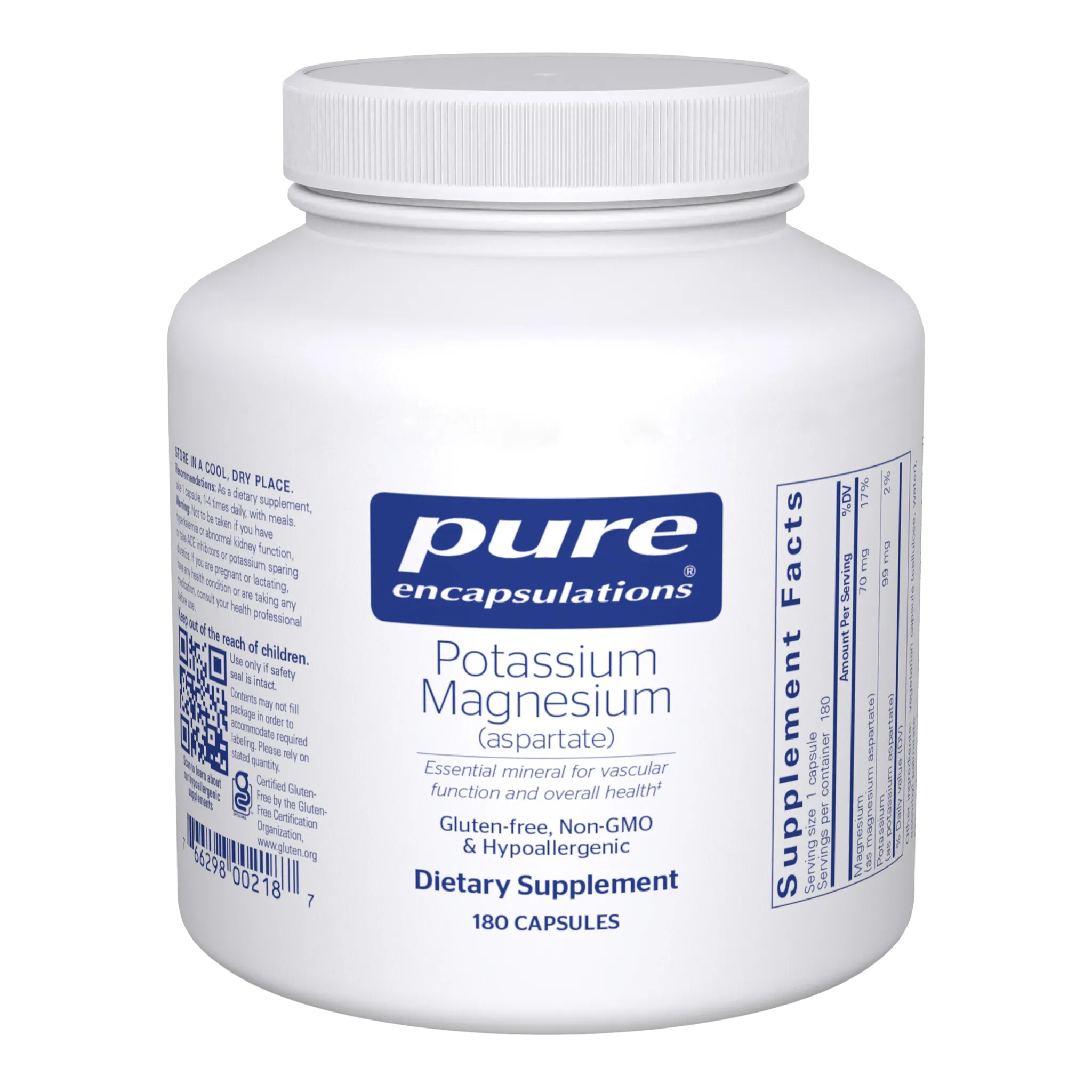
The true magic of Potassium/Magnesium (aspartate) lies in its unique delivery system. In this formulation, the elemental minerals are organically chelated (bound) to aspartic acid, a non-essential amino acid. Unlike inorganic mineral salts (like magnesium oxide) that simply dissolve in stomach acid and rely on passive concentration gradients for absorption, the aspartate molecule acts as a biological chaperone. It leverages the body's natural amino acid transport systems, specifically Excitatory Amino Acid Transporters (EAATs), to actively pull the minerals across the intestinal wall and directly into the bloodstream.
This active transport mechanism allows the aspartate chelate to bypass the standard, often inefficient, mineral ion channels. Once it reaches the target tissues, the aspartate specifically targets the inner layer of the outer cell membrane. Here, the aspartic acid is metabolized, releasing the potassium or magnesium ion directly into the intracellular fluid where it is needed most. This targeted delivery system is what makes the aspartate form so highly bioavailable compared to traditional over-the-counter mineral supplements.
The Malate-Aspartate Shuttle and ATP Production
Once inside the cell, the aspartate molecule doesn't just disappear; it actively participates in cellular metabolism. It feeds directly into the malate-aspartate shuttle, a crucial biochemical pathway that transfers reducing equivalents (electrons) across the impermeable inner mitochondrial membrane. This shuttle is essential for driving oxidative phosphorylation, the final and most productive stage of ATP synthesis.
By delivering magnesium and potassium directly to the mitochondria via this shuttle, the aspartate carrier simultaneously provides the building blocks for energy and the minerals required to stabilize the cell's electrical gradient. This dual-action mechanism—supplying both the structural mineral and the metabolic fuel—makes the aspartate form particularly powerful for tissues with high energy demands, such as the heart, brain, and skeletal muscles.
How Chronic Illness Impacts Mineral Balance
Chronic, infection-associated illnesses fundamentally alter how the body utilizes and stores essential minerals. In conditions like Long COVID and ME/CFS, the body is often locked in a state of chronic oxidative stress, systemic inflammation, and autonomic nervous system (ANS) dysfunction. This physiological environment rapidly depletes intracellular stores of magnesium and potassium, creating a vicious cycle of energy failure and neurological hyper-excitability.
Viral Infection and the RAAS System
During the acute phase of a SARS-CoV-2 infection, the virus binds to ACE2 receptors, which heavily disrupts the Renin-Angiotensin-Aldosterone System (RAAS). The RAAS is a complex hormonal cascade responsible for regulating blood pressure, fluid balance, and systemic vascular resistance. When this system becomes overactivated by the virus, it triggers the adrenal glands to release excessive amounts of aldosterone. Aldosterone signals the kidneys to retain sodium and excrete massive amounts of potassium in the urine.
While hypokalemia is a concern, this depletion of potassium destabilizes the electrical gradient of cardiac and skeletal muscle cells, contributing to the palpitations, exercise intolerance, and profound fatigue that many patients experience long after the initial infection has cleared.
HPA Axis Dysfunction and Magnesium Wasting
Furthermore, chronic inflammation and the immense physical stress of living with a complex illness keep the Hypothalamic-Pituitary-Adrenal (HPA) axis in a state of constant overdrive. High levels of cortisol (the body's primary stress hormone) and adrenaline directly increase the renal excretion of magnesium. As magnesium levels plummet, the body loses its natural ability to dampen the sympathetic nervous system (the "fight or flight" response).
This creates a devastating feedback loop. Low magnesium increases sympathetic tone, which increases adrenaline, which further depletes magnesium. This cycle leaves patients with dysautonomia trapped in a state of autonomic distress, characterized by inappropriate tachycardia, anxiety-like physical sensations, and severe sleep disturbances. The body simply lacks the mineral "brakes" required to calm the nervous system down.
Ion Channel Dysfunction in ME/CFS
In ME/CFS, the mineral deficiency is often functional rather than purely dietary. When cellular gateways such as ion channels are impaired, it can lead to a severe reduction in intracellular magnesium, even if the patient is consuming adequate amounts in their diet.
Without sufficient intracellular magnesium, the mitochondria cannot produce ATP efficiently, directly contributing to the debilitating post-exertional malaise (PEM) that defines the condition. This intracellular depletion also explains why standard serum blood tests often return "normal" results. Less than 1% of the body's total magnesium and potassium is stored in the blood; the vast majority is locked inside cells and bones. A standard blood draw cannot detect the severe intracellular starvation occurring at the mitochondrial level, leading many patients to be told their labs are fine while they continue to suffer.
Potassium/Magnesium (Aspartate): Supporting Cellular Energy and Autonomic Function
Supplementing with Potassium/Magnesium (aspartate) addresses the root cellular dysfunctions seen in complex chronic illnesses by simultaneously restoring electrical stability and boosting mitochondrial energy output. Because these two minerals are physiologically interdependent, delivering them together ensures that the cell has both the "key" (magnesium) and the "target" (potassium) required to function optimally.
Restoring the Sodium-Potassium Pump
Every cell in your body relies on the Na+/K+-ATPase pump to maintain its electrical charge. This pump works tirelessly to push three sodium ions out of the cell and pull two potassium ions in, creating the electrochemical gradient necessary for nerve impulses and muscle contractions. However, this pump is entirely dependent on ATP and magnesium. If you are deficient in intracellular magnesium, the pump fails. The cell cannot pull potassium inside, rendering standalone potassium supplements largely ineffective.
By providing magnesium aspartate alongside potassium aspartate, this formula essentially "unlocks the door," allowing potassium to enter the cell and stabilize the erratic nerve firing that causes palpitations and muscle twitches. For patients dealing with the cardiovascular manifestations of Long COVID, restoring this pump is a critical step in normalizing heart rhythms and reducing the frequency of premature ventricular contractions (PVCs).
Supporting Blood Volume in POTS
For patients with Postural Orthostatic Tachycardia Syndrome (POTS), this mechanism is particularly vital. The standard, evidence-based management for POTS involves aggressive sodium and fluid loading (often 10-12 grams of sodium daily) to artificially expand blood volume and prevent orthostatic intolerance. However, clinical guidelines for dysautonomia note that high sodium intake can cause cellular dehydration, elevated blood pressure, and cardiovascular strain if not balanced with adequate potassium.
Potassium mitigates the negative vascular effects of high sodium, allowing POTS patients to tolerate their high-salt protocols more comfortably. Simultaneously, the magnesium component relaxes the smooth muscle of the blood vessels, helping to regulate the wild swings in heart rate and blood pressure upon standing. Together, they provide a stabilizing force for a highly reactive autonomic nervous system.
Combating Fatigue and Post-Exertional Malaise
The aspartate component of this supplement plays a unique and powerful role in combating the profound fatigue associated with ME/CFS and Long COVID. When the body engages in physical or cognitive exertion, it produces metabolic waste products like ammonia. In a healthy body, these are cleared quickly; in ME/CFS, impaired cellular metabolism causes them to accumulate, triggering the severe crashes known as PEM.
Aspartic acid actively binds to ammonia in the bloodstream, neutralizing it and converting it into urea for safe excretion through the kidneys. Simultaneously, as mentioned earlier, the aspartate carrier feeds directly into the Krebs cycle within the mitochondria. By delivering magnesium directly to the site of ATP synthesis, it ensures that the enzymes required for energy production have the cofactors they need. This dual action—clearing fatigue-inducing metabolic waste while directly fueling ATP production—makes the aspartate form particularly suited for patients struggling with severe energetic deficits.

Symptoms Potassium/Magnesium (Aspartate) May Help Manage
Based on the physiological roles of potassium and magnesium, targeted supplementation with the aspartate form may help manage a variety of symptoms associated with autonomic and mitochondrial dysfunction. Here is a detailed look at how these minerals target specific clinical presentations:
Neuromuscular Symptoms
Muscle Cramps and Spasms: Magnesium acts as a natural calcium antagonist at the neuromuscular junction, allowing muscle fibers to relax after contraction. Meanwhile, potassium stabilizes the nerve signals that trigger the muscles, preventing the misfires that lead to painful cramps and fasciculations (twitching).
Exercise Intolerance and Weakness: By supporting the Na+/K+-ATPase pump and buffering metabolic waste like ammonia, this mineral combination helps skeletal muscle tissues tolerate physical exertion more efficiently, delaying the onset of severe muscle fatigue.
Cardiovascular and Autonomic Symptoms
Heart Palpitations and Tachycardia: By restoring the resting membrane potential of cardiac cells, potassium and magnesium help regulate erratic electrical signaling. This smooths out heart rhythms and reduces the frequency of ectopic beats often felt as "skipped beats" or palpitations.
Orthostatic Intolerance: In conditions like POTS, balancing high sodium intake with adequate potassium helps maintain proper intracellular fluid balance, supporting healthy blood volume expansion without causing vascular stiffness.
Neurological and Systemic Symptoms
Post-Exertional Malaise (PEM): The aspartate carrier feeds directly into the mitochondrial Krebs cycle, supporting ATP (energy) production and helping to clear fatigue-inducing ammonia from the blood, potentially reducing the severity of post-exertional crashes.
Brain Fog and Cognitive Fatigue: Magnesium is crucial for regulating NMDA receptors in the brain, preventing excitotoxicity and supporting neuroplasticity. Optimal potassium levels ensure proper nerve impulse transmission, helping to clear cognitive sluggishness.
Poor Sleep Quality and Insomnia: Magnesium dampens the sympathetic nervous system and regulates the HPA axis, lowering cortisol levels and promoting the physical relaxation required to transition into deep, restorative sleep phases.
Practical Considerations: Forms, Dosing, and Safety
When considering mineral supplementation, the specific chemical form you choose dictates how well your body can actually absorb and utilize it. Inorganic forms like magnesium oxide or potassium chloride are notoriously difficult for the gut to process. They often remain in the intestines, drawing in water and causing osmotic diarrhea or severe gastrointestinal upset, which means the minerals never actually reach your bloodstream.
Bioavailability and Absorption Dynamics
The aspartate forms of potassium and magnesium are highly bioavailable. Because the minerals are bound to an amino acid, they bypass the standard passive ion channels in the gut. Instead, they are actively transported across the intestinal wall by amino acid transporters. Clinical reviews of magnesium absorption demonstrate that while magnesium oxide has a fractional absorption rate of only about 4%, organic chelates like magnesium aspartate boast absorption rates closer to 40%—making them roughly ten times more effective.
To optimize absorption, it is generally recommended to take Potassium/Magnesium (aspartate) with meals. Taking it with food slows down its transit through the digestive tract, giving the active amino acid transporters more time to shuttle the minerals into the bloodstream. Because these minerals actively support cellular energy production, some patients prefer to take their doses earlier in the day to avoid potential sleep disruption, though magnesium's inherent relaxing properties mean evening dosing works perfectly well for others.
Crucial Safety Warnings and Drug Interactions
While these minerals are essential for life, potassium supplementation carries strict safety warnings that must not be ignored. In a healthy body, the kidneys tightly regulate potassium levels in the blood; if you consume more than you need, the kidneys simply excrete the excess in your urine. However, if your kidney function is impaired, or if you are taking specific cardiovascular medications, potassium can build up to dangerous levels, causing a life-threatening condition called hyperkalemia.
Potassium aspartate is strictly contraindicated if you are taking ACE inhibitors (e.g., lisinopril, enalapril), Angiotensin II Receptor Blockers (ARBs), or potassium-sparing diuretics (e.g., spironolactone). These medications alter the RAAS system and cause the body to retain potassium. Adding a potassium supplement on top of these medications strips the kidneys of their ability to flush out the excess, quickly leading to toxic levels and severe cardiac arrhythmias. Always consult your healthcare provider before starting any potassium supplement, especially if you are on blood pressure medications or have a history of renal disease.

Follow the Science: Clinical Evidence for Potassium and Magnesium
The clinical evidence supporting the use of potassium and magnesium aspartates spans decades, particularly in the realms of cardiovascular health, metabolic function, and chronic fatigue. While large-scale, double-blind trials specifically focusing on Long COVID are still emerging, the foundational science regarding these minerals and viral pathogenesis is robust and rapidly expanding.
Evidence in Viral Recovery and Autonomic Health
Recent research into the pathophysiology of Long COVID has highlighted the critical nature of electrolyte balance. A comprehensive review of post-viral syndromes emphasizes that viral disruption of the RAAS system leads to profound hypokalemia, which is heavily implicated in post-viral asthenia and autonomic dysfunction. Furthermore, the COMEPA study, which evaluated serum magnesium levels in COVID-19 patients, demonstrated that low serum magnesium at hospital admission predicted a 2.14 times higher incidence of Long COVID symptoms, underscoring the mineral's vital role in preventing long-term viral sequelae and neuroinflammation.
In the context of dysautonomia and POTS, clinical consensus emphasizes the importance of balanced intracellular electrolytes. While sodium loading is the primary intervention, autonomic specialists note that potassium is required to mitigate the cardiovascular strain of high sodium intake. Magnesium's role as a natural calcium channel blocker is widely discussed in cardiology research relevant to dysautonomia.
Clinical Trials on the Aspartate Form
The specific combination of potassium and magnesium aspartate has been evaluated in various contexts related to fatigue and metabolic function, though robust, large-scale trials specifically isolating the aspartate form in chronic fatigue syndrome populations remain limited.
Additionally, a 6-month double-blind, placebo-controlled trial showed that magnesium aspartate supplementation successfully improved insulin sensitivity in metabolically compromised patients. This is particularly relevant for Long COVID and ME/CFS patients, who frequently experience metabolic dysregulation, impaired glucose tolerance, and endothelial dysfunction as secondary symptoms of their primary illness. By improving metabolic efficiency, the aspartate form helps restore systemic energetic balance.
The Path Forward
Living with a complex chronic illness often means navigating a maze of invisible symptoms, confusing medical advice, and dismissive test results. If you are struggling with debilitating fatigue, racing heart rates, or painful muscle spasms, it is incredibly validating to understand that these symptoms have a profound, measurable physiological basis. Your cells may literally be starving for the minerals they need to generate energy and maintain electrical stability, even if your standard blood work looks perfectly normal.
A Comprehensive Approach to Healing
While no single supplement is a magic cure for complex conditions like Long COVID, ME/CFS, or dysautonomia, restoring your intracellular mineral balance is a foundational step in autonomic and mitochondrial rehabilitation. When your cells have the basic building blocks they need, your body is better equipped to repair damaged tissues and regulate an overactive nervous system.
However, supplementation is just one piece of the puzzle. True recovery requires a comprehensive, multi-disciplinary approach. Combining targeted mineral support with strict pacing strategies to avoid PEM, careful symptom tracking, and adequate hydration can help provide your body with the biological tools and the safe environment it needs to begin the healing process.
Next Steps and Medical Guidance
Disclaimer: This information is for educational purposes only and does not constitute medical advice. Because potassium levels tightly regulate heart rhythm, and due to severe, potentially fatal interactions with ACE inhibitors, ARBs, and potassium-sparing diuretics, you must consult your healthcare provider before starting this supplement. Your doctor can help determine the appropriate dosage and monitor your blood levels to ensure your safety.
Sources
Magnesium Basics: Clinical Review of Magnesium Absorption and Bioavailability
Hypokalemia and COVID-19: RAAS Dysregulation and Post-Viral Asthenia
The COMEPA Study: Serum Magnesium Levels as a Predictor of Long COVID
TRPM3 Ion Channel Dysfunction in ME/CFS: Implications for Intracellular Calcium and Magnesium
Magnesium and Potassium Aspartate for the Treatment of Chronic Fatigue: A Clinical Review
Dietary Management of POTS: The Role of Sodium, Potassium, and Fluid Balance
Drug Interactions with Potassium Supplements: ACE Inhibitors and Hyperkalemia Risk