Can Potassium Magnesium Citrate Help Manage Long COVID and POTS Symptoms?
March 5, 2026
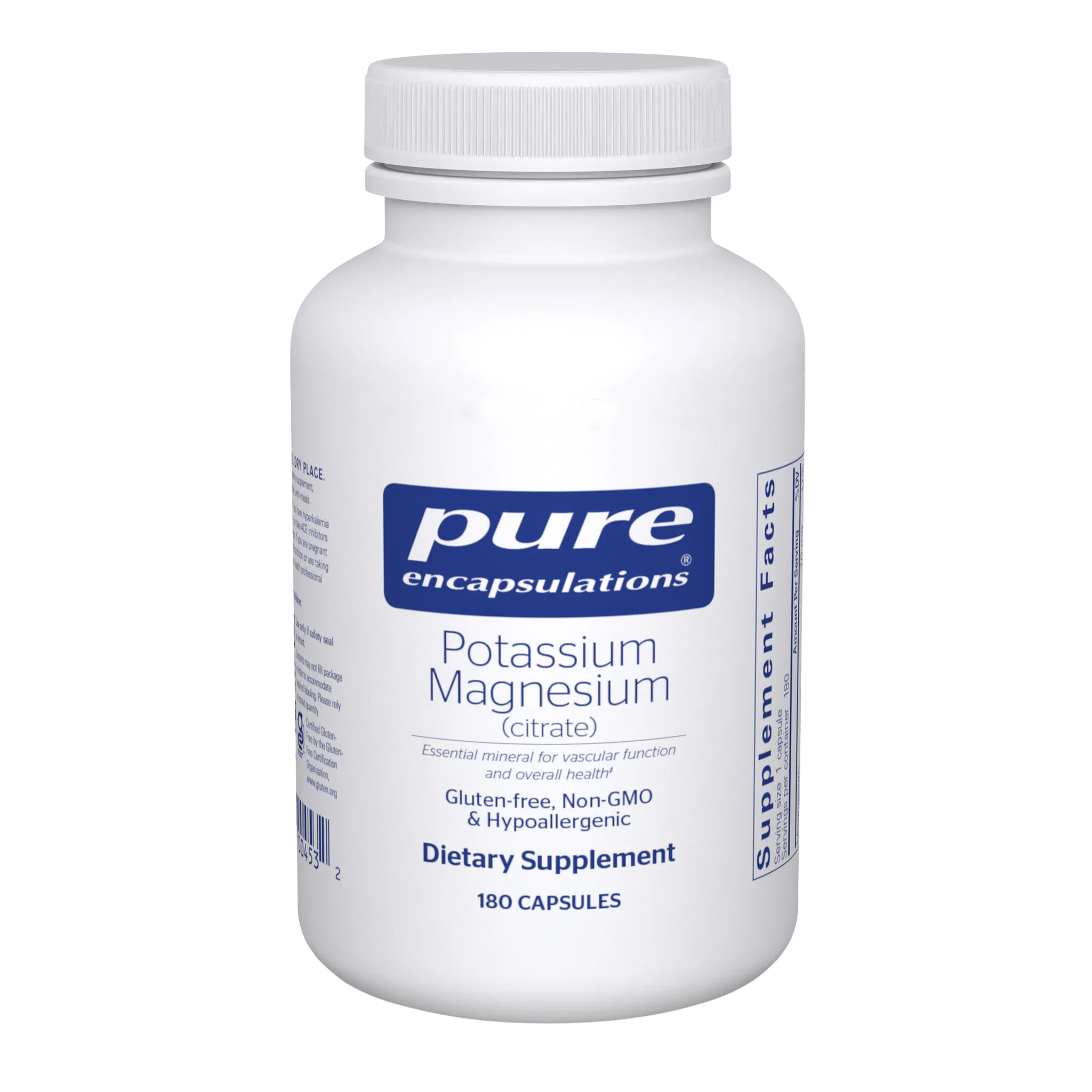
Potassium Magnesium CitrateLong COVIDPOTS
Share:
Disclaimer: The information provided here is for educational purposes only and is not intended as medical advice. It should not be used to diagnose, treat, cure, or prevent any medical condition. Instead, use it as a starting point for discussion with your healthcare provider. Always consult with a qualified healthcare provider before starting any new medication, supplement, device, or making changes to your health regimen.
Months or even years after a viral infection, many individuals find themselves battling a complex web of debilitating symptoms that fall under the umbrella of Long COVID, myalgic encephalomyelitis/chronic fatigue syndrome (ME/CFS), and dysautonomia. If you are living with these invisible illnesses, you already know the profound frustration of dealing with unpredictable heart rates, crushing fatigue, and severe muscle weakness. Often, standard blood tests come back "normal," leaving patients feeling dismissed and without actionable answers. However, emerging research is shedding light on the critical role of intracellular mineral depletion in driving these exact symptoms.
One of the most vital yet frequently overlooked aspects of managing these complex conditions is the delicate balance of essential electrolytes, specifically potassium and magnesium. These two minerals are the fundamental spark plugs of human biology, governing everything from the electrical impulses that keep your heart beating steadily to the cellular engines that produce your daily energy. In this comprehensive guide, we will explore how Potassium Magnesium (citrate) works at the molecular level, why chronic illness rapidly depletes these crucial nutrients, and how targeted supplementation might help you regain a measure of physiological stability and improve your quality of life.
What is Potassium Magnesium Citrate?
To understand why Potassium Magnesium Citrate is so critical for human health, we must first look at the natural functions of these minerals in a healthy body. Potassium is the primary intracellular cation, meaning it is the most abundant positively charged ion inside your cells. It works in constant tandem with sodium through a mechanism known as the sodium-potassium pump, a cellular engine that consumes a massive portion of your body's daily energy just to maintain the electrical gradient across cell membranes. This electrical gradient is what allows nerve impulses to fire, muscles to contract, and the heart to maintain a steady, coordinated rhythm. Without adequate potassium, the electrical signaling in the body becomes chaotic, leading to arrhythmias, muscle cramps, and profound weakness.
Magnesium, on the other hand, is the great biological facilitator, acting as a mandatory co-factor in over 600 enzymatic reactions throughout the body. Perhaps its most crucial role is in the mitochondria, the powerhouses of our cells, where it is required for the synthesis of adenosine triphosphate (ATP), the fundamental currency of cellular energy. In fact, ATP must be bound to a magnesium ion (forming Mg-ATP) to be biologically active and usable by the body. Furthermore, magnesium acts as a natural calcium channel blocker, regulating muscle relaxation and preventing the over-excitation of the nervous system. When magnesium levels drop, calcium floods into cells unchecked, leading to sustained muscle tension, neurological hyper-excitability, and widespread cellular stress.
Not all mineral supplements are created equal, and the chemical form of the mineral dictates how well your body can actually absorb and utilize it. Potassium and magnesium citrate are organic salts created by binding the elemental minerals to citric acid. This specific formulation is highly prized in functional medicine because it is exceptionally water-soluble, meaning it dissolves easily in the digestive tract without requiring high amounts of stomach acid. Clinical pharmacokinetic studies have demonstrated that organic citrate forms offer vastly superior bioavailability compared to cheap, inorganic forms like magnesium oxide, ensuring that the minerals actually reach your bloodstream and cells.
Beyond mere absorption, the citrate molecule itself plays a vital, active role in cellular metabolism. Once absorbed, citrate enters the citric acid cycle (also known as the Krebs cycle) inside the mitochondria, directly feeding the biochemical pathway that generates ATP. This means that with a citrate-bound mineral, you are not only delivering the essential electrolyte but also providing a metabolic substrate that actively fuels cellular energy production. For patients dealing with the profound energy deficits characteristic of ME/CFS, this dual-action mechanism provides a highly efficient way to support mitochondrial recovery and combat post-exertional malaise (PEM).
Another unique and powerful mechanism of potassium magnesium citrate is its role as a systemic alkalizing agent. The standard Western diet, heavy in processed foods and animal proteins, generates a significant acid load in the body, leading to a state of low-grade metabolic acidosis. When potassium citrate is metabolized in the liver, each citrate molecule consumes protons from the blood, effectively generating bicarbonate and raising systemic pH. This alkaline shift is not only crucial for preventing the formation of certain kidney stones but also plays a massive role in preserving skeletal health.
In a chronically acidic environment, the body is forced to pull calcium from the bones to act as a buffer, which stimulates osteoclasts (bone-destroying cells) and suppresses osteoblasts (bone-building cells). By neutralizing this acidic milieu, potassium magnesium citrate relieves the skeleton of its burden to act as a base reservoir. Clinical trials have shown that supplementing with potassium citrate significantly reduces urinary calcium excretion and decreases markers of bone resorption, thereby promoting healthy bone mineralization and protecting against long-term bone density loss.
How Chronic Illness Impacts Mineral Balance
When a patient develops Long COVID or ME/CFS, the body's mineral homeostasis is often thrown into chaos. The initial viral infection triggers a massive immune response, accompanied by a surge in oxidative stress and systemic inflammation. To fight the virus and repair damaged tissues, the body rapidly consumes its intracellular stores of essential nutrients, particularly magnesium. Because 99% of the body's magnesium is stored inside the cells and bones, standard serum blood tests often fail to detect this profound intracellular depletion, leaving patients undiagnosed while their cellular engines sputter and fail.
This intracellular depletion creates a devastating vicious cycle. As magnesium levels plummet, the mitochondria lose their ability to produce sufficient ATP, leading to the crushing fatigue and post-exertional malaise (PEM) that define these conditions. Without adequate ATP, the sodium-potassium pumps on cell membranes begin to fail, causing potassium to leak out of the cells and sodium to rush in. This loss of intracellular potassium further disrupts the electrical gradients necessary for nerve and muscle function, amplifying feelings of weakness, brain fog, and physical exhaustion. The cellular environment becomes increasingly toxic, perpetuating the very symptoms that make recovery seem impossible.
For patients living with dysautonomia, particularly postural orthostatic tachycardia syndrome (POTS), the relationship with electrolytes is even more complex. POTS is characterized by a dysfunction of the autonomic nervous system, leading to an abnormal increase in heart rate upon standing. To combat the low blood volume (hypovolemia) often seen in POTS, patients are frequently prescribed high-sodium diets and medications like fludrocortisone to help retain water and expand blood volume. However, this necessary intervention comes with a significant physiological cost: as the kidneys retain sodium, they are forced to excrete potassium and magnesium into the urine.
This drug-induced and diet-induced electrolyte wasting can quickly lead to hypokalemia (low potassium) and hypomagnesemia (low magnesium), which ironically exacerbates the very cardiovascular symptoms the patient is trying to treat. Low potassium triggers heart palpitations and arrhythmias, while low magnesium allows the sympathetic nervous system to remain in a state of hyperadrenergic overdrive. Clinical guidelines for POTS management emphasize that high sodium intake must be balanced with adequate potassium and magnesium to maintain a healthy cellular equilibrium and prevent the dangerous side effects of aggressive fluid expansion.
Chronic illness is inherently a state of high oxidative stress, where free radicals outnumber the body's antioxidant defenses, causing widespread damage to cellular membranes, proteins, and DNA. Magnesium plays a critical role in the synthesis of glutathione, the body's master antioxidant. When magnesium is depleted by the chronic inflammation of Long COVID or mast cell activation syndrome (MCAS), glutathione production plummets, leaving the cells defenseless against oxidative damage. This oxidative stress further damages the mitochondria, reducing ATP production and accelerating the loss of intracellular potassium.
Furthermore, this inflammatory state disrupts the delicate acid-alkaline balance of the body. Chronic inflammation and poor tissue oxygenation (hypoxia) lead to an accumulation of lactic acid and other metabolic waste products, creating a localized acidic environment in the tissues. This acidity triggers pain receptors, contributing to the widespread muscle aches and myalgia experienced by ME/CFS patients. The depletion of alkaline reserves, such as potassium and magnesium, removes the body's natural buffering capacity, allowing this acidic, inflammatory cycle to continue unchecked and severely impairing the body's ability to heal.
Potassium Magnesium Citrate: Supporting Cellular and Systemic Function
Supplementing with potassium magnesium citrate offers a targeted, mechanistic approach to disrupting the vicious cycles of chronic illness. At the cellular level, the immediate benefit of restoring intracellular magnesium is the reactivation of mitochondrial ATP production. By providing the essential co-factor for the ATP synthase enzyme, magnesium allows the mitochondria to resume oxidative phosphorylation, the highly efficient process of generating cellular energy. This is critical for patients with Long COVID and ME/CFS, as it addresses the root cause of their profound cellular exhaustion and helps raise the threshold for post-exertional malaise.
Simultaneously, the citrate component of the supplement directly feeds the Krebs cycle, providing an immediate substrate for energy generation. As ATP levels begin to normalize, the sodium-potassium pumps on the cell membranes receive the energy they need to function properly once again. This allows the cells to actively pull potassium back inside, restoring the critical electrical gradients required for healthy nerve transmission and muscle contraction. By addressing both the mineral deficiency and the metabolic bottleneck, potassium magnesium citrate provides comprehensive support for cellular resuscitation.
One of the most debilitating aspects of dysautonomia and Long COVID is the sensation of being stuck in a constant "fight-or-flight" state, driven by an overactive sympathetic nervous system. Magnesium acts as a powerful, natural modulator of neurological activity by blocking the N-methyl-D-aspartate (NMDA) receptors in the brain. When these receptors are unblocked due to magnesium deficiency, they allow a massive influx of calcium into neurons, leading to glutamatergic hyper-excitability, neuroinflammation, and central sensitization. By restoring magnesium levels, the supplement effectively plugs the NMDA receptor, calming the neurological storms that manifest as brain fog, anxiety, and heightened pain sensitivity.
In addition to its central neurological effects, magnesium directly influences the release of catecholamines like adrenaline and noradrenaline. By dampening the excessive release of these stress hormones, magnesium helps lower resting heart rates, reduces the frequency of palpitations, and mitigates the severe tremors often seen in hyperadrenergic POTS. This calming effect extends to the muscular system as well; by acting as a calcium channel blocker, magnesium prevents the sustained, involuntary muscle contractions that cause painful cramps and spasms, allowing for deep, restorative physical relaxation.
For patients managing POTS with high-sodium protocols, potassium magnesium citrate serves as an essential counterweight to maintain cardiovascular stability. While sodium is necessary to expand blood volume, the ratio of sodium to potassium is a critical predictor of vascular health. Adequate potassium intake ensures that the blood vessels remain flexible and responsive, preventing the strictly hypertensive effects of massive sodium loading. It allows POTS patients to achieve the necessary fluid retention without compromising the integrity of their endothelial lining or risking dangerous spikes in blood pressure.
Furthermore, the alkalizing effect of the citrate form helps neutralize the metabolic acidosis that often accompanies poor tissue perfusion in dysautonomia. By raising systemic pH, potassium citrate improves the oxygen-carrying capacity of the blood and facilitates the clearance of lactic acid from fatigued muscles. This systemic alkalization not only reduces the burning muscle pain associated with minor exertion but also creates a more hospitable biochemical environment for the immune system to regulate itself, slowly dampening the chronic, low-grade inflammation that drives Long COVID symptoms.

Symptoms Potassium Magnesium Citrate May Help Manage
Heart Palpitations and Tachycardia: By restoring the electrical gradients necessary for coordinated cardiac muscle contraction and dampening sympathetic nervous system overdrive, potassium and magnesium help stabilize erratic heart rhythms and reduce the frequency of rapid heartbeats associated with POTS.
Blood Pressure Fluctuations: Potassium counterbalances the effects of high sodium intake, promoting vasodilation and helping to maintain smooth, flexible blood vessels, which prevents dangerous spikes in blood pressure during dysautonomia management.
Adrenaline Surges and Tremors: Magnesium blocks the excessive release of catecholamines (stress hormones) and plugs NMDA receptors, calming the hyperadrenergic state that causes internal vibrations, tremors, and sudden waves of panic.
Severe Fatigue and PEM: By providing the mandatory co-factor for ATP synthesis and supplying citrate directly to the Krebs cycle, this supplement restores mitochondrial energy production, helping to alleviate crushing cellular exhaustion and raise the threshold for post-exertional crashes.
Muscle Cramps and Spasms: Magnesium acts as a natural calcium channel blocker, preventing the unchecked influx of calcium that causes sustained, painful muscle contractions, while potassium ensures proper electrical signaling for smooth muscle release.
Myalgia and Lactic Acid Burn: The alkalizing effect of the citrate form helps neutralize systemic acidity and clears lactic acid from poorly perfused tissues, significantly reducing the deep, burning muscle aches common in ME/CFS.
Brain Fog and Neuroinflammation: By blocking NMDA receptors, magnesium prevents glutamatergic excitotoxicity and the subsequent release of pro-inflammatory neuropeptides in the brain, helping to clear cognitive dysfunction and improve mental clarity.
Sleep Disturbances: The neurological calming effect of magnesium, combined with the reduction in nighttime muscle cramps and adrenaline surges, promotes deeper, more restorative sleep cycles essential for chronic illness recovery.
Bone Density Loss: The systemic alkalization provided by potassium citrate neutralizes chronic metabolic acidosis, stopping the body from pulling calcium from the skeleton and thereby protecting against long-term osteopenia and bone demineralization.
Practical Considerations: Forms, Dosing, and Absorption
When selecting a mineral supplement, understanding bioavailability—the proportion of the nutrient that actually enters your systemic circulation—is paramount. As discussed, potassium and magnesium citrate are organic salts that are highly water-soluble. Clinical studies have repeatedly demonstrated that magnesium citrate has a relative bioavailability of up to 90%, with an absolute elemental absorption rate of roughly 16%. In stark contrast, cheap inorganic forms like magnesium oxide are practically insoluble in water, requiring massive amounts of stomach acid to break down, resulting in a dismal absolute absorption rate of merely 4%.
For patients with chronic illness, who often suffer from gastrointestinal dysmotility or low stomach acid (hypochlorhydria), taking magnesium oxide is not only ineffective but potentially harmful. Unabsorbed magnesium oxide draws large amounts of water into the intestines, causing severe diarrhea that can rapidly exacerbate the dehydration and hypovolemia seen in POTS. The citrate form, while still possessing a mild osmotic effect that can gently assist with the constipation frequently seen in dysautonomia, is vastly superior at actually delivering the therapeutic minerals into your bloodstream where they are desperately needed.
To maximize the absorption of potassium magnesium citrate, it is crucial to understand how the body processes these minerals. The intestinal transport pathways for minerals can quickly become saturated; therefore, taking a massive dose all at once will result in most of it being excreted. Best practices dictate splitting your daily dosage into two or three smaller doses taken throughout the day. Taking the supplement with meals not only helps buffer any potential mild stomach upset but also slows down the transit time in the gut, allowing for a longer window of optimal absorption.
Additionally, the absorption of magnesium is heavily dependent on the presence of specific co-factors, most notably Vitamin D and Vitamin B6. Many Long COVID patients are prescribed high doses of Vitamin D, but it is critical to know that Vitamin D metabolism rapidly consumes magnesium. Taking Vitamin D without adequate magnesium can actually worsen your magnesium deficiency symptoms. Therefore, ensuring you have a steady intake of highly bioavailable magnesium citrate alongside your other fat-soluble vitamins is a cornerstone of a well-designed supplement protocol. Most patients begin to notice improvements in muscle cramping and palpitations within a few weeks, though restoring deep intracellular deficits can take several months of consistent use.
While potassium and magnesium are essential nutrients, supplementing them—particularly potassium—requires strict medical oversight due to potentially severe drug interactions. The most critical warning involves Angiotensin-Converting Enzyme (ACE) inhibitors (e.g., lisinopril, enalapril) and Angiotensin II Receptor Blockers (ARBs), which are commonly prescribed for blood pressure and kidney protection. These medications work by blocking the renin-angiotensin-aldosterone system, which inherently reduces the kidneys' ability to excrete potassium. Clinical guidelines warn that combining ACE inhibitors with potassium supplements can rapidly lead to hyperkalemia, a life-threatening condition characterized by dangerously high blood potassium levels that can cause fatal cardiac arrhythmias.
Furthermore, potassium magnesium citrate should never be taken by individuals with severe chronic kidney disease (CKD) or those taking potassium-sparing diuretics (like spironolactone) without explicit, closely monitored physician approval. Because the kidneys are responsible for filtering and excreting excess minerals, impaired renal function can quickly turn a therapeutic dose into a toxic accumulation. Always consult with your healthcare provider and request a comprehensive metabolic panel to check your baseline electrolyte levels and kidney function before introducing a potassium supplement into your regimen.

Follow the Science
The scientific community is increasingly recognizing the profound impact of mineral status on the trajectory of post-viral syndromes. A pivotal 2023 study known as the COMEPA Study evaluated 260 patients hospitalized with COVID-19 to determine predictors for Long COVID development. The researchers discovered that low serum magnesium at admission was a highly significant predictor of long-term complications. Patients with deficient magnesium levels had a staggering 114% increased risk of developing Long COVID symptoms compared to those with normal levels. This data strongly supports the hypothesis that intracellular mineral depletion during the acute viral phase sets the stage for chronic mitochondrial and neurological dysfunction.
Further compounding this issue is the synergistic effect of multiple nutrient deficiencies. A cross-sectional study published in Magnesium Research evaluated adults with Long COVID and found that patients co-deficient in both magnesium and Vitamin D had a 3.1 times higher risk of experiencing a severe burden of Long COVID manifestations, particularly intense fatigue, memory loss, and sleep disorders. Subsequent randomized controlled trials have demonstrated that targeted oral supplementation of highly bioavailable magnesium safely and effectively alleviates mild-to-moderate depressive symptoms and fatigue in these patient populations, highlighting the therapeutic potential of mineral repletion.
In the realm of dysautonomia, while large-scale randomized trials testing isolated minerals are rare, the clinical consensus on the necessity of potassium and magnesium is robust. A 2025 systematic review of POTS treatments noted that while sodium loading and fludrocortisone are primary interventions, they inherently cause the renal wasting of potassium and magnesium. Clinical guidelines from leading dysautonomia centers mandate the routine monitoring and supplementation of these electrolytes to prevent iatrogenic (treatment-caused) hypokalemia, which can trigger severe arrhythmias and worsen the hyperadrenergic state of POTS.
Moreover, real-world data from dysautonomia patient cohorts heavily supports the use of balanced electrolyte matrices. Surveys of patients using clinical-grade hydration formulas that combine high sodium with proportional doses of potassium and magnesium report rapid symptom relief. In recent observational data, over 70% of dysautonomia patients reported a significant reduction in lightheadedness and tachycardia within minutes of consuming a balanced sodium-potassium formula, underscoring the physiological requirement for potassium to safely mediate the cardiovascular effects of blood volume expansion.
The systemic benefits of the citrate form are well-documented beyond just energy production. The alkalizing power of potassium citrate has been extensively studied in the context of bone health and calcium balance. A randomized, placebo-controlled trial evaluating the effects of potassium citrate on older adults demonstrated that a daily dose significantly improved net calcium balance by reducing urinary calcium excretion. The treatment effectively neutralized diet-induced metabolic acidosis, relieving the skeleton of its buffering duties.
These alkalization studies show striking biochemical markers. Patients taking potassium citrate showed a significant decrease in serum C-telopeptide, a primary marker of bone resorption and degradation. By halting the overactivity of osteoclasts, potassium citrate provides a powerful, non-hormonal mechanism for protecting bone mineral density. For patients with ME/CFS or Long COVID who are often bedbound or severely limited in their physical activity, this protection against disuse osteopenia and acid-induced bone loss is a critical component of long-term health maintenance.
The Path Forward
Living with conditions like Long COVID, ME/CFS, and dysautonomia is an incredibly isolating and exhausting experience. When your heart races unpredictably, your muscles burn with minor exertion, and your brain feels clouded by an impenetrable fog, it is easy to feel overwhelmed. Please know that your symptoms are real, they are rooted in complex physiological and biochemical disruptions, and you are not alone in this fight. The emerging science surrounding intracellular mineral depletion and mitochondrial dysfunction validates what you have been experiencing all along: your body is fighting a profound battle at the cellular level, and it needs targeted support to rebuild its reserves.
It is important to remember that no single supplement is a magic cure for complex chronic illnesses. Restoring your health requires a multifaceted, comprehensive management strategy. Supplementing with highly bioavailable minerals like potassium and magnesium citrate is a powerful tool to support your cellular engines, but it must be combined with radical rest, strict pacing to avoid post-exertional crashes, and a supportive medical team. By addressing the fundamental biochemical bottlenecks—like ATP production and autonomic hyper-excitability—you are laying the necessary groundwork for your body to slowly regain its equilibrium.
As you navigate your recovery, tracking your symptoms and working closely with a healthcare provider who understands the nuances of dysautonomia and post-viral syndromes is essential. Because of the powerful effects of potassium on the cardiovascular system and its potential interactions with common medications, always discuss new supplements with your doctor to ensure they fit safely into your specific treatment plan. If you and your medical team determine that targeted electrolyte support is right for you, prioritizing a highly absorbable, clinically backed formulation can make a significant difference in your daily symptom management.