Can Pomegranate Plus Support Vascular Health and Energy in Long COVID and ME/CFS?
March 5, 2026
Pomegranate PlusLong COVIDME/CFS
Share:
Disclaimer: The information provided here is for educational purposes only and is not intended as medical advice. It should not be used to diagnose, treat, cure, or prevent any medical condition. Instead, use it as a starting point for discussion with your healthcare provider. Always consult with a qualified healthcare provider before starting any new medication, supplement, device, or making changes to your health regimen.
Months or even years after a mild viral infection, many patients find themselves trapped in a bewildering maze of symptoms. You might stand up only to feel your heart race uncontrollably, or attempt a simple cognitive task only to be met with a thick, impenetrable wall of brain fog. Perhaps you used to run miles every week, but now, walking to the mailbox triggers a profound, multi-day crash known as post-exertional malaise (PEM). If this sounds familiar, you are not alone. These are the hallmark realities of complex chronic conditions like Long COVID, myalgic encephalomyelitis/chronic fatigue syndrome (ME/CFS), and dysautonomia. While the symptoms span multiple bodily systems, emerging research points to a common underlying thread: profound dysfunction within the vascular system and the cellular mitochondria.
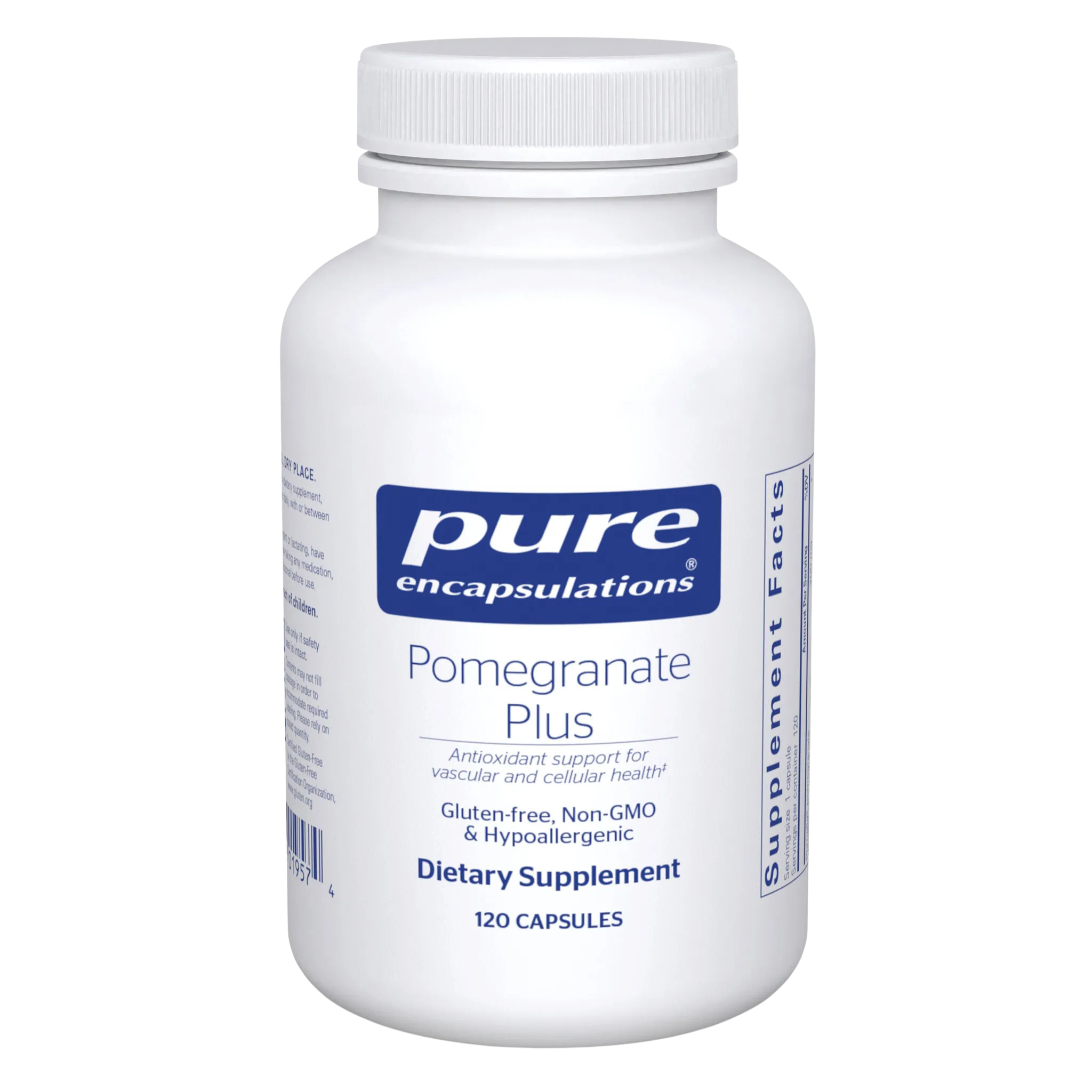
When the delicate inner lining of your blood vessels—the endothelium—becomes damaged and inflamed, it struggles to deliver oxygen and vital nutrients to your brain and muscles. Simultaneously, the mitochondria, the microscopic powerhouses inside your cells, lose their ability to generate energy efficiently. This dual crisis of poor blood flow and cellular energy failure creates a vicious cycle of fatigue, cognitive impairment, and autonomic nervous system dysfunction. In the search for targeted nutritional support, Pomegranate Plus by Pure Encapsulations has emerged as a compelling option. By combining the clinically researched Pomella® pomegranate extract with potent anthocyanin-rich fruit extracts like açaí, blueberry, and cranberry, this formulation is designed to support vascular endothelial function, promote healthy blood flow, and provide robust antioxidant defense at the cellular level.
TL;DR
Long COVID and ME/CFS involve vascular damage and cellular energy failure.
Pomegranate Plus combines extracts to support blood flow and mitochondrial health.
Ingredients like Pomella® promote antioxidant defense and may help manage fatigue and brain fog.
Always consult your doctor before starting new supplements, especially if on blood thinners.
What is Pomegranate Plus?
The Power of Pomegranate and Pomella® Extract
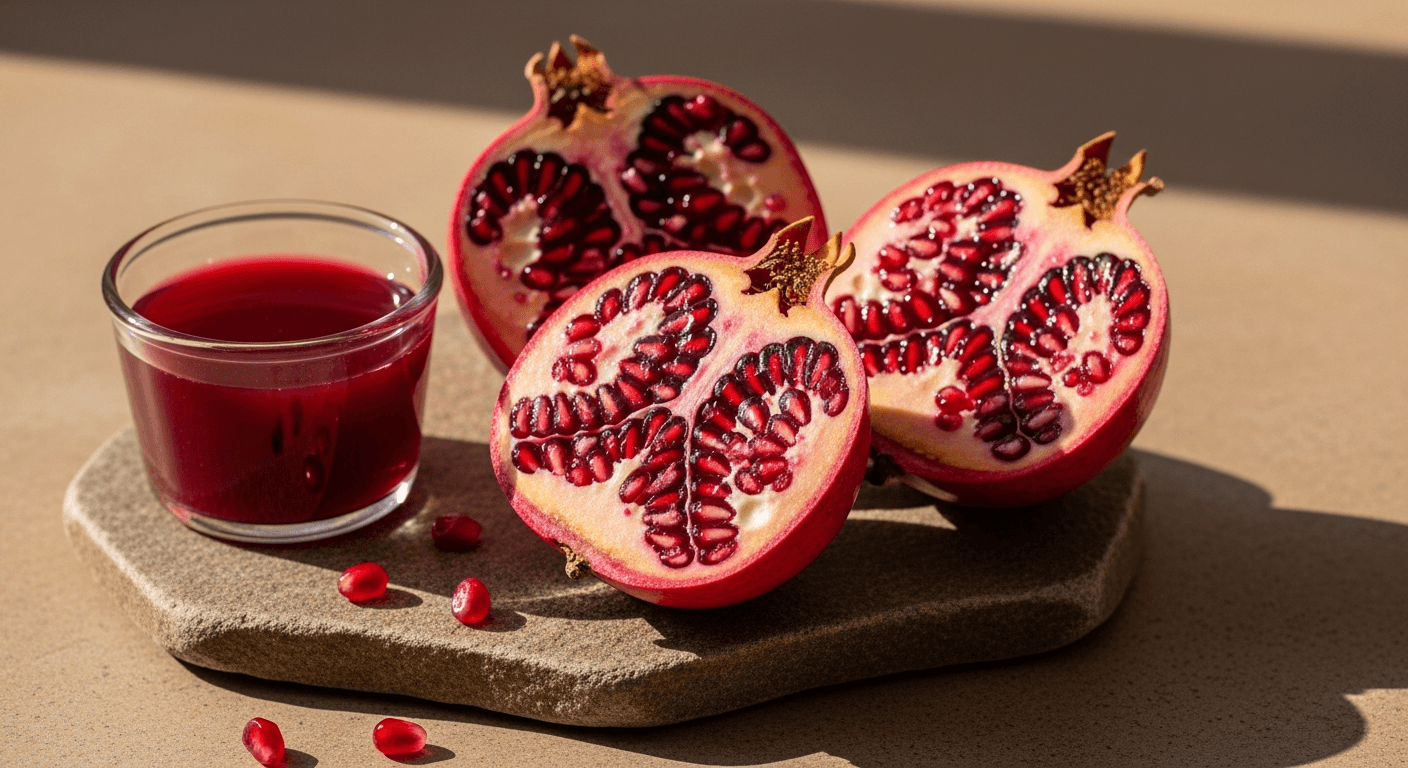
To understand the potential of Pomegranate Plus, we must first look at its primary ingredient: Pomella® pomegranate extract. The pomegranate (Punica granatum L.) has been revered for centuries for its health-promoting properties, but modern science has pinpointed exactly why it is so beneficial. The magic lies in its dense concentration of polyphenols, specifically a class of large, water-soluble compounds called hydrolyzable ellagitannins. Among these, punicalagins are the most abundant and biologically active. Unlike many standard pomegranate supplements that isolate a single compound called ellagic acid, Pomella® is manufactured using patented technology to concentrate the natural profile of punicalagins alongside other synergistic polyphenols. This extract is standardized to contain 50% polyphenols and 30% punicalagin, ensuring a potent and consistent dose of these crucial bioactive molecules.
At the molecular level, punicalagins act as formidable scavengers of reactive oxygen species (ROS)—unstable molecules that cause oxidative stress and cellular damage. When you consume Pomella®, the punicalagins are hydrolyzed in your digestive tract into smaller molecules, including ellagic acid. However, their journey does not stop there. In a healthy gut, specific microbiome bacteria ferment these compounds into highly bioavailable, postbiotic metabolites known as urolithins (such as Urolithin A). These urolithins are capable of entering the bloodstream, crossing the blood-brain barrier, and exerting profound antioxidant and cellular support properties that can last for up to 48 hours. By providing the raw materials for urolithin production, Pomella® supports the body's innate ability to protect its cells from oxidative damage.
The Synergistic Role of Açaí, Blueberry, and Cranberry
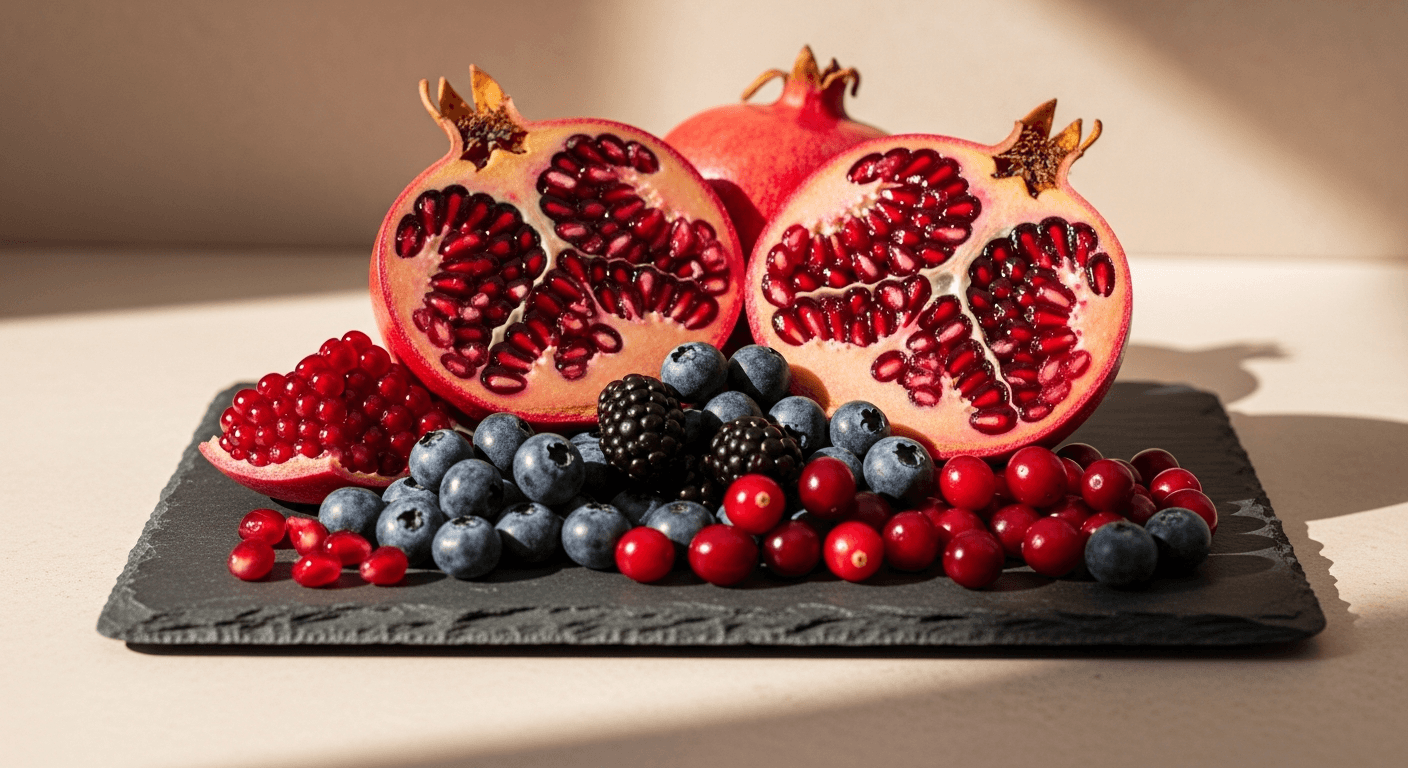
While Pomella® provides a robust foundation, Pomegranate Plus is formulated with additional fruit extracts that offer complementary mechanisms of action. The inclusion of açaí berry (Euterpe oleracea) brings a dynamic layer of cellular support. Known as the "fruit of life" in its native Brazil, the açaí berry is exceptionally rich in anthocyanins—the deep purple and blue pigments that serve as powerful antioxidants. Anthocyanins have been shown to activate the Nrf2-HO-1 pathway, a critical cellular defense mechanism that upregulates the body's production of endogenous antioxidants like glutathione and superoxide dismutase. This helps to neutralize oxidative stress before it can damage delicate cellular structures, including the mitochondria and the cellular membrane.
Furthermore, the formulation includes the PhytoCardio proprietary blend, which provides extracts from wild blueberry (Vaccinium angustifolium) and cranberry (Vaccinium macrocarpon). These berries are renowned for their high concentrations of specific polyphenols, including A-type proanthocyanidins (PACs) in cranberries and a diverse array of anthocyanins in blueberries. Dietary intake of these specific fruit extracts has been strongly associated with healthy endothelial function and positive gene expression in vascular tissues. By combining these diverse botanical extracts, Pomegranate Plus delivers a multi-targeted approach to cardiometabolic health, addressing oxidative stress and vascular function through several distinct, overlapping biochemical pathways.
How Long COVID and ME/CFS Impact Vascular and Cellular Health
Endothelial Dysfunction and Microclots
To grasp why vascular support is so critical, we must examine What Causes Long COVID and ME/CFS at a physiological level. One of the most significant discoveries in post-viral research is the presence of persistent endothelial dysfunction. The endothelium is a single layer of squamous endothelial cells that lines the interior surface of blood vessels, from the largest arteries to the smallest capillaries. It is not just a passive tube; it is a highly active endocrine organ that regulates blood pressure, blood clotting, and immune cell trafficking. In conditions like Long COVID, the initial viral infection—often driven by the SARS-CoV-2 spike protein—directly damages these endothelial cells. This triggers a state of chronic vascular inflammation known as endotheliitis.
When the endothelium is inflamed, it loses its ability to produce adequate amounts of nitric oxide (NO), a crucial molecule that tells blood vessels to relax and dilate. Instead, the damaged endothelium secretes pro-inflammatory cytokines and adhesion molecules (like VCAM-1 and ICAM-1), which cause immune cells to stick to the vessel walls. This inflammatory environment also promotes a pro-thrombotic state, leading to the formation of amyloid fibrin microclots. These microscopic clots can physically block the tiny capillaries that feed oxygen to your muscles and brain. The resulting state of systemic hypoxia (low oxygen) is a primary driver of the debilitating fatigue, muscle pain, and cognitive dysfunction experienced by so many patients.
Mitochondrial Impairment and Oxidative Stress
The vascular crisis is intimately linked to a secondary disaster occurring inside the cells: mitochondrial dysfunction. Mitochondria are responsible for producing adenosine triphosphate (ATP), the energy currency of the cell, through a complex process called oxidative phosphorylation. During a viral infection, the immune system's massive inflammatory response generates excessive amounts of mitochondrial reactive oxygen species (mtROS). While a small amount of ROS is normal, this massive influx overwhelms the cell's antioxidant defenses, leading to severe oxidative stress that physically damages the mitochondrial DNA and the electron transport chain proteins. A 2025 narrative review highlighted that this sustained mitochondrial dysfunction is a unifying mechanism in Long COVID, driving a metabolic shift away from efficient ATP production and toward inefficient glycolysis.
Normally, cells clear out damaged mitochondria through a quality-control process called mitophagy. However, in ME/CFS and Long COVID, this process becomes impaired. The cells become cluttered with broken, inefficient mitochondria that consume resources but produce very little ATP, all while leaking more toxic ROS into the cellular environment. This energy deficit is acutely felt in tissues with high metabolic demands, such as the brain and skeletal muscles. When a patient attempts to exert themselves—even mildly—these impaired mitochondria cannot meet the energy demand, leading to the severe biological crash known as post-exertional malaise (PEM). Understanding this cellular energy crisis is crucial when exploring Can Long COVID Trigger ME/CFS? Unraveling the Connection.
The Autonomic Nervous System and Dysautonomia
The intersection of poor blood flow and cellular energy failure creates the perfect storm for dysautonomia, a dysfunction of the autonomic nervous system (ANS). The ANS automatically controls vital functions like heart rate, blood pressure, and digestion. The small, unmyelinated sensory nerves that regulate these functions are highly energy-dependent and extremely vulnerable to both hypoxia (from microclots) and ATP shortages (from mitochondrial dysfunction). When these nerves are damaged or starved of energy, they misfire.
This misfiring often manifests as Postural Orthostatic Tachycardia Syndrome (POTS), where the blood vessels fail to constrict properly when a patient stands up. Blood pools in the lower extremities, and the heart races in a desperate attempt to pump oxygen back up to the brain. The chronic oxidative stress and endothelial damage further impair the baroreceptors (blood pressure sensors) in the blood vessels, locking the patient in a state of sympathetic overdrive—a constant "fight or flight" response that drains whatever little energy they have left.
Pomegranate Plus: Supporting Vascular Function and Cellular Energy
Punicalagins, Urolithin A, and Mitophagy
Pomegranate Plus offers targeted support to intervene in these vicious cycles of vascular and mitochondrial dysfunction. The primary mechanism of action begins with the punicalagins found in the Pomella® extract. When these polyphenols are metabolized by the gut microbiome into Urolithin A, they unlock a profound cellular benefit: the stimulation of mitophagy. Urolithin A is widely recognized in scientific literature as a first-in-class mitophagy enhancer. It works by activating the PINK1/Parkin pathway, a cellular tagging system that identifies damaged, ROS-leaking mitochondria and marks them for destruction by autophagosomes.
By clearing out the "dead weight" of dysfunctional mitochondria, Urolithin A allows the cell to replace them with new, healthy mitochondria—a process known as mitochondrial biogenesis. This restores the efficiency of the electron transport chain, increasing the production of ATP while simultaneously reducing the leakage of toxic free radicals. For patients suffering from the profound energy deficits of Long COVID and ME/CFS, supporting this mitochondrial quality control is essential for rebuilding baseline stamina and raising the threshold at which post-exertional malaise (PEM) is triggered.
Boosting Nitric Oxide for Endothelial Repair
Beyond the mitochondria, the ingredients in Pomegranate Plus work synergistically to repair the damaged endothelium. The anthocyanins from the açaí berry and the wild blueberry extract, along with the proanthocyanidins from the cranberry extract, exert a powerful influence on the endothelial nitric oxide synthase (eNOS) enzyme. Normally, eNOS converts the amino acid L-arginine into L-citrulline, releasing nitric oxide (NO) in the process. NO then diffuses into the smooth muscle cells surrounding the blood vessels, activating an enzyme called guanylyl cyclase, which produces cGMP and causes the blood vessels to relax and dilate.
In chronic illness, oxidative stress degrades NO before it can do its job. The dense concentration of polyphenols in Pomegranate Plus acts as a chemical shield, neutralizing reactive oxygen species (ROS) in the vascular wall and preserving the bioavailability of nitric oxide. A 2024 study demonstrated that blueberry anthocyanins specifically inhibit NOX-mediated ROS production, leading to significant improvements in Flow-Mediated Dilation (FMD)—the clinical gold standard for measuring endothelial health. By promoting healthy vasodilation, these extracts help counteract the restrictive, hypoxic environment created by endotheliitis and microclots, improving the delivery of oxygenated blood to the brain and muscles.
Neuroprotection via the Nrf2-HO-1 Pathway
The neuroprotective properties of Pomegranate Plus are largely driven by the ability of its polyphenols to cross the blood-brain barrier and modulate neuroinflammation. The anthocyanins in the açaí berry extract are particularly adept at activating the Nrf2-HO-1 pathway. Nrf2 is a transcription factor that sits dormant in the cell cytoplasm until triggered by specific compounds or mild stress. Once activated by anthocyanins, Nrf2 translocates into the cell nucleus and binds to the Antioxidant Response Element (ARE), triggering the massive production of endogenous antioxidant enzymes, including heme oxygenase-1 (HO-1), superoxide dismutase (SOD), and glutathione.
This internal antioxidant surge is critical for protecting the delicate lipid membranes of neurons and the myelin sheath that insulates nerve fibers. By suppressing the activation of NF-κB (a primary driver of inflammation) and reducing the release of pro-inflammatory cytokines from microglial cells in the brain, these fruit extracts help quiet the neuroinflammation that manifests clinically as severe brain fog, memory impairment, and cognitive fatigue. Preliminary research also suggests that urolithins derived from pomegranate may penetrate the blood-brain barrier, offering additional neuroprotective properties and supporting healthy glucose metabolism in vascular tissue, which is highly relevant given the complex relationship explored in Diabetes and Long COVID: A Pandemic Within a Pandemic.
Symptoms Pomegranate Plus May Help Manage
Vascular and Cognitive Symptoms
Because Pomegranate Plus targets foundational mechanisms—endothelial function, nitric oxide bioavailability, and oxidative stress—it may help manage a wide array of symptoms associated with complex chronic illnesses. By supporting the vascular system and the brain, patients may notice improvements in several key areas.
Brain Fog and Cognitive Dysfunction: By supporting healthy blood flow to the brain and reducing neuroinflammation via the Nrf2 pathway, the polyphenols in pomegranate and açaí may help improve mental clarity, focus, and memory recall.
Cold Extremities and Poor Circulation: By promoting nitric oxide production and supporting vasodilation, the berry extracts help improve microcirculation, potentially alleviating the cold hands and feet often seen in dysautonomia.
Shortness of Breath (Air Hunger): Improved endothelial function allows for better gas exchange in the pulmonary capillaries, which may help reduce the sensation of air hunger caused by vascular restriction and microclots.
Energy and Autonomic Symptoms
The mitochondrial and autonomic nervous system benefits of Pomegranate Plus also translate into tangible symptom management for those struggling with profound energy deficits and orthostatic intolerance.
Post-Exertional Malaise (PEM) and Fatigue: By providing the precursors for Urolithin A, which stimulates mitophagy and restores ATP production, the supplement supports cellular energy reserves, potentially raising the threshold for PEM and reducing the severity of baseline fatigue.
Tachycardia and Palpitations: By improving vascular tone and endothelial health, the blood vessels can constrict and dilate more appropriately in response to postural changes, which may help stabilize the erratic heart rates seen in Postural Orthostatic Tachycardia Syndrome (POTS).
Muscle Aches and Weakness: Enhanced microcirculation ensures that skeletal muscles receive adequate oxygen and nutrients while efficiently clearing out metabolic waste products like lactic acid, which can reduce chronic muscle pain.
Practical Considerations: Forms, Dosing, and Absorption
The Bioavailability of Pomella®
When considering polyphenol supplements, bioavailability is a critical factor. Many standard pomegranate supplements rely on isolated ellagic acid, which is notoriously difficult for the body to absorb. Pomella® pomegranate extract overcomes this hurdle through its patented standardization process, which preserves the natural profile of punicalagins. Punicalagins are 100% water-soluble and have been shown to survive the harsh, acidic environment of the stomach.
Gut Microbiome Dependency and Urolithin A
It is important to understand that the full benefits of pomegranate extract rely heavily on a fascinating partnership with your gut microbiome. The human body cannot produce Urolithin A on internal mechanisms alone; it requires specific gut bacteria (such as Akkermansia muciniphila and Gordonibacter urolithinfaciens) to ferment the ellagic acid derived from punicalagins. Because patients with Long COVID and ME/CFS often suffer from gut dysbiosis (an imbalance of gut bacteria), their ability to naturally convert these polyphenols into urolithins may vary. However, the diverse array of polyphenols in Pomegranate Plus—including the anthocyanins from açaí and blueberries—also act as prebiotics, actively feeding and encouraging the growth of these beneficial, urolithin-producing bacteria over time.
Timing, Dosage, and Potential Interactions
The suggested use for Pure Encapsulations' Pomegranate Plus is 1 capsule, 1 to 2 times daily, taken with or between meals. Because the active compounds are water-soluble, they do not strictly require a high-fat meal for absorption, making them easy to incorporate into your daily routine. However, because mitochondrial turnover and endothelial repair are slow, biological processes, it typically takes consistent supplementation over several months to notice significant improvements in baseline energy and vascular symptoms.
Safety and Interactions: While Pomegranate Plus is generally well-tolerated, its powerful effects on vascular health mean it should be used with caution in certain populations. Because pomegranate extract can mildly inhibit certain liver enzymes (like CYP3A4) and has natural blood-flow-promoting properties, it may interact with prescription blood thinners (anticoagulants like Eliquis or Warfarin) and certain blood pressure medications. If you are currently on a microclot protocol or taking cardiovascular medications, it is imperative to consult your healthcare provider or pharmacist before adding this supplement to your regimen.
Follow the Science
Clinical Trials on Pomella® and Antioxidant Capacity
The ingredients in Pomegranate Plus are backed by a robust body of scientific literature, particularly regarding their antioxidant capacity and vascular benefits. The Pomella® extract has been rigorously tested in vitro and in human clinical trials. A 2014 study published in the Journal of Agricultural and Food Chemistry evaluated 27 different antioxidant products and found that Pomella® ranked highest in overall antioxidant activity across multiple assays (ORAC, TEAC, FRAP, and DPPH), outperforming other pomegranate preparations, green tea, grape seed extract, and resveratrol. Furthermore, a recent 2022 randomized clinical trial demonstrated that Pomella® supplementation significantly modulated the gut microbiome, leading to massive increases in circulating short-chain fatty acids (SCFAs) like acetate and propionate, which are vital for reducing systemic inflammation and supporting the gut-barrier integrity often compromised in chronic illness.
Berry Extracts and Flow-Mediated Dilation (FMD)
The vascular benefits of the blueberry and cranberry extracts found in the PhytoCardio blend are equally well-documented. A landmark 2019 double-blind, randomized controlled trial published in the American Journal of Clinical Nutrition investigated the effects of daily anthocyanin-rich blueberry intake over 6 months. The researchers found that consuming the equivalent of one cup of blueberries daily led to a clinically significant +1.45% improvement in Flow-Mediated Dilation (FMD) and a significant reduction in systemic arterial stiffness. The researchers noted that this level of vascular improvement correlates with a 12% to 15% reduction in overall cardiovascular disease risk.
Similarly, a 2022 double-blind RCT published in Food & Function examined the daily consumption of whole cranberry powder. The study revealed that cranberry polyphenols significantly improved FMD both acutely (just 2 hours after consumption) and chronically (after 1 month of daily use). The researchers traced these vascular improvements directly to 13 specific polyphenol metabolites that spiked in the blood plasma, confirming that the gut-derived breakdown products of these berries actively signal blood vessels to dilate and relax.
Emerging Research on Post-Viral Vascular Repair
In the context of post-viral syndromes, researchers are increasingly looking at these specific polyphenols as targeted supportive options. A 2023 retrospective case series investigating ME/CFS and Long COVID patients highlighted that antioxidant therapies capable of decreasing oxidative stress and inflammatory processes are crucial for addressing the CD8 T-cell dysfunction and vascular damage inherent in these conditions. Furthermore, the ability of these extracts to act as "senotherapeutics"—compounds that help clear or modulate senescent, aging endothelial cells—is a highly promising frontier. As discussed in recent literature on virus-induced endothelial senescence, reversing this cellular aging in the blood vessels is key to restoring tissue perfusion and alleviating the multisystem symptoms of Long COVID and ME/CFS.
The Path Forward
A Comprehensive Approach to Healing
Living with the unpredictable and often debilitating symptoms of Long COVID, ME/CFS, and dysautonomia is an immense challenge. When your vascular system struggles to deliver oxygen and your mitochondria fail to produce energy, even the simplest daily tasks can feel like climbing a mountain. It is entirely valid to feel frustrated by the slow pace of recovery and the complexity of these invisible illnesses. Understanding How Long Does Long COVID Last? is an ongoing journey, but identifying the underlying mechanisms—like endothelial dysfunction and oxidative stress—provides a clear target for management.
While no single supplement is a cure for these complex conditions, Pomegranate Plus offers a scientifically grounded tool to support your body's foundational systems. By combining the mitophagy-enhancing potential of Pomella® pomegranate extract with the vascular-relaxing properties of açaí, blueberry, and cranberry, this formulation addresses the root causes of cellular energy failure and poor blood flow. However, supplements are most effective when integrated into a comprehensive management strategy. This includes rigorous pacing to avoid PEM, careful symptom tracking, nervous system regulation techniques, and working closely with a medical team who understands the nuances of post-viral illness.
Next Steps in Your Journey
If you are looking to support your cardiometabolic health, improve endothelial function, and provide your cells with robust antioxidant defense, Pomegranate Plus may be a valuable addition to your protocol. Always remember to consult with your healthcare provider before starting any new supplement, especially if you are taking medications for blood pressure or blood clotting. If you are struggling to navigate your symptoms, resources on How Can You Live with Long-Term COVID can provide additional guidance and support.