Can Polyphenol Nutrients Support Cellular Recovery in Long COVID and ME/CFS?
March 5, 2026
Polyphenol NutrientsLong COVIDME/CFS
Share:
Disclaimer: The information provided here is for educational purposes only and is not intended as medical advice. It should not be used to diagnose, treat, cure, or prevent any medical condition. Instead, use it as a starting point for discussion with your healthcare provider. Always consult with a qualified healthcare provider before starting any new medication, supplement, device, or making changes to your health regimen.
Months after recovering from the initial SARS-CoV-2 infection, many people still fight debilitating symptoms with what we call Long COVID. But what is it that allows some people to recover within a couple of weeks while others suffer from long-term symptoms for months or even years? The reality is that complex chronic conditions like Long COVID, myalgic encephalomyelitis/chronic fatigue syndrome (ME/CFS), and dysautonomia are deeply rooted in cellular dysfunction, persistent oxidative stress, and profound metabolic exhaustion. When the body's natural defenses are overwhelmed by viral persistence or chronic inflammation, the very mitochondria that power our cells begin to fail, leading to the debilitating fatigue, brain fog, and systemic crashes that define these invisible illnesses.
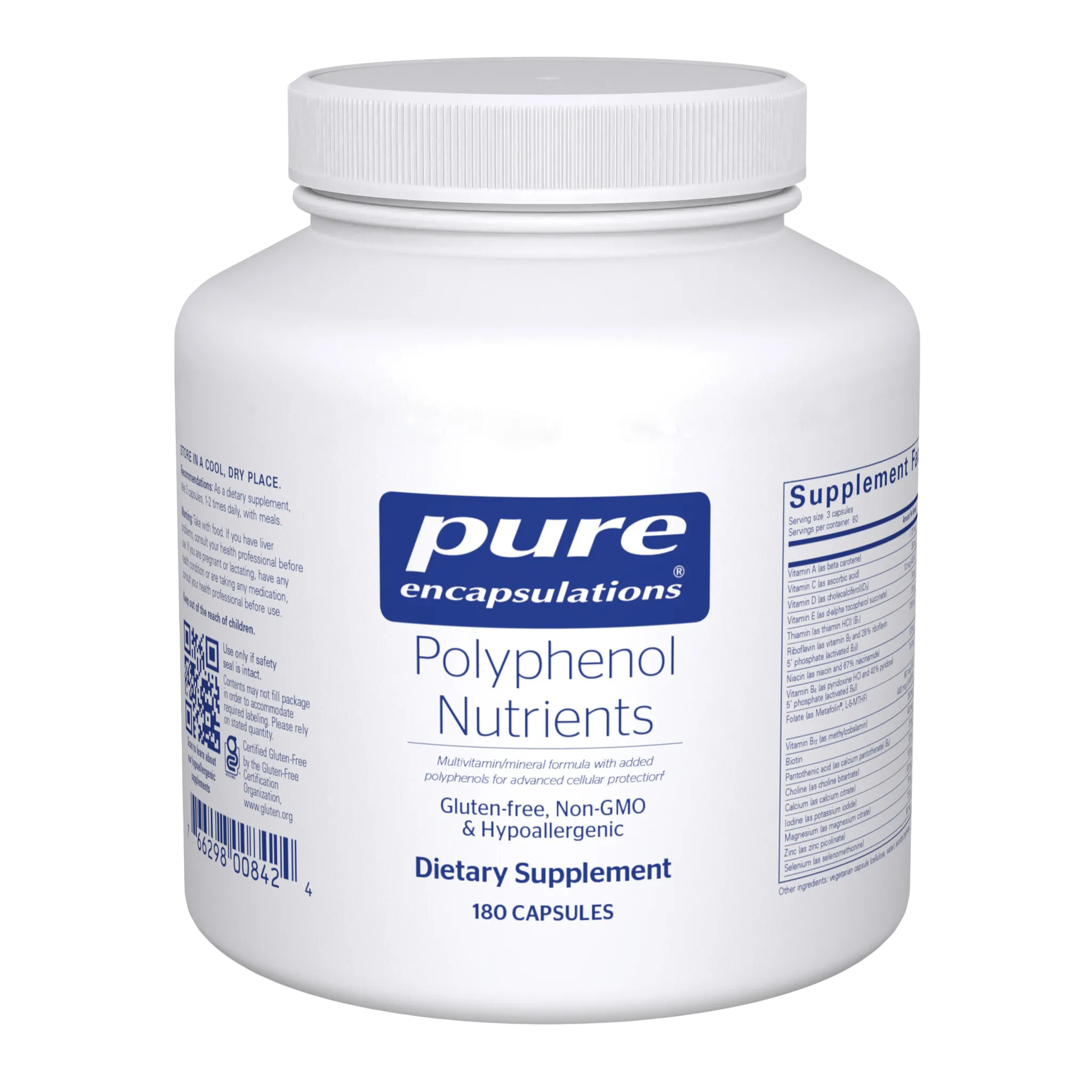
In the search for validating, science-backed management strategies, targeting this cellular damage at the molecular level has become a primary focus of medical research. Polyphenol Nutrients by Pure Encapsulations has emerged as a comprehensive, multi-targeted intervention designed to address this exact pathophysiology. By combining a wide array of essential vitamins and minerals with potent plant-based antioxidants, activated B-vitamins, and critical cellular co-factors like N-acetyl-l-cysteine (NAC) and Alpha Lipoic Acid (ALA), this formula offers broad-spectrum support for a body under chronic physiological stress. In this comprehensive guide, we will explore the intricate biochemical mechanisms behind these nutrients, how they combat the specific damage inflicted by post-viral syndromes, and the clinical evidence supporting their role in a holistic recovery strategy.
TL;DR
Polyphenol Nutrients combines vitamins, minerals, and antioxidants to support cellular health in complex chronic conditions.
Ingredients like NAC and Alpha Lipoic Acid may help restore mitochondrial energy production and reduce fatigue.
Plant-based polyphenols offer targeted antioxidant support to combat oxidative stress and neuroinflammation.
Always consult a healthcare provider before starting new supplements to ensure they fit your management plan.
What is Polyphenol Nutrients?
The Foundation of Cellular Defense
Polyphenol Nutrients by Pure Encapsulations is a highly comprehensive multivitamin and mineral formula engineered to provide profound cellular protection and systemic antioxidant support. Unlike standard multivitamins, this formulation integrates a robust profile of essential vitamins and trace minerals with a potent blend of plant-derived polyphenol extracts. Polyphenols are naturally occurring secondary metabolites found in plants that serve as powerful electron donors, actively neutralizing reactive oxygen species (ROS) and mitigating cellular damage. By combining these botanical extracts with foundational nutrients, the formula addresses the complex nutritional demands of a body under chronic physiological stress. This multi-targeted approach is particularly relevant for individuals navigating the complex metabolic landscapes of post-viral syndromes and chronic inflammatory conditions.
The formula includes a highly curated selection of polyphenol-rich extracts, including blueberry, grape seed, olive fruit, pomegranate, and green tea, alongside the potent flavonoid quercetin. Each of these botanical compounds offers unique, synergistic mechanisms of action. For instance, the epigallocatechin gallate (EGCG) found in green tea extract is a powerful antioxidant that readily crosses the blood-brain barrier to suppress localized neuroinflammation. Meanwhile, the oligomeric proanthocyanidins (OPCs) in grape seed extract and the punicalagins in pomegranate extract provide targeted support for endothelial health and cardiovascular function. Together, these polyphenols create a comprehensive shield against the oxidative stress that drives cellular aging and systemic dysfunction.
The Power of Targeted Antioxidants and Co-factors
At the molecular level, this formula goes beyond basic nutrition by including specialized antioxidant co-factors like N-acetyl-l-cysteine (NAC) and Alpha Lipoic Acid (ALA). NAC serves as the critical, rate-limiting precursor to glutathione, the human body's most abundant and essential intracellular antioxidant. By supplying bioavailable cysteine, NAC allows cells to rapidly synthesize glutathione and defend against profound oxidative stress, a mechanism that researchers at Cornell University have identified as crucial for neurological recovery in ME/CFS. Simultaneously, Alpha Lipoic Acid operates as a unique network antioxidant that functions in both aqueous and lipid environments within the cell. ALA not only neutralizes free radicals directly but also plays an indispensable role in regenerating other depleted antioxidants, including vitamin C, vitamin E, and intracellular glutathione, thereby maintaining a continuous cycle of cellular defense.
Furthermore, ALA acts as a vital enzymatic co-factor within the mitochondria, specifically supporting the pyruvate dehydrogenase and alpha-ketoglutarate dehydrogenase complexes in the Krebs cycle. This means that ALA is absolutely essential for the efficient conversion of dietary nutrients into adenosine triphosphate (ATP), the primary energy currency of the cell. By supporting both mitochondrial energy production and robust antioxidant defense, the combination of NAC and ALA provides a powerful, dual-action approach to cellular recovery. This targeted support is especially critical for individuals experiencing the severe energy deficits and post-exertional malaise (PEM) characteristic of complex chronic illnesses.
Macular Synergy and Comprehensive B-Complex Support
Polyphenol Nutrients also incorporates a specialized MacularSynergy Complex featuring lutein and zeaxanthin, which are potent oxygenated carotenoids known as xanthophylls. These specific compounds are among the few dietary antioxidants capable of crossing both the blood-retina and blood-brain barriers, where they actively accumulate in neural tissue to suppress lipid peroxidation and neuroinflammation. By protecting the delicate tissues of the macula and the brain, these carotenoids offer profound support for visual and cognitive function in a body under chronic stress.
Complementing this neuroprotective angle is a fully activated B-vitamin complex, including biologically active forms like pyridoxal 5' phosphate (P5P) and L-5-methyltetrahydrofolate (L-5-MTHF). These methylated B-vitamins are absolute requirements for the methylation cycle, a fundamental biochemical engine that drives DNA repair, neurotransmitter synthesis, and the clearance of inflammatory mediators like histamine from the bloodstream. By providing these vitamins in their pre-activated, bioavailable forms, the formula ensures that the body can efficiently utilize them without relying on complex enzymatic conversions that are often impaired by genetic mutations or chronic illness.
How Chronic Illness Impacts Cellular Health
Viral Persistence and the Oxidative Stress Cascade
To understand how complex chronic illnesses like Long COVID, ME/CFS, and dysautonomia impact cellular health, we must first examine the profound role of viral persistence and chronic immune activation. When a pathogen like SARS-CoV-2 or Epstein-Barr Virus (EBV) infects the body, it triggers a massive innate immune response characterized by the release of pro-inflammatory cytokines such as IL-6, IL-1β, and TNF-α. In a healthy individual, this response eventually resolves, but in patients with post-viral syndromes, the immune system remains locked in a state of chronic, hyper-vigilant activation. This persistent inflammation generates an overwhelming amount of reactive oxygen species (ROS), highly unstable molecules that aggressively strip electrons from surrounding cellular structures, leading to widespread oxidative damage.
This relentless oxidative stress rapidly depletes the body's endogenous antioxidant pools, particularly intracellular glutathione. Proton magnetic resonance spectroscopy (1H MRS) imaging has revealed that patients with ME/CFS suffer from a severe 36% deficit in cortical glutathione, leaving their brains highly vulnerable to oxidative injury. Without adequate glutathione to neutralize the continuous influx of ROS, the delicate lipid membranes of cells, the structural proteins of tissues, and even the DNA itself sustain significant damage. This vicious cycle of inflammation and oxidative stress forms the foundational pathology that drives the myriad, unpredictable symptoms experienced by patients with complex chronic conditions.
Mitochondrial Dysfunction and the Glycolytic Lock
The most devastating consequence of this chronic oxidative stress is the profound impairment of mitochondrial function. Mitochondria are the powerhouses of our cells, responsible for generating the vast majority of our cellular energy (ATP) through a highly efficient process called oxidative phosphorylation. However, the enzymes and protein complexes that make up the mitochondrial electron transport chain are incredibly sensitive to oxidative damage. When exposed to high levels of ROS, these complexes begin to fail, drastically reducing the cell's ability to produce ATP. This mitochondrial exhaustion is a core feature of both ME/CFS and Long COVID, directly causing the debilitating fatigue and cellular energy deficits that define these illnesses. You can learn more about this connection in our article, Can Long COVID Trigger ME/CFS? Unraveling the Connection.
As the mitochondria fail, the cells are forced to shift their metabolism away from efficient oxidative phosphorylation and toward a highly inefficient, primitive process called anaerobic glycolysis. This metabolic shift, often referred to as the "glycolytic lock," produces only a fraction of the ATP generated by healthy mitochondria while simultaneously generating high levels of toxic lactic acid. This lactic acid buildup in the muscles and tissues directly contributes to the severe muscle pain, heaviness, and post-exertional malaise (PEM) that patients experience after even minor physical or cognitive exertion. The body is essentially running on an empty battery, unable to meet the energy demands of basic daily functioning.
Neuroinflammation and Endothelial Damage
Beyond energy depletion, the chronic inflammation seen in post-viral syndromes profoundly impacts the vascular and nervous systems. The endothelial cells that line our blood vessels become inflamed and dysfunctional, a condition known as endotheliitis. This endothelial damage promotes hypercoagulability, leading to the formation of persistent, microscopic blood clots (microclots) that impair oxygen and nutrient delivery to tissues throughout the body.
Simultaneously, this systemic inflammation crosses the blood-brain barrier, activating the brain's resident immune cells, the microglia. When microglia become chronically activated, they release a continuous stream of inflammatory neurotoxins, creating a state of severe neuroinflammation. This neuro-immune activation disrupts the delicate balance of neurotransmitters, impairs synaptic plasticity, and directly causes the profound cognitive dysfunction, memory loss, and word-finding difficulties commonly referred to as "brain fog." The combination of microvascular oxygen deprivation and chronic neuroinflammation creates a highly toxic environment for the central nervous system, driving the neurological manifestations of these complex conditions. To understand more about the origins of these symptoms, explore our guide on What Causes Long COVID?.
Polyphenol Nutrients: Supporting Cellular Recovery
Restoring Mitochondrial Energy Production
Polyphenol Nutrients offers a multi-targeted approach to combatting the profound cellular damage inflicted by chronic illness, beginning with the restoration of mitochondrial energy production. The inclusion of Alpha Lipoic Acid (ALA) is critical in this regard, as ALA serves as an indispensable enzymatic co-factor for the pyruvate dehydrogenase and alpha-ketoglutarate dehydrogenase complexes within the Krebs cycle. By supplying this essential co-factor, ALA helps bridge the gap in oxidative phosphorylation, allowing the mitochondria to efficiently convert dietary nutrients into ATP and overcome the inefficient "glycolytic lock." This targeted mitochondrial support directly addresses the cellular exhaustion that drives severe fatigue and post-exertional malaise.
Furthermore, the comprehensive B-vitamin complex in this formula plays a foundational role in cellular bioenergetics. Vitamins B1 (thiamin), B2 (riboflavin), and B3 (niacin) are direct precursors to the crucial electron carriers NAD+ and FAD, which are required to transport electrons down the mitochondrial electron transport chain. Without adequate levels of these activated B-vitamins, the entire process of ATP generation grinds to a halt. By providing these vitamins alongside vital trace minerals like magnesium and manganese, Polyphenol Nutrients ensures that the mitochondria have the essential raw materials needed to restore robust energy production and support systemic recovery.
Rebuilding the Antioxidant Shield
To protect these recovering mitochondria from further damage, the formula deploys a powerful array of targeted antioxidants to rebuild the body's depleted defenses. The inclusion of 50 mg of N-acetyl-l-cysteine (NAC) provides the rate-limiting amino acid required to rapidly synthesize intracellular glutathione, the body's master antioxidant. By replenishing glutathione levels, particularly in the brain and central nervous system, NAC helps neutralize the overwhelming influx of reactive oxygen species (ROS) and mitigates the severe oxidative stress that drives post-viral neuroinflammation. This mechanism is supported by the trace mineral selenium, which is required for the function of glutathione peroxidase, the enzyme that actively uses glutathione to detoxify harmful hydrogen peroxide into water.
Working synergistically with NAC are the potent plant-based polyphenols, including quercetin, EGCG from green tea, and the diverse flavonoids found in the blueberry, olive, pomegranate, and grape seed extracts. These polyphenols act as direct, broad-spectrum scavengers of superoxide radicals and lipid peroxides, providing an immediate layer of defense against cellular damage. Quercetin is a potent inhibitor of the Protein Disulfide Isomerase (PDI) enzyme. By combining direct ROS scavengers with the precursors needed to rebuild endogenous antioxidant pools, the formula offers profound, multi-layered cellular protection.
Modulating Immune and Mast Cell Responses
Beyond their antioxidant properties, the polyphenols in this formula play a critical role in modulating the hyperactive immune responses seen in complex chronic illnesses. Quercetin is widely recognized in the medical literature as a potent mast cell stabilizer. It actively inhibits the release of histamine, inflammatory leukotrienes, and pro-inflammatory cytokines from mast cells, providing crucial support for patients navigating the unpredictable flares of Mast Cell Activation Syndrome (MCAS). By stabilizing these volatile immune cells, quercetin helps reduce the systemic allergic and inflammatory reactions that frequently complicate post-viral recovery.
Similarly, the EGCG found in the green tea extract has been shown to suppress the NF-κB and NLRP3 inflammatory signaling pathways in the central nervous system. By inhibiting these specific pathways, EGCG helps calm the chronic neuro-immune activation that drives brain fog and neurological symptoms. Furthermore, the specialized MacularSynergy Complex, featuring lutein and zeaxanthin, provides targeted anti-inflammatory support for the brain and retina. For more insights on managing these complex symptoms, read our guide on How Can You Live with Long-Term COVID.
Overcoming the Methylation Bottleneck
Finally, Polyphenol Nutrients addresses a critical biochemical bottleneck that frequently complicates chronic illness: impaired methylation. The methylation cycle is a fundamental process that regulates DNA repair, energy production, and neurotransmitter synthesis. However, up to 40% of the population carries a mutation in the MTHFR gene, which severely impairs the body's ability to convert standard folic acid into its active form. This formula bypasses this genetic roadblock by providing folate in its pre-activated, bioavailable form: L-5-methyltetrahydrofolate (L-5-MTHF).
By supplying L-5-MTHF alongside activated vitamin B12 (methylcobalamin), the formula ensures that the methylation cycle can function optimally, regardless of genetic mutations. This is absolutely critical for patients with dysautonomia and POTS, as the synthesis of vital autonomic neurotransmitters like dopamine and norepinephrine heavily relies on robust methylation. Furthermore, the methylation cycle is required to power the Histamine N-Methyltransferase (HNMT) enzyme, which is responsible for clearing excess histamine from the brain and bloodstream. By supporting efficient methylation, this formula helps regulate autonomic function and mitigate the severe histamine intolerance often seen in MCAS. To learn more about the pharmacological approaches to these conditions, explore What Drugs Are Used for COVID Long Haulers?.

Symptoms Polyphenol Nutrients May Help Manage
Cognitive and Neurological Symptoms
Because Polyphenol Nutrients targets the root causes of neuroinflammation and oxidative stress, it may help manage a variety of debilitating cognitive and neurological symptoms associated with complex chronic illnesses:
Brain Fog and Cognitive Dysfunction: The highly bioavailable lutein and zeaxanthin actively cross the blood-brain barrier to suppress the NF-κB inflammatory pathways, while EGCG from green tea extract reduces microglial activation, helping to clear the mental clouding and memory issues characteristic of post-viral syndromes.
Neuropathic Pain and Nerve Damage: The activated vitamin B12 (methylcobalamin) is essential for the synthesis and maintenance of the myelin sheath that protects peripheral nerves, while Alpha Lipoic Acid provides targeted antioxidant support to mitigate the oxidative damage that drives neuropathic pain and tingling.
Mood Instability and Anxiety: By supporting the methylation cycle with L-5-MTHF and active B-vitamins, the formula ensures the efficient synthesis of crucial neurotransmitters like serotonin and dopamine, helping to regulate mood and support psychiatric well-being during chronic illness.
Systemic and Energy Symptoms
The comprehensive mitochondrial and immune support provided by this formula also targets the profound systemic symptoms that define Long COVID, ME/CFS, and dysautonomia:
Severe Fatigue and Cellular Exhaustion: Alpha Lipoic Acid and the comprehensive B-vitamin complex act as essential co-factors for the mitochondrial electron transport chain, helping to overcome the "glycolytic lock" and restore efficient ATP production, directly combating profound systemic fatigue.
Post-Exertional Malaise (PEM): By replenishing intracellular glutathione through NAC supplementation, the formula helps neutralize the massive influx of reactive oxygen species generated during physical or cognitive exertion, potentially reducing the severity and duration of post-exertional crashes.
Mast Cell Activation (MCAS) Flares: The potent flavonoid quercetin acts as a natural mast cell stabilizer, inhibiting the release of histamine and inflammatory leukotrienes, while robust methylation support ensures the efficient clearance of excess histamine via the HNMT enzyme.
Orthostatic Intolerance and Tachycardia: The activated B-vitamins and trace minerals support the synthesis of autonomic neurotransmitters like norepinephrine, helping to regulate heart rate and blood pressure in patients navigating the complex symptoms of dysautonomia and POTS. To understand the fluctuating nature of these symptoms, read Do Long COVID Symptoms Come and Go?.
Practical Considerations: Forms, Dosing, and Absorption
Bioavailability and Activated Forms
When selecting a comprehensive multivitamin and antioxidant formula, bioavailability is the most critical factor determining its clinical efficacy. Polyphenol Nutrients is specifically engineered to maximize absorption and cellular utilization by providing nutrients in their most biologically active forms. For individuals with complex chronic illnesses, the inclusion of unmethylated, synthetic folic acid can actually be detrimental, as impaired MTHFR enzymes lead to a toxic build-up of unmetabolized folic acid (UMFA) in the bloodstream. By utilizing L-5-methyltetrahydrofolate (L-5-MTHF), this formula completely bypasses this genetic bottleneck, delivering active folate directly to the cells.
Similarly, the formula utilizes activated forms of other crucial B-vitamins, such as pyridoxal 5' phosphate (P5P) for vitamin B6 and riboflavin 5' phosphate for vitamin B2. These pre-phosphorylated forms do not require complex, energy-intensive conversions in the liver, ensuring immediate availability for mitochondrial energy production and neurotransmitter synthesis. Furthermore, the plant-based polyphenols, including quercetin and the extracts of blueberry, olive, and pomegranate, are provided in highly concentrated, standardized forms to ensure consistent, therapeutic dosing of their active phytochemicals, maximizing their systemic antioxidant impact.
Optimal Timing and Dietary Synergies
To optimize the absorption of the diverse nutrients in this formula, strategic timing and dietary synergies are essential. The MacularSynergy Complex, featuring the potent carotenoids lutein and zeaxanthin, along with the fat-soluble vitamins A, D, and E, requires the presence of dietary fat for efficient absorption in the gastrointestinal tract. Therefore, it is highly recommended to take these capsules alongside a meal that includes healthy fats, such as olive oil, avocado, or nuts. Taking the supplement on an empty stomach will significantly reduce the bioavailability of these crucial neuroprotective and macular-supporting compounds.
Additionally, because the formula contains a robust profile of water-soluble B-vitamins and vitamin C, divided dosing is often the most effective strategy. The suggested use is to take 3 capsules one to two times daily with meals. By dividing the dose throughout the day, you can maintain steady, therapeutic blood levels of these rapid-clearance nutrients, ensuring continuous support for mitochondrial energy production and antioxidant defense. This consistent supply is particularly important for patients managing the unpredictable energy crashes and fatigue associated with ME/CFS and Long COVID.
Potential Interactions and Safety
While Polyphenol Nutrients provides profound, broad-spectrum support, it is essential to approach supplementation with careful consideration of potential interactions and individual health status. The potent antioxidants in this formula, particularly quercetin and green tea extract (EGCG), can interact with certain medications by altering their metabolism via the CYP450 liver enzymes. For instance, high doses of quercetin may interact with blood thinners or specific cardiovascular medications. Therefore, it is critical to consult with a knowledgeable healthcare provider before initiating this supplement, especially if you are taking prescription medications for dysautonomia or chronic pain.
Furthermore, the product carries a specific warning for individuals with pre-existing liver problems, advising consultation with a healthcare practitioner prior to use. This is a standard precaution for highly concentrated botanical extracts, particularly green tea extract, which requires efficient hepatic processing. Pregnant or lactating individuals should also seek medical guidance before use. As with any comprehensive intervention for complex chronic illness, this formula should be integrated thoughtfully into a broader, medically supervised management plan, ensuring that it safely complements your unique physiological needs and treatment goals.

Follow the Science
Clinical Trials on Quercetin and EGCG
The clinical efficacy of the specific polyphenols found in this formula is supported by a growing body of robust scientific literature, particularly in the context of post-viral syndromes and chronic fatigue.
Similarly, the epigallocatechin gallate (EGCG) found in green tea extract is the subject of intense clinical investigation for its neuroprotective and antiviral properties. Recent clinical trials evaluating advanced delivery mechanisms of EGCG in vulnerable patients with COVID-19 pneumonia demonstrated drastically faster resolution of severe symptoms, including fever and dyspnea, alongside significant improvements in chest CT imaging. Furthermore, in-vitro feasibility studies have shown that lipid-soluble formulations of EGCG can effectively neutralize beta-coronaviruses upon direct contact, highlighting its potent ability to suppress viral replication and mitigate the persistent neuroinflammation that drives post-COVID cognitive dysfunction.
The Evidence for NAC and Alpha Lipoic Acid
The targeted antioxidant co-factors in this formula, N-acetyl-l-cysteine (NAC) and Alpha Lipoic Acid (ALA), are backed by highly compelling clinical data for the management of complex chronic illnesses. A landmark 2022 prospective observational study published by Barletta et al. explicitly tested the efficacy of combining Alpha Lipoic Acid with Coenzyme Q10 in patients suffering from Chronic COVID Syndrome. The study, which included 174 patients, found that an astonishing 53.5% of the treated group achieved a complete clinical response—defined as a greater than 50% reduction in the Fatigue Severity Scale—compared to only 3.5% in the untreated control group. The researchers concluded that targeting mitochondrial nutrients with ALA is a highly effective clinical strategy for post-COVID chronic fatigue and myalgia.
Simultaneously, the profound impact of NAC on neurological recovery is being actively investigated by researchers at Cornell University. Initial proton magnetic resonance spectroscopy imaging revealed that ME/CFS patients suffer from a severe 36% deficit in cortical glutathione. In a pilot trial, providing ME/CFS patients with high-dose NAC for 4 weeks significantly increased cortical glutathione levels and drastically reduced systemic ME/CFS symptoms. Furthermore, a comprehensive 2025 meta-analysis reviewing 14 studies involving over 20,000 COVID-19 patients established that NAC significantly reduces critical biomarkers of inflammation and microclotting, such as C-reactive protein (CRP) and D-dimer, solidifying its role as a frontline defense against post-viral vascular and neurological damage.
Lutein and B-Vitamins in Post-Viral Recovery
The neuroprotective and metabolic benefits of lutein and activated B-vitamins are also strongly supported by current medical literature.
Finally, the fundamental importance of the activated B-complex in restoring cellular bioenergetics cannot be overstated. A 2025 systematic review and meta-analysis on ME/CFS concluded that B-complex supplementation has a direct, positive impact on reducing fatigue and improving functional outcomes by restoring cellular redox balance and optimizing methylating potential. By bypassing the common MTHFR genetic mutation with highly bioavailable L-5-MTHF, this formula ensures that patients can effectively restart the methylation cycle, clear excess histamine, and support the autonomic nervous system, providing a robust, evidence-based foundation for complex chronic illness recovery.
The Path Forward
Validating the Chronic Illness Journey
Living with a complex chronic condition like Long COVID, ME/CFS, or dysautonomia is an incredibly challenging and often isolating experience. The profound fatigue, unpredictable cognitive crashes, and systemic pain are not just "in your head"—they are the direct result of measurable, physiological dysfunction at the cellular and mitochondrial levels. It is completely valid to feel frustrated by a medical system that often lacks clear answers or accessible diagnostic tools for these invisible illnesses. Acknowledging the severe biological reality of your symptoms is the first and most crucial step toward reclaiming your health and finding effective, science-backed management strategies.
A Comprehensive Management Strategy
While the science behind targeted nutritional interventions is highly promising, it is important to remember that supplements are just one piece of a comprehensive, holistic management plan. True recovery from post-viral syndromes requires a multi-faceted approach that respects the body's profound energy limitations. Integrating Polyphenol Nutrients into your daily routine should be done alongside aggressive pacing strategies to help manage post-exertional malaise, meticulous symptom tracking to identify specific triggers, and a nutrient-dense diet tailored to your unique metabolic needs. For practical advice on adapting your diet during recovery, explore our guide on Learning to Eat Nutritionally with Changes to Your Sense of Smell and Taste.
Next Steps
As you navigate the complexities of chronic illness, empowering yourself with high-quality, targeted cellular support can be a transformative step forward. By addressing the root causes of oxidative stress, mitochondrial exhaustion, and impaired methylation, you can provide your body with the essential tools it needs to begin the slow, steady process of cellular repair. Always consult with a knowledgeable healthcare provider to ensure that this comprehensive formula aligns safely with your individual health profile and current medications.
Sources
MDPI Pharmaceuticals: EGCG and Beta-Coronavirus Inactivation
ClinicalTrials.gov: Mechanistic Assessment of N-Acetylcysteine for ME/CFS (NCT04542161)
Barletta et al. (2022) - Coenzyme Q10 + alpha lipoic acid for chronic COVID syndrome (PMC)
Saleh et al. (2025) - NAC as a promising treatment for COVID-19 Meta-Analysis