Can Policosanol Support Vascular Health and Lipid Metabolism in Long COVID and ME/CFS?
March 5, 2026
PolicosanolLong COVIDME/CFS
Share:
Disclaimer: The information provided here is for educational purposes only and is not intended as medical advice. It should not be used to diagnose, treat, cure, or prevent any medical condition. Instead, use it as a starting point for discussion with your healthcare provider. Always consult with a qualified healthcare provider before starting any new medication, supplement, device, or making changes to your health regimen.
Months, or even years, after recovering from an initial SARS-CoV-2 infection, millions of people continue to fight debilitating, invisible symptoms. The profound exhaustion, cognitive dysfunction, and autonomic instability associated with Long COVID, myalgic encephalomyelitis/chronic fatigue syndrome (ME/CFS), and dysautonomia can completely alter a person's trajectory in life. For many patients, the most frustrating aspect of this journey is running standard blood panels that return "normal" results, while their bodies feel fundamentally broken. However, emerging research into the vascular and metabolic underpinnings of these conditions is finally shedding light on what is happening beneath the surface. Scientists are increasingly pointing to widespread endothelial dysfunction, persistent microclots, and sudden disruptions in lipid metabolism as core drivers of these complex chronic illnesses.
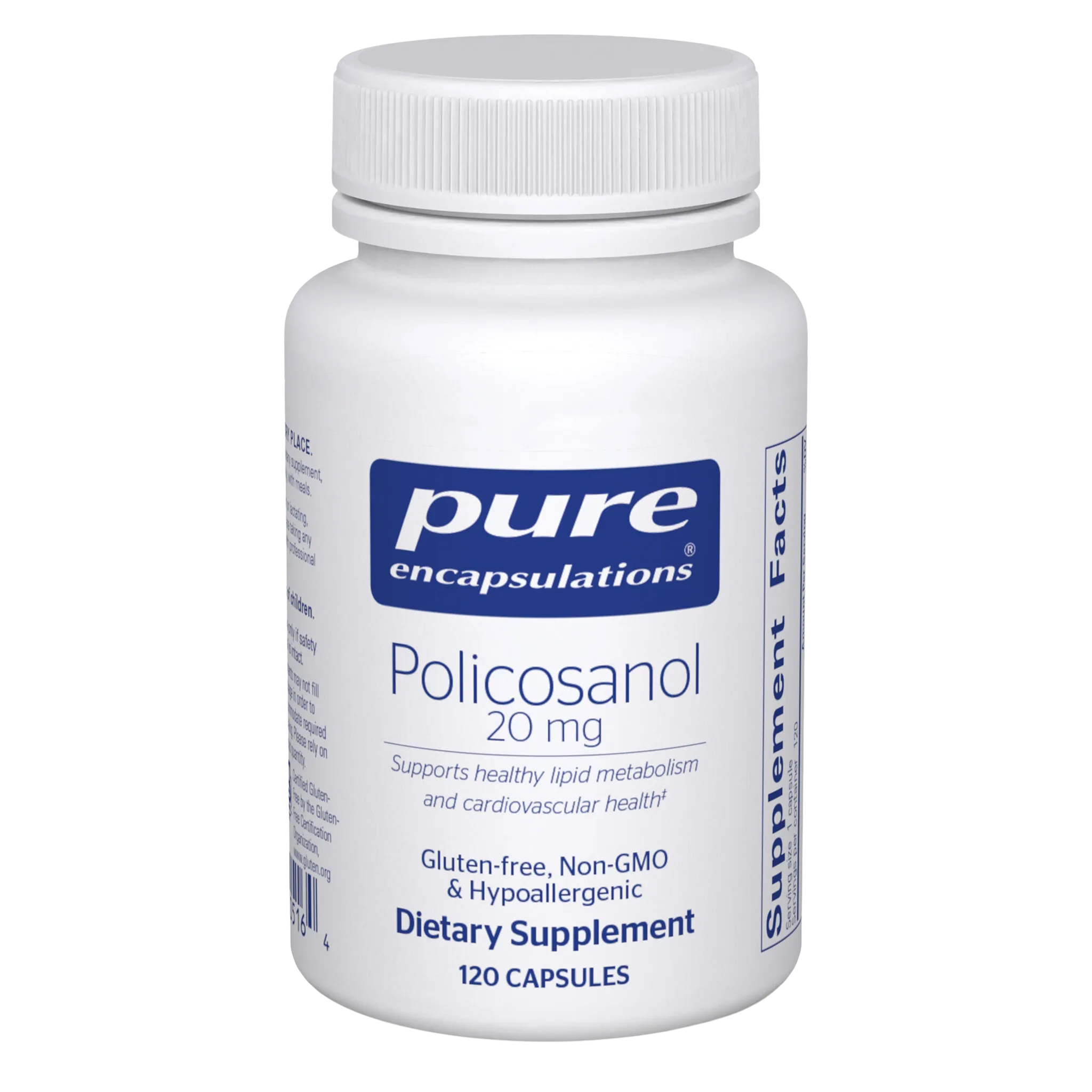
As the medical community races to find targeted therapies for these vascular and metabolic pathologies, functional medicine practitioners and researchers are revisiting established compounds with a new perspective. One such compound is policosanol, a natural mixture of long-chain aliphatic alcohols derived primarily from sugar cane wax. Traditionally utilized for decades to manage cholesterol levels and support cardiovascular health, policosanol is now gaining significant attention in the chronic illness community. Its unique ability to inhibit platelet aggregation, soothe inflamed blood vessels, and regulate lipid metabolism without the harsh mitochondrial side effects of traditional statins makes it a compelling piece of the puzzle. In this comprehensive guide, we will explore the intricate biochemical mechanisms of policosanol, its emerging role in experimental Long COVID protocols, and how it may help support vascular healing.
TL;DR
Policosanol is a natural compound that may support vascular health and lipid metabolism.
It may help manage symptoms of Long COVID and ME/CFS by inhibiting platelet aggregation.
Research suggests it indirectly modulates cholesterol synthesis without the harsh side effects of statins.
For optimal absorption, policosanol should be taken with a fat-containing meal in the evening.
What is Policosanol?
The Botanical Origins of Aliphatic Alcohols
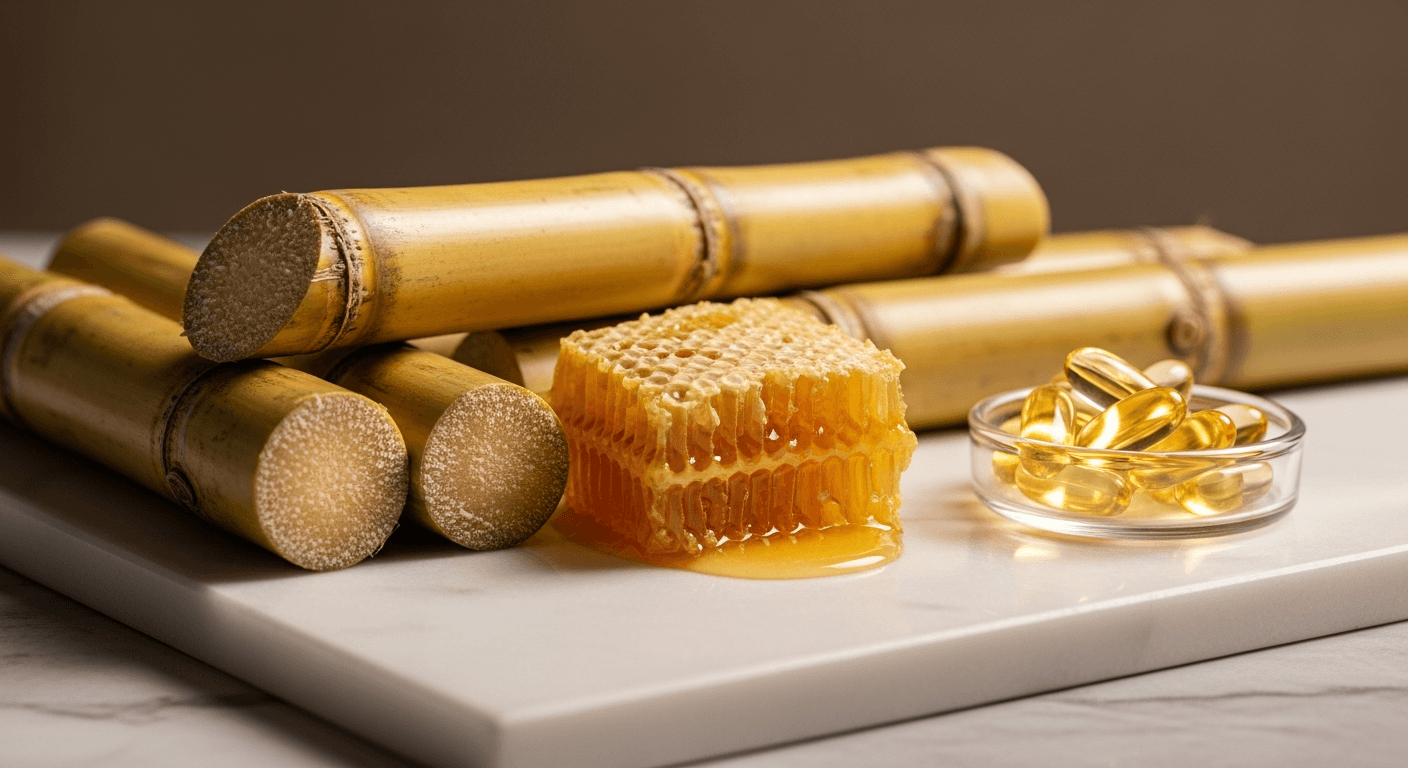
Policosanol is a naturally occurring nutraceutical composed of a highly purified mixture of higher primary aliphatic alcohols. In the botanical world, these long-chain alcohols are found predominantly in the epicuticular waxes of plants—the protective, water-repellent outer layer that coats leaves and stems. While policosanol can be extracted from beeswax, yams, rice bran, and wheat germ, the most extensively researched and clinically utilized form is derived directly from the wax of sugar cane (Saccharum officinarum). Plants synthesize these dense waxy layers to protect themselves from environmental stressors, ultraviolet radiation, and moisture loss. When extracted and purified for human consumption, these same compounds are claimed to exhibit remarkable biological activity within the human cardiovascular and metabolic systems.
The extraction process is highly specialized, requiring advanced saponification and purification techniques to isolate the specific waxy alcohols from the raw plant material. Because these compounds are inherently designed to repel water in nature, they are extremely lipophilic (fat-soluble) and hydrophobic. This physical characteristic plays a massive role in how policosanol is digested, absorbed, and utilized by the human body. Historically, sugarcane-derived policosanol was first developed and rigorously studied by the Dalmer Laboratory in Cuba during the early 1990s, where it was initially championed as a natural, highly tolerable alternative to pharmaceutical lipid-lowering drugs. Over the decades, clinical reviews have expanded our understanding of its pleiotropic (multi-faceted) effects, revealing that its benefits extend far beyond simple cholesterol reduction.
The Molecular Composition: Octacosanol and Beyond
To understand how policosanol functions at a cellular level, we must look at its specific molecular composition. Policosanol is not a single molecule, but rather a synergistic blend of several long-chain alcohols. In biochemistry, an aliphatic alcohol is an organic compound containing a straight, open chain of carbon atoms attached to a hydroxyl group. The biological efficacy of policosanol is heavily dependent on the exact ratio and chain length of these alcohols. The primary and most active component is octacosanol, a 28-carbon chain alcohol that typically makes up between 60% and 66% of a high-quality policosanol extract. Octacosanol is widely considered the main pharmacological driver of the supplement's cardiovascular benefits, as noted in food science and preservation studies.
Following octacosanol, the mixture contains descending concentrations of other crucial aliphatic alcohols, primarily triacontanol (a 30-carbon chain) and hexacosanol (a 26-carbon chain), along with trace amounts of tetracosanol, heptacosanol, nonacosanol, and dotriacontanol. The specific chain lengths are vital because they dictate how the molecules interact with cellular membranes and enzymatic receptors in the human liver and bloodstream. Research indicates that isolated octacosanol does not produce the exact same robust clinical effects as the complete policosanol mixture, suggesting a powerful synergistic effect among the various carbon chains. This synergy allows the mixture to simultaneously target lipid synthesis in the liver while also modulating platelet behavior in the systemic circulation.
The AMPK Pathway: A Master Cellular Switch
The true magic of policosanol lies in its interaction with one of the most important regulatory enzymes in the human body: AMP-activated protein kinase (AMPK). AMPK is often referred to as the "master energy sensor" or "metabolic switch" of the cell. It constantly monitors the ratio of AMP (depleted energy) to ATP (available energy) within our cells. When cellular energy drops—whether due to fasting, intense exercise, or specific biochemical triggers—AMPK is activated to restore homeostasis. It does this by turning on energy-producing pathways (like fatty acid oxidation) and shutting down energy-consuming pathways (like cholesterol and triglyceride synthesis). According to research on hypercholesterolemic models, policosanol acts as a potent, indirect activator of this critical AMPK pathway.
At the molecular level, policosanol induces the phosphorylation of AMPK at a specific amino acid site known as Threonine-172 (Thr172) within liver cells (hepatocytes). This phosphorylation event "turns on" the AMPK enzyme. Once activated, AMPK initiates a cascading series of metabolic adjustments. It directly inhibits Acetyl-CoA Carboxylase (ACC), which decreases the synthesis of new fatty acids and prevents the accumulation of toxic lipid intermediates in tissues.
How Long COVID and ME/CFS Impact Vascular and Metabolic Health
Endothelial Dysfunction and the SARS-CoV-2 Spike Protein
To understand why a cardiovascular supplement like policosanol is highly relevant to Long COVID and ME/CFS, we must first examine how these conditions damage the vascular system. The inner lining of every blood vessel in the human body is coated by a single layer of cells called the endothelium. This delicate membrane is responsible for regulating blood pressure, preventing abnormal clotting, and controlling the passage of oxygen and nutrients into tissues. During an acute COVID-19 infection, the SARS-CoV-2 virus uses its Spike protein to bind directly to ACE2 receptors, which are highly concentrated on these endothelial cells. This interaction triggers a massive inflammatory response, leading to severe endothelial injury and dysfunction, a core pathology outlined in cardio-pulmonary Long COVID research.
When the endothelium is damaged, it loses its ability to produce adequate amounts of nitric oxide (NO), a crucial molecule that tells blood vessels to relax and dilate. Without sufficient nitric oxide, blood vessels become stiff, constricted, and highly inflamed. This state of chronic vascular inflammation causes the endothelial cells to physically detach from the vessel walls and enter the bloodstream, a phenomenon measurable by elevated levels of Circulating Endothelial Cells (CECs). For patients with Long COVID and dysautonomia, this widespread endothelial dysfunction is a primary driver of symptoms like orthostatic intolerance, extreme blood pressure fluctuations, and the inability to deliver adequate oxygen to the brain and muscles during physical exertion.
The Formation of Persistent Amyloid Microclots
The damage to the endothelium sets off a dangerous chain reaction involving the body's coagulation (blood clotting) system. A healthy endothelium naturally secretes substances that keep blood platelets calm and prevent them from sticking together. However, an injured, inflamed endothelium does the exact opposite—it signals platelets to activate and aggregate. In Long COVID and ME/CFS, researchers have discovered that blood platelets remain in a state of chronic hyperactivation long after the initial viral infection has cleared. This hyperactivation, combined with widespread vascular inflammation, leads to the formation of persistent amyloid fibrin microclots, a groundbreaking discovery detailed in molecular pathology studies.
Normally, when the body forms a clot to heal an injury, a protein called fibrinogen converts into a fibrin mesh, which is later broken down by the body's natural fibrinolytic enzymes once the tissue has healed. However, in the highly inflammatory, Spike-protein-laden environment of Long COVID, the fibrinogen misfolds into a dense, abnormal "amyloid" structure. These amyloid microclots are highly resistant to natural breakdown. They trap inflammatory molecules, autoantibodies, and activated platelets within their dense webs. As these microscopic clots circulate, they become lodged in the tiny capillaries of the muscles, brain, and vital organs. This widespread capillary blockage creates a state of cellular hypoxia (oxygen starvation), which is believed to be the primary mechanical cause of the debilitating brain fog and post-exertional malaise (PEM) experienced by so many patients.
Metabolic Disruption and Post-COVID Hyperlipidemia
Beyond physical damage to the blood vessels, chronic post-viral syndromes frequently trigger profound disruptions in systemic metabolism. Many patients who were previously healthy discover that their lipid panels are suddenly highly abnormal following a COVID-19 infection, a phenomenon often referred to as post-COVID hyperlipidemia. The chronic systemic inflammation and viral persistence associated with Long COVID place immense stress on the liver, altering how it processes and synthesizes fats. This metabolic chaos often results in sharply elevated levels of LDL ("bad") cholesterol and triglycerides, alongside a drop in protective HDL cholesterol, creating a perfect storm for accelerated cardiovascular disease, as noted in studies exploring diabetes and Long COVID.
In a standard medical setting, the immediate response to high LDL cholesterol is the prescription of a pharmaceutical statin. While statins are highly effective at lowering cholesterol and reducing vascular inflammation, they pose a significant dilemma for patients with ME/CFS and Long COVID. Statins work by directly inhibiting the HMG-CoA reductase enzyme, but in doing so, they also inadvertently block the body's natural production of Coenzyme Q10 (CoQ10). CoQ10 is an absolute requirement for mitochondrial ATP (energy) production. For a patient already suffering from severe mitochondrial dysfunction and debilitating muscle fatigue, statin-induced CoQ10 depletion can trigger intense myopathy (muscle pain) and severely exacerbate their baseline fatigue. This creates a desperate need for alternative therapies that can manage lipid metabolism and protect the vascular system without further draining the body's fragile energy reserves.
Policosanol: Supporting Endothelial Function and Lipid Metabolism
Inhibiting Platelet Aggregation and Thromboxane A2
Given the profound role that platelet hyperactivation and microclotting play in chronic post-viral syndromes, policosanol's well-documented antiplatelet properties make it a highly compelling therapeutic candidate. Policosanol actively intervenes in the coagulation cascade to calm hyperactive platelets and prevent them from clumping together. It achieves this primarily by significantly reducing the production of thromboxane A2 (TXA2) in the bloodstream. Thromboxane A2 is a potent lipid mediator produced by activated platelets; it acts as a powerful vasoconstrictor and a strong chemical signal that calls other platelets to aggregate and form a clot. By suppressing TXA2, policosanol is thought to effectively remove the chemical signal driving abnormal clot formation.
Crucially, policosanol manages to lower thromboxane A2 levels without significantly suppressing the production of prostacyclin (PGI2). Prostacyclin is a beneficial lipid produced by healthy endothelial cells that actively prevents platelet aggregation and promotes vasodilation. This selective action is what sets policosanol apart from traditional NSAIDs or high-dose aspirin, which often suppress both compounds simultaneously. Clinical studies have shown that a daily dose of 20 mg of policosanol produces an inhibitory effect on platelet adhesiveness that is comparable to 100 mg of aspirin. Because policosanol utilizes a different biochemical pathway than aspirin, it can also be used synergistically to potentiate the antithrombotic effects of other mild blood thinners, helping to prevent the continuous formation of new microclots in Long COVID patients.
Modulating Cholesterol Synthesis via HMG-CoA Reductase
While statins directly and forcefully bind to the HMG-CoA reductase enzyme to stop cholesterol production, policosanol takes a more elegant, indirect route. As previously mentioned, policosanol activates the AMPK pathway. Once AMPK is phosphorylated and activated, it travels to the liver and phosphorylates the HMG-CoA reductase enzyme at a specific site (Serine-872). This phosphorylation event changes the shape of the enzyme, effectively inactivating it and suppressing hepatic cholesterol synthesis before the generation of mevalonate. This indirect modulation successfully lowers total and LDL cholesterol without the harsh, direct enzymatic blockade that often leads to statin-induced myopathy, a mechanism detailed in hepatocyte research models.
Beyond simply stopping the production of new cholesterol, policosanol actively helps the body clear existing cholesterol from the bloodstream. It achieves this by upregulating the expression of LDL receptors on the surface of liver cells, allowing the liver to pull more circulating LDL particles out of the blood. Furthermore, policosanol enhances the activity of specific transport proteins and enzymes, such as ATP-binding cassette transporter G5 (ABCG5) and cholesterol 7α-hydroxylase (CYP7A1). These enzymes are responsible for converting excess cholesterol into bile acids and pumping them into the intestines for fecal excretion. This dual-action approach—reducing synthesis while increasing excretion—makes policosanol a powerful tool for managing post-COVID metabolic disruptions, similar to the metabolic goals discussed in metformin research for Long COVID.
Stabilizing the Endothelium and Reducing Inflammation
The cardiovascular benefits of policosanol extend deeply into the physical repair and stabilization of the vascular endothelium. Chronic inflammation is the enemy of vascular health, and policosanol has been shown to significantly lower key biomarkers of systemic inflammation, including homocysteine and high-sensitivity C-reactive protein (hs-CRP). Elevated levels of these markers are direct indicators that the blood vessels are under oxidative stress and are actively sustaining damage. By lowering these inflammatory mediators, policosanol helps to soothe the irritated endothelial lining, reducing the chronic vascular spasms that often trigger symptoms of dysautonomia and POTS.
Furthermore, policosanol provides potent antioxidant protection specifically targeted at lipid molecules. It actively prevents the lipid peroxidation of LDL particles. When LDL cholesterol becomes oxidized by free radicals, it becomes highly toxic to the endothelium, driving the formation of atherosclerotic plaques. By shielding LDL from oxidation, policosanol acts as an anti-atherogenic agent.
Symptoms Policosanol May Help Manage
Targeting the Root Causes of Chronic Illness Symptoms
Because complex chronic illnesses like Long COVID, ME/CFS, and dysautonomia are driven by systemic vascular and metabolic dysfunction, their symptoms are notoriously widespread and unpredictable. Patients often feel as though multiple organ systems are failing simultaneously. By targeting the root causes of this dysfunction—specifically by calming hyperactive platelets, supporting endothelial repair, and regulating lipid metabolism—policosanol may help alleviate a variety of downstream symptoms.
While policosanol is not a cure for these complex conditions, integrating it into a comprehensive management protocol can provide crucial support for the cardiovascular system. By improving microcirculation and reducing vascular inflammation, patients may experience improvements in energy delivery and autonomic stability. Below are specific symptoms that the mechanisms of policosanol may help manage:
Brain Fog and Cognitive Dysfunction: By inhibiting platelet aggregation and potentially aiding in the prevention of new microclots, policosanol helps maintain clear microcapillary pathways in the brain. Improved cerebral microcirculation ensures that neurons receive the steady supply of oxygen and glucose required for focus, memory retrieval, and clear thinking.
Post-Exertional Malaise (PEM): PEM is driven by cellular hypoxia; when muscles are exerted, blocked capillaries prevent adequate oxygen delivery, forcing cells into painful anaerobic metabolism. By supporting endothelial vasodilation and reducing blood viscosity, policosanol may help improve oxygen perfusion to skeletal muscles during and after activity, potentially reducing the severity of crashes.
Tachycardia and Palpitations: In dysautonomia and POTS, the heart often races to compensate for poor vascular tone and reduced blood return to the brain. By lowering inflammatory markers like hs-CRP and stabilizing the endothelial lining, policosanol helps support healthier, more responsive blood vessels, which can ease the compensatory burden on the heart.
Muscle Fatigue and Statin Intolerance: For patients who have developed post-COVID hyperlipidemia but cannot tolerate pharmaceutical statins due to severe muscle pain and CoQ10 depletion, policosanol offers a gentler alternative. It helps manage LDL cholesterol levels via the AMPK pathway without directly poisoning mitochondrial energy production, protecting fragile muscle endurance.
Practical Considerations: Forms, Dosing, and Absorption
The Challenge of Lipophilicity and Bioavailability
While the biochemical mechanisms of policosanol are highly impressive, utilizing it effectively in a clinical setting requires a deep understanding of its physical properties. Because policosanol is a mixture of very-long-chain waxy alcohols, it is extremely lipophilic (fat-loving) and highly hydrophobic (water-repelling). This means it does not dissolve well in the watery environment of the human digestive tract. Consequently, the absolute oral bioavailability of policosanol is notoriously low. Pharmacokinetic studies universally cite that less than 10% of an ingested dose is actually absorbed through the intestinal wall and into systemic circulation.
To absorb any fat-soluble compound, the human digestive system must form micelles—microscopic spheres of bile salts and phospholipids that encapsulate the fat and shuttle it to the intestinal lining (enterocytes). Because policosanol is so dense and waxy, it relies heavily on this micelle formation. Interestingly, researchers believe that the poor absorption of policosanol is actually part of its cholesterol-lowering mechanism. The large amount of unabsorbed policosanol remaining in the gastrointestinal tract is thought to physically interfere with the gut's ability to absorb dietary cholesterol and reabsorb bile acids, forcing the body to excrete them in the feces instead.
Optimal Dosing Strategies and Circadian Timing
To maximize the limited absorption of policosanol, it is universally recommended to take the supplement with a meal that contains dietary fat. Consuming fats triggers the gallbladder to release bile and the pancreas to release digestive enzymes, creating the optimal environment for micelle formation and ensuring that the maximum possible amount of policosanol is shuttled into the bloodstream. Taking policosanol on an empty stomach will result in almost zero systemic absorption, rendering the supplement highly ineffective for systemic vascular support.
Furthermore, the timing of the dose is critical. Clinical guidelines consistently recommend taking policosanol in the evening or right before bed. This recommendation is tied directly to the body's circadian rhythms. The liver's endogenous synthesis of cholesterol peaks during the night when we are sleeping and fasting. Because policosanol works by indirectly downregulating the HMG-CoA reductase enzyme via the AMPK pathway, taking it in the evening ensures that the supplement reaches peak concentration in the liver exactly when cholesterol production is at highest. The standard therapeutic dose ranges from 10 mg to 20 mg per day. If a 20 mg dose is used, it is often split into two 10 mg doses taken with lunch and dinner.
Potential Interactions and Safety Precautions
Policosanol is generally celebrated for its excellent safety profile and tolerability, particularly when compared to pharmaceutical lipid-lowering agents. It does not cause the elevation of liver transaminases or the severe muscle toxicity (rhabdomyolysis) occasionally seen with statins. Furthermore, unlike statins, policosanol is not metabolized by the CYP3A4 enzyme pathway in the liver. This means it does not carry the dangerous "grapefruit interaction" warning, nor does it compete for metabolism with the vast majority of pharmaceutical drugs processed by this specific enzyme.
However, because policosanol actively inhibits platelet aggregation and reduces thromboxane A2, it functions as a mild blood thinner. This creates a potential for pharmacodynamic (additive) interactions. Patients who are already taking pharmaceutical anticoagulants or antiplatelet medications—such as Warfarin, Clopidogrel (Plavix), Eliquis, or daily high-dose Aspirin—must exercise extreme caution and consult their physician before starting policosanol, as the combination could increase the risk of bruising or bleeding. Similarly, combining policosanol with high doses of natural blood thinners like Omega-3 fish oils, nattokinase, garlic extract, or Ginkgo biloba should be monitored carefully by a healthcare provider.

Follow the Science
Clinical Trials on Lipid Profiles and Cardiovascular Risk
The scientific literature surrounding policosanol is extensive, though it is marked by a distinct historical divide. The most profound clinical data originates from the Dalmer Laboratory in Cuba, where the sugarcane extract was initially developed. In dozens of randomized, double-blind, placebo-controlled trials conducted throughout the 1990s and early 2000s, policosanol demonstrated remarkable efficacy. At doses of 10 to 20 mg per day, these foundational studies reported that policosanol lowered LDL cholesterol by an impressive 21% to 29%, reduced total cholesterol by 15% to 25%, and raised protective HDL cholesterol by 5% to 15%. A comprehensive 2002 meta-analysis published in the American Heart Journal reviewed data from over 3,000 patients, concluding that policosanol was a highly effective and safe intervention for managing dyslipidemia and reducing cardiovascular risk factors.
However, it is important to note that several independent trials conducted outside of Cuba in subsequent years have reported more modest or mixed results regarding its lipid-lowering capabilities. Researchers attribute this discrepancy largely to the extreme hydrophobicity of the compound and massive variations in human absorption rates, as well as differences in the extraction methods used by different manufacturers. Despite these mixed results on pure cholesterol reduction, the broader cardiovascular benefits—specifically regarding endothelial health and platelet function—remain a strong focal point of modern research, as detailed in mechanistic reviews.
Evidence for Platelet Inhibition and Endothelial Repair
Beyond lipid metabolism, clinical evidence strongly supports policosanol's role as a vascular protector. A notable clinical trial involving 294 elderly patients with dyslipidemia in China compared the effects of 10-20 mg/day of policosanol against atorvastatin.
Furthermore, studies published in Prostaglandins Leukotrienes and Essential Fatty Acids have confirmed its antiplatelet effects in healthy human volunteers. Doses of 10 mg per day significantly reduced platelet aggregation induced by common biological triggers like collagen and arachidonic acid, while simultaneously dropping thromboxane B2 levels. Additional claims suggest that when policosanol is co-supplemented with Coenzyme Q10, the synergistic effect leads to profound reductions in systemic inflammatory markers like CRP and IL-6.
Emerging Protocols for Post-Acute Infection Syndromes
In the context of Long COVID and ME/CFS, large-scale, double-blind clinical trials specifically testing policosanol for these novel syndromes are still in their infancy. However, the compound is already being actively utilized in experimental clinical frameworks globally. Most notably, in the "Therapeutic Test" protocols for Post-Acute COVID Syndrome (PACS) published by Dr. Gustavo Aguirre-Chang and colleagues, policosanol is heavily featured as a primary antiplatelet agent. In these investigational protocols, 5 mg to 20 mg of policosanol is prescribed alongside systemic fibrinolytics (like nattokinase or lumbrokinase) to actively reduce platelet hyperactivity and break down persistent amyloid microclots. As our understanding of the vascular pathologies driving Long COVID and ME/CFS continues to evolve, compounds like policosanol that target the intersection of coagulation and endothelial health will likely remain at the forefront of clinical exploration.
The Path Forward
Validating the Invisible Struggles of Chronic Illness
Living with a complex chronic illness like Long COVID, ME/CFS, or dysautonomia is an exhausting, full-time job. The invisible nature of these conditions—where standard lab tests often fail to capture the profound vascular and metabolic dysfunction occurring at the microscopic level—can leave patients feeling isolated and dismissed by the traditional medical system. If you are struggling with debilitating fatigue, cognitive dysfunction, and unpredictable autonomic symptoms, your experience is valid. The emerging science surrounding endothelial injury and persistent microclots proves that these symptoms are rooted in deep physiological disruptions, not psychological distress. Understanding these mechanisms is the first empowering step toward reclaiming your health.
Integrating Policosanol into a Comprehensive Care Plan
While policosanol offers promising, science-backed support for vascular health, lipid metabolism, and platelet regulation, it is important to remember that no single supplement is a cure for complex chronic illness. True healing requires a comprehensive, multi-disciplinary approach. Supplements must be paired with aggressive pacing strategies to manage post-exertional malaise, dietary adjustments to support the microbiome, and ongoing collaboration with a knowledgeable healthcare provider. Because policosanol influences blood clotting and lipid pathways, it is crucial to discuss its integration into your protocol with your doctor, especially if you are taking prescription blood thinners or statins.
Next Steps in Your Healing Journey
At RTHM, we are committed to staying at the forefront of clinical research to provide you with the most effective, evidence-based tools for managing Long COVID and related chronic conditions. By targeting the root causes of vascular inflammation and metabolic disruption, we aim to help you build a solid foundation for recovery and improved quality of life.
Sources
Policosanol Attenuates Cholesterol Synthesis via AMPK Activation
A central role for amyloid fibrin microclots in long COVID/PASC
Inhibition of cholesterol synthesis by policosanol in hepatocytes
Main Mechanisms of Action of Policosanol in Animal and Plant Cells
Long COVID, Sub-Acute and Chronic COVID: "Therapeutic Test" Protocol