Can Plant Sterols Support Healthy Cholesterol Levels After Long COVID?
March 6, 2026
Plant SterolsLong COVIDCardiovascular Health
Share:
Disclaimer: The information provided here is for educational purposes only and is not intended as medical advice. It should not be used to diagnose, treat, cure, or prevent any medical condition. Instead, use it as a starting point for discussion with your healthcare provider. Always consult with a qualified healthcare provider before starting any new medication, supplement, device, or making changes to your health regimen.
In the wake of the COVID-19 pandemic, a startling new health concern has emerged alongside the debilitating fatigue and brain fog of Long COVID: a profound shift in cardiovascular and metabolic health. Many patients who previously had perfectly normal lipid panels are suddenly finding themselves facing new-onset dyslipidemia, characterized by stubbornly high cholesterol and triglyceride levels. This metabolic disruption, often accompanied by endothelial dysfunction and vascular inflammation, adds a heavy layer of anxiety to an already complex chronic illness journey. When you are already fighting to get through the day, discovering that your cardiovascular risk has silently increased can feel incredibly overwhelming and deeply frustrating.
For decades, cardiologists and functional medicine practitioners have looked to the natural world for tools to manage cholesterol safely and effectively. One of the most rigorously researched and clinically validated interventions is the use of plant sterols, or phytosterols. These naturally occurring, plant-based compounds offer a fascinating, structurally ingenious way to lower cholesterol by directly interfering with its absorption in the digestive tract. By understanding the intricate biochemical dance between plant sterols and human cholesterol, patients with Long COVID, dysautonomia, and other complex chronic conditions can empower themselves with targeted, science-backed strategies to support their cardiovascular health and reclaim a sense of control over their metabolic well-being.
TL;DR
Long COVID and chronic illnesses can trigger new-onset high cholesterol and vascular inflammation.
Plant sterols naturally block cholesterol absorption in the gut, safely lowering LDL levels.
Clinical evidence shows plant sterols can reduce LDL cholesterol by 8% to 12%.
Take plant sterols with your largest, fat-containing meals for maximum effectiveness.
What Are Plant Sterols?
The Plant Kingdom's Answer to Cholesterol
Plant sterols, scientifically known as phytosterols, are naturally occurring lipid compounds found abundantly in the cell membranes of plants. Just as cholesterol is essential for maintaining the structural integrity and fluidity of animal and human cell membranes, phytosterols perform the exact same vital function in the plant kingdom. They are found in a wide variety of botanical sources, including nuts, seeds, legumes, whole grains, and vegetable oils. Historically, human diets that were rich in foraging and agriculture provided a robust daily intake of these compounds, often exceeding 1 gram of phytosterols per day. However, the highly processed nature of the modern Western diet has drastically reduced our natural intake, leaving a significant gap in our dietary defense against hyperlipidemia.
At a molecular level, plant sterols are structural mimics of mammalian cholesterol. If you were to look at their chemical blueprints side-by-side, they are nearly identical, sharing the same core steroid ring structure and a hydroxyl group. The only defining difference lies in a minor modification on their side chain—specifically, the addition of an extra methyl or ethyl group at the C-24 position. This seemingly microscopic structural variation is the key to their profound therapeutic efficacy. Because they look and act so much like cholesterol, they can essentially "trick" the human digestive system, interacting with the same enzymes, transport proteins, and bile structures that normally process the cholesterol we eat and the cholesterol our livers produce.
The Structural Mimicry and Digestive Deception
When we consume foods containing cholesterol, or when our liver secretes cholesterol into our bile to aid in digestion, this cholesterol must be packaged into microscopic, water-soluble transport vehicles called mixed micelles before it can cross the watery environment of the intestinal lumen and enter our bloodstream. Because plant sterols are actually more hydrophobic (water-repelling) than human cholesterol, they have a higher affinity for these mixed micelles. When plant sterols are introduced into the digestive tract, they aggressively compete with cholesterol for the limited "seats" available inside these micellar transport vehicles. This structural mimicry initiates a highly effective biological blockade, preventing a significant portion of cholesterol from ever reaching the intestinal wall.
The beauty of this mechanism lies in its localized action. Plant sterols do not need to enter the systemic circulation to exert their primary therapeutic effect; their most critical work is done entirely within the lumen of the gut. By simply being present in the digestive tract during the digestion of a meal, they act as a physical and chemical barrier. This makes them an incredibly elegant, natural intervention for managing lipid levels, as they leverage the body's own digestive mechanics to safely excrete excess cholesterol as waste rather than allowing it to accumulate in the bloodstream and contribute to arterial plaque formation.
The Modern Dietary Deficit and the Need for Supplementation
Despite their profound benefits, achieving a therapeutic dose of plant sterols through diet alone is exceedingly difficult in the modern era. While a healthy, plant-rich diet might provide 200 to 400 milligrams of phytosterols daily, clinical research consistently demonstrates that a significantly higher dose—typically between 1.5 to 3 grams per day—is required to achieve a meaningful, therapeutic reduction in low-density lipoprotein (LDL) cholesterol. To put this into perspective, you would need to consume an impossibly large volume of nuts, seeds, or vegetable oils to reach this threshold, which would inadvertently result in a massive caloric and fat intake that could negate the cardiovascular benefits.
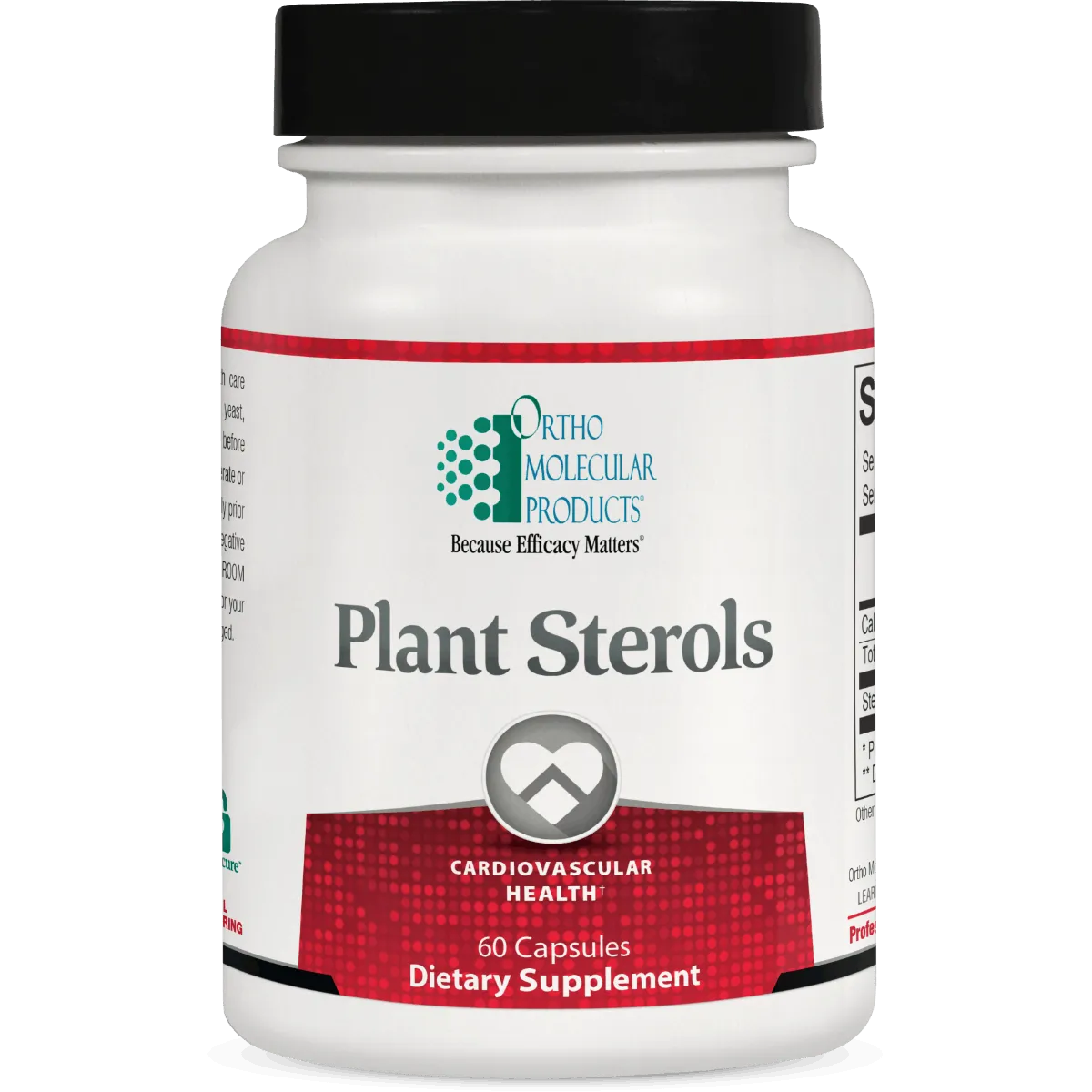
This dietary deficit is precisely why targeted supplementation with high-quality plant sterols has become a cornerstone of integrative cardiovascular care. By utilizing concentrated forms, such as the 1.3 grams of sterol esters found in specialized supplements, patients can easily achieve the clinically validated dosages required to inhibit cholesterol absorption. This approach provides a practical, sustainable, and highly effective way to bridge the gap between our evolutionary dietary heritage and the realities of modern food consumption, offering robust support for those looking to optimize their lipid profiles and protect their long-term heart health.
How Long COVID and Chronic Illness Impact Cardiovascular Health
The Post-COVID Dyslipidemia Surge
The intersection of complex chronic illness and cardiovascular health has become a focal point of intense medical research, particularly in the context of Long COVID. A landmark observational study published in The Lancet Diabetes & Endocrinology analyzed the health records of over 51,000 COVID-19 survivors, revealing a startling trend: even individuals who experienced mild acute infections are at a significantly elevated risk of developing new-onset dyslipidemia up to a year post-infection. The data showed a 24% increased hazard ratio for developing elevated LDL cholesterol and a 27% increased hazard ratio for elevated triglycerides compared to uninfected controls. This persistent "hyperlipidemic phenotype" marks a profound metabolic shift, transforming a viral illness into a long-term cardiovascular threat.
This dyslipidemia is not merely a coincidental finding; it is deeply intertwined with the systemic immune dysregulation that characterizes Long COVID. When the body is locked in a state of chronic inflammation, the liver alters its lipid metabolism. Pro-inflammatory cytokines, such as interleukin-6 (IL-6) and tumor necrosis factor-alpha (TNF-alpha), stimulate the liver to increase the production of very-low-density lipoproteins (VLDL) and triglycerides while simultaneously decreasing the clearance of LDL cholesterol from the bloodstream. For patients already struggling to understand what causes Long COVID, this secondary metabolic fallout adds a critical layer of complexity to their symptom management and long-term prognosis.
Endothelial Dysfunction and Accelerated Vascular Aging
Beyond the sheer volume of circulating lipids, Long COVID fundamentally alters the health of the blood vessels themselves. The SARS-CoV-2 virus is known to directly infect and damage the endothelial cells that line the inner walls of blood vessels, binding to ACE-2 receptors and triggering widespread vascular inflammation. This condition, known as endothelial dysfunction, compromises the blood vessels' ability to dilate properly, promotes the formation of microclots, and creates a "sticky" environment that is highly susceptible to the deposition of cholesterol plaques. The CARTESIAN study recently demonstrated that COVID-19 is associated with accelerated vascular aging, marked by increased arterial stiffness and elevated pulse wave velocity (PWV), particularly in patients with persistent symptoms.
When elevated LDL cholesterol—driven by post-COVID dyslipidemia—collides with this damaged, inflamed endothelium, the results can be catastrophic. The compromised endothelial barrier allows LDL particles to easily penetrate the arterial wall. Once inside, these particles are rapidly oxidized by the surrounding inflammatory environment, triggering a cascade of immune responses that accelerate atherosclerosis. This vicious cycle explains why individuals recovering from COVID-19 face a dramatically higher risk of heart attacks, strokes, and other major adverse cardiovascular events. Managing lipid levels is no longer just about preventing disease decades down the line; for Long COVID patients, it is an urgent necessity to protect their currently vulnerable vascular system.
The Inflammatory Lipid Shift and ME/CFS
The cardiovascular implications of chronic illness extend beyond Long COVID, deeply impacting patients with myalgic encephalomyelitis/chronic fatigue syndrome (ME/CFS) and dysautonomia. In these conditions, autonomic nervous system dysfunction and chronic oxidative stress create an environment where lipid metabolism is frequently impaired. Research indicates that patients with ME/CFS often exhibit altered lipid profiles, including decreased levels of protective HDL cholesterol and increased levels of oxidized LDL. This "inflammatory lipid shift" means that the cholesterol circulating in their bodies is more atherogenic, or plaque-promoting, than the cholesterol found in healthy individuals.
Furthermore, the profound physical deconditioning that often accompanies the severe fatigue and post-exertional malaise (PEM) of ME/CFS can exacerbate metabolic dysfunction. When patients are unable to engage in regular physical activity due to the risk of severe symptom crashes, their bodies lose a primary mechanism for naturally regulating lipid levels and maintaining insulin sensitivity. This highlights the critical need for passive, metabolically supportive interventions. For those figuring out how can you live with long-term COVID or ME/CFS, utilizing targeted supplements like plant sterols offers a low-exertion strategy to actively manage cardiovascular risk without triggering the debilitating crashes associated with exercise-based interventions.
Plant Sterols: Supporting Cholesterol Management at the Cellular Level
The Intestinal Tug-of-War and Micelle Competition
The primary mechanism by which plant sterols support healthy cholesterol levels occurs entirely within the lumen of the small intestine, acting as a highly effective blockade against cholesterol absorption. When we digest a meal, dietary fats, dietary cholesterol, and the endogenous cholesterol secreted by our liver into our bile all converge in the gut. Because these lipids are hydrophobic (water-repelling), they cannot simply float through the watery environment of the intestine to reach the absorbing cells. Instead, they must be emulsified by bile salts and packaged into microscopic, water-soluble spheres known as mixed micelles. These micelles act as essential ferry boats, transporting the lipids to the brush border of the intestinal enterocytes for absorption.
This is where plant sterols execute their brilliant biochemical intervention. Because phytosterols are structurally almost identical to cholesterol but possess a slightly bulkier side chain, they are actually more lipophilic (fat-loving) than human cholesterol. When plant sterols are present in the gut, they aggressively compete with cholesterol for incorporation into these mixed micelles. Due to their higher affinity, plant sterols effectively displace cholesterol, kicking it out of the micellar ferry boats. The displaced cholesterol, unable to remain solubilized in the watery intestinal fluid, precipitates out and crystallizes. Because it cannot reach the intestinal wall, this unabsorbed cholesterol is simply swept through the digestive tract and excreted safely in the feces.
The Niemann-Pick C1-Like 1 (NPC1L1) Gateway
For the sterols that do manage to secure a spot inside the mixed micelles, the next hurdle is entering the intestinal cell (enterocyte). This entry is highly regulated by a specific transport protein located on the brush border membrane called Niemann-Pick C1-Like 1, or NPC1L1. The NPC1L1 transporter acts as a selective gateway, facilitating the uptake of both human cholesterol and plant sterols into the enterocyte. Interestingly, this exact transporter is the pharmacological target of the prescription cholesterol-lowering medication ezetimibe, which works by blocking the NPC1L1 gateway entirely. However, plant sterols do not block the gateway; they simply crowd it, ensuring that a large percentage of the molecules passing through are phytosterols rather than cholesterol.
Once inside the enterocyte, a critical differentiation occurs. Human cholesterol is rapidly processed by an enzyme called acyl-CoA:cholesterol acyltransferase 2 (ACAT2), which attaches a fatty acid to the cholesterol molecule, creating a cholesterol ester. These esterified cholesterol molecules are then packaged into large transport particles called chylomicrons and released into the lymphatic system to eventually enter the bloodstream. Plant sterols, however, are incredibly poor substrates for the ACAT2 enzyme. Because of their bulky side chains, ACAT2 cannot easily esterify them. Consequently, the vast majority of plant sterols remain in their free, unesterified form inside the intestinal cell, triggering the body's next line of defense.
The ABCG5/8 Efflux Pumps and Hepatic Upregulation
The human body recognizes these unesterified plant sterols as "xenosterols," or foreign compounds, and has evolved a highly efficient mechanism to expel them. Located on the apical membrane of the enterocyte is a heterodimeric protein complex known as the ABCG5/ABCG8 ATP-binding cassette transporter. Often referred to as the "sterolin pump," this complex acts as a cellular bouncer. It actively grabs the unesterified plant sterols and pumps them right back out into the intestinal lumen to be excreted. This pump is so remarkably efficient that humans typically absorb less than 5% of dietary plant sterols, compared to absorbing roughly 50% of dietary cholesterol. The tiny fraction of plant sterols that do make it to the liver are immediately pumped into the bile by identical ABCG5/8 transporters for rapid elimination.
The ultimate cardiovascular benefit of this entire process is realized in the liver. Because plant sterols have successfully blocked cholesterol absorption in the gut, the amount of cholesterol arriving at the liver via chylomicrons is drastically reduced. The liver, sensing a drop in its intracellular cholesterol pool, must compensate to maintain its vital functions. To gather more cholesterol, the liver upregulates the expression of low-density lipoprotein (LDL) receptors on its surface. These newly deployed receptors act like molecular vacuole cleaners, pulling circulating LDL cholesterol out of the bloodstream and into the liver for processing. This compensatory mechanism is what ultimately drives the clinically significant, dose-dependent reduction in plasma LDL cholesterol levels observed in patients supplementing with plant sterols.
Symptoms and Biomarkers Plant Sterols May Help Manage
Elevated LDL Cholesterol and Lipid Imbalances
The primary and most clinically validated target of plant sterol supplementation is the management of dyslipidemia, specifically elevated levels of low-density lipoprotein (LDL) cholesterol. For patients navigating the complex metabolic fallout of chronic illnesses, addressing these lipid imbalances is a critical step in reducing long-term cardiovascular risk. Plant sterols offer a targeted, mechanistic approach to lowering these specific biomarkers.
High LDL ("Bad") Cholesterol: Plant sterols directly reduce LDL levels by blocking cholesterol absorption in the gut, forcing the liver to upregulate LDL receptors and clear excess LDL from the bloodstream. Clinical trials consistently show an 8% to 12% reduction in LDL with regular supplementation.
Elevated Total Cholesterol: By reducing the influx of dietary and biliary cholesterol into the systemic circulation, plant sterols contribute to a significant lowering of overall total cholesterol levels, improving the broader lipid panel.
Apolipoprotein B (ApoB) Levels: ApoB is the primary protein found on the surface of LDL particles and is considered a highly accurate marker of cardiovascular risk. By reducing the total number of circulating LDL particles, plant sterols inherently help lower ApoB concentrations.
Statin-Resistant Hyperlipidemia: For patients who cannot reach their LDL goals on statin therapy alone, or those who experience severe muscle pain (myopathy) from statins, plant sterols provide a complementary mechanism of action that can yield an additional 7% to 10% reduction in LDL levels.
Post-COVID Metabolic Shifts and Endothelial Stress
In the context of Long COVID and dysautonomia, cardiovascular health is often compromised not just by high cholesterol, but by the inflammatory environment in which that cholesterol circulates. While plant sterols are not a direct anti-inflammatory treatment, their ability to aggressively lower circulating lipids provides crucial secondary benefits for a vascular system under severe stress.
Endothelial Dysfunction: The accelerated vascular aging and endothelial damage seen in Long COVID make the arteries highly susceptible to plaque formation. By significantly lowering the amount of LDL available to penetrate these damaged vessel walls, plant sterols help mitigate the risk of rapid atherosclerosis.
Oxidized LDL Accumulation: In chronic inflammatory states like ME/CFS and Long COVID, LDL particles are easily oxidized, making them highly toxic to blood vessels. Reducing the total pool of circulating LDL inherently reduces the volume of lipid particles available to undergo this dangerous oxidative transformation.
Post-COVID Hyperlipidemia: For patients who have developed new-onset high cholesterol following a SARS-CoV-2 infection, plant sterols offer a safe, non-systemic, and highly effective first-line intervention to help normalize lipid profiles before aggressive pharmaceutical interventions become necessary.
Metabolic Syndrome Overlap: Many patients with complex chronic conditions also struggle with overlapping metabolic issues, such as those detailed in our exploration of Diabetes and Long COVID: A Pandemic Within a Pandemic. Managing cholesterol absorption is a vital component of stabilizing this broader metabolic dysfunction.
Practical Considerations: Forms, Dosing, and Absorption
Sterol Esters vs. Free Sterols: Understanding the Forms
When selecting a plant sterol supplement, you will generally encounter two primary forms: free sterols and sterol esters. Free sterols are the naturally occurring, unesterified compounds exactly as they are found in plant membranes. Historically, these were difficult to formulate into supplements because they are highly insoluble in water and poorly soluble in fat. However, modern manufacturing techniques, such as micro-encapsulation, have made free sterols highly bioavailable. Sterol esters, on the other hand, are created by chemically attaching a fatty acid to the free sterol molecule. This esterification process makes the sterols incredibly fat-soluble, allowing them to be easily incorporated into dietary supplements, softgels, and fortified foods like margarines and spreads.
From a clinical efficacy standpoint, both forms are highly effective at lowering LDL cholesterol. A comprehensive meta-analysis comparing dozens of clinical trials found no statistically significant difference in the cholesterol-lowering power of free sterols versus sterol esters; both reliably reduce LDL by approximately 8% to 12% when taken at optimal doses. The Ortho Molecular Plant Sterols product utilizes 1.3 grams of sterol esters, a highly bioavailable and clinically validated form that ensures rapid integration into the digestive environment. The body naturally cleaves the fatty acid from the sterol ester in the gut using pancreatic enzymes, releasing the active free sterol to perform its cholesterol-blocking duties.
The Critical Importance of Meal Timing and Fat Content
Because plant sterols work via direct molecular competition in the gastrointestinal tract, the timing of your supplementation is absolutely critical to its success. Plant sterols must be present in the gut at the exact same time as the cholesterol you are trying to block. Taking a plant sterol supplement on an empty stomach first thing in the morning will yield almost zero cardiovascular benefit, as there are no mixed micelles forming and no cholesterol present to displace. To achieve the desired therapeutic effect, plant sterols must be consumed alongside a meal.
Furthermore, the meal must contain at least a small amount of dietary fat. Fat is the essential trigger that signals the gallbladder to release bile into the small intestine. Without bile, the microscopic transport vehicles known as mixed micelles cannot form. If micelles do not form, the plant sterols have no structure to integrate into, and their ability to block cholesterol absorption is entirely neutralized. Therefore, it is highly recommended to take your plant sterol capsules with your largest, fat-containing meals of the day, such as lunch or dinner. Splitting the dose (e.g., one capsule with lunch, one with dinner) is often the most effective strategy, ensuring a continuous blockade of cholesterol absorption throughout the day's digestive cycles.
Navigating Fat-Soluble Vitamin Absorption
While the cholesterol-blocking mechanism of plant sterols is highly beneficial, it does have one notable, albeit manageable, side effect: it can inadvertently reduce the absorption of certain highly lipophilic, fat-soluble nutrients. Clinical studies, including a landmark trial published in the American Journal of Clinical Nutrition, have demonstrated that regular consumption of plant sterols can reduce the bioavailability of beta-carotene and alpha-tocopherol. This occurs because these nutrients also rely on the micellar transport system that the sterols are actively disrupting.
Fortunately, this minor reduction in antioxidant absorption is not considered a clinical danger and is incredibly easy to mitigate. Major health organizations, including the European Atherosclerosis Society, advise that individuals supplementing with high doses of plant sterols simply increase their daily intake of carotenoid-rich fruits and vegetables. Adding just one or two extra servings of foods like carrots, sweet potatoes, pumpkins, spinach, or tomatoes to your daily diet is more than sufficient to offset this effect and maintain optimal antioxidant levels. Notably, plant sterols do not appear to have a clinically significant impact on the absorption of Vitamins A, D, or K.
Statin Synergy and Contraindications
One of the most powerful applications of plant sterols is their synergistic use alongside prescription statin medications. Statins work by inhibiting the HMG-CoA reductase enzyme in the liver, effectively shutting down the body's internal synthesis of cholesterol. Plant sterols work by blocking the absorption of cholesterol in the gut. Because they target two entirely different physiological pathways, their effects stack beautifully. Clinical trials show that adding plant sterols to a statin regimen provides an additional 7% to 10% reduction in LDL cholesterol—an effect that is often statistically more powerful than doubling the dose of the statin itself. This makes sterols an excellent adjunct therapy for high-risk patients or those exploring Metformin: Long COVID Risk Reduction and Diabetes Management alongside lipid control.
While plant sterols are generally recognized as safe (GRAS) for the vast majority of the population, there is one critical contraindication. Individuals with an extremely rare, autosomal recessive genetic disorder called sitosterolemia (or phytosterolemia) must strictly avoid plant sterol supplements. Patients with this condition have inherited mutations in their ABCG5 or ABCG8 genes, meaning their "sterolin pumps" are broken. As a result, they absorb massive amounts of plant sterols and cannot excrete them, leading to a toxic buildup in the blood that causes severe, premature heart disease. For everyone else, plant sterols remain a safe, well-tolerated, and highly effective tool for cardiovascular support.
Follow the Science: Clinical Evidence for Plant Sterols
Massive Meta-Analyses on LDL Reduction
The cholesterol-lowering efficacy of plant sterols is not based on speculative theory; it is backed by one of the most robust bodies of clinical evidence in the field of nutritional science. A definitive meta-analysis published in the British Journal of Nutrition by Ras et al. evaluated 124 randomized controlled trials, encompassing over 200 study strata. The researchers concluded with high statistical certainty that daily intakes of 1.5 to 3 grams of plant sterols reliably reduce LDL cholesterol by 8% to 12%. The study also confirmed a clear dose-response relationship up to about 3 grams per day, after which a plateau effect occurs, meaning higher doses do not yield further cholesterol reductions.
Further reinforcing these findings, a comprehensive review in Scientific Reports focused specifically on the synergistic effects of plant sterols in patients already undergoing statin therapy. The meta-analysis demonstrated that because statins sometimes trigger a compensatory increase in intestinal cholesterol absorption, adding plant sterols perfectly neutralizes this rebound effect. The data showed that patients combining the two therapies achieved an additional 7% to 20% reduction in LDL cholesterol compared to those on statins alone. This overwhelming consensus has led major health organizations, including the American Heart Association and the European Society of Cardiology, to officially recommend 2 grams of daily plant sterols as a primary adjunct therapy for dyslipidemia.
The VA Study on Long COVID Lipid Risks
The urgent relevance of plant sterols for the chronic illness community is highlighted by recent, massive epidemiological studies tracking the long-term metabolic consequences of SARS-CoV-2 infection. The highly publicized US Department of Veterans Affairs (VA) Study, led by Dr. Ziyad Al-Aly, analyzed the health records of 51,919 COVID-19 survivors. The researchers discovered that even a year after the acute infection had resolved, patients exhibited significantly higher risks for new-onset lipid abnormalities. The burden of incident dyslipidemia was profound, with an excess burden of 18 cases of elevated LDL cholesterol per 1,000 people compared to uninfected controls.
Similarly, the ZOE Health Study out of King's College London analyzed blood markers from thousands of community-based individuals and found that patients experiencing Long COVID had definitively unhealthier blood fat patterns. Their lipid profiles—characterized by higher levels of atherogenic "bad cholesterol" and unhealthy fatty acids—closely mirrored the profiles of patients at high risk for severe cardiovascular disease. These studies unequivocally establish that Long COVID is not just a neurological or respiratory condition; it is a profound metabolic disruptor that necessitates proactive cardiovascular management.
Genetic Insights from Sitosterolemia
The precise mechanism by which the body handles plant sterols was definitively proven through the study of a rare genetic disorder known as sitosterolemia. Patients with this condition inherit loss-of-function mutations in either the ABCG5 or ABCG8 gene, the exact proteins responsible for pumping plant sterols out of the enterocytes and back into the gut lumen. Without this critical defense mechanism, these individuals absorb 15% to 60% of dietary phytosterols (compared to the normal <5%) and suffer from severe, premature atherosclerotic cardiovascular disease due to the toxic accumulation of these sterols in their tissues.
While this condition is dangerous, studying it provided medical science with the ultimate proof of the NPC1L1 and ABCG5/8 transport pathways. It demonstrated exactly how the body differentiates between human cholesterol and plant sterols at a molecular level. Furthermore, it proved that blocking the NPC1L1 gateway with medications like ezetimibe effectively halts the absorption of both compounds. This deep genetic understanding has solidified our knowledge of phytosterol biochemistry, allowing practitioners to confidently utilize plant sterols to manipulate the intestinal tug-of-war and safely lower LDL cholesterol in the general population.
The Path Forward
Validating the Post-COVID Cardiovascular Journey
Discovering that your cholesterol levels have spiked after a viral infection or during a prolonged battle with chronic illness can be a deeply validating, yet frightening, experience. For many patients, it provides tangible, measurable proof that their symptoms are rooted in profound physiological shifts, not just anxiety or deconditioning. However, it also introduces a new layer of medical management to an already exhausting daily routine. It is crucial to remember that this post-COVID dyslipidemia is a recognized, heavily researched phenomenon. You are not alone in facing this metabolic shift, and more importantly, you are not without highly effective, scientifically validated tools to address it.
Integrating plant sterols into your daily regimen offers a powerful, natural way to take back control of your cardiovascular health. By leveraging the elegant biochemical mechanism of micelle competition, you can actively lower your LDL cholesterol without introducing harsh systemic side effects. When combined with a comprehensive management plan that includes pacing, symptom tracking, and guidance from a knowledgeable healthcare provider, plant sterols can serve as a vital shield, protecting your vulnerable endothelial system while you continue to navigate the broader challenges of recovery. If you are wondering how long does Long COVID last, protecting your heart health ensures your body is resilient for the journey ahead.
Next Steps for Your Heart Health
As you consider adding plant sterols to your protocol, remember that consistency and timing are everything. Taking your supplement with your largest, fat-containing meals will ensure optimal micelle formation and maximum cholesterol-blocking efficacy. Always discuss new supplements with your healthcare provider, especially if you are currently taking prescription statins or other lipid-lowering medications, to ensure a safe and synergistic approach to your cardiovascular care.