Can Plant Protein Support Muscle Recovery and Energy in Long COVID and ME/CFS?
March 6, 2026
Plant ProteinLong COVIDME/CFS
Share:
Disclaimer: The information provided here is for educational purposes only and is not intended as medical advice. It should not be used to diagnose, treat, cure, or prevent any medical condition. Instead, use it as a starting point for discussion with your healthcare provider. Always consult with a qualified healthcare provider before starting any new medication, supplement, device, or making changes to your health regimen.
Months after recovering from the initial acute phase of a viral infection, many people still fight debilitating symptoms with what we call Long COVID or myalgic encephalomyelitis/chronic fatigue syndrome (ME/CFS). The physical toll of these complex, chronic conditions is profound, often leaving individuals bedbound, experiencing severe muscle weakness, and struggling to perform basic daily tasks without triggering a massive crash. But what happens at the cellular level when the body is locked in a state of chronic illness? Why do muscles feel so heavy, and why does even minimal exertion lead to profound exhaustion and brain fog?
In the wake of these post-viral illnesses, a new understanding of metabolic dysfunction has emerged. The body, struggling to produce energy through normal pathways, begins to cannibalize its own muscle tissue for fuel, leading to a profound depletion of essential amino acids. For patients with overlapping conditions like mast cell activation syndrome (MCAS) and dysautonomia, finding safe, hypoallergenic ways to rebuild this lost muscle and support cellular repair is notoriously difficult. This is where high-quality, easily digestible nutrition, such as a complete plant protein, becomes a vital tool. By understanding the intricate biochemistry of muscle protein synthesis and amino acid metabolism, we can explore how targeted nutritional support might help manage the debilitating physical symptoms of chronic illness.
1. What is Plant Protein?
The Building Blocks of Cellular Health
To understand the therapeutic potential of plant protein, we must first examine the fundamental building blocks of life: amino acids. Proteins are large, complex molecules composed of long chains of amino acids, which are essential for virtually every biological process in the human body. When we consume dietary protein, our digestive system breaks these complex structures down into individual amino acids, which are then absorbed into the bloodstream. These free amino acids form a systemic "pool" that the body draws upon to synthesize new proteins, repair damaged tissues, produce vital enzymes, and manufacture neurotransmitters. Without a constant influx of these building blocks, the body cannot maintain its structural integrity or perform basic metabolic functions, leading to a state of physical decline.
There are 20 standard amino acids that make up the proteins in the human body. However, nine of these are classified as "essential amino acids" (EAAs). The term "essential" means that the human body lacks the metabolic pathways to synthesize them endogenously; they must be obtained entirely through diet or supplementation. These nine EAAs include histidine, isoleucine, leucine, lysine, methionine, phenylalanine, threonine, tryptophan, and valine. Among these, a specific subcategory known as branched-chain amino acids (BCAAs)—comprising leucine, isoleucine, and valine—plays a uniquely critical role in skeletal muscle metabolism. Unlike other amino acids, which are primarily metabolized in the liver, BCAAs bypass hepatic metabolism and are oxidized directly within the skeletal muscle tissue, providing an immediate source of energy during physical exertion and serving as the primary molecular triggers for tissue repair.
The mTOR Pathway and Muscle Protein Synthesis
The process by which the body repairs and builds new muscle tissue is known as muscle protein synthesis (MPS). This highly regulated biological process is controlled by a central metabolic signaling pathway known as the mechanistic target of rapamycin (mTOR), specifically the mTOR Complex 1 (mTORC1). mTORC1 acts as a master cellular sensor, constantly monitoring the availability of nutrients, energy levels, and oxygen within the cell. For the mTOR pathway to be "switched on" and initiate the translation of messenger RNA (mRNA) into new polypeptide chains (proteins), it requires a sufficient concentration of intracellular amino acids. When the body is deficient in these building blocks, mTORC1 remains dormant, and the body shifts into a catabolic state, breaking down existing muscle tissue to harvest the amino acids it needs for survival.
Within the complex machinery of the mTOR pathway, the essential amino acid leucine acts as the primary metabolic trigger. Research has established that leucine binds to a specific intracellular sensor protein called Sestrin2. When leucine binds to Sestrin2, it relieves the inhibition on a protein complex called GATOR2, which ultimately allows for the activation of mTORC1. This biochemical cascade is why leucine is often referred to as the "anabolic trigger" for muscle growth. However, there is a specific physiological requirement known as the "leucine threshold." To maximally stimulate the mTOR pathway and spike muscle protein synthesis, a single meal or supplement dose must provide approximately 2.5 to 3.0 grams of leucine. If this threshold is not met, the anabolic response is significantly blunted, regardless of how many other non-essential amino acids are present in the bloodstream.
Overcoming the "Complete" Protein Paradox
Historically, animal-based proteins (such as whey, dairy, meat, and eggs) were considered superior for muscle protein synthesis because they are naturally "complete" proteins, meaning they contain all nine essential amino acids in high concentrations, particularly leucine. In contrast, many individual plant-based protein sources are considered "incomplete" because they are limited in one or more essential amino acids. For example, legumes (like peas) are typically high in lysine but low in methionine, while grains (like rice) are high in methionine but low in lysine. Furthermore, whole-food plant proteins generally have a lower overall leucine density (averaging 6% to 8% leucine) compared to animal proteins (which average 10% to 14% leucine). This led to the outdated dogma that plant proteins could not effectively support muscle growth or repair.
However, modern nutritional science and rigorous clinical trials have thoroughly debunked this paradox. Researchers have discovered that by strategically blending different plant protein sources—such as combining pea protein isolate with rice protein isolate—the resulting amino acid profile becomes entirely complete, mimicking the biological value of high-quality animal protein. When a plant-based blend is formulated to provide all nine essential amino acids and is dosed adequately to cross the 2.5-gram leucine threshold, it stimulates the mTOR pathway and drives muscle protein synthesis to the exact same degree as whey protein. This biochemical parity makes high-quality, blended plant protein an exceptionally viable and powerful tool for tissue repair, especially for individuals who cannot tolerate animal-derived proteins due to complex chronic illnesses.
2. How Chronic Illness Impacts Muscle and Protein Metabolism
The Catabolic State of Chronic Illness
Living with conditions like Long COVID, myalgic encephalomyelitis/chronic fatigue syndrome (ME/CFS), and dysautonomia often forces the body into a prolonged state of physiological stress and systemic inflammation. This chronic inflammatory burden, driven by elevated levels of pro-inflammatory cytokines such as tumor necrosis factor-alpha (TNF-alpha) and interleukin-6 (IL-6), fundamentally alters how the body manages its protein stores. In a healthy individual, there is a continuous, balanced cycle of muscle protein breakdown (MPB) and muscle protein synthesis (MPS). However, in the presence of chronic systemic inflammation, this delicate balance is shattered. The inflammatory cytokines aggressively upregulate the pathways responsible for protein degradation while simultaneously blunting the mTOR pathway, leading to a state where muscle breakdown vastly exceeds muscle synthesis.
This biochemical imbalance results in a severe catabolic state, where the body actively dismantles its own skeletal muscle tissue. This catabolism is further exacerbated by the profound deconditioning that occurs when patients are forced into prolonged bed rest or severe activity restriction due to post-exertional malaise (PEM) or the debilitating orthostatic intolerance seen in postural orthostatic tachycardia syndrome (POTS). As muscle mass deteriorates, patients experience profound physical weakness, making even the simplest tasks—like standing up or walking across a room—feel like monumental, exhausting efforts. The loss of muscle tissue also impairs the body's ability to store glycogen, further reducing the overall energy reserves available to the patient and creating a vicious cycle of fatigue and physical decline.
Amino Acids as Emergency Fuel
The physical exhaustion experienced in Long COVID and ME/CFS is not merely a symptom of deconditioning; it is rooted in a profound, cellular-level energy crisis driven by mitochondrial dysfunction. Mitochondria are the powerhouses of our cells, responsible for generating adenosine triphosphate (ATP) through a process called oxidative phosphorylation. In these post-viral conditions, oxidative stress and viral persistence damage the mitochondrial electron transport chain, severely impairing the body's ability to efficiently convert carbohydrates and fatty acids into usable ATP. Faced with this metabolic blockade, the starving cells are forced to seek alternative, less efficient sources of energy to survive.
To compensate for the failing mitochondria, the body begins to aggressively harvest glucogenic and ketogenic amino acids from its own skeletal muscle tissue, feeding them directly into the tricarboxylic acid (TCA) cycle to generate emergency ATP. This hypermetabolic state places an enormous drain on the body's systemic amino acid pool. Extensive metabolomic profiling of Long COVID and ME/CFS patients frequently reveals severe, long-term dysregulation in over 50 specific metabolites, with patients showing profound deficiencies in circulating branched-chain amino acids (BCAAs), arginine, and glutamic acid. Because the body is constantly burning its structural building blocks just to keep the lights on, there are virtually no amino acids left over to repair damaged tissues, leading to persistent muscle soreness, delayed recovery, and chronic physical exhaustion.
MCAS and the Dairy Dilemma
For many patients with complex chronic illnesses, the logical step to combat muscle wasting and amino acid depletion would be to consume high-quality protein supplements like whey. However, the presence of mast cell activation syndrome (MCAS)—a condition frequently comorbid with Long COVID, ME/CFS, and POTS—makes this incredibly dangerous. Mast cells are key components of the immune system, packed with inflammatory mediators like histamine, tryptase, and prostaglandins. In MCAS, these cells become hyper-reactive, inappropriately degranulating and flooding the body with inflammation in response to otherwise harmless triggers. Dairy, and specifically the proteins found in whey and casein, is a notorious and potent trigger for mast cell degranulation.
The reaction to whey in MCAS patients is often not a classic IgE-mediated milk allergy. Instead, it involves a specific receptor on the surface of mast cells known as the MRGPRX2 (Mas-related G-protein coupled receptor member X2). Unlike traditional allergic pathways that require prior sensitization, the MRGPRX2 receptor can be directly activated by specific food peptides and basic secretagogues found in dairy products. When whey protein binds to this receptor, it triggers immediate, "pseudo-allergic" degranulation. Immunological research has even demonstrated that oral sensitization to whey proteins can induce mast cell accumulation in the brain, leading to severe neuroinflammation, brain fog, and systemic flares. This biochemical reality leaves MCAS patients in a dire dilemma: they desperately need high-quality amino acids to rebuild muscle and generate energy, but the most common protein sources trigger debilitating inflammatory cascades.
3. Plant Protein: Supporting Muscle Repair and Systemic Health
Activating the mTOR Pathway for Tissue Repair
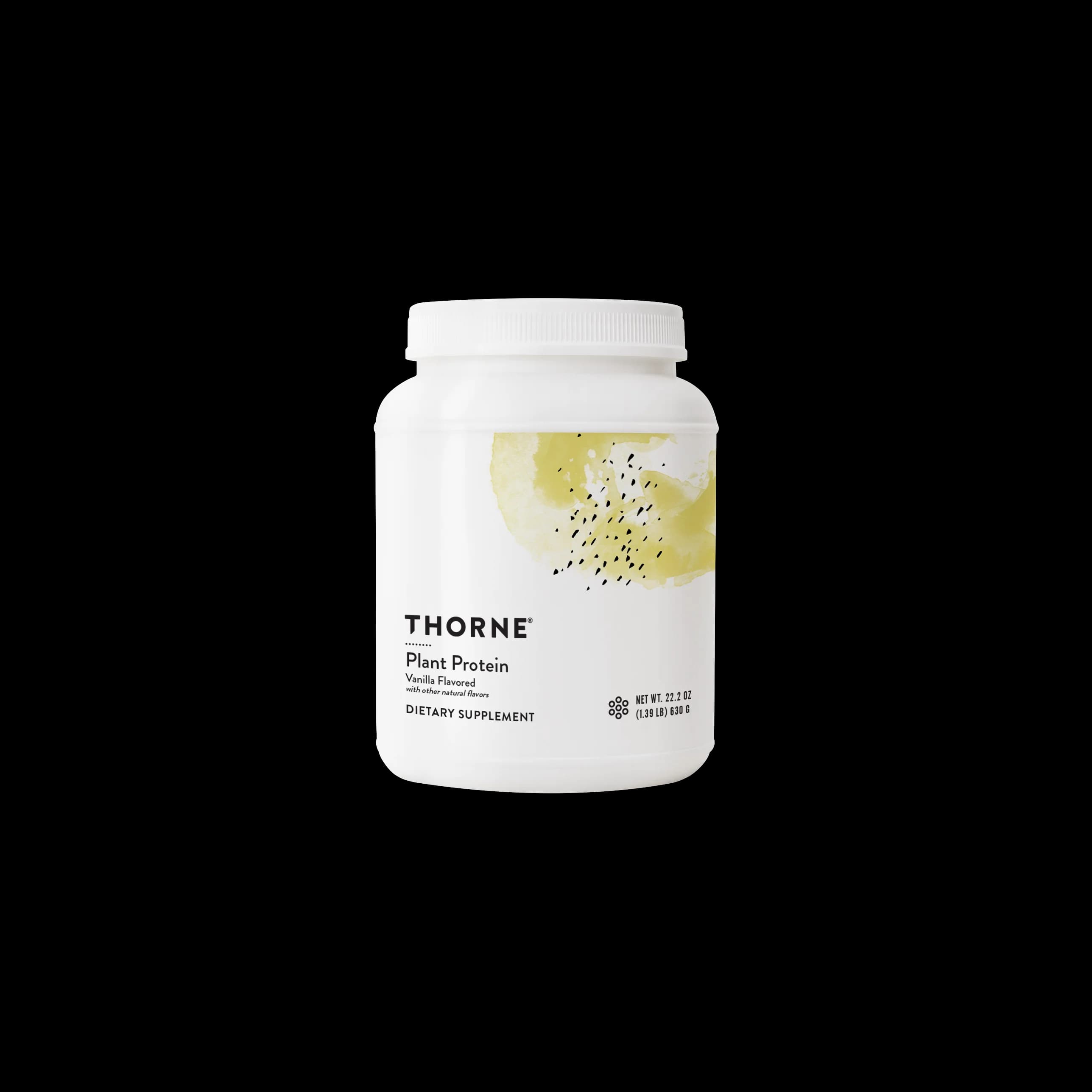
Supplementing with a high-quality, complete plant protein blend offers a powerful, targeted intervention to disrupt the catabolic cycle of chronic illness. By providing a concentrated dose of all nine essential amino acids, a well-formulated plant protein directly supplies the building blocks the body desperately needs to repair damaged tissues. Thorne's Plant Protein, for example, delivers 22 grams of protein per serving, derived from a carefully calibrated blend of plant sources. This specific dosage is not arbitrary; it is biochemically designed to ensure that the critical "leucine threshold" of approximately 2.5 grams is met or exceeded in a single serving.
When this leucine-rich plant protein is ingested and absorbed into the bloodstream, the free leucine molecules enter the skeletal muscle cells and bind to the Sestrin2 sensors. This binding action relieves the inhibition on the GATOR2 complex, forcefully activating the mTORC1 pathway. By artificially spiking the intracellular amino acid concentration, the supplement effectively overrides the catabolic signals driven by systemic inflammation. The activated mTOR pathway initiates the translation of mRNA, shifting the body from a state of muscle breakdown (MPB) into a state of active muscle protein synthesis (MPS). This biochemical shift is essential for patients with Long COVID and ME/CFS, as it allows them to begin rebuilding the lean muscle mass lost to prolonged bed rest and deconditioning, ultimately improving their physical resilience and ability to tolerate daily activities.
Buffering Central Fatigue and Brain Fog
Beyond structural repair, the branched-chain amino acids (BCAAs) found in complete plant proteins play a profound role in managing the severe neurological exhaustion and brain fog that characterize post-exertional malaise (PEM). The mechanism behind this lies in a complex biochemical competition at the blood-brain barrier. During physical or cognitive exertion, the hypermetabolic state of chronic illness forces the body to rapidly oxidize BCAAs for emergency fuel via the branched-chain keto acid dehydrogenase (BCKDH) complex. As plasma BCAA levels plummet, a critical imbalance occurs in the ratio of free tryptophan to BCAAs in the bloodstream.
Both BCAAs and tryptophan rely on the exact same transport mechanism—the Large Neutral Amino Acid Transporter (LAT1)—to cross the blood-brain barrier. In a healthy state, abundant BCAAs outcompete tryptophan for access to this transporter. However, when BCAA levels drop precipitously due to metabolic dysfunction, the LAT1 transporter is left wide open. Massive amounts of tryptophan flood into the brain, where the enzyme tryptophan hydroxylase rapidly converts it into 5-hydroxytryptophan (5-HTP), and subsequently into serotonin (5-HT). While serotonin is typically associated with mood regulation, acute, high-level spikes of serotonin in the brain during exertion induce profound lethargy, loss of motor drive, and the debilitating cognitive fog known as "central fatigue." By supplementing with a BCAA-rich plant protein prior to exertion, patients can artificially maintain high plasma BCAA levels, effectively blocking the tryptophan flood at the blood-brain barrier and delaying the onset of this devastating neurological exhaustion.
A Hypoallergenic Approach for Mast Cell Stability
For patients navigating the treacherous waters of mast cell activation syndrome (MCAS), the source and purity of their amino acids are just as critical as the dosage. Plant-based protein isolates, particularly those derived from hypoallergenic sources like rice and carefully processed peas, offer a vital lifeline. Because these plant proteins are entirely devoid of lactose, casein, and the specific whey peptides that trigger the MRGPRX2 receptor on mast cells, they bypass the primary mechanisms of dairy-induced degranulation. This allows patients to secure the essential amino acids they need for mTOR activation without simultaneously filling their "histamine bucket" and triggering systemic inflammatory flares.
Furthermore, the use of protein isolates rather than whole-food plant powders is a crucial distinction for gut health and mast cell stability. Whole-food plant sources contain high levels of fermentable fibers, lectins, and anti-nutritional factors like phytates. In patients with the severe gut dysbiosis frequently seen in MCAS and Long COVID, the bacterial fermentation of these complex fibers in the colon can produce massive amounts of endogenous histamine, leading to severe bloating, gastrointestinal distress, and systemic mast cell activation. The isolation process strips away these fibrous components, leaving behind a pure, easily digestible amino acid profile that can be rapidly absorbed in the upper gastrointestinal tract, minimizing the risk of bacterial fermentation and providing safe, non-triggering nourishment.
Supporting Oxygen Transport with Plant-Based Iron
In addition to providing a complete amino acid profile, high-quality plant proteins often serve as a valuable source of non-heme iron. Thorne's Plant Protein, for instance, provides 3 mg of plant-based iron per serving. Iron is a critical component of hemoglobin, the protein in red blood cells responsible for transporting oxygen from the lungs to the tissues, and myoglobin, which stores oxygen within the muscle cells. In the context of chronic illness, where mitochondrial dysfunction already severely impairs cellular energy production, any reduction in oxygen delivery to the tissues can catastrophically worsen fatigue and exercise intolerance.
Many patients with complex chronic conditions struggle with mild to moderate anemia or low ferritin levels, often due to chronic inflammation blocking iron absorption (anemia of chronic disease) or restrictive diets necessary to manage MCAS and gastrointestinal symptoms. By providing a gentle, highly bioavailable source of plant-based iron alongside the essential amino acids required to build the hemoglobin protein structures, the supplement supports the body's fundamental oxygen transport mechanisms. This dual action—stimulating muscle protein synthesis while simultaneously supporting the oxygen delivery required for mitochondrial ATP production—creates a synergistic effect that can help alleviate the heavy, suffocating sensation of muscular fatigue experienced during a PEM crash.

4. Symptoms Plant Protein May Help Manage
Targeted Symptom Relief
Post-Exertional Malaise (PEM) and Brain Fog: By providing a dense source of branched-chain amino acids (BCAAs), plant protein helps maintain high plasma amino acid levels during exertion. This prevents the sudden drop in BCAAs that allows tryptophan to flood the blood-brain barrier, thereby buffering the massive spike in brain serotonin that triggers the profound neurological exhaustion and cognitive fog characteristic of central fatigue.
Muscle Weakness and Wasting (Catabolism): The delivery of all nine essential amino acids, particularly a high concentration of leucine, directly activates the mTORC1 pathway. This biochemical signal shifts the body out of the catabolic state driven by chronic inflammation and initiates muscle protein synthesis, helping to rebuild lean muscle mass lost to prolonged bed rest and deconditioning.
Delayed Onset Muscle Soreness (DOMS) and Lactic Acid Burn: In hypermetabolic states, the body relies on inefficient glycolysis, leading to rapid lactic acid accumulation and severe muscle pain after minimal exertion. Clinical studies have shown that BCAA supplementation can significantly reduce lactate levels and buffer the acidic, burning sensation in the muscles, while simultaneously reducing biomarkers of muscle damage like creatine kinase.
Unintended Weight Loss and Body Composition Changes: The chronic inflammatory burden of Long COVID and ME/CFS often severely disrupts appetite and alters metabolic rates, leading to unhealthy weight loss and the deterioration of healthy body composition. A highly digestible, calorie-efficient plant protein provides the necessary macronutrients to stabilize weight and support the maintenance of structural tissues without requiring the massive energy expenditure needed to digest heavy, whole-food meals.
Gastrointestinal Distress and Mast Cell Flares: For patients with MCAS or severe dairy intolerances, standard whey proteins trigger the MRGPRX2 receptors on mast cells, causing severe GI inflammation and systemic flares. Utilizing a hypoallergenic, dairy-free plant protein isolate bypasses these specific immune triggers, providing essential nutrition without exacerbating gut dysbiosis or filling the body's histamine bucket.
5. Practical Considerations: Forms, Dosing, and Absorption
Navigating Bioavailability and Absorption
When integrating a plant protein supplement into a chronic illness management protocol, understanding bioavailability and absorption is paramount. Bioavailability refers to the proportion of the ingested amino acids that actually enter the systemic circulation and are available for the body to use. Historically, whole-food plant proteins have lower bioavailability than animal proteins because the amino acids are bound within complex, fibrous plant matrices and are often accompanied by anti-nutritional factors like phytates and tannins, which can bind to proteins and inhibit the digestive enzymes (like pepsin and trypsin) needed to break them down. For a patient with a compromised gastrointestinal tract or dysautonomia-induced gastroparesis, forcing the body to break down these complex structures requires an immense amount of energy, often leading to severe bloating and fatigue.
This is why the specific form of the supplement matters immensely. High-quality supplements utilize plant protein isolates rather than concentrates or whole-food meals. The isolation process mechanically and chemically separates the pure protein from the fibrous carbohydrates, fats, and anti-nutritional factors. The resulting isolate is highly refined, allowing the essential amino acids to be rapidly digested and absorbed in the upper small intestine with minimal energy expenditure. This rapid absorption is crucial for spiking the blood amino acid levels quickly enough to cross the leucine threshold and activate the mTOR pathway, ensuring that the body receives the anabolic signal before the amino acids are simply oxidized for basic energy needs.
Dosing Strategies for Chronic Illness
The timing and dosage of plant protein supplementation can significantly impact its therapeutic efficacy, especially when managing post-exertional malaise (PEM). Because the goal is to prevent the sudden depletion of BCAAs that triggers central fatigue, many patients and functional medicine practitioners recommend a strategic dosing approach. Rather than consuming a massive bolus of protein at the end of the day, it is often more effective to consume a serving (providing the full 22 grams of protein) roughly 30 to 60 minutes before any anticipated physical or cognitive exertion. This "front-loading" strategy ensures that plasma BCAA levels are at their peak precisely when the hypermetabolic demand begins, effectively buffering the blood-brain barrier against the influx of tryptophan.
For general muscle maintenance and recovery from the catabolic state of chronic illness, consistency is key. The body does not store excess amino acids for later use in the same way it stores fat or carbohydrates; the systemic amino acid pool must be continuously replenished. Mixing the plant protein isolate with at least 12 ounces of water, a safe, low-histamine plant milk (like macadamia or pure coconut milk), or blending it into a gentle smoothie ensures adequate hydration, which is essential for the cellular uptake of amino acids. It is also highly beneficial to pair the protein with other cellular support supplements. For example, combining plant protein with Creatine Monohydrate can provide a synergistic effect, as the creatine supports the rapid regeneration of ATP while the amino acids provide the structural building blocks for repair.
The Importance of Purity and NSF Certification
For individuals with hyper-reactive immune systems, MCAS, or severe chemical sensitivities, the purity of a supplement is not a luxury; it is an absolute medical necessity. The supplement industry is notoriously under-regulated, and many commercial plant protein powders are heavily contaminated with heavy metals (like lead, arsenic, and cadmium) absorbed from the soil, as well as residual pesticides, artificial sweeteners, and chemical thickeners (like carrageenan or xanthan gum). In a healthy body, the liver and kidneys might process these trace contaminants without issue. However, in a patient with Long COVID or ME/CFS, where detoxification pathways are often severely impaired and mast cells are on a hair-trigger, these microscopic contaminants can act as massive inflammatory triggers, inducing severe neurological and gastrointestinal crashes.
This is why certifications like the NSF Certified for Sport® mark are critically important. Products that carry this certification undergo rigorous, independent third-party testing to verify that what is on the label is exactly what is in the bottle. Every single batch is tested to ensure the complete absence of nearly 300 banned substances, heavy metals, dangerous microbes, and hidden chemical contaminants. While this certification was originally designed to protect professional athletes from accidental doping, it provides an invaluable layer of safety and peace of mind for chronic illness patients. It guarantees that they are consuming a pure, unadulterated source of vital amino acids without inadvertently exposing their fragile immune systems to hidden toxins that could derail their recovery.

6. Follow the Science
Clinical Parity Between Plant and Animal Proteins
The scientific consensus surrounding muscle protein synthesis has undergone a massive paradigm shift in recent years, heavily supported by rigorous clinical trials. Historically, the lower leucine content and poorer digestibility of whole-food plant proteins led to the belief that they were inherently inferior to animal proteins like whey. However, a landmark 2021 clinical trial published in Sports Medicine directly challenged this dogma. Researchers tracked 38 participants over a 12-week supervised resistance training program, matching their daily protein intake to 1.6 grams per kilogram of body weight using either exclusively plant-based supplements (soy) or animal-based supplements (whey). The results were definitive: both groups showed identical increases in leg lean mass, whole muscle cross-sectional area, and overall strength. The study concluded that when total protein intake is adequate and the amino acid profile is complete, the source of the protein makes zero difference in long-term muscle hypertrophy and repair.
Further solidifying this parity, a highly specific acute trial conducted by Pinckaers et al. (2022) investigated whether a formulated plant-based blend could match the immediate anabolic response of high-quality milk protein in a single sitting. Researchers created a 30-gram plant-based blend designed to provide a complete essential amino acid profile and cross the critical leucine threshold. Using heavy water (deuterium) isotope tracers to measure the exact rates of muscle protein synthesis in healthy males, they found that ingestion of the 30-gram plant blend stimulated myofibrillar protein synthesis to the exact same degree as 30 grams of milk protein concentrate. This data provides robust clinical validation that high-quality, blended plant protein isolates are highly effective, medically sound tools for stimulating the mTOR pathway and repairing damaged tissue.
Metabolomic Profiling in Long COVID
The application of amino acid therapy for post-viral fatigue is deeply rooted in emerging metabolomic research. A groundbreaking 2023 study by the University of Alberta extensively profiled the blood plasma of 117 patients suffering from severe Long COVID. The researchers discovered profound, long-term dysregulation in the patients' amino acid metabolism. Specifically, they found that the depletion of certain key amino acids, such as taurine and the branched-chain amino acids (BCAAs), could predict with 83% accuracy which patients would develop severe, lingering Long COVID symptoms. This metabolomic profiling confirms that the severe fatigue and muscle weakness experienced by these patients is not psychosomatic; it is the direct result of the body aggressively cannibalizing its systemic amino acid pool to survive a state of chronic viral-induced hypermetabolism.
This research strongly supports the clinical rationale for targeted amino acid supplementation. By providing the body with a dense, easily digestible source of essential amino acids and BCAAs, patients can artificially replenish the systemic pool that the virus has drained. This bypasses the gastrointestinal bottlenecks often caused by post-viral dysautonomia and delivers direct, immediate fuel to the starving cells. While large-scale, double-blind placebo trials explicitly testing plant protein isolates on ME/CFS cohorts are still ongoing, the foundational metabolomic data strongly suggests that stabilizing the body's amino acid levels is a critical step in managing the profound cellular energy crisis that drives post-exertional malaise.
BCAAs and Lactate Accumulation
Another critical area of scientific inquiry involves the role of BCAAs in managing the severe lactic acid accumulation frequently seen in ME/CFS and Long COVID patients. Because mitochondrial oxidative phosphorylation is impaired, these patients rely heavily on anaerobic glycolysis for energy, which produces massive amounts of lactic acid even during minimal exertion. This leads to the intense, burning muscle pain and heavy limbs associated with PEM. Clinical studies in sports medicine have demonstrated that a targeted dose of BCAAs can significantly reduce the lactate levels produced during exercise. By buffering this acidic accumulation and simultaneously reducing blood levels of creatine kinase (a primary biomarker of muscle damage), BCAA-rich plant proteins offer a scientifically backed mechanism for reducing the severity and duration of post-exertional muscle pain.
7. The Path Forward
Validating the Physical Toll
Living with a complex chronic illness like Long COVID, ME/CFS, or dysautonomia is an incredibly isolating and physically devastating experience. It is vital to acknowledge that the profound muscle weakness, the heavy, leaden feeling in your limbs, and the terrifying neurological crashes of PEM are not in your head. They are the result of measurable, severe biochemical dysfunctions—from mitochondrial failure and amino acid depletion to mast cell hyper-reactivity. When your body is locked in a catabolic state, constantly breaking down its own tissues just to survive, simply existing requires the energy of a marathon. You are fighting a massive physiological battle every single day, and the exhaustion you feel is entirely valid and scientifically grounded.
Integrating Nutrition with Pacing
While high-quality plant protein and targeted amino acid therapy offer powerful tools for supporting muscle repair, buffering central fatigue, and stabilizing mast cells, they are not a standalone cure. True management of these complex conditions requires a comprehensive, multi-layered approach. Supplementation must be combined with aggressive, disciplined pacing strategies to ensure you are not pushing your body beyond its broken energetic envelope. By carefully tracking your symptoms, avoiding the triggers of early overexertion, and providing your body with the pure, hypoallergenic building blocks it needs to repair itself, you can begin to slowly stabilize your system. Always consult with your healthcare provider or a functional medicine specialist before introducing new supplements, especially if you have severe MCAS or overlapping intolerances, to ensure they align with your specific metabolic needs.