Can a Plant Protein Meal Support Metabolic Health in Long COVID and ME/CFS?
March 6, 2026
Plant Protein MealLong COVIDME/CFS
Share:
Disclaimer: The information provided here is for educational purposes only and is not intended as medical advice. It should not be used to diagnose, treat, cure, or prevent any medical condition. Instead, use it as a starting point for discussion with your healthcare provider. Always consult with a qualified healthcare provider before starting any new medication, supplement, device, or making changes to your health regimen.
For individuals living with complex chronic illnesses like Long COVID, myalgic encephalomyelitis/chronic fatigue syndrome (ME/CFS), and mast cell activation syndrome (MCAS), simply eating a meal can sometimes feel like running a marathon. Between navigating severe food intolerances, battling post-meal energy crashes, and struggling with the sheer exhaustion of food preparation, basic nutrition often becomes a daily hurdle. When the body is locked in a state of chronic inflammation and metabolic dysfunction, it desperately needs high-quality amino acids and nutrients to repair tissues and generate energy. Yet, standard protein supplements—often laden with dairy, gluten, artificial sweeteners, or soy—can trigger mast cell flares and exacerbate gastrointestinal distress.
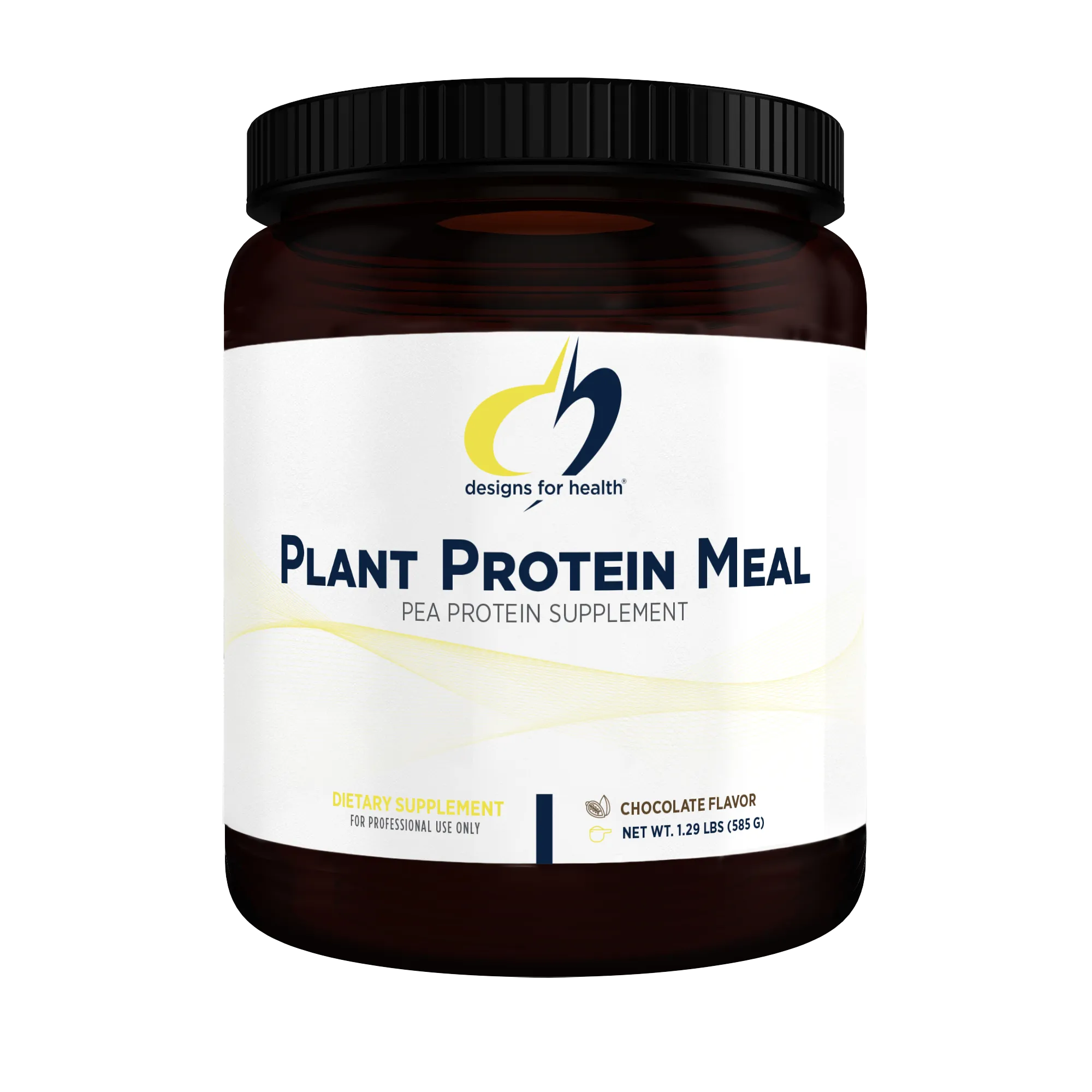
In the wake of the COVID-19 pandemic, researchers have discovered that the metabolic footprint of Long COVID and ME/CFS involves profound disruptions in how the body processes lipids, carbohydrates, and amino acids. This is where a specialized, hypoallergenic nutritional approach becomes vital. Plant Protein Meal by Designs for Health is formulated not just as a standard protein powder, but as a comprehensive metabolic support tool. By combining easily digestible pea protein with targeted metabolic enhancers like taurine, conjugated linoleic acid (CLA), and glucomannan, it aims to stabilize blood sugar, support mitochondrial energy production, and provide a safe nutritional foundation for those navigating the unpredictable waters of chronic illness.
TL;DR
Plant Protein Meal offers a hypoallergenic, pea-based protein source for those with chronic illnesses like Long COVID and MCAS.
It includes taurine to support mitochondrial energy production and combat post-exertional malaise (PEM).
Ingredients like CLA and glucomannan may help stabilize blood sugar and support healthy metabolism.
Always consult your healthcare provider before adding new supplements, especially if taking prescription medications.
What is Plant Protein Meal?
A Hypoallergenic Nutritional Foundation
At its core, Plant Protein Meal is designed to provide a complete amino acid profile without the inflammatory triggers commonly found in commercial protein powders. The primary ingredient is 16 grams of easily digestible pea protein, derived from yellow split peas (Pisum sativum). Unlike whey or casein, which are dairy-derived and frequently trigger immune responses in individuals with mast cell activation syndrome (MCAS) or lactose intolerance, pea protein is naturally hypoallergenic. It provides a robust supply of essential amino acids, including branched-chain amino acids (BCAAs) like leucine, isoleucine, and valine, which are critical for muscle protein synthesis and tissue repair.
Beyond simple macronutrient delivery, pea protein possesses unique bioactive properties. During digestion, specific pea seed storage proteins—such as albumin and legumin—can partially escape host digestion in the upper gastrointestinal tract. As these proteins reach the lower intestine, they act as valuable substrates for the gut microbiome. Beneficial commensal bacteria ferment these pea peptides, producing short-chain fatty acids (SCFAs) like butyrate and propionate. These SCFAs are essential for fueling colonocytes (the cells lining the colon), maintaining the integrity of the intestinal mucosal barrier, and modulating systemic immune responses.
The Role of Metabolic Enhancers: Taurine and CLA
What elevates this formulation from a simple protein powder to a metabolic therapy is the inclusion of specific biochemical modulators, primarily taurine and conjugated linoleic acid (CLA). Taurine is a naturally occurring, semi-essential amino sulfonic acid found abundantly in highly excitable tissues such as the brain, heart, and skeletal muscle. While historically known for its role in bile acid conjugation, taurine is fundamentally intertwined with mitochondrial health. It physically conjugates with uridine on mitochondrial tRNA, a step that is strictly required for the synthesis of key mitochondrial proteins, particularly ND5 and ND6. These proteins form the backbone of Complex I in the electron transport chain, meaning taurine is a direct prerequisite for cellular ATP (energy) production.
Conjugated linoleic acid (CLA), included at 120 mg per serving, refers to a family of polyunsaturated fatty acids that modulate lipid metabolism and inflammatory pathways. CLA interacts with nuclear receptors in the body, specifically upregulating peroxisome proliferator-activated receptor alpha (PPARα), which controls fatty acid oxidation, and downregulating CD36, which controls fatty acid uptake. By altering the expression of these genes, CLA helps the body shift toward utilizing stored fats for energy rather than relying solely on rapid carbohydrate metabolism, thereby supporting healthy body composition and metabolic flexibility.
Satiety and Blood Sugar Stabilization: Glucomannan
The third pillar of this formulation is glucomannan, a highly viscous, water-soluble dietary fiber extracted from the root of the konjac plant (Amorphophallus konjac). Glucomannan has an extraordinary capacity to absorb water, expanding up to 50 times its original weight. When consumed, it forms a thick, viscous gel in the stomach that delays gastric emptying and physically slows the enzymatic breakdown of carbohydrates in the small intestine. This mechanical action is crucial for blunting post-prandial (post-meal) blood glucose spikes, reducing the immediate demand for insulin, and providing a steady, sustained release of energy.
Furthermore, the physical expansion of glucomannan triggers gastric distension receptors that communicate with the brain to signal fullness. It promotes the secretion of cholecystokinin (CCK) and glucagon-like peptide-1 (GLP-1)—hormones that induce satiety—while simultaneously suppressing the hunger hormone ghrelin. For individuals whose metabolic signaling has been disrupted by chronic illness, this gentle, fiber-driven regulation of appetite and blood sugar may help prevent the severe energy crashes that often follow meals.
How Chronic Illness Impacts Metabolism and Digestion
The Gastrointestinal Toll of Long COVID and MCAS
To understand why a specialized nutritional powder is necessary, we must examine how complex chronic illnesses disrupt the body's fundamental ability to process food. In conditions like Long COVID and MCAS, the gastrointestinal tract is often a primary site of dysfunction. The SARS-CoV-2 virus can persist in the gut reservoir long after the acute infection has cleared, driving chronic localized inflammation and disrupting the delicate balance of the gut microbiome. This dysbiosis compromises the intestinal mucosal barrier, leading to increased intestinal permeability, commonly known as "leaky gut."
When the gut barrier is compromised, partially digested food particles and bacterial endotoxins can slip into the bloodstream, triggering a systemic immune response. For patients with MCAS, mast cells lining the gastrointestinal tract become hyper-reactive, degranulating and releasing histamine and inflammatory cytokines in response to otherwise harmless foods. This creates a vicious cycle where eating triggers severe bloating, pain, tachycardia, and profound fatigue, leading many patients to severely restrict their diets. Over time, this dietary restriction results in macronutrient and micronutrient deficiencies, further starving the body of the building blocks it needs to heal.
Mitochondrial Dysfunction and Amino Acid Depletion
At the cellular level, myalgic encephalomyelitis/chronic fatigue syndrome (ME/CFS) and Long COVID are characterized by profound mitochondrial dysfunction. The mitochondria, often referred to as the powerhouses of the cell, are responsible for generating adenosine triphosphate (ATP) through the electron transport chain. However, chronic viral persistence, oxidative stress, and neuroinflammation can physically damage mitochondrial membranes and impair the enzymes required for ATP production. When the primary aerobic energy pathways fail, the cells are forced to rely on less efficient anaerobic glycolysis, leading to a rapid buildup of lactate and the debilitating exhaustion known as post-exertional malaise (PEM).
This metabolic crisis is heavily tied to amino acid depletion. Recent metabolomic studies have revealed that patients with severe Long COVID and ME/CFS exhibit drastically reduced plasma levels of specific amino acids, most notably taurine. Because taurine is heavily concentrated in skeletal muscle and is required for proper mitochondrial ATP output, its depletion is thought to be a driving factor behind the severe muscle exhaustion and delayed recovery seen in these patients. Without adequate taurine, mitochondria lose their ability to buffer intracellular calcium and manage oxidative stress, leading to compounding cellular damage.
The Vicious Cycle of Inactivity and Metabolic Strain
The intersection of severe fatigue, autonomic nervous system dysfunction (such as POTS or dysautonomia), and PEM forces many patients into a state of prolonged physical inactivity. While resting and pacing are absolutely essential for managing these conditions, prolonged inactivity inevitably leads to metabolic changes. Skeletal muscle begins to atrophy (muscle wasting), which decreases the body's overall metabolic rate and impairs glucose tolerance. Because muscle tissue is the primary sink for circulating blood glucose, losing muscle mass makes the body more prone to insulin resistance and blood sugar fluctuations.
This creates a frustrating paradox for patients: they lack the energy to be active, but the resulting inactivity further degrades their metabolic health and energy production capabilities. Furthermore, the chronic inflammatory state of Long COVID alters lipid metabolism, often leading to unintended weight changes and an increase in visceral adiposity. The body becomes trapped in a state where it is simultaneously starved for cellular energy yet unable to efficiently process and utilize the macronutrients it receives. Breaking this cycle requires nutritional interventions that bypass these broken metabolic pathways without triggering further inflammation.
Plant Protein Meal: Supporting Metabolic Health and Energy
Taurine’s Role in Mitochondrial Rescue
Plant Protein Meal addresses the complex pathophysiology of chronic illness through multiple synergistic mechanisms, starting with mitochondrial rescue. The inclusion of 100 mg of taurine per serving serves as a direct intervention for the amino acid depletion observed in Long COVID and ME/CFS. At the cellular level, taurine acts as a crucial buffer against mitochondrial oxidative stress. It enhances the activity of potent intracellular antioxidants like Cu/Zn superoxide dismutase (SOD1) and improves the stability of respiratory chain complexes. By neutralizing reactive oxygen species (ROS) at the site of energy production, taurine helps prevent the compounding oxidative damage that drives post-exertional crashes.
Furthermore, taurine regulates both cytoplasmic and intra-mitochondrial calcium homeostasis. In states of neuroinflammation and cellular stress, mitochondria can become overloaded with calcium, causing membrane depolarization and triggering apoptosis (programmed cell death). Taurine effectively buffers this calcium influx, protecting the mitochondria from excitotoxic events. By ensuring the proper synthesis of Complex I proteins (ND5 and ND6) via tRNA conjugation, taurine helps restore the structural integrity of the electron transport chain, allowing the cells to resume efficient, aerobic ATP production and reducing the reliance on fatigue-inducing anaerobic glycolysis.
Modulating Inflammation with Pea Peptides and CLA
To combat the systemic inflammation that characterizes MCAS and Long COVID, Plant Protein Meal leverages the unique properties of pea protein and conjugated linoleic acid (CLA). When the pea protein is digested, it releases bioactive "pea peptides" that possess significant antioxidant and anti-inflammatory properties. Studies suggest that these peptides can suppress systemic inflammation by modulating the TLR4/MYD88/NF-κB inflammatory signaling pathway. By downregulating NF-κB, a master regulator of inflammation, pea peptides help quiet the hyperactive immune response that drives many chronic symptoms.
Simultaneously, the CLA in the formulation works to modulate the immune response at the lipid level. The cis-9, trans-11 isomer of CLA competes with linoleic acid for the production of arachidonic acid, effectively inhibiting the cyclooxygenase-2 (COX-2) enzyme. This action downregulates the gene expression of potent pro-inflammatory cytokines, including Tumor Necrosis Factor-alpha (TNF-α) and Interleukin-1 beta (IL-1β). For patients dealing with neuroinflammation and brain fog, CLA's ability to cross the blood-brain barrier and bind to PPARα receptors is particularly notable, as it induces the biosynthesis of endogenous anti-inflammatory compounds like palmitoylethanolamide (PEA).
Stabilizing Energy and Blood Sugar with Glucomannan
For patients experiencing dysautonomia and POTS, blood sugar fluctuations can be disastrous. A rapid spike in blood glucose followed by a reactive drop in insulin can trigger severe tachycardia, adrenaline surges, and profound fatigue—symptoms that mimic a dysautonomia flare. The glucomannan fiber in Plant Protein Meal acts as a mechanical stabilizer for the gastrointestinal tract. By forming a viscous gel, it coats the stomach lining and physically slows the absorption of carbohydrates into the bloodstream. This creates a smooth, blunted glycemic response, helping to prevent the sharp peaks and valleys in blood sugar that exacerbate autonomic instability.
Additionally, this slow-release mechanism provides a sustained source of energy over several hours, which is vital for patients struggling with chronic fatigue. The fermentation of glucomannan in the colon also produces short-chain fatty acids (SCFAs) like acetic and propionic acid. These SCFAs enter the bloodstream and exert systemic metabolic benefits, including improving insulin sensitivity and reducing systemic inflammation. By combining easily digestible protein with this stabilizing fiber, the formulation ensures that the body receives the building blocks it needs for repair without the metabolic rollercoaster that often accompanies eating.

Symptoms Plant Protein Meal May Help Manage
Post-Meal Energy Crashes: The inclusion of glucomannan fiber slows gastric emptying and carbohydrate absorption, blunting the sharp blood glucose spikes and subsequent reactive hypoglycemia that often trigger severe fatigue and autonomic flares after eating.
Muscle Weakness and Wasting: Providing 16 grams of easily digestible, complete pea protein supplies the essential branched-chain amino acids (BCAAs) required to maintain lean muscle mass, which is crucial for patients forced into prolonged physical inactivity due to PEM.
Gastrointestinal Distress: Free from common allergens like dairy, gluten, soy, and artificial sweeteners, this hypoallergenic formula is gentle on compromised digestive tracts and less likely to trigger mast cell degranulation in patients with MCAS.
Brain Fog and Cognitive Fatigue: By supplying taurine to support mitochondrial Complex I function and CLA to potentially reduce neuroinflammation via PPARα activation, the formula helps stabilize the cellular energy required for clear cognitive function.
Unintended Weight Changes: The combination of CLA, which supports healthy lipid metabolism and fatty acid oxidation, and glucomannan, which promotes satiety by regulating hunger hormones like ghrelin and GLP-1, helps support healthy body composition despite limited physical activity.
Practical Considerations: Forms, Dosing, and Absorption
Maximizing Digestive Efficiency
When incorporating Plant Protein Meal into a chronic illness management plan, understanding how to maximize its absorption is key. Because the gastrointestinal tracts of patients with Long COVID and MCAS are often highly sensitive, the hypoallergenic nature of pea protein is a significant advantage. However, to ensure optimal digestion, it is recommended to mix the powder thoroughly with water or a safe, non-dairy milk alternative (such as almond or oat milk, provided they do not trigger individual sensitivities). The glucomannan fiber in the formula requires adequate hydration to function properly; therefore, consuming the shake with at least 8 to 12 ounces of liquid is essential to allow the fiber to form its protective, slow-digesting gel without causing gastrointestinal discomfort.
For patients with severe gastroparesis (delayed stomach emptying) or profound gut dysbiosis, it may be beneficial to start with a half-scoop to assess tolerance. While the fiber content is incredibly beneficial for blood sugar stabilization and microbiome health, introducing 7 grams of dietary fiber abruptly to a compromised gut can temporarily cause mild bloating or gas. Gradually titrating the dose allows the gut microbiota to adjust to the new prebiotic substrates, maximizing the production of beneficial short-chain fatty acids while minimizing digestive distress.
Timing for Metabolic and Energy Support
The timing of consumption can significantly influence the therapeutic benefits of the supplement. For patients struggling with morning fatigue or those whose dysautonomia symptoms are worst upon waking, consuming the shake as a breakfast replacement or mid-morning snack can provide a stable, slow-release source of energy. The glucomannan blunts the morning cortisol-induced glucose spikes, while the taurine and B-vitamins (including methylated folate and B12) provide immediate support for mitochondrial ATP production to help clear morning brain fog.
Alternatively, for individuals who experience severe post-exertional malaise (PEM) or muscle soreness after physical therapy or necessary daily activities, consuming the protein within 30 to 60 minutes after exertion can be highly beneficial. The branched-chain amino acids in the pea protein will be rapidly utilized for muscle repair, while the antioxidant properties of taurine help neutralize the exercise-induced reactive oxygen species that drive delayed-onset fatigue crashes.
Potential Sensitivities and Interactions
While Plant Protein Meal is formulated to be exceptionally clean and free of major allergens, patients with complex chronic conditions should always proceed with cautious optimism. The product is sweetened with stevia extract and contains no sugar alcohols (like erythritol or xylitol), which are notorious for causing osmotic diarrhea and gut inflammation. However, individuals with specific sensitivities to stevia or the konjac root (glucomannan) should monitor their symptoms closely.
Because glucomannan is a highly viscous fiber that coats the stomach and delays gastric emptying, it can potentially interfere with the absorption of oral medications. To prevent any drug interactions, it is crucial to take any prescription medications—especially those with narrow therapeutic windows, such as thyroid hormones, beta-blockers, or mast cell stabilizers—at least one hour before or two hours after consuming the protein shake. Always consult with your healthcare provider or a specialist who understands how a doctor diagnoses Long COVID before adding new metabolic supplements to your regimen.

Follow the Science
Taurine Depletion in Long COVID and ME/CFS
The scientific understanding of metabolic dysfunction in post-infectious illnesses has advanced rapidly in recent years. A landmark 2023 study published in Cell Reports Medicine by researchers at the University of Alberta utilized machine learning to analyze the plasma proteins and metabolites of 117 patients recovering from acute COVID-19. The researchers discovered that the single most striking metabolic difference in patients who developed severe Long COVID was drastically reduced plasma levels of taurine. Patients with the lowest taurine levels experienced significantly more symptoms and worse clinical outcomes, establishing taurine depletion as a major objective biomarker for the condition.
These findings align perfectly with earlier metabolomic research in ME/CFS. A foundational 2017 study by Germain et al. identified significantly reduced plasma taurine levels in ME/CFS patients compared to healthy controls. Because taurine is heavily concentrated in skeletal muscle and is required for proper sphingomyelin-lipid metabolism and mitochondrial ATP output, researchers hypothesize that its depletion is a primary driver behind the severe muscle exhaustion and delayed recovery characteristic of PEM. Ongoing clinical trials, such as the RECLAIM-TaurineLC Phase II/III Platform Trial, are currently evaluating the efficacy of targeted taurine supplementation to support the management of prolonged neurocognitive symptoms and fatigue.
The Microbiome and Pea Protein
Clinical trials have also illuminated the profound effects of pea protein on the gut microbiome and systemic inflammation. A 2026 human clinical trial involving healthy adults found that incrementally increasing pea protein isolate intake significantly boosted the relative abundance of beneficial gut bacteria, such as Limosilactobacillus frumenti. These findings suggest that pea protein acts not just as a passive nutrient, but as an active modulator of gut health and immune function.
Glucomannan and Glycemic Control
The efficacy of glucomannan in stabilizing blood sugar and supporting metabolic health is supported by robust meta-analyses. While glucomannan is often used for glycemic control, other ingredients like CLA have been reviewed for their beneficial effects in obesity, cardiovascular disease, and cancer. Another recent meta-analysis encompassing 440 participants confirmed that glucomannan notably decreased both fasting and post-prandial blood glucose, as well as significantly reducing LDL ("bad") cholesterol. This data solidifies glucomannan's role as a potent therapeutic fiber for blunting the glycemic spikes that can trigger autonomic instability in dysautonomia patients.
The Path Forward
Nourishing the Body Without Triggering Flares
Living with a complex chronic illness often turns the simple act of eating into a source of anxiety. When your body reacts unpredictably to foods, and when the energy required to digest a meal leaves you exhausted, it is incredibly validating to acknowledge how difficult basic nutrition can be. You are not failing; your body is navigating a profound state of metabolic and immunological stress. Finding nutritional tools that bypass these broken pathways without triggering mast cell flares or gastrointestinal distress is a critical step in reclaiming your quality of life.
A Pillar in Your Pacing Strategy
Plant Protein Meal is designed to be one of those tools. By providing hypoallergenic, easily digestible amino acids alongside targeted metabolic enhancers like taurine, CLA, and glucomannan, it aims to stabilize your blood sugar, support your mitochondrial energy production, and protect your lean muscle mass during periods of necessary rest. However, it is important to remember that no single supplement is a cure for conditions like Long COVID, ME/CFS, or dysautonomia. True management requires a comprehensive, multi-disciplinary approach that includes aggressive resting, meticulous symptom tracking, and learning how to live with Long-Term COVID through pacing.
Next Steps
If you are struggling with post-meal energy crashes, muscle weakness, or severe food intolerances, a specialized metabolic protein powder may provide the gentle, sustained support your body needs to begin repairing at the cellular level. Always consult with your healthcare provider before introducing new supplements, especially if you are taking prescription medications or managing severe gastrointestinal dysmotility. With the right nutritional foundation, you can better support your body's complex healing processes.
Sources
Role of Taurine in Mitochondria Health (Review) - PMC8400259
Metabolic changes in ME/CFS (Germain et al., Frontiers in Molecular Biosciences)
Improving obesity and lipid metabolism using conjugated linoleic acid - PMC8474542
ClinicalTrials.gov: RECLAIM-TaurineLC Phase II/III Platform Trial (NCT06721949)