Can Plant Protein Cleanse Plus Support Detoxification and Gut Health in Long COVID and ME/CFS?
March 6, 2026
Plant Protein Cleanse PlusLiver DetoxificationLong COVID
Share:
Disclaimer: The information provided here is for educational purposes only and is not intended as medical advice. It should not be used to diagnose, treat, cure, or prevent any medical condition. Instead, use it as a starting point for discussion with your healthcare provider. Always consult with a qualified healthcare provider before starting any new medication, supplement, device, or making changes to your health regimen.
For individuals living with complex chronic conditions like Long COVID, myalgic encephalomyelitis/chronic fatigue syndrome (ME/CFS), dysautonomia, and mast cell activation syndrome (MCAS), the body often feels like a hostile environment. You might be doing everything "right"—pacing your energy, tracking your symptoms, and resting—yet you still wake up feeling poisoned, heavy, and enveloped in a thick cloud of brain fog. This sensation of being fundamentally bogged down is not in your head; it is a profound physiological reality often rooted in the breakdown of your body’s natural detoxification and cellular energy systems. When the liver, the body's primary filtration organ, becomes overwhelmed by chronic viral persistence, systemic inflammation, and severe oxidative stress, it loses its ability to safely clear metabolic waste and environmental toxins.
This metabolic gridlock creates a vicious cycle. As toxins and highly reactive oxidative molecules build up in the bloodstream, they damage the mitochondria (the powerhouses of your cells), trigger widespread neuroinflammation, and provoke hyperactive immune responses. Breaking this cycle requires more than just passive rest; it requires targeted, clinical-grade nutritional support to reboot the liver's complex enzymatic pathways. Enter Plant Protein Cleanse Plus™ by Designs for Health. This is not a trendy, superficial "juice cleanse." It is a comprehensive, science-backed functional food powder meticulously designed to supply the exact amino acids, antioxidants, and biochemical cofactors your liver and gastrointestinal tract need to safely neutralize and eliminate toxins. In this comprehensive guide, we will explore the deep molecular mechanisms behind liver detoxification, how chronic illness disrupts these pathways, and how the targeted ingredients in Plant Protein Cleanse Plus may help you regain metabolic balance and improve your quality of life.
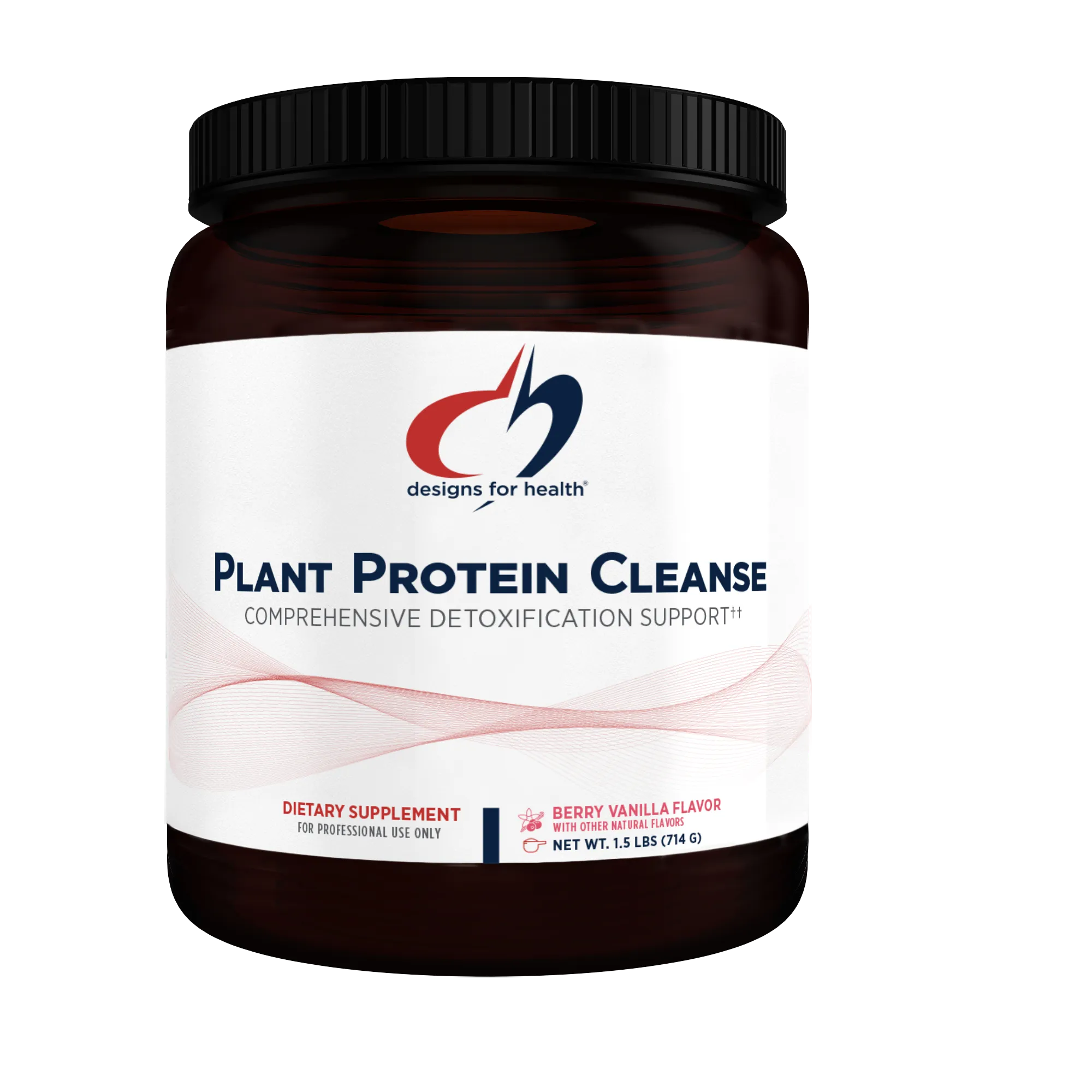
What is Plant Protein Cleanse Plus™?
The Architecture of Hepatic Biotransformation
To truly understand the value of a comprehensive detoxification support formula like Plant Protein Cleanse Plus, we must first explore the extraordinary biochemical machinery of the human liver. Every single day, over 550 gallons of blood pass through the liver, carrying a heavy load of endogenous metabolic waste (such as excess hormones, cellular debris, and neurotransmitter byproducts) and exogenous xenobiotics (such as environmental pollutants, heavy metals, medications, and dietary toxins). The vast majority of these toxic compounds are lipophilic, meaning they are fat-soluble. Because they are fat-soluble, they cannot be easily excreted in watery fluids like urine or sweat; instead, they tend to accumulate in the body's adipose (fat) tissues and cellular membranes, including the lipid-rich environment of the brain.
To safely remove these dangerous lipophilic substances, the liver utilizes a highly sophisticated, sequential enzymatic system primarily categorized into Phase I and Phase II detoxification, followed by a final Phase III excretion process. This is not a passive filtration system like a sieve; it is an active, energy-intensive process of chemical biotransformation. The liver must physically alter the molecular structure of toxins to make them hydrophilic (water-soluble) so they can be safely flushed out of the body. This intricate dance requires a massive, continuous supply of specific vitamins, minerals, and amino acids to function correctly. When these nutrients are depleted, the entire system grinds to a halt, leading to systemic toxicity.
Phase I Detoxification: The Cytochrome P450 System
The first step in this metabolic assembly line is Phase I detoxification, which is almost exclusively governed by the Cytochrome P450 (CYP450) superfamily of enzymes. Located primarily in the membranes of the liver cells, these enzymes alter the chemical structure of a fat-soluble toxin by adding or exposing a reactive functional group, such as a hydroxyl, carboxyl, or amino group. They achieve this through five primary chemical reactions: oxidation, reduction, hydrolysis, hydration, and dehalogenation. While Phase I successfully makes the molecule slightly more water-soluble, it comes with a massive biological catch.
The biotransformation process of Phase I frequently creates a highly reactive intermediate molecule known as a Reactive Oxygen Species (ROS) or a free radical. Paradoxically, these intermediate metabolites are often vastly more toxic, volatile, and damaging to DNA and cellular proteins than the original toxin that entered the liver. Because these highly reactive intermediates can cause severe oxidative stress and tissue damage, they must be rapidly ushered into the next phase of detoxification. Phase I pathways heavily rely on nutrient cofactors, including B-vitamins (riboflavin, niacin, folate, B12), vitamin C, and zinc, to keep the enzymes functioning and to protect the liver tissues from localized oxidative damage during the biotransformation process.
Phase II Conjugation and Phase III Elimination
Phase II detoxification is the true neutralizing step of the liver's filtration system. It takes the highly reactive, dangerous intermediates generated by Phase I and completely disarms them. Phase II utilizes specific enzymes called transferases to attach (or "conjugate") large, water-soluble, endogenous molecules to the reactive sites created during Phase I. This conjugation process drastically reduces the toxicity of the compound and makes it highly water-soluble. There are six primary Phase II conjugation pathways: glucuronidation, sulfation, glutathione conjugation, methylation, acetylation, and amino acid conjugation. Each of these pathways requires specific nutritional substrates, such as sulfur, glycine, glutamine, and the master antioxidant, glutathione.
Once a toxin has been successfully functionalized in Phase I and conjugated in Phase II, it enters Phase III: Elimination. This phase relies on ATP-binding cassette (ABC) efflux transporters that physically pump the neutralized, water-soluble waste out of the liver cells. The conjugates are transported either into the bloodstream, where they travel to the kidneys to be filtered and excreted in urine, or they are pumped into the bile. Bile is then released into the gastrointestinal tract, where the neutralized toxins are bound to dietary fiber and eventually eliminated from the body in feces. If any step in this three-phase process is compromised, toxins are reabsorbed into the bloodstream, triggering systemic inflammation and cellular dysfunction.
How Chronic Illness Disrupts Detoxification and Energy Systems
The Overwhelming Burden of Viral Persistence
For patients navigating the complex realities of Long COVID, ME/CFS, and related chronic illnesses, the liver's detoxification pathways are frequently pushed past their absolute limits. The initial viral infection—such as SARS-CoV-2 or Epstein-Barr Virus (EBV)—places an immense, unprecedented burden on the immune system and cellular metabolism. As the immune system battles the virus, it generates massive amounts of inflammatory cytokines and oxidative stress. To protect the body from this inflammatory storm, the liver rapidly consumes its stores of antioxidants, particularly glutathione. Studies on hospitalized COVID-19 patients have demonstrated severe, systemic glutathione deficiency, accompanied by elevated markers of oxidative tissue damage across all age groups.
When glutathione is depleted, a catastrophic bottleneck occurs in the liver. Phase I detoxification continues to break down toxins, generating highly dangerous, reactive intermediate metabolites. However, because Phase II detoxification lacks the necessary glutathione and amino acids to neutralize these intermediates, the process stalls. The liver becomes flooded with toxic free radicals. This "see-saw" effect—where Phase I is hyperactive but Phase II is sluggish—results in severe localized liver inflammation and the release of neurotoxic metabolites back into the systemic circulation. This toxic spillover is widely believed to be a primary driver of the profound neurological symptoms, such as debilitating brain fog and cognitive impairment, experienced by Long COVID patients.
Mitochondrial Failure and ATP Depletion
The accumulation of reactive oxidative species does not just cause inflammation; it directly assaults the mitochondria, the microscopic powerhouses responsible for generating adenosine triphosphate (ATP), the energy currency of the cell. In ME/CFS and Long COVID, research has identified significant mitochondrial dysfunction, characterized by structural abnormalities, swollen membranes, and disrupted electron transport chains. Free radicals generated by stalled liver detoxification tear through mitochondrial membranes in a process called lipid peroxidation, crippling the cell's ability to produce energy.
This creates a devastating, self-perpetuating cycle. Phase II liver detoxification is highly ATP-dependent; it requires massive amounts of cellular energy to attach conjugate molecules to toxins. A landmark 7-year study published in PLOS One investigating the biotransformation profiles of women with ME/CFS found that Phase II conjugation pathways (specifically glucuronidation and glycination) were heavily upregulated and working in overdrive. Because Phase II is so energy-intensive, this continuous over-activation drains the body's already compromised ATP reserves. The liver essentially steals energy from the muscles and the brain just to keep the body from succumbing to toxicity, leading directly to the profound exhaustion and post-exertional malaise (PEM) that define these conditions.
Gut Dysbiosis and Enterohepatic Recirculation
The impact of chronic illness on detoxification extends beyond the liver and into the gastrointestinal tract. Many patients with Long COVID and dysautonomia suffer from severe gut dysbiosis—an imbalance of the intestinal microbiome—and slowed gastric motility. When the liver successfully neutralizes a toxin via Phase II glucuronidation and sends it into the gut via bile, it is supposed to be excreted in the stool. However, pathogenic gut bacteria produce an enzyme called beta-glucuronidase. This enzyme acts like a pair of biological scissors, cutting the chemical bond between the toxin and its neutralizing conjugate.
Once the bond is broken, the toxin or excess hormone (such as estrogen) is no longer water-soluble. It is reabsorbed through the intestinal lining and sent right back to the liver—a highly damaging process known as enterohepatic recirculation. This forces the liver to process the exact same toxin multiple times, further depleting ATP and glutathione. In conditions like mast cell activation syndrome (MCAS), this constant recirculation of toxins keeps the immune system in a state of hyper-vigilance, causing mast cells to continuously degranulate and release histamine, leading to unpredictable, systemic allergic reactions and widespread pain.
Plant Protein Cleanse Plus: Supporting Detoxification and Cellular Repair
Fueling Phase II Conjugation with Amino Acids
Plant Protein Cleanse Plus is engineered to directly address the metabolic bottlenecks that plague patients with complex chronic illnesses. The foundation of this formula is 17 grams of organic, highly bioavailable pea protein isolate. Unlike trendy, low-protein "juice cleanses" that actually suppress Cytochrome P450 enzyme activity, this formula recognizes that detoxification is an amino acid-dependent process. Pea protein supplies a comprehensive profile of essential amino acids—including glycine, glutamine, and taurine—that are the literal building blocks required for Phase II conjugation pathways. By providing a steady stream of these amino acids, the formula ensures that the liver has the raw materials it needs to bind and neutralize the dangerous reactive intermediates generated by Phase I.
Furthermore, the formula is fortified with specific, targeted amino acid derivatives to rebuild the body's antioxidant defenses. It contains N-Acetyl-L-Cysteine (NAC) and L-Glutathione. NAC is the critical, rate-limiting precursor to glutathione production. By supplying both the precursor and the active master antioxidant itself, the formula rapidly replenishes the liver's depleted glutathione stores. This is vital for quenching the severe oxidative stress and lipid peroxidation that damages mitochondria in Long COVID and ME/CFS patients. Restoring glutathione allows the stalled Phase II pathways to resume function, clearing the neurotoxic backlog that contributes to severe brain fog and cognitive fatigue.
Securing Elimination with Calcium D-Glucarate
One of the most sophisticated mechanisms in Plant Protein Cleanse Plus is its inclusion of Calcium D-Glucarate (CDG) to combat enterohepatic recirculation. As discussed earlier, the gut enzyme beta-glucuronidase can sever the bond between a neutralized toxin and its conjugate, allowing the toxin to be reabsorbed into the bloodstream. When ingested, Calcium D-Glucarate metabolizes in the stomach into its active compound, D-glucaro-1,4-lactone. Extensive research demonstrates that this compound is a highly potent, direct inhibitor of beta-glucuronidase.
By inhibiting this problematic gut enzyme, Calcium D-Glucarate ensures that toxins, environmental chemicals, and excess hormones (particularly estrogen) remain securely bound to their water-soluble conjugates. This allows them to be safely and permanently excreted in the stool. For patients dealing with estrogen dominance, severe PMS, or the histamine-liberating effects of excess estrogen in MCAS, CDG provides a critical mechanism for clearing hormonal backlog and reducing systemic inflammatory triggers. It essentially locks the back door of the digestive tract, ensuring that the liver's hard work during Phase II detoxification is not undone in the gut.
Binding Toxins and Supporting Cholesterol with Glucomannan
To further support the gastrointestinal elimination of toxins, the formula includes 500 mg of Glucomannan, an exceptionally viscous, water-soluble dietary fiber sourced from the konjac root. When glucomannan enters the watery environment of the digestive tract, it forms a thick, bulky gel. This gel acts as a physical binder, trapping bile acids that are laden with the toxins processed by the liver. Because the bile acids are sequestered within this highly viscous gel, they cannot be reabsorbed through the intestinal wall and are efficiently swept out of the body in the feces.
This mechanism has profound secondary benefits for cardiovascular and metabolic health. Because glucomannan forces the excretion of bile acids, the liver must synthesize new ones to replace them. To do this, the liver upregulates the expression of the CYP7A1 enzyme and increases its surface LDL receptors, actively pulling circulating cholesterol out of the bloodstream to use as a building block for new bile. A landmark 2017 meta-analysis pooling data from 12 randomized controlled trials confirmed that glucomannan effectively reduces LDL (bad) cholesterol by an average of 10%. This provides crucial metabolic support for patients experiencing dyslipidemia as a consequence of chronic inflammation.
Mitochondrial and Mast Cell Support
Beyond liver and gut detoxification, Plant Protein Cleanse Plus targets the specific cellular dysfunctions seen in complex chronic illness. The inclusion of 500 mg of L-Carnitine provides direct support for mitochondrial energy production. L-Carnitine is the essential transport molecule that shuttles long-chain fatty acids across the inner mitochondrial membrane, where they can be oxidized to produce ATP. By facilitating this cellular fuel delivery, L-Carnitine helps combat the profound, cellular-level exhaustion and post-exertional malaise characteristic of ME/CFS.
Additionally, the formula contains 100 mg of Quercetin, a powerful bioflavonoid renowned for its ability to stabilize mast cell membranes. In patients with MCAS, mast cells are hyper-reactive, constantly degranulating and releasing histamine in response to minor triggers. Quercetin inhibits the release of histamine and other inflammatory cytokines, providing a stabilizing effect on the immune system. Combined with the formula's high-ORAC proprietary blend of antioxidant-rich vegetable and fruit powders (spinach, beet, pomegranate), Plant Protein Cleanse Plus offers a multi-targeted approach to quenching systemic inflammation, protecting cellular integrity, and restoring metabolic balance.

Symptoms Plant Protein Cleanse Plus May Help Manage
Debilitating Brain Fog and Cognitive Impairment: By supplying NAC and glutathione, the formula helps clear the backlog of neurotoxic intermediate metabolites that cross the blood-brain barrier, reducing neuroinflammation and supporting mental clarity.
Profound Fatigue and Post-Exertional Malaise (PEM): L-Carnitine directly supports the transport of fatty acids into the mitochondria for ATP energy production, while the reduction of systemic oxidative stress prevents the liver from draining the body's energy reserves during Phase II detoxification.
Unpredictable Allergic Reactions and Histamine Intolerance: Quercetin acts as a natural mast cell stabilizer, inhibiting the release of histamine, while Calcium D-Glucarate helps clear excess estrogen, a known trigger for mast cell degranulation in MCAS patients.
Digestive Sluggishness and Constipation: The highly viscous glucomannan fiber promotes healthy bowel regularity, ensuring that toxins bound in bile are efficiently excreted rather than sitting in the colon and causing discomfort.
Hormonal Imbalances and Estrogen Dominance: Calcium D-Glucarate inhibits the beta-glucuronidase enzyme in the gut, preventing the reabsorption of metabolized estrogen and supporting healthy hormone clearance.
Elevated Cholesterol and Dyslipidemia: Glucomannan physically traps bile acids in the gut, forcing the liver to pull circulating LDL cholesterol from the bloodstream to synthesize new bile, thereby supporting healthy lipid profiles.
Practical Considerations: Bioavailability, Timing, and Interactions
Optimized Bioavailability and Active Nutrient Forms
When managing complex chronic conditions, the body often lacks the cellular energy required to convert cheap, synthetic vitamins into their biologically active forms. Designs for Health formulates Plant Protein Cleanse Plus with a strict "Science First" philosophy, ensuring that every micronutrient is provided in its most bioavailable, ready-to-use state. For example, the formula utilizes active B-vitamins, including Folate as Quatrefolic® (5-MTHF) and Vitamin B12 as Methylcobalamin. This is particularly crucial for the estimated 55% of the population with MTHFR genetic variations, who cannot properly metabolize synthetic folic acid. By providing pre-methylated B-vitamins, the formula bypasses this genetic bottleneck, immediately supporting the methylation pathways of Phase II detoxification.
The mineral profile is equally sophisticated, utilizing patented TRAACS® (The Real Amino Acid Chelate System) technology. Minerals like magnesium, zinc, and selenium are bound (chelated) to amino acids like bisglycinate. This chelation process mimics the natural structure of food, allowing the minerals to easily pass through the intestinal wall without causing the gastrointestinal distress, cramping, or osmotic diarrhea frequently associated with cheap mineral salts like magnesium oxide. This ensures that the essential cofactors required for Cytochrome P450 enzyme function are actually absorbed into the bloodstream.
Dosing, Timing, and Program Integration
For daily, continual liver and GI support, the suggested use is mixing one scoop (approximately 37 grams) into 8 ounces of water or a dairy-free beverage of your choice. Because the formula contains 17 grams of protein and a robust fiber profile, it is highly satiating and can be used as a meal replacement or a nutrient-dense snack. To maintain stable blood sugar and provide a continuous supply of amino acids to the liver, it is recommended to consume the shake at a consistent time each day. The powder is naturally flavored with a berry-vanilla profile and sweetened with a PhytoSweet® blend (stevia extract), ensuring it does not cause the glycemic spikes that can trigger systemic inflammation.
Plant Protein Cleanse Plus is also frequently utilized as the foundational component of practitioner-guided 14-Day or 21-Day Detox Programs. During these intensive protocols, patients typically consume the shake twice a day alongside specific encapsulated supplements (like Amino-D-Tox™) and a clean, restricted diet. It is important to note that when beginning any comprehensive liver support protocol, some patients may experience mild, temporary "die-off" or Herxheimer reactions. As the liver begins to mobilize and clear stored toxins, you may experience temporary fatigue, mild headaches, or changes in digestion. Staying aggressively hydrated is critical during this time to help flush the mobilized waste through the kidneys and bowels.
Potential Interactions and Contraindications
Because Plant Protein Cleanse Plus actively modulates hepatic Cytochrome P450 enzymes and contains concentrated botanical extracts, there are several important interactions to consider. The formula contains Green Tea Extract (standardized to 45% EGCg) and Quercetin, both of which are potent flavonoids that can influence blood coagulation and liver metabolism. Individuals taking prescription blood thinners (anticoagulants) or anti-platelet medications should consult their physician before use, as these botanicals may amplify the effects of the medication.
Additionally, because the formula provides a high dose of active folate (5-MTHF), it may interact with medications designed to antagonize folate, such as methotrexate, which is occasionally used in autoimmune conditions. While the product is rigorously tested to be free of dairy, gluten, and soy, it relies heavily on organic pea protein. Individuals with severe, anaphylactic allergies to peanuts or other legumes should exercise caution, as cross-reactivity can occasionally occur. As always, pregnant or nursing individuals should avoid intensive detoxification protocols due to the risk of mobilizing stored toxins into fetal circulation or breast milk.

Follow the Science: Clinical Evidence and Research
Clinical Evidence for Phase II Upregulation
The scientific rationale behind Plant Protein Cleanse Plus is deeply rooted in clinical literature evaluating its individual components and their impact on metabolic detoxification. The necessity of supporting Phase II conjugation in chronic fatigue states was highlighted in a comprehensive 7-year metabolomics study published in PLOS One. Researchers challenged the hepatic detoxification pathways of 576 women with ME/CFS and discovered that their Phase II pathways (specifically glucuronidation) were heavily upregulated, draining cellular ATP and driving profound fatigue. This data underscores the critical need to supply the liver with exogenous amino acids and glutathione precursors—like the NAC and pea protein found in this formula—to prevent the depletion of endogenous energy reserves during active detoxification.
The vital role of glutathione restoration has been further validated in recent post-viral research. A study evaluating hospitalized COVID-19 patients revealed severe, systemic intracellular glutathione deficiency coupled with massive oxidative tissue damage. By supplying L-Glutathione and NAC, Plant Protein Cleanse Plus directly targets this documented deficiency, providing the exact molecular substrates required to quench viral-induced oxidative stress and reboot stalled liver filtration pathways.
Validating Glucomannan and Calcium D-Glucarate
The cardiovascular and gastrointestinal benefits of glucomannan are supported by robust, high-level clinical evidence. A landmark 2017 systematic review and meta-analysis conducted by the University of Toronto pooled data from 12 randomized controlled trials. The researchers concluded that daily supplementation with roughly 3 grams of konjac glucomannan yields highly consistent, clinically significant reductions in atherogenic cholesterol, lowering LDL levels by an average of 10%. This confirms glucomannan's physical mechanism of trapping bile acids in the gut, forcing the liver to metabolize circulating cholesterol.
Similarly, the mechanism of Calcium D-Glucarate (CDG) in preventing enterohepatic recirculation is well-documented in biochemical literature. A recent 2023 human biomarker study published in PharmaNutrition evaluated an 8-week liver support regimen containing CDG. The researchers observed statistically significant increases in urinary D-glucaric acid and mercapturic acid levels across participants, confirming an adaptive upregulation of endogenous detoxification pathways and the enhanced, successful clearance of harmful compounds from the body.
The Path Forward: Restoring Metabolic Balance
Living with a complex chronic illness like Long COVID, ME/CFS, or dysautonomia often feels like an endless battle against your own biology. When your body's natural filtration systems are overwhelmed by viral persistence and oxidative stress, the resulting toxicity can amplify every symptom, from brain fog to profound exhaustion. It is entirely validating to recognize that your symptoms are not a personal failure; they are the result of measurable, biochemical bottlenecks in your liver and cellular energy pathways. By understanding these mechanisms, you can begin to take targeted, strategic steps toward restoring your metabolic balance.
While no single supplement is a cure for complex chronic conditions, providing your body with the precise molecular tools it needs to clear toxic backlog is a foundational step in any comprehensive management plan. Plant Protein Cleanse Plus offers a clinical-grade, synergistic blend of amino acids, antioxidants, and specialized fibers designed to safely upregulate Phase II detoxification, protect your mitochondria, and ensure toxins are permanently eliminated from your system. When combined with careful pacing, symptom tracking, and guidance from a knowledgeable healthcare provider, targeted nutritional support can help lift the toxic burden, allowing your body to shift its energy away from crisis management and back toward cellular repair and healing.
Disclaimer: The information provided in this blog is for educational purposes only and is not intended to diagnose, treat, cure, or prevent any disease. Always consult with your healthcare provider before starting any new supplement regimen, especially if you are taking prescription medications or have a complex chronic medical condition.