Can Targeted Liver Detox Support Help Manage Long COVID and Chronic Illness Symptoms?
March 6, 2026
Plant Protein Cleanse PlusLong COVIDME/CFS
Share:
Disclaimer: The information provided here is for educational purposes only and is not intended as medical advice. It should not be used to diagnose, treat, cure, or prevent any medical condition. Instead, use it as a starting point for discussion with your healthcare provider. Always consult with a qualified healthcare provider before starting any new medication, supplement, device, or making changes to your health regimen.
Months or even years after an initial viral infection, many individuals find themselves trapped in a cycle of debilitating fatigue, brain fog, and chemical sensitivities. When standard blood tests come back "normal," it can be incredibly frustrating to explain to friends, family, and even medical professionals that your body feels fundamentally poisoned. For patients living with Long COVID, myalgic encephalomyelitis/chronic fatigue syndrome (ME/CFS), and mast cell activation syndrome (MCAS), this sensation is not in their heads—it is often rooted in profound cellular dysfunction and metabolic gridlock.
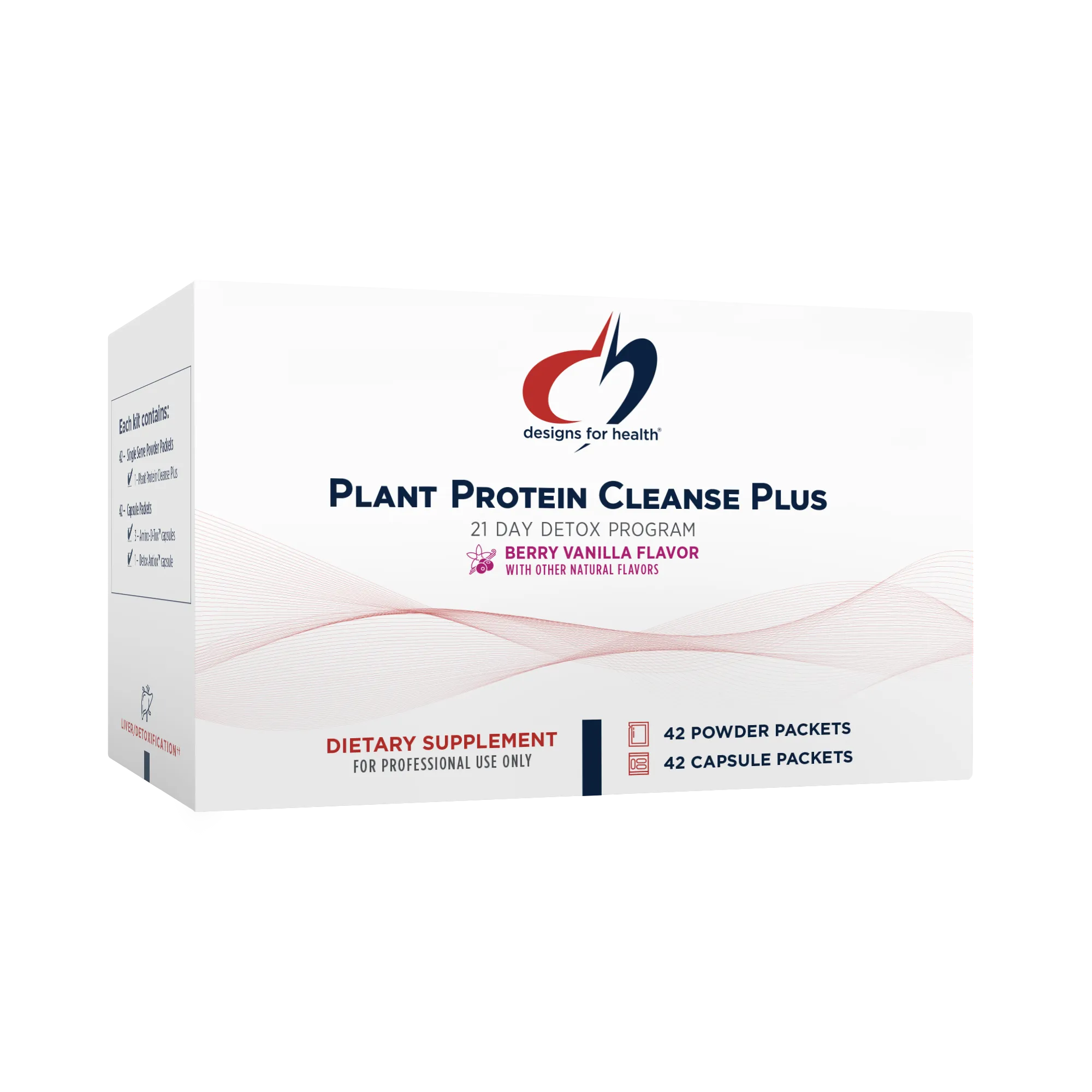
One of the most critical, yet frequently overlooked, aspects of complex chronic illness is the body's ability to clear metabolic waste and environmental toxins. When the liver's intricate detoxification pathways become overwhelmed by viral debris, chronic inflammation, and severe oxidative stress, the resulting "toxic bottleneck" can drive a cascade of systemic symptoms. The Plant Protein Cleanse Plus Detox Program by Designs for Health is designed to address this exact mechanism, providing a comprehensive blend of targeted amino acids, antioxidants, and botanical extracts to support the body's natural clearance processes.
What is the Plant Protein Cleanse Plus Detox Program?
The Foundation of Metabolic Detoxification
In the context of functional medicine, detoxification is not a temporary juice cleanse or a passing wellness trend; it is a rigorous, continuous biochemical necessity. The liver serves as the body’s primary filtration system, responsible for processing both endogenous metabolic waste (such as excess hormones and cellular debris) and exogenous toxins (such as environmental pollutants, pharmaceuticals, and dietary chemicals). To safely neutralize and excrete these potentially harmful, fat-soluble substances, the liver relies on two highly nutrient-dependent metabolic stages known as Phase I and Phase II detoxification.
Phase I, also known as the activation phase, is initiated by a family of 50 to 100 enzymes known as the Cytochrome P450 (CYP450) system. Through complex chemical reactions including oxidation, reduction, and hydrolysis, these enzymes begin breaking down fat-soluble toxins into intermediate metabolites. This process requires a robust supply of B-vitamins, including riboflavin, niacin, and pyridoxine, alongside essential trace minerals like zinc and copper to maintain optimal enzymatic activity. Without these foundational nutrients, the CYP450 enzymes cannot properly initiate the clearance process.
However, Phase I detoxification presents a significant biological challenge. The transformation process inherently generates a massive amount of reactive oxygen species (ROS) and free radicals. In many cases, the intermediate metabolites created during Phase I are actually more toxic and highly reactive than the original substances that entered the liver. Therefore, a constant, robust supply of cellular antioxidants is absolutely critical to quench these free radicals and prevent severe tissue damage and lipid peroxidation within the liver itself.
The Role of Plant Protein and Amino Acids
Once Phase I has activated the toxins, the liver must immediately transition to Phase II, known as the conjugation phase. To neutralize the highly reactive intermediates, the liver attaches—or conjugates—specific molecules to them. This crucial step alters the chemical structure of the toxins, rendering them water-soluble, stable, and ready for safe excretion from the body via urine, bile, or sweat. Phase II consists of six primary pathways: glutathione conjugation, amino acid conjugation, methylation, sulfation, glucuronidation, and acetylation.
The efficiency of Phase II conjugation is profoundly dependent on a steady supply of specific amino acids. For example, the amino acid conjugation pathway relies heavily on glycine, taurine, and glutamine to clear food preservatives and environmental chemicals. Similarly, the sulfation pathway, which eliminates steroid hormones and certain medications, requires sulfur-containing amino acids like methionine and cysteine. If the body is deficient in these building blocks, Phase II slows down, leading to a dangerous backup of toxic intermediates.
This is precisely why the Plant Protein Cleanse Plus Detox Program is built upon a foundation of 17 grams of high-quality plant-based protein. By providing a comprehensive amino acid profile, the protein ensures that the liver has the structural nitrogen and carbon backbones required to keep all six Phase II conjugation pathways running smoothly. Unlike fasting-based detoxes that can actually starve the liver of these necessary compounds, a protein-supported approach ensures that the metabolic machinery has the fuel it needs to function safely.
Targeted Antioxidants and Botanical Extracts
Beyond basic amino acids, optimal liver function requires targeted botanical modulators to maintain the delicate balance between Phase I and Phase II. If Phase I operates too quickly while Phase II is sluggish—a condition often referred to as pathological detoxification—the resulting bottleneck of reactive intermediates can cause severe oxidative stress and trigger systemic inflammation. Botanical extracts act as "bifunctional modulators," helping to synchronize the speed of these two phases.
The Plant Protein Cleanse Plus formula incorporates a Veggie/Fruit Proprietary Blend alongside specific botanical extracts like Green Tea Extract, which is standardized to contain 95% polyphenols and 45% EGCg. These polyphenols have been shown to favorably alter gene expression, specifically activating the Nrf2 genetic pathway. This pathway acts as a master regulator of the body's antioxidant response, upregulating the production of broad-spectrum protective proteins that shield hepatocytes from damage.
Additionally, the inclusion of quercetin, a potent dietary flavonoid, helps to balance Phase I CYP450 enzymes while simultaneously supporting Phase II glucuronidation. By combining a complete plant protein base with these targeted botanical antioxidants, the program provides a holistic, scientifically grounded approach to metabolic clearance, ensuring that toxins are not merely activated, but successfully and safely eliminated from the body.
How Chronic Illness Impacts Liver Function and Detoxification
Viral Debris, Oxidative Stress, and the Liver in Long COVID
The intersection of Long COVID, liver function, and systemic oxidative stress is an emerging area of intense clinical research. We now understand that SARS-CoV-2 does not merely cause a temporary acute respiratory infection; it induces lingering systemic inflammation and profound cellular oxidative stress. The liver is highly susceptible to this damage because its cells—hepatocytes and cholangiocytes—heavily express the ACE2 and TMPRSS2 receptors that the virus uses to enter and infect human tissue.
In a healthy body, the ACE2 receptor plays a vital role in protecting the liver against oxidative stress and inflammation. When the virus binds to and downregulates these receptors, this protective mechanism is lost. A 2024 systematic review demonstrated that up to 65% of Long COVID patients continue to experience elevated liver enzymes—specifically ALT, AST, and Gamma-Glutamyl Transferase (GGT)—for months or even years post-infection. This prolonged enzyme elevation is a direct biomarker of ongoing hepatic distress and structural damage.
Furthermore, the virus fundamentally disrupts mitochondrial bioenergetics within the liver. This mitochondrial dysfunction leads to an uncoupling of the electron transport chain and a massive overproduction of mitochondrial reactive oxygen species (mtROS). Because the liver's energy is entirely hijacked by this oxidative stress, its primary job of detoxification becomes severely compromised. RNA-sequencing of liver tissues from severe COVID patients has revealed a significant downregulation of Cytochrome P450 enzymes, drastically reducing the liver's capacity to metabolize drugs and clear toxins.
The Glutathione Depletion Blockade in ME/CFS
For patients living with myalgic encephalomyelitis/chronic fatigue syndrome (ME/CFS), the breakdown of liver detoxification is often tied to a profound depletion of glutathione, the body's master antioxidant. In ME/CFS, the demand for glutathione to fight systemic inflammation rapidly outpaces the body's ability to synthesize it. This depletion leads to unchecked oxidative stress, which damages mitochondria and starves the cells of the ATP energy required for normal function, directly contributing to post-exertional malaise (PEM).
The most prominent model explaining this phenomenon is the Glutathione Depletion-Methylation Cycle Block (GD-MCB) hypothesis. This model suggests that a severe initial stressor—such as a viral infection—causes a massive spike in oxidative stress, using up the body's glutathione reserves. Because glutathione synthesis is intimately tied to the body's methylation cycle, this depletion causes a structural enzyme block. The patient becomes trapped in a vicious cycle: they cannot produce glutathione because their methylation cycle is blocked, and the cycle remains blocked because they have no glutathione to control the oxidative stress.
Because ME/CFS patients are severely depleted of glutathione, Phase II liver detoxification—specifically the glutathione conjugation pathway—slows down or becomes entirely blocked. Metabolic profiling studies have consistently shown that ME/CFS patients exhibit significant metabolic abnormalities, including elevated reactive oxygen species and dysregulated urea cycles. Consequently, highly toxic intermediates build up in the bloodstream, continuously triggering the immune system and crossing the blood-brain barrier to exacerbate neuroinflammation and cognitive dysfunction.
The Danger of Phase I and Phase II Imbalance
When chronic illnesses like Long COVID and ME/CFS disrupt these pathways, the resulting imbalance between Phase I and Phase II detoxification creates a highly toxic internal environment. If Phase I continues to activate toxins, but Phase II lacks the amino acids and glutathione required to conjugate them, the intermediate metabolites accumulate in the hepatic tissues. These intermediates are often highly reactive free radicals that cause lipid peroxidation, damaging the cellular membranes of the liver itself.
This metabolic gridlock is further complicated by gut dysbiosis, a common feature of complex chronic conditions. When the gut barrier becomes permeable (leaky gut), endotoxins and lipopolysaccharides (LPS) leak into the portal vein and travel directly to the liver. This constant influx of bacterial toxins forces the liver to work overtime, further depleting its already scarce reserves of antioxidants and amino acids.
Understanding this pathophysiology highlights why managing symptoms of Long COVID and ME/CFS requires more than just rest. It requires active, targeted nutritional intervention to unblock the methylation cycle, restore glutathione levels, and provide the specific amino acid substrates needed to reopen the Phase II conjugation pathways. Without this foundational support, the body remains trapped in a state of chronic toxicity and inflammatory immune activation.
Plant Protein Cleanse Plus: Supporting the Detoxification Pathways
Fueling Phase II Conjugation with Specific Amino Acids
The Plant Protein Cleanse Plus Detox Program is meticulously formulated to directly address the metabolic bottlenecks seen in chronic illness. At the core of this formula is a robust supply of specific amino acids designed to fuel Phase II conjugation. The program includes 750 mg of Glycine, 125 mg of L-Cysteine, and 50 mg of L-Methionine. These are not random additions; they are the exact biochemical substrates required by the liver to process and excrete toxins.
Glycine is the primary amino acid utilized in the amino acid conjugation pathway, which is responsible for clearing environmental chemicals and food preservatives. It is also one of the three precursor amino acids required to synthesize glutathione. L-Methionine, a sulfur-containing amino acid, is the foundational building block for the methylation cycle. By supplying exogenous methionine, the formula helps to bypass the methylation blocks often seen in ME/CFS, supporting the clearance of heavy metals and excess neurotransmitters.
Furthermore, the inclusion of 100 mg of Taurine directly supports the sulfation pathway and bile acid conjugation. Taurine is essential for the formation of bile salts, which act as the physical carrier fluid that transports conjugated toxins out of the liver and into the digestive tract for elimination. By providing these specific amino acids in highly bioavailable forms, the program ensures that Phase II detoxification has the raw materials it needs to function efficiently.
Restoring the Master Antioxidant with NAC and Glutathione
To combat the severe oxidative stress and glutathione depletion characteristic of Long COVID and ME/CFS, the program includes a dual-action approach: 75 mg of N-Acetyl-L-Cysteine (NAC) and 12.5 mg of L-Glutathione. While oral glutathione provides a direct, immediate source of this master antioxidant to the gastrointestinal tract and liver, NAC serves as the crucial rate-limiting precursor for intracellular glutathione synthesis.
NAC is a highly stable form of the amino acid cysteine. Once absorbed, it readily enters the cells and provides the sulfhydryl groups necessary for the body to manufacture its own endogenous glutathione. This is particularly vital for repairing mitochondrial dysfunction. By restoring intracellular glutathione levels, NAC helps to neutralize the mitochondrial reactive oxygen species (mtROS) that drive the profound physical and cognitive fatigue seen in COVID long haulers.
Additionally, NAC possesses potent mucolytic and mild thrombolytic properties. Emerging research suggests that Long COVID fatigue may be partially driven by micro-vascular inflammation and the formation of micro-clots in the bloodstream. By supporting endothelial health and breaking down these micro-clots, NAC helps to improve oxygen delivery to oxygen-starved tissues and muscles, thereby mitigating post-exertional malaise and supporting overall cellular bioenergetics.
Hepatoprotection and Cellular Repair with Milk Thistle (Silymarin)
One of the most powerful botanical interventions in the formula is 100 mg of Milk Thistle Extract, standardized to contain 80% silymarin. Silymarin is a complex mixture of flavonolignans, with silibinin being the most biologically active component. It exerts its hepatoprotective benefits through a multifaceted functional triad: it acts as a potent antioxidant, a powerful anti-inflammatory, and an anti-fibrotic agent that protects liver tissue from structural damage.
At the molecular level, silymarin inhibits the activation of nuclear transcription factor-kappa B (NF-κB). NF-κB is a primary genetic switch that triggers the inflammatory response; by inhibiting it, silymarin blunts the production of pro-inflammatory cytokines such as TNF-α and Interleukin-6. This is incredibly beneficial for patients dealing with the chronic cytokine storms associated with Long COVID and mast cell activation syndrome.
Furthermore, silymarin actively stimulates liver regeneration. It binds to the nucleolar polymerase A (RNA polymerase I) of hepatocytes, stimulating ribosomal RNA synthesis. This leads to an increase in structural and functional protein synthesis, accelerating the repair of damaged liver cells. Clinical studies have consistently shown that silymarin prevents the depletion of glutathione during toxic liver injury and stabilizes hepatocyte cell membranes, preventing xenobiotic toxins from penetrating the cells.
Enhancing Elimination with Calcium D-Glucarate and Fiber
The final, and arguably most critical, step of detoxification is actual elimination. If toxins are conjugated by the liver but not properly excreted through the digestive tract, they can be reabsorbed into the bloodstream. To prevent this, the formula includes 150 mg of Calcium D-Glucarate USP. This compound specifically supports the glucuronidation pathway, which is responsible for processing pharmaceuticals, bilirubin, and excess steroid hormones.
In the gut, certain pathogenic bacteria produce an enzyme called beta-glucuronidase, which can break the chemical bonds formed during Phase II glucuronidation, releasing the toxins back into the body. Calcium D-Glucarate acts as a potent inhibitor of beta-glucuronidase, ensuring that conjugated toxins remain securely bound until they are safely eliminated in the stool. This mechanism is vital for patients with compromised gut microbiomes.
To further support this elimination phase, the program incorporates 500 mg of Glucomannan and 1.5 g of Cellulose. These dietary fibers act as a physical sweep within the intestines, binding to bile acids and the toxins they carry. By promoting healthy, regular bowel movements, this fiber complex ensures that the metabolic waste processed by the liver is efficiently and permanently removed from the body, completing the detoxification cycle.

Symptoms Targeted Detox Support May Help Manage
Addressing the Systemic Impact of Toxic Burden
Because impaired detoxification affects every system in the body, supporting the liver's Phase I and Phase II pathways can have profound, systemic benefits. For individuals managing complex chronic conditions, the targeted nutrients in the Plant Protein Cleanse Plus Detox Program may help alleviate a wide range of debilitating symptoms.
Profound Fatigue and Post-Exertional Malaise (PEM): By providing NAC and glutathione precursors, the formula helps neutralize mitochondrial oxidative stress. Restoring mitochondrial bioenergetics allows cells to produce ATP more efficiently, which may help raise the baseline energy envelope and reduce the severity of crashes after physical or cognitive exertion.
Cognitive Dysfunction (Brain Fog): When the liver fails to clear metabolic waste, neurotoxic intermediates can cross the blood-brain barrier, triggering microglial activation and neuroinflammation. Supporting the methylation cycle and glutathione conjugation helps clear these neurotoxins, potentially improving memory, focus, and mental clarity.
Chemical Sensitivities and MCAS Triggers: Patients with mast cell activation syndrome often react severely to environmental chemicals and strong odors. By upregulating the amino acid conjugation and sulfation pathways (via glycine, taurine, and methionine), the body becomes better equipped to process and eliminate these environmental triggers before they can cause mast cell degranulation.
Sluggish Digestion and Toxin Reabsorption: Chronic illness often involves gut dysbiosis and slow gastrointestinal motility. The inclusion of Calcium D-Glucarate prevents the reabsorption of toxins in the gut, while glucomannan and cellulose fiber promote regular bowel movements, ensuring that metabolic waste is physically eliminated rather than recirculated.
Persistent Muscle and Joint Aches: Systemic inflammation and the buildup of lactic acid and other metabolic byproducts in the tissues can cause widespread pain. By enhancing overall hepatic clearance and reducing the circulation of pro-inflammatory cytokines (aided by silymarin and quercetin), targeted detox support may help alleviate chronic musculoskeletal discomfort.
Practical Considerations: Forms, Dosing, and Absorption
Bioavailability of Chelated Minerals and Active Vitamins
When dealing with chronic illness, the digestive tract is often compromised, making the absorption of standard supplements highly inefficient. The Plant Protein Cleanse Plus Detox Program addresses this by utilizing highly bioavailable, patented forms of essential nutrients. For instance, the mineral cofactors required for Phase I and Phase II enzymes—such as magnesium, zinc, copper, and manganese—are provided as TRAACS® Bisglycinate Chelates. This chelation process binds the mineral to the amino acid glycine, allowing it to bypass normal digestive hurdles and be easily absorbed through the intestinal wall.
Similarly, the B-vitamins included in the formula are provided in their active, methylated forms. This is crucial for patients with MTHFR genetic mutations or those experiencing the methylation cycle blocks common in ME/CFS. The formula utilizes Quatrefolic® ([6S]-5-methyltetrahydrofolate) instead of synthetic folic acid, and Methylcobalamin instead of cyanocobalamin for Vitamin B12. By providing these vitamins in their pre-converted, active states, the body can immediately utilize them to support the methylation detoxification pathway without expending additional cellular energy.
The antioxidant blend also features advanced absorption technologies. The Vitamin E is provided as DeltaGold®, containing delta- and gamma-tocotrienols derived from the annatto seed. Tocotrienols are significantly more potent antioxidants than standard tocopherols, offering superior protection against lipid peroxidation in the liver cell membranes. This attention to bioavailability ensures that the nutrients actually reach the hepatic tissues where they are desperately needed.
Optimal Timing and Dietary Integration
The program is designed as a comprehensive system, containing both single-serving drink mix packets (Plant Cleanse Plus) and capsule packets (Amino-D-Tox™ and Detox Antiox™). The suggested use is to consume one drink packet and one capsule packet twice per day. Because the drink mix contains 17 grams of plant protein and 4 grams of dietary fiber, it is best consumed mixed with water or a low-sugar, dairy-free milk alternative, and can serve as a supportive nutritional base alongside a balanced meal.
When undertaking any detoxification support protocol, hydration is absolutely paramount. The liver converts fat-soluble toxins into water-soluble compounds during Phase II conjugation, but these compounds still require adequate fluid volume to be flushed through the kidneys and excreted in the urine. Patients should aim to drink significant amounts of filtered water throughout the day while using this program to facilitate this final elimination step.
Additionally, the program includes a detailed guidebook with sample menus and optimal food choices. To maximize the benefits of the supplement, patients should focus on a diet rich in cruciferous vegetables (like broccoli and Brussels sprouts), which naturally contain sulforaphane to further induce Phase II enzymes. Conversely, minimizing the intake of alcohol, processed sugars, and unnecessary over-the-counter medications will reduce the baseline toxic burden on the liver, allowing the supplement to focus on clearing chronic metabolic waste.
Safety, Tolerability, and Potential Interactions
While the Plant Protein Cleanse Plus program is formulated to be gentle and supportive, patients with complex chronic illnesses should always approach new supplements with care. Because this product actively upregulates detoxification pathways, some individuals may experience a temporary "Herxheimer reaction" or a mild exacerbation of symptoms as stored toxins are mobilized. To mitigate this, practitioners often recommend starting with a half-dose (one packet per day) and slowly titrating up to the full recommended dosage as tolerated.
The inclusion of Milk Thistle (silymarin) and Green Tea Extract is generally recognized as highly safe and well-tolerated. However, because silymarin can modulate Cytochrome P450 enzymes, it may interact with the metabolism of certain prescription medications, potentially altering their blood concentrations. Patients taking narrow-therapeutic-index drugs, such as certain anti-arrhythmics or immunosuppressants, should exercise caution.
Furthermore, the formula contains 250 mg of Vitamin C and 75 mg of NAC per serving. While these are excellent antioxidants, individuals with a history of severe histamine intolerance or specific sulfur sensitivities (often seen in severe MCAS) should monitor their symptoms closely, as sulfur-containing compounds can occasionally trigger sensitivities in highly reactive individuals. Always consult with a healthcare provider before beginning any comprehensive detoxification program.

Follow the Science: Clinical Evidence for Detox Nutrients
N-Acetylcysteine (NAC) in Long COVID Clinical Trials
The clinical evidence supporting the use of specific nutrients for chronic illness recovery has grown exponentially in recent years. N-acetylcysteine (NAC), a key component of the Plant Protein Cleanse Plus formula, has been the subject of rigorous clinical trials for Long COVID fatigue. One of the most notable is the AXA1125 Phase 2a clinical trial conducted by researchers at the University of Oxford. This randomized, double-blind, placebo-controlled study evaluated a patented combination of NAC and specific amino acids in 41 patients with fatigue-dominant Long COVID.
The results of the Oxford trial were highly compelling. Patients taking the NAC-amino acid combination experienced a statistically significant reduction in both physical and mental fatigue compared to the placebo group. Nearly 71% of the treated patients reported profound improvements in physical fatigue, and they demonstrated increased endurance during a 6-minute walk test. The researchers concluded that supplying the body with NAC and amino acids helps repair mitochondrial dysfunction and restores cellular bioenergetics.
Additionally, researchers at Yale University have explored the use of NAC for treating Long COVID cognitive dysfunction, commonly known as "brain fog." In a published clinical cohort study, patients were treated with 600 mg of NAC alongside Guanfacine. The study found that 67% of the patients reported substantial benefits, including the near-complete resolution of brain fog, improved memory, and elevated energy levels, further validating NAC's ability to combat neuroinflammation and oxidative stress.
Silymarin's Efficacy in Liver Health and Inflammation
Milk thistle extract, standardized to silymarin, is one of the most extensively researched botanical compounds in the field of hepatology. Its efficacy in protecting the liver from oxidative damage and fibrotic scarring has been demonstrated in numerous clinical trials. A rigorous 48-week randomized, double-blind, placebo-controlled trial evaluated the use of high-dose silymarin in patients with biopsy-proven Non-Alcoholic Steatohepatitis (NASH), a condition characterized by severe liver inflammation and fat accumulation.
The trial revealed that a significantly larger proportion of patients in the silymarin group experienced a measurable improvement in liver fibrosis (22.4%) compared to the placebo group (6.0%), based on histological biopsies. Furthermore, silymarin improved liver stiffness measurements as recorded by ultrasound imaging. These findings highlight silymarin's potent anti-fibrotic properties and its ability to interrupt the cell-signaling pathways that cause structural damage to the liver.
Beyond fatty liver disease, silymarin has been shown to be a highly effective adjunctive therapy for reducing systemic inflammation. By inhibiting the NF-κB transcription factor, silymarin actively suppresses the release of pro-inflammatory cytokines. For patients with Long COVID and ME/CFS, who often suffer from persistent immune activation and cytokine storms, this targeted anti-inflammatory action provides crucial support for the liver's delicate cellular architecture.
Metabolic Profiling and Detoxification in ME/CFS
The connection between chronic fatigue and impaired detoxification is strongly supported by advanced metabolomic research. A landmark 2016 study published in PNAS performed comprehensive metabolic profiling on patients with ME/CFS. The researchers discovered that these patients exist in a profound hypometabolic state, characterized by significant abnormalities in energy metabolism, sphingolipids, and purines. This state closely mimics the "dauer" survival state seen in certain organisms under extreme environmental stress.
Crucially, the study highlighted severe disruptions in the pathways related to oxidative stress and amino acid metabolism. The researchers noted elevated levels of reactive oxygen species biomarkers and dysregulation in the urea cycle, indicating that the body's natural clearance mechanisms were failing. This metabolic gridlock forces the body to rely on inefficient energy production methods, directly contributing to the debilitating fatigue experienced by patients.
Further research utilizing hepatic detoxification challenges has shown that while Phase I detox may remain functional in chronic fatigue patients, there are significant alterations and compensatory shifts in the Phase II conjugation pathways. These clinical findings underscore the necessity of providing targeted nutritional support—such as the specific amino acids, NAC, and glutathione found in the Plant Protein Cleanse Plus program—to unblock these pathways and restore normal metabolic function.
The Path Forward
A Comprehensive Approach to Chronic Illness
Living with a complex chronic condition like Long COVID, ME/CFS, or dysautonomia is an incredibly challenging journey. When your body's fundamental systems—like mitochondrial energy production and hepatic detoxification—are compromised, there is rarely a single "magic pill" that will resolve all symptoms overnight. Instead, healing requires a comprehensive, multi-layered approach that addresses the root causes of cellular dysfunction while respecting the body's fragile energy limits.
The Plant Protein Cleanse Plus Detox Program is designed to be a powerful tool within this broader management strategy. By providing the exact biochemical substrates needed to unblock Phase II conjugation, restore glutathione levels, and protect liver tissue from oxidative stress, it helps lift the toxic burden that perpetuates systemic inflammation. However, this nutritional support should always be combined with aggressive pacing, careful symptom tracking, and the guidance of a knowledgeable healthcare provider who understands the nuances of living with long-term COVID.
Validating Your Experience
If you are struggling with profound fatigue, brain fog, and a body that feels like it is constantly fighting itself, it is important to know that your symptoms are valid, physiological, and rooted in real biochemical disruptions. The inability to clear metabolic waste is a documented, scientifically proven feature of these illnesses. You are not simply "tired"—your cells are battling a severe metabolic gridlock.
By taking proactive steps to support your liver's detoxification pathways, you are providing your body with the essential tools it needs to begin repairing the damage. While the path forward may be slow and require patience, targeted nutritional interventions offer a scientifically grounded beacon of hope for improving your baseline health and reclaiming your quality of life.