Can Plant Protein Help Manage Muscle Weakness and Fatigue in Long COVID and ME/CFS?
March 6, 2026
Plant ProteinLong COVIDME/CFS
Share:
Disclaimer: The information provided here is for educational purposes only and is not intended as medical advice. It should not be used to diagnose, treat, cure, or prevent any medical condition. Instead, use it as a starting point for discussion with your healthcare provider. Always consult with a qualified healthcare provider before starting any new medication, supplement, device, or making changes to your health regimen.
For many individuals living with complex chronic illnesses, the physical sensation of fatigue goes far beyond mere tiredness. It is often described as a profound, crushing heaviness—a feeling as though your limbs have been filled with lead, making even the simple act of walking to the kitchen feel like wading through wet concrete. If you have been told that this profound muscle weakness is simply the result of "deconditioning" or spending too much time resting, it is crucial to understand that current medical research paints a very different, highly physiological picture.
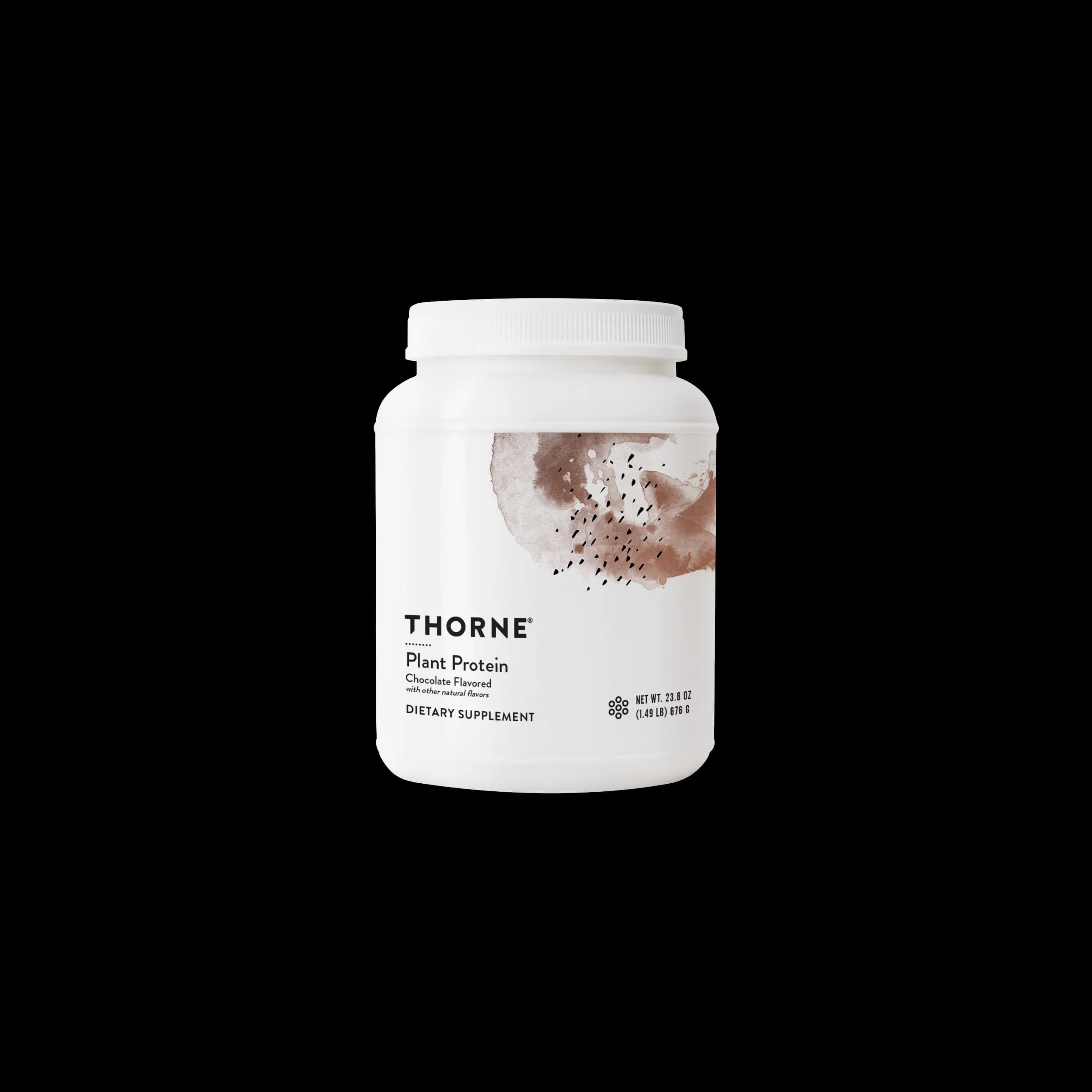
In conditions like Long COVID, myalgic encephalomyelitis/chronic fatigue syndrome (ME/CFS), and dysautonomia, the body is often locked in a state of chronic metabolic stress. This stress fundamentally alters how your cells produce energy and maintain physical tissue, frequently leading to the active breakdown of skeletal muscle. In this deeply depleted state, targeted nutritional interventions become a vital part of the management toolkit. Thorne's Plant Protein Chocolate offers a highly bioavailable, vegan source of all nine essential amino acids, designed to help halt muscle catabolism, support cellular energy pathways, and provide the foundational building blocks your body desperately needs to repair itself.
What is Plant Protein?
The Biological Imperative of Essential Amino Acids
To understand the therapeutic value of a high-quality protein supplement, we must first examine the fundamental role of amino acids in human biology. Proteins are large, complex molecules that do most of the work in our cells, required for the structure, function, and regulation of the body's tissues and organs. When you consume dietary protein, your digestive system breaks it down into smaller constituent parts known as amino acids. These amino acids are the true "building blocks" of life, utilized by the body to synthesize everything from skeletal muscle fibers and immune antibodies to neurotransmitters and metabolic enzymes.
There are 20 standard amino acids that make up the proteins in the human body. However, they are not all created equal in terms of dietary necessity. Eleven of these are classified as "non-essential," meaning that a healthy human body can synthesize them internally from other molecules. The remaining nine are classified as "essential amino acids" (EAAs). The human body completely lacks the biochemical pathways required to create these nine specific molecules. Consequently, they must be obtained entirely through your diet or through targeted supplementation. If even one of these essential amino acids is missing, the body's ability to repair tissue and synthesize new proteins grinds to a halt.
Among these nine essential amino acids is a highly specialized subcategory known as branched-chain amino acids (BCAAs), which includes leucine, isoleucine, and valine. Unlike other amino acids that are primarily metabolized in the liver, BCAAs bypass hepatic metabolism and are transported directly into skeletal muscle tissue. Here, they serve a dual purpose: they act as direct structural components for new muscle fibers, and they function as powerful signaling molecules that dictate the metabolic state of the muscle cell itself.
The mTORC1 Pathway and the Leucine Trigger
The maintenance of skeletal muscle mass is governed by a delicate, continuous balance between muscle protein synthesis (the building of new tissue) and muscle protein breakdown (the destruction of old or damaged tissue). The master regulator of this balance is a cellular signaling complex known as the mechanistic target of rapamycin complex 1 (mTORC1). When mTORC1 is activated, it acts as a molecular "on switch," signaling the cell's ribosomes to begin translating genetic instructions into new physical proteins. When mTORC1 is suppressed, protein synthesis stops, and the cell shifts toward a catabolic, tissue-wasting state.
The activation of the mTORC1 pathway is heavily dependent on the presence of the BCAA leucine. Inside the muscle cell, leucine binds to a specific sensor protein called Sestrin2. This binding event initiates a cascade of phosphorylations that ultimately activates mTORC1. However, this system operates on a threshold basis. To successfully flip the switch and initiate robust muscle protein synthesis, the concentration of leucine in the blood must rapidly spike above a specific level, commonly referred to as the "leucine threshold."
For a healthy adult, hitting this threshold typically requires consuming roughly 2.5 to 3 grams of leucine in a single sitting. If a meal contains protein but fails to provide enough leucine to breach this threshold, the mTORC1 pathway remains largely dormant, and the dietary amino acids are either oxidized for energy or converted into other metabolic intermediates rather than being used to rebuild muscle tissue. This threshold concept is particularly critical for individuals dealing with chronic inflammation, as inflammatory cytokines can induce "anabolic resistance," meaning the muscle cells require even higher doses of leucine to activate mTORC1.
Overcoming the Plant vs. Animal Bioavailability Gap
When evaluating protein sources, nutrition science frequently compares plant-based proteins to animal-based proteins. Historically, animal proteins (like whey, meat, and eggs) have been considered superior for muscle synthesis because they are "complete" proteins—naturally containing high concentrations of all nine essential amino acids, including abundant leucine. Furthermore, animal proteins lack fibrous cell walls, making them highly digestible and bioavailable to the human gastrointestinal tract.
In contrast, many whole-food plant proteins (such as whole beans, lentils, and grains) are "incomplete," meaning they are deficient in one or more essential amino acids. They are also bound within tough cellular matrices and accompanied by naturally occurring antinutrients, such as phytates and trypsin inhibitors, which block human digestive enzymes. This drastically reduces their Digestible Indispensable Amino Acid Score (DIAAS), meaning a significant portion of the protein consumed is never actually absorbed into the bloodstream.
However, modern nutritional science has found highly effective ways to overcome this anabolic gap. By utilizing high-quality isolated plant proteins, manufacturers can strip away the fibrous matrices and antinutrients, dramatically increasing the digestibility and bioavailability of the amino acids. Furthermore, by strategically blending different plant sources (such as combining pea protein, which is high in lysine, with rice protein, which is high in methionine), a fully complete amino acid profile is created. When these complete, highly digestible plant isolates are dosed adequately to hit the leucine threshold, research demonstrates that they stimulate muscle protein synthesis just as effectively as premium animal proteins, offering a powerful, vegan-friendly tool for tissue repair.
How Long COVID and ME/CFS Impact Skeletal Muscle
The Myth of Deconditioning and the Reality of Myopathy
For decades, patients suffering from profound fatigue and muscle weakness have been subjected to the harmful medical misconception that their symptoms are simply the result of "deconditioning"—a loss of physical fitness due to prolonged bed rest or inactivity. However, groundbreaking skeletal muscle biopsy studies conducted on Long COVID and ME/CFS patients have definitively debunked this myth. The muscle weakness experienced in these conditions is not a passive loss of fitness; it is an active, disease-driven myopathy characterized by severe structural and metabolic abnormalities.
In these complex chronic illnesses, the immune system often remains locked in a state of chronic, low-grade activation. This results in the continuous circulation of pro-inflammatory cytokines, such as Interleukin-6 (IL-6) and Tumor Necrosis Factor-alpha (TNF-α). These inflammatory molecules infiltrate skeletal muscle tissue and activate destructive intracellular signaling pathways, most notably the NF-κB pathway. Once activated, NF-κB upregulates the expression of specific "atrogenes" (muscle atrophy genes) like MuRF1 and Atrogin-1.
These atrogenes function as E3 ubiquitin ligases—enzymes that literally tag healthy, structural muscle proteins with a molecule called ubiquitin, marking them for destruction. The tagged proteins are then fed into the cell's 26S proteasome, where they are shredded and broken down into free amino acids. This cytokine-driven catabolism means that the bodies of Long COVID and ME/CFS patients are actively dismantling their own muscle tissue, leading to profound physical weakness and a measurable reduction in lean muscle mass that has nothing to do with a lack of exercise.
Mitochondrial Bottlenecks and Amino Acid Harvesting
The destruction of muscle tissue in these conditions is not solely driven by inflammation; it is also a desperate physiological response to severe cellular energy failure. In a healthy body, the mitochondria (the powerhouses of the cell) generate adenosine triphosphate (ATP) primarily through oxidative phosphorylation, utilizing glucose and fatty acids. However, recent metabolomic research indicates that viral infections like SARS-CoV-2 can cause profound mitochondrial dysfunction, creating metabolic bottlenecks that stall normal energy production.
One of the most significant bottlenecks occurs at the Pyruvate Dehydrogenase (PDH) complex. In many patients with Long COVID and ME/CFS, an enzyme called PDK4 is upregulated, which actively inhibits the PDH complex. This prevents pyruvate (derived from glucose) from entering the mitochondria to fuel the Tricarboxylic Acid (TCA) cycle. Starved of its normal fuel sources, the TCA cycle stalls, ATP production plummets, and the cell is thrown into a severe energy crisis.
To survive this energy crisis, the body initiates an emergency metabolic backup plan: it begins harvesting amino acids to burn for fuel. Because the body does not store free amino acids the way it stores fat or glycogen, it must acquire them by breaking down its largest amino acid reservoir—skeletal muscle. The shredded muscle proteins release glucogenic and ketogenic amino acids, which are then forcefully shunted into the mitochondria to bypass the PDH bottleneck and keep the TCA cycle turning. This relentless harvesting of amino acids for basic survival energy is a primary driver of the severe, unrelenting fatigue and muscle wasting seen in these patient populations.
Post-Exertional Malaise and Systemic Hypermetabolism
This metabolic dysfunction reaches its absolute peak during episodes of post-exertional malaise (PEM), a hallmark symptom of both ME/CFS and Long COVID. PEM is characterized by a severe, disproportionate exacerbation of symptoms following even minor physical or cognitive exertion. When a patient with these conditions attempts to exert themselves, their damaged mitochondria cannot increase ATP production to meet the demand. The muscles are forced into anaerobic glycolysis, leading to rapid intracellular acidosis and catastrophic energy failure.
During a PEM crash, the body enters a state of systemic hypermetabolism. Metabolomic studies tracking patients during PEM have recorded massive spikes in the urinary excretion of 3-methylhistidine. This specific molecule is a highly reliable biomarker for the degradation of skeletal muscle contractile proteins. Its presence proves that during a crash, the body is rapidly and aggressively cannibalizing its own muscle tissue to survive the metabolic stress.
This is precisely why early overexertion can prolong and worsen Long COVID symptoms. Pushing through fatigue does not build endurance in these conditions; it triggers a catabolic cascade that destroys muscle tissue, damages mitochondria, and deepens the cellular energy deficit, requiring days or even weeks of profound rest to stabilize.
Neurotoxic Byproducts and the Central Fatigue Hypothesis
The emergency burning of amino acids for fuel comes with a severe neurological cost. When amino acids are metabolized for energy, their nitrogen groups are stripped away in a process called deamination. This process releases ammonia, a highly toxic metabolic byproduct. In a healthy state, the liver's urea cycle quickly clears this ammonia. However, in the hypermetabolic state of chronic illness, the sheer volume of amino acids being burned overwhelms the body's clearance capacity, leading to a buildup of ammonia in the bloodstream.
Ammonia is highly neurotoxic and easily crosses the blood-brain barrier. Once in the brain, it triggers neuroinflammation, disrupts neurotransmitter balance, and impairs the function of astrocytes (crucial support cells for neurons). This ammonia toxicity is increasingly recognized by researchers as a primary biological driver of the severe "brain fog," cognitive impairment, and neurological heaviness that plagues patients with these conditions.
Furthermore, the depletion of specific amino acids triggers what is known as the "Central Fatigue Hypothesis." Branched-chain amino acids (BCAAs) normally compete with the amino acid tryptophan for entry across the blood-brain barrier via the Large Neutral Amino Acid Transporter (LAT1). When the body depletes its BCAA stores by burning them for emergency energy, tryptophan is allowed to flood into the brain unopposed. Once inside, tryptophan is rapidly converted into serotonin—a neurotransmitter that, in excessive amounts, signals profound, overwhelming lethargy to the central nervous system, further compounding the physical exhaustion.
Thorne's Plant Protein: Supporting Muscle Repair and Cellular Energy
Reversing Catabolism with a Complete Amino Acid Profile
When the body is trapped in a cycle of cytokine-driven muscle breakdown and metabolic amino acid harvesting, providing an external, highly bioavailable source of protein becomes a critical therapeutic intervention. Thorne's Plant Protein is specifically formulated to deliver 22 grams of high-quality protein per serving, providing a robust and complete profile of all nine essential amino acids. By flooding the bloodstream with these critical building blocks, supplementation directly addresses the systemic deficit caused by chronic illness.
The primary mechanism of action here is the aggressive stimulation of the mTORC1 pathway. By providing a concentrated dose of essential amino acids, particularly leucine, this plant protein blend allows patients to successfully breach the "leucine threshold." Once this threshold is crossed, Sestrin2 binds the leucine, mTORC1 is activated, and the cellular machinery shifts from a catabolic (tissue-destroying) state to an anabolic (tissue-building) state.
This shift is vital for patients experiencing the muscle wasting associated with Long COVID and ME/CFS. By forcefully activating protein synthesis, the body is finally given the physiological signal—and the physical materials—required to begin repairing damaged myofibrils, rebuilding lost lean mass, and restoring physical strength that has been eroded by months or years of chronic systemic stress.
Bypassing Stalled Glycolysis with BCAAs
Beyond structural repair, the specific inclusion of branched-chain amino acids (BCAAs) in Thorne's Plant Protein provides a profound metabolic advantage for patients suffering from mitochondrial dysfunction. As previously established, viral damage often upregulates PDK4, creating a bottleneck that prevents glucose-derived pyruvate from entering the mitochondria. This forces the cell into inefficient anaerobic glycolysis, generating severe fatigue and toxic lactate buildup.
BCAAs—specifically isoleucine and valine—offer a metabolic "backdoor" into the mitochondria. Unlike glucose, the metabolic derivatives of BCAAs do not rely on the stalled Pyruvate Dehydrogenase complex. Instead, they can be converted directly into Acetyl-CoA or Succinyl-CoA, allowing them to enter the Tricarboxylic Acid (TCA) cycle downstream of the viral bottleneck. This process, known as anaplerosis, effectively bypasses the stalled metabolic pathways.
By providing an exogenous supply of BCAAs through supplementation, you feed the starving mitochondria the exact alternative fuel they need to resume ATP production. Crucially, because these amino acids are provided via the supplement, the body is no longer forced to cannibalize its own skeletal muscle tissue to harvest them. This dual action—fueling the mitochondria while protecting existing muscle mass—is a powerful mechanism for reducing the severity of daily fatigue and mitigating the depth of post-exertional crashes.
Clearing Neurotoxins and Combating Brain Fog
The therapeutic benefits of a complete amino acid profile extend far beyond the muscular system, offering significant support for neurological health and cognitive function. When the body is supplied with adequate dietary amino acids, it can begin to restore the depleted pools of specific amino acids, such as aspartate and alanine, which are heavily involved in the urea cycle and nitrogen clearance. By supporting these pathways, the body can more efficiently process and excrete the toxic ammonia that builds up during hypermetabolic states.
As systemic ammonia levels are reduced, the neuroinflammatory burden on the brain is lifted. Astrocytes can resume their normal supportive functions, and the toxic interference with neurotransmitter signaling is diminished. For many patients, this reduction in ammonia toxicity directly correlates with a lifting of the dense, oppressive "brain fog" and an improvement in cognitive clarity and processing speed.
Furthermore, the high concentration of BCAAs in Thorne's Plant Protein directly combats the mechanisms of the Central Fatigue Hypothesis. By saturating the bloodstream with leucine, isoleucine, and valine, these BCAAs successfully outcompete tryptophan for access to the LAT1 transporters at the blood-brain barrier. This prevents the unopposed flooding of tryptophan into the brain, thereby halting the excessive synthesis of lethargy-inducing serotonin and helping to lift the heavy, neurological exhaustion that characterizes these conditions.
Supporting Oxygen Delivery with Plant-Based Iron
In addition to its comprehensive amino acid profile, Thorne's Plant Protein provides 4 mg of plant-based, non-heme iron per serving. Iron is a critical, often-overlooked component of cellular bioenergetics and physical endurance. It is the central atom in the heme molecule, which is essential for the formation of hemoglobin in red blood cells and myoglobin in skeletal muscle tissue.
Hemoglobin is responsible for transporting oxygen from the lungs to the systemic tissues, while myoglobin stores oxygen locally within the muscle fibers for immediate use during exertion. Furthermore, iron is a mandatory structural component of the iron-sulfur clusters found within the mitochondrial electron transport chain (specifically Complexes I, II, and III). By providing a gentle, plant-based source of iron alongside essential amino acids, this supplement supports both the delivery of oxygen to the tissues and the mitochondria's ability to utilize that oxygen for optimal ATP production.

Symptoms Plant Protein May Help Manage
Targeted Nutritional Support for Complex Symptoms
By addressing the root mechanisms of protein catabolism, mitochondrial bottlenecks, and neurotoxic buildup, a high-quality, complete plant protein can help manage several of the most debilitating symptoms associated with complex chronic illnesses.
Muscle Weakness and Sarcopenia: By providing a dense source of essential amino acids and leucine, plant protein powerfully activates the mTORC1 pathway. This flips the cellular switch from catabolism (tissue breakdown) to anabolism (tissue repair), helping to rebuild lost lean mass, restore structural integrity to myofibrils, and improve overall physical strength.
Post-Exertional Malaise (PEM): During exertion, damaged mitochondria demand alternative fuels, often leading to the cannibalization of muscle tissue. Supplying the body with exogenous branched-chain amino acids (BCAAs) provides a direct, alternative fuel source for the TCA cycle, bypassing stalled glycolytic pathways and protecting existing muscle tissue from being broken down during a crash.
Brain Fog and Cognitive Fatigue: The breakdown of muscle tissue releases toxic ammonia, while the depletion of BCAAs allows lethargy-inducing tryptophan to flood the brain. A complete amino acid profile supports the clearance of neurotoxic ammonia and provides the BCAAs necessary to outcompete tryptophan at the blood-brain barrier, helping to lift cognitive heaviness and improve mental clarity.
Prolonged Recovery Times: Healing from viral damage, chronic inflammation, and daily micro-traumas requires massive amounts of structural materials. By ensuring a steady, highly bioavailable supply of all nine essential amino acids, you provide the immune system and physical tissues with the exact molecular building blocks required to accelerate repair and shorten recovery windows.
Unintended Weight Loss and Body Composition Changes: Chronic illness often drives a hypermetabolic state that strips away lean muscle mass while preserving or increasing adipose (fat) tissue due to metabolic dysfunction. Adequate protein supplementation helps stabilize weight by halting muscle wasting and supporting a healthier, more resilient body composition.
Practical Considerations: Forms, Dosing, and Absorption
The Digestive Advantage of Protein Isolates
When incorporating protein into a chronic illness management plan, the form and digestibility of the supplement are just as important as the total gram count. Patients with Long COVID, ME/CFS, and Mast Cell Activation Syndrome (MCAS) frequently suffer from severe gastrointestinal distress, dysbiosis, and compromised digestive enzyme production. For these individuals, consuming large quantities of whole-food plant proteins—such as massive servings of whole beans, lentils, or raw grains—can trigger severe bloating, pain, and systemic inflammation due to the high concentration of fermentable fibers and antinutrients like phytates and lectins.
This is where the technological advantage of a high-quality protein isolate becomes crucial. Thorne's Plant Protein utilizes advanced filtration processes to separate the pure amino acids from the fibrous cellular walls and antinutrients of the source plants. This isolation process dramatically increases the Digestible Indispensable Amino Acid Score (DIAAS) of the product, ensuring that the amino acids are highly bioavailable and easily absorbed in the small intestine.
By removing the complex, hard-to-digest matrices, the supplement provides a massive influx of essential amino acids without placing an undue metabolic burden on a compromised gastrointestinal tract. This ensures that the body spends minimal energy on digestion while reaping maximum anabolic benefits, making it an ideal choice for patients with sensitive stomachs or overlapping functional gastrointestinal disorders.
Strategic Dosing and Protein Pacing
To maximize the therapeutic benefits of plant protein, patients must consider both the total daily dosage and the timing of their intake. The suggested use for Thorne's Plant Protein is mixing two scoops with at least 12 ounces of water or a preferred beverage, which delivers a robust 22 grams of complete protein. For a healthy individual, the standard recommended dietary allowance (RDA) for protein is 0.8 grams per kilogram of body weight. However, clinical nutrition guidelines for individuals facing chronic illness, systemic inflammation, or active muscle wasting strongly suggest increasing this intake to 1.2 to 1.5 grams per kilogram of body weight to counteract catabolic stress.
Equally important is the concept of "protein pacing." Because the body cannot store free amino acids for later use, and because the mTORC1 pathway operates on a threshold system, consuming your entire daily protein requirement in a single massive meal is highly inefficient. The mTORC1 pathway will activate once, and the excess amino acids will simply be oxidized.
Instead, patients should aim to consume a dose of protein large enough to breach the leucine threshold (typically 20-30 grams of high-quality isolate) every 3 to 4 hours throughout the day. This strategic pacing ensures that the blood remains saturated with essential amino acids, continuously triggering muscle protein synthesis and keeping the body in a protective, anabolic state. Utilizing a convenient, easily mixed supplement like Thorne's Plant Protein makes executing this pacing strategy significantly easier, especially on days when fatigue makes cooking whole-food meals impossible.
The Importance of NSF Certified for Sport
When dealing with complex, multi-systemic illnesses, the purity and safety of your supplements are paramount. The supplement industry is notoriously under-regulated, and many commercial protein powders have been found to contain heavy metals, hidden allergens, and undeclared chemical contaminants. For a patient with a hyper-reactive immune system or severe chemical sensitivities, introducing these contaminants can trigger massive inflammatory flares or mast cell degranulation.
Thorne's Plant Protein carries the prestigious NSF Certified for Sport® designation. This is one of the most rigorous third-party testing certifications available in the world. It guarantees that the product has been exhaustively tested for compliance with label claims and ensures the absolute absence of over 300 substances banned by major athletic organizations, as well as dangerous levels of heavy metals, pesticides, and microbial contaminants.
While you may not be a competitive athlete, this certification provides profound peace of mind. It ensures that you are putting a pure, unadulterated, and meticulously verified product into your body. It is important to note, however, that this product is contraindicated in individuals with a history of hypersensitivity to any of its specific ingredients, and those who are pregnant should consult their healthcare practitioner before use.

Follow the Science
Clinical Evidence for Amino Acid Therapy in Long COVID
The use of targeted amino acid therapy to combat the profound fatigue of post-viral syndromes is moving rapidly from theoretical biochemistry into rigorous clinical application. One of the most compelling pieces of evidence comes from the Oxford AXA1125 Long COVID Trial, a Phase IIa, randomized, double-blind, placebo-controlled study published in Lancet eClinicalMedicine.
In this trial, researchers administered a novel endogenous metabolic modulator composed primarily of five specific amino acids (including the BCAAs leucine, isoleucine, and valine) to patients suffering from fatigue-dominant Long COVID. The results were striking. After just four weeks, the patients receiving the amino acid blend experienced a highly significant reduction in both physical and mental fatigue compared to the placebo group.
Furthermore, advanced imaging and functional testing revealed that the patients who responded to the amino acid therapy showed measurable improvements in mitochondrial health and were able to walk significantly further during a standardized 6-minute walk test. This trial provides powerful clinical validation that supplying the body with specific, high-dose amino acids can successfully bypass metabolic bottlenecks, restore cellular energy production, and directly alleviate the debilitating fatigue of Long COVID.
Biopsy Confirmations of Skeletal Muscle Damage
The necessity of aggressive protein support is further underscored by groundbreaking histological research into the physical state of muscles in chronic fatigue patients. In 2024, researchers published a landmark study in Nature Communications detailing the analysis of skeletal muscle biopsies taken from Long COVID patients before and after exertion.
The biopsies revealed severe, undeniable myopathic changes. The researchers observed overt myofiber structural abnormalities, localized tissue necrosis (cell death), and severe microvascular alterations that restricted oxygen supply to the tissues. Crucially, they found that these abnormalities worsened significantly after the patients experienced post-exertional malaise, confirming that exertion actively damages the muscle tissue in these populations.
These findings completely dismantle the psychological or "deconditioning" models of these diseases. They prove that the muscle weakness is rooted in objective, physical tissue damage and metabolic failure. Consequently, providing the body with the essential amino acids required to repair this continuous, exertion-induced tissue damage is not just supportive; it is a fundamental requirement for physical stabilization.
The Statistical Reality of Sarcopenia in Post-Viral Illness
The systemic catabolism driven by these conditions frequently culminates in clinical sarcopenia—a severe, accelerated loss of skeletal muscle mass and function. A comprehensive 2024 systematic review and meta-analysis evaluating thousands of patients revealed the staggering prevalence of this complication.
The data showed that nearly half of all patients experience acute sarcopenia during the initial COVID-19 infection, and an alarming 23.5% of patients continue to suffer from clinical sarcopenia deep into their Long COVID journey. This statistical reality highlights the urgent need for proactive nutritional interventions. By utilizing high-quality, complete protein supplements to consistently trigger the mTORC1 pathway, patients can actively fight back against this disease-driven muscle wasting and work to preserve their physical independence.
The Path Forward
Validating Your Physical Experience
If you have spent months or years battling the crushing weight of muscle weakness, fatigue, and post-exertional crashes, it is entirely normal to feel overwhelmed and frustrated. For too long, the medical system has dismissed these profound physical symptoms as anxiety, depression, or simple deconditioning. We want to validate your experience: the heaviness in your limbs, the brain fog, and the exhaustion are real, biologically driven phenomena rooted in measurable mitochondrial dysfunction and metabolic stress.
Understanding the complex biochemistry behind your symptoms—from stalled TCA cycles to cytokine-driven muscle catabolism—is not meant to be frightening. Rather, it should be profoundly empowering. It proves that your illness is physical, and more importantly, it reveals specific, tangible pathways that can be supported and influenced through targeted, science-backed interventions.
Building a Comprehensive Management Toolkit
While the science supporting amino acid therapy is highly promising, it is important to remember that no single supplement is a cure for complex neuro-immune conditions. Healing from Long COVID, ME/CFS, or dysautonomia requires a comprehensive, multi-disciplinary approach. High-quality protein supplementation is a powerful tool, but it must be utilized alongside aggressive energy pacing, nervous system regulation, and the careful management of underlying triggers.
By integrating a pure, highly bioavailable protein source like Thorne's Plant Protein into your daily routine, you are taking a proactive step to protect your lean muscle mass, support your failing mitochondria, and provide your body with the essential building blocks it needs to repair itself. Always work closely with a knowledgeable healthcare provider to ensure that your nutritional strategies align safely with your overall treatment plan.
Take the Next Step
Ready to support your muscle health and cellular energy with a clean, complete, and rigorously tested source of essential amino acids?