Can Plant-Based Digestive Enzymes Relieve Gastrointestinal Symptoms in Long COVID and ME/CFS?
March 6, 2026
Digestive EnzymesLong COVIDME/CFS
Share:
Disclaimer: The information provided here is for educational purposes only and is not intended as medical advice. It should not be used to diagnose, treat, cure, or prevent any medical condition. Instead, use it as a starting point for discussion with your healthcare provider. Always consult with a qualified healthcare provider before starting any new medication, supplement, device, or making changes to your health regimen.
Months or even years after a viral infection, many individuals living with Long COVID, myalgic encephalomyelitis/chronic fatigue syndrome (ME/CFS), and dysautonomia find themselves battling a highly disruptive and painful set of symptoms: severe bloating, unpredictable bowel habits, new-onset food intolerances, and profound fatigue immediately after eating. While these conditions are often viewed primarily through the lens of the immune, nervous, or cardiovascular systems, the gastrointestinal (GI) tract is frequently the epicenter of daily suffering. When standard medical appointments focus on heart rate or respiratory function, the debilitating nature of chronic nausea, abdominal pain, and malnutrition can easily be overlooked or dismissed as simple "irritable bowel syndrome."
However, emerging research reveals that complex chronic illnesses directly damage the mechanical and chemical processes of digestion. Viral persistence, autonomic nervous system dysfunction, and mast cell hyper-reactivity can halt the body's natural ability to produce the enzymes required to break down food. This is where targeted nutritional support becomes a vital tool in the management of chronic illness. Plant Enzyme Digestive Formula by Designs for Health offers a comprehensive, microbial-based blend of enzymes designed to act as a catalyst for digestion, relieving the burden on a compromised gut and helping patients reclaim their nutritional foundation.
TL;DR
Chronic illnesses like Long COVID and ME/CFS can impair natural digestion and enzyme production.
Plant Enzyme Digestive Formula offers microbial-based enzymes to support nutrient absorption and ease GI burden.
These enzymes work across a wide pH range, beginning the digestive process immediately in the stomach.
Supplementing may help manage severe bloating, post-meal fatigue, and food intolerances linked to gut dysfunction.
What is Plant Enzyme Digestive Formula?
The Natural Role of Digestive Enzymes
To understand the value of an exogenous (supplemental) enzyme formula, it is essential to first understand how a healthy body processes food. Digestion is not merely a mechanical process of chewing and churning; it is a highly complex chemical cascade driven by endogenous digestive enzymes. These specialized protein molecules act as biological catalysts, accelerating the chemical reactions required to break down large, complex macronutrients—proteins, carbohydrates, and fats—into microscopic, absorbable building blocks like amino acids, simple sugars, and fatty acids.
In a healthy physiological state, the digestive process begins in the mouth, where salivary glands secrete amylase to begin dismantling starches. As food moves into the highly acidic environment of the stomach, gastric juices and pepsin begin cleaving protein bonds. However, the heavy lifting of chemical digestion occurs in the small intestine. The pancreas secretes a massive volume of enzymes—including protease, lipase, and pancreatic amylase—directly into the duodenum. Simultaneously, the cells lining the intestinal wall (the brush border) secrete specific enzymes like lactase and diamine oxidase (DAO) to handle specialized molecules. When this system works flawlessly, food is rapidly reduced to a liquid state, allowing nutrients to pass seamlessly through the intestinal wall and into the bloodstream to fuel cellular energy production.
The PhytoENZ™ Microbial Advantage
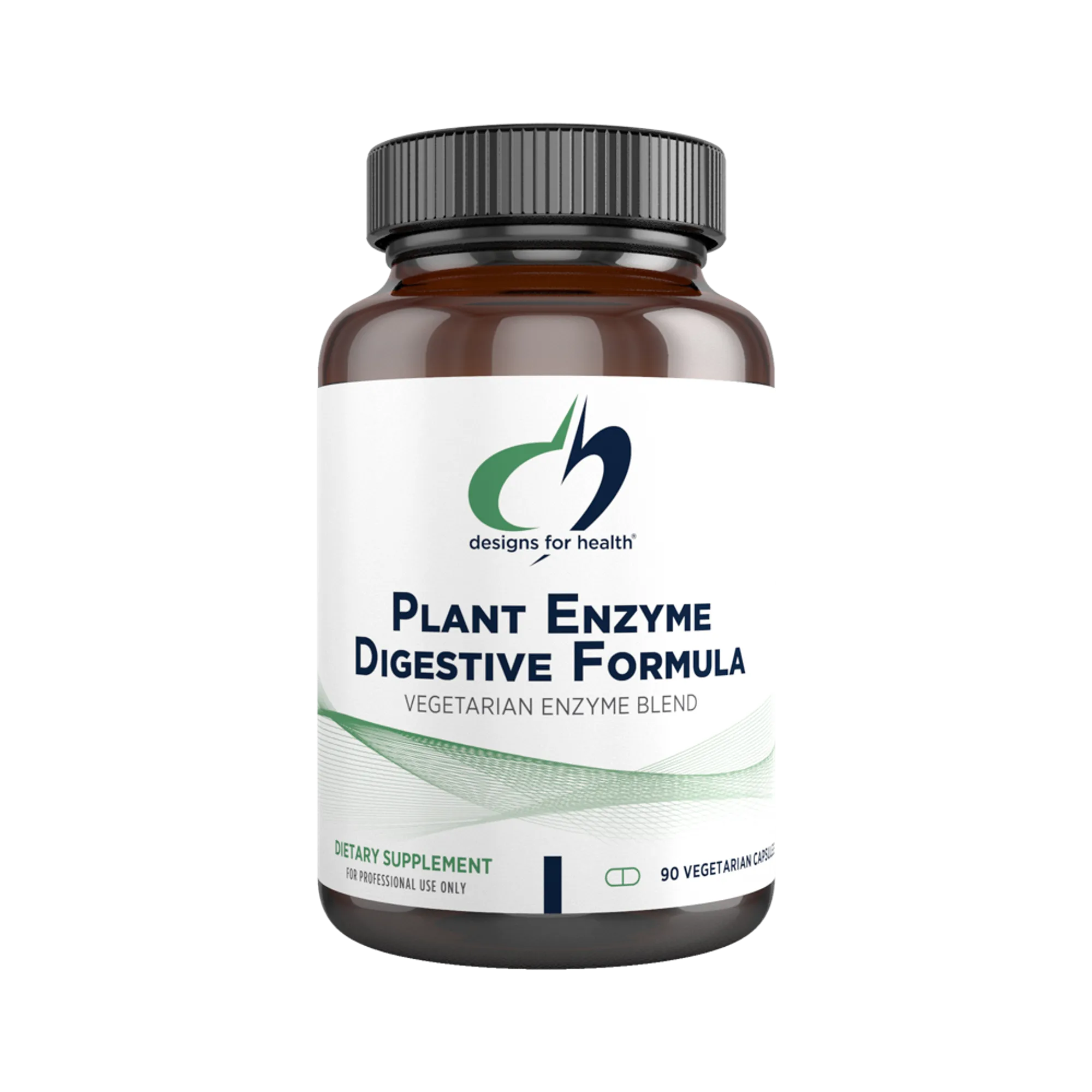
Plant Enzyme Digestive Formula by Designs for Health is a professional-grade supplement engineered to support and mimic this natural chemical cascade when the body's endogenous enzyme production is compromised. At the core of this formulation is PhytoENZ™, a proprietary blend delivering 105 mg of highly concentrated, broad-spectrum digestive enzymes per capsule. Unlike traditional prescription enzyme therapies that rely on animal-derived pancreatin (often sourced from porcine or bovine pancreas), this formula utilizes microbial-based enzymes.
Microbial enzymes, frequently cultivated from controlled fermentation of fungi like Aspergillus oryzae, offer a distinct biochemical advantage: they possess an exceptionally broad pH stability. Animal-derived enzymes require a highly specific alkaline environment to function, meaning they remain inactive in the stomach and only begin working once they reach the small intestine. In contrast, the microbial enzymes in the Plant Enzyme Digestive Formula are active across a wide pH range (typically from pH 2.0 to 9.0). This allows them to begin breaking down food immediately upon entering the acidic environment of the stomach, significantly reducing the mechanical and chemical burden on the gastrointestinal tract before the food even reaches the intestines.
Breaking Down Plant-Based Barriers
One of the most significant challenges for patients with compromised digestion is the breakdown of plant-based foods. While diets rich in vegetables, legumes, and whole grains are widely recommended for their anti-inflammatory properties, they contain complex structural carbohydrates and anti-nutritional factors that the human body naturally lacks the enzymes to digest. For example, humans do not produce cellulase, the enzyme required to break down the resilient cellulose fibers that make up plant cell walls.
When a patient with a sluggish or inflamed gut consumes these foods, the intact plant fibers bypass the small intestine and enter the colon, where they are rapidly fermented by gut bacteria. This fermentation produces massive amounts of hydrogen, methane, and carbon dioxide gases, leading to severe bloating, distension, and pain. Plant Enzyme Digestive Formula specifically addresses this barrier by including a robust profile of specialized enzymes—such as alpha-galactosidase, cellulase, and phytase—that dismantle these complex plant structures, allowing patients to tolerate nutrient-dense, plant-based diets without debilitating gastrointestinal fallout.
How Complex Chronic Illness Impacts Gastrointestinal Function
Long COVID, Viral Persistence, and Pancreatic Injury
The gastrointestinal manifestations of Long COVID are profound and multifaceted. While SARS-CoV-2 is primarily recognized as a respiratory pathogen, the virus gains entry into human cells via the ACE2 receptor. These receptors are densely populated along the mucosal lining of the entire intestinal tract and within the glandular tissue of the pancreas. During acute infection, direct viral invasion can cause localized inflammation, cellular damage, and persistent viral reservoirs in the gut tissue that endure for months or years.
This viral tropism has devastating consequences for enzyme production. Because the pancreas is the body's primary factory for digestive enzymes, viral damage can precipitate a condition known as Exocrine Pancreatic Insufficiency (EPI). In EPI, the pancreas fails to synthesize and secrete adequate levels of lipase, amylase, and protease. Consequently, Long COVID patients frequently experience severe malabsorption, unexplained weight loss, and steatorrhea (fatty, foul-smelling diarrhea) because their food is literally passing through them undigested.
Dysautonomia and Vagus Nerve Impairment
For patients living with dysautonomia and Postural Orthostatic Tachycardia Syndrome (POTS), gastrointestinal dysfunction is driven by a failure of the autonomic nervous system (ANS). Digestion is inherently an automatic, parasympathetic process governed primarily by the vagus nerve—the body's "rest and digest" command center. When you eat, a healthy vagus nerve sends electrical signals to the stomach to release hydrochloric acid and to the pancreas to secrete digestive enzymes.
In dysautonomia, compromised vagal tone means this critical signaling is blunted or entirely absent. Without the neurological trigger to release enzymes, food sits stagnant in the stomach. Furthermore, the ANS controls peristalsis, the rhythmic muscle contractions that move food through the digestive tract. Studies show that a significant percentage of POTS patients experience either rapid gastric emptying (causing diarrhea) or delayed emptying known as gastroparesis (causing severe nausea and early satiety). Additionally, digesting a meal requires a massive diversion of blood flow to the splanchnic (abdominal) blood vessels. In POTS, this causes severe blood pooling in the gut, depriving the brain of oxygen and triggering extreme post-prandial (after-meal) fatigue and tachycardia.
MCAS and Histamine-Driven Gut Inflammation
Mast cell activation syndrome (MCAS) adds another layer of complexity to chronic GI dysfunction. Mast cells are highly concentrated in the gastrointestinal tract, where they serve as the frontline immune defense. In MCAS, these cells become hyper-reactive, inappropriately degranulating and flooding the gut tissue with inflammatory mediators like histamine, prostaglandins, and cytokines. Clinical experts note that mast cell activation symptoms are prevalent in Long-COVID, which adds another layer of complexity to systemic and gastrointestinal dysfunction.
Furthermore, this chronic mast cell-driven inflammation damages the intestinal brush border, drastically reducing the body's ability to synthesize diamine oxidase (DAO), the enzyme responsible for breaking down dietary histamine. This creates a vicious cycle: low DAO leads to histamine buildup from food, which triggers more mast cell degranulation, which causes further gut inflammation and "leaky gut" (intestinal permeability). As undigested food particles cross this compromised barrier, they provoke systemic immune reactions, fueling the widespread inflammation and brain fog seen in both MCAS and ME/CFS.
Plant Enzyme Digestive Formula: Supporting Gut Rehabilitation and Nutrient Absorption
Maximizing Macronutrient Breakdown
When chronic illness impairs the body's endogenous enzyme production, supplementing with a broad-spectrum formula like Plant Enzyme Digestive Formula can act as a critical bridge, performing the chemical heavy lifting required to extract energy from food. The PhytoENZ™ blend contains multiple proteases (Protease SP, Protease, Acid Protease) that operate across varying pH levels to cleave the peptide bonds of dietary proteins. By breaking down large, highly antigenic protein molecules into highly absorbable amino acids, these enzymes prevent intact proteins from crossing the leaky gut barrier and triggering the immune system.
Simultaneously, the inclusion of lipase is vital for patients struggling with fat malabsorption and steatorrhea. Lipase catalyzes the hydrolysis of triglycerides into free fatty acids and glycerol. This is particularly crucial for the absorption of fat-soluble vitamins (Vitamins A, D, E, and K), which are essential for immune modulation, cellular membrane integrity, and nervous system health. For carbohydrate digestion, the formula utilizes amylase and glucoamylase to rapidly hydrolyze the alpha-1,4-glycosidic bonds in starches, converting them into readily available glucose to support the severe cellular energy deficits characteristic of ME/CFS.
Targeting Complex Carbohydrates and Anti-Nutrients
Where this formula truly excels is in its specialized enzymes designed to handle plant-based foods that commonly exacerbate IBS-like symptoms in dysautonomia and Long COVID patients. Alpha-galactosidase is a specialized enzyme that targets complex galacto-oligosaccharides (like raffinose and stachyose) found heavily in beans, lentils, and cruciferous vegetables. Biochemically, alpha-galactosidase utilizes a double-displacement mechanism to hydrolyze the terminal alpha-1,6-glycosidic bonds of these molecules in the small intestine.
The formula also includes phytase, an enzyme crucial for neutralizing phytic acid (IP6). Phytic acid is a notorious "anti-nutrient" found in seeds and grains that carries a strong negative charge, allowing it to powerfully bind to positively charged essential minerals like magnesium, zinc, and iron. This binding creates insoluble complexes that the body cannot absorb. Phytase catalyzes the stepwise removal of phosphate groups from the inositol ring of phytic acid in the acidic environment of the stomach. By degrading phytic acid early in digestion, phytase prevents the formation of these indigestible complexes, significantly enhancing the bioavailability of crucial minerals needed for mitochondrial function and autonomic nervous system regulation.
Dismantling Plant Cell Walls
To further support the digestion of a plant-rich diet, the formula incorporates cellulase and beta-glucanase. Cellulase is actually a synergistic multi-enzyme complex that ruptures the resilient beta-1,4-linked D-glucose fibers of plant cell walls. By breaking open these cellular structures, cellulase exposes the trapped intracellular nutrients (like starches and proteins) to the other digestive enzymes, maximizing the nutritional yield of every meal.
Similarly, beta-glucanase targets the complex non-starch polysaccharides found in the cell walls of cereal grains like oats and barley. When ingested, these beta-glucans absorb vast amounts of water, creating a highly viscous, gel-like environment in the gut that traps nutrients and slows digestion—a nightmare for patients with gastroparesis. Beta-glucanase hydrolyzes the glycosidic bonds within these polymers, rapidly reducing gut viscosity, improving motility, and allowing for smoother, more comfortable digestion.
Easing the Burden on the Immune System
By ensuring that food is completely and efficiently broken down, Plant Enzyme Digestive Formula does more than just relieve bloating—it actively supports systemic immune calming. When food is fully digested into its elemental forms, it leaves no large, fermentable particles behind for pathogenic gut bacteria to feed on, thereby helping to correct the microbiome dysbiosis commonly seen in patients with Long COVID. Furthermore, by preventing the fermentation of undigested food, the formula reduces the production of endotoxins and inflammatory gases that drive leaky gut, ultimately lowering the systemic inflammatory burden on the mast cells and the central nervous system.

Symptoms Plant Enzyme Digestive Formula May Help Manage
Severe Bloating and Distension: By utilizing alpha-galactosidase, cellulase, and beta-glucanase to break down complex plant fibers and oligosaccharides before they reach the colon, the formula prevents the bacterial fermentation that produces painful trapped gas and abdominal distension.
Post-Prandial Fatigue (Food Coma): In POTS and dysautonomia, digesting heavy, complex meals requires massive blood flow to the gut, starving the brain of oxygen. By chemically pre-digesting the food, these enzymes reduce the mechanical effort required by the GI tract, potentially mitigating the severity of blood pooling and subsequent fatigue.
Steatorrhea and Fat Malabsorption: Viral damage to the pancreas in Long COVID can impair natural lipase production. The inclusion of microbial lipase in this formula ensures that dietary fats are properly hydrolyzed, reducing the occurrence of foul-smelling, floating, or oily stools and supporting the absorption of fat-soluble vitamins.
Food Intolerances and Sensitivities: In MCAS and leaky gut, large, undigested protein molecules cross the intestinal barrier and trigger immune reactions. The broad-spectrum proteases in this blend cleave these proteins into harmless amino acids, reducing the antigenic load on the immune system and minimizing food-triggered flare-ups.
Nutritional Deficiencies: Patients with chronic illness often suffer from low intracellular magnesium, iron, and zinc due to poor absorption. The phytase enzyme in this formula neutralizes the phytic acid in grains and legumes, freeing these essential minerals for systemic absorption and mitochondrial energy production.
Gastroparesis and Early Satiety: For patients with delayed gastric emptying, food sits in the stomach like a rock. Because microbial enzymes are active in the acidic environment of the stomach, they begin liquefying the meal immediately, helping it pass more easily into the small intestine and relieving the sensation of being overly full after just a few bites.
Practical Considerations: Forms, Dosing, and Absorption
Microbial vs. Animal-Derived Enzymes
When selecting a digestive enzyme, understanding the source of the active ingredients is critical for bioavailability and efficacy. Many conventional over-the-counter and prescription enzymes are derived from porcine (pig) or bovine (cow) pancreatin. While effective for specific medical conditions, animal-derived enzymes are highly sensitive to pH changes. They are rapidly destroyed by stomach acid unless they are heavily enteric-coated, meaning they provide zero digestive support while food sits in the stomach.
Plant Enzyme Digestive Formula utilizes microbial-based enzymes (the PhytoENZ™ blend), which are cultivated from fungal and bacterial fermentation. These enzymes boast an incredibly broad pH stability (active between pH 2.0 and 9.0). This superior bioavailability means the capsule begins dissolving and working immediately upon entering the highly acidic stomach, pre-digesting the meal before it ever reaches the small intestine. Furthermore, this formulation is entirely free of animal products, making it suitable for vegetarians, vegans, and patients with alpha-gal syndrome or severe mammalian meat allergies.
Optimal Timing and Dosage
For digestive enzymes to be effective, they must be physically present alongside the food as it is being processed. The standard suggested use for Plant Enzyme Digestive Formula is one capsule per day with a meal, or as directed by a healthcare practitioner. However, timing is paramount. The optimal time to take the capsule is immediately before your first bite of food, or at the very beginning of the meal. Taking the supplement hours before eating, or long after the meal has passed into the intestines, will render it ineffective for that specific meal's digestion.
For patients with severe gastroparesis, Exocrine Pancreatic Insufficiency, or profound Long COVID GI symptoms, a functional medicine practitioner may recommend a more aggressive therapeutic dosing schedule, such as taking one to two capsules before every major meal and snack. Because these are natural biological catalysts rather than systemic drugs, they are generally well-tolerated even at higher frequencies, though dosing should always be personalized to the patient's specific dietary habits and symptom severity.
Synergistic Therapies and Contraindications
Digestive enzymes are often most effective when used as part of a broader gut rehabilitation protocol. For patients with ME/CFS and Long COVID, practitioners frequently pair broad-spectrum enzymes with targeted spore-based probiotics to simultaneously improve digestion and re-seed the disrupted microbiome. Additionally, for patients with severe MCAS and histamine intolerance, this formula can be used in conjunction with a specialized DAO enzyme supplement to specifically target dietary histamine breakdown.
While microbial enzymes are exceptionally safe, patients with active stomach ulcers, severe gastritis, or a history of gastrointestinal bleeding should consult their physician before introducing potent proteases, as breaking down proteins in an already ulcerated stomach can occasionally cause irritation. Furthermore, patients currently prescribed pharmaceutical Pancreatic Enzyme Replacement Therapy (PERT) for diagnosed severe pancreatic failure should discuss the addition of microbial enzymes with their gastroenterologist to ensure optimal complementary dosing.

Follow the Science
Clinical Efficacy of Broad-Spectrum Blends
The use of microbial and plant-based digestive enzymes is heavily supported by emerging clinical literature, particularly in the context of functional gastrointestinal disorders. A 2024 randomized, double-blind, placebo-controlled trial published in Frontiers in Nutrition evaluated the efficacy of a broad-spectrum microbial enzyme blend (featuring amylase, protease, lipase, lactase, and alpha-galactosidase) on macronutrient breakdown. Utilizing both in-vitro and real-time human models (patients with ileostomies), the researchers demonstrated that the enzyme supplement significantly enhanced protein hydrolysis and reduced the viscosity of gastric digesta by an impressive 2.75-fold compared to the placebo. This profound reduction in viscosity is particularly relevant for dysautonomia patients struggling with delayed gastric emptying and heavy, stagnant digestion.
Targeted Relief for Gas and Bloating
The specific enzymes included in the PhytoENZ™ blend have been individually validated for their ability to reduce painful gastrointestinal symptoms. A 2023 double-blind, placebo-controlled crossover study evaluated a multi-enzyme blend in adults suffering from post-meal bloating. The study found that participants experienced a remarkable 58% reduction in abdominal distension—measured physically via waist circumference—after a single use following a test meal.
The Gut-Brain Axis in Long COVID and ME/CFS
The broader scientific community is increasingly recognizing the gut as a primary driver of systemic symptoms in chronic illness. Landmark studies, such as the SIM01 Synbiotic Trial published in The Lancet Infectious Diseases, have demonstrated that targeted gut rehabilitation—utilizing microbiome formulations that support carbohydrate breakdown and bacterial diversity—results in superior improvements for Long COVID patients, including a 49% reduction in bloating and notable improvements in cognitive function and fatigue. Internal research reviews on virus-induced endothelial senescence further highlight how acute viral infection results in endothelial dysfunction and senescence at the gastrointestinal tract and blood-brain barrier, leading to a proinflammatory state and dysregulated immune responses in ME/CFS and Long COVID. By utilizing digestive enzymes to ensure complete macronutrient breakdown, patients can actively reduce the intestinal permeability and endotoxin release that drives this neuroinflammatory cascade.
The Path Forward
Validating Your Gastrointestinal Experience
Living with severe gastrointestinal symptoms on top of the profound fatigue and neurological challenges of Long COVID, ME/CFS, or dysautonomia can feel incredibly isolating. It is common for patients to be told that their nausea, bloating, and food intolerances are merely "anxiety" or standard IBS. However, your symptoms are real, and they are rooted in documented physiological dysfunctions—from viral pancreatic injury and vagus nerve impairment to mast cell hyper-reactivity. Validating the mechanical and chemical breakdown of your digestive system is the first step toward reclaiming your quality of life.
A Comprehensive Approach to Healing
While no single supplement is a cure for complex chronic illness, restoring your body's ability to extract energy and nutrients from food is a foundational pillar of recovery. Plant Enzyme Digestive Formula provides a powerful, broad-spectrum tool to ease the mechanical burden on your gut, reduce painful fermentation, and support systemic immune calming. When combined with a comprehensive management strategy that includes nervous system regulation, targeted microbiome support, and pacing, digestive enzymes can help you rebuild your nutritional resilience. Always consult with your healthcare provider or a functional medicine specialist to determine the best approach for your unique gastrointestinal needs.
Sources
Frontiers in Nutrition: Microbial Enzyme Blend Enhances Protein Hydrolysis (2024)
ResearchGate: Digestive Enzyme Supplement Reduces Bloating (2023)
The Lancet Infectious Diseases: SIM01 Synbiotic Trial for Long COVID
Virus-Induced Endothelial Senescence as a Cause and Driving Factor for ME/CFS and Long COVID