Can Plant-Based Protein Support Muscle Recovery and Energy in Long COVID and ME/CFS?
March 6, 2026
PhytoteinPlant-Based ProteinLong COVID
Share:
Disclaimer: The information provided here is for educational purposes only and is not intended as medical advice. It should not be used to diagnose, treat, cure, or prevent any medical condition. Instead, use it as a starting point for discussion with your healthcare provider. Always consult with a qualified healthcare provider before starting any new medication, supplement, device, or making changes to your health regimen.
For many individuals living with complex chronic conditions like Long COVID, myalgic encephalomyelitis/chronic fatigue syndrome (ME/CFS), and dysautonomia, the simple act of maintaining muscle mass and physical strength can feel like an uphill battle. You might notice that your muscles feel unusually heavy, that you are losing strength despite eating normally, or that even minimal physical exertion leads to profound, days-long crashes known as post-exertional malaise (PEM). This isn't merely deconditioning from resting; it is a complex, systemic metabolic disruption. When the body is locked in a state of chronic inflammation and immune dysregulation, it fundamentally alters how it processes nutrients, particularly amino acids, leading to a state where the body begins to break down its own muscle tissue for fuel.
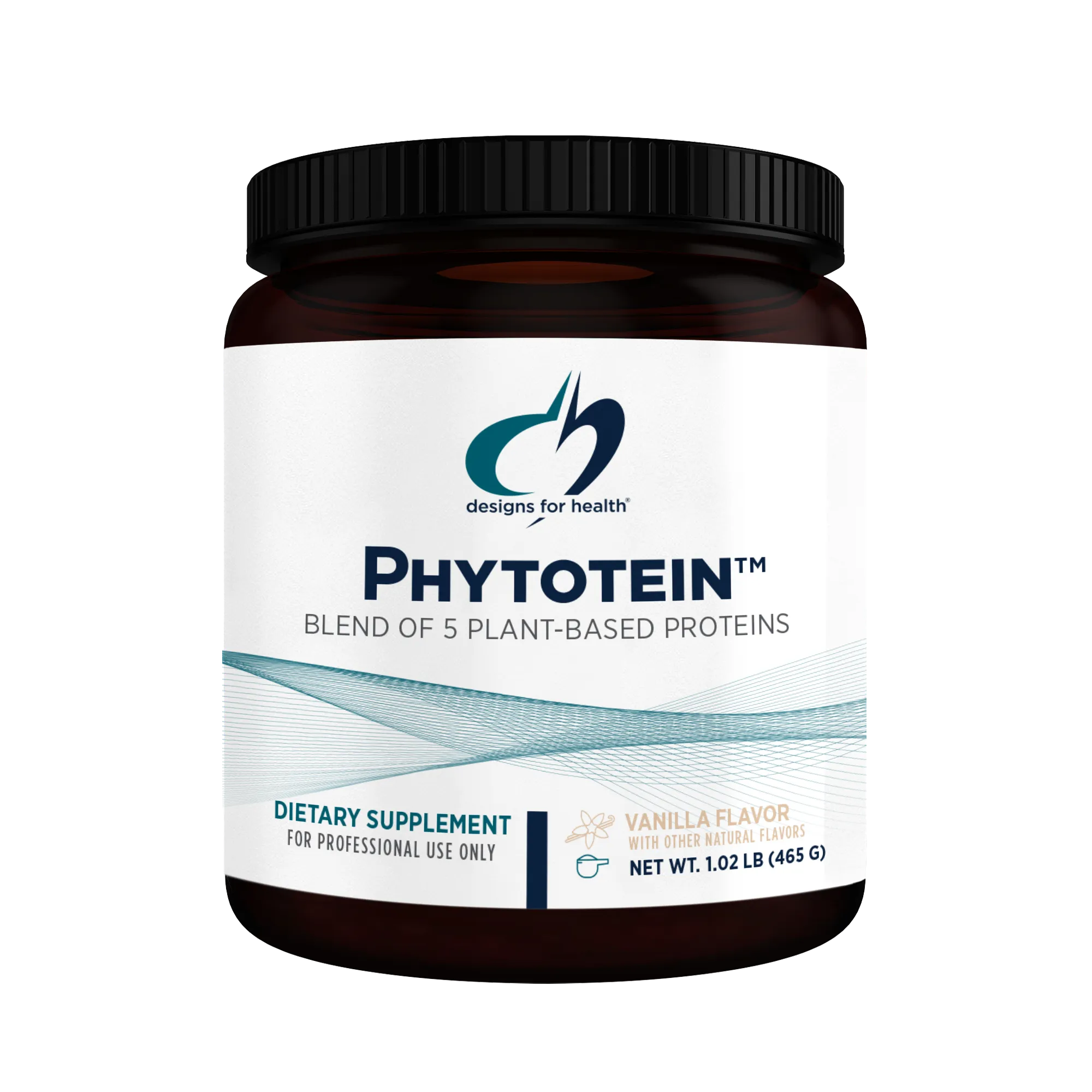
Finding the right nutritional support in this state is notoriously difficult. Traditional protein sources, such as whey or heavy animal proteins, can sometimes trigger mast cell activation syndrome (MCAS) flares, exacerbate gastrointestinal distress, or promote systemic inflammation. This is where highly bioavailable, strategically blended plant-based proteins come into play. Phytotein™ by Designs for Health offers a sophisticated, dairy-free, and easily digestible alternative. By combining organic pea, sunflower, pumpkin seed, sacha inchi, and rice proteins, it provides a complete amino acid profile designed to support muscle protein synthesis, combat inflammatory pathways, and nourish the body without triggering the sensitivities so common in chronic illness.
TL;DR
Chronic illnesses like Long COVID and ME/CFS disrupt metabolism, leading to muscle breakdown and severe fatigue.
Plant-based proteins offer a highly bioavailable, hypoallergenic way to support muscle synthesis without triggering inflammation.
Phytotein™ combines pea, sunflower, and pumpkin seed proteins to deliver essential amino acids for cellular repair.
Targeted amino acid intake may help manage muscle weakness, brain fog, and post-exertional malaise (PEM).
What is Phytotein™ and Plant-Based Protein?
The Building Blocks of Life and Cellular Repair
To understand the value of a specialized supplement like Phytotein™, we must first look at the foundational role of amino acids in human biology. Proteins are large, complex molecules made up of smaller units called amino acids, which are linked together in long chains. There are twenty standard amino acids that make up the proteins in the human body; nine of these are considered "essential," meaning the body cannot synthesize them on its own and must obtain them through diet. These amino acids do far more than just build biceps; they are the biochemical precursors to neurotransmitters, immune system antibodies, cellular enzymes, and the structural scaffolding of every tissue in the body. When a protein source contains all nine essential amino acids in adequate proportions, it is classified as a "complete protein."
Historically, there has been a misconception that plant-based proteins are inherently inferior to animal proteins because individual plants often lack one or more essential amino acids. For example, legumes are typically low in methionine, while grains are often low in lysine. However, modern nutritional science has demonstrated that by strategically combining different plant sources, we can create a highly bioavailable, complete amino acid profile that rivals or even exceeds the nutritional density of traditional whey or casein proteins. This synergistic blending is the core mechanism behind Phytotein™, which utilizes a multi-source approach to ensure that the body receives a steady, balanced influx of the precise molecular building blocks required for tissue repair, immune regulation, and enzymatic function.
The Synergistic Blend: Pea, Sunflower, and Pumpkin Seed
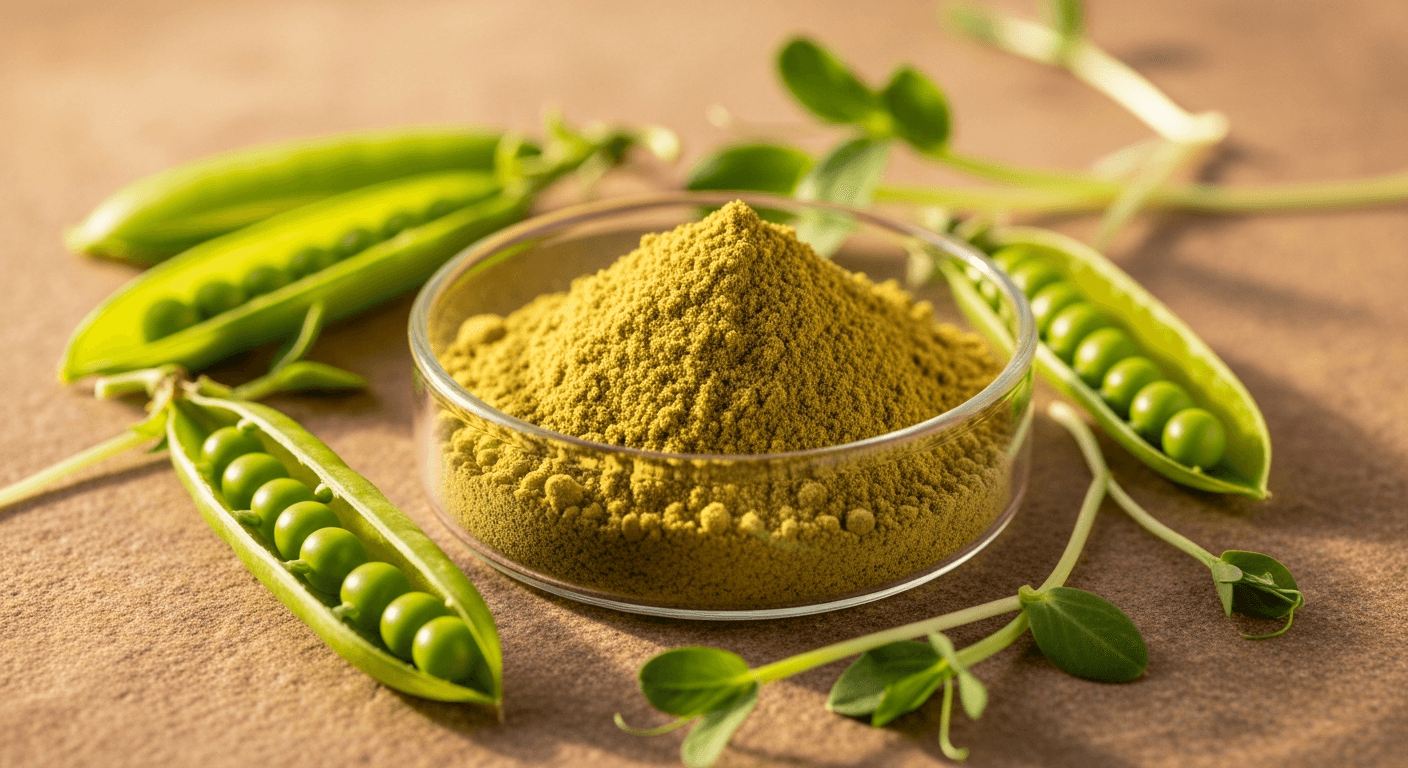
The primary ingredient in Phytotein™ is organic pea protein, extracted from the yellow split pea (Pisum sativum). Pea protein has gained immense traction in clinical nutrition because it is exceptionally rich in branched-chain amino acids (BCAAs)—specifically leucine, isoleucine, and valine. Clinical research on muscle protein synthesis has shown that leucine acts as the primary metabolic trigger for initiating muscle repair and growth. Pea protein contains up to 18% leucine, making it a highly effective plant-based option for stimulating anabolic (tissue-building) pathways. Furthermore, pea protein is naturally free of the lactose and casein found in dairy, making it highly tolerable for individuals with compromised gut barriers or lactose intolerance.
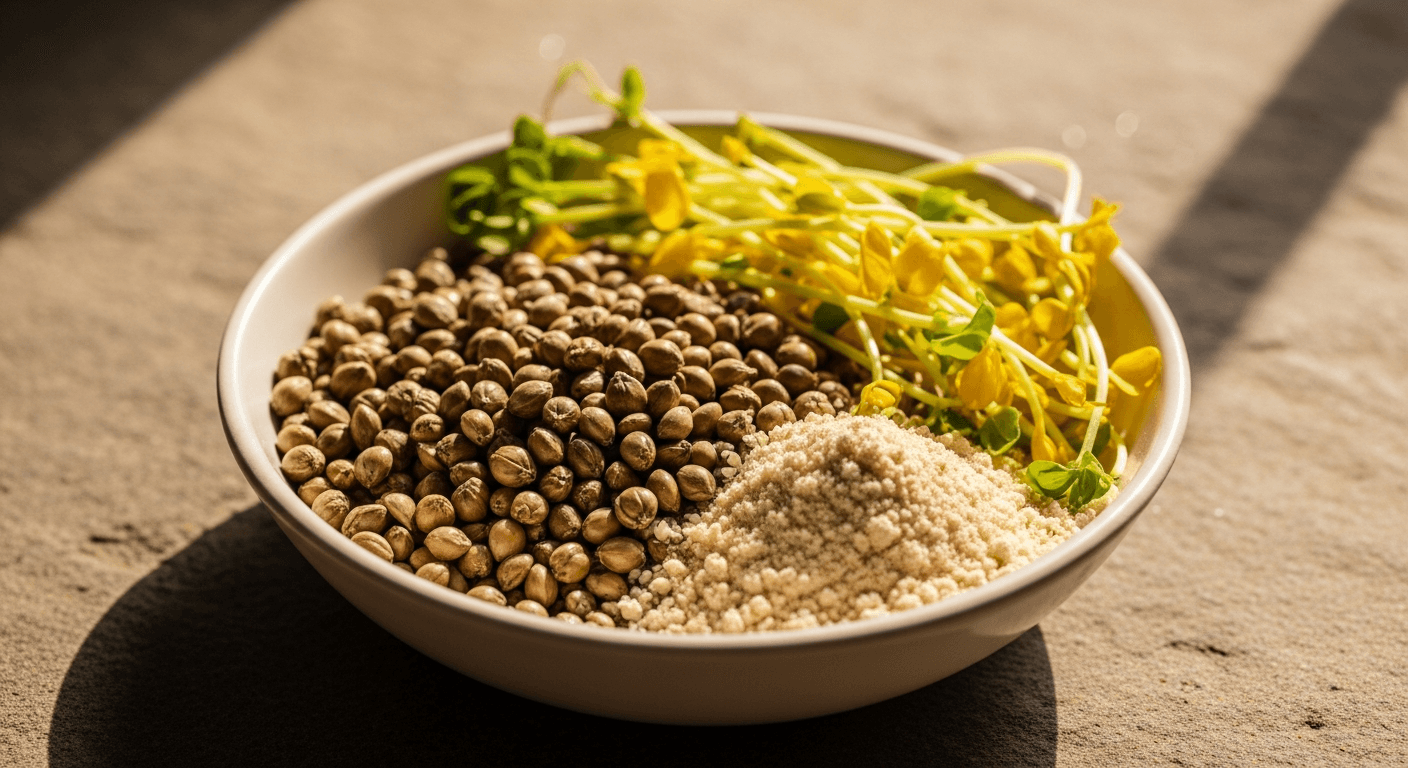
To complement the pea protein, Phytotein™ incorporates sunflower seed and pumpkin seed proteins. Sunflower protein (Helianthus annuus) is particularly valuable because it is rich in sulfur-containing amino acids like methionine and cysteine. Cysteine is a critical rate-limiting precursor for the synthesis of glutathione, the body's master intracellular antioxidant. By providing ample cysteine, sunflower protein directly supports the body's ability to neutralize oxidative stress. Pumpkin seed protein (Cucurbita pepo), on the other hand, is an absolute powerhouse of arginine and tryptophan. Arginine is the direct precursor to nitric oxide, a signaling molecule that promotes vasodilation and healthy blood flow—a crucial mechanism for patients managing vascular dysfunction. Tryptophan serves as the biochemical foundation for serotonin and melatonin production, supporting neurological balance and sleep architecture.
Sacha Inchi and Rice: Anti-Inflammatory and Hypoallergenic Support
Rounding out the Phytotein™ blend are sacha inchi and rice proteins. Sacha inchi (Plukenetia volubilis), often referred to as the "Inca peanut," is a remarkable plant native to the Amazon basin. What makes sacha inchi protein unique is its residual lipid profile and specific peptide structure. Even after the seeds are defatted to isolate the protein, they retain traces of alpha-linolenic acid (ALA), a potent anti-inflammatory Omega-3 fatty acid. This makes it a functional food ingredient that actively modulates the immune response rather than just providing passive calories.
Finally, organic rice protein provides a highly digestible, hypoallergenic base that perfectly balances the amino acid profile of the legumes and seeds. Rice protein is naturally high in methionine and cystine but low in lysine, making it the perfect biochemical partner to pea protein, which is high in lysine but lower in methionine. Together, these five plant sources create a comprehensive, non-GMO, dairy-free, and soy-free matrix that delivers 20 grams of high-quality protein per serving. This precise formulation ensures that the digestive system is not burdened by heavy, inflammatory animal proteins, allowing the gastrointestinal tract to absorb the amino acids efficiently and shuttle them directly into the bloodstream for systemic use.
How Chronic Illness Impacts Protein Status and Muscle Health
Viral Hijacking and Amino Acid Depletion
In healthy individuals, protein turnover is a carefully balanced cycle of breakdown (catabolism) and synthesis (anabolism). However, in complex post-viral conditions like Long COVID and ME/CFS, this delicate metabolic balance is violently disrupted. During the acute phase of a viral infection, pathogens like SARS-CoV-2 essentially hijack the host's cellular machinery to facilitate their own replication. This massive viral replication demands an immense supply of raw materials, drastically upregulating the utilization of specific amino acids—most notably glutamine and BCAAs. As the immune system mounts a massive defense, it also consumes vast quantities of amino acids to produce antibodies, macrophages, and lymphocytes. This dual drain leaves the host's systemic amino acid pools severely depleted, creating a foundational deficit that can persist long after the acute virus has been cleared.
Furthermore, patients with Long COVID and ME/CFS frequently suffer from profound mitochondrial dysfunction. The mitochondria, the energy-producing powerhouses of the cells, become unable to efficiently generate adenosine triphosphate (ATP) through normal aerobic glycolysis. To compensate for this energy crisis, the body initiates a desperate metabolic workaround: it begins aggressively catabolizing its own skeletal muscle tissue. The body breaks down muscle proteins into free amino acids (such as glutamate and aspartate) and forces them into the tricarboxylic acid (TCA) cycle as alternative, albeit highly inefficient, emergency fuels. This chronic state of muscle cannibalization is a primary driver of the profound physical weakness and heavy-limb sensation reported by so many patients.
Inflammation, mTOR Suppression, and Sarcopenia
The physiological breakdown of muscle tissue is further accelerated by the chronic, systemic inflammation characteristic of these conditions. The immune systems of Long COVID and ME/CFS patients are often locked in a hyper-vigilant state, continuously pumping out pro-inflammatory cytokines such as Interleukin-1 beta (IL-1β), Interleukin-6 (IL-6), and Tumor Necrosis Factor-alpha (TNF-α). These circulating inflammatory molecules have a devastating effect on the mechanistic target of rapamycin (mTOR) pathway. The mTOR pathway is the master biological switch that regulates cell growth, energy metabolism, and muscle protein synthesis. In a healthy body, mTOR is activated by mechanical stress (like exercise) and an influx of dietary amino acids. However, chronic inflammation actively suppresses the anabolic IGF-1/AKT/mTOR signaling cascade, effectively flipping the switch to "off" and halting the body's ability to build or repair tissue.
Simultaneously, these same inflammatory cytokines activate a destructive transcription factor known as NF-κB. Once activated, NF-κB increases the expression of specific "atrogenes" (atrophy genes) known as MuRF1 and Atrogin-1. These enzymes act like biological wrecking balls, directly facilitating the ubiquitin-proteasome degradation of structural myofibrillar proteins in the muscles. This results in a rapid and pronounced loss of muscle mass and structural integrity, a condition known as sarcopenia. A groundbreaking 2025 study utilizing 3D in vitro skeletal muscle tissues demonstrated this phenomenon vividly. When healthy muscle tissues were exposed to the blood sera of ME/CFS and Long COVID patients, researchers observed significant contractile dysfunction, mitochondrial fragmentation, and severe muscle fragility within just 48 to 96 hours, proving that circulating factors in the blood are directly toxic to muscle tissue.
Dysautonomia, Malabsorption, and the PEM Trap
The situation is further complicated for patients who also suffer from dysautonomia, a dysfunction of the autonomic nervous system that controls involuntary bodily functions, including digestion. Dysautonomia frequently leads to compromised intestinal blood flow, reduced gastric motility (gastroparesis), and a decrease in the secretion of essential digestive enzymes. This creates a state of "functional malabsorption." Even if a patient is consuming adequate amounts of dietary protein, their compromised gastrointestinal tract cannot efficiently break down complex, heavy animal proteins into usable amino acids. The undigested proteins can ferment in the gut, triggering dysbiosis, bloating, and exacerbating mast cell activation syndrome (MCAS) flares, creating a vicious cycle of malnutrition and inflammation.
This metabolic and structural devastation perfectly sets the stage for post-exertional malaise (PEM). Because the skeletal muscles are starved of immediate ATP, depleted of essential amino acids, and undergoing active structural degradation, they possess zero metabolic reserve. When a patient attempts even minimal physical exertion—such as walking up a flight of stairs or taking a shower—the muscles rapidly deplete their remaining energy. Because the mTOR pathway is suppressed and the mitochondria are dysfunctional, the body cannot initiate the normal post-exercise repair processes. Instead, the exertion triggers a massive inflammatory cascade and further mitochondrial collapse, leading to the profound, debilitating crashes that define living with Long-Term COVID and ME/CFS.
Phytotein™: Supporting Muscle Synthesis and Cellular Repair
Triggering mTOR Without the Need for Exertion
For healthy individuals, the standard prescription for muscle wasting is resistance training combined with a high-protein diet. However, for patients suffering from severe PEM, exercise is not just unhelpful; it is actively contraindicated and can cause long-term harm. This presents a massive clinical paradox: how do you stimulate muscle protein synthesis and halt catabolism without triggering a crash? The answer lies in targeted nutritional biochemistry. Phytotein™ provides a highly concentrated, easily digestible pulse of essential amino acids that can bypass the need for mechanical stress to activate the mTOR pathway. Specifically, the high concentration of leucine derived from the organic pea and pumpkin seed proteins acts as a powerful, independent signaling molecule.
At the cellular level, leucine enters the muscle cell and binds to a specific sensor protein called Sestrin2. When leucine binds to Sestrin2, it releases the inhibition on a complex known as GATOR2, which in turn activates mTORC1 (mTOR Complex 1). This biochemical cascade essentially "tricks" the muscle cell into initiating protein synthesis and halting protein degradation, even in the absence of physical exercise. By consuming a 20-gram serving of Phytotein™, patients can deliver the approximately 2 to 3 grams of pure leucine required to cross the "leucine threshold" and trigger this anabolic response. This provides a critical mechanism for preserving lean body mass and supporting tissue repair while the patient remains within their safe energy envelope and practices strict pacing.
Anti-Inflammatory Synergy and Immune Modulation
Beyond simple muscle repair, the specific plant proteins in Phytotein™ offer profound anti-inflammatory benefits that directly counteract the cytokine storms seen in Long COVID and MCAS. Unlike whey or casein, which can be highly immunogenic and trigger histamine release in sensitive individuals, plant proteins contain bioactive peptides that actively soothe the immune system. The sacha inchi protein in this blend is particularly noteworthy. Research indicates that the specific peptide sequences found in sacha inchi hydrolysates can interact with immune cell receptors to down-regulate the transcription of TNF-α, one of the primary cytokines responsible for muscle wasting and systemic fatigue. Simultaneously, these peptides up-regulate Interleukin-10 (IL-10), a potent anti-inflammatory cytokine that helps resolve immune hyperactivation.
Furthermore, the sunflower seed protein in Phytotein™ provides a rich source of sulfur-containing amino acids, which are critical for the body's endogenous antioxidant defense systems. Chronic viral infections and mitochondrial dysfunction generate massive amounts of reactive oxygen species (ROS), which damage cellular membranes and DNA. The body relies on glutathione to neutralize these free radicals. By supplying ample cysteine and methionine, sunflower protein ensures that the liver and cells have the raw materials necessary to synthesize glutathione. Clinical trials on upcycled sunflower protein have even demonstrated its ability to significantly reduce C-Reactive Protein (CRP) levels, a primary biomarker for systemic inflammation, making it a highly targeted intervention for autoimmune and post-viral conditions.
Supporting the Gut Barrier and Microbiome
Finally, Phytotein™ supports the critical gut-immune axis, which is frequently compromised in patients with dysautonomia and ME/CFS. The blend of pea, sunflower, pumpkin, sacha inchi, and rice proteins is naturally low in FODMAPs (fermentable oligosaccharides, disaccharides, monosaccharides, and polyols) and free from the abrasive lectins often found in unrefined legumes. This makes the protein powder exceptionally gentle on the gastrointestinal lining, reducing the risk of bloating, cramping, and intestinal permeability (leaky gut). By utilizing highly refined, organic plant isolates, the formula removes the antinutrients that typically interfere with amino acid absorption.
Moreover, the natural matrix of these plant proteins includes small amounts of beneficial dietary fiber and complex phytonutrients. When these compounds reach the colon, they serve as prebiotics, feeding the beneficial bacteria of the microbiome. In response, these bacteria produce short-chain fatty acids (SCFAs) like butyrate. Butyrate is a critical molecule that provides energy to the cells lining the colon (colonocytes), helps maintain the integrity of the tight junctions in the gut barrier, and exerts profound systemic anti-inflammatory effects. By supporting a healthy microbiome and providing easily assimilated amino acids, Phytotein™ helps break the vicious cycle of malabsorption, malnutrition, and gut-driven inflammation that plagues so many chronic illness patients.
Symptoms Phytotein™ May Help Manage
While Phytotein™ is a nutritional supplement and not a cure for complex post-viral conditions, its comprehensive amino acid profile and anti-inflammatory properties can help manage several debilitating secondary symptoms associated with chronic illness:
Muscle Weakness and Sarcopenia: By providing a high concentration of leucine and other BCAAs, the pea and pumpkin seed proteins help activate the mTOR pathway, stimulating muscle protein synthesis and counteracting the catabolic breakdown of muscle tissue driven by chronic inflammation.
Post-Exertional Malaise (PEM) Recovery: The easily digestible, free-form amino acids in this blend provide immediate metabolic substrates for the TCA cycle, helping to replenish depleted cellular energy reserves and supporting faster recovery times following physical or cognitive exertion.
Brain Fog and Cognitive Fatigue: Pumpkin seed protein is exceptionally rich in tryptophan, the essential precursor to serotonin and melatonin. Supporting these neurotransmitter pathways can help stabilize mood, improve sleep architecture, and mitigate the neurological exhaustion often described as "brain fog."
Gastrointestinal Distress and Nausea: For patients with dysautonomia or gastroparesis who struggle to digest heavy meals, this ultra-refined, dairy-free, and soy-free powder provides a highly bioavailable source of nutrition that requires minimal digestive effort and gastric acid to assimilate.
Unintentional Weight Loss: The 20 grams of high-quality protein per serving helps maintain healthy protein status and lean body mass, providing a crucial caloric and structural buffer for patients who are losing weight due to hypermetabolism or restricted diets from MCAS.
Vascular Dysfunction and Cold Extremities: The high levels of arginine found in pumpkin and sunflower seed proteins serve as direct precursors for nitric oxide production, promoting healthy vasodilation, improving endothelial function, and supporting better blood flow to the extremities and brain.
Practical Considerations: Forms, Dosing, and Absorption
Bioavailability and Amino Acid Synergy
When evaluating any protein supplement, bioavailability—the proportion of the nutrient that enters the circulation and is able to have an active effect—is paramount. For patients with compromised digestion, consuming 50 grams of a poorly absorbed protein is far less effective than consuming 20 grams of a highly bioavailable one. Phytotein™ maximizes bioavailability through its strategic, multi-source blend. As mentioned earlier, plant proteins often have "limiting amino acids." By combining pea protein (high in lysine, lower in methionine) with rice and sunflower proteins (high in methionine, lower in lysine), the formula achieves an amino acid score that mimics the completeness of animal proteins without the associated inflammatory baggage.
Furthermore, the extraction processes used for these organic proteins—such as cold-pressing for the sacha inchi and enzymatic hydrolysis for the rice and pea—ensure that the complex protein structures are partially broken down into smaller, more easily absorbed peptides. This pre-digestion process means that the stomach and pancreas do not have to work as hard to secrete the acid and enzymes normally required to cleave the peptide bonds. For a patient with dysautonomia whose parasympathetic nervous system (the "rest and digest" system) is under-functioning, this highly bioavailable format ensures that the amino acids actually reach the bloodstream rather than fermenting in the gut.
Optimal Timing and Dosage Strategies
The suggested use for Phytotein™ is typically one scoop (providing 20 grams of protein) per day, mixed with water, a dairy-free milk alternative, or blended into a smoothie. However, the timing of this intake can be strategically optimized based on a patient's specific symptoms and daily rhythms. For individuals struggling with severe morning fatigue or POTS (Postural Orthostatic Tachycardia Syndrome), consuming a protein-rich shake first thing in the morning can help stabilize blood sugar levels and provide the necessary vascular support (via arginine/nitric oxide) before attempting to stand or start the day. Protein is highly satiating and has a stabilizing effect on insulin, preventing the rapid glucose spikes and crashes that can trigger dysautonomic flares.
Alternatively, Phytotein™ can be used as a targeted intervention during or immediately after a crash (PEM). When the body enters a state of post-exertional malaise, it is actively catabolizing muscle tissue to survive the energy deficit. Providing a rapid influx of BCAAs during this window can help blunt the catabolic response and supply the raw materials needed for cellular repair. Because the powder has a neutral taste and smooth texture, it can easily be incorporated into soft foods like oatmeal or pureed soups for patients who are experiencing nausea or lack the energy to chew solid food during a severe flare.
Tolerability for MCAS and GI Sensitivities
One of the most critical practical considerations for the chronic illness community is tolerability. Many patients with Long COVID and ME/CFS develop secondary Mast Cell Activation Syndrome (MCAS), making them hyper-reactive to common foods and supplements. Traditional whey protein is a common trigger, as it contains bovine serum albumin and beta-lactoglobulin, which can provoke strong immune responses. Soy protein, another common plant alternative, is a major phytoestrogen and a highly common allergen that can disrupt endocrine balance and trigger histamine release.
Phytotein™ is meticulously formulated to be free of these common allergens. It contains no dairy, no soy, no egg, and no gluten. The organic, non-GMO sourcing further ensures that the product is free from pesticide residues (like glyphosate) that can disrupt the gut microbiome and trigger immune hyper-reactivity. While individual tolerances always vary, this hypoallergenic profile makes Phytotein™ one of the safest and most reliable options for patients looking to rebuild their protein status without risking a mast cell flare or gastrointestinal distress. Always start with a smaller dose (e.g., half a scoop) to assess individual tolerance before working up to a full serving.
Follow the Science
Plant Protein vs. Whey in Muscle Synthesis
The scientific consensus surrounding plant-based proteins has shifted dramatically over the last decade, moving away from the idea that they are inferior to animal proteins. A landmark clinical trial published in the National Institutes of Health repository directly compared the effects of pea protein isolate, whey protein, and a placebo on muscle thickness and strength. The double-blind, randomized study found that participants consuming pea protein experienced significant gains in muscle thickness that were statistically identical to those consuming whey protein, and vastly superior to the placebo group. This definitively proves that the amino acid profile of pea protein, particularly its high leucine content, is fully capable of driving robust muscle protein synthesis.
Furthermore, a massive 2024 epidemiological study conducted by Tufts University analyzed the dietary data of over 48,000 women spanning several decades. The researchers discovered a profound correlation between protein sources and healthy aging. Women who consumed higher amounts of plant-based protein were 46% more likely to remain free of major chronic diseases, including cardiovascular issues and metabolic decline, compared to those who relied heavily on animal proteins. The study highlighted that plant proteins actively lower systemic inflammation markers, reduce LDL cholesterol, and improve insulin sensitivity—all critical factors for patients managing complex, multi-system chronic illnesses.
Muscle Fragility in Long COVID and ME/CFS
Recent research has also shed light on exactly why patients with post-viral syndromes experience such profound muscle weakness, validating the need for targeted amino acid support. A 2025 study published in IOP Science utilized advanced 3D in vitro skeletal muscle tissues to model the effects of chronic illness. When researchers exposed healthy muscle tissues to the blood sera of ME/CFS and Long COVID patients, they observed rapid metabolic adaptation followed by severe structural collapse. The mitochondria fragmented into dysfunctional "toroidal" shapes, and the muscle tissue exhibited significant fragility and weakness within days. This proves that circulating inflammatory factors in the blood are actively degrading muscle tissue, underscoring the urgent need for anabolic nutritional interventions like leucine to counteract this catabolic environment.
Additionally, a recent study published in Wiley's Clinical and Translational Medicine investigated mitochondrial dysfunction in post-COVID fatigue syndrome. Researchers found that patients with persistent fatigue had significantly elevated levels of soluble IL-2 receptor (sIL2R), an immune marker. When they applied this marker to muscle cells in the lab, it directly reduced mitochondrial oxygen consumption and impaired cellular respiration. This immune-driven mitochondrial dysfunction explains why the body cannot produce adequate ATP and instead relies on breaking down amino acids for emergency fuel. By providing a highly bioavailable source of complete protein, supplements like Phytotein™ help replenish these depleted amino acid pools without requiring the dysfunctional mitochondria to process heavy, complex meals.
Anti-Inflammatory Peptides in Plant Seeds
Finally, emerging research is highlighting the specific therapeutic properties of the lesser-known seeds in the Phytotein™ blend. Research on upcycled sunflower protein has shown it can significantly reduce C-Reactive Protein (CRP) levels in clinical populations. These findings confirm that the ingredients in Phytotein™ do far more than just provide basic macronutrients; they act as active, functional compounds that help cool the systemic inflammation driving chronic illness symptoms.
The Path Forward
Rebuilding the Foundation of Health
Living with a complex chronic condition often means watching your body change in ways that feel entirely out of your control. The loss of muscle mass, the profound physical weakness, and the terrifying unpredictability of post-exertional malaise are not signs that you aren't trying hard enough; they are the direct result of profound metabolic and immunological disruptions. Validating this biological reality is the first step toward finding effective management strategies. You cannot simply "push through" the fatigue or force your body to build muscle when its cellular machinery is locked in a state of self-preservation and inflammation.
A Comprehensive Approach to Recovery
Healing and managing these conditions requires a comprehensive, multi-layered approach. Supplements like Phytotein™ are not magic bullets, but they are incredibly powerful tools for rebuilding your biological foundation. By providing your body with the highly bioavailable, low-inflammatory amino acids it desperately needs, you can help halt the cycle of muscle wasting, support your immune system, and provide your cells with the raw materials required for repair. This nutritional support must be paired with aggressive pacing, careful symptom tracking, and the guidance of a medical team that truly understands the complexities of diagnosing and treating Long COVID and ME/CFS.
Always consult with your healthcare provider before introducing new supplements into your regimen, especially if you are managing severe gastrointestinal dysmotility, mast cell activation syndrome, or are taking prescription medications. Together with your medical team, you can determine if a specialized plant-based protein blend is the right step forward in your unique recovery journey.
Sources
Diets Rich in Plant Protein May Help Women Stay Healthy as They Age (Tufts University)
Is Upcycled Sunflower Protein Inflammatory? Debunking Myths (Organicway)
Mycoprotein and Pea Protein Blend and Muscle Protein Synthetic Response (ClinicalTrials.gov)
Plant-Based Protein Decreases Chronic Inflammation (Current Developments in Nutrition)